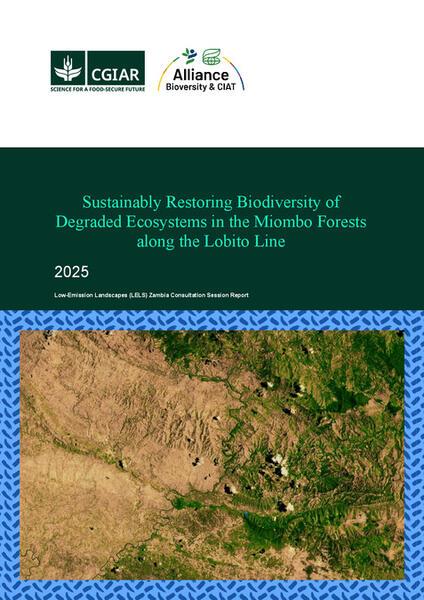
Restoring Miombo: From forest recovery to resilient bioeconomy
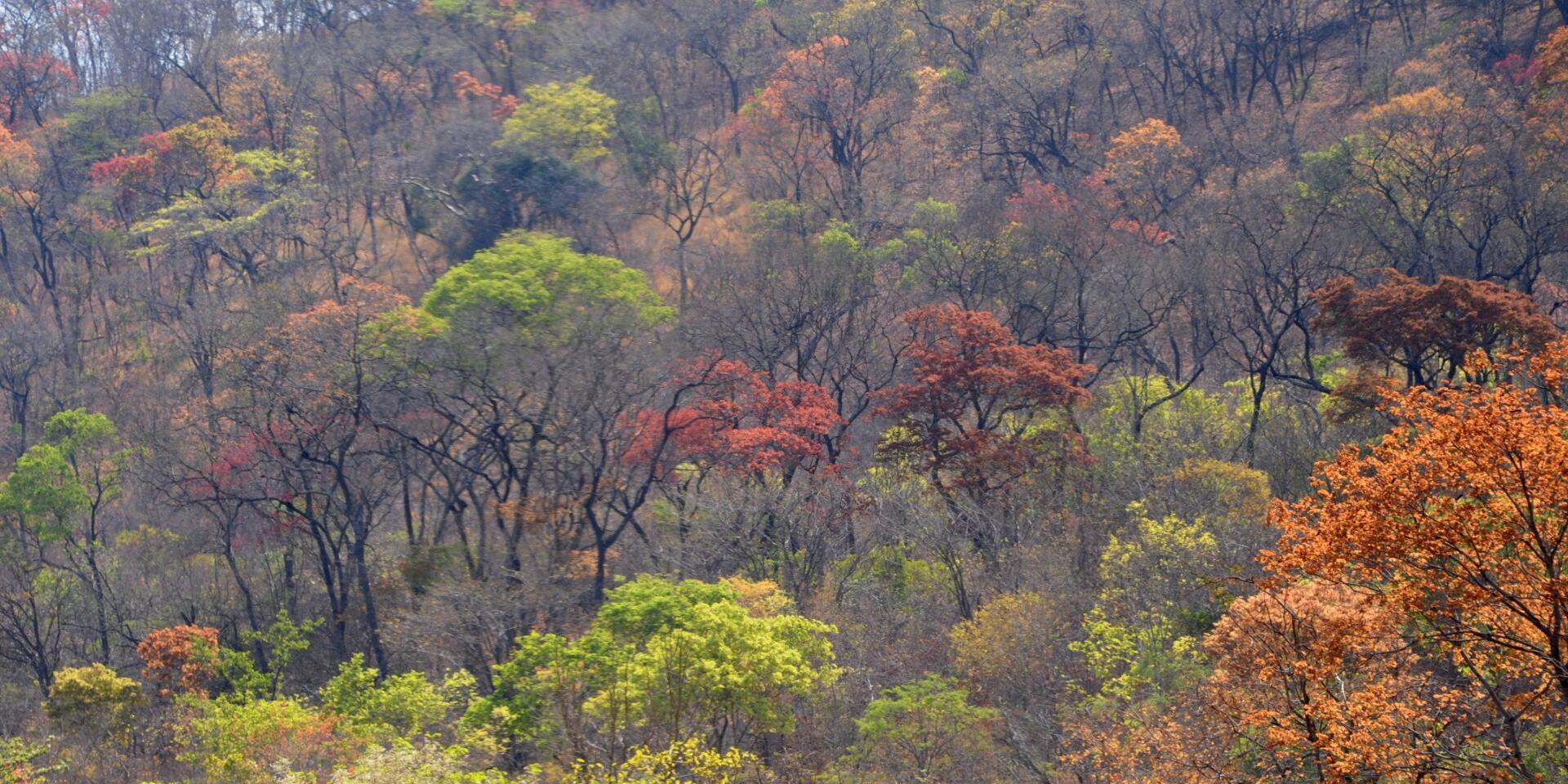
This project restores degraded Miombo ecosystems in Zambia’s Northwestern and Copperbelt provinces by strengthening monitoring, community-led restoration, and sustainable land-use practices. It empowers local communities, especially women and youth, through diversified livelihoods and inclusive value chains to reduce deforestation and enhance climate resilience.
Project Name (full): Restoring the Biodiversity of Degraded Ecosystems in the Northwestern and Copperbelt Provinces (Lobito Corridor) with a Focus on Sustainable Development
Start and end dates: 15 December 2025 to 14 December 2028 (36 months)
Region, countries: Africa, Zambia - Geographic Scope: Northwestern Province (Zambezi and Chavuma Districts) and Copperbelt Province (Lufwanyama, Ndola, and Mpongwe Districts)
Funders: Funded by the Italian Ministry of Foreign Affairs and International Cooperation (MAECI) through the Italian Agency for Development Cooperation (AICS)
Implementing organizations: Alliance of Bioversity International and CIAT (lead), Botanic Garden – Museum Network Sapienza University of Rome, Collaboration with civil society, academia, and private sector actors
Brief description
Zambia’s Miombo woodlands are among the most ecologically important landscapes in southern Africa, yet they are disappearing at an alarming rate. In the Northwestern and Copperbelt Provinces, deforestation is accelerating due to agricultural expansion, charcoal dependence, and mining activities. These pressures threaten biodiversity, degrade soils and water systems, and undermine the resilience of rural communities who rely on forests for food, energy, and livelihoods. The urgency of restoring Miombo ecosystems lies not only in protecting nature but also in safeguarding the future of communities whose wellbeing is tied to these landscapes.
Deforestation in Zambia is estimated at 300,000 hectares per year, with charcoal production alone valued at over US$600 million annually. While charcoal provides income for rural households, its unsustainable production depletes forests and deepens energy poverty. Mining in the Copperbelt further contaminates soil and water, compounding ecological loss and public health risks. Together, these drivers of degradation erode biodiversity, increase greenhouse gas emissions, and weaken community resilience to climate change.
This project responds with a clear set of goals: to restore degraded Miombo woodlands, conserve biodiversity hotspots, and promote sustainable land use practices. It empowers women, youth, and marginalized groups to lead in restoration and livelihood diversification, creating opportunities in honey production, mushroom cultivation, legumes, edible insects, and sustainable charcoal.
By combining ecological recovery with inclusive economic growth, the initiative builds resilience against climate change while reducing poverty and inequality. The project is firmly aligned with Zambia’s national strategies, including the National Forest Policy, the National Biodiversity Strategy and Action Plan, and the National Energy Policy. It also contributes directly to the Sustainable Development Goals:
- Zero Hunger (SDG 2) by strengthening resilient food systems and improving nutrition
- Gender Equality (SDG 5) by ensuring equitable access to land, resources, and decision-making
- Responsible Consumption and Production (SDG 12) by promoting sustainable resource use
- Climate Action (SDG 13) by building awareness and institutional capacity for climate resilience
- Life on Land (SDG 15) by conserving and restoring ecosystems.
By placing 5,000 hectares of degraded Miombo forests under community-endorsed restoration plans and engaging 1,000 rural households in sustainable livelihoods, the project demonstrates how ecological recovery and economic resilience can be achieved together. It is a partnership between the Alliance of Bioversity International and CIAT, Zambia’s Ministry of Green Economy and Environment, the Ministry of Agriculture, and international partners, showcasing how restoration and sustainable development can go hand in hand.
Key activities
The project is implemented through four coordinated components that connect science, community action, and market incentives to reduce deforestation and restore degraded landscapes.
Component 1 – Monitoring and institutional capacity
The project strengthens national and local authorities by introducing participatory monitoring systems, GIS mapping, and early-warning tools for forest loss and fire risk. A shared geo-platform combines satellite and community data, while forest rangers and extension workers receive technical training so monitoring directly informs planning, enforcement, and policy decisions.
Component 2 – Landscape restoration
Communities identify priority degraded areas and co-design restoration plans. Activities include agroforestry enrichment, soil rehabilitation, conservation agreements, and community monitoring teams. These actions improve ecosystem functions while formalizing community rights and responsibilities in forest management.
Component 3 – Sustainable livelihoods
Farmers adopt alternatives that reduce pressure on forests through training, demonstration hubs, and peer learning groups. Livelihood options include legumes, honey, mushrooms, edible insects, and improved charcoal practices designed to increase income, nutrition, and resilience, particularly for women and youth.
Component 4 – Value chains and markets
The project develops inclusive business models and market access for sustainable products. It supports enterprises, introduces digital advisory and market tools, links producers to finance and buyers, and promotes certification, ensuring conservation practices remain economically viable long-term.
Relevant blogs, stories and news coverage

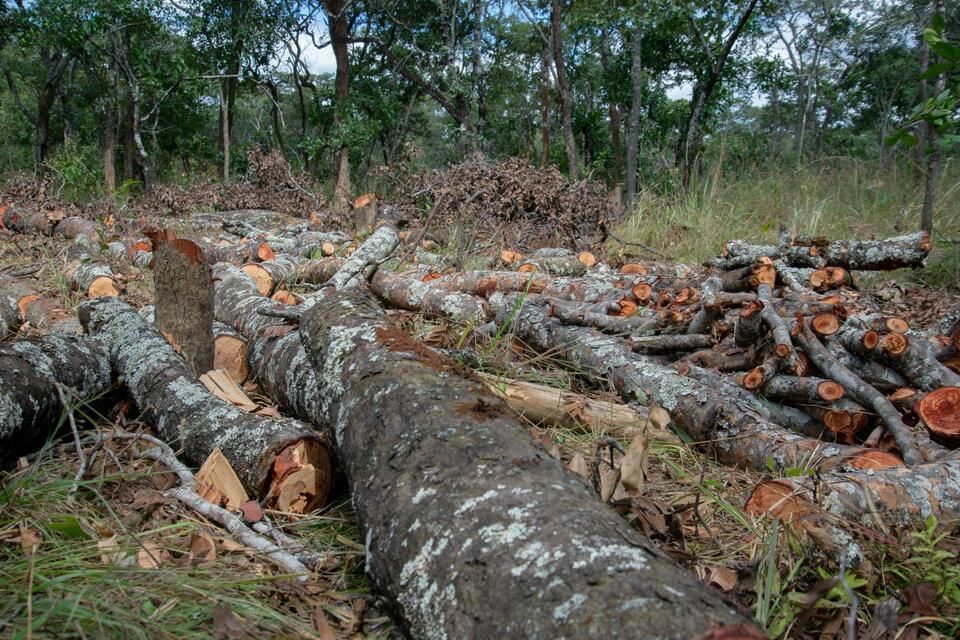

Cover photo credit: Leo Klemm / CC-BY-NC-ND
Project leaders
Principal Investigator

Augusto Castro-Nunez
Senior Scientist Low-Emissions Food SystemsProject Coordinator

Mary Ngaiwi
Research SpecialistResearch Specialist