From the Field Restoring Zambia’s forests, rebuilding livelihoods, upgrading food systems: Lessons from a stakeholder consultation in Lusaka and Ndola
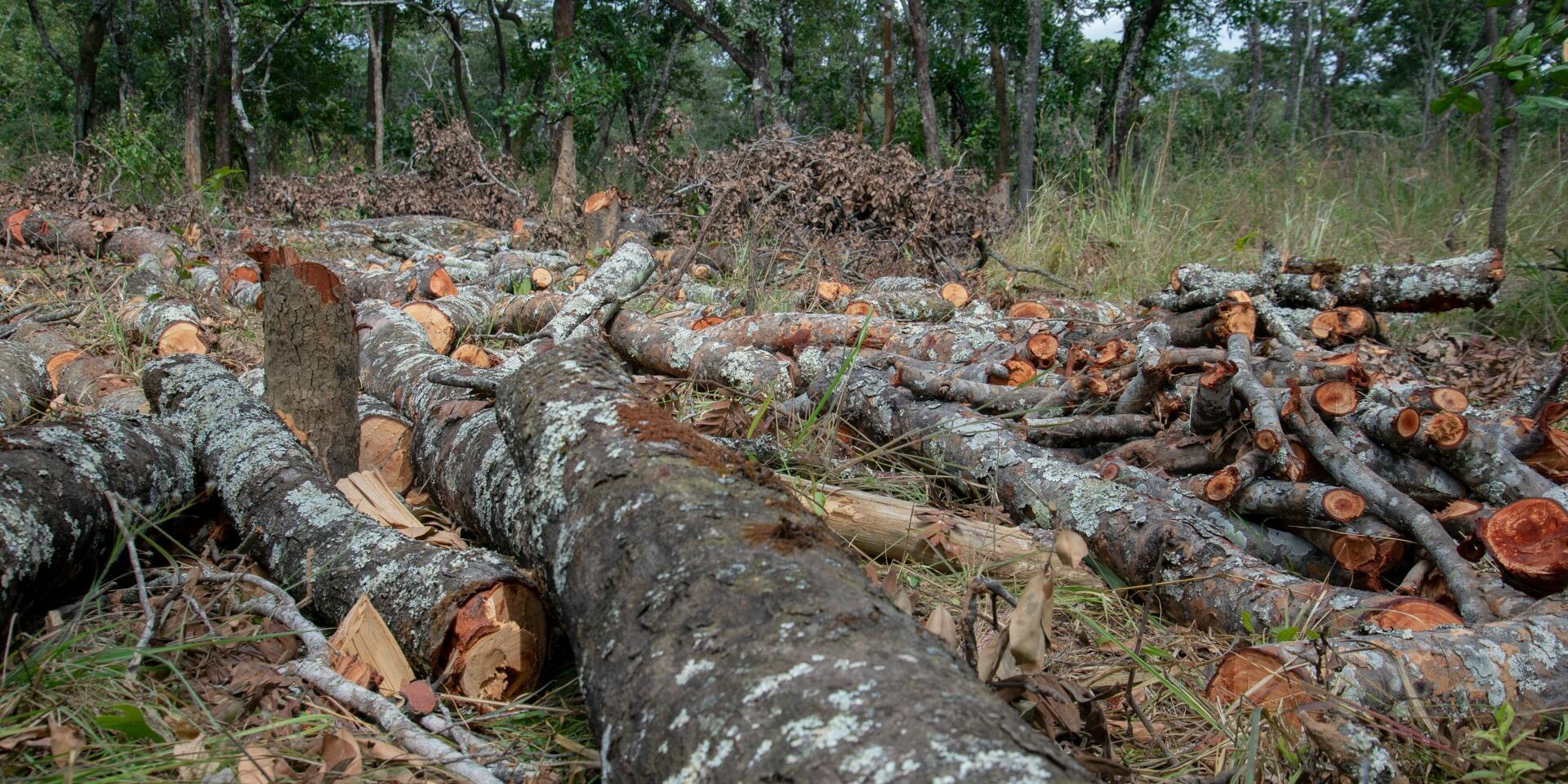

We met with a diverse group of stakeholders in Lusaka, Zambia, for a consultation that reaffirmed something we in the sustainability world know to be true: when it comes to solving complex challenges like deforestation, climate change, and rural poverty, no one actor can go it alone.
Hosted by the Ministry of Green Economy and Environment, the Ministry of Agriculture, and the Alliance of Bioversity International and CIAT, the consultation brought together a cross-section of actors - from senior government officials and researchers to farmers, community leaders, private sector innovators, and development partners. Together, we set out to co-develop an intervention that does more than plant trees. Our goal: to catalyze real, lasting change across Zambia’s forested landscapes - particularly in the Copperbelt and Northwestern Provinces - by aligning environmental restoration with economic opportunity and social inclusion.
Why Zambia, why now?
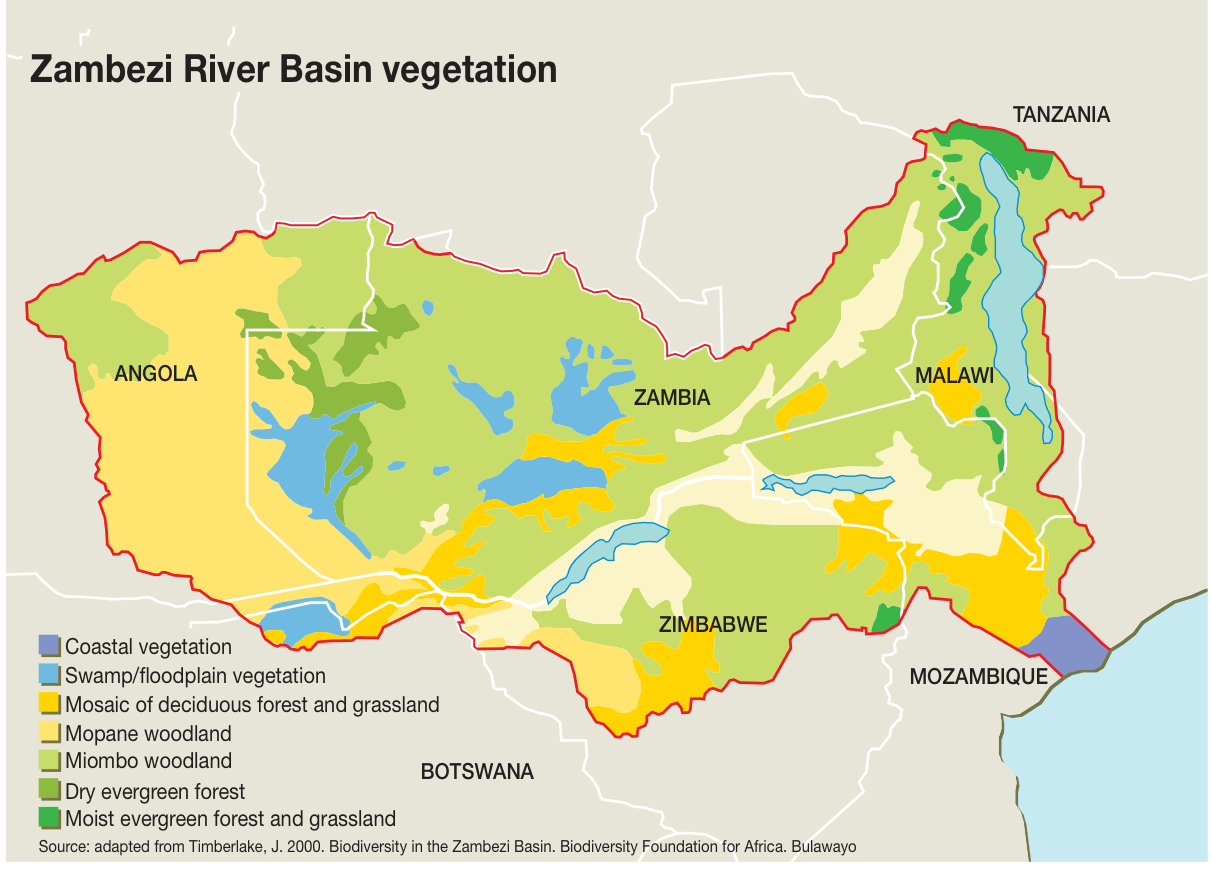
Miombo woodlands area in Zambia. Credit: GRID-Arendal (CC-BY-NC-SA)
Zambia faces intensifying environmental and socio-economic pressures. In many communities, deforestation is not just an ecological issue - it’s a survival strategy. As we listened to participants speak, it became clear that the widespread reliance on charcoal, even in urban households with electricity, is not simply about energy choices. It’s about cooking the foods that define culture, ensuring something warm on the table when other options fail, and securing an income when harvests falter due to drought or soil degradation.
Charcoal, in this context, becomes a symptom of deeper structural challenges: climate-vulnerable agriculture, limited alternative livelihoods, and a lack of accessible, culturally appropriate energy options for food cooking. As one official from the Ministry of Green Economy explained, even protein-rich forest foods like caterpillars - once a common and affordable source of nutrition - have become scarce and expensive due to habitat loss. Add to this the growing pressure from population expansion, informal settlements, mining activity, and a governance system struggling to enforce sustainable land use - and the need for a systemic, inclusive approach becomes all the more urgent.
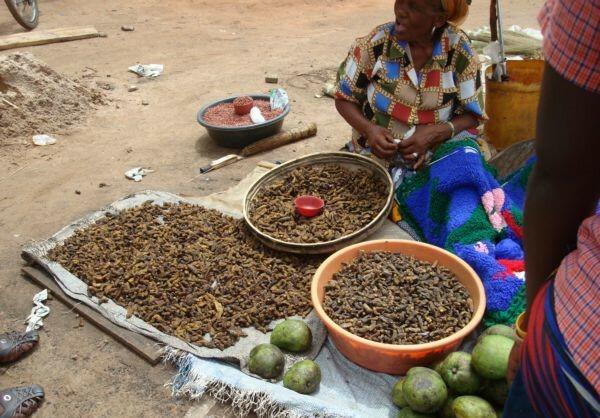
Caterpillars are a major source of protein and are common in the local diet but have become scarce and expensive due to habitat loss. Credit: Kay Adams (CC-BY)
Building from the ground up
What gave us hope during this consultation was the deep understanding among stakeholders that any intervention for addressing deforestation of miombo forest must not impose ready-made solutions but instead build from what is already working - and what communities already know. Zambia’s existing model of Community Forest Management Groups (CFMGs) offers an excellent starting point. These groups are more than forest guardians. They are organized around value chains - such as beekeeping, mushroom collection, and caterpillar harvesting - that can generate real income while safeguarding biodiversity. With technical support, market linkages, and small infrastructure investments like bulking centers or solar dryers, these local groups could become pillars of a regenerative, forest-based economy.
Equally important are demand-side innovations. If urban charcoal use is a driver of deforestation, then promoting faster-cooking, nutritious crops (like certain bean varieties) or scaling affordable alternatives to charcoal must be part of the strategy. During our session, we heard exciting suggestions – from enhancing public awareness around clean cooking, to leveraging behavioral incentives for shifting household energy use.
Six-step approach, one vision
The consultation itself - co-designed with Zambian partners, as well as with partners form the Italian system such Sapienza University and supported by the CGIAR Climate Action and Scaling for Impact Science Programs - is organized around six research-driven components. These span agrobiodiversity conservation, sustainable agricultural practices, soil restoration, and participatory monitoring. Crucially, the initiative places communities at the center - not as passive recipients, but as co-implementers and co-researchers. The integration of science and society is particularly exciting for those of us working in applied research. We’re not just studying systems - we’re helping to transform them side by side with those who live within them.
Participatory momentum
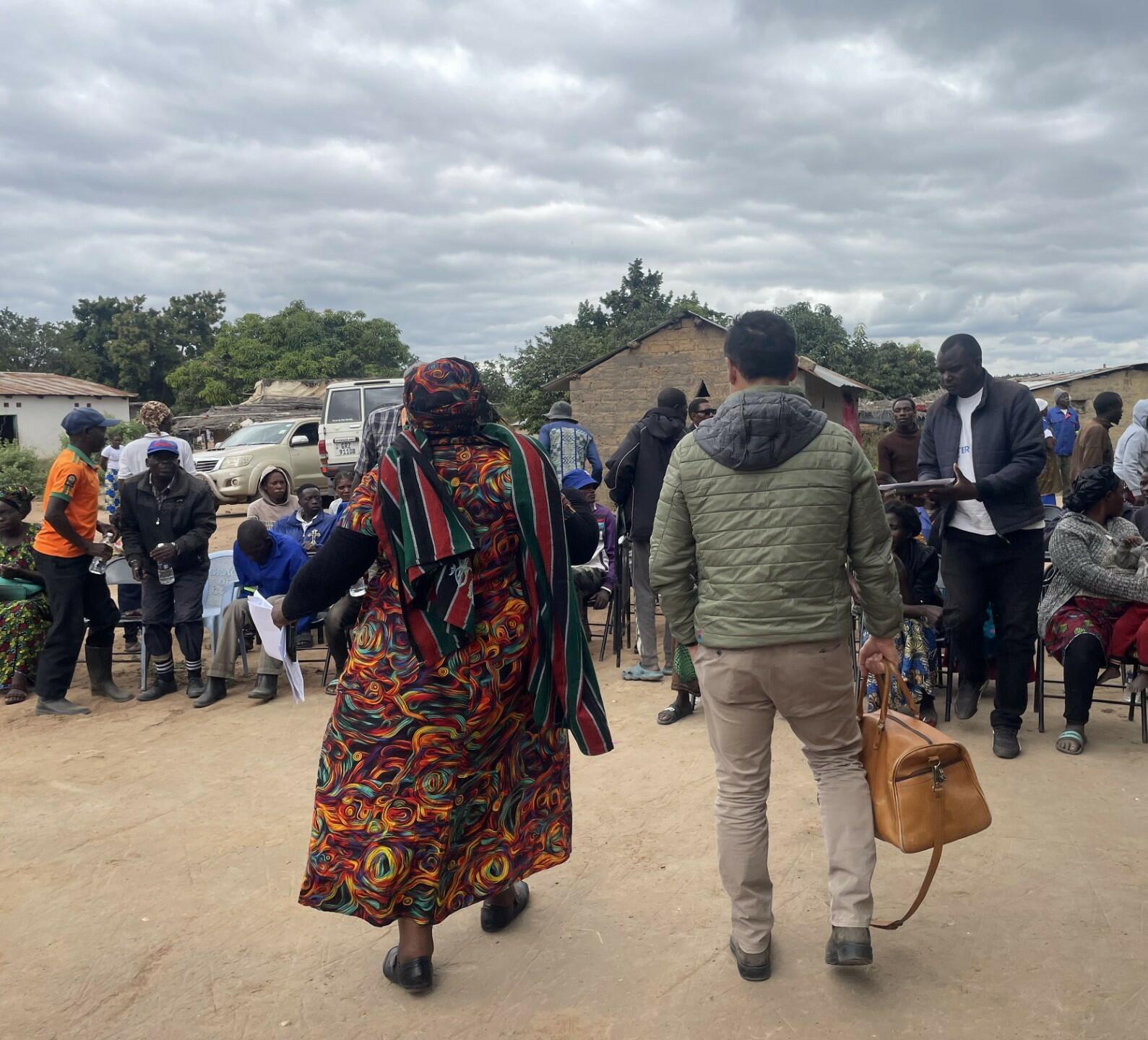
Project members during the Stakeholder Consultation. Photo credit: CIAT.
The consultation was thoughtfully designed. After a warm welcome that included an opening prayer and a round of self-introductions, participants shared stories and expertise with striking candor. One recurring theme was the need to move beyond top-down program design. As one participant said: “If you want to go fast, go alone. If you want to go far, go together.” That spirit of collaboration and co-ownership permeated the room. We were especially encouraged by the inclusion of entrepreneurs showcasing locally produced goods - dried indigenous fruits, herbal teas, and value-added forest products. These displays reminded us that restoration is not just about ecology - it’s about livelihoods, pride, and innovation.
From talk to action
The road ahead is ambitious. As our efforts for conserving miombo forests evolves, the team is developing a detailed concept note that would be presented to potential donors such as the Italian Agency for Development Cooperation. The team is also proposing a governance structure that includes a multi-stakeholder steering committee, alongside technical working groups. These bodies will ensure alignment with Zambia’s national strategies - on climate, biodiversity, energy, and agriculture - and create space for adaptive learning. Equally important is embedding long-term capacity building - especially through universities and local research institutions - so that knowledge remains rooted in Zambia long after the project ends.
A call for shared leadership
As scientists from the Alliance, we have worked across landscapes in Africa, Asia, and Latin America. We understand that science alone cannot solve deforestation. Technology alone cannot restore degraded land. Policy alone cannot build resilience. But when science, technology, policy, and people work together - when restoration is linked to real economic opportunities and community agency - transformation becomes not only possible, but inevitable.
This consultation in Zambia reminded us that sustainable development is not a product to deliver, but a relationship to nurture. It starts with listening, continues through collaboration, and grows through shared leadership. As we move forward, let us ensure that this partnership - rooted in local realities and guided by shared purpose - becomes a model not just for Zambia, but for any country seeking to heal land and livelihoods together.