GIC-LAC
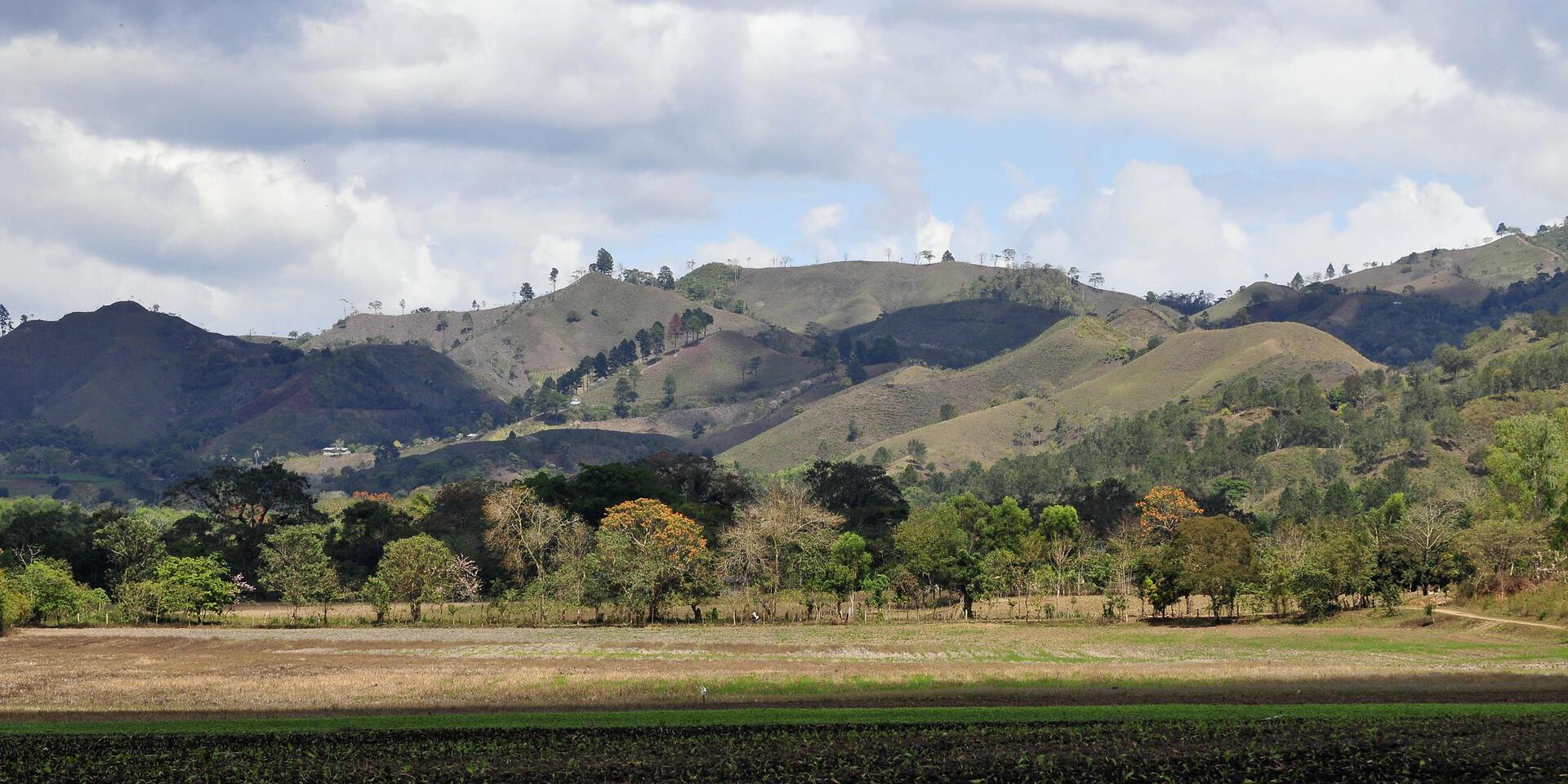
GIC-LAC seeks to transform the region's agri-food systems by developing technical capacities in countries to improve the reporting of greenhouse gas emissions, promoting inventories that are transparent, consistent and technically robust.
Start and end date: 2024 - 2026
Geographic area, countries: Latin America and the Caribbean
Funders: Through the New Zealand Government's Climate Smart Agriculture Initiative as part of its contribution to the Global Research Alliance on Greenhouse Gases in Agriculture (GRA), and CGIAR through Climate Action and Scaling for Impact Science Programs.
Brief Description
Accurate measurement of greenhouse gas (GHG) emissions is key for effective climate action, yet many countries in Latin America and the Caribbean (LAC) face outdated methodologies, capacity gaps, and limited data. GIC-LAC, strengthens national inventories through capacity building, methodological updates, and regional collaboration. Its tailored approach works with national institutions to develop country-specific strategies, enabling compliance with Paris Agreement reporting while empowering effective mitigation policies. By improving data quality, GIC-LAC supports stronger climate commitments and sustainable development in the region.
Key activities
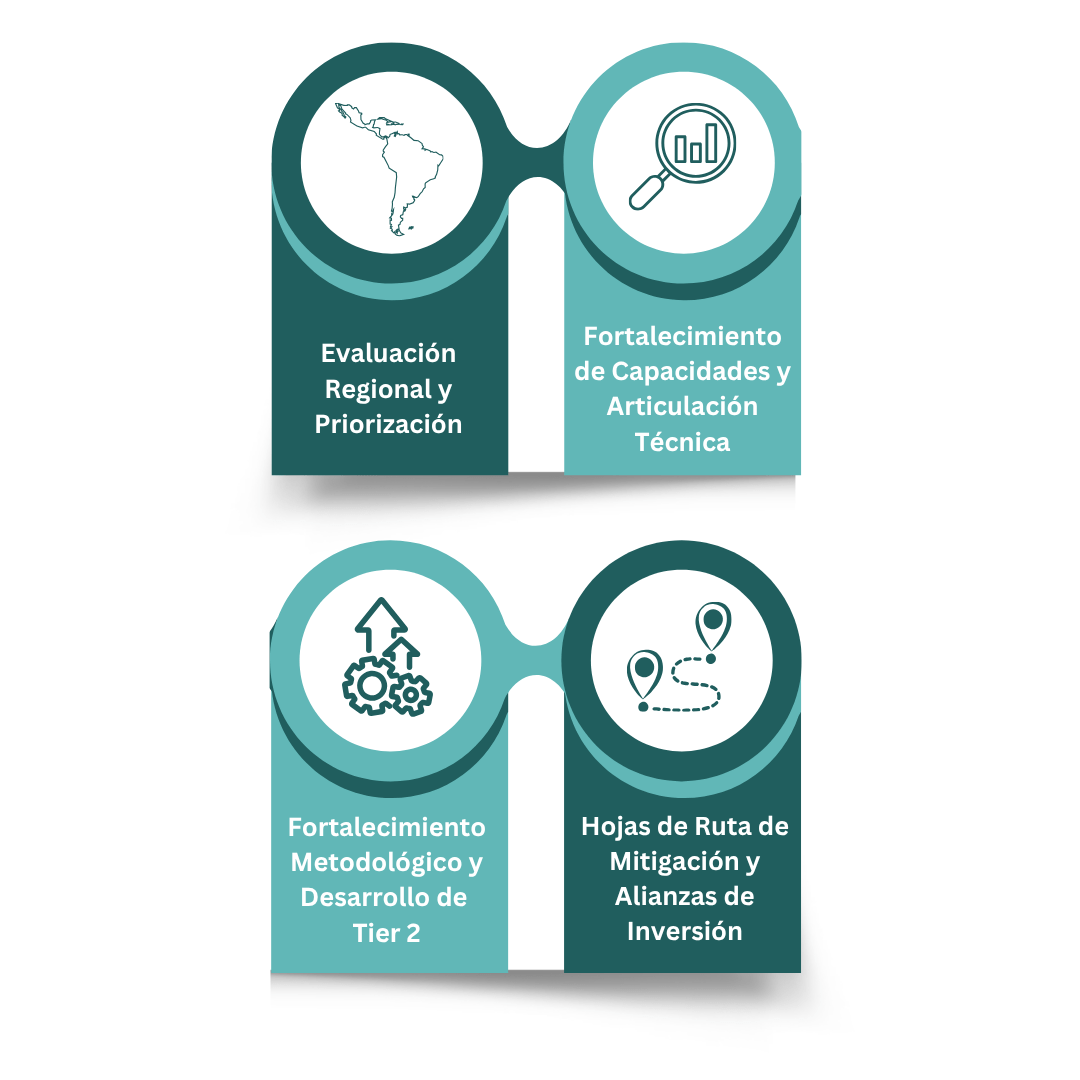
1. Regional Assessment and Prioritization:
GIC–LAC works across 27 countries in Latin America and the Caribbean to understand how agricultural MRV systems can become more robust and effective. By mapping technical, institutional, and data gaps, the project helps countries identify where to focus their efforts and how to strengthen national greenhouse gas inventories.
2. Capacity Building and Technical Engagement:
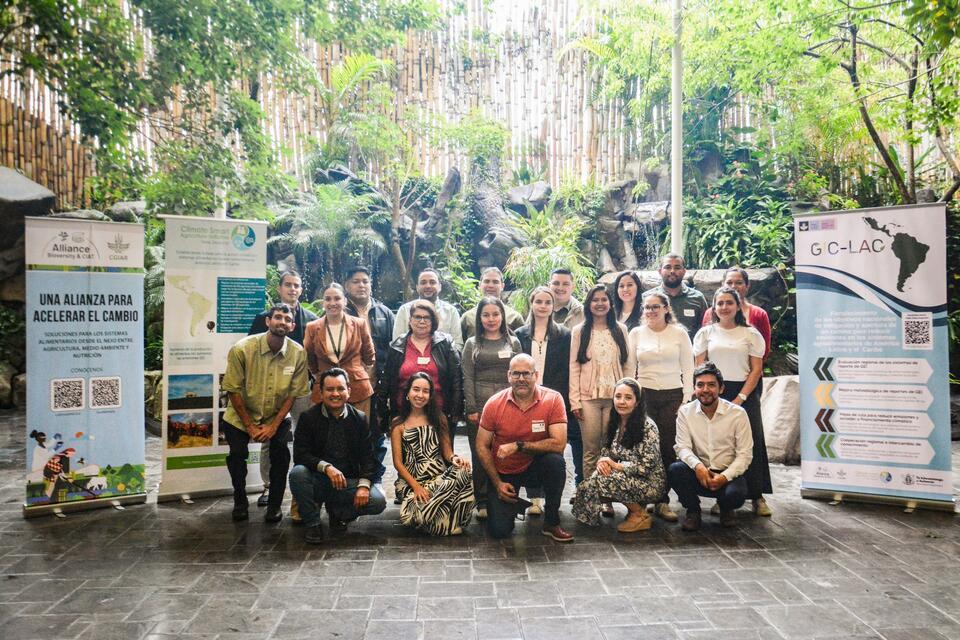
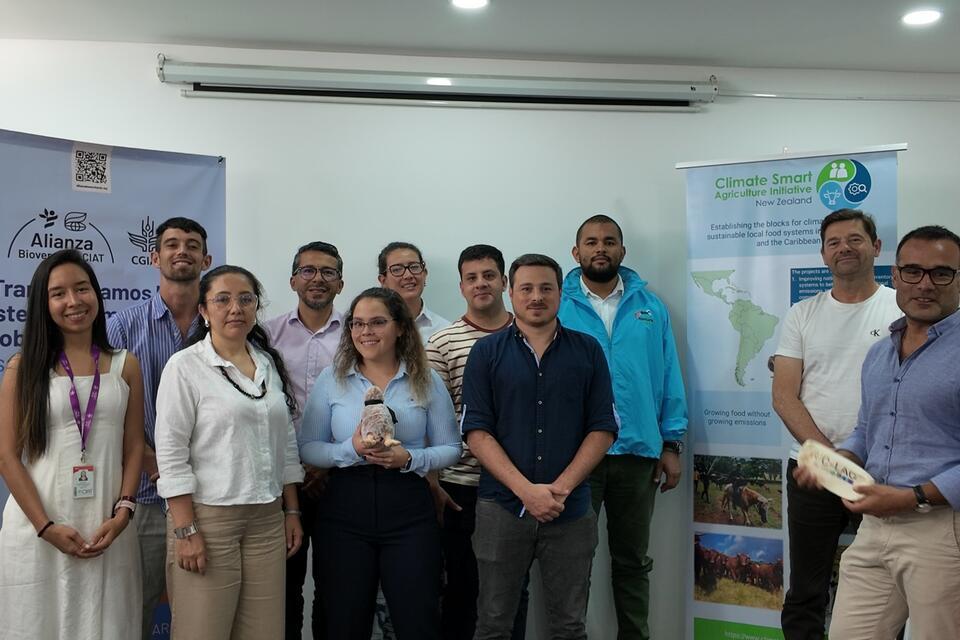
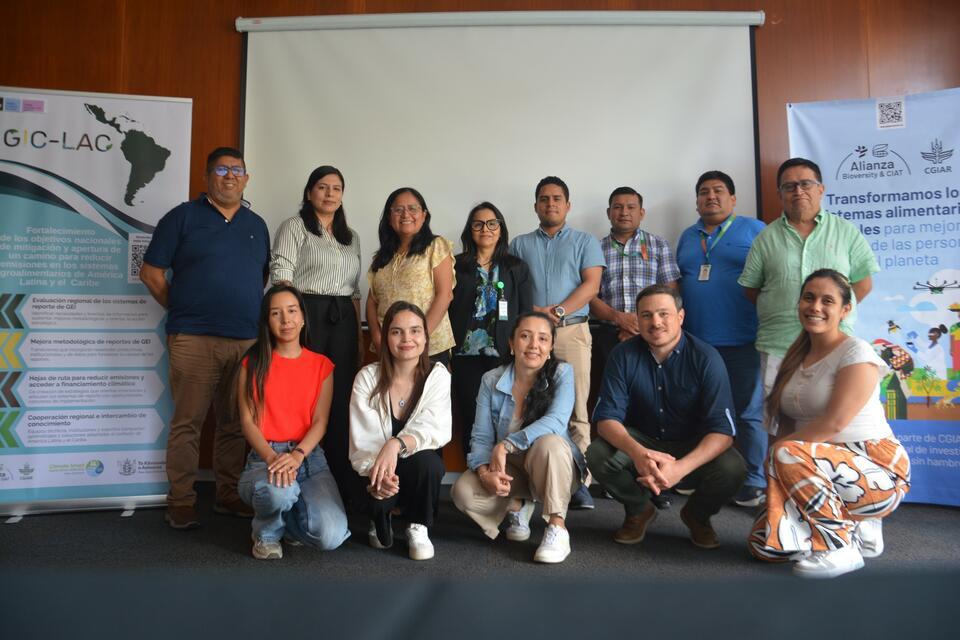
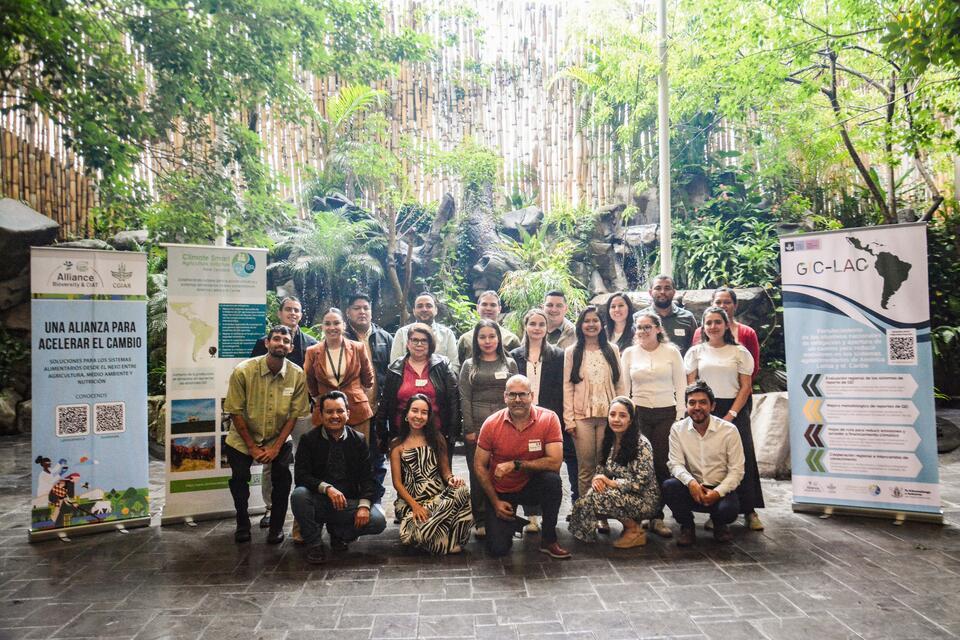
Through regional and national workshops, GIC–LAC brings together technical experts, policymakers, and institutions to build skills, share experiences, and strengthen collaboration. These spaces encourage continuous learning and innovation, helping countries design their own pathways toward more transparent and reliable climate reporting.
As part of this effort, the project is developing the first phase of an MRV e-learning and analytics platform — a self-paced digital tool for capacity building in GHG inventory estimation that will later evolve into an interactive dashboard for visualization, analysis, and continuous knowledge exchange.
3. Methodological Strengthening and Tier 2 Development:
The project supports selected countries in advancing to Tier 2 methodologies for key agricultural emission sources. By improving data systems, providing specialized training, and linking local information to national MRV frameworks, GIC–LAC helps strengthen the accuracy, consistency, and sustainability of greenhouse gas reporting.
4. Mitigation Roadmaps and Investment Partnerships:
Working side by side with national partners, GIC–LAC co-develops country-specific mitigation roadmaps that link science, policy, and finance. These roadmaps outline practical actions to reduce emissions in agrifood systems, while opening doors to climate finance and long-term collaboration.
Cross-cutting Outcome:
Beyond its technical goals, GIC–LAC fosters a regional community of practice that keeps knowledge flowing across borders. Governments, researchers, and organizations work together to strengthen transparency, data integrity, and collective climate action in Latin America and the Caribbean.
Data tools
Events
Workshops
Project leaders

Augusto Castro-Nunez
Senior Scientist Low-Emissions Food SystemsProject members

George Amahnui
Postdoctoral Fellow
Diana Gutierrez
Senior Research Associate
Karoll Valentina Yomayuza
Research Associate
Armando Martinez-Valle
Specialist, Climate action
Maria José Zamorio A.
Senior Research Associate