
Press and News GIC-LAC regional workshop strengthens capacities for agriculture and land-use emissions reporting
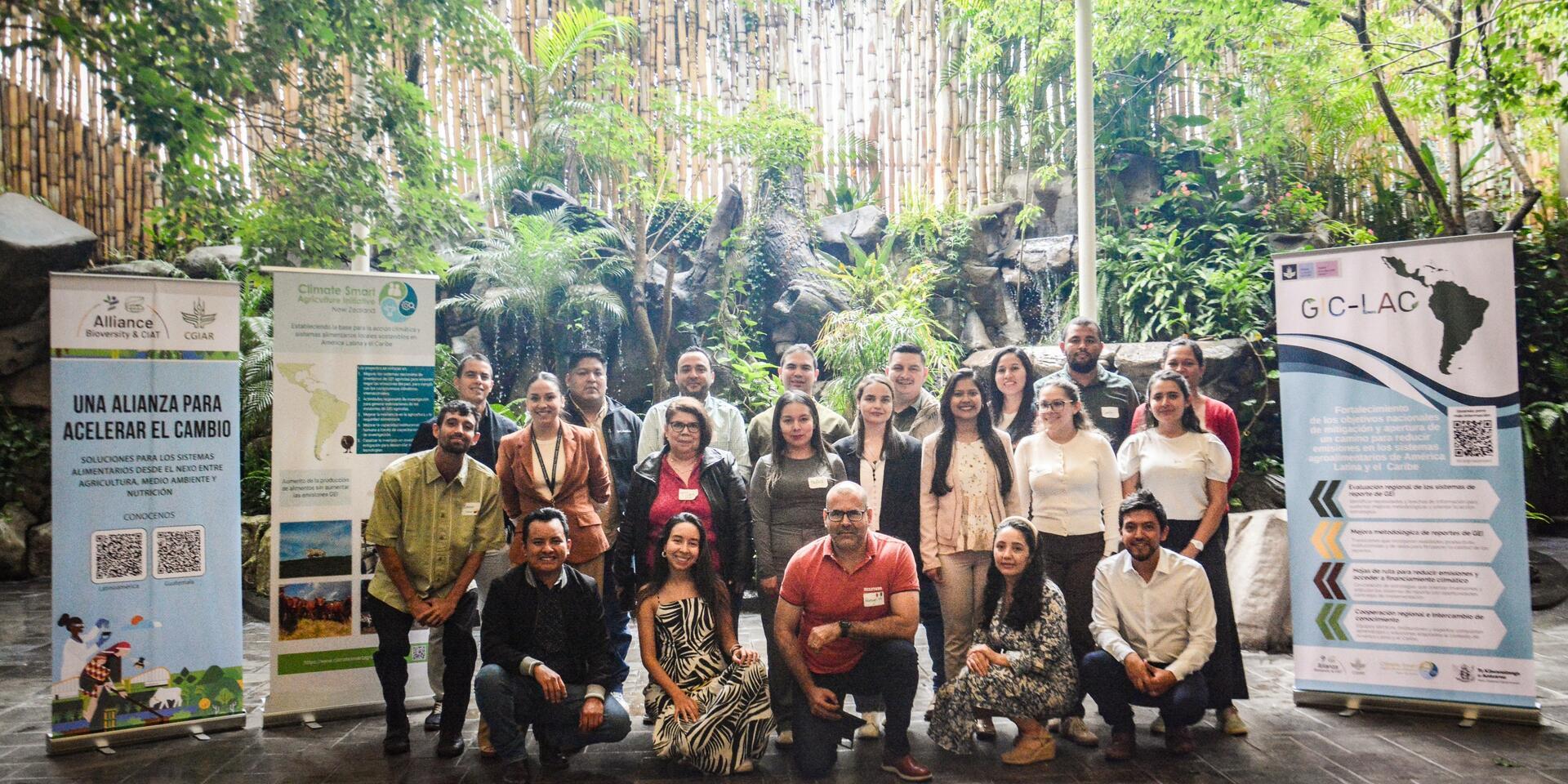

How can Latin American countries demonstrate their commitment to climate action? Representatives from Mexico, Colombia, Guatemala, Honduras, and El Salvador met in Guatemala City for the GIC-LAC Regional Workshop in 2025. Over three days, they shared experiences and developed strategies to improve how their country monitors and reports greenhouse gas (GHG) emissions from the agricultural and the land use, land-use change and forestry (LULUCF) sectors.
These systems, known as MRV (for Monitoring, Reporting, and Verification) systems, help countries collect reliable data about their climate actions. Clear and accurate information is essential for showing progress toward global climate goals under the Paris Agreement, where each country commits to limit global warming by reducing emissions and improving transparency.
The GIC-LAC project—Strengthening National Mitigation Goals and Opening a Pathway to Emission Reductions in Agrifood Systems in Latin America and the Caribbean— supports countries in improving how they track greenhouse gas emissions strengthening MRV systems. It is implemented by the Alliance of Bioversity International and CIAT and funded through the New Zealand Government’s Climate-Smart Agriculture Initiative, as part of its contribution to the Global Research Alliance on Agricultural Greenhouse Gases (GRA).
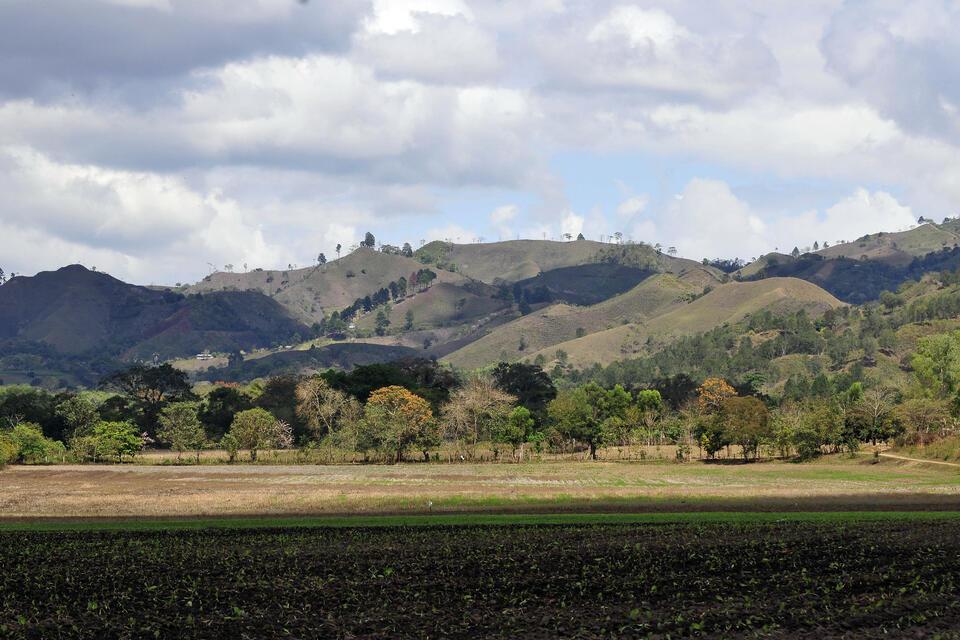
By reinforcing data systems and technical skills, the project helps align national emissions inventories with each country’s climate commitments. This alignment contributes to more sustainable and resilient agrifood systems.
In Latin America and the Caribbean, LULUCF generate nearly 58% of total emissions: the highest share of any region in the world. Yet many countries still face challenges such as limited data, weak institutional coordination, and outdated methodologies. Without strong MRV systems, it becomes difficult to plan effective policies or demonstrate achievements.
During the workshop countries worked with real-world examples of national emissions estimations commonly used in these sectors, such as evaluating the emissions resulting from deforestation and land-use change, as well as those arising from the cattle sector. Strengthening technical capacity and fostering collaboration among neighboring countries enables governments to produce more credible and internationally recognized climate reports.
A space for learning and collaboration
The Guatemala workshop marked the end of Phase II of the project. Guided by the Low-Emissions Landscapes (LEL) team, led by Dr. Augusto Castro and coordinated by Ivon Casallas, the event mixed technical sessions, group discussions, and hands-on exercises.
Opening remarks from Guatemala’s Ministry of Environment (MARN), Ministry of Agriculture (MAGA), and National Forestry Institute (INAB), along with the New Zealand Agricultural Greenhouse Gas Research Centre (NZAGRC) and the Alliance, highlighted how transparency and reliable data are key for climate finance and shared trust among countries.
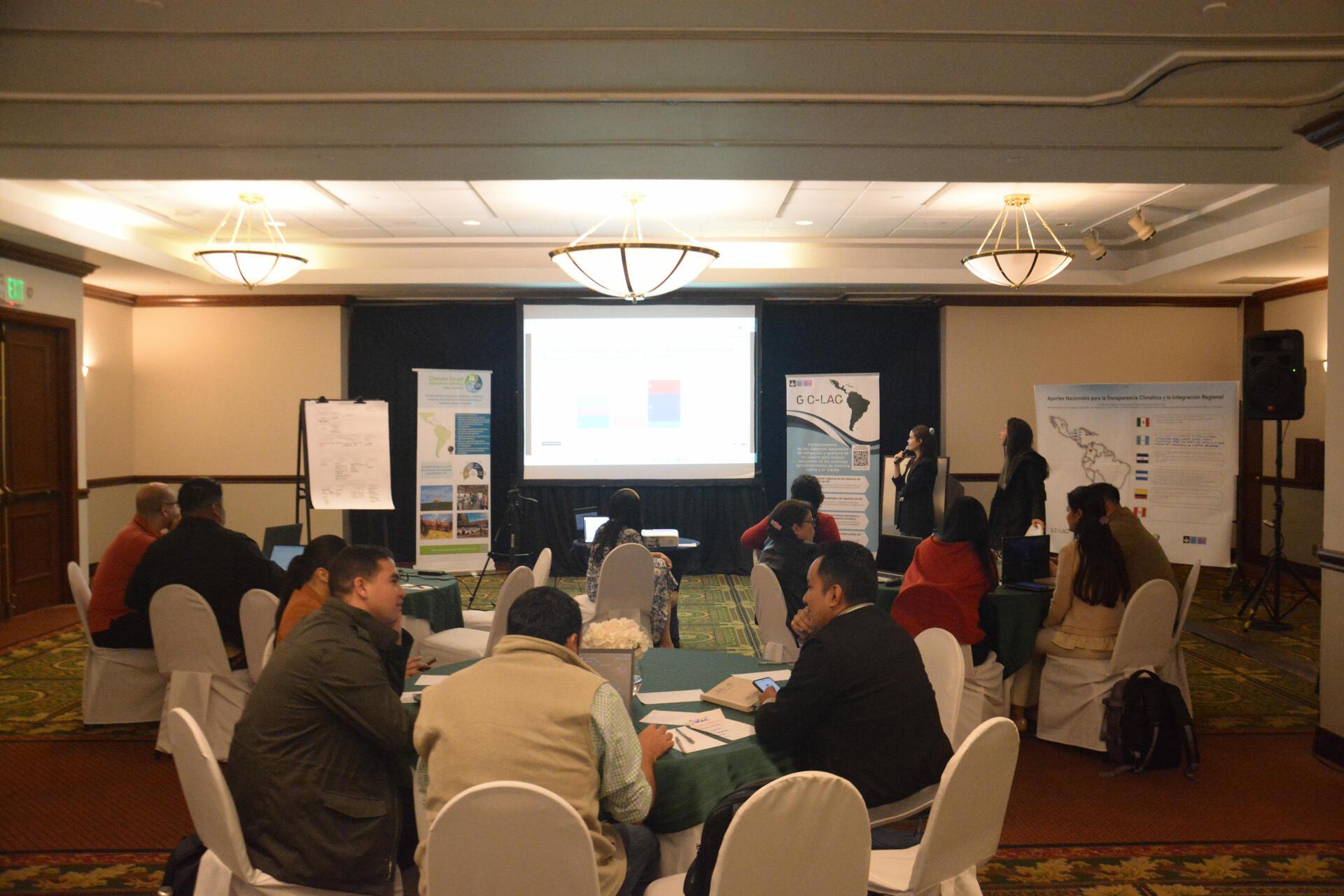
“The exchange of knowledge became a lively learning space, strengthening both our technical and human capacities,” said Dr. Augusto Castro, GIC-LAC Project Leader.

Augusto Castro-Nunez
Senior Scientist Low-Emissions Food SystemsParticipants presented their national progress and challenges in reporting agricultural and land-use emissions. Building on earlier work that assessed MRV capacity in 33 countries—their technical, institutional, and human ability to monitor, report, and verify greenhouse-gas emissions consistently and transparently— the sessions focused on identifying common gaps and finding shared solutions.
Speakers underlined that MRV systems are not only technical tools; they are also instruments of trust and accountability, which help countries access climate finance and show that they are delivering on their Nationally Determined Contributions (NDCs).
They also explored Intergovernmental Panel on Climate Change (IPCC) methodologies, which provide international standards for calculating and reporting emissions, and discussed how to adapt them to national contexts.
“Being able to exchange experiences among colleagues at the regional level is essential for identifying how challenges were strategically addressed in ways that can be applied in our country,” noted Isi Guerra, Coordinator of the Climate Change Unit from Guatemala.
“For example, learning how pilot tests are conducted in Colombia inspires us and opens up the possibility of replicating something similar in our context,” added Nubia Picazo, participant from Mexico.
Looking ahead: National roadmaps
By the end of the workshop, each country had prepared a national roadmap, a practical action plan to strengthen its MRV system based on its needs and available resources. This was one of the main results expected from Phase II.
Each country’s roadmap identified concrete steps to make its reporting systems stronger and more effective. For some, this means adapting institutional structures so that data from agriculture and land use can flow more efficiently between ministries and align with international standards. Others are focusing on improving how emissions and activity data are collected, ensuring that information from farms, forests, and national inventories is more precise and comparable.
At the regional level, countries also agreed on the importance of building a collaborative platform that would allow technical teams to stay connected, share lessons learned, and continue building collective capacity beyond the duration of the project.
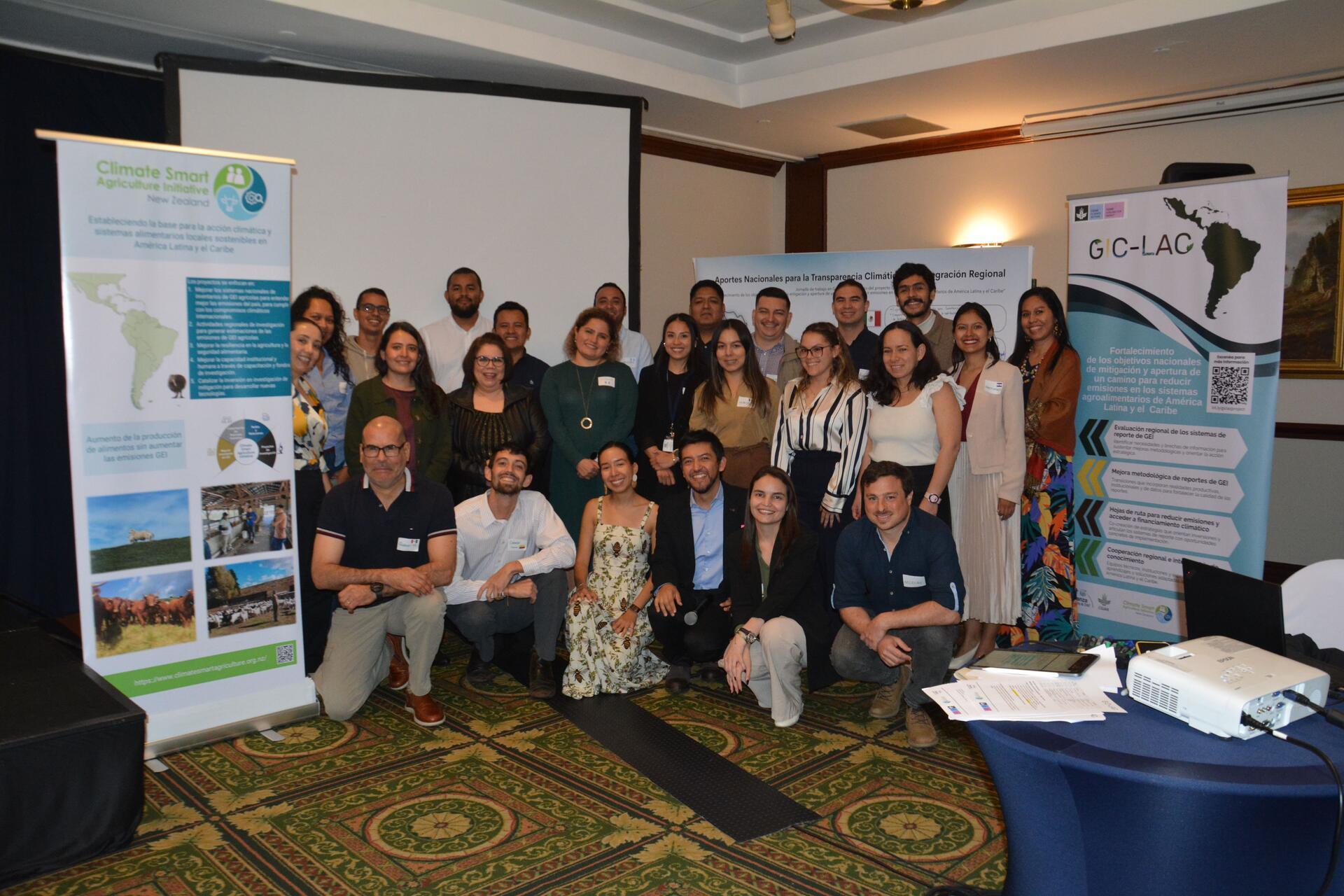
“The project is entering its closing stage with a series of workshops and the launch of Phase III, during which two or three countries will be selected to promote peer learning, apply advanced methodologies (Tier 2), and strengthen coherence with the commitments outlined in the NDCs and the Enhanced Transparency Framework of the Paris Agreement”, said Ivon Casallas, GIC-LAC project coordinator.
Through this next phase, GIC-LAC aims to ensure more accurate, transparent, and regionally consistent climate reporting, an essential step toward stronger policies and more sustainable agrifood systems across Latin America.
This work is part of the “Strengthening national mitigation objectives and opening a path to reduce emissions in agrifood systems in Latin America and the Caribbean” project funded through the New Zealand Government's Climate-Smart Agriculture Initiative, as part of its contribution to the Global Research Alliance on Greenhouse Gases in Agriculture (GRA) and CGIAR Climate Action Program and Scaling for Impact Program.