Projects and Flagship Initiatives in Vietnam
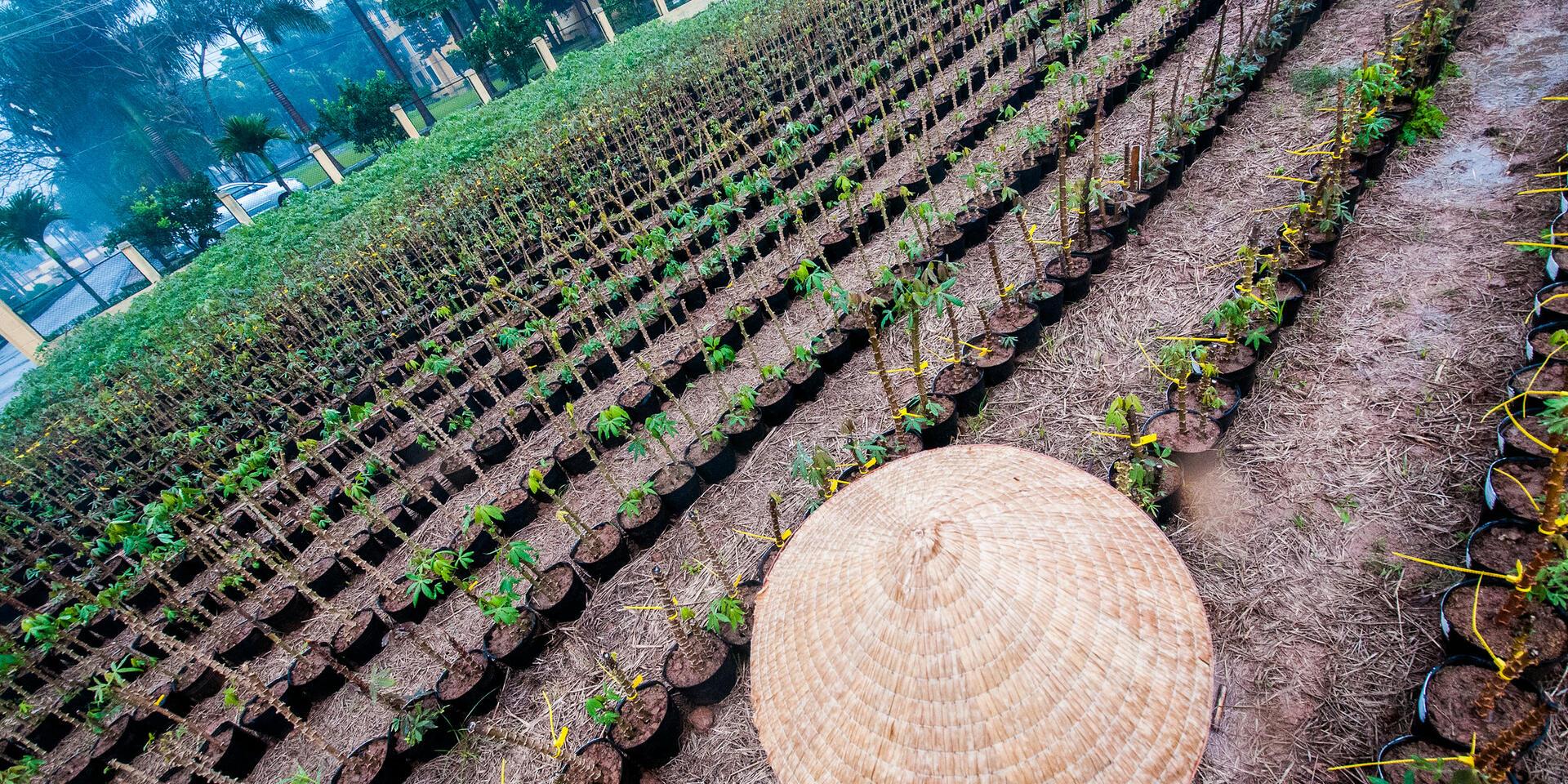
The Projects and Flagship Initiatives in Vietnam present a portfolio of initiatives that translate research into action. These initiatives contribute to healthier diets, stronger livelihoods, and more resilient food systems through evidence-based solutions implemented across national and local levels.
Advancing nutrition-sensitive agri-food systems
Alliance experts have played key roles in forwarding solutions toward healthier, more sustainable, and more resilient agri-food systems from the local to national scale. Since 2019, our sustained collaboration with the Department of Cooperatives and Rural Development (DCRD) and the National Institute of Nutrition (NIN) has catalyzed a clear shift from research to policy adoption. Through a series of research-driven and policy-oriented initiatives, this tripartite partnership resulted in the formal integration of nutrition-sensitive agriculture into Vietnam’s National Action Plan on Zero Hunger in 2021 and nutrition-sensitive agri-food systems into the National Target Programme on Sustainable Poverty Reduction in 2024.
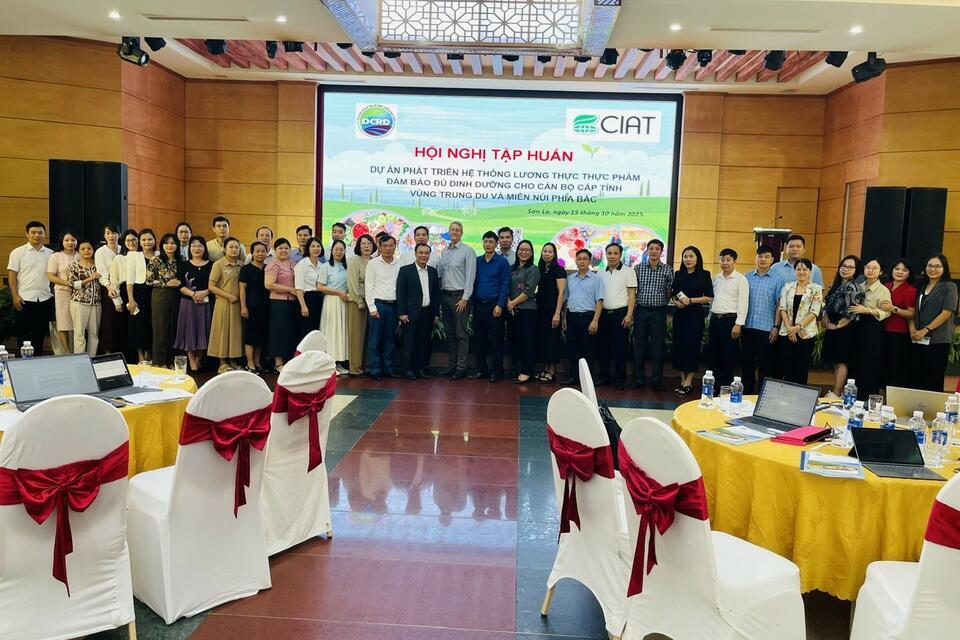
Reach of co-developed technical guidelines and training packages:
Trainees
Households
Officials
Pilot projects
Provinces
With structured capacity building delivered in the Mekong Delta in 2024 and expanded to the Northern Midlands and Mountainous Region in 2025.
We continue to contribute on dialogues and influence policy agenda at the national level through our continued partnership with NIN. Our comprehensive approach to analyzing food systems across production, distribution, and consumption has been integral within Vietnam’s nutrition policy to strengthen long-term capacity and commitments on sustainable food systems transformation. From district-level profiles along the urban-rural transect in Northern Vietnam, Alliance researchers and partners have co-developed Mekong Delta Food System Profile that integrates multisectoral data on climate vulnerability, human mobility, agricultural production, diets, and nutrition into a single decision framework. The tool has since been used to demonstrate a shift toward a food systems lens in guiding NIN’s scientific agenda and multi-sectoral engagement.
Fostering enabling food environments for sustainable healthy diets
Over the years, the Alliance has maintained strong partnership with Ministry of Agriculture and Environment (MAE) and Institute of Strategy and Policy on Agriculture and Environment (ISPAE) to generate evidence and knowledge that help shape food environment and consumer behavior throughout the country. Using the Healthy Food Environment Policy Index (Food-EPI), we examined Vietnam’s existing food environment policy landscape showing wide gaps in marketing restrictions, labelling, retail regulation, and fiscal policy. The assessment revealed significant gaps across key domains that include marketing restrictions, food labelling, retail regulation, and fiscal policy where 74% of indicators showed low or very low scores.
Building on these findings, the Alliance has co-led efforts to design practical interventions to enhance food environments and foster the adoption of sustainable healthy diets, with particular attention to adolescents.

Boosting climate-proof farming activities and reducing risks
To build agricultural resilience against climate change impacts, the Alliance is working on a portfolio of projects that involve decision support tools for climate change adaptation and mitigation. Through the years, we have capacitated smallholder farmers and government agencies with digital climate advisories and bundled services to improve farming practices and reduce risks against the climate crisis.
The Agro-Climatic Bulletin (ACB) has been particularly successful in the Mekong River Delta, providing tailored agricultural recommendations for improved farm management and decision making based on seasonal, monthly, and 10-day climate and weather forecasts. These advisories are developed by Local Technical Agroclimatic Committees (LTACs) – composed of agricultural officers, hydrometeorological officers, irrigation department representatives and other relevant actors and local experts – and disseminated through Zalo messenger app and other media (e.g., posters, loudspeaker, farmer to farmer exchange and social media).
In 2024, the Vietnamese Government honored the Alliance with a Certificate of Merit for its pivotal role in advancing rural and agricultural development through the development and dissemination of ACBs. By the end of 2025, the bulletins have already reached more than 320,000 farmers and have since became part of Vietnam’s policy, contributing to national crop management and climate change adaptation strategies.

Enhancing indigenous communities and local agrobiodiversity
Working closely in the implementation of the CGIAR Initiative Nature-Positive Solutions, the Alliance in Vietnam contributed knowledge and expertise to the management and use of biodiversity with smallholder farmers to enhance local income and improve nutrition.
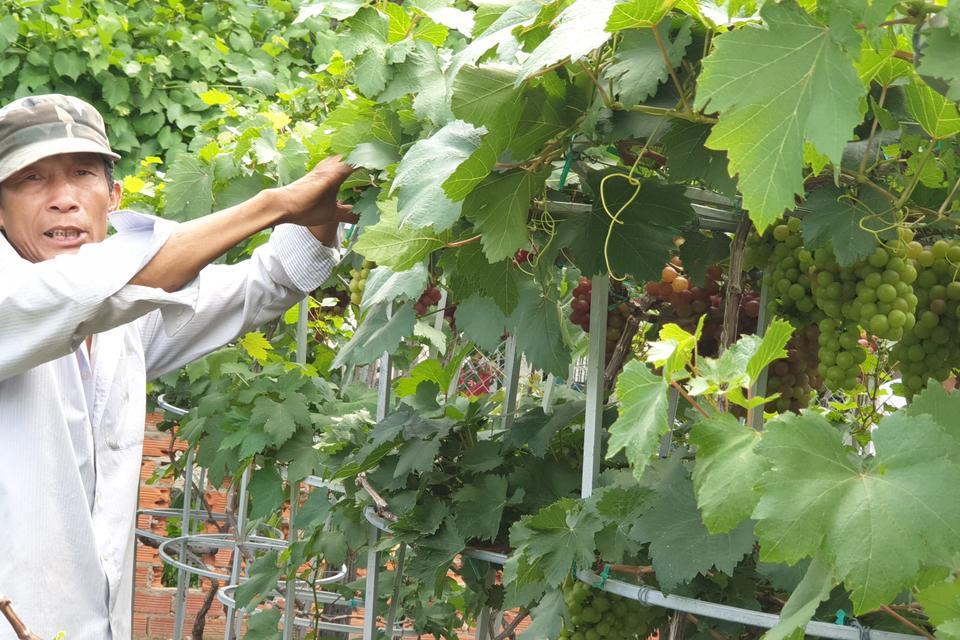
The Alliance supported agroecological transitions, including the promotion of nature-positive practices, participatory selection of neglected and underutilized species, and strengthened local capacities and market opportunities for indigenous fruits and vegetables, particularly through agro-ecotourism.
In the Northern Highlands, we worked with local ethnic minority communities to strengthen vegetable seed systems by improving access to and use of quality seed from both formal and informal sources, building local capacities in seed production, storage, and nutrition-sensitive vegetable value chains. Through capacity strengthening, community engagement, and linkages across seed and vegetable value chains, the project supported year-round vegetable production, enhanced awareness and utilization of local agrobiodiversity, and increased smallholder engagement in seed and vegetable markets to improve household nutrition and incomes.
Ensuring deforestation-free agriculture through digital innovation
Our digital innovation tool, Terra-i, serves as breakthrough geospatial innovation in Vietnam. A pioneer in using real-time satellite imaging to track forest land use changes for coffee plantations, the integrated tool uses comprehensive data sets to provide high resolution geospatial data on land cover, deforestation events, climate suitability, and shade trees and visible soil coverage.
Information from the tool can be used as a basis for more complex analysis and more informed management strategies along the coffee supply chain, especially in ensuring coffee growers comply with global regulations in deforestation-free sources of commodities.
Driving cassava industry’s growth
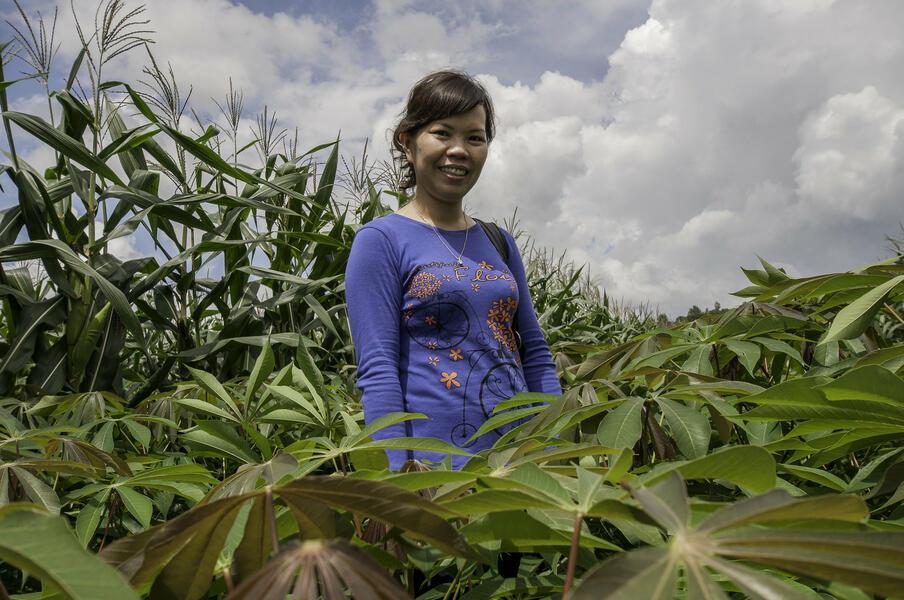
Vietnam is the world’s second largest exporter of cassava, shipping over 2.4 million tons in 2023. As a key export commodity, the Alliance remains committed to leveraging its innovation to drive sustainable cassava systems in the country. Our global expertise continues to work with local research and government organizations to ensure enhanced access to quality genetic resources of improved cassava varieties resistant to existing and emerging pests and diseases including root rot, cassava mosaic, and witches’ broom.
This allows for stronger farm and market links to improve local livelihoods and contribute to economic growth in the country. We also developed regenerative agriculture pathways for the commodity crop in Vietnam, combining sustainable methods with digital technologies that monitor impacts and track soil health. To ensure better adoption of regenerative practices, the Alliance also explores the potential of carbon markets so farmers could earn additional income.
Through the Asia Cassava Breeder and Disease Network, the Alliance and partners across governments and industries in the region promote strategic direction to secure the competitiveness of the billion-dollar cassava industry. The network plays a critical role in ensuring collective research efforts, sustaining long-term targeted breeding pipelines, and sharing germplasm, data, and capacity to deliver solutions tailored to priority market segments across Asia.
Better forage-livestock systems
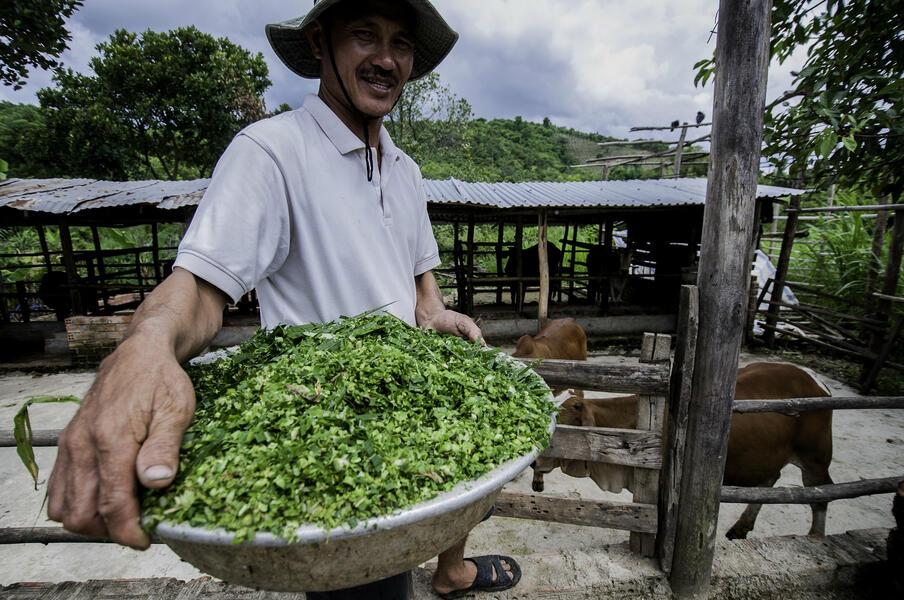
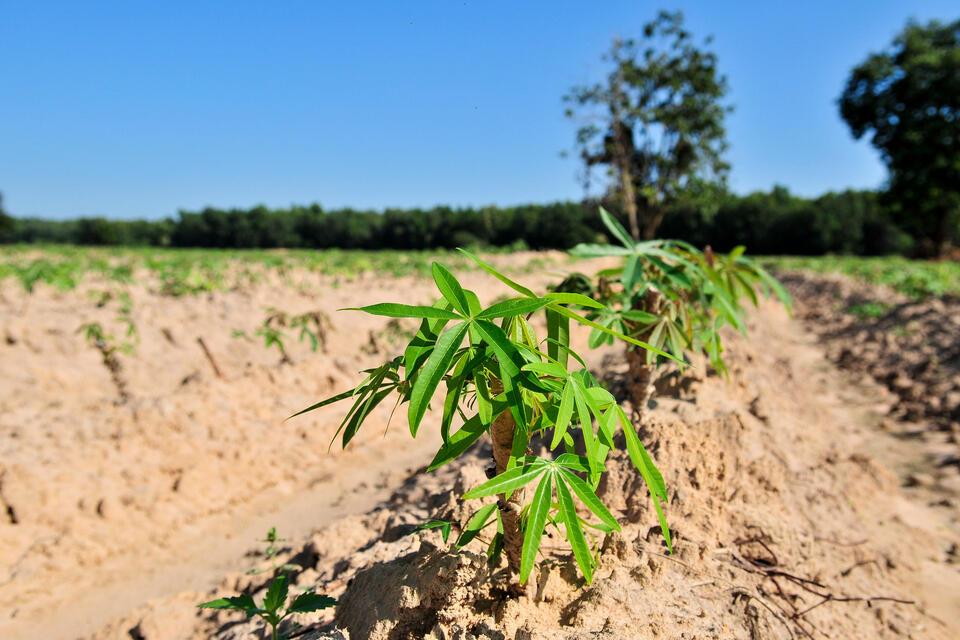
With our national partners, the Alliance’s Tropical Forages Program in Asia continues to lead initiatives promoting and evaluating improved forages and feed technologies in the Northern Highlands. By delivering nature-positive solutions, we support Vietnamese farmers in achieving sustainable productivity gains and improving livelihoods in the livestock sector, while promoting soil health in forage-based systems.
Eight high-quality and high-yield forage varieties were used and assessed in Northwestern Vietnam, targeted to sustainably transform the communities’ agricultural landscapes and boost animal nutrition, health, and genetics for high livestock outputs in the long run. The promoted varieties are also more tolerant to drought and cool temperatures, which ensures quality feed availability all year around while supporting farmers to confront limited feed and forage sources during winter. Partners in the Mekong Delta, meanwhile, work toward addressing issues in agriculture like salinization along the coasts.
Promoting agroecology practices
Through the Common Microbial Biotechnology Platform (CMBP), the Alliance continues to steer regional efforts in soil health research by advancing innovative solutions addressing efficiency, productivity, and sustainability of agricultural systems in the Asia-Pacific.
The Hanoi-based regional platform promotes the use of beneficial microorganisms to reduce reliance on mineral fertilizers and chemical pesticides across various ecosystems.
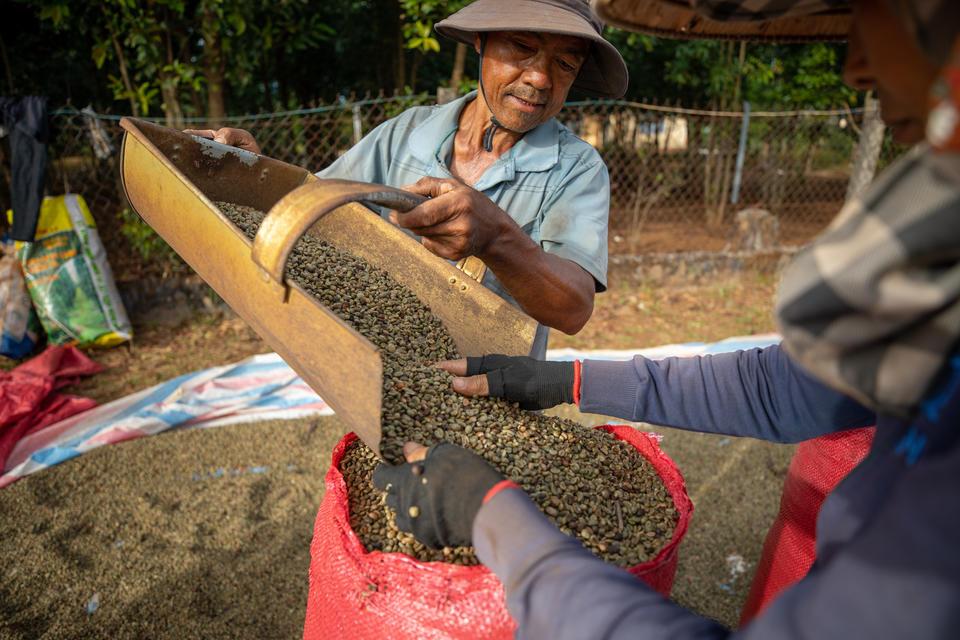
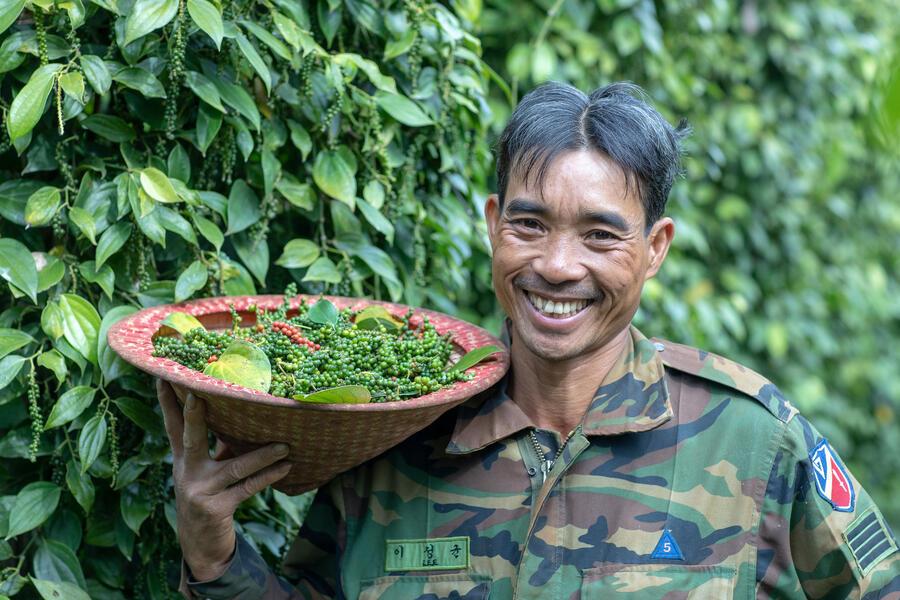
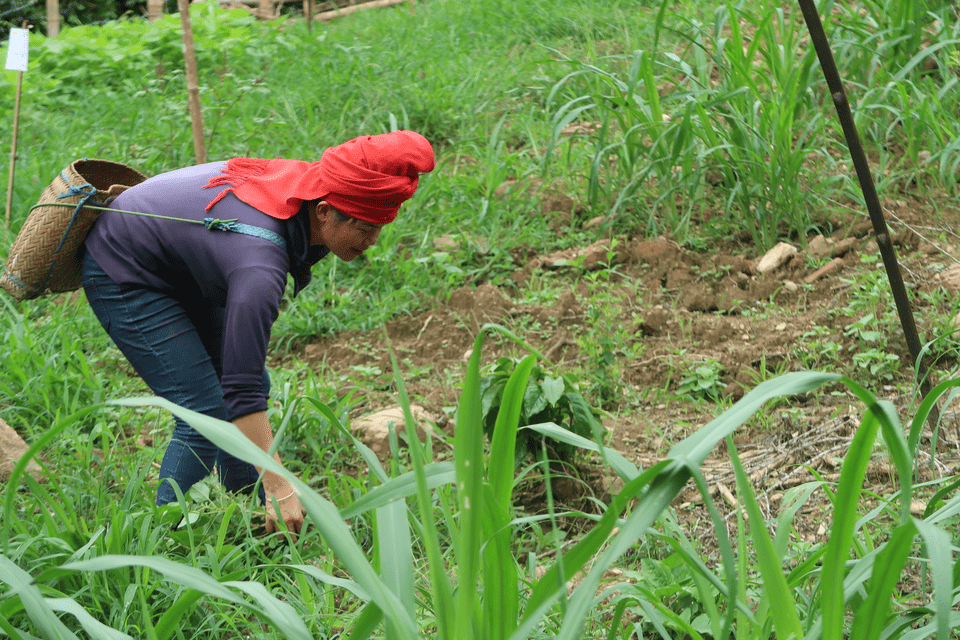
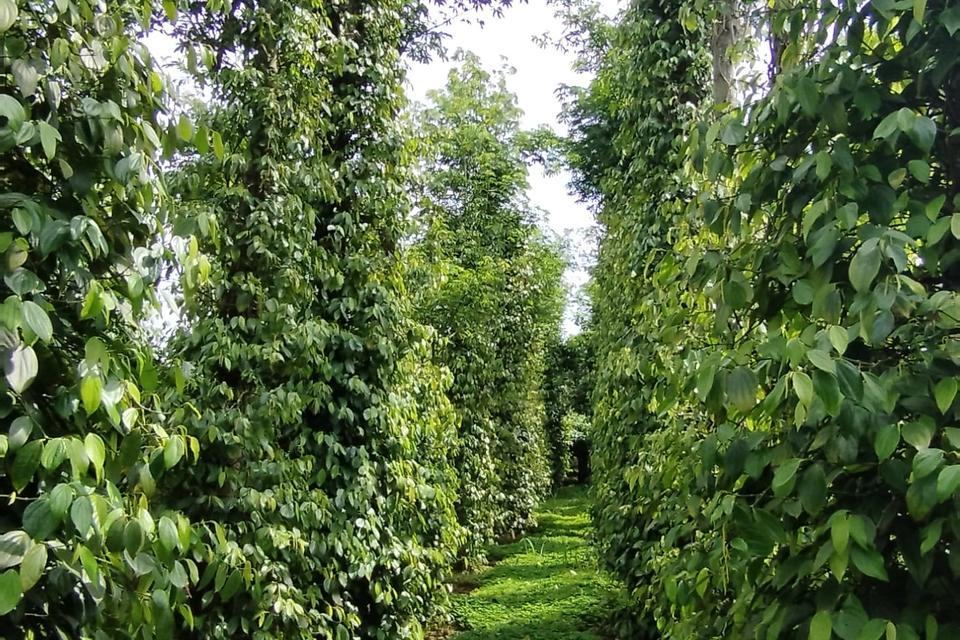
In Vietnam, we explore a variety of cropping systems including coffee and black pepper in the Central Highlands, tea in Thai Nguyen Province, and cowpea and cassava in Yen Bai Province. Leveraging our expertise in soil microbiology, the Alliance assesses the effectiveness of commercial bioinoculants against soilborne pests and diseases threatening coffee and black pepper plantations in the Central Highlands. The preliminary results show promise and will be validated through network trials with local Vietnamese farmers.
We also actively contribute to capacitating young soil researchers by welcoming Vietnamese students registered at Deakin University in Australia to conduct research studies through our regional platform, along with regular teaching sessions on soil microbiology for undergraduate students in the country.
Advancing Food Systems Transformation planning and implementation across levels
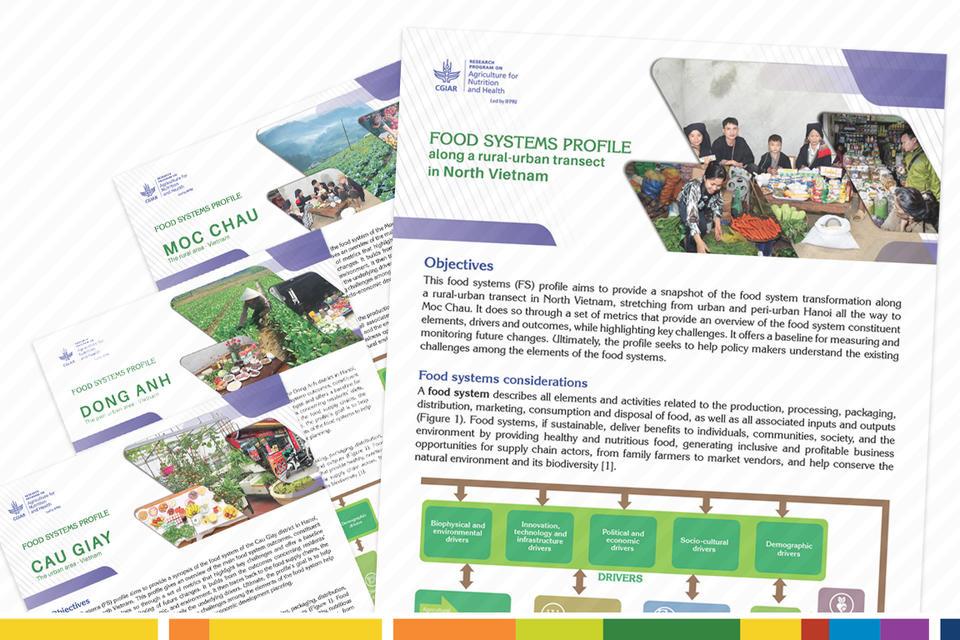
Under the CGIAR Research Program on Agriculture for Nutrition and Health between 2018 and 2021, the Alliance was building food system profiles across rural, peri-urban, and urban sites in Northern Vietnam that spotlight critical linkages existing in not just the flow of food commodities but also links to nutrition and health outcomes, among others.
The three district-level profiles generated the kind of granular, place-based evidence that would later anchor national policy conversations. In 2021, Alliance researchers engaged in United Nations Food System Summit (UNFSS) dialogues and Ministry of Agriculture and Environment (MAE)-convened technical working groups, where we contributed to shaping the guidelines for the Strategy for Sustainable Agriculture and Rural Development (2021–2030 and Vision to 2050) and co-authored the technical report that made the case to the Prime Minister’s Office for a dedicated food systems plan. The Alliance’s Country Coordinator played a key role as a core member of the ministry-led working group that formed what became the National Action Plan for Transparent, Responsible, and Sustainable Food Systems Transformation (NAP-FST), approved by the Prime Minister level in March 2023.
Since then, the Alliance has helped operationalize the NAP-FST at national levels through the FST-Partnership, a government-endorsed platform with more than 49 partners working through technical groups on agroecology, nutrition, responsible consumption, and institutional improvements, while ensuring that integrated food systems and healthier diets remain central to Vietnam’s voice in the global climate discourse, including the high-level Conference of Parties (COPs) in Azerbaijan and Brazil.
The Alliance’s imprint is equally visible at the sub-national level. Through the Subnational Food Systems Transformation Decision Supporting process, Sơn La and Dong Thap were identified as pioneer provinces for NAP-FST implementation. The Alliance, working alongside the National Inter-sectoral Support Group, helped establish formal Provincial Inter-sectoral Working Groups in both provinces, co-developed comprehensive food system profiles that diagnosed local challenges and opportunities, and guided a participatory process that identified 3–4 priority intervention areas per province. The effort resulted in the approval of Provincial Implementation Plan (Decision 161/KH-UBND) by Son La Provincial People’s Committee, suggesting a replicable blueprint for embedding food systems transformation into local governance across the Southeast Asian country.