Blog From Hanoi to Belem, Vietnam’s food systems transformation is well-positioned within global efforts


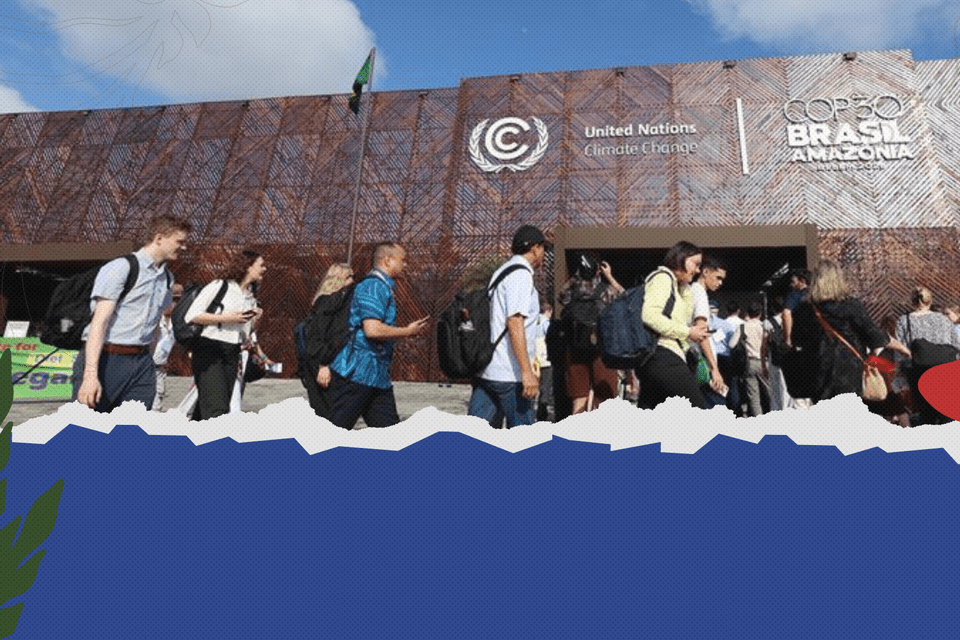
The 30th Conference of the Parties (COP30) in Brazil marked a pivotal moment for global climate policy, shifting the focus from negotiating ambition to establishing concrete implementation pathways. At the sidelines of this landmark gathering, Vietnam's experience in food systems transformation emerged as a compelling example of how countries can move from high-level commitments to operational change.
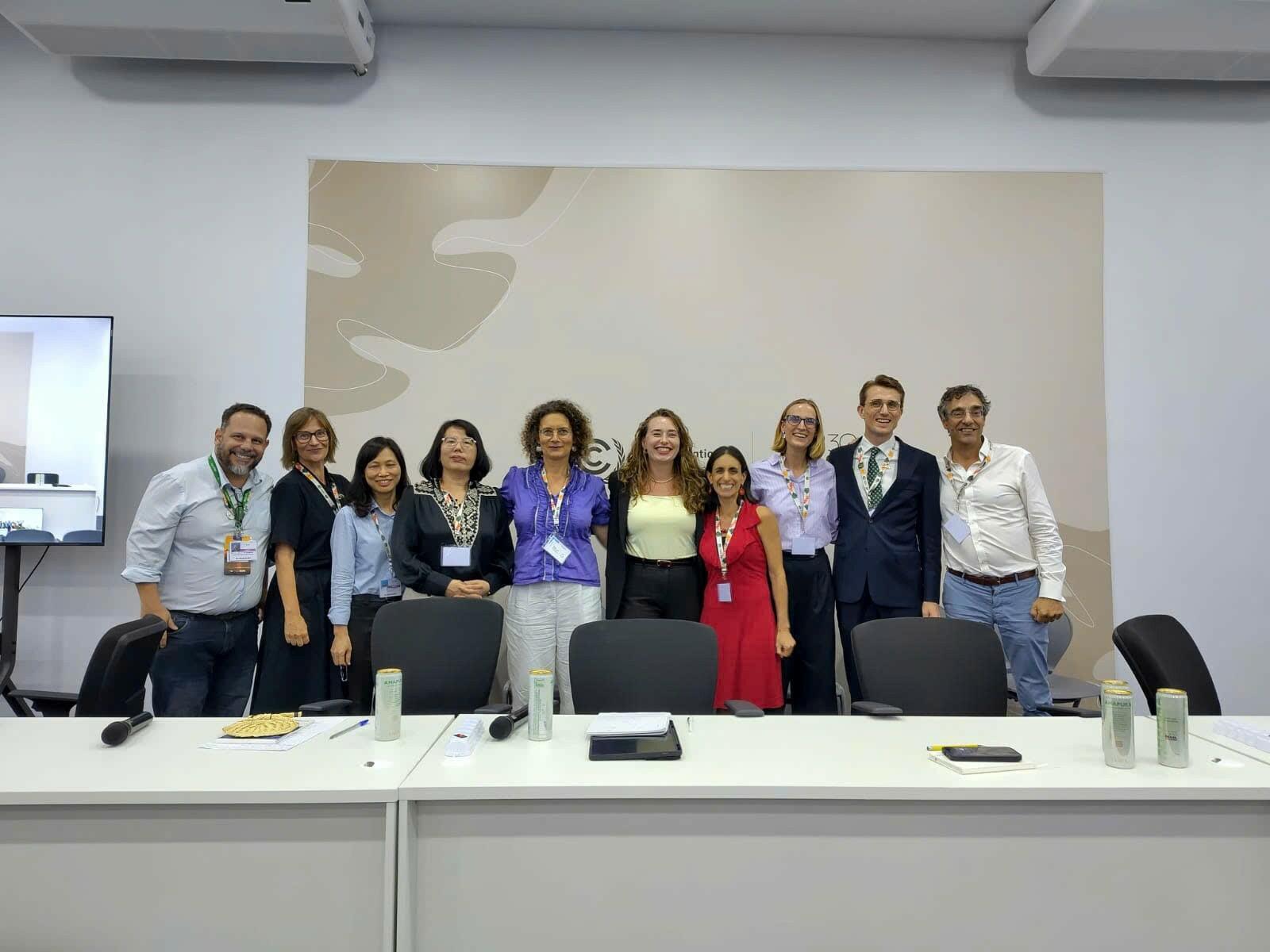
Asia Lead of the Alliance of Bioversity and CIAT's 'food environment and consumer behavior (FECB)' research area – Mrs. Tuyen Huynh -highlighted an inclusive engagement approach grounded in the climate–biodiversity–health–justice nexus. Drawing from the Alliance's experience in Vietnam, Tuyen demonstrated how this framework can support countries in strengthening coherence across Nationally Determined Contributions (NDCs), National Biodiversity Strategies and Action Plans (NBSAPs), National Adaptation Plans (NAPs), and national food systems pathways.
“Actor-centric design, structured facilitation, and multi-stakeholder coordination can enable meaningful participation by local authorities, research institutions, farmers, women, youth, and informal workers,” she emphasized.
The insights resonated strongly with the event’s broader discussion on farmer-led innovation, institutional readiness, and the importance of data-driven monitoring and adaptive management for scaling transformation. The Alliance’s contribution directly linked Vietnam’s subnational experience to global discussions on enabling policies and financing mechanisms that can be responsive to smallholder needs.
Building momentum: From COP28 to COP30
Building on the momentum from COP28 where a landmark declaration elevated resilient food systems as a central pillar of climate action, the Alliance continued to advance evidence-based and scalable solutions across subsequent COPs in Azerbaijan and most recently, in Brazil. Over the years, through the Sustainable Healthy Diets through Food Systems Transformation (SHiFT) initiative, the Alliance has actively contributed to ensuring that integrated food systems, inclusive engagements, and healthier diets were recognized within the regional and global climate discourse.
From 2025, Alliance scientists and researchers continue to play key roles in advancing sustainable food systems from the local to national scale. Various Alliance initiatives rallying influential partners and stakeholders in shaping the evolving global agenda are now strongly reflected in the work of the CGIAR Program on Better Diets and Nutrition (BDN). As countries moved from high-level commitments toward operational pathways, BDN actively contributed to elevating evidence, strengthening cross-sector collaboration, and reinforcing Vietnam’s leadership in promoting integrated food systems approaches.
Contributing to Asia’s climate-smart and sustainable food systems
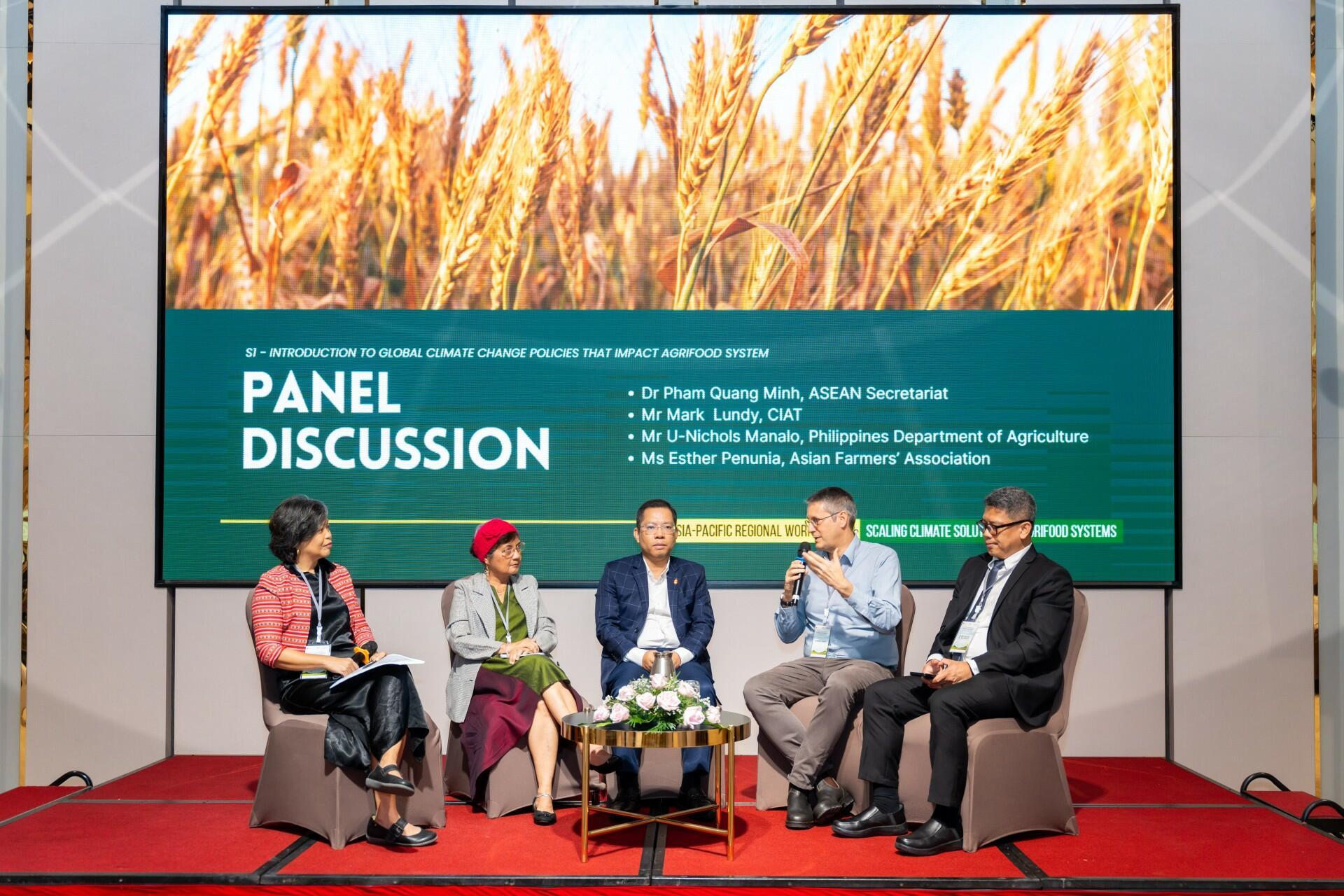
In the weeks leading up to the recent global conference, the Alliance joined nearly 100 delegates including policymakers, technical experts, farmers, and development partners from across 20 countries in the Asia-Pacific Regional Workshop on Scaling Climate Solutions in Agrifood Systems, held in Hanoi, Vietnam, from October 7 to 9, 2025. Hosted by Vietnam’s Ministry of Agriculture and Environment, the workshop served as a strategic platform to strengthen regional readiness for climate finance and carbon markets, among other priority action points for the global climate meeting.
Discussions during the workshop focused on scaling climate-smart technologies and enhancing inclusive engagement ahead of COP30. Flagging the need to rebalance regional food systems around sustainability, the discussions centered on scaling climate-smart technologies to reduce the high level of greenhouse gas emissions (GHG) from agricultural production while ensuring adequate incomes and access to diverse and nutritious diets across the region.
“The reduction of agricultural GHG emissions must be achieved in ways that do not place the burden only on producers and allow them to achieve dignified livelihoods through processes of sustainable intensification, better links to opportunities of value addition and a greater voice in policymaking,” said FECB Director Mark Lundy.
As agricultural emissions from the region remain high, Lundy added, actions now point towards significant changes in production practices for major commodities such as rice and transition to more sustainable land use patterns.
During the workshop, the Alliance provided necessary technical guidance and strategically highlighted priority areas in global policy that require support on the road to COP30. Mark, who also serves as the co-lead of the BDN Area of Work 1, underscored the essential role of multisectoral coordination in addressing climate - nutrition - biodiversity challenges, as well as the importance of integrating consumer behavior, food environments, and dietary transitions into national strategies. His insights complemented Vietnam’s experience in institutionalizing food systems processes from national to subnational levels, providing regional partners with concrete examples of how structured engagement, cross-ministerial alignment, and evidence-based guidance can drive systemic change.
“Consumption patterns in the region are on a troubling path with increasing consumption of cheap and ultra processed foods, displacing more traditional dietary patterns. This dietary shift contributes to increased levels of obesity and overweight and the rapid emergence of Non-Communicable Diseases (NCDs) with major implications for public budgets. Rebalancing these aspects is the major task for the Asia Pacific region,” he said.
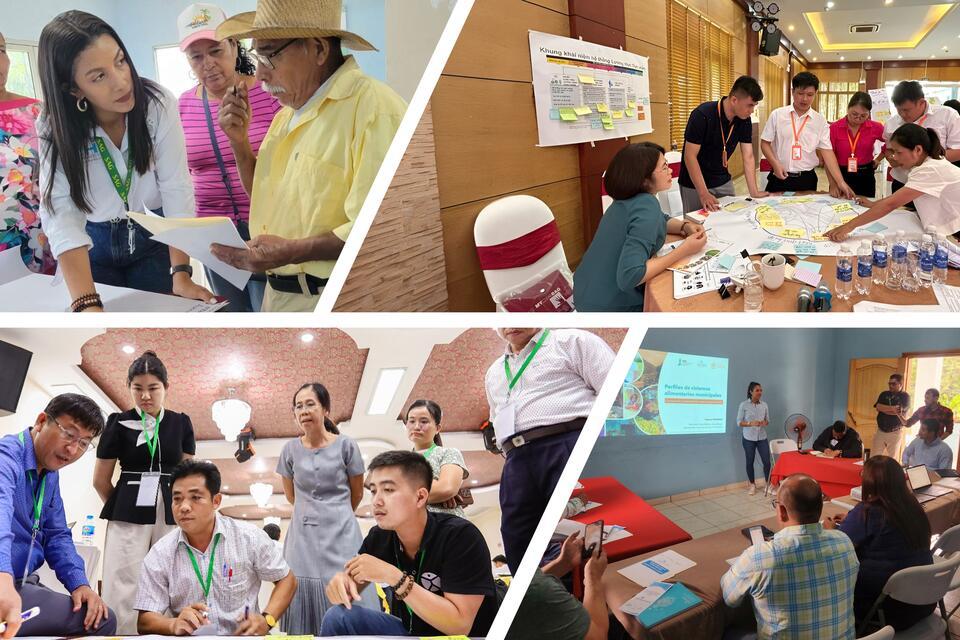
In parallel, Tuyen, serving as the BDN Coordinator in Vietnam, contributed reflections during the workshop’s working sessions on aligning food, climate, and biodiversity commitments. Drawing from the country’s multi-year collaboration with national research institutes, provincial authorities and mass organizations, she emphasized the value of participatory processes, provincial food systems profiling, and stepwise planning approaches that help local actors identify priorities, assess trade-offs, and shape investment plans. These perspectives helped link subnational implementation experiences with regional discussions on COP30 advocacy.

Alliance of champions for food systems transformation
The BDN program of the CGIAR provided essential technical support to the Ministry of Agriculture and Environment as Vietnam officially joined the Alliance of Champions for Food Systems Transformation (ACF) on 18 November 2025. Established at COP28 by Brazil, Norway, Cambodia, Rwanda and Sierra Leone, the ACF brings together countries committed to transforming agrifood systems through integrated, cross-sector, and climate-aligned approaches. Vietnam’s accession to the alliance reflects its growing leadership regionally and globally on agricultural sustainability, low-emission development, and food systems transformation.
BDN’s contributions to analytical work, stakeholder engagement processes, and evidence synthesis—particularly regarding healthier diets, food environments, and drivers of nutrition outcomes—provided an important foundation for Vietnam’s participation in ACF discussions. As the country transitions from a focus on productivity toward a multi-value agricultural model emphasizing quality, sustainability, nutrition, and resilience, BDN’s continued engagement will support the government in fostering both sustainable production and sustainable consumption within the national food systems transformation agenda.
Looking ahead: BDN’s continued support from COP30 to subnational levels
Across these three pivotal events —from regional dialogues to COP30's global platform— the SHiFT initiative and BDN program have played a meaningful role in elevating Vietnam’s food systems leadership while strengthening regional and global collaboration on climate-resilient, nutrition-sensitive agrifood systems. Through strategic engagement from regional dialogues and global platforms to direct technical support, BDN continues to help advance coherent, inclusive, and evidence-informed pathways that deliver both healthier diets and environmental sustainability for present and future generations.
Looking ahead, as an ACF member, Vietnam will continue to integrate food systems transformation into updated NDCs and NAPs, establishing food system transformation as central to climate action. This institutional alignment is not merely strategic but financially imperative, creating a regulatory framework to help unlock climate finance for co-achieving agrifood sustainability. The integration will advance a green development model that balances low-carbon emissions, food and nutrition security, biodiversity conservation, and socio-economic wellbeing demonstrating that these goals are mutually reinforcing and critical for sustainability transitions.
As COP30 shifts global climate policy from ambition to action, Vietnam's journey offers a roadmap for countries seeking to transform commitments into tangible change, one that places food systems as a central approach to achieve both climate and nutrition commitments.

We would like to thank all funders who supported this research through their contributions to the CGIAR Trust Fund.