Blog Connecting agriculture, culture, tourism and biodiversity in Northern Vietnam

In Vietnam’s Northern uplands, ethnic farming communities are linking agriculture, biodiversity, and tourism. Could agro-ecotourism become a pathway for sustainable rural development and resilient food systems?
Vietnam’s agricultural growth, despite significantly reducing poverty and improving food access, has paved the way for the accelerated loss of indigenous crops, simplified farming systems, and weakened links between local production and diversified diets. Along with these changes, the country has witnessed a rapid expansion of its tourism industry which is often disconnected from its local food systems. But, agro-ecotourism offers a way to reconnect these trajectories: farms become destinations, local foods become cultural ambassadors, and biodiversity becomes an economic asset. Northern Vietnam is especially well positioned for this approach, given the close interlinkages between agriculture, biodiversity, and cultural heritage.
A recent scoping study by the Alliance of Bioversity International and CIAT, in collaboration with CASRAD, found that as global attention turns to building resilient, inclusive, and nature-positive food systems, a quiet transformation is already unfolding in the uplands of Northwest Vietnam. In Sa Pa (Lao Cai province) and Mai Son (Son La province), ethnic minority communities are reconnecting agriculture, culture, and biodiversity through agro-ecotourism. Sa Pa: Balancing tourism and agricultural sustainability.
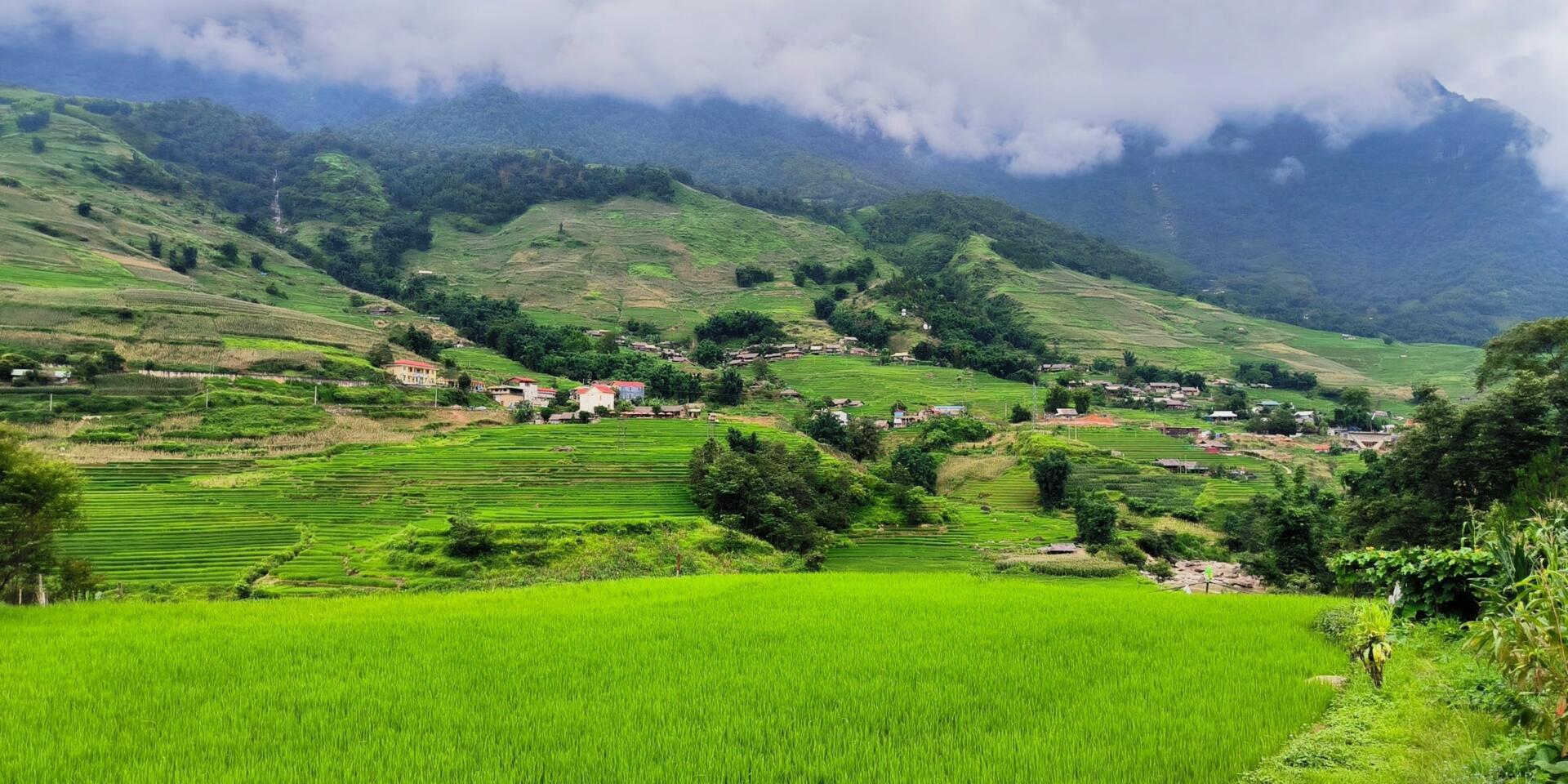
Sa Pa attracts millions of visitors each year, drawn by terraced rice fields, ethnic minority cultures, and vibrant cuisine. Homestays, cooking classes, and farm visits create strong potential for agro-ecotourism yetrapid tourism growth has also placed pressure on agriculture. Farmland is increasingly converted to tourism infrastructure, and indigenous crops are at times replaced by commercial crops and varieties with greater demand.
“Tourists come for our landscapes and food culture, but we need support to keep growing our traditional crops,” shared a female Giay farmer from Ta Van commune.
As a result, Sa Pa’s local supply chains for indigenous foods remain weak. This paradox highlights the need for better integration between agriculture and tourism to ensure that local ethnic minority farmers benefit more directly from tourism activities. The challenge in Sa Pa is not lack of demand but how to channel that demand toward agroecological production, stronger local value chains and landscape models that integrate production, conservation, and tourism, and enhance local cultural identity.
Mai Son: Building from strong agricultural roots
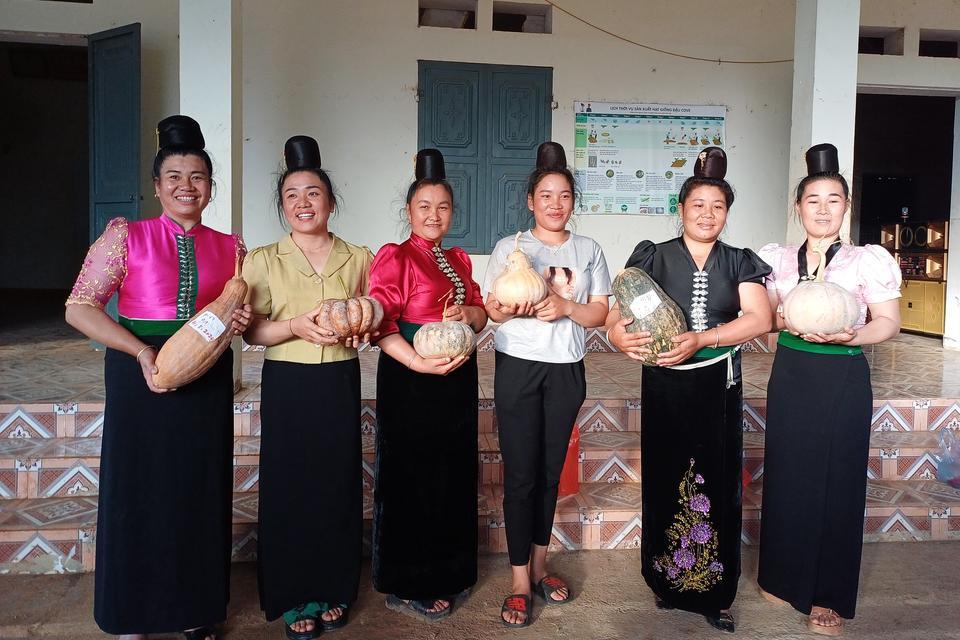
In contrast, Mai Son tells a quieter but equally compelling story. Fruit orchards stretch across rolling hills, vegetable plots line village paths, and ponds and livestock systems form part of a diversified farming mosaic. Indigenous crops such as H’Mong mustard, local cucumber, plum, and pumpkin continue to thrive, deeply rooted in local food culture and seasonal rhythms.
Tourism is only beginning to take shape, but it is emerging with intention.
A growing number of cooperatives are opening their farms to visitors, inviting them to harvest fruits, share farm-to-table meals, and learn about agroecological practices directly from farmers. These experiences are extensions of everyday agricultural life. With its strategic location along major tourism routes, Mai Son has the opportunity to develop agro-ecotourism deliberately, embedding learning, agrobiodiversity conservation, community leadership, and inclusive cultural exchange and economic growth from the outset.
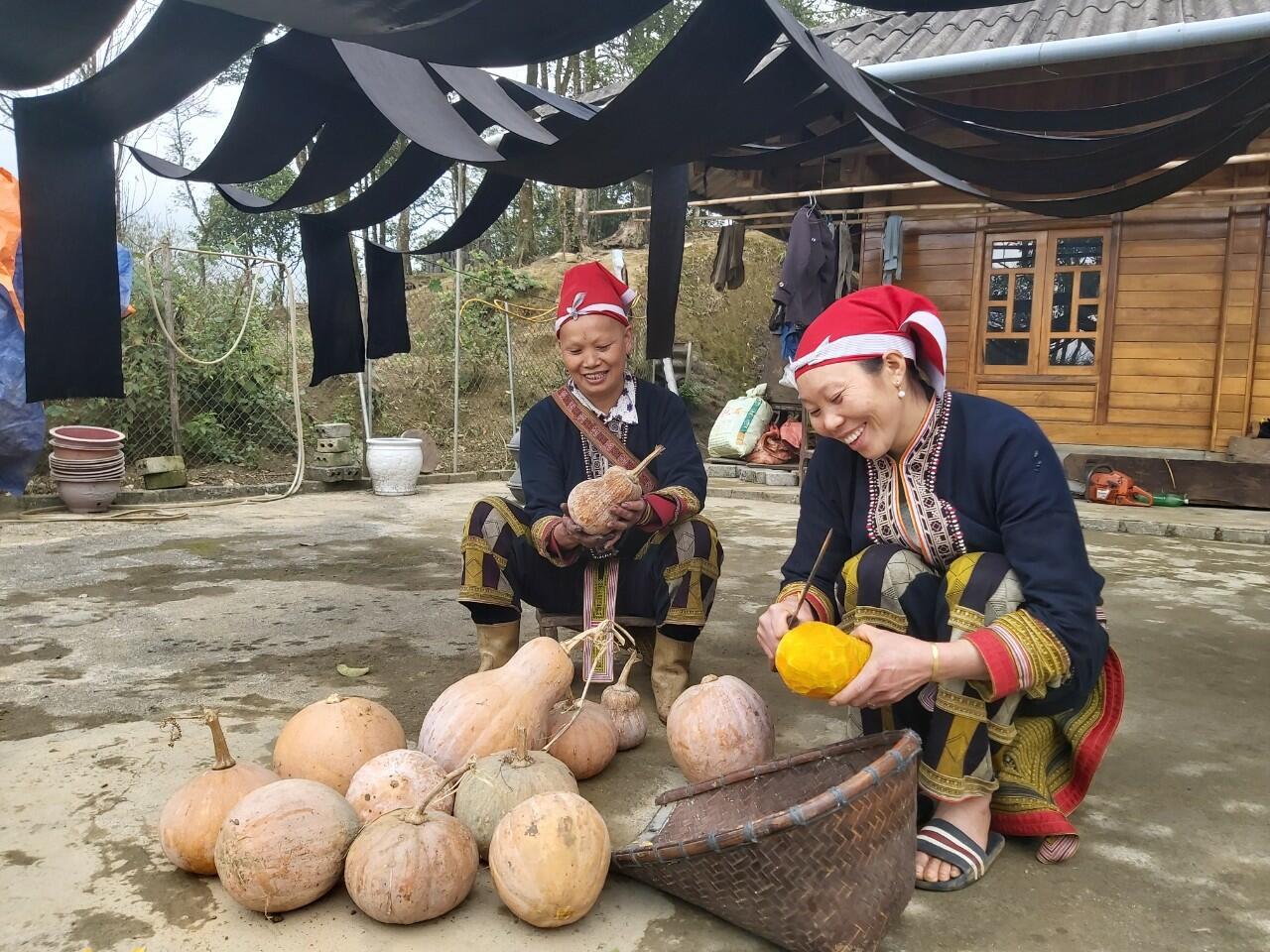
Dao farmers with harvested pumpkins at Ngu Chi Son. Photo credit: Luong Van Lam.
Why food matters
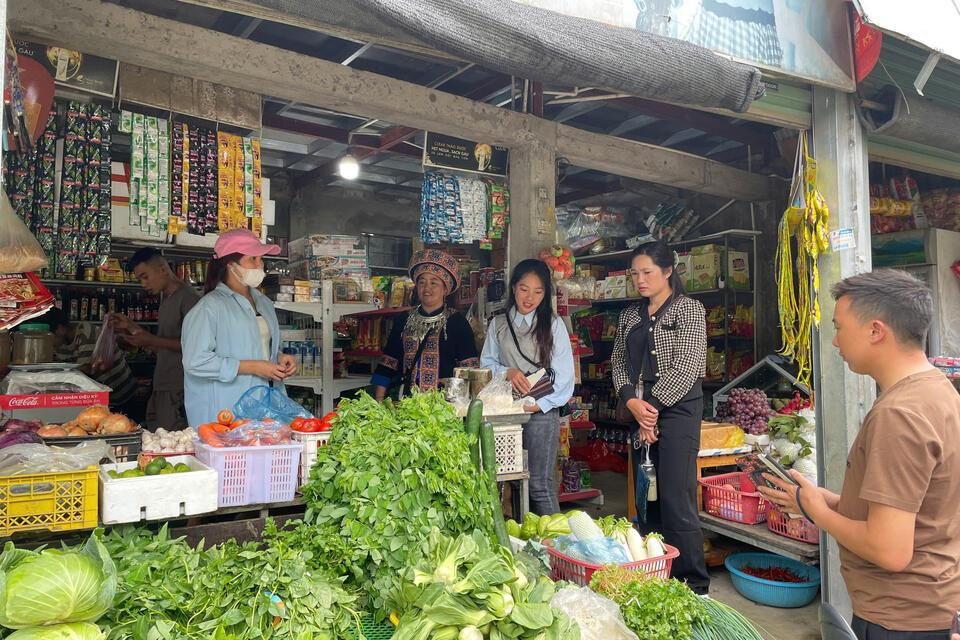
Across both sites, food and gastronomy are powerful entry points. Wild vegetables, medicinal herbs, local fruits and vegetables, and traditional dishes connect biodiversity to everyday life. When farms supply homestays and restaurants, when cooking workshops use seasonal indigenous ingredients, and when markets become cultural hubs, economic value stays within communities. Agro-ecotourism strengthens short supply chains, supports smallholders, and preserves traditional knowledge.
However, risks remain. Uncontrolled visitation, soil degradation, climate variability, and cultural commodification can undermine sustainability. Land-use regulations, limited technical support, and weak marketing capacity also constrain growth, further highlighting the need for evidence-based planning, policy coherence, and targeted capacity development.
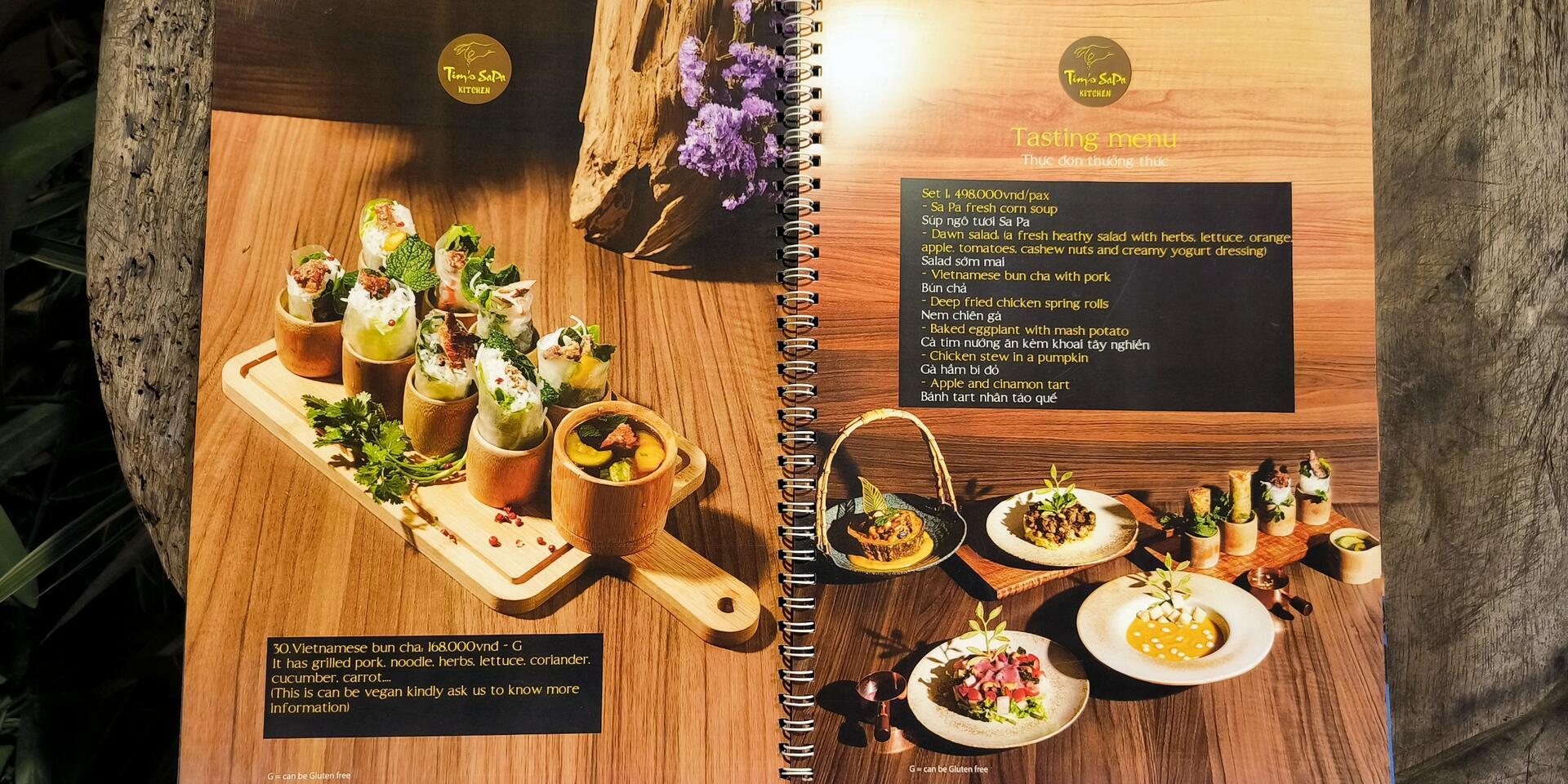
Local cuisine. Photo Credit: Nguyen Thu Huong
A pathway for multi-functional landscapes
Agro-ecotourism can play a catalytic role in multifunctional landscapes by creating economic incentives for diversified farming, biodiversity conservation, and the preservation of cultural knowledge within the same territory. When tourism demand is linked to local production systems, farms become both livelihood assets and conservation spaces, reinforcing ecological stewardship rather than displacing it. In Sa Pa and Mai Son, this makes agro-ecotourism a potential practical lever for advancing sustainable food systems, restoring agrobiodiversity, and expanding inclusive rural enterprises, particularly for ethnic minority communities. To succeed, targeted policies and investments are needed:
- Strengthening agroecological practices and local supply chains
- Improving access to indigenous seeds
- Supporting cooperatives and community enterprises
- Building technical capacities (production, post-harvest handling marketing and hospitality, etc.)
- Developing coherent territorial branding
- Ensuring community-led governance
For researchers, policymakers, and development partners, the message is clear: Agro-ecotourism is a strategic entry point for advancing sustainable food systems, inclusive rural development, and nature-positive transitions. The task ahead is to support these local innovations with targeted policies, coordinated technical assistance, development models and investment in capacity, marketing, and infrastructure, ensuring they thrive while maintaining ecological and cultural integrity.
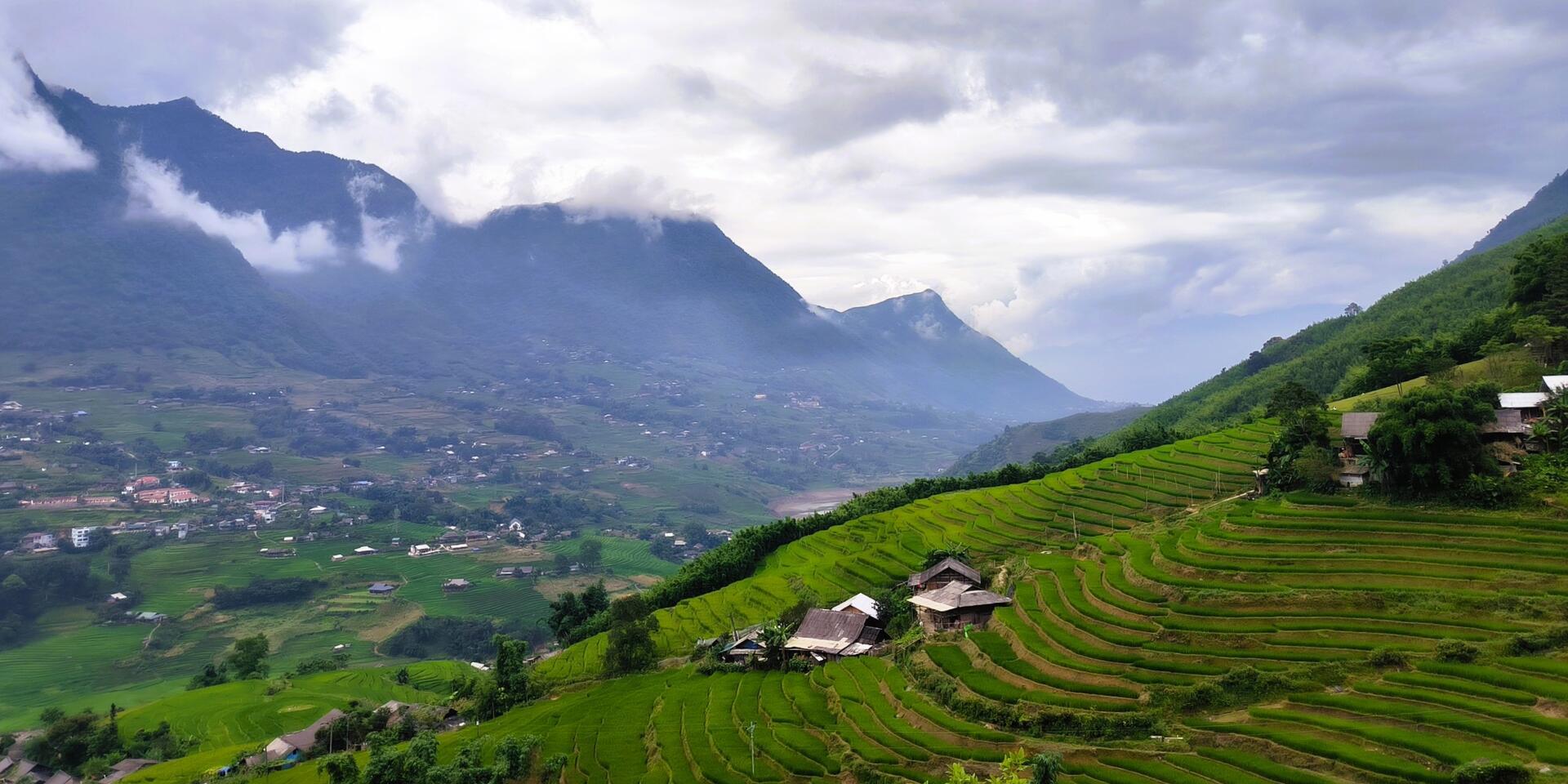
Muong Hoa landscape. Photo credit: Nguyen Viet Hoang
The Alliance team

Andrea Ghione
Project Leader, Market and Value Chain
Cornelis (Kees) Swaans
Senior Scientist
Deborah Nabuuma
Scientist IKeep exploring