Press and News Key lessons from Vietnam's experience in co-creating food systems transformation decision supporting process

Over the last five years, the Alliance of Bioversity International and CIAT has made significant strides in transforming the food systems landscape in Vietnam. Through the Food Environment and Consumer Behavior (FECB) research team, the Alliance and national partners continued to accelerate their efforts to transcend changes across the Southeast Asian region.
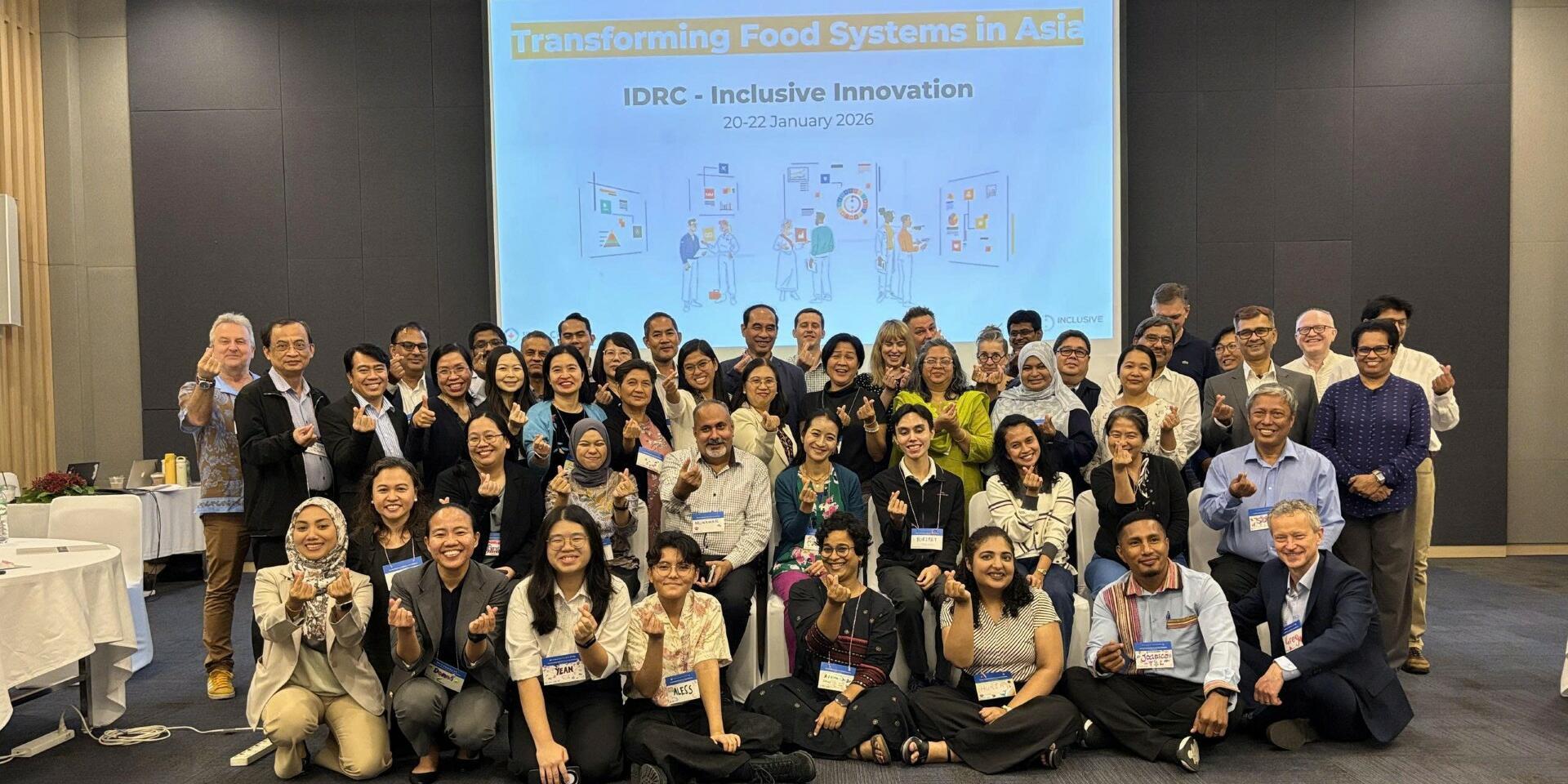
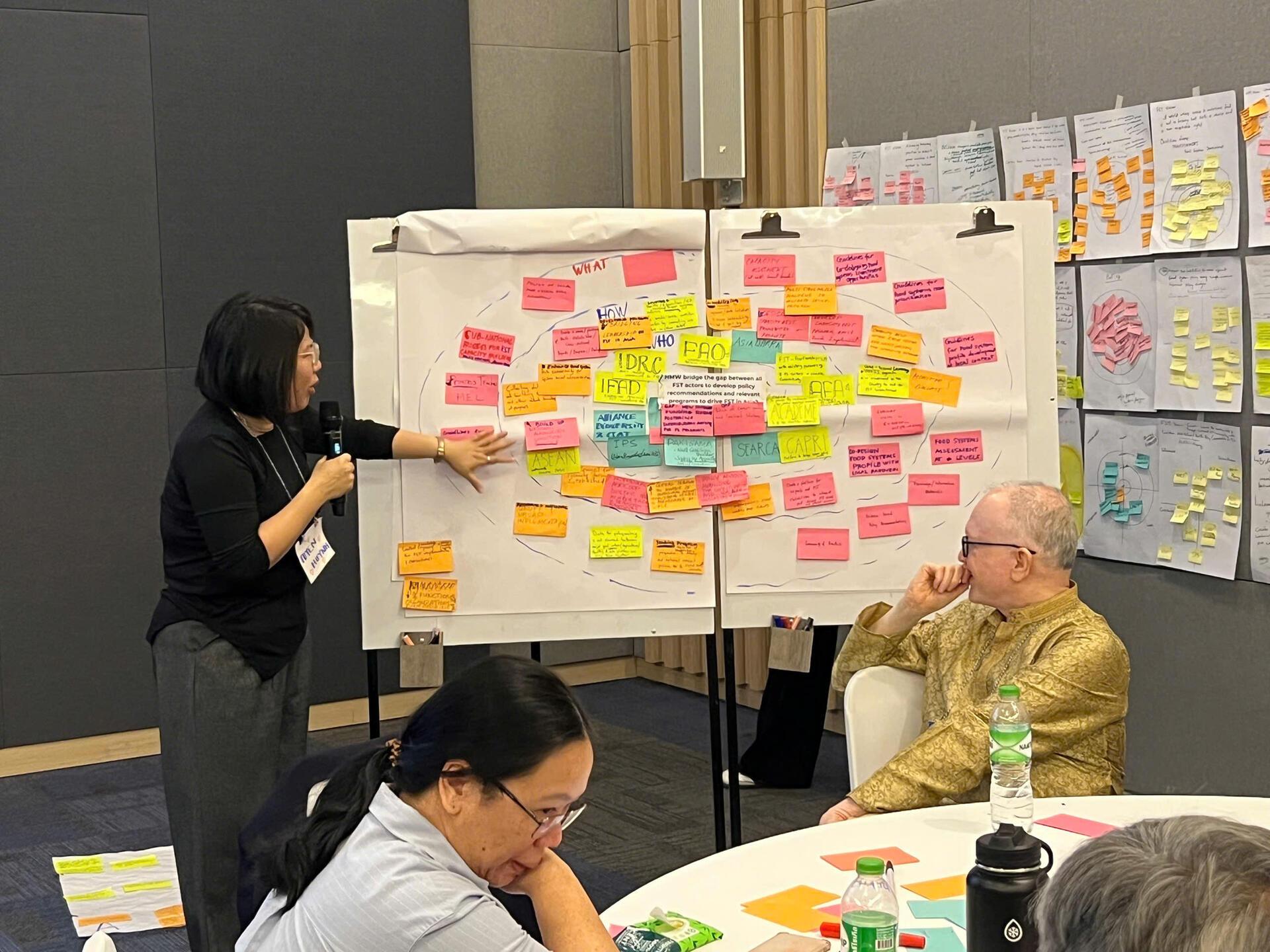
Recently, Hanoi-based FECB team leader Huynh Thi Thanh Tuyen attended the International Development Research Centre (IDRC)-led high-level regional workshop on Transforming Food Systems in Asia in Chon Buri, Thailand last 20-22 January. Bringing together over 50 experts from across 16 Asian countries, the event took stock of past food systems investments and identify strategies to accelerate transformation across the region.
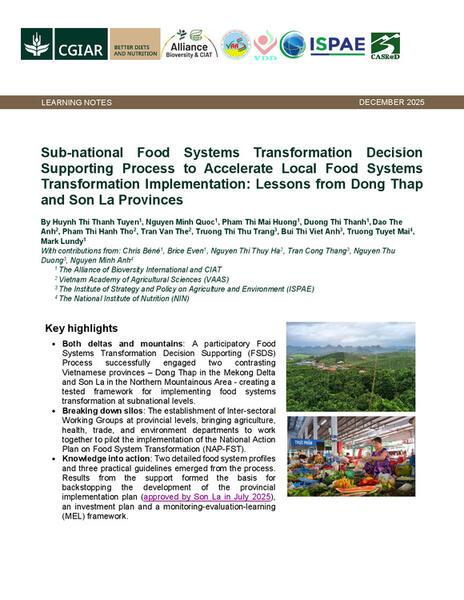
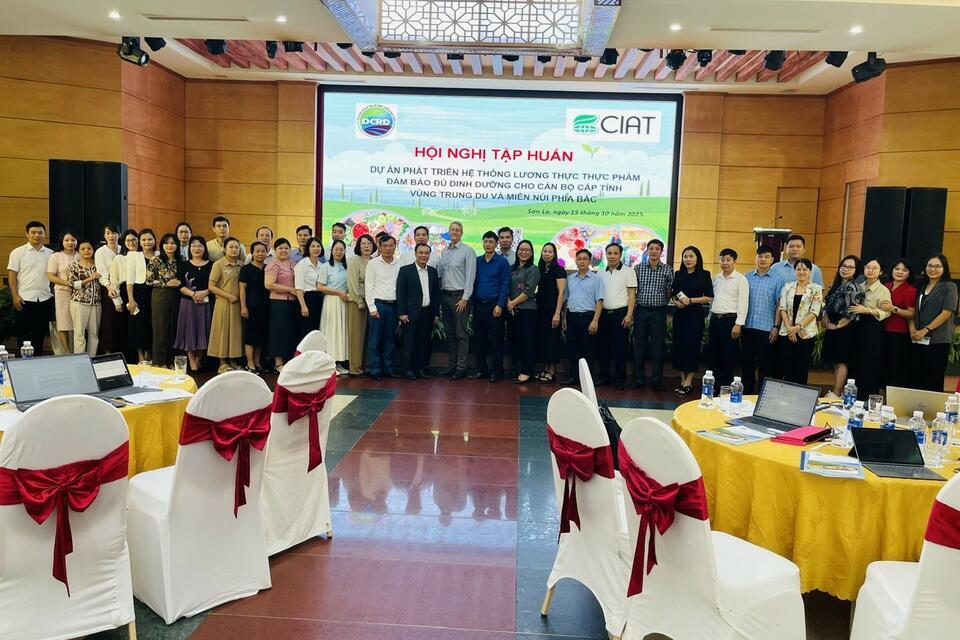
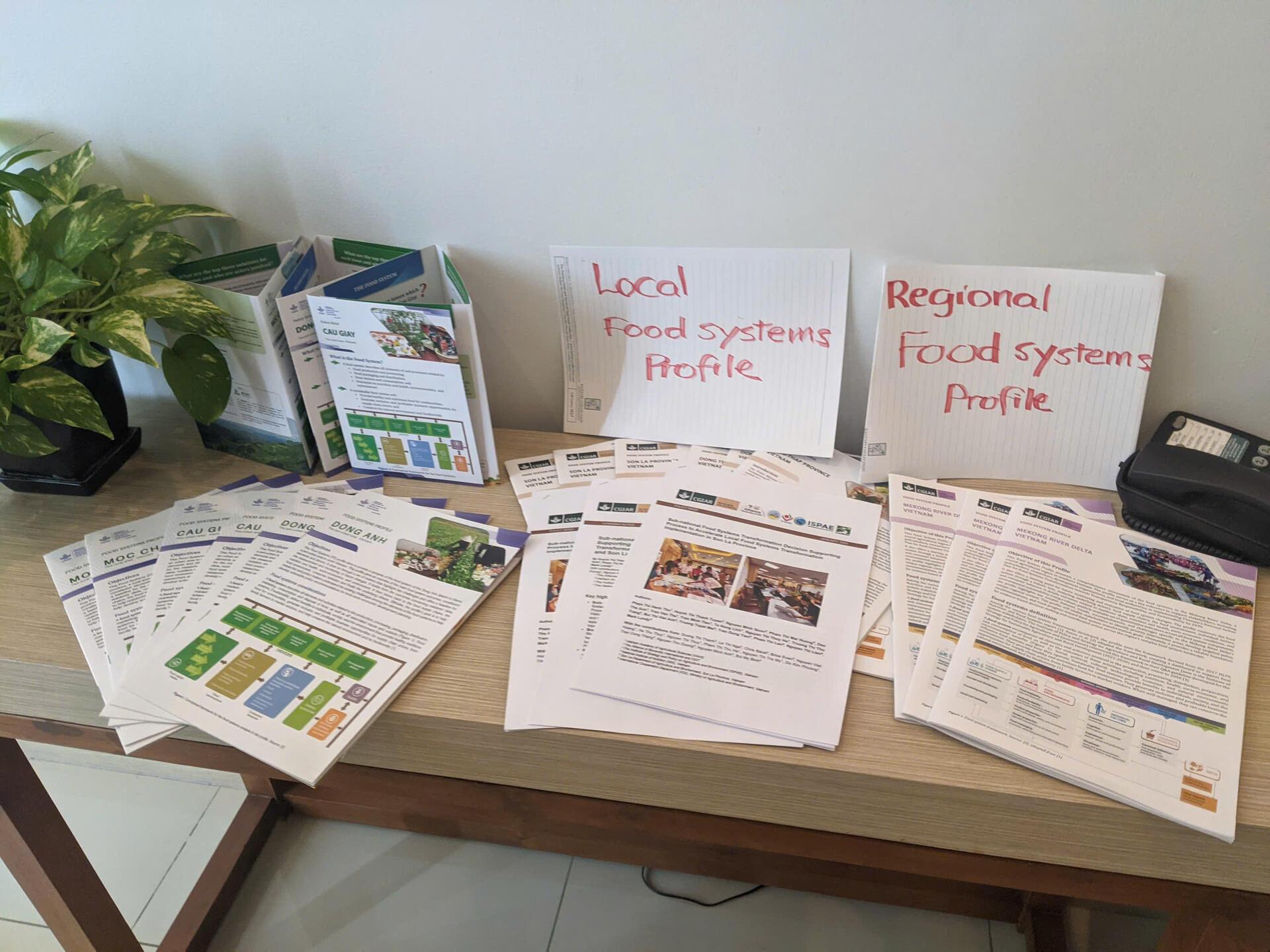
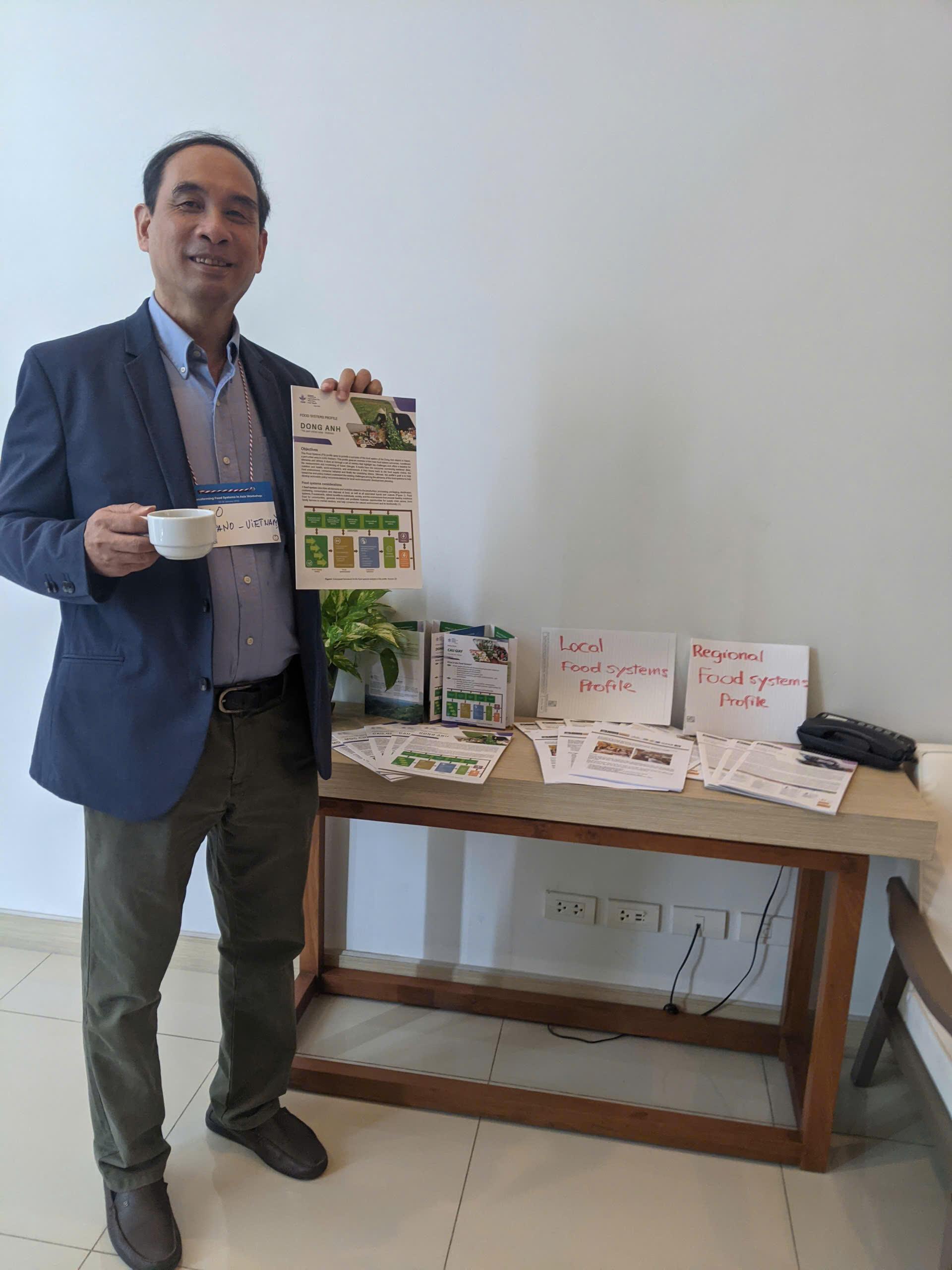
The FECB lead in Asia together with Dr Dao The Anh, UNFSS National-Co-convenor of Vietnam, showcased the Alliance’s multi-year journey in co-developing Food Systems Transformation Decision Supporting (FSDS) process and relevant food systems knowledge products with national partners in Vietnam. Dr. Dao The Anh, Vietnam’s Food Systems Convener and President of the Vietnam Rural Development Science Association (PHANO) and, also participated at the workshop to affirm Vietnam’s continued commitment and active collaboration to sustainably transform equitable food systems.
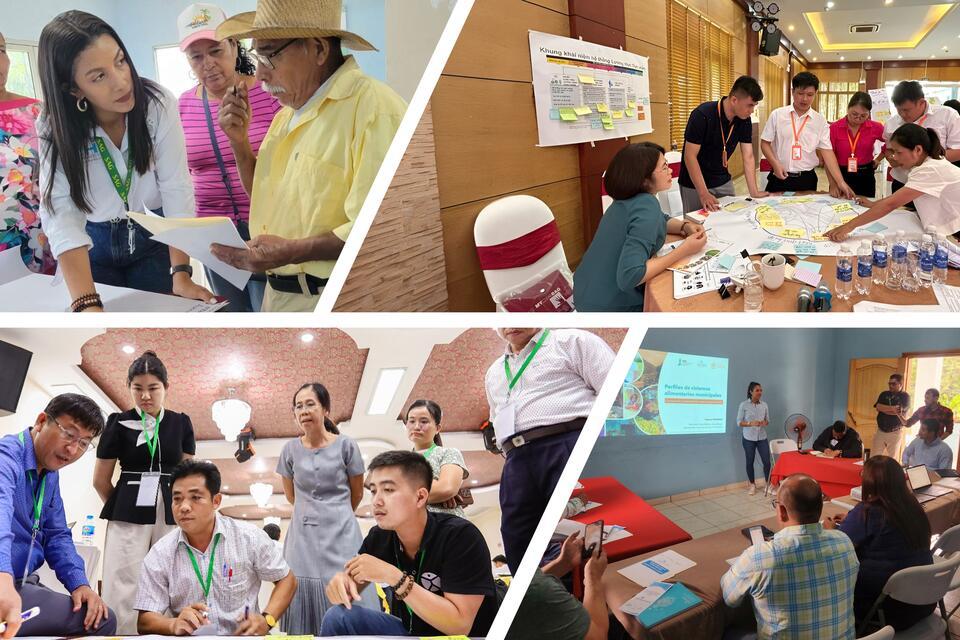
Their presentations highlighted how FSDS products, including food system profiles, participatory diagnostics, and policy-relevant synthesis documents, have moved beyond stand-alone analytical outputs to become iterative, participatory tools that support dialogue, coalition-building, and policy alignment across sectors. These products have been jointly developed with government agencies, research institutes, and civil society organizations.
At a glance: Three takeaways from Thailand
After the three-day regional workshop, we noted the following lessons on co-developing knowledge products on the Food Systems Transformation Decision Supporting (FSDS) process:
Co-ownership strengthens policy uptake: Food systems products co-designed with national institutions are more likely to inform policy processes. In Vietnam, this approach has enabled FSDS evidence to shape national strategies, sub-national planning, and sectoral coordination across agriculture, health, and environment ministries.
Process matters as much as products: The FSDS process - through structured stakeholder engagement, facilitated sense-making, and iterative validation - has proven critical for building trust and shared understanding. This process orientation aligns with the workshop's emphasis on coalition mapping and collaborative transformation approaches.
Knowledge products catalyze coalitions: Vietnam's food systems profiles and diagnostics have functioned as “boundary objects”, helping diverse actors align around common evidence. This has supported the emergence of multisectoral networks capable of advancing nutrition-sensitive, climate-responsive food systems agendas.
Beyond national diagnostics, the FSDS process can be strengthened through integration with other innovations and approaches for local implementation that target food value chains, food environments, and consumption patterns. These interventions altogether will contribute to building connectivity among actors for co-achieving multiple food system goals. This suggests collaboration and integration with complementary initiatives, such as Intervention Package 1+ (IP1+) of the CGIAR-ASEAN Innovate for Food program, which focuses on enabling environments for sustainable agri-food products, or the CGIAR Asian Mega-Deltas (AMD) program, which involves fostering nutrition-sensitive deltaic food systems. Through such integration, the FSDS approach can support comprehensive transformation that links policy frameworks with on-the-ground food systems innovation.
Regional impact and future directions
Vietnam's case study resonated strongly with participants from across South and Southeast Asia, many grappling with similar challenges of fragmentation, sectoral silos, and limited policy uptake of research. During workshop sessions on “Coalition Mapping for Transformation” and “Designing the Future Playbook”, Vietnam's experience directly informed discussions on strengthening multisectoral networks - a core workshop objective.
By demonstrating how co-developed knowledge products can bridge science, policy, and practice, Vietnam contributed to shaping a shared regional understanding of effective FSDS-informed food systems transformation. These insights are expected to inform IDRC's future programming and regional collaboration pathways, illustrating that when analytical rigor combines with inclusive processes and strong partnerships, food systems knowledge products become powerful enablers of transformation, supporting not only better strategies, but also stronger networks and coalitions across Asia.
Keep exploring