Blog Vietnam’s food environment is changing fast. Policy needs to catch up
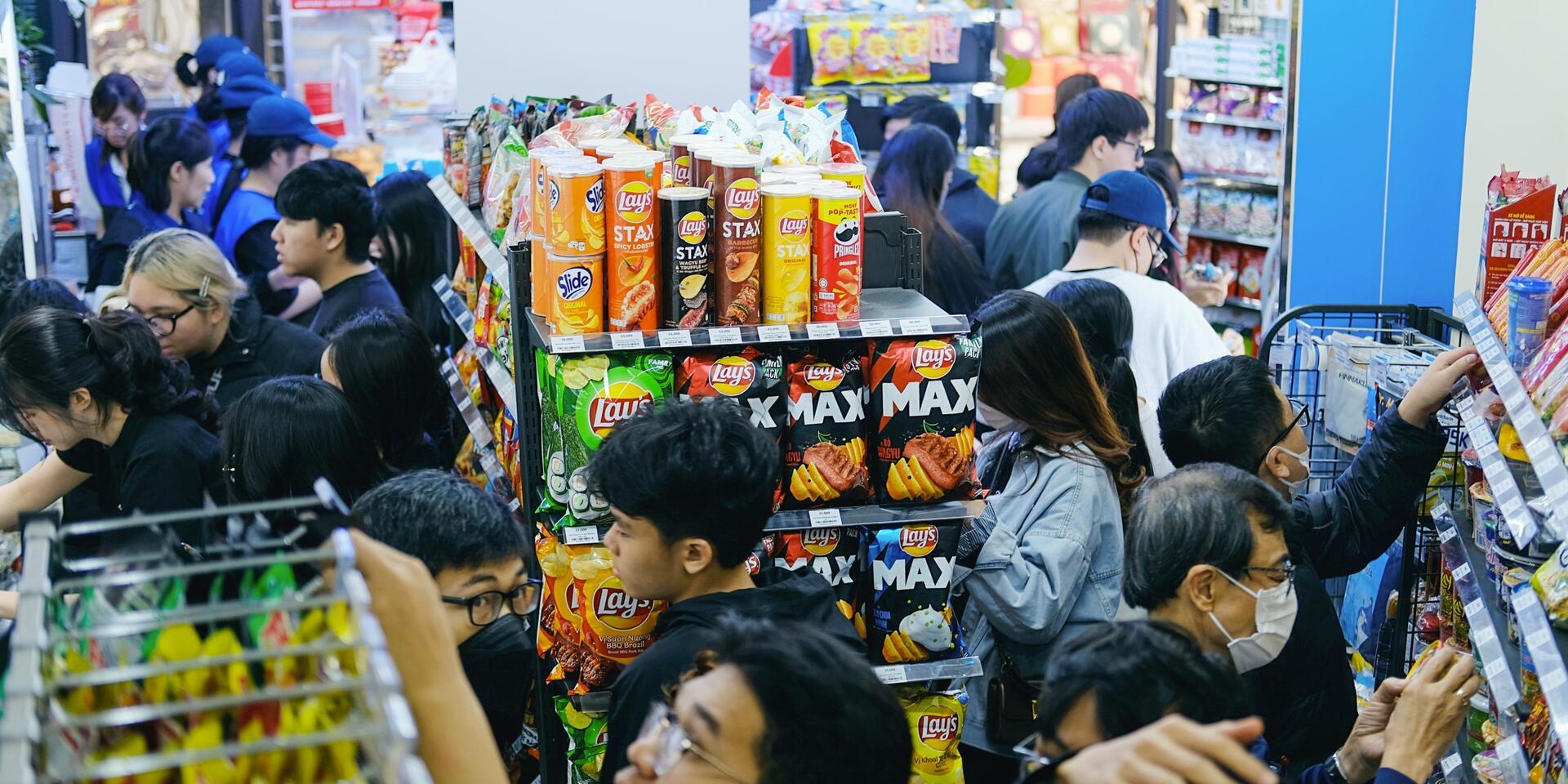

More than half of the world’s population could be living with overweight or obesity by 2035, with a rapidly growing share in low- and middle-income countries (LMICs). It is also estimated that the global economic impact could top US$4 trillion by that time. These trends are closely tied to the rise of obesogenic food environments; settings where unhealthy food options are cheap, ubiquitous, and heavily promoted.
Walk into any Hanoi convenience store and you will see “Mua 1 tặng 1” (buy-one-get-one) banners on sugary drinks. These promotions are not background noise; they shape habits. In Ho Chi Minh City, over a third of adolescents report drinking at least one sugary beverage every day.
Meanwhile, childhood overweightness in Vietnam has risen quickly: among children aged 5–19, prevalence more than doubled between 2010 and 2020. These are not just isolated statistics; they reflect what kids actually face in stores, schools, streets, and on screens every day.
“When the default choice is ultra-processed and aggressively marketed, asking families to ‘try harder’ is not good policy. We must reshape the places where choices are made”
Brice Even, food environment specialist at the Alliance

Brice Even
Research Team leaderVietnam’s food environments are transforming. Modern retail is expanding, foods are becoming more processed and packaged, and unhealthy food marketing is pervasive across physical and digital spaces. These shifts have delivered convenience and (in some cases) safer handling, but they have also made less healthy options easier to find and harder to avoid; just as in many LMICs. Our new study maps these changes and the policy response to date.
“Vietnam is a vivid case of a broader story: food environments are evolving faster than policy frameworks. We need to act collaboratively to catch up with the reality people face on shelves, streets, and screens.”
Truong Thi Thu Trang, Deputy Director of the Institute of Strategy and Policy for Agriculture and Environment (ISPAE)
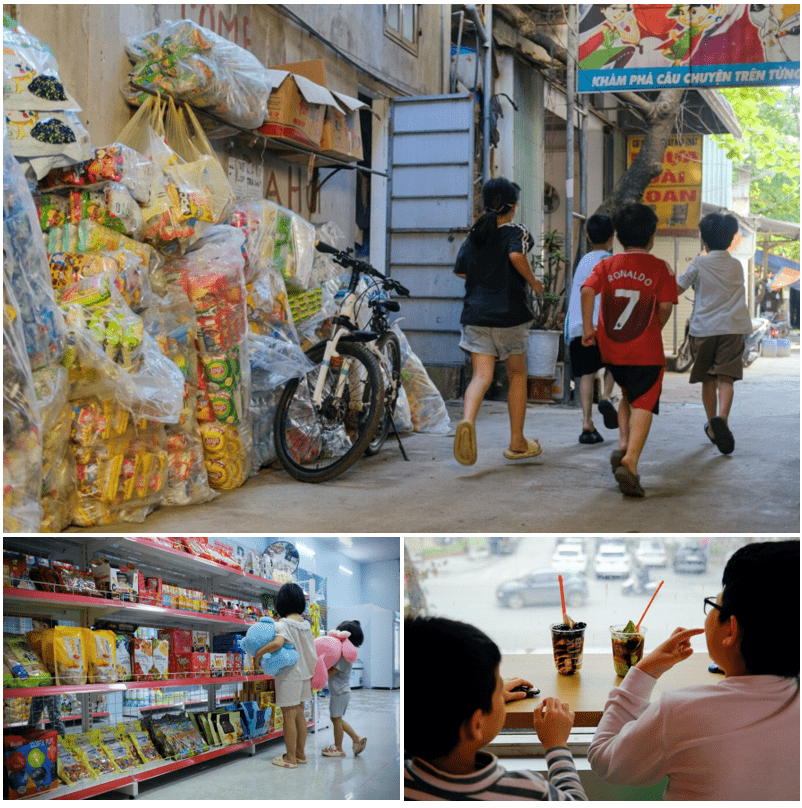
Periurban (top), rural (bottom left), and urban (bottom right) food environments in Vietnam.
What we researched and why
We assessed Vietnam’s policies using the Healthy Food Environment Policy Index (Food-EPI), a tool that benchmarks how well governments regulate key domains of the food environment, from labeling and marketing to pricing and retail structures. Our findings show that most food environment dimensions score low or very low, with wide gaps in marketing restrictions, labeling, retail regulation, and fiscal policy.
Five priorities to make healthy diets the easier choice
Drawing on our co-analysis, we pursued engagement with the panel of national experts to co-develop a practical set of policy recommendations. These are designed to foster policy dialogue among non-specialists and policymakers who want high-impact, feasible steps:
1. Strengthen nutrition standards for processed foods: Move beyond food-safety compliance to include clear nutrient profiling, standardized definitions of “healthy” and “unhealthy” foods, and targets for salt, sugar, and trans-fat reduction.
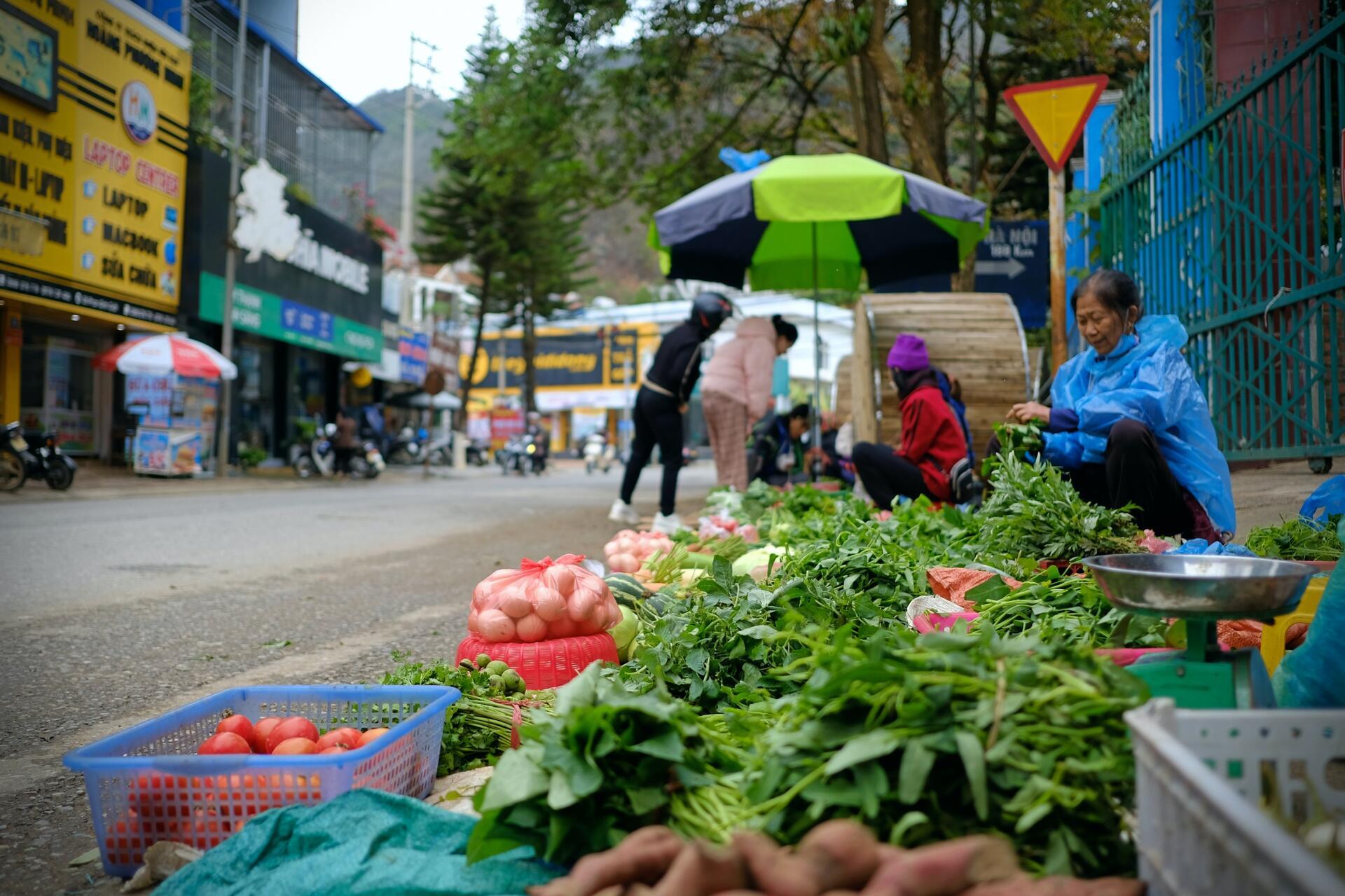
2. Balance modern retail growth with maintained access to fresh, healthy foods: Support traditional markets and informal vendors that supply fresh, affordable foods; use zoning rules and public procurement to limit the proliferation of unhealthy outlets and to expand healthier options in underserved areas.
3. Tighten food messaging rules: Introduce stronger and mandatory limits on marketing to children, complementing (not replacing) dietary-guideline education. International experience shows Food-EPI style frameworks help target these changes.
4. Use fiscal policy to improve affordability: Vietnam’s new excise tax on sugar-sweetened beverages, approved in 2025 and set to begin in 2027, is a major step. Evidence from many countries show such taxes reduce purchases of sugary drinks; extending fiscal tools to other ultra-processed foods and expanding subsidies for nutrient-rich items would further level the playing field.
5. Evaluate and enforce what is already on the books. Strengthen monitoring, inspection, and impact evaluation. Broader policy evaluation can help identify gaps, improve effectiveness, and guide future actions.
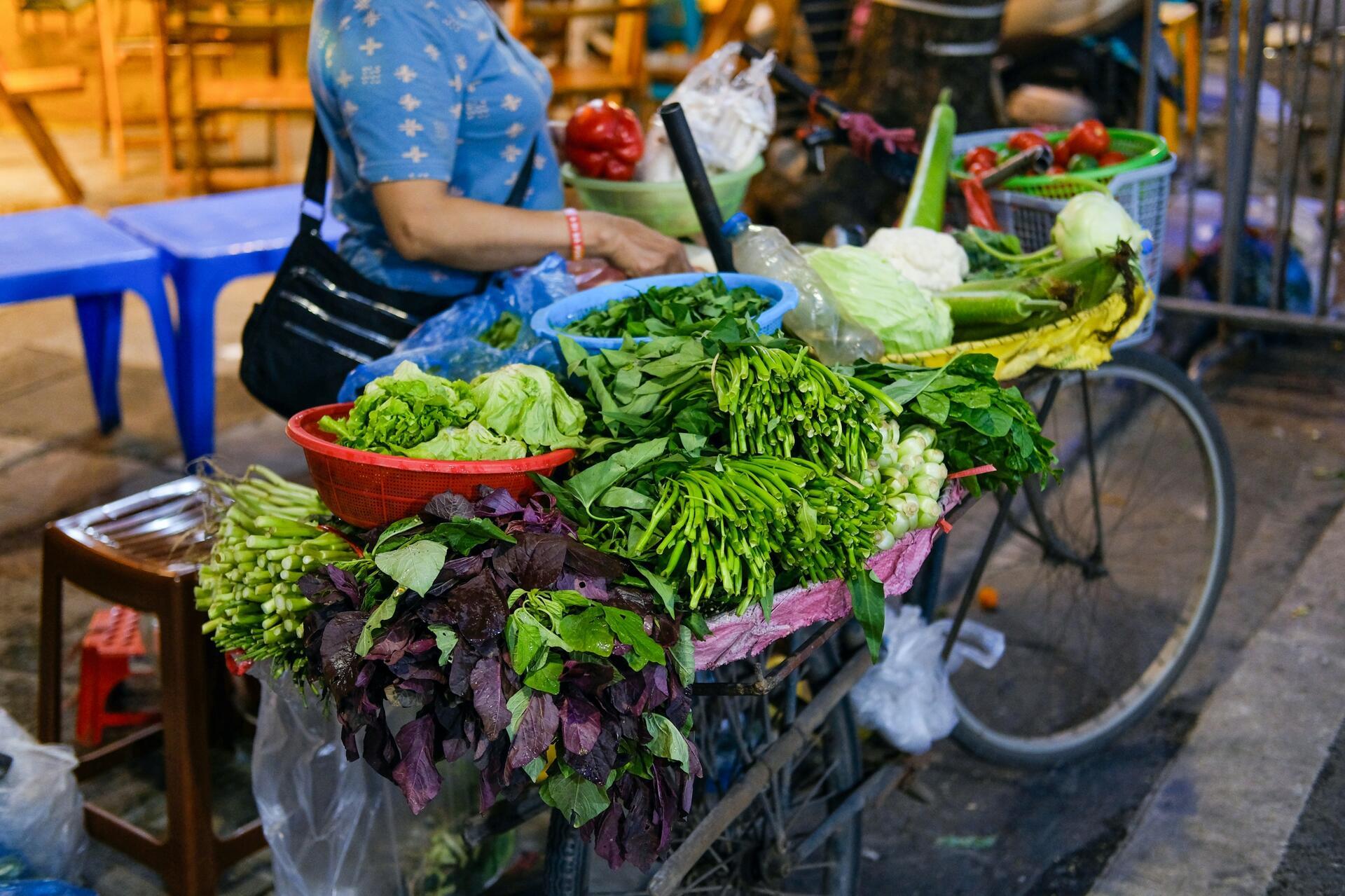
Informal vendors that supply fresh food in urban and rural areas in Vietnam.
“This is not about choosing between safety and nutrition; it’s about doing both. The tools exist. The challenge is aligning incentives and capacity so that they work together.”
Brice Even, Scientist
Brice Even
Research Team leaderVietnam’s current progress could catalyze broader progress
Vietnam’s decision to tax sugary drinks signals political momentum. Aligning that fiscal shift with standardized definitions, better labeling, and smarter retail rules would create a coherent package; one that many LMICs could adapt. That is the core message of our research: public health goals need to be built into the rules of the game, not left solely to individual responsibility or food industry willpower.

We would like to thank all funders who supported this research through their contributions to the CGIAR Trust Fund.