• English
  • Español
  • Français
  • Português
Alliance Bioversity International - CIAT

Menu

  • Inicio
  • Quiénes somos
    • Historia
    • Estrategia
    • Gobernanza
    • Finanzas
    • Científicos
    • Offices
  • Nuestro trabajo
    • Temas de investigación
      • Entorno Alimentario y Comportamiento del Consumidor
      • Paisajes Multifuncionales
      • Acción Climática
      • Agrobiodiversidad
      • Inclusión digital
      • Cultivos para la nutrición y la salud
      • Género, juventud e inclusión
    • Regiones
      • África
      • Américas
      • Asia
    • Cultivos
      • Musáceas (banano y plátano)
      • Fríjoles
      • Yuca
      • Arroz
      • Forrajes tropicales
    • extras
      • Bancos de germoplasma
      • Projects
  • Historias
  • Eventos
  • Vías de impacto
  • Publicaciones y Datos
  • Herramientas e Innovaciones
  • Informes Anuales
    • Informe Anual 2025

Secondary

  • Partners
    • Haz un regalo
  • Servicios
    • Genebanks
    • Laboratories
  • Ética
  • Vacantes
  • Licitaciones
  • Medios y prensa
  • Boletines
  • CGIAR
  • Inicio
  • Nuestro trabajo
  • Acción climática

Historias

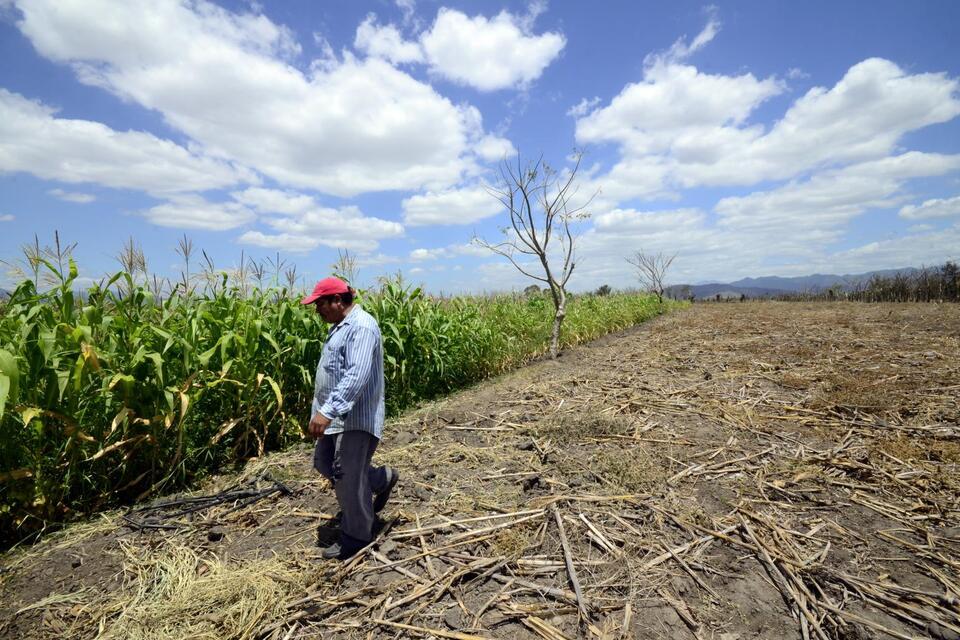
Cadmium in cacao: Why It happens, what the science says, and how farmers are solving It

Cadmium in cacao: Why It happens, what the science says, and how farmers are solving It

Where to act, what to fund Ethiopia turns El Niño forecasts into agricultural preparedness

Where to act, what to fund: Ethiopia turns El Niño forecasts into agricultural preparedness

The decisions that cannot wait for the rain

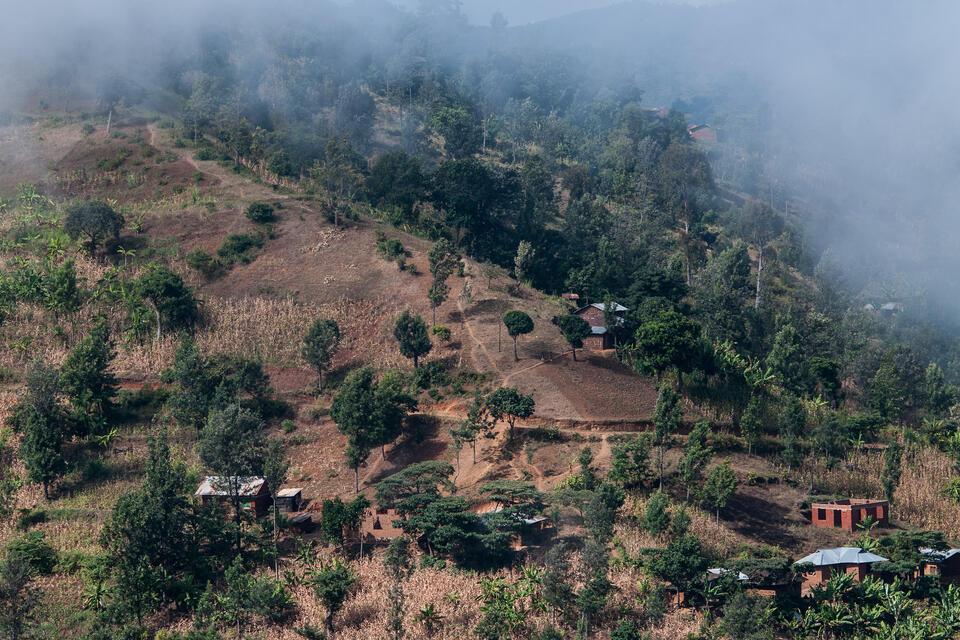
The decisions that cannot wait for the rain: Using climate information for early action in Tanzania

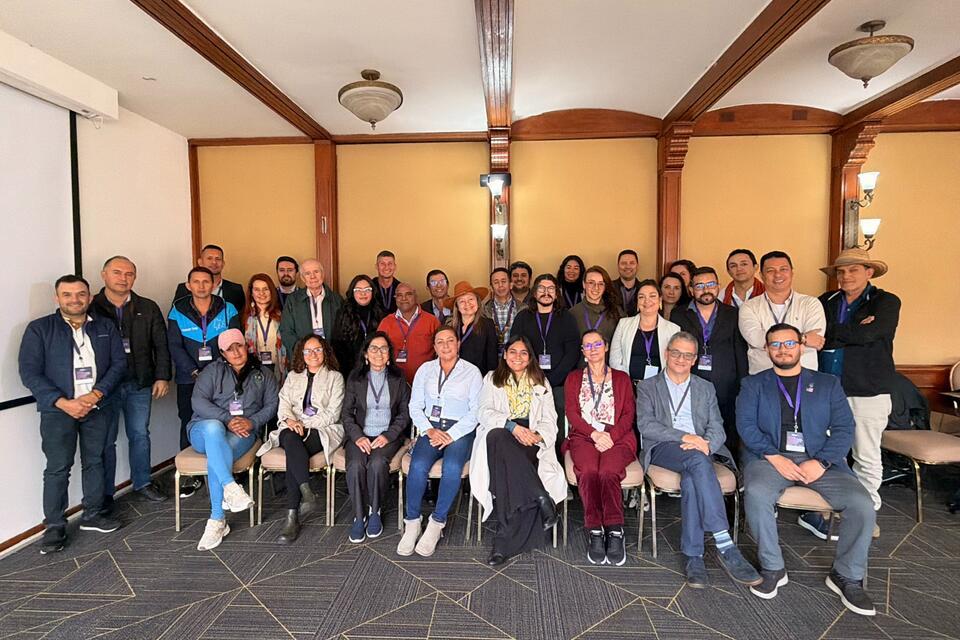
Conectar las demandas territoriales con la agenda de ciencia, tecnología e innovación: Colombia avanza hacia una ciencia agropecuaria más cercana a sus territorios

Ten years, 17 countries, 32 varieties what the world’s largest coffee variety trial has taught us about climate resilience

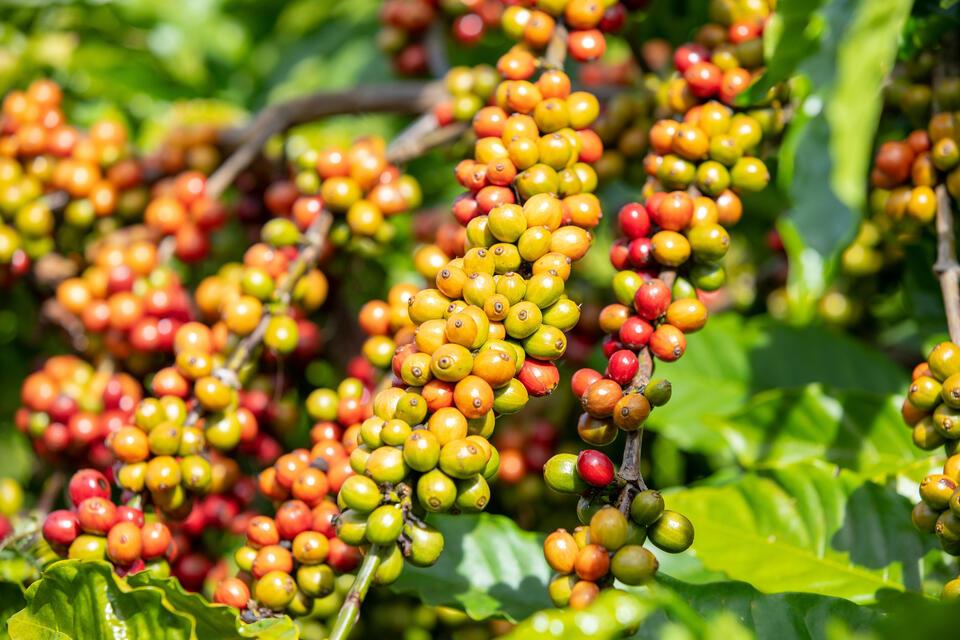
Ten years, 17 countries, 32 varieties: what the world’s largest coffee variety trial has taught us about climate resilience

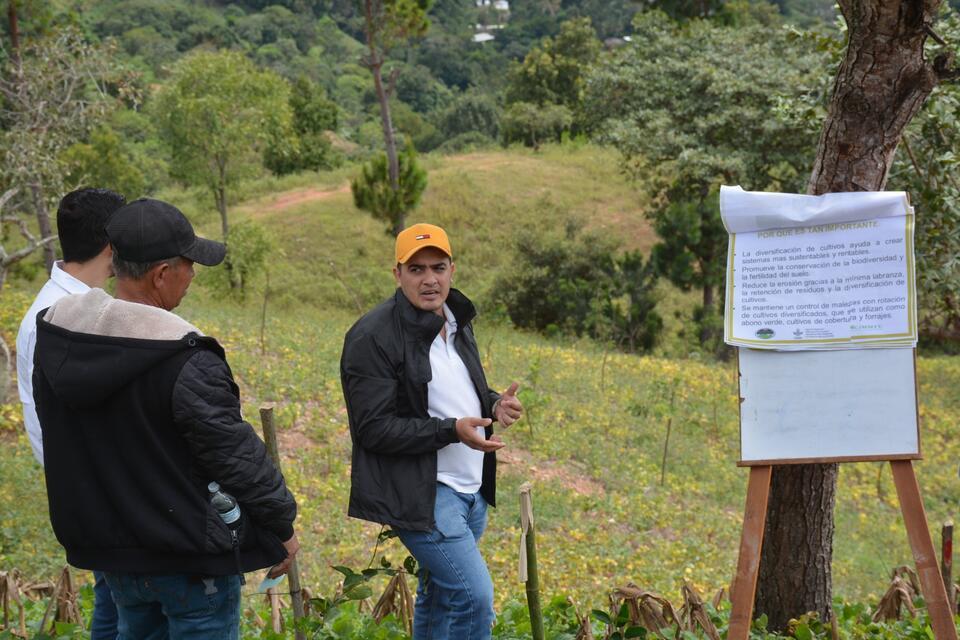
El papel de las relaciones sociales en el escalamiento de innovaciones agrícolas: una dimensión que la investigación aún documenta poco

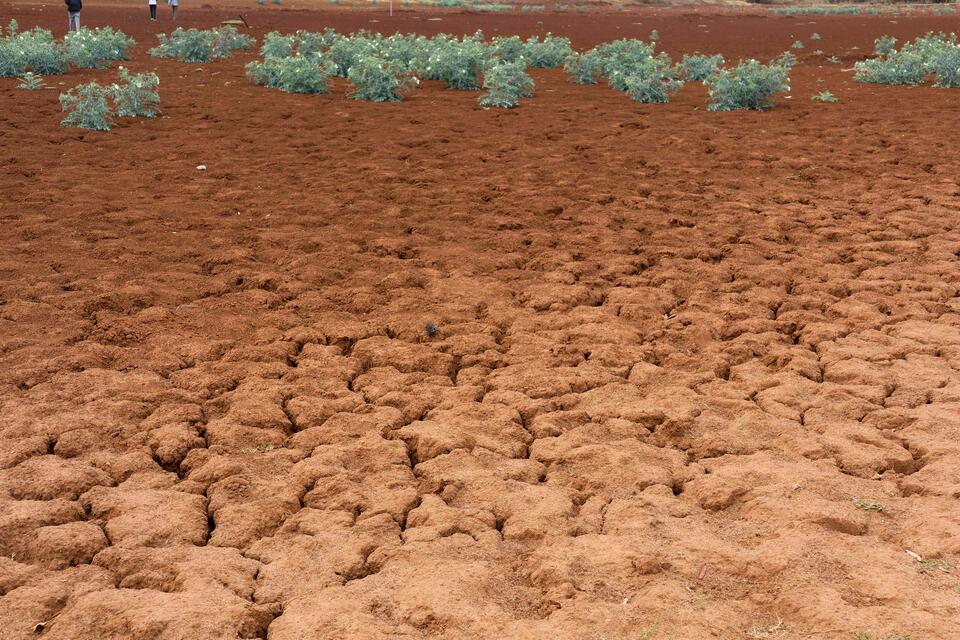
No es lo mismo verlo venir que sentarse a la mesa con El Niño

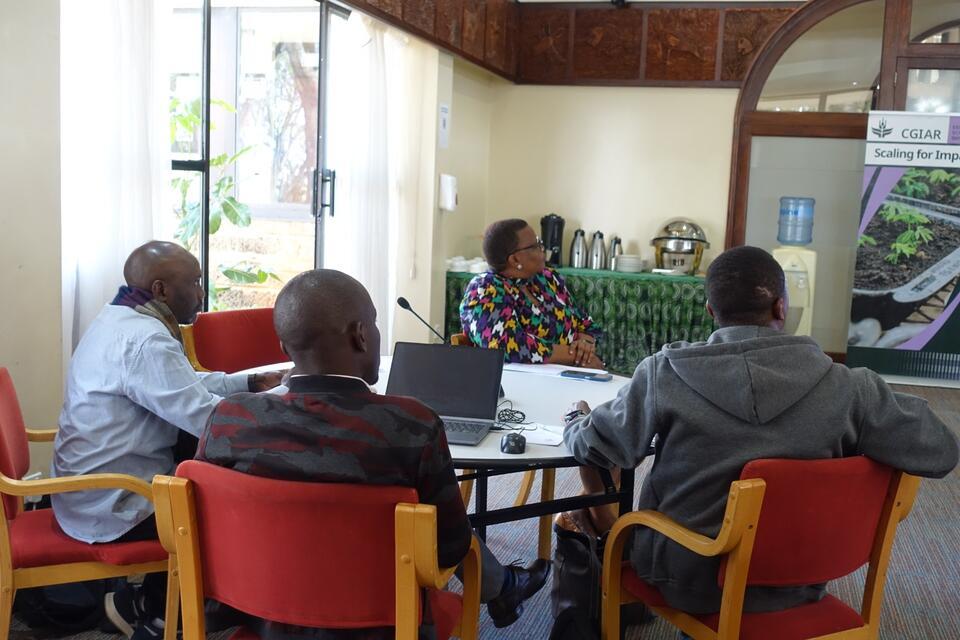
When a good innovation isn’t enough - Rethinking what It takes to scale in Kenya

When a good innovation isn’t enough: Rethinking what it takes to scale in Kenya

Embedded science - Bringing climate and conflict research into humanitarian planning through the CGIAR Surge Capacity Mechanism
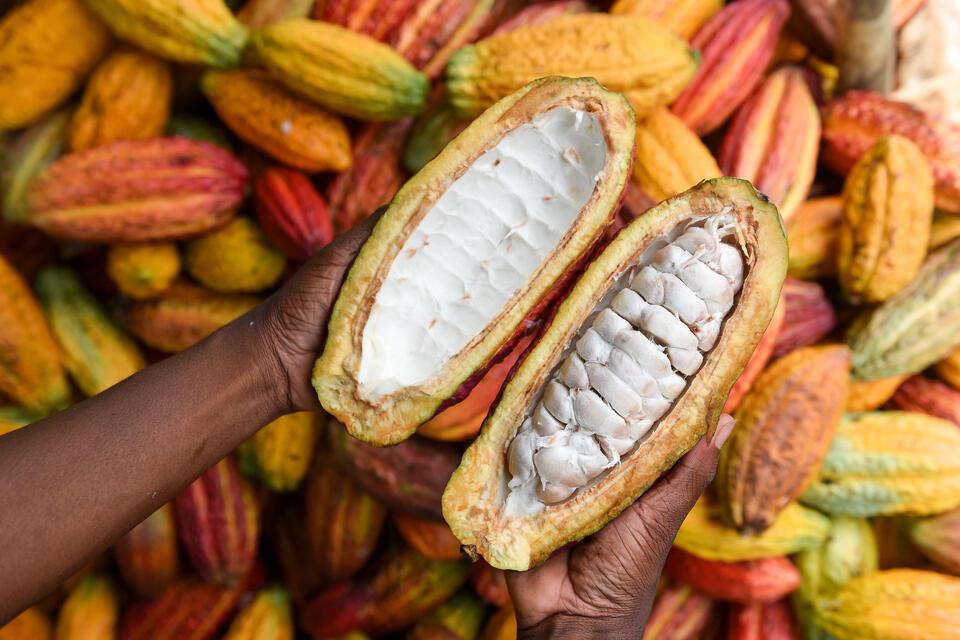
Embedded science: Bringing climate and conflict research into humanitarian planning through the CGIAR Surge Capacity Mechanism
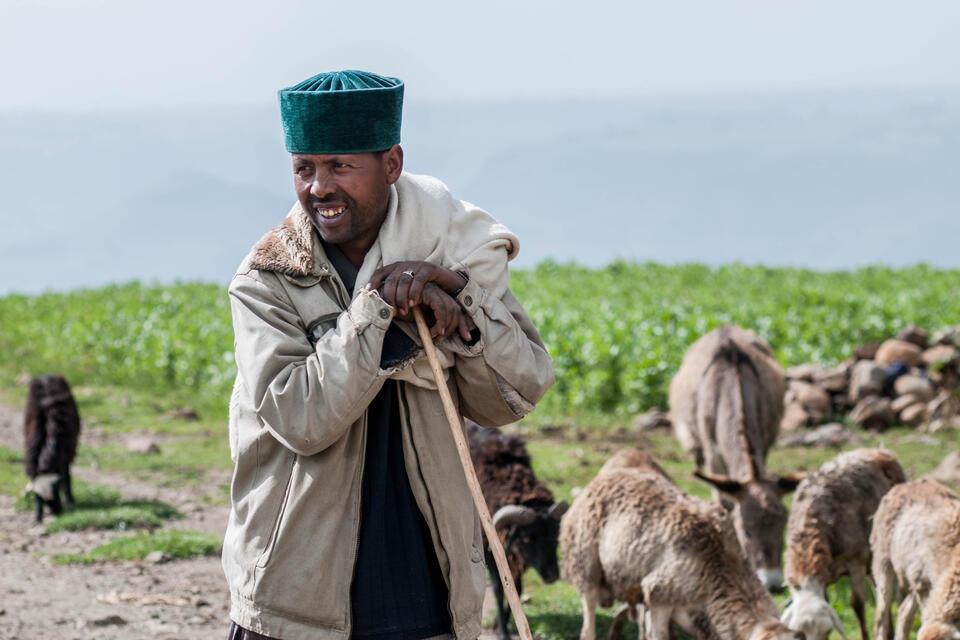
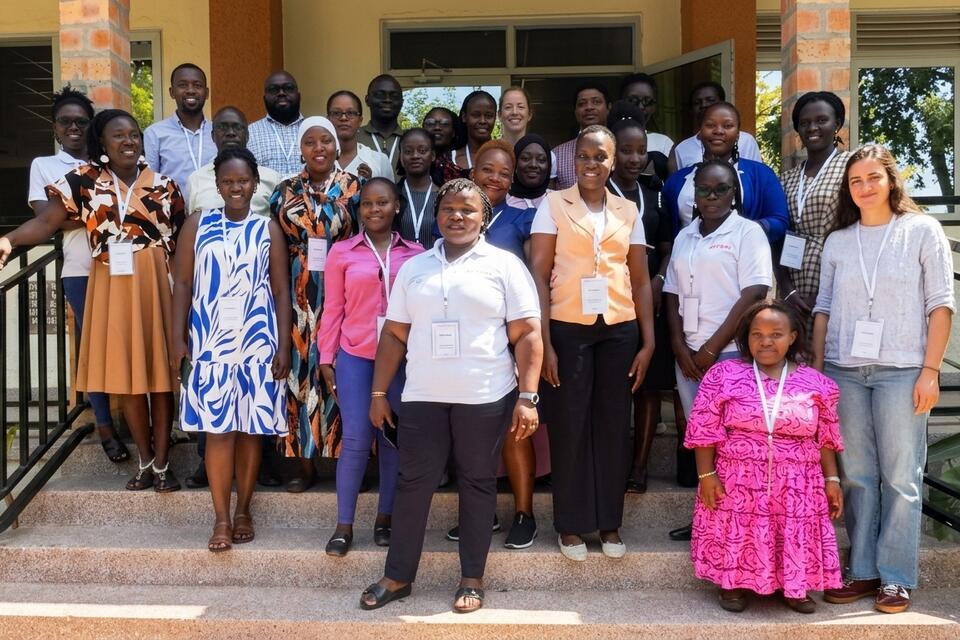
When weather forecasts and local knowledge meet in Uganda

When weather forecasts and local knowledge meet in Uganda

La Niña: What it is, causes, effects & how it differs from El Niño

La Niña: qué es, causas, efectos y en qué se diferencia de El Niño

Breeding a better bean starts with knowing what people want

Breeding a better bean starts with knowing what people want

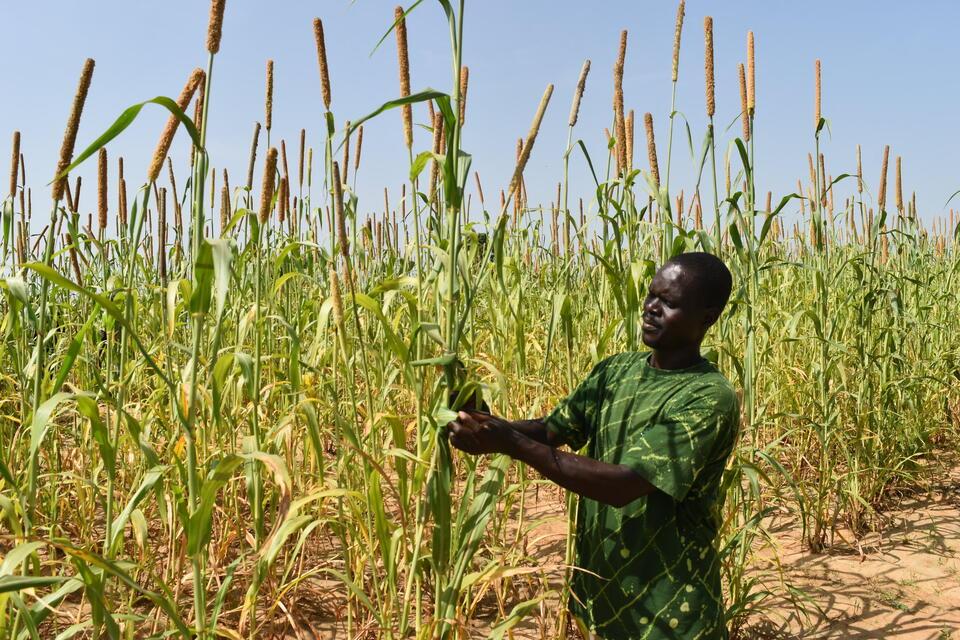
90 seconds or 1 week for resilience?

A school meal begins long before it reaches the plate - Image 1

A school meal begins long before it reaches the plate

Después de la emergencia: cómo decidir qué reconstruir y cómo hacerlo

Paginación

  • Página actual 1
  • Página 2
  • Página 3
  • Página 4
  • Página 5
  • Página 6
  • Página 7
  • Página 8
  • Página 9
  • …
  • Next page ››
  • Last page Último »
Cultivar árboles. Cultivar futuros. Restaurar paisajes con los agricultores. Dona ahora.

La Alianza de Bioversity International y el CIAT forma parte de CGIAR, un consorcio mundial de investigación para un futuro sin hambre

Contacto

Sede Principal de la Alianza
Dirección: Via di San Domenico, 1, 00153 Roma, Italia

Teléfono: (+39) 0661181
Fax: (+39) 0661979661


Info Legal

Nuestros centros
Nuestra política de privacidad

SÍGUENOS

Inglés | Español

Inglés | Español

Inglés

Inglés | Español

Inglés | Español

Inglés

Inglés y Español


Google Añadir como fuente preferida en Google