Blog Cadmium in cacao: Why It happens, what the science says, and how farmers are solving It

Chocolate lovers rarely think about soil chemistry. Cacao farmers cannot avoid it. Somewhere beneath a cacao tree, a naturally occurring heavy metal called cadmium may be quietly making its way from the ground into the beans that become chocolate bars, cocoa powder and cacao nibs. For millions of smallholder families, and for the companies that buy from them, that journey has become one of the most important scientific and economic questions in the cacao sector.
This guide explains cadmium in cacao in plain language: where it comes from, why Latin America is particularly affected, how cocoa cadmium limits work in the European Union and under international Codex standards, what it means for cacao powder, nibs and chocolate, and which solutions researchers at the Alliance of Bioversity International and CIAT and their partners are testing in farmers' fields.
Does cacao contain cadmium? The short answer
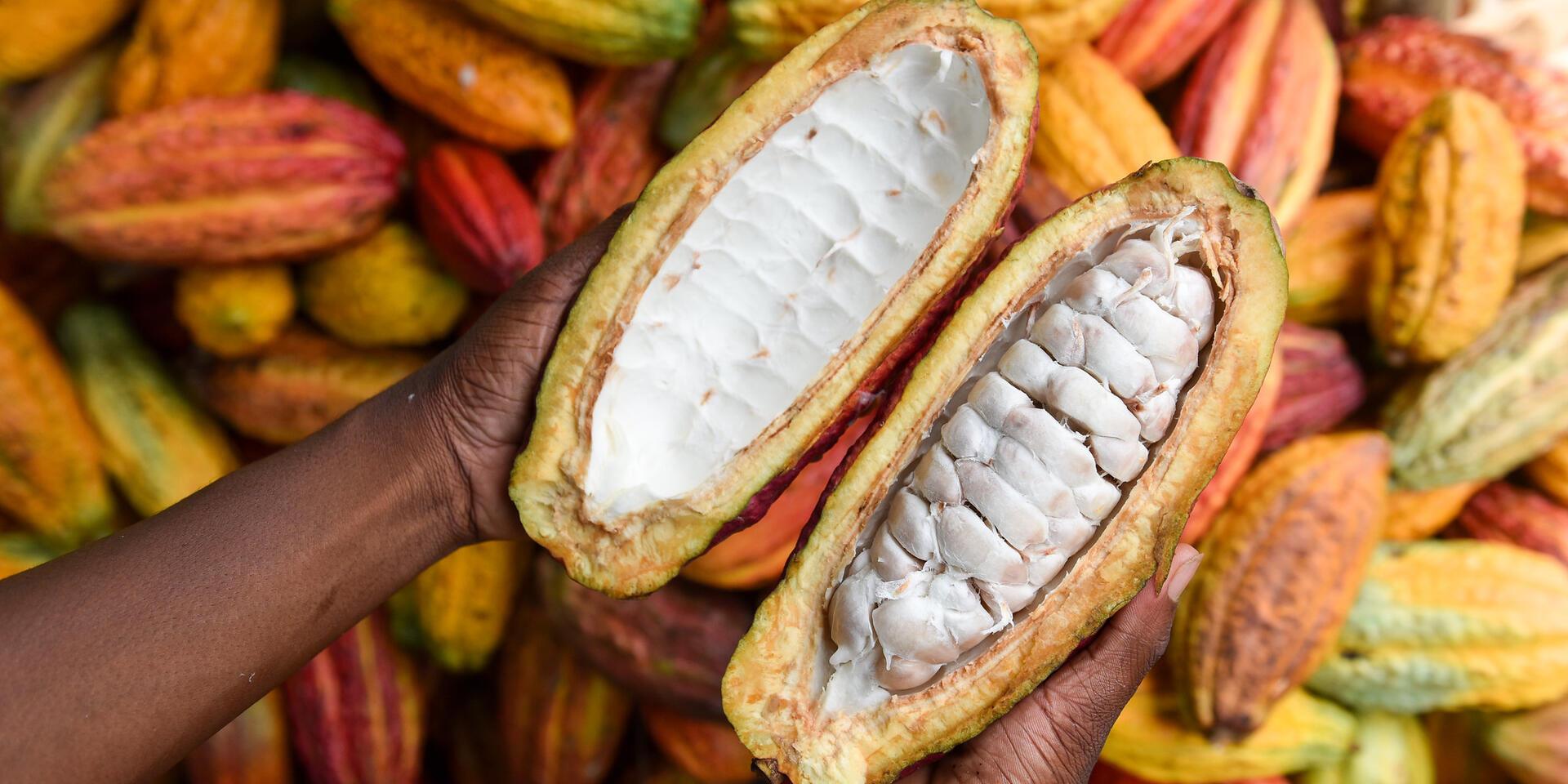
Yes. Cacao beans can contain cadmium because cacao trees take up the metal from the soil through their roots, as do many other crops, including cereals, root vegetables and leafy greens. The amount varies enormously. Scientists reviewing published data found average bean concentrations ranging from as little as 0.02 to as much as 12 milligrams of cadmium per kilogram, with markedly higher values in Latin America than in other producing regions. Alliance researchers and partners summarized this evidence in a review tracing cadmium from soil all the way to the chocolate bar.
Two points matter for anyone searching "does cacao have cadmium" or "does cocoa contain cadmium":
- Presence is not the same as danger. Trace cadmium is found in most foods. The health question is about cumulative exposure across the whole diet and whether specific products stay below regulatory limits.
- Where the cacao grew matters more than the brand name. Soil chemistry on the farm is the single strongest driver of cadmium in the beans, which is why the same variety grown on two different farms can produce very different results.
What is cadmium, and why is it a health concern?
Cadmium is a heavy metal found naturally in the Earth's crust and released by volcanic activity, rock weathering, mining, smelting and some industrial processes. In the body, it accumulates slowly, especially in the kidneys. According to the U.S. Agency for Toxic Substances and Disease Registry, long-term exposure can lead to kidney damage and fragile bones, and its public ToxFAQs sheet on cadmium notes that health effects in children are expected to resemble those in adults.
For food, the benchmark most regulators use comes from the European Food Safety Authority (EFSA). In its scientific opinion on cadmium in food, EFSA set a tolerable weekly intake of 2.5 micrograms per kilogram of body weight and concluded that average European adult exposure sits close to, or slightly above, that level. A follow-up EFSA exposure report found that some groups, including children, could exceed it. Because chocolate is eaten frequently by children, EU regulators decided that cocoa products deserved specific limits.
It is worth keeping perspective. Cereals, vegetables and other staples contribute most dietary cadmium simply because people eat them in large quantities. International assessments by the Joint FAO/WHO Expert Committee on Food Additives (JECFA) have concluded that cocoa products make a comparatively small contribution to overall dietary exposure, even in countries with relatively high cocoa consumption. The regulatory pressure on cacao therefore reflects precaution and trade rules as much as a single food being the dominant source of risk. This article is general information, not medical advice.
Why does cacao absorb cadmium from soil?
The question of why cacao absorbs cadmium from soil has a more nuanced answer than "cacao is a hyperaccumulator." It is not. The Alliance of Bioversity International and CIAT is leading the study, which found that cacao bean cadmium is typically about twice the soil concentration, which is notable but not unusual among crops, so the cacao tree does not qualify as a hyperaccumulator plant.
What drives the differences between farms comes down to a handful of factors:
Geology and young soils
In most cases, cadmium in cacao has a geogenic origin, meaning it comes from the parent rock and sediments, not from phosphate fertilizers or industrial contamination. Latin America's cacao belt sits along the Andes, a young mountain range whose soils are comparatively fresh and have not been heavily weathered or leached over geological time. Rivers have also carried mineral-rich sediments down from the mountains and deposited them across valley floors, creating a patchwork of cadmium levels that can change dramatically within short distances.
Soil pH and organic matter
A meta-analysis of 780 paired soil and plant observations reported in the review found that soil cadmium, soil pH and soil organic carbon largely explain the cadmium concentration of cacao beans. In acidic soils, cadmium tends to be more available for roots to absorb. Soils rich in organic matter can hold the metal more tightly.
Rainfall, soil type and local conditions
The Alliance-led study of Peru, discussed below, also linked bean cadmium to rainfall patterns and soil texture. At the regional level, alluvial deposits and mining operations were associated with higher levels in some areas.
Tree physiology
Researchers still do not fully understand how cadmium is loaded into the developing fruit of this cauliflorous tree, one that flowers and fruits directly on its trunk and branches. That knowledge gap is one reason breeding for low cadmium varieties is a long-term effort and not a quick fix.
Cadmium in cocoa across the world: Why Latin America is in the spotlight
Cacao grows in West and Central Africa, Southeast Asia, and Latin America and the Caribbean. Cadmium is not a problem everywhere, but the reviewed evidence shows that more than half of the cacao bean samples analyzed in Latin America exceeded the commonly applied export threshold of 0.60 milligrams per kilogram. The Alliance report on cadmium in cacao from Latin America and the Caribbean, produced with the Development Bank of Latin America (CAF) through the Latin American Cacao Initiative, describes why some countries in the region are especially affected and where the research gaps remain.
That matters because Latin America is a source of fine-flavor and high-cacao-content products, the very products most sensitive to cadmium rules. The Clima-LoCa Project, a regional initiative funded by the European Commission and led by the Alliance, explains in the policy brief “Cadmium in cacao: why it occurs, how it is regulated, and why it is a concern for producers” that farmers who cannot meet regulatory thresholds can lose market access.
Peru as a case study: Mapping cadmium in cacao
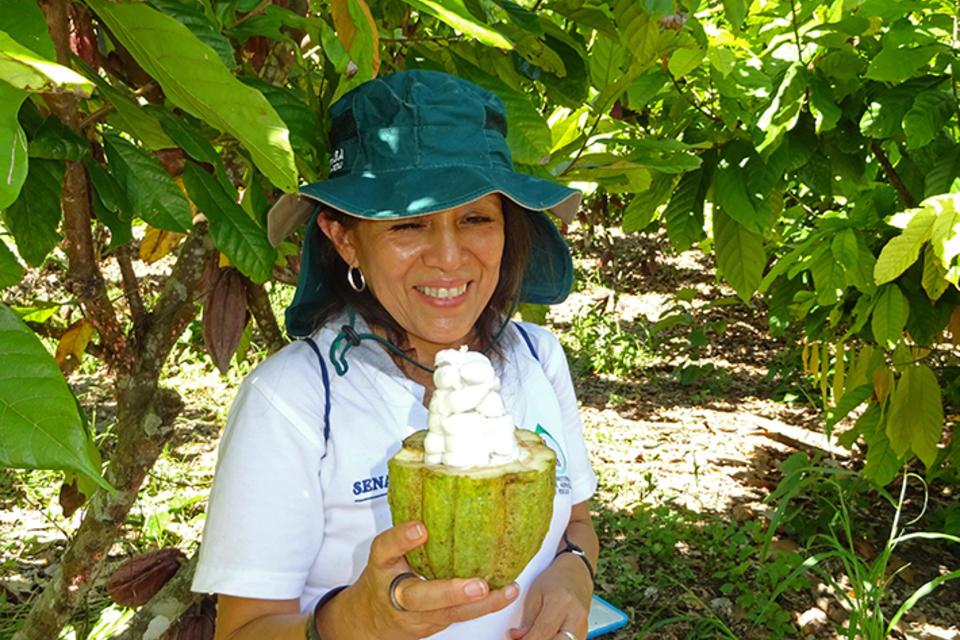
Peru is the world's eighth largest cacao producer, and its experience shows how science can turn a vague worry into a manageable risk. With funding from the Government of Peru, the Alliance worked with the national agricultural health service (SENASA) and the national agricultural research institute (INIA) to sample soils and cacao beans across the country.
The result was the largest study of cadmium and cacao to date. Published in the journal Science of the Total Environment, The distribution of cadmium in soil and cacao beans in Peru used more than 2,000 representative samples and random forest models to build predictive maps.
The key findings were:
- Soil cadmium is by far the strongest predictor of bean cadmium. Where the farm is located matters more than almost anything else.
- High cadmium is concentrated in certain areas, including parts of the north, and some localized pockets in central departments such as Huánuco and San Martín.
- The national picture is better than feared. Fewer than 20 percent of cacao-farming households nationally might be affected by the regulations, although in the most affected department, Piura, the share could be as high as 89 percent.
The Alliance story Researchers map cadmium in cacao: "The problem isn't as bad as we thought" tells this discovery from the farm's perspective, including how cooperatives and buyers in Piura carefully select and blend cacao to protect both flavor and farmer prices.
The work has since expanded. Through the Clima-LoCa project, the Alliance and partners launched a map of cadmium in cacao soils and beans for Colombia, Ecuador and Peru. The blog post “A Map to Understand Cadmium Variability in Andean Cacao Soils and Beans” explains who can use it and why it matters: it helps farmers, buyers and public institutions see where risk is concentrated and which mitigation options fit which landscapes.
Cadmium limits in cocoa and chocolate: EU rules and codex standards
Regulation is what turned cadmium from a soil science topic into a market issue. Understanding the limits helps explain why cadmium in chocolate and cadmium in cocoa powder appear so often in search results.
The European Union
Commission Regulation (EU) No 488/2014 set maximum cadmium levels for cocoa and chocolate products. It applies from January 2019, after a transition period announced in 2014. Because cadmium in finished products relates to cocoa content, the limits varies with the percentage of cocoa solids:
|
Product (EU) |
Maximum cadmium (mg/kg) |
|
Milk chocolate with less than 30% total dry cocoa solids |
0.10 |
|
Chocolate with less than 50% cocoa solids; milk chocolate with 30% or more |
0.30 |
|
Chocolate with 50% or more cocoa solids |
0.80 |
|
Cocoa powder sold to the final consumer, and sweetened cocoa powder |
0.60 |
The regulation sets limits for finished cocoa and chocolate products, not for raw beans. However, because manufacturers must stay under those product limits, buyers commonly work backward and apply bean thresholds in the range of 0.3 to 0.6 milligrams per kilogram, depending on the product being made.
The Codex Alimentarius
Internationally, the Codex Alimentarius Commission, which sets food standards for FAO and WHO members, has adopted its own maximum levels for chocolate and cocoa-derived products in its General Standard for Contaminants and Toxins in Food and Feed (CXS 193-1995). Codex levels were adopted in stages, starting with 0.8 mg/kg for chocolate with 50% to under 70% total cocoa solids and 0.9 mg/kg for 70% or more, and later extended to other categories. The Codex Secretariat's trace this history and the role of JECFA assessments. Codex limits are generally less strict than the EU's for some categories, which matters for countries exporting to multiple markets.
Always check the current text of the regulations before making commercial decisions, since limits and test methods can be revised.
Cadmium in cacao powder, nibs and chocolate: What consumers should know
Search data shows people are especially curious about cadmium in cacao powder, cadmium in cocoa powder, cacao nibs cadmium and low cadmium cacao. Here is what the science says about each product.
Cacao powder and cocoa powder
Powder deserves extra attention. During processing, cocoa butter, the fatty part of the bean, is pressed out to make powder. Cadmium is concentrated in the dry, non-fat components of the bean and not in the fat, so the metal ends up more concentrated in powder than in the original beans. This is one reason the EU applies a specific limit to cocoa powder and why people searching for the "lowest cadmium cacao powder" are really asking about the origin of the beans and the testing of the finished batch.
Cacao nibs
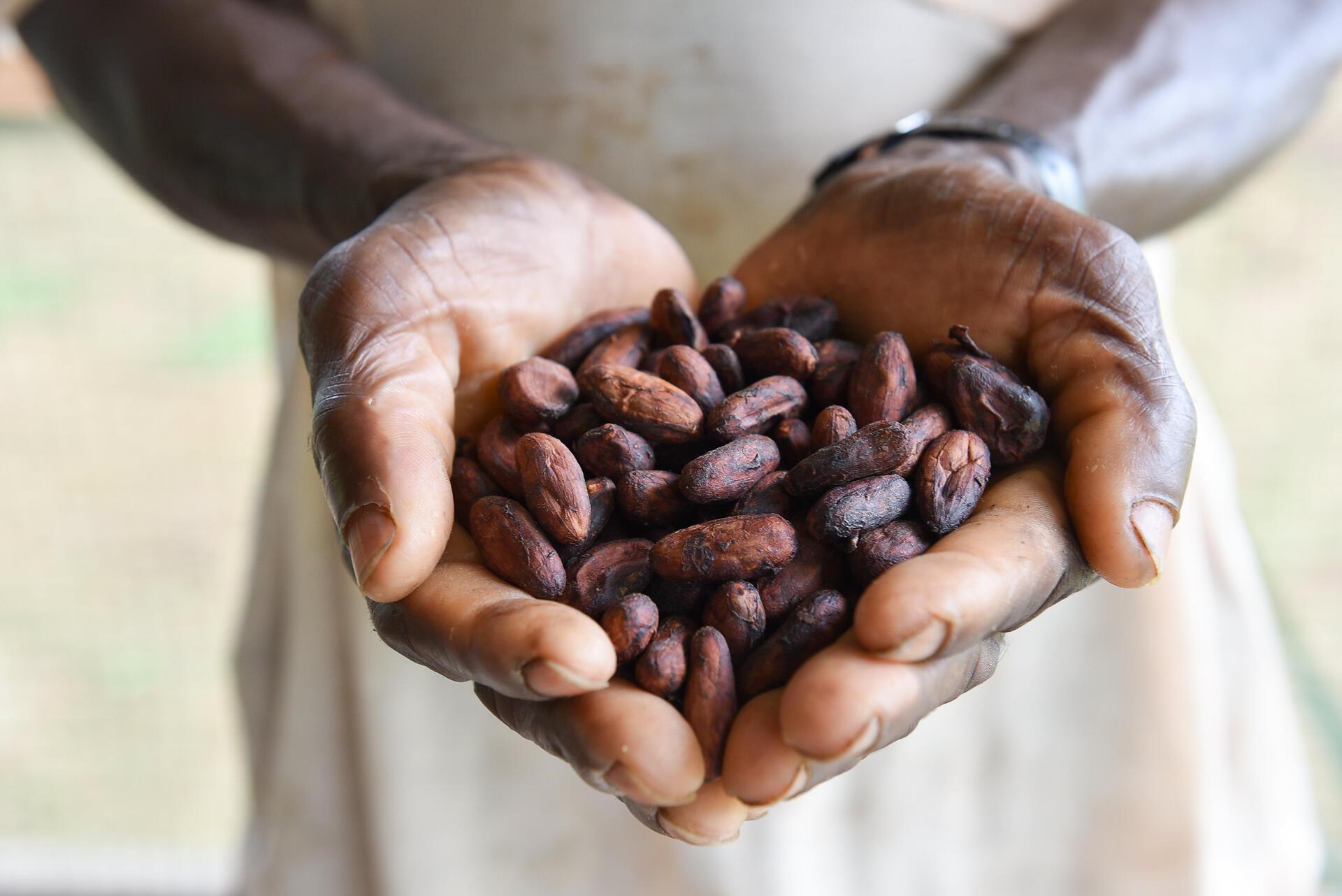
Nibs are crushed pieces of the bean's interior, which makes them close to the raw material. The husk or shell often contains more cadmium than the nib, so careful winnowing, the removal of shell fragments, can help. Because nibs go straight to the consumer with little dilution, their cadmium level reflects the farm's soil more directly.
Chocolate bars
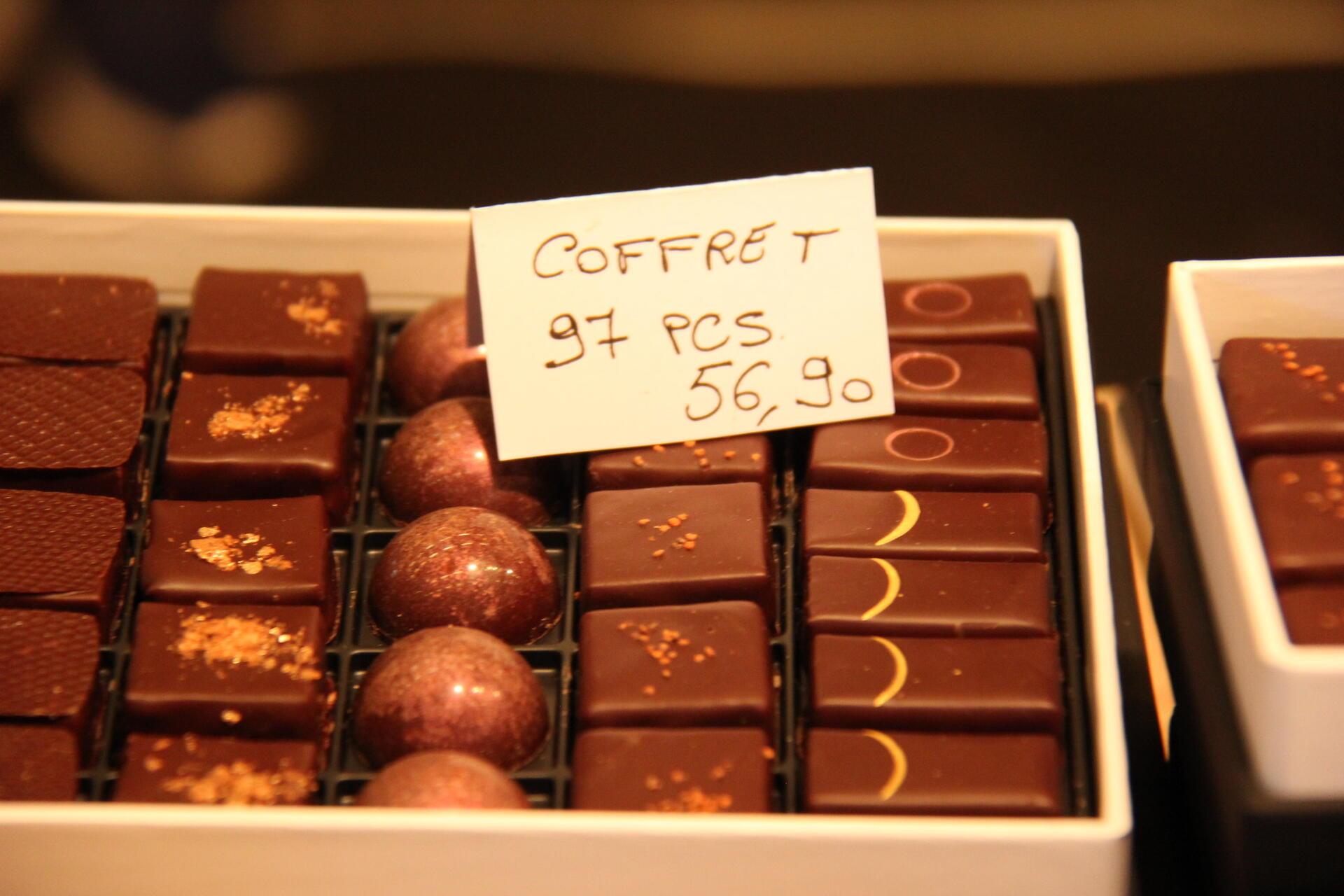
In chocolate, ingredients such as milk, sugar and cocoa butter dilute cadmium, which is why the legal limit depends on the percentage of cocoa solids. Dark, high-cacao-content bars have less dilution, so they are the most sensitive category for makers and the reason why high-cacao origins with elevated soil cadmium face the hardest market access challenges.
Practical tips for shoppers
- Favor brands that publish heavy metal test results or third-party lab certificates for each batch.
- Remember that "single origin" can be a strength for flavor and a weakness for cadmium consistency, since a single high-cadmium valley can shape the whole batch. Blended lots may be more consistent.
- Variety in your diet matters more than eliminating any one food. People with specific health conditions, or who consume large amounts of cocoa daily, can ask a health professional for tailored advice.
Heavy metals in cacao: Is cadmium the only one?
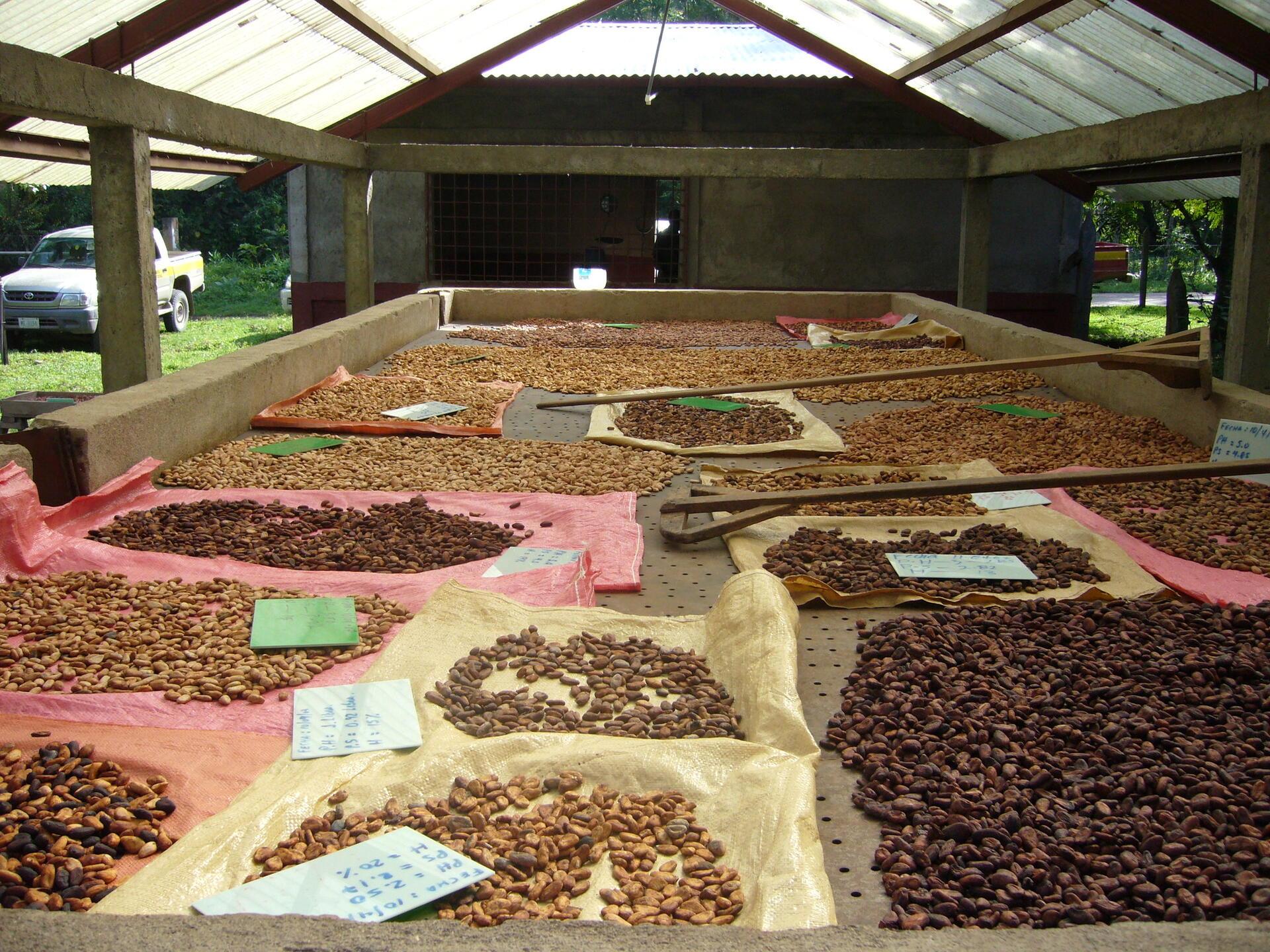
Searches for heavy metals in cacao often mix several contaminants. Lead is also monitored in cocoa products, but its sources and behavior differ: it often relates to contamination after harvest, such as from dust or drying surfaces, while cadmium largely comes from the soil itself through root uptake. This distinction matters for solutions. Cadmium is addressed mainly on the farm, with soil management and genetics, while many other contaminants are tackled through careful drying, handling and storage.
How can cadmium in cacao be reduced? Evidence-based solutions
No single silver bullet exists, and field results vary from place to place. The Alliance's second Clima-LoCa briefing, Cadmium in cacao: what we know about mitigation practices, groups the options into three categories: soil amendments, cultivar selection and postharvest strategies. The briefing stresses that trials must be run in different soil types and conditions, and must consider farmer income and acceptance.
1. Soil amendments
Applying lime, compost or biochar can change how strongly soil holds cadmium. The Alliance review notes that lime or biochar can lower bean cadmium in acid soils. Early field trials in northern Peru of a biochar-based product reported reductions in the range of 40 to 80 percent in bean cadmium, as described in the story Cadmium in Peruvian cacao: framing the problem and investigating solutions. Because cadmium varies sharply within short distances, however, proving an amendment works requires careful experimental design. Soil that looks identical may behave differently.
2. Cultivar selection and breeding
Over the long term, breeding or selecting cacao varieties that take up less cadmium offers the biggest potential. Researchers in Peru have been identifying low cadmium accumulating genotypes. Progress depends on better understanding how cadmium moves into the developing fruit, and any promising variety also has to deliver yield, disease resistance and the flavor that buyers want.
3. Postharvest practices
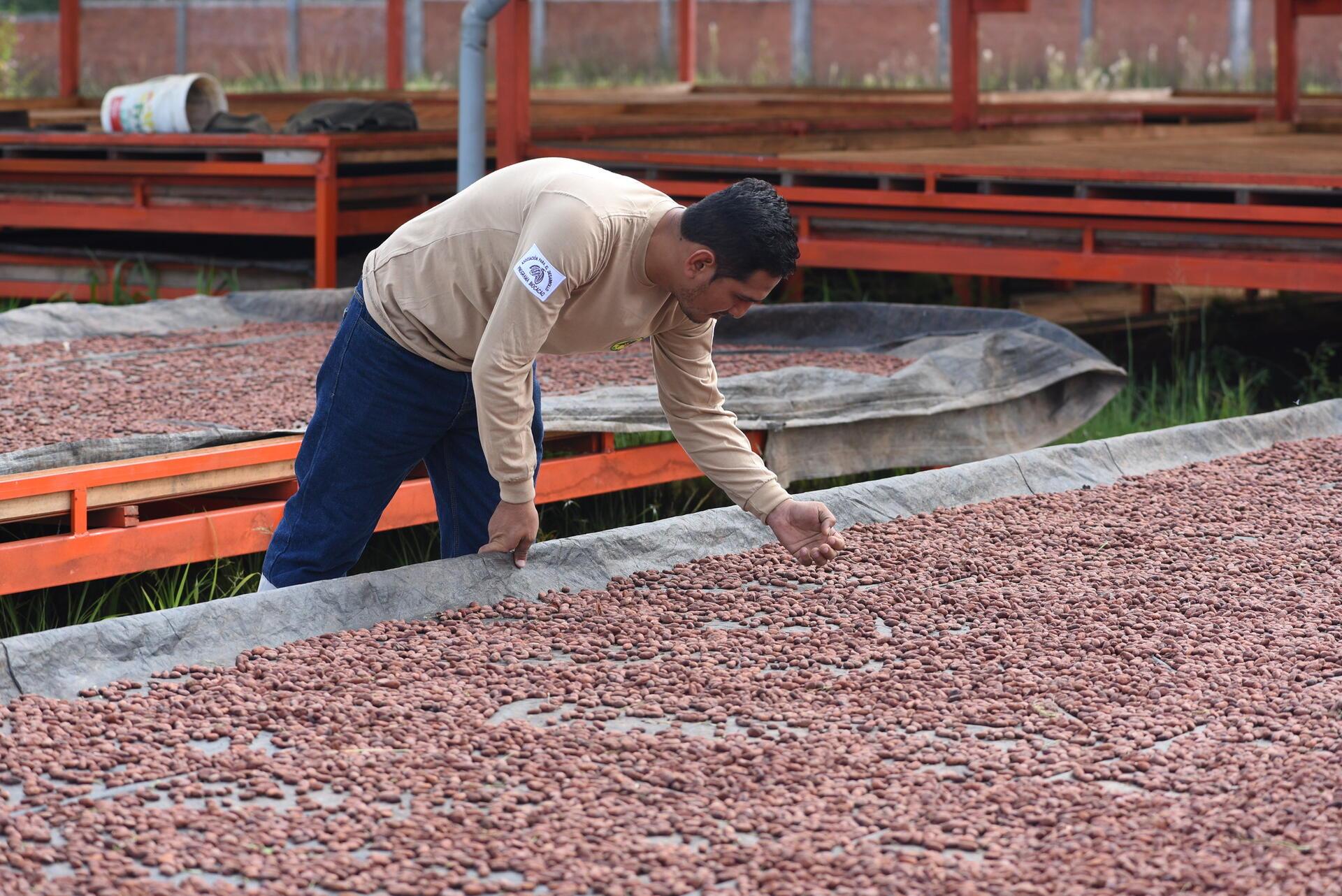
Fermentation can slightly lower cadmium concentrations in the final product and strongly influences flavor quality, so changes here need to protect quality. Removing shell material from nibs and sorting beans carefully also helps.
4. Blending and smart sourcing
In the short term, mixing cacao from different origins or different farms may be the most practical strategy for meeting limits, according to the Alliance review. Cooperatives in Peru's Piura region already select and blend lots to keep cadmium low while preserving farmers' prices.
5. Map-guided decisions
Predictive maps let buyers and governments prioritize sampling, guide planting in lower-risk areas, direct mitigation support to the places that need it most, and plan land use. Soil analysis and rapid testing methods, including x-ray fluorescence approaches studied by Alliance researchers, make it easier for cooperatives to test beans before they reach the buyer.
The human side: What cadmium rules mean for farmers
Behind every data point on a cadmium map is a farming family. In a survey of 200 households in northern Peru, the Alliance found that 60 percent of farmers had experienced income losses since the EU regulations took effect. Where beans exceed thresholds, farmers may be pushed into lower-priced domestic markets, even though they have done nothing wrong: the cadmium comes from the geology of their land.
This is why research focuses on solutions that are practical, affordable and fair. Soil amendments must be cost-effective. Testing needs to be accessible to small cooperatives. Information needs to reach farmers in their own language. Soil scientists have also been working on this for years: the Alliance scientist Mayesse Da Silva, the champion who evaluates and maps soils to grow cacao describes how detailed soil mapping, including cadmium levels, supports cacao development in Colombia.
Frequently Asked Questions about Cacao and Cadmium
1. Is cocoa from Peru safe?
Peru's research shows that most cacao produced in the country can be used to make chocolate that complies with EU cadmium limits, and that high cadmium is concentrated in specific areas. Compliance is verified through batch testing and careful sourcing, which is why traceability matters.
2. Why is there cadmium in chocolate?
Chocolate is made from cacao beans, and cacao trees absorb small amounts of cadmium that occurs naturally in soil. Other ingredients such as milk and sugar dilute it, so the regulatory limits vary by cocoa content.
3. Do all cacao beans have the same cadmium level?
No. Levels differ between countries, regions, valleys and even neighboring farms, depending on soil cadmium levels, pH, organic matter and other factors.
4. Does fermentation remove cadmium?
It may reduce it slightly, but it is not a stand-alone solution. Fermentation's main role is developing flavor.
5. Where can I find low cadmium cacao?
Look for producers and brands that test every batch and share results, and for origins and cooperatives that use soil mapping and blending. Test data is a better guide than any label.
6. What is the difference between cacao and cocoa?
In everyday use, "cacao" usually refers to the tree and the raw bean or minimally processed products such as nibs, and "cocoa" to roasted, processed products such as powder. Scientists and regulators often use the terms interchangeably, which is why both "cacao cadmium" and "cocoa cadmium" are widely searched.
Key takeaways
- Cadmium in cacao comes mainly from natural soil conditions, especially in the young soils of Latin America, not typically from fertilizers or factory pollution.
- Soil cadmium, pH and organic carbon are the strongest explanations for bean cadmium.
- EU and Codex limits apply to finished cocoa and chocolate products, and cocoa powder deserves extra attention because processing concentrates cadmium.
- Peru's national study shows that the problem is real but geographically concentrated, and most cacao can comply.
- Solutions include soil amendments, better varieties, careful postharvest handling, blending, and map-guided decisions, each of which needs local testing.