Research Articles Breeding a better bean starts with knowing what people want

PABRA’s demand-led breeding approach brings farmers, consumers and markets into the breeding process, helping researchers develop bean varieties people want while strengthening the seed systems that get them to farmers.
A bean can perform beautifully in a research trial and still struggle to find its place on a farmer’s field or a family’s plate. It may yield well, resist disease and cope with difficult growing conditions, but farmers also need to access its seed at the right time. Consumers have preferences around taste and cooking time, and traders and processors need varieties they can sell. Over the years, this understanding has helped reshape PABRA’s approach to breeding: the question is no longer only what science can improve in a bean, but also what kind of bean people actually want.
Dr Claire Mukankusi, the Alliance’s Global Bean Breeding Lead, traced this evolution during PABRA’s 30th anniversary discussions in Kigali. In the 1980s and into the mid-1990s, access to CIAT’s genebank brought new genetic material into Africa and helped strengthen national breeding programmes. More than 60 varieties were released during that period, many of them small-seeded, but there were challenges with adaptability and market acceptance. Over time, breeding also began to take on a wider range of traits. Farmers were dealing with several diseases at once, while consumers cared about characteristics such as cooking time, making it increasingly important to combine agronomic performance with the qualities people wanted from the bean itself.
Bringing demand into the breeding process
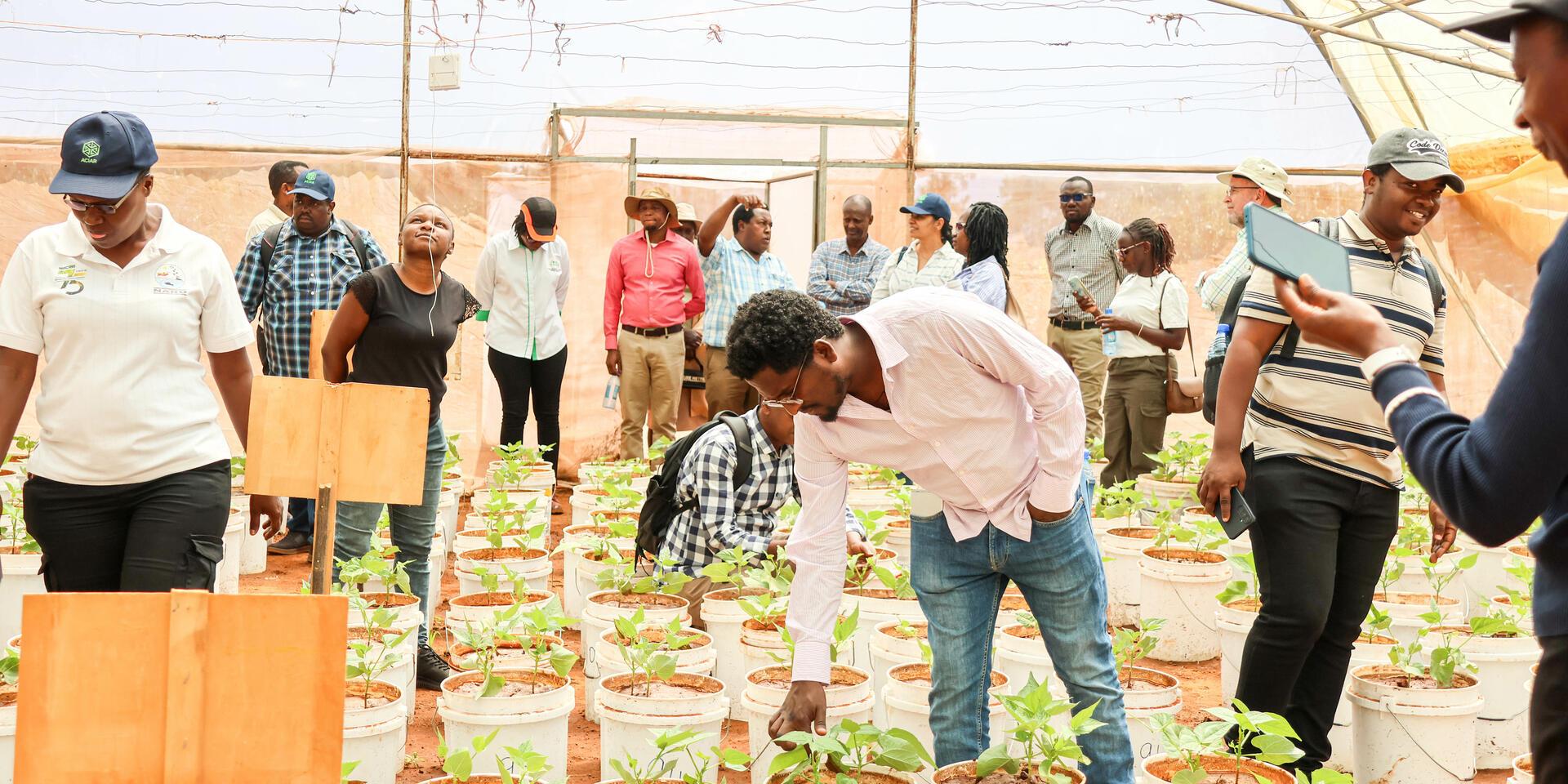
Today, PABRA’s demand-led breeding approach starts much closer to the market, and the breeding teams work around major market segments, identifying the types of beans people want and the traits that matter within those markets. PABRA currently concentrates much of its effort on six major segments, with breeders leading pipelines for each and working with national programmes according to their different capacities. Target product profiles help define which characteristics are essential, which should be improved and which need to be maintained.
That means decisions about a new variety are increasingly informed by more than the breeder’s perspective. Product design and advancement meetings bring in people involved in producing, selling and consuming beans, giving breeding teams information about what needs to move forward and why. Mukankusi described the shift simply as moving from a more traditional approach, where breeders largely determined what they wanted to develop, towards breeding teams responding to market demand and connecting farmers with businesses so that “the right varieties are reaching the right people.”
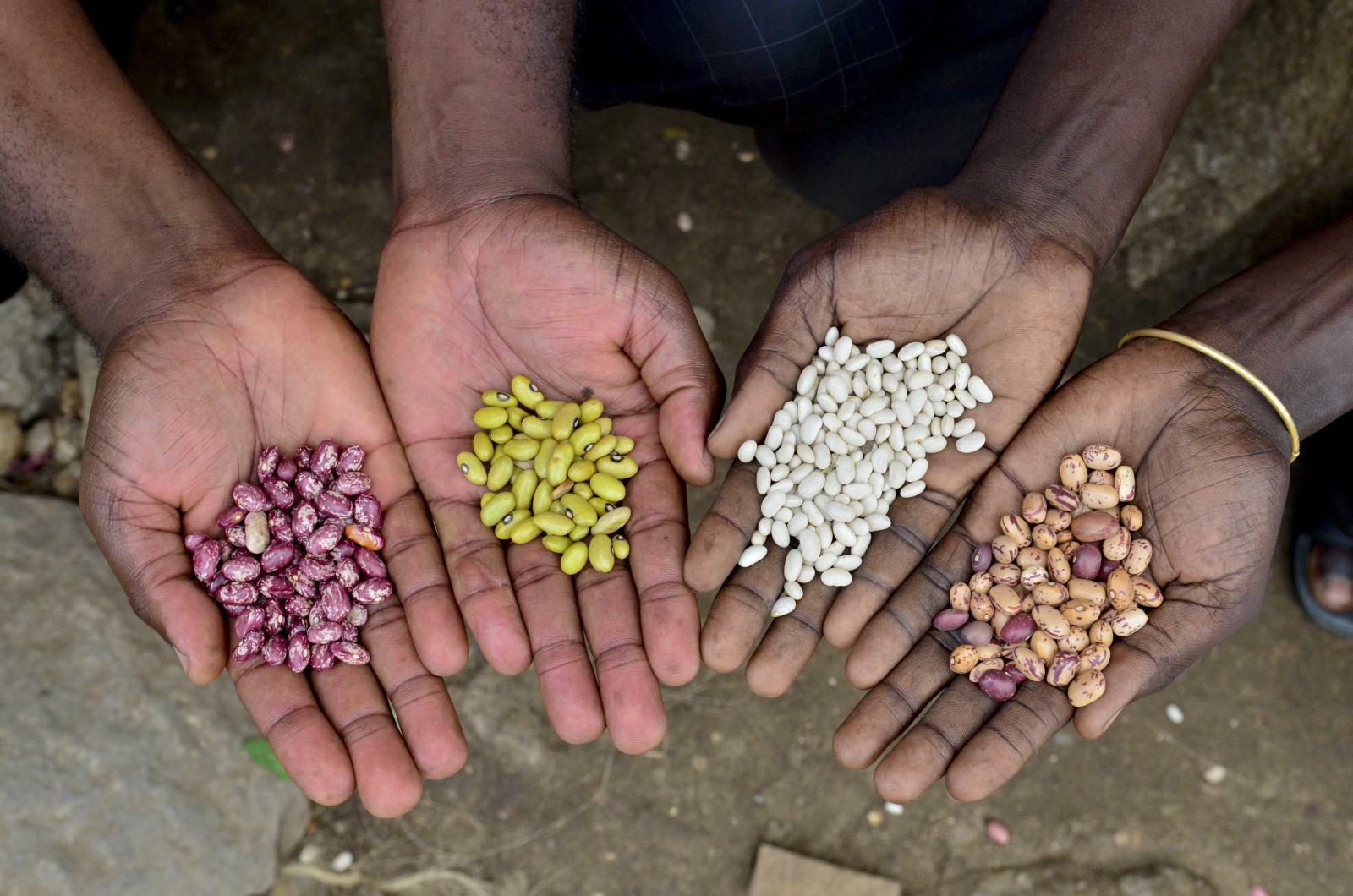
The science has continued to advance alongside that shift, and thus, PABRA uses data-driven breeding and genomic selection, while current work combines characteristics such as cooking time and iron and zinc content with the need to maintain yield. The programme has released high-iron, fast-cooking, early-maturing, disease-resistant and low-input varieties, showing how the definition of a better bean has expanded as the needs around it have become better understood.
But breeding what people want solves only part of the problem, since the seed still has to reach them, and evidence presented by seed systems specialist Louise Sperling offered a revealing picture of how that happens. In the multi-country dataset she presented, farmers saved only around 20% of their bean seed themselves, while half came from local markets every season. Farmers also paid for at least 55% of their seed transactions.
Those figures help explain why PABRA works through both formal and informal seed channels. Seed companies and quality-declared seed production are part of the system, but so are informal traders moving seed and grain between different agro-ecological zones, with some handling around 40 metric tonnes in a season. Rather than expecting every farmer to access seed in the same way, the approach works with several pathways already connecting farmers to seed.
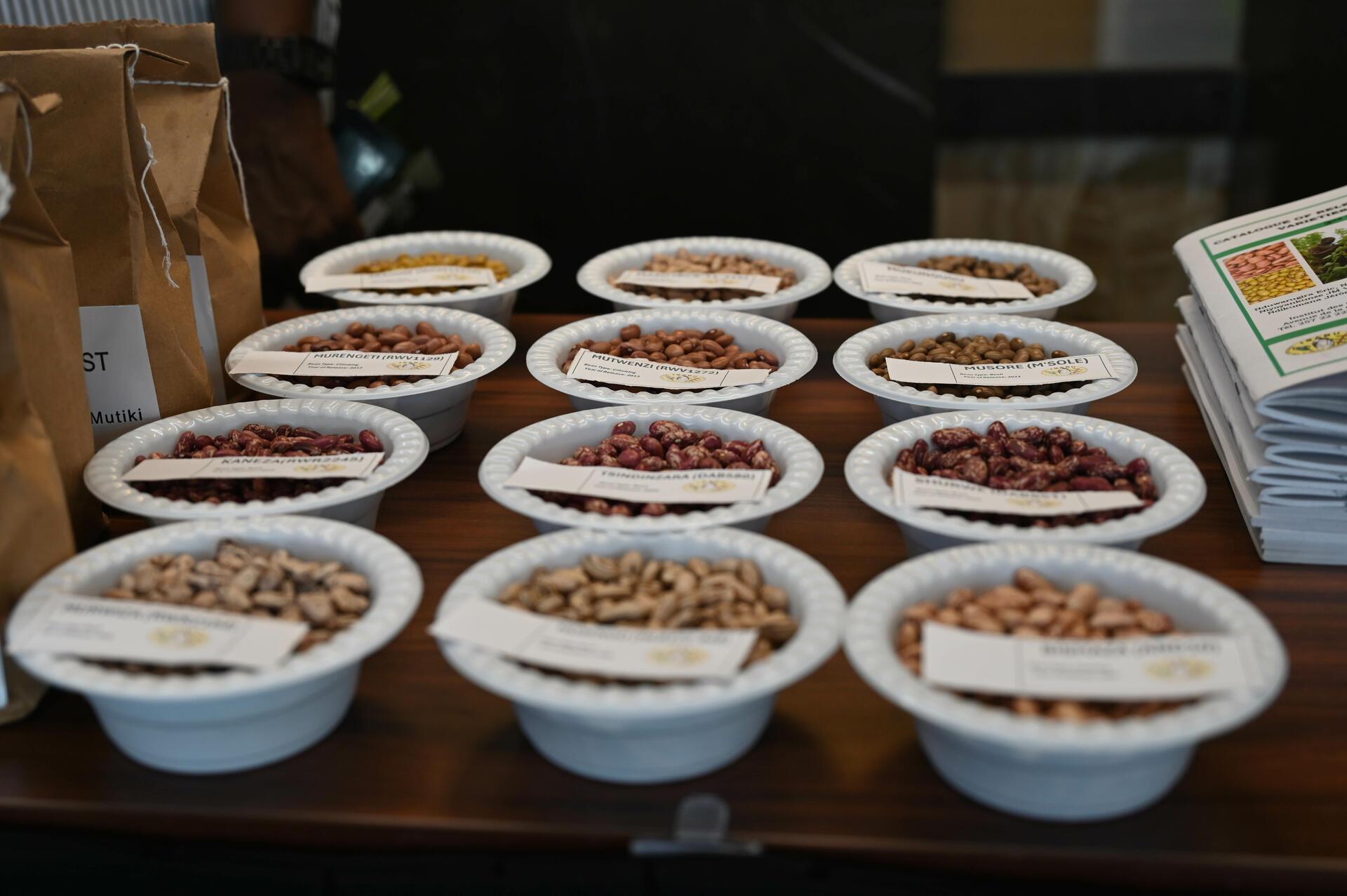
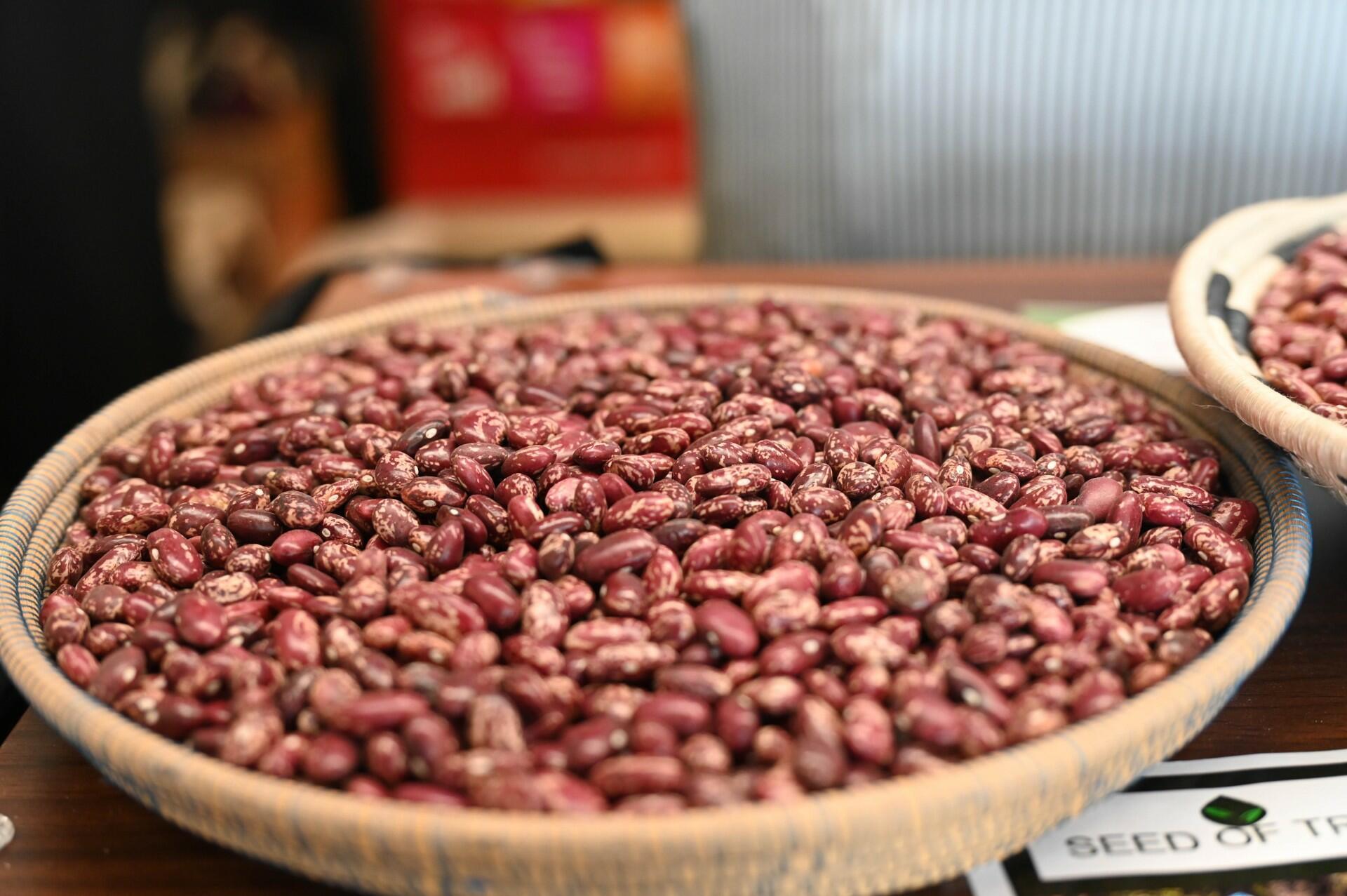
What “market preferred” looks like in practice
For Emma Uwera of I&J Harvest in Rwanda, getting an improved variety into farmers’ hands begins with basic seed from the Rwanda Agriculture and Animal Resources Development Board (RAB). She multiplies the seed while establishing demonstration plots and organising field days and cooking demonstrations. Each demonstration can bring together 100 to 200 farmers, allowing them to see different varieties growing before deciding what interests them. She also works with local agro-dealers, while farmers who approach RAB looking for seed can be referred directly to her company.
The farmer’s experience also provides an important reality check. A farmer representative from Kayonza described improved varieties as valuable not only for productivity, but also for earlier maturity, resilience, market opportunities, household income and nutrition. Yet she also pointed to a persistent problem: quality seed is not always available in sufficient quantities when farmers need it, and cost and limited information can slow adoption. As she explained, even an excellent variety cannot achieve its full impact if a farmer cannot access and afford the seed at the beginning of the planting season.
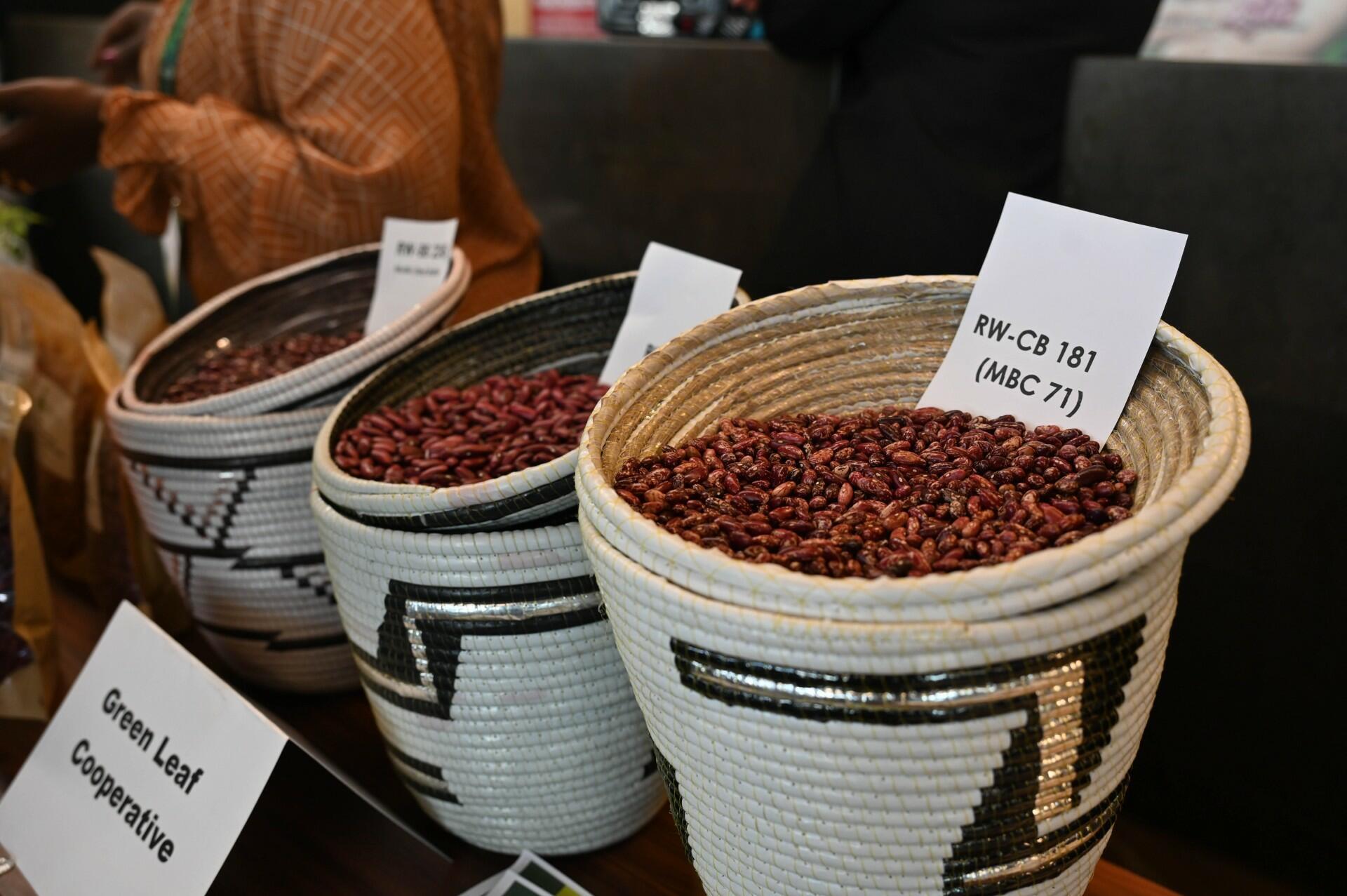
And once the crop leaves the farm, the definition of a good bean shifts again, as Rose Nkubana explained, when she entered the bean business in 2020 after receiving an export order for 20 containers and managing to supply 14. Her women-led business now works with cooperatives, providing seed, working with farmers as they produce, and finding markets for the harvest. Her measure of whether a variety is truly market preferred is refreshingly practical: how much of it sells, whether buyers come back asking for it the following season, the price it attracts and how quickly it cooks. For larger markets, cleanliness, uniformity, moisture, storability and taste also come into the equation.
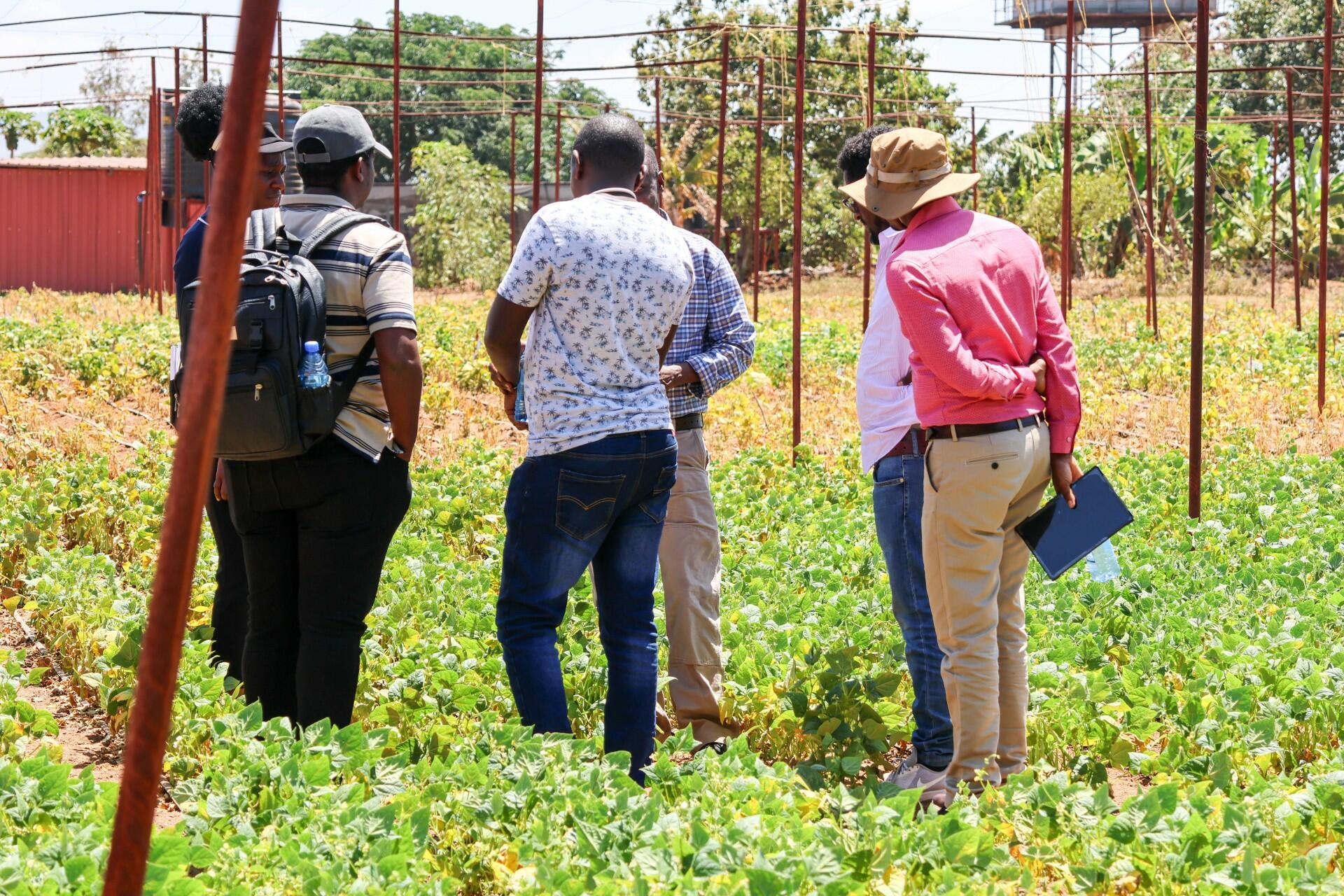
That chain, from the breeder deciding which traits to pursue, to the seed company multiplying a variety, the farmer choosing whether to plant it and the trader seeing whether customers return for it, captures what demand-led breeding looks like beyond the terminology. Each actor sees a different part of what makes a bean valuable, and bringing those perspectives closer to the breeding process reduces the distance between developing a promising variety and seeing it used.
Thirty years of PABRA’s work have shown how much bean breeding can change when the people who will eventually grow, buy, cook and sell the crop become part of the question from the beginning. Better genetics remain at the centre of the science, but a successful variety ultimately has to work beyond the research station, that is, in farmers’ fields, through the seed channels they use and, in the markets, where their beans need to compete.
The team
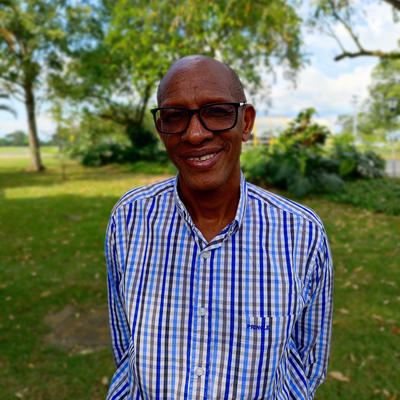
Jean Claude Rubyogo
Leader, Global Bean Program, and Director, Pan Africa Bean Research Alliance (PABRA)
Clare Mukankusi
Global Breeding Lead-Common Bean
Wilson Nkhata
Regional Bean Breeder & Coordinator, Southern Africa Bean Research Network (SABRN)
Sylvia Monica Kalemera
Bean Program & PABRA Monitoring, Evaluation and Learning Coordinator, Country Representative for Tanzania
Warren Arinaitwe
Plant Pathologist
Teshale A. Mamo
Bean BreederKeep exploring