Blog When a good innovation isn’t enough: Rethinking what it takes to scale in Kenya
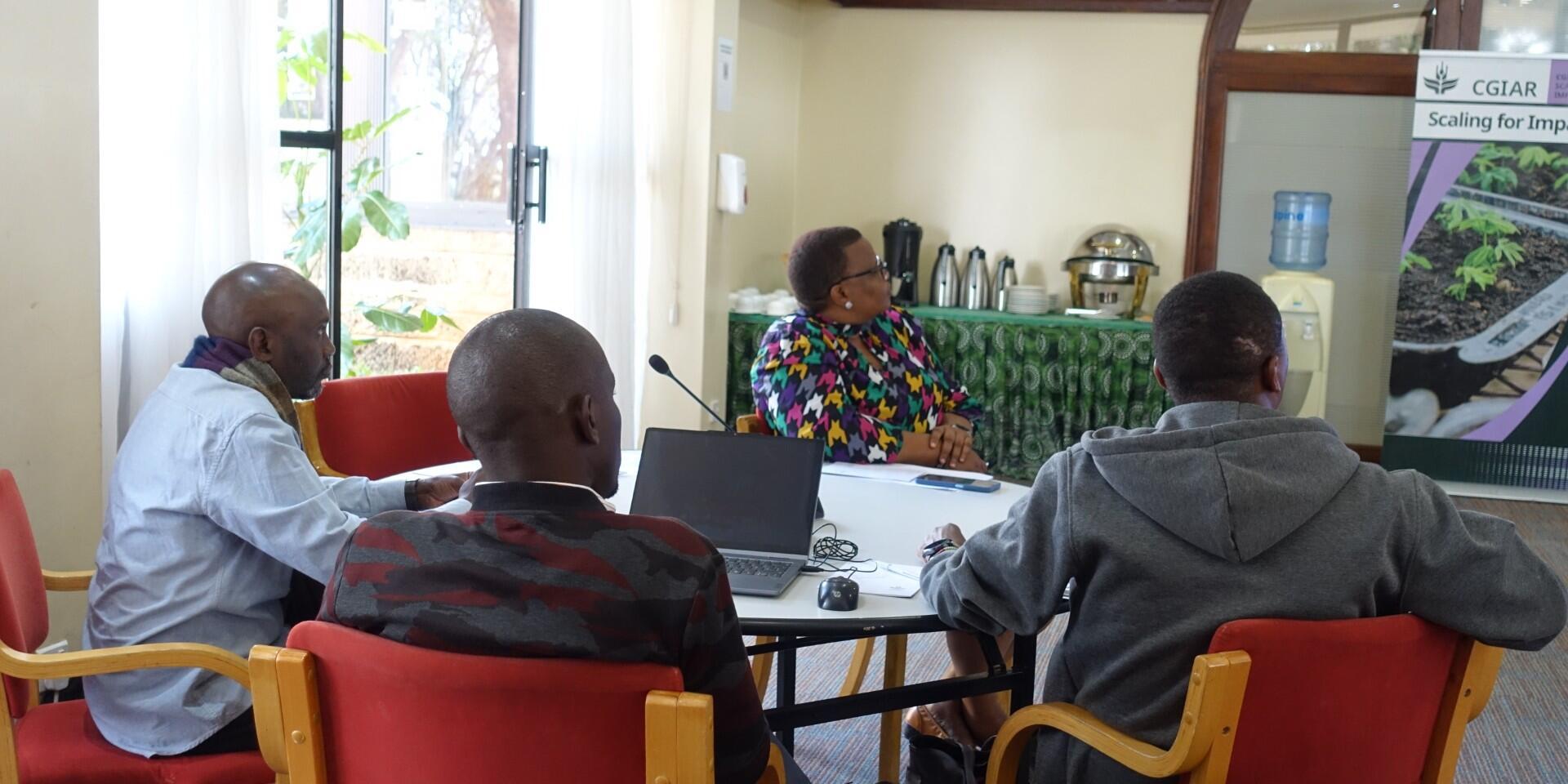

A strong agricultural innovation can work in trials, respond to a real need and still struggle to become part of everyday life. In Kenya, years of research have generated technologies, practices, policy contributions and digital tools. The challenge is increasingly not whether innovation exists, but whether the conditions around it allow people and institutions to use, finance and sustain it.
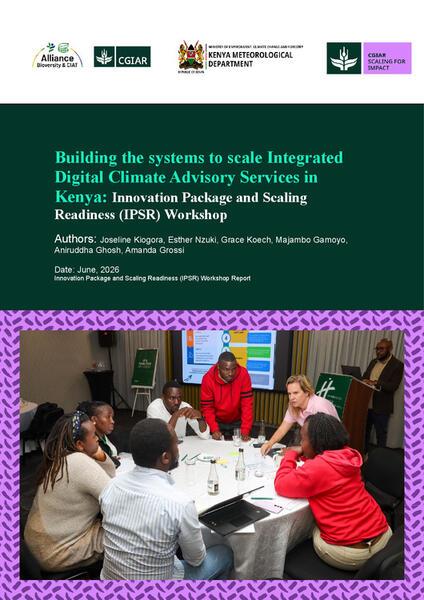
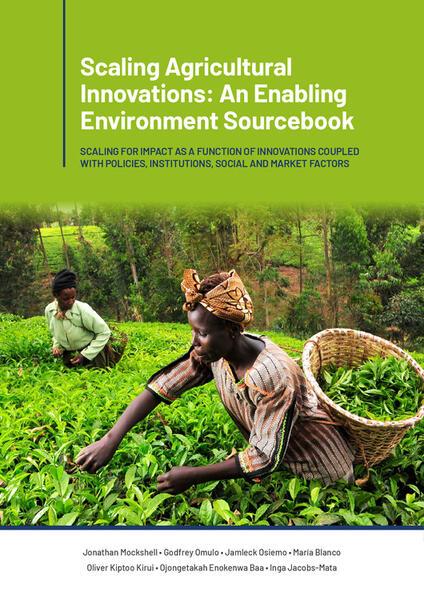
This is the focus of the Alliance of Bioversity International and CIAT through CGIAR’s Scaling for Impact Program. The Enabling Environment for Scaling Agricultural Innovations Sourcebook brings evidence on policies, institutions, markets and social factors into the same conversation. The Kenya Scaling Co-Lab applied that perspective to one central idea: scaling is not what happens after innovation. It is part of how innovation becomes impact.
Innovation is only one part of the equation
Agricultural research has often treated scaling as replication: develop a solution, prove that it works and expand its use. In practice, innovations enter systems already shaped by regulation, finance, infrastructure, markets, institutions and social norms. A productive seed variety may remain unavailable through local distribution channels. A digital advisory service may offer valuable information but struggle where connectivity, trust or institutional ownership are weak. A promising bio-input may perform well agronomically but still face limited demand.
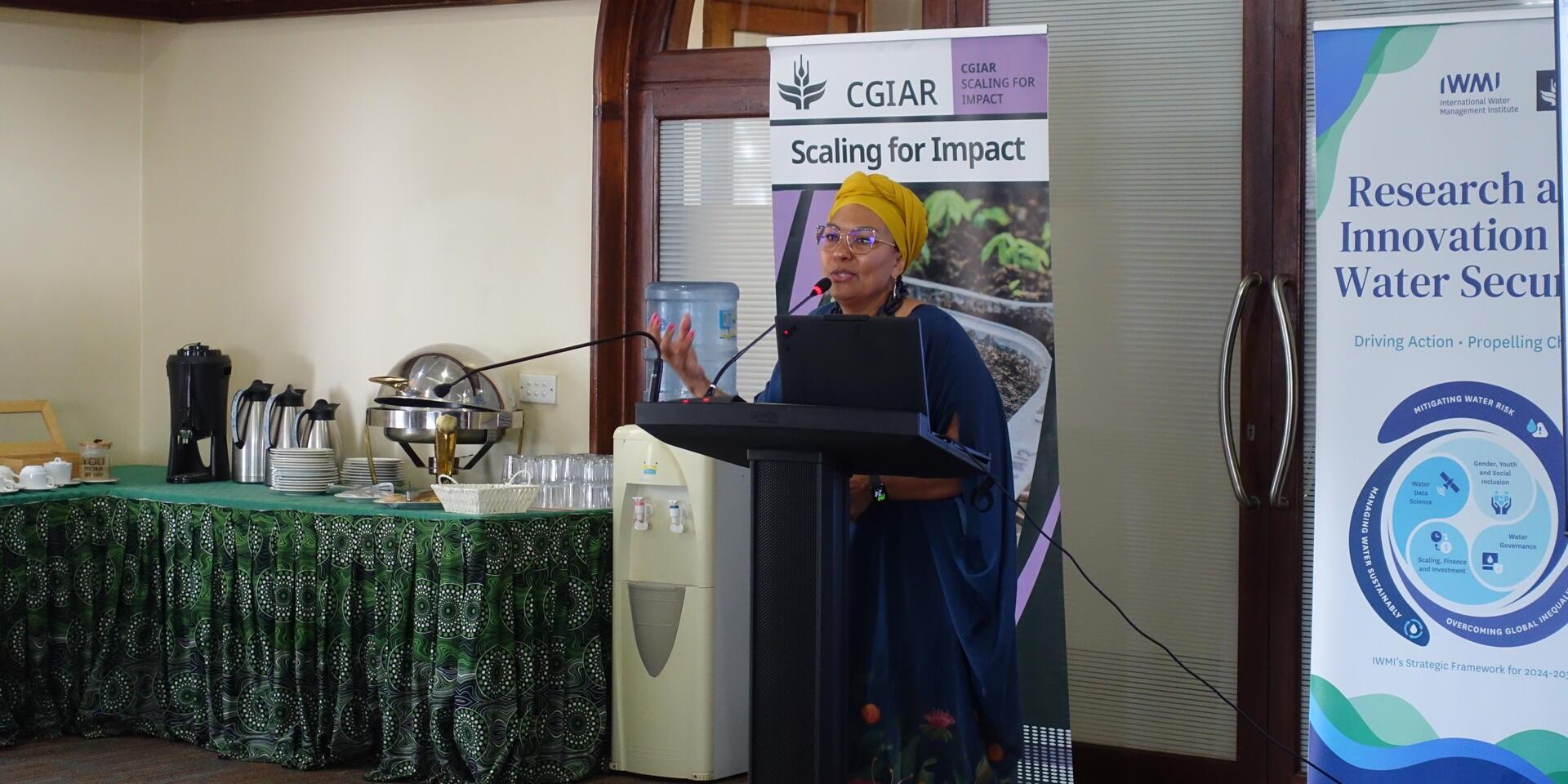
The Alliance’s work on enabling environments starts from this systems reality. The question is not only how to promote an innovation, but what needs to change around it so adoption can last. Dr. Inga Jacobs-Mata captured the role of the Enabling Environment Lab simply: "we sweep and we clear the way."
Jonathan Mockshell, Senior Scientist at the Alliance, puts the challenge more directly:
"It’s important to bridge the gap between the innovations and enabling environment in order for the innovations to scale and bring about food systems transformation." Scaling therefore needs to be considered from the beginning, alongside design, testing, partnerships and investment.

Jonathan Mockshell
Scientist and Project LeaderKenya’s innovation landscape reveals a deeper challenge
Kenya illustrates why this shift matters. A stock-take of CGIAR-related work identified 175 innovations and 70 policy contributions, yet uptake remains uneven. A biofortified bean increased its market share from about 25% to 34% after farmer trials, consumer campaigns and inclusion in school feeding. Around 56% of purchased maize seed is based on CGIAR germplasm, yet several widely used varieties are decades old. Among 44 digital decision-support tools reviewed, only about eight showed substantial use.
These contrasts point to a delivery challenge rather than a shortage of ideas. Can farmers access a product when they need it? Is there a viable distribution model? Do institutions support it? Is financing available? Are users receiving information they trust? The Alliance’s work on scaling integrated digital climate advisory services in Kenya reflects the same logic: effective technologies need an ecosystem that enables trust, adoption and institutionalization. As one Co-Lab participant observed, "There are so many tools in place with very low adoption." Another example showed that more than half of the drought-resilient varieties sought by one organization were not available in shops. Scale is therefore not simply wider distribution. It is the alignment of context, institutions and incentives around sustained use.
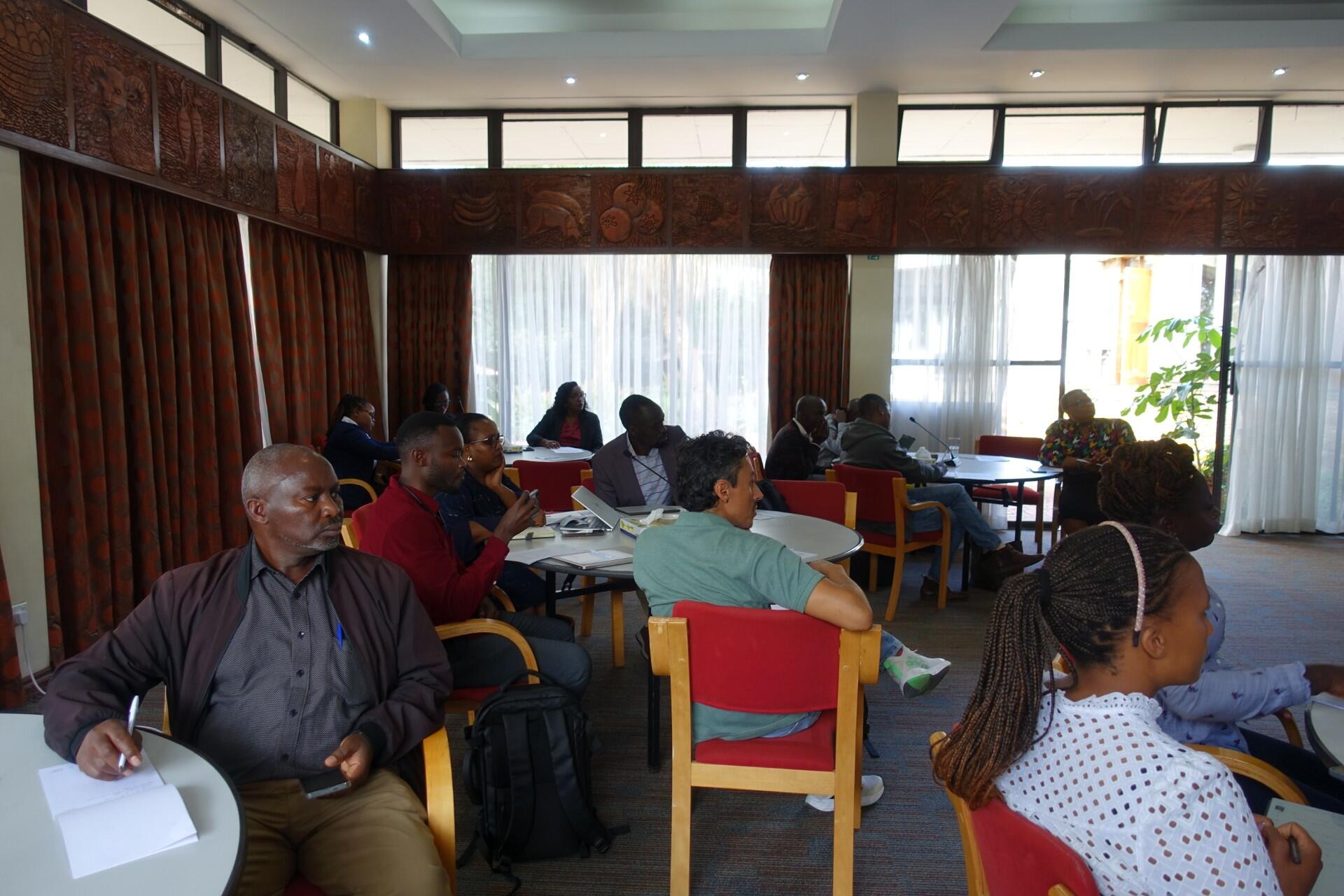
From promising solutions to enabling ecosystems
The value of the Enabling Environment Sourcebook and related tools is that they turn broad concerns such as low adoption into more practical questions: Which condition is blocking progress? Who can influence it? What realistic action could change it? Barriers rarely sit in one place. Access may depend simultaneously on regulation, distribution, finance, information, trust and demand, so progress often requires coordinated action rather than a single technical fix.
That coordination is the essence of an enabling ecosystem. Policy actors, researchers, businesses, funders and communities each hold part of the scaling pathway. A ministry may address regulation, a business may strengthen distribution, research may generate evidence, and communities determine whether a solution is relevant enough to sustain. Jonathan Mockshell described the goal as helping actors identify "which part of the system they can hold to improve the scaling of innovations". This also makes institutional ownership essential. Scaling becomes more durable when actions fit within existing mandates, budgets and partnerships, and when organizations can revisit them as policies, markets and constraints evolve.
Markets, institutions and demand determine whether adoption lasts
A technically strong solution can still fail when the conditions for adoption are weak. A technology may be affordable but unavailable, productive but disconnected from a market, aligned with policy but poorly implemented, or attractive to early users without a business model that supports expansion.
Lydia Kimani of Agri Business for African Markets summarized this tension clearly:
"The technology could be perfect. The institutions, the policy framework, the markets that create demand for it may not be functional."
Her point captures why technical performance alone cannot explain whether an innovation lasts.
This is particularly relevant to the Alliance’s work with private enterprises, producer organizations and public agencies. The example of Comfort Worms and Insects in Kiambu shows how soil health, circular economy opportunities and entrepreneurship can connect. George Muturi emphasized the practical value of scaling tools in helping actors:
"Look at the challenges that are there" and use that analysis "to develop a business idea out of it."
Demand also matters. The biofortified bean example shows that farmer trials, consumer campaigns and institutional demand can reinforce one another. Scaling is therefore a process of aligning scientific value with markets, institutions and user choices.
Scaling works better when solutions move together
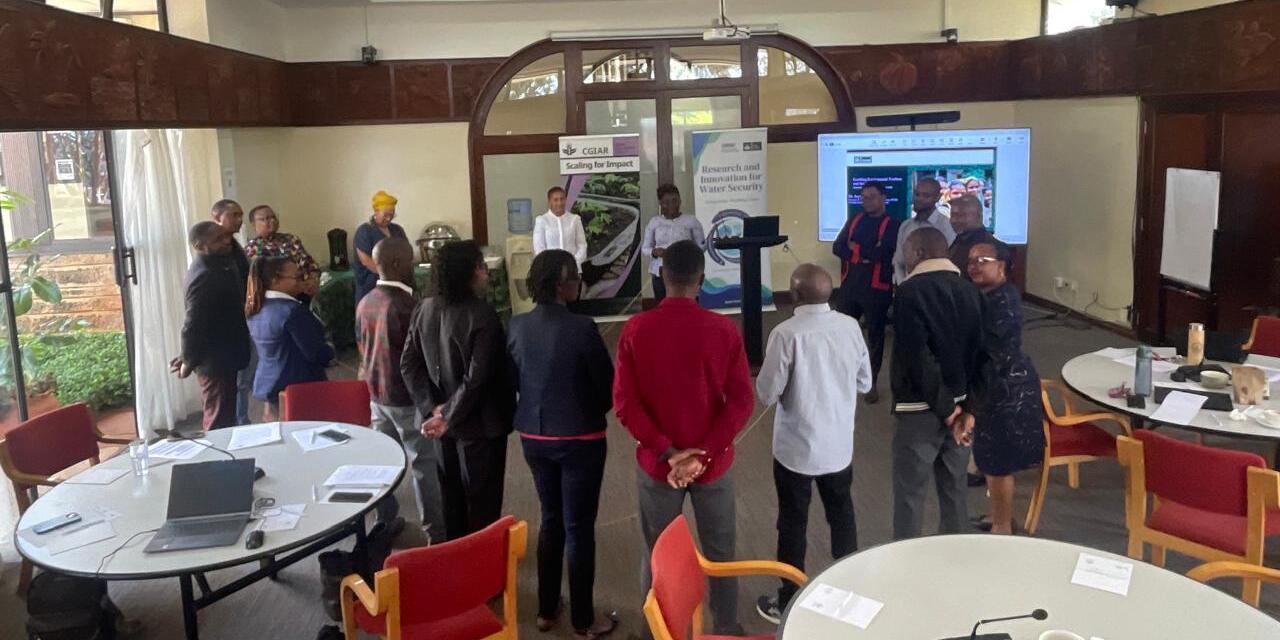
Food systems are interconnected, yet innovations are often designed and evaluated one at a time. The Kenya Scaling Co-Lab examined bundles of complementary solutions, including organic fertilizer with vermicompost and solar borehole pumps; agripreneur networks linked with soil testing, seed and subsidies; an agroecology policy framework; a last-mile platform connecting inputs, insurance and climate information; and an integrated fish-production model. The point was not to add complexity, but to reveal the dependencies that determine whether one innovation can succeed.
A better input has limited value without advice, finance or reliable markets. A digital platform only helps if the services behind it function. Increased production may bring little benefit if storage, processing and distribution cannot absorb it. This shifts the question from "How do we scale this innovation?" to "What technical and enabling conditions need to move together?" Context remains essential: the same package may require different partners or delivery models in a pastoral area and a highland county. The Alliance’s broader work in Kenya similarly connects climate action, soil health, biodiversity, digital inclusion and market access, recognizing that sustainable scale comes from systems that work together rather than isolated solutions.
The real measure of scaling is what changes after the workshop
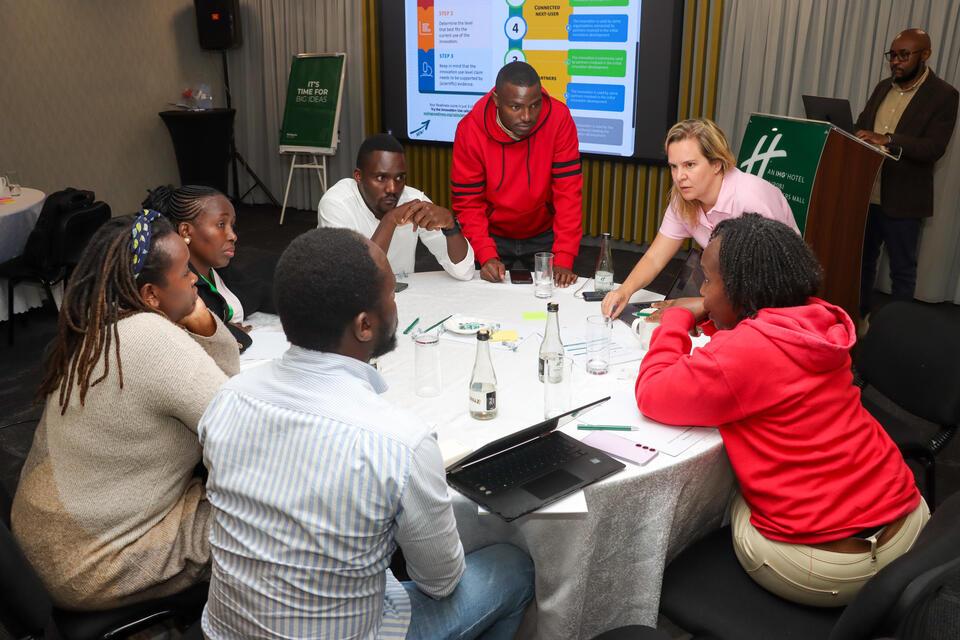
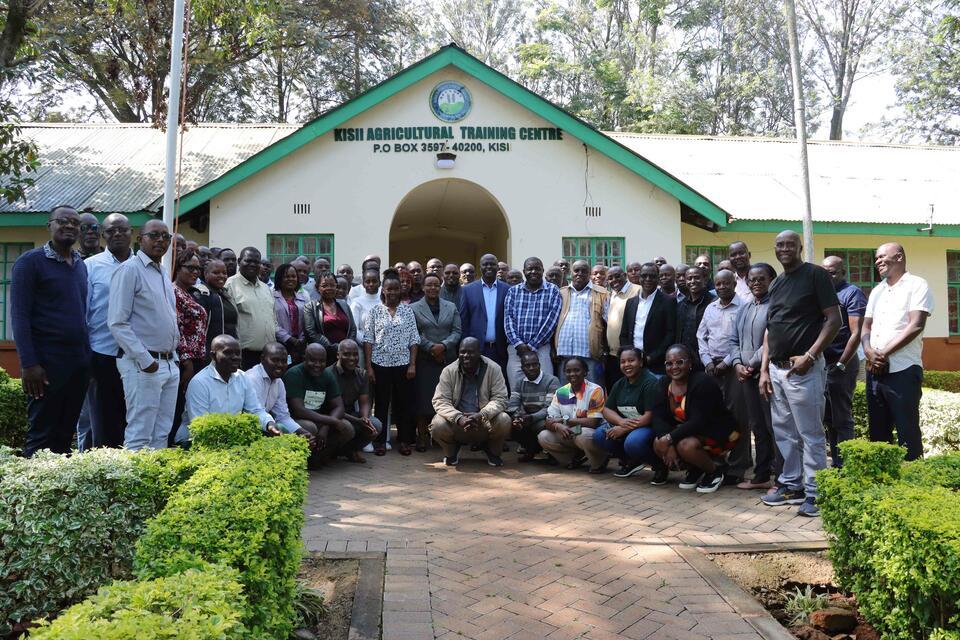
Workshops can generate energy and recommendations. The harder test is what changes afterwards. The Kenya Scaling Co-Lab was designed to feed into enabling-environment action plans that organizations can carry forward within their own mandates. The emphasis is on feasible action, institutional ownership and learning over time, because policies, markets and constraints continue to evolve as innovations reach more users.
The six-month horizon gives that learning a practical rhythm: implement actions, review progress and identify which barriers have shifted. For the Alliance, this reflects a wider ambition within CGIAR’s Scaling for Impact Program: scientific strength must be matched by systems capable of carrying innovation forward. The most useful question is therefore no longer only, "Is this innovation ready to scale?" It is also, "Is the system ready to support it, and what needs to change if it is not?" That shift creates a stronger basis for partnership because each actor can see where its decisions matter. Great innovations may begin in research, but sustainable scale is built across institutions, markets and communities.
Keep exploring