Blog Strengthening Kenya's digital climate advisory services for the last mile
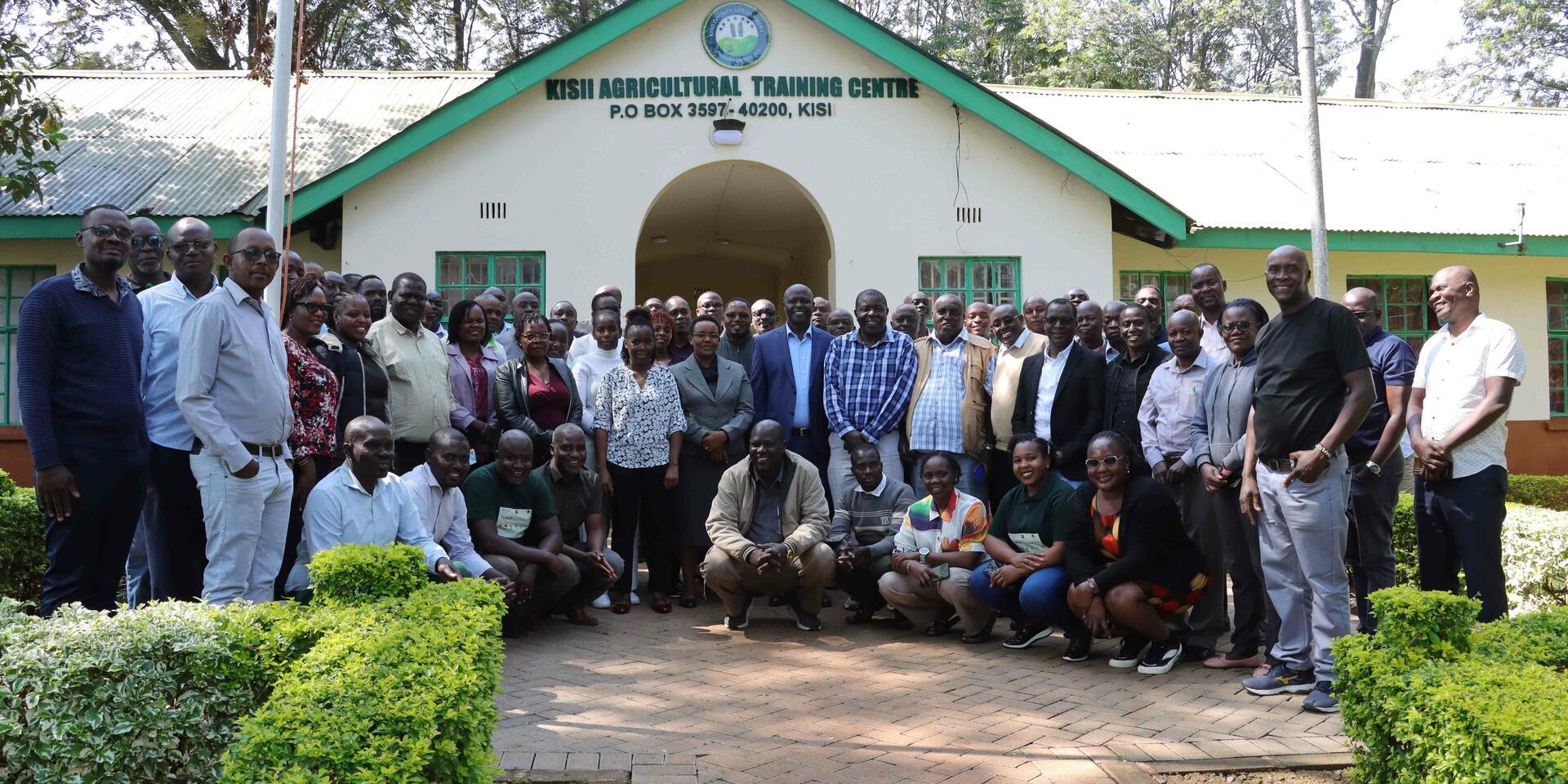

56 master trainers from 14 Lake Region Economic Bloc counties met in Kisii to strengthen Digital Climate Advisory Services under the FAO GCF TUNZA Project, launching a cascade that will equip about 1,200 extension officers with climate advisory skills.
The Integrated Digital Climate Advisory Services (DCAS) Training of Trainers brought together national and county leaders, climate experts and extension practitioners at the Kisii Agricultural Training Centre, reflecting a shared commitment to strengthening climate services for agricultural resilience. The workshop was officially opened by Elijah Okemwa, Kisii County Executive Committee Member for Agriculture, Livestock, Fisheries, Cooperative Development and Irrigation. He was joined by Agnes Kemunto, Chief Officer in the same department; Bernard Chanzu, Director of the Institute for Meteorological Training and Research (IMTR); Benjamin Onyacha of the Lake Region Economic Bloc (LREB); and other senior government officials, demonstrating the broad institutional partnership behind the initiative.
Their presence signaled more than support for a training workshop. It reflected a growing recognition that while Kenya has made significant investments in generating accurate weather and climate information, the real measure of success lies in ensuring that this information reaches farmers in forms they can understand and use to make better decisions.
Seasonal forecasts are produced before every planting season, seven-day forecasts are regularly updated, and county-specific climate products continue to improve. Yet for many farmers, the challenge has never been the availability of forecasts. It has been knowing what those forecasts mean for the decisions they need to make on their farms.
Should a dairy farmer harvest fodder before heavy rains arrive? Is it the right week to apply fertilizer to maize? Should a poultry farmer prepare for rising temperatures? When is the safest window to spray crops, harvest produce or plant new seedlings?
Answering these questions requires more than weather information. It requires trusted people who can interpret climate information, translate it into practical advice, and communicate it in ways that farmers can understand and act upon.
That is the vision behind the Training of Trainers on Integrated Digital Climate Advisory Services (DCAS), implemented under the FAO Green Climate Fund (GCF) TUNZA Project. The workshop brought together 56 master trainers from the 14 counties of the Lake Region Economic Bloc (LREB), including County Directors of Agriculture, County Directors of Meteorological Services and county agricultural extension officers. Rather than serving as an end in itself, the training marked the first step in a cascading capacity-building approach. Equipped with practical skills in climate risk analysis, climate services, forecast interpretation, advisory development, digital delivery, value chain-specific advisories, facilitation and county implementation planning, the master trainers will now return to their counties to train approximately 1,200 frontline agricultural extension officers. Through this cascade, the initiative will strengthen the capacity of extension systems to translate climate science into localized, actionable advisories that help farmers make informed decisions and build resilience to climate change.
Rather than treating climate information as a standalone product, the training challenged participants to think about the entire journey from forecast generation to farmer action. Every session reinforced a simple but powerful principle: a forecast only creates value when it changes a decision.
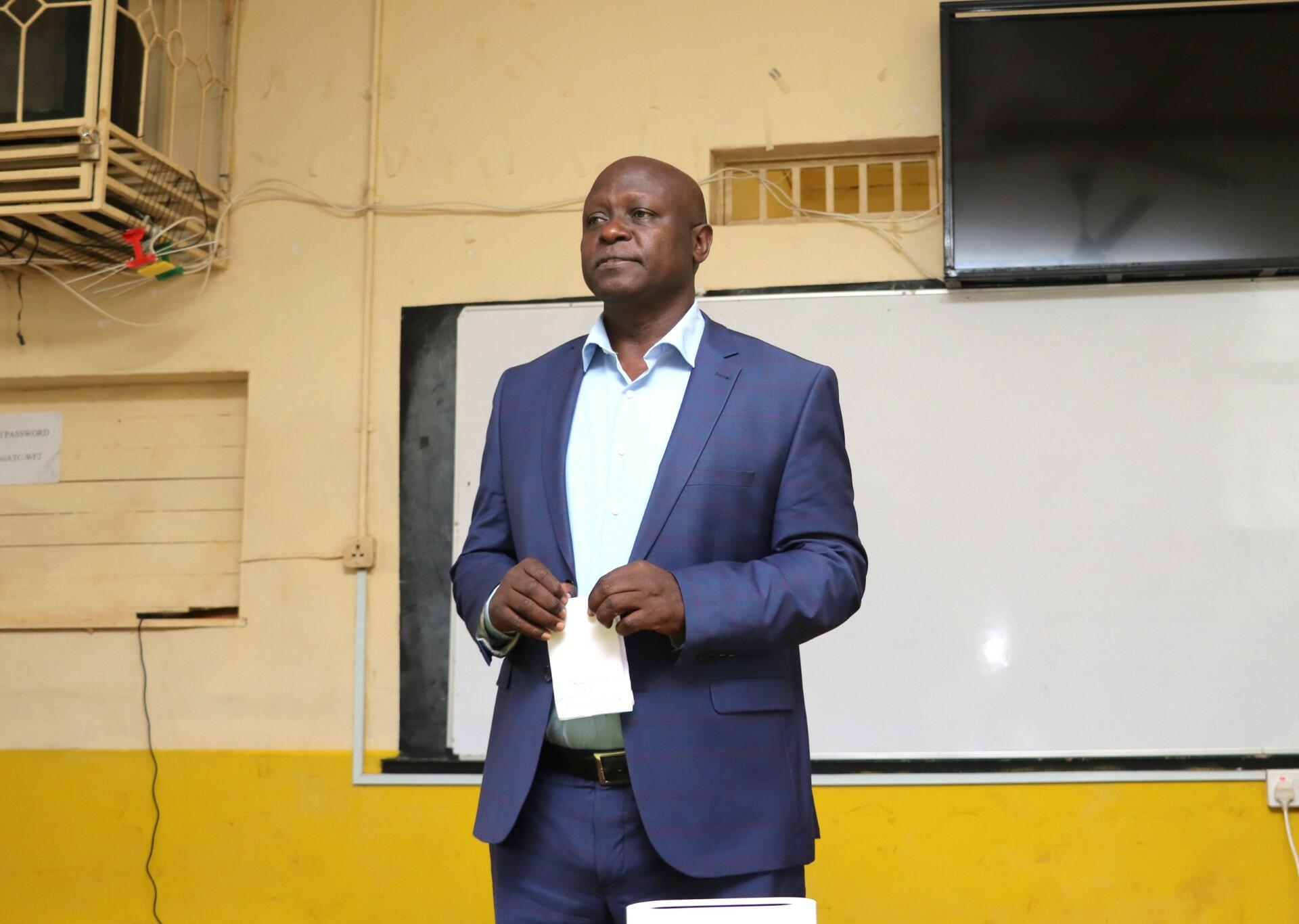
Elijah Okemwa, Kisii County Executive Committee Member for Agriculture, officially opens the DCAS Training of Trainers, which will support the cascade of climate advisory skills to approximately 1,200 extension officers across the Lake Region Economic Bloc.
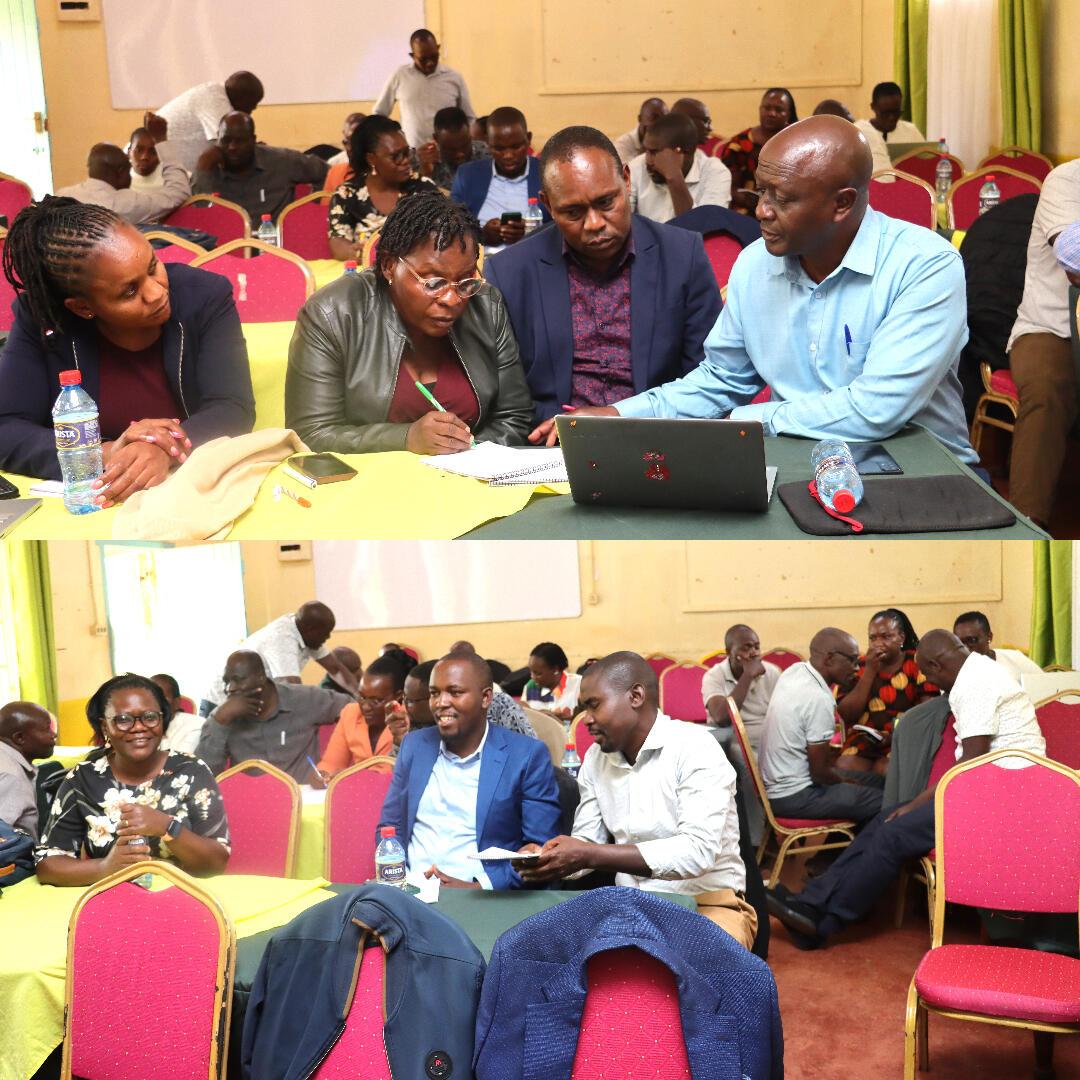
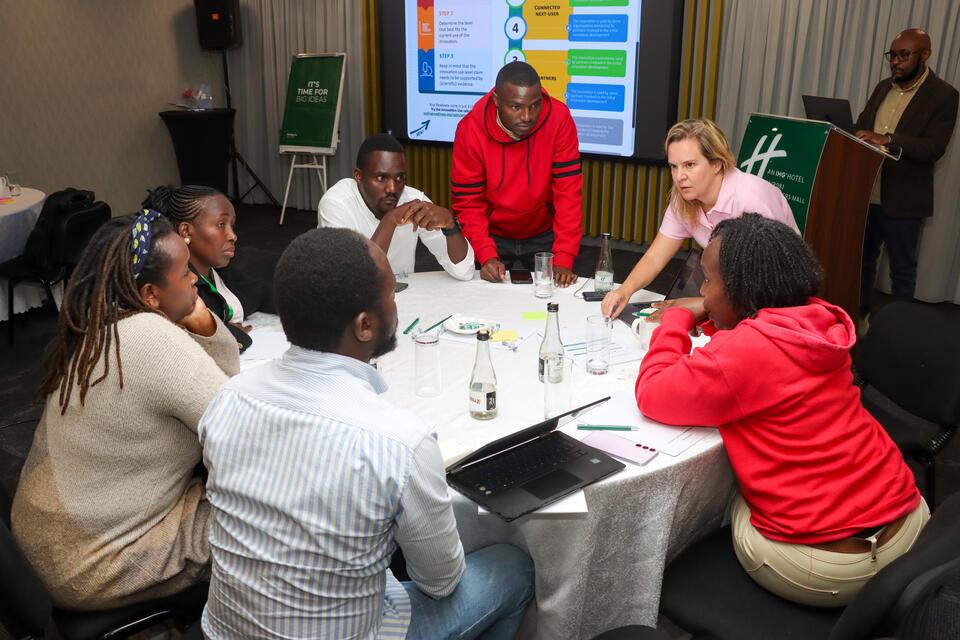
Group work sessions provided participants with hands-on experience in interpreting climate information and developing farmer-centred digital climate advisories.
Participants began by exploring the climate realities facing western Kenya. Across the Lake Region Economic Bloc, rising temperatures, shifting rainfall patterns, prolonged dry spells and more intense rainfall events are already affecting agriculture. Yet these impacts differ from one county to another and even between neighbouring communities. Participants reflected on how local topography, proximity to Lake Victoria and varying agroecological conditions create distinct microclimates, making localized advisories essential rather than optional.
From there, attention shifted to understanding Kenya's climate services ecosystem. Through interactive exercises, participants mapped the institutions involved in generating, translating, disseminating and using climate information. They examined how organizations such as the Kenya Meteorological Services Authority (KMSA), county governments, agricultural researchers, extension services and farmer groups each contribute to delivering climate services. Importantly, discussions highlighted that the effectiveness of climate services depends not only on accurate forecasts but also on strong coordination among institutions and continuous feedback from farmers.
One of the workshop's most practical sessions focused on interpreting climate information. Participants worked directly with KMSA forecast products, learning how to explain probability and uncertainty in language that farmers can understand. They explored how seasonal forecasts support strategic decisions, while shorter term forecasts guide day to day farm operations. Rather than presenting forecasts as certainties, the training emphasized helping farmers understand risks and prepare for multiple possible outcomes through practical, low regret options.
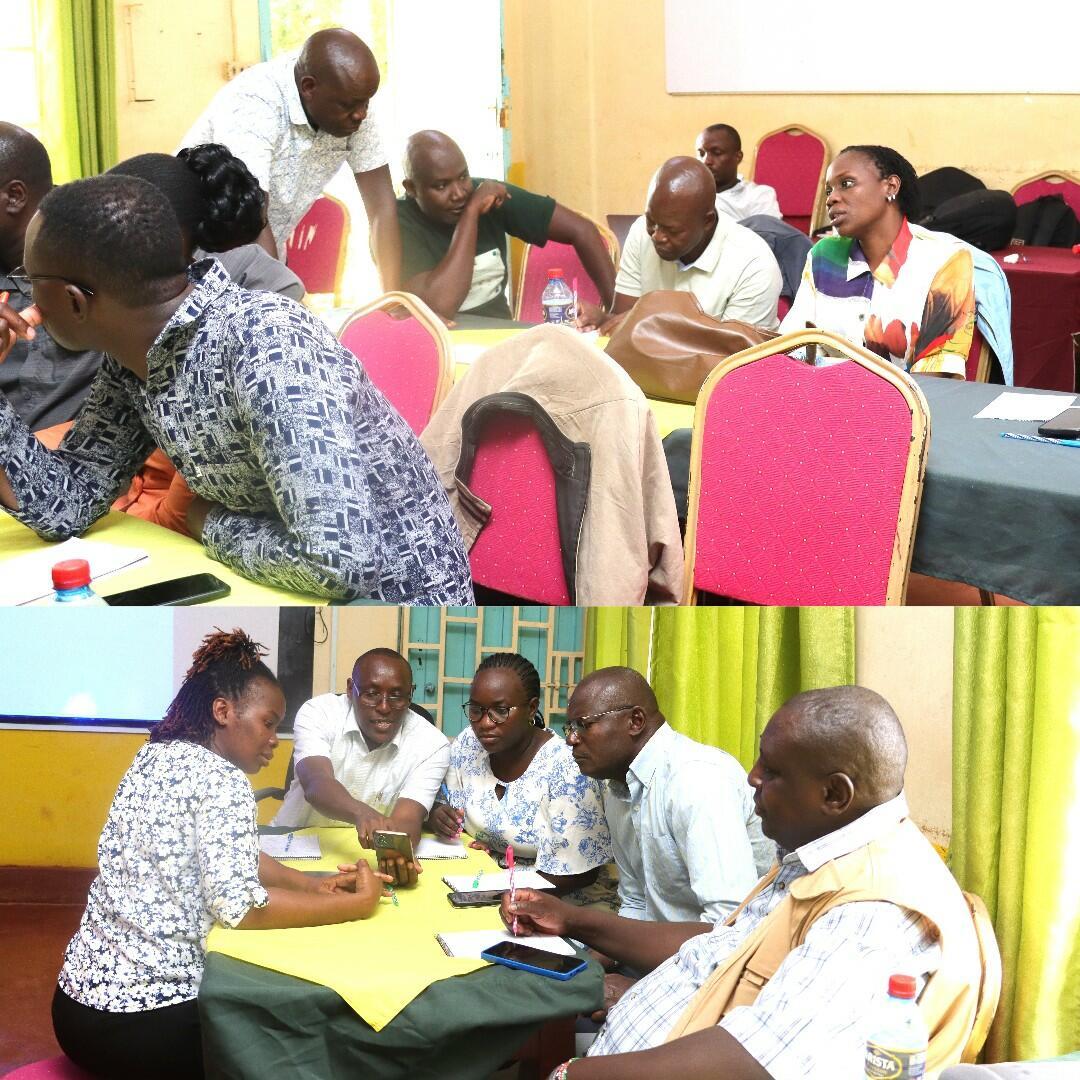
The learning became even more hands on as participants transformed real weather forecasts into value chain-specific advisories. Working in groups, they developed recommendations for crops and livestock, reviewed each other's work and refined messages to ensure they were practical, localized and achievable. The exercise reinforced that effective advisories are not simply weather summaries. They must answer the questions farmers ask every day: What does this forecast mean for me? What should I do differently? When should I act?
Recognizing that information is only useful when it reaches people, the workshop also explored multiple communication channels for delivering advisories. Participants designed messages suitable for SMS, WhatsApp, community radio and Farmer Field Schools while considering digital inclusion. Discussions emphasized that digital platforms should complement not replace face to face engagement, particularly for women, older farmers and communities with limited connectivity. Blending digital and traditional communication channels ensures that climate information remains accessible, trusted and actionable.
The workshop also reinforced that climate advisories must reflect the realities of local farming systems. Through sessions led by crop and livestock specialists, participants explored how climate information can support decisions across six priority value chains: dairy, poultry, coffee, tea, fruit trees and African leafy vegetables. Advisories were framed not only around production but also around harvesting, processing, storage and marketing, recognizing that climate risks affect the entire agricultural value chain.
Equally important was preparing participants to become trainers themselves. Using adult learning approaches rooted in Farmer Field School methodologies, participants practised facilitation techniques through micro-teaching sessions, receiving constructive peer feedback and building confidence to deliver the curriculum in their own counties. The emphasis was not simply on transferring technical knowledge but on creating learning environments where farmers actively participate, ask questions and apply climate information to their own contexts.
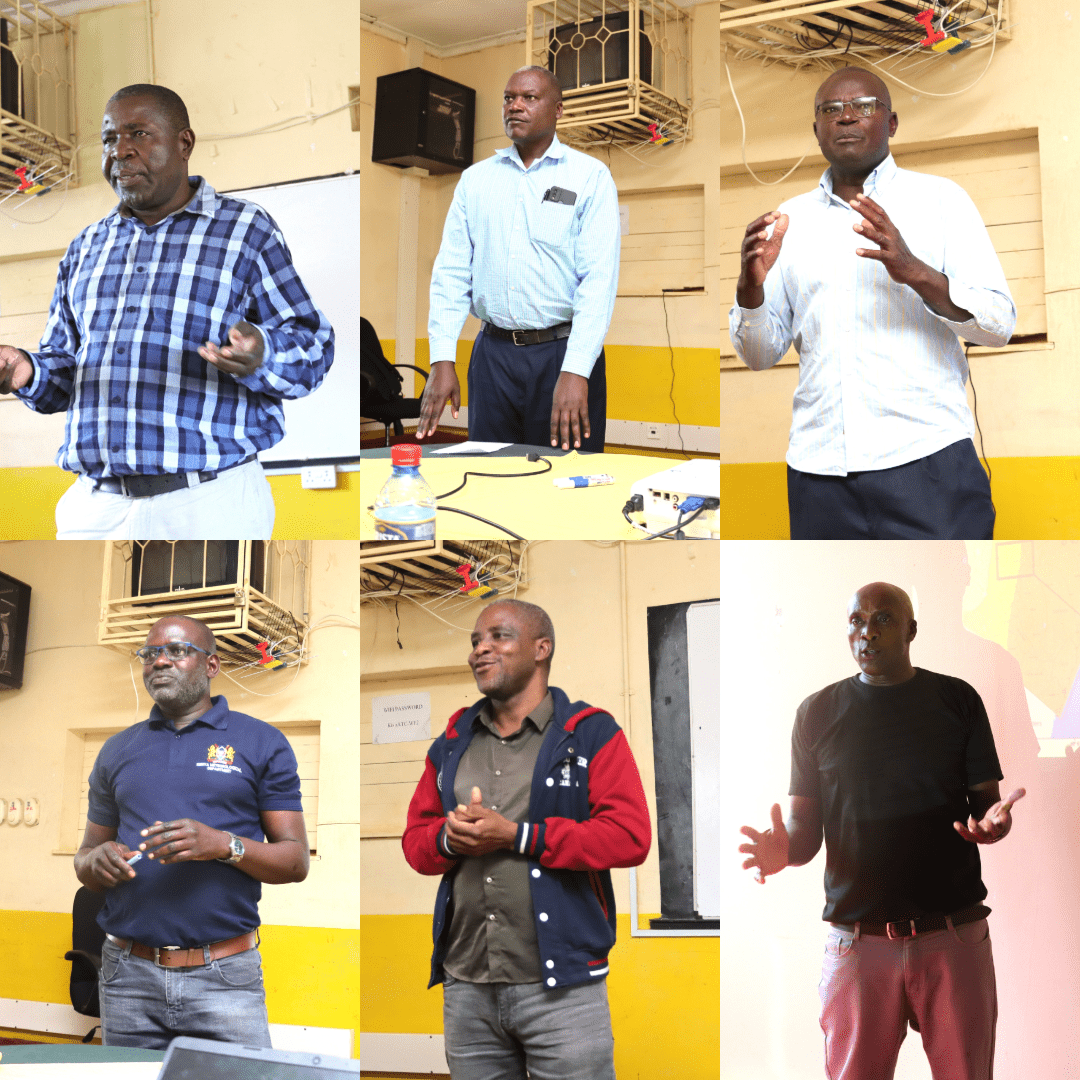
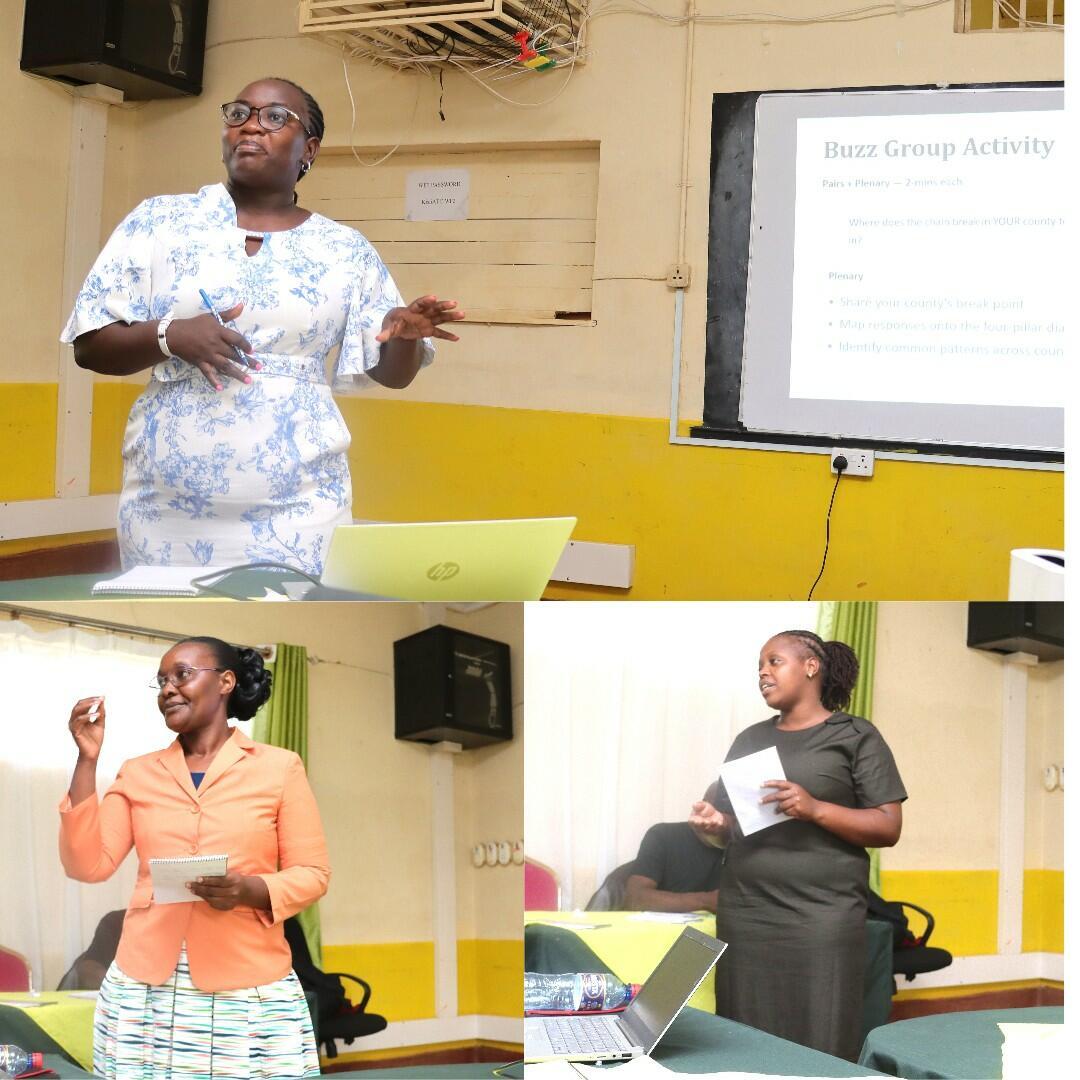
Participants share the outcomes of their group discussions, fostering peer learning and strengthening practical approaches to delivering digital climate advisory services.
The final sessions focused on what comes next. County teams developed draft rollout plans covering logistics, budgets, training schedules and quality assurance mechanisms for the cascade training. These plans provide the roadmap for taking the training beyond Kisii and into communities across the Lake Region Economic Bloc, ensuring that knowledge gained during the workshop is translated into practical support for frontline extension officers and ultimately, the farmers they serve.
The workshop was never intended to be an end in itself. It marked the beginning of a broader effort to strengthen Kenya's climate advisory system by building the capacity of those who stand closest to farmers. As participants return to their counties to train extension officers, they will carry more than technical knowledge. They will carry a practical approach for turning climate science into timely, localized and actionable advice that helps farming communities prepare for uncertainty, reduce climate risks and build resilience.
The team

Aniruddha Ghosh
Senior Scientist
Desire Kagabo
Project Leader
Majambo Gamoyo
Postdoctoral Fellow