Blog Local advisory platforms bridging climate science and farmer decision making

ECREA partners in East Africa help convert climate forecasts into farm advisories so farmers can plan better amid weather variability.
Across East Africa, climate variability is increasingly disrupting agricultural production. Farmers are experiencing delayed rainfall, prolonged dry spells, and unpredictable seasonal patterns that make traditional planting calendars unreliable. While national meteorological services regularly produce seasonal forecasts, these forecasts have historically been difficult for farmers and extension officers to interpret for practical agricultural decision-making. For many farming communities, climate information existed but was not easily usable.
The Enhancing Climate Change Resilience in East Africa (ECREA) project was designed to address this disconnect by strengthening the systems that translate climate information into practical agricultural guidance. Implemented by the Alliance of Bioversity International and CIAT in collaboration with national partners across Uganda, Kenya, Tanzania, and Rwanda, the project works closely with national meteorological agencies, agricultural research institutions, and government extension systems responsible for delivering advisory services.
Key partners include the Uganda National Meteorological Authority (UNMA) and the National Agricultural Research Organization (NARO) in Uganda, the Kenya Meteorological Department (KMD) working alongside Kenya Agricultural and Livestock Organization (KALRO), the Tanzania Meteorological Authority (TMA), Tanzania Agricultural Research Institute (TARI), the Rwanda Meteorology Agency (Meteo Rwanda) and RAB, and IGAD Climate Prediction and Applications Center (ICPAC). Through these partnerships, the project focuses not only on generating climate information but also on ensuring that the information becomes usable within agricultural advisory systems.
A central innovation introduced through the project is the establishment and strengthening of AgroClimate Advisory Committees (AACs) in Uganda, Rwanda, and Tanzania. These committees bring together meteorological experts, agricultural researchers, extension officers, environmental officers, media representatives, and farmer leaders to jointly interpret seasonal forecasts and translate them into localized agricultural advisories.
Rather than forwarding forecasts directly to farmers, committee members analyze what the forecasts mean for specific crops, farming systems, and district-level conditions.
“Whenever climate information is released, we organize meetings to understand how the forecast is reading and how it should be interpreted. From there, we translate it into advice that farmers can use.” Leonard Wieng Agro-Climate Advisory Committee-Hoima, Uganda
During a committee meeting in Hoima District, members reviewed a seasonal forecast indicating a delayed onset of rainfall. After discussing its implications for local farming systems, the committee recommended that farmers delay planting by approximately two weeks and prioritize early maturing bean varieties suited to shorter growing seasons. The advisory was then shared through extension networks and broadcast on local radio programs, allowing farmers across the district to quickly access the information.
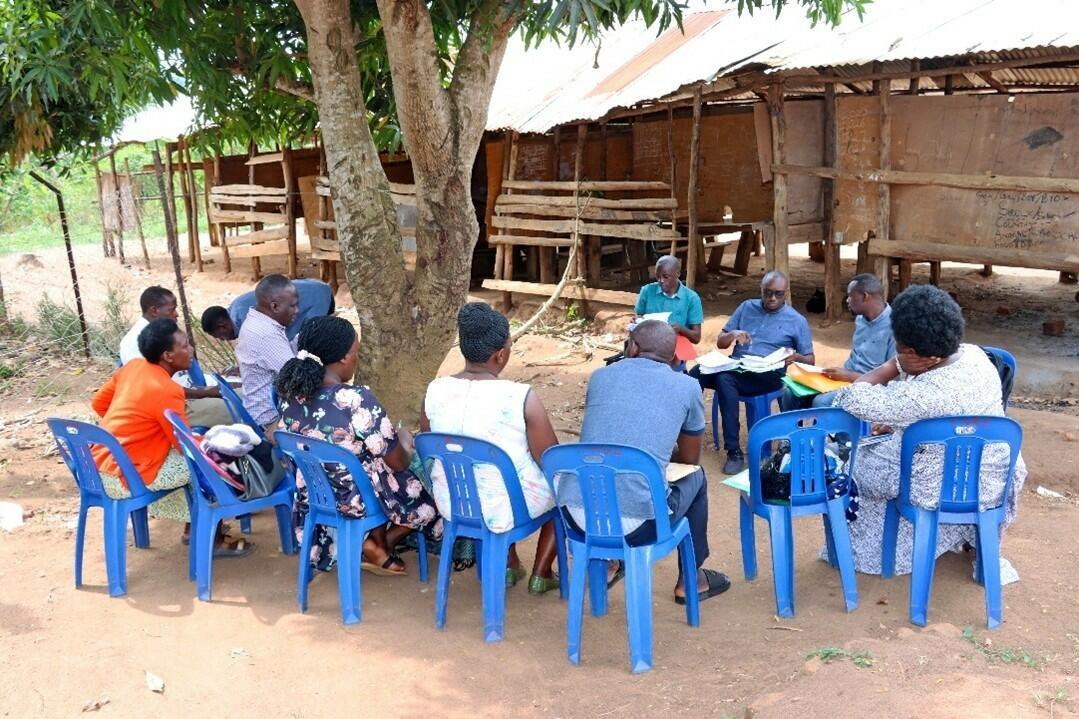
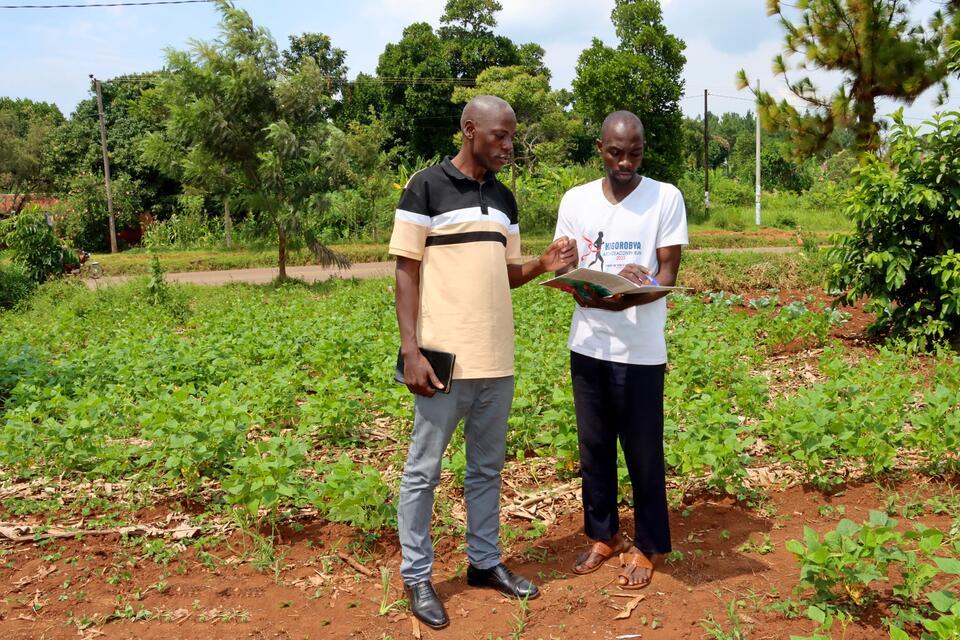
AgroClimate Advisory Committee members meeting to co-produce localized climate advisories.
In Kenya, advisory development increasingly follows a co-production approach that brings together meteorologists, agricultural researchers, county officials, extension officers, and farmers to jointly translate climate forecasts into practical guidance. In counties such as Elgeyo Marakwet and Homa Bay, experts from the Kenya Meteorological Department, county agriculture departments, research institutions, and the Alliance convene advisory workshops to interpret seasonal forecasts and develop locally relevant recommendations.
These discussions combine scientific forecasts with farmers’ local knowledge and production experience, ensuring that advisories reflect the realities farmers face in their fields. As one county meteorological officer noted during an advisory workshop,
“climate information is very perishable; if it is not given at the right time, it is no longer early warning.”
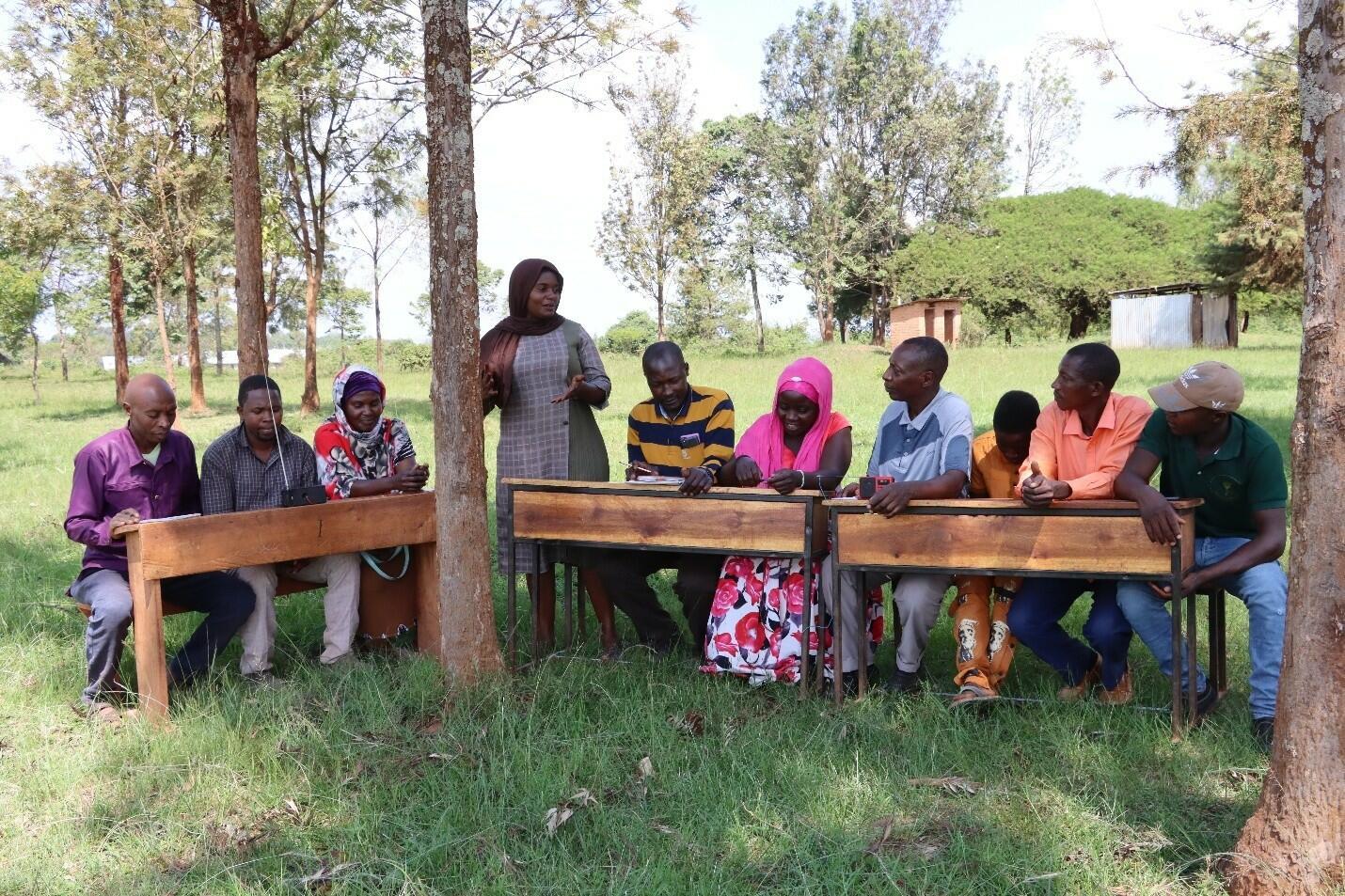
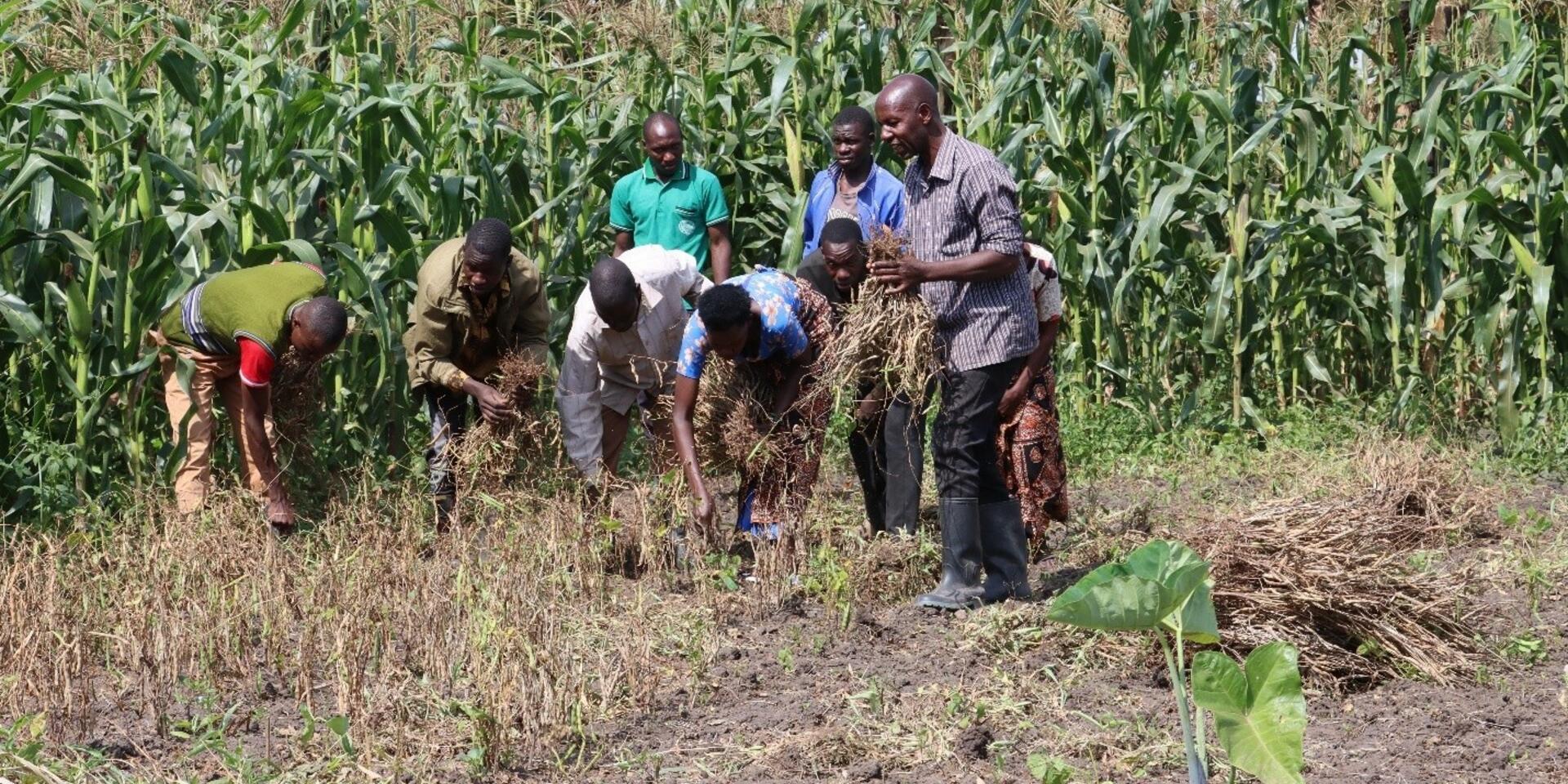
Radio listener club members in Karagwe, Tanzania listening to climate advisories and sharing feedback.
Once advisories are developed, they are disseminated through multiple communication channels. Extension services play an important role, but community radio and Radio Listener Clubs have become equally powerful mechanisms for reaching farmers.
Radio Listener Clubs provide spaces where farmers gather to listen to climate-related programs, discuss forecasts, and share experiences about how weather conditions affect their crops. In Rwanda and Tanzania, partnerships with stations such as Radio Huguka and FADECO Radio allow climate advisories to be discussed in local languages and linked directly to farming decisions.
“If I receive the climate information and share it on the radio, one announcement can reach many farmers at once without having to gather them physically.” Johnson Kanyesige, radio presenter, Spice FM Hoima District
The advisory platforms also strengthen gender and social inclusion. AACs intentionally include women extension officers, women farmer representatives, and community leaders to ensure that diverse perspectives inform climate advisories. In several districts across the region, women hold leadership roles within these committees.
Emerging evidence from the ongoing WISER Socio-Economic Benefits analysis highlights the value of these advisory systems. Preliminary findings suggest that farmers who access daily, weekly, and seasonal rainfall forecasts are better able to adjust planting schedules and manage climate risks, helping reduce losses associated with delayed rains and extreme weather events.
What distinguishes the ECREA approach is that climate information is not treated as a standalone product. Instead, the project strengthens the institutional and communication systems that translate climate science into agricultural action.
Across Uganda, Kenya, Tanzania, and Rwanda, this shift from simply producing forecasts to building advisory systems that interpret and disseminate them is transforming how climate information supports farmers facing an increasingly uncertain climate.
The team

Desire Kagabo
Project Leader
Livingstone Byandaga
Research Specialist
Mvuyibwami Patrick
Senior Research Associate