Blog The decisions that cannot wait for the rain: Using climate information for early action in Tanzania

In Tanzania, a collaboration between the Alliance of Bioversity International and CIAT, BRAC and climate information providers is exploring how seasonal forecasts can inform livelihood support before weather risks become livelihood losses.
A bag of seed can arrive too late livestock support can be disrupted by flooded roads. An agricultural input that could have helped a farmer prepare for the season may lose much of its value if it reaches them after the planting window has passed. These are reminders that the success of livelihood programmes can depend on decisions made weeks before the first rains fall.
Across Tanzania, organisations supporting smallholder farmers and vulnerable households must decide what assistance to provide, where to deliver it and when it will be most useful. Yet rainfall uncertainty can complicate these decisions, with significant consequences when the timing is wrong.
What if climate information could help development organisations make these decisions earlier?
That question is at the centre of an approach being advanced by the Alliance of Bioversity International and CIAT in collaboration with BRAC and Tetra Tech. In Tanzania, the partnership is strengthening the integration of climate information into BRAC Maendeleo's Accelerating Impact for Young Women (AIM) programme, helping technical teams consider how forecasts can inform agricultural and livestock support, programme operations and preparedness. The objective goes beyond ensuring that farmers receive weather information to helping the institutions that serve them anticipate risks and respond while there is still time to act.
In August 2026, the Tanzania Meteorological Authority (TMA) issued its outlook for the October–December Vuli rainfall season, indicating an increased likelihood of above-normal to normal rainfall across many areas that experience two rainy seasons each year. Additional rainfall can improve soil moisture, water availability and pasture conditions, supporting crop and livestock production. But it can also present challenges. What happens when heavy rainfall makes roads impassable during input distribution? What if prolonged wet conditions increase crop disease risks, or flooding disrupts livestock movement and access to veterinary services?
The implications depend on location, livelihood systems and the timing of weather events. A wetter seasonal outlook does not mean every district will experience flooding, nor does it guarantee a successful harvest. Instead, it provides an opportunity to anticipate possible conditions and prepare accordingly. Monthly forecasts, ten-day updates and short-range warnings can then help refine decisions as the season progresses.
Consider a programme preparing to distribute agricultural inputs ahead of planting. Forecast information can prompt important questions: Can deliveries be completed before planting begins? Are storage facilities adequate? Will roads remain accessible? Does the proposed support suit local conditions?
The same principle applies to livestock assistance, where forecasts may inform decisions about animal shelter, water and pasture management, disease prevention and field activities. Such decisions require coordination between meteorological agencies, agricultural and livestock specialists, programme managers and frontline workers, each contributing expertise to ensure that information translates into appropriate action.
Bringing climate science into everyday programme decisions
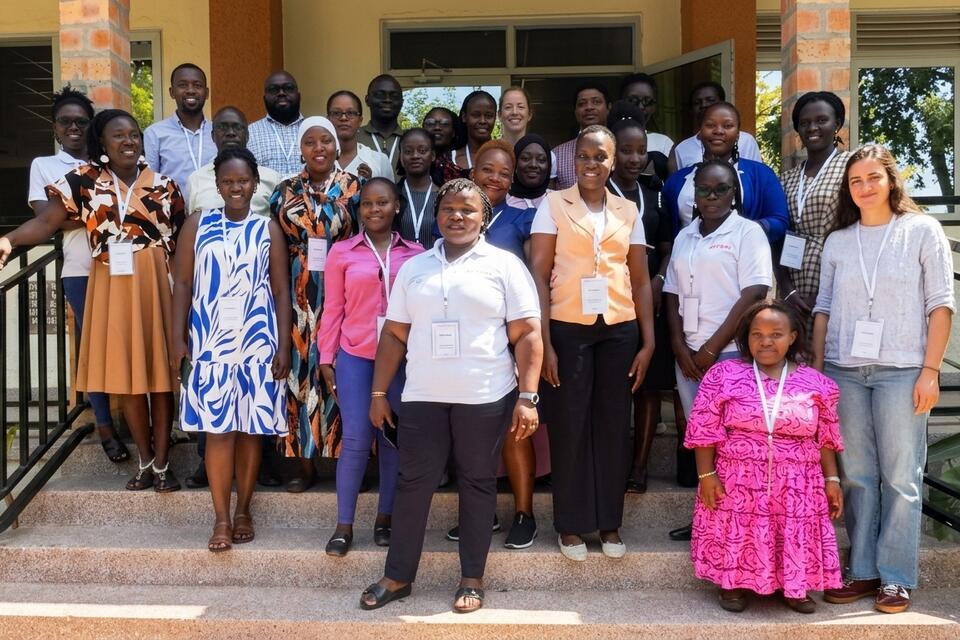
This approach shaped a practical learning engagement facilitated by the Alliance of Bioversity International and CIAT in Dodoma, Tanzania, on 14-15 September 2026. Held shortly before the anticipated onset of the Vuli rains in several parts of the country, it brought BRAC Maendeleo's Technical Support Officers into direct exchange with TMA and other technical stakeholders. Discussions examined how rainfall conditions could affect crop production, livestock systems, livelihood assets and programme delivery. Through scenarios involving low-lying cropland, livestock systems around Lake Victoria and areas with different rainfall patterns, participants explored how to move from identifying climate risks to considering practical responses.
An increased likelihood of heavy rainfall, for example, raises questions about which activities or assets are exposed, what protective measures are appropriate, who is responsible for taking action and how relevant information will reach communities.
The exercises reinforced the importance of local interpretation. Tanzania's rainfall patterns vary considerably between regions, meaning a national seasonal outlook cannot translate into one agricultural recommendation for every district. Information must be considered alongside local farming calendars, production systems, exposure to hazards and the resources available to households.
The overlooked link between early warning and early action
Early warning systems help detect and communicate potential hazards, but receiving a warning is not the same as being prepared. Procurement schedules, operational responsibilities and resource availability can influence whether organisations act on climate information. Similarly, a farmer may understand an advisory but lack the resources needed to follow it. These realities highlight why preparedness needs to be considered within existing programme planning and delivery systems.
For BRAC's AIM programme, this means exploring how climate information can inform decisions about livelihood assistance and field operations rather than creating a separate process disconnected from everyday programming. The Dodoma engagement helped identify possible preparedness actions and strengthened links between programme staff and technical information providers. Participants also established a Climate Change Champions WhatsApp group to support continued information exchange. Together, these efforts demonstrate the value of connecting climate science with programme planning, creating opportunities for development organisations to anticipate risks and make more informed decisions about the support they provide to communities.
Integrating climate information into programme decisions requires reliable access to official forecasts, appropriate technical interpretation, clear communication and feedback from the communities being served.
A recommendation that appears technically appropriate may be difficult for a household to implement because of cost, labour, access to inputs or other constraints. Frontline workers therefore play an important role in identifying what is feasible and communicating these realities back to programme teams. This two-way exchange can strengthen the relevance of climate services while supporting institutional learning. Understanding which forecasts informed decisions, what actions were considered and how conditions evolved can help organisations assess the practical value of climate information.
The Alliance's collaboration with BRAC and Tetra Tech, supported by the Gates Foundation, contributes to this broader effort to integrate climate information into existing development systems.
The Tanzania experience highlights an important opportunity: development organisations can become more climate-responsive not only by improving the information they provide to communities, but also by considering how climate risks influence their own planning, resource allocation and delivery decisions.
Ultimately, the value of a forecast is not measured by how widely it circulates, but by whether it reaches a decision point early enough to make a difference. For a farmer waiting for seed, a household preparing livestock shelter or a programme planning support ahead of the rainy season, that difference may begin long before the rain arrives.
The team

Aniruddha Ghosh
Senior Scientist
Desire Kagabo
Project Leader
Anastasia Wahome
Research Team Leader
Amanda Sue Grossi
Research Team Leader, Climate Action and Resilient Food Systems
Hanna Ewell
Research Specialist
Majambo Gamoyo
Postdoctoral Fellow
Jemal S. Ahmed
Research Specialist
Mvuyibwami Patrick
Senior Research Associate