Integration of Climate Information Services into BRAC Programming in Sub-Saharan Africa
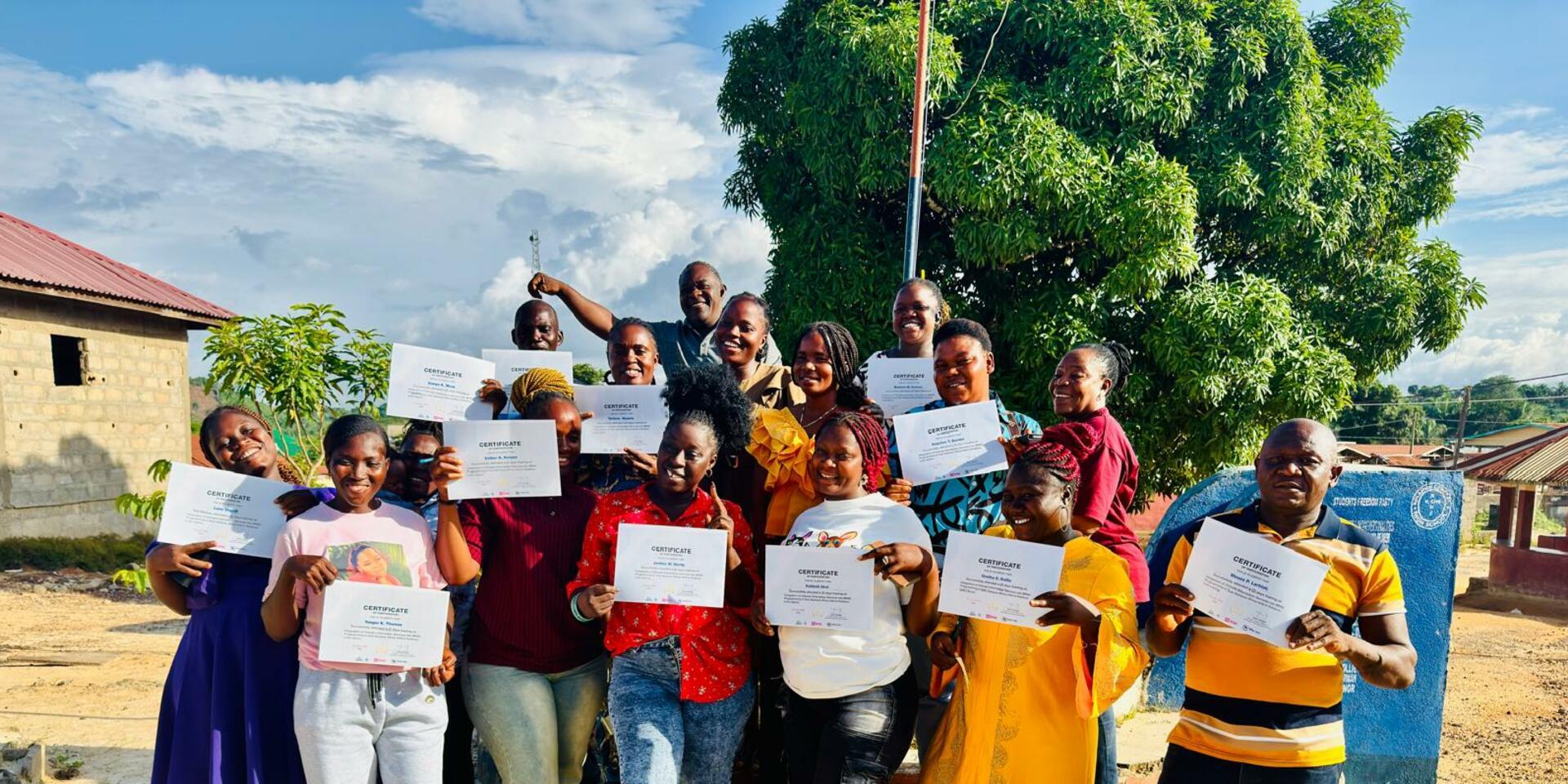
This project integrates Climate Information Services into BRAC's programmes in Liberia, Uganda, and Tanzania, equipping frontline staff to deliver actionable climate information that helps smallholder farmers build resilience and make informed agricultural decisions.
Project Name (full): Integration of Climate Information Services into BRAC Programming in Sub-Saharan Africa
Region and Countries: Liberia, Uganda, Tanzania
Funders: Tetra Tech ARD
Partners: BRAC
Brief description
Climate variability is increasingly affecting the livelihoods of smallholder farmers across Sub-Saharan Africa. While weather and climate information can help farmers better prepare for changing conditions, these services often fail to reach communities in ways that are accessible, understandable, and actionable. This project supports BRAC International in integrating Climate Information Services (CIS) into its agricultural and livelihood programmes in Liberia and Uganda while strengthening institutional capacity in Tanzania. Rather than creating parallel systems, the project embeds climate information within BRAC's existing extension and community engagement structures, enabling frontline staff to translate weather and climate information into practical guidance for programme participants.
A key innovation is the project's people-centred capacity-building approach. Training materials were specifically designed for diverse learning needs using visual tools, practical demonstrations, role play, and real-life scenarios rather than technical lectures. Daily participant feedback informed continuous improvements throughout the training, ensuring the learning experience remained practical, inclusive, and responsive. Implemented through a collaboration between BRAC International, the Alliance of Bioversity International and CIAT, and Tetra Tech, the project demonstrates how scientific climate information can be effectively integrated into development programming to strengthen climate resilience, improve agricultural decision-making, and support more sustainable livelihoods.
Key activities
1. Integrating Climate Information into BRAC Programmes Map agricultural and livelihood decision points across BRAC programmes to identify where weather and climate information can support better decision-making.
2. Developing Inclusive Training Resources Design practical, visual, and low-literacy training materials, including illustrated job aids, decision-support tools, and scenario-based learning resources for frontline staff.
3. Building the Capacity of Frontline Staff Deliver interactive training workshops in Liberia and Uganda using practical exercises, role play, peer learning, and continuous feedback to strengthen the ability of frontline staff to communicate climate information effectively.
4. Strengthening Institutional Capacity Support collaboration with national meteorological agencies to improve the interpretation, contextualization, co-production, and use of climate information within agricultural and livelihood programmes.
5. Promoting Sustainable Climate Information Services Develop practical guidance, standard operating procedures, and digital learning resources to support the continued integration of Climate Information Services into BRAC's programmes beyond the pilot phase.
Project leaders

Desire Kagabo
Project LeaderProject members

Aniruddha Ghosh
Senior Scientist
Anastasia Wahome
Research Team Leader
Mvuyibwami Patrick
Senior Research Associate
Amanda Sue Grossi
Research Team Leader, Climate Action and Resilient Food Systems
Jemal S. Ahmed
Research Specialist
Kiogora Joseline Kanja
Senior Associate, Communications
Grace Koech
Senior Research Associate
Majambo Gamoyo
Postdoctoral Fellow