Blog Embedded science: Bringing climate and conflict research into humanitarian planning through the CGIAR Surge Capacity Mechanism

In fragile and conflict-affected settings, humanitarian teams make decisions where climate, displacement and conflict risks overlap. Climate Security researchers of the Alliance of Bioversity International and CIAT work inside humanitarian agencies and develop evidence on these connections to inform priorities, programme design and operational planning.
Humanitarian agencies already have climate strategies. For those strategies to shape programmes, their teams need evidence on how climate, conflict and displacement risks interact as they decide where to work and how to design their response.
With embedded science, researchers can work from inside humanitarian agencies, while programmes are being developed, and build the research together with agency teams.
Alliance Climate Security first began working this way through a secondment to WFP in 2018. Working inside the organisation revealed how closely climate change, conflict and humanitarian challenges were connected, even though they were often addressed separately.
That experience led the team to look beyond the impacts of climate on land, water and food systems, and its research turned to how climate change interacts with conflict and instability.
Inside partner agencies, connected to CGIAR
Today, Alliance Climate Security researchers work alongside humanitarian teams across Africa, Europe, Asia, Latin America and the Middle East. They also stay connected to colleagues across CGIAR, so that a question raised inside a partner organisation can draw on the institution’s data, methods and published evidence. To date, 10 secondment agreements have been carried out, with active collaborations in West and Central Africa (WFP, UNHCR/Geneva Technical Hub and Climate Security Mechanism); MENA (WFP and IOM); East, Horn and Southern Africa (UNHCR).
With WFP: from concept notes to programmes
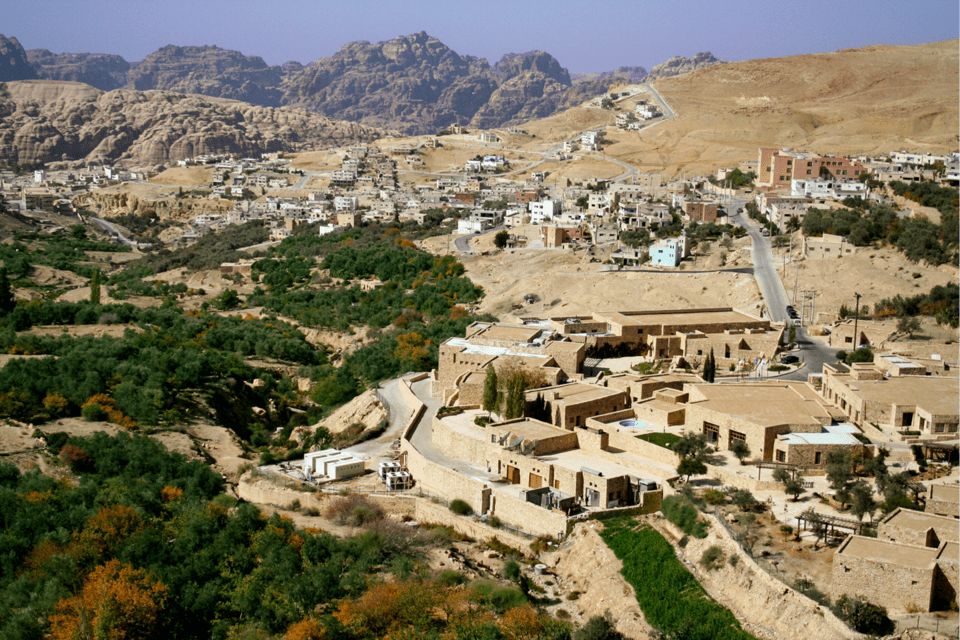
In Jordan, WFP's climate team discussed preliminary findings with Alliance Climate Security while drafting a concept note for a proposed programme for refugees and host communities.
“Just with the conversations, we have been able to shape several elements of the concept note that target support to refugees,” said Corey Fortin, Climate and Disaster Risk Reduction Team Leader at WFP. “This research is not just going to serve as an annex that is attached at the end.”
In the Sahel, the collaboration focused on how WFP sets its priority areas. Alliance Climate Security researchers and WFP staff started from the two analyses WFP uses for this: the Integrated Context Analysis for resilience programmes and the Cadre Harmonisé for emergencies. Their 2023 mapping in Mali compared both with climate security hotspots, so WFP could check whether its priority areas matched places where climate and conflict risks overlap.
Alliance Climate Security and WFP have also examined how early these risks can be identified. In December 2025, they published the Conflict-Climate Pressure Index, which they developed together. It is designed to raise alerts 8 to 10 weeks before each Cadre Harmonisé cycle, so early warning does not depend only on food insecurity that has already set in.
In Cabo Delgado, Mozambique, Alliance Climate Security recommendations informed two WFP and UNICEF recovery and stabilisation programmes expected to benefit about 7,000 households.
With UNHCR: climate risk in operational planning
Humanitarian operations have had limited tools to assess climate risk systematically across displacement settings. Alliance Climate Security researchers have worked to bring climate and environmental data into UNHCR’s operational workflows, helping UNHCR teams identify, compare and manage climate- and nature-related risks across countries and regions.
This research helped inform the agency’s Focus Area Strategic Plan for Climate Action and contributed to No Escape, its 2024 report on climate change, conflict and forced displacement.
“CGIAR actually [has] a couple of staff in our field offices in Africa,” said Andrew Harper, Special Advisor to the High Commissioner on Climate Action at UNHCR. “And this adds a huge amount of credibility to what we’re doing.”
Currently, two Alliance Climate Security researchers are actively responding to the demand of humanitarian actors in emergency settings to improve the climate resilience of vulnerable populations through the Geneva Technical Hub, a collaborative initiative launched in June 2021 by the UN Refugee Agency (UNHCR) and the Swiss Agency for Development and Cooperation (SDC).
Lessons learned
Working on a day-to-day basis with humanitarian organisations shows the importance of understanding their priorities, timelines, and operational constraints from the outset.
Analysis is most useful when it responds to clearly identified needs, is shaped with partners and produces practical evidence that can inform decisions and advocacy.
Sustained engagement helps build trust and connect research expertise with humanitarian work; continued technical support and training can strengthen this collaboration over time.