Research Articles A school meal begins long before it reaches the plate
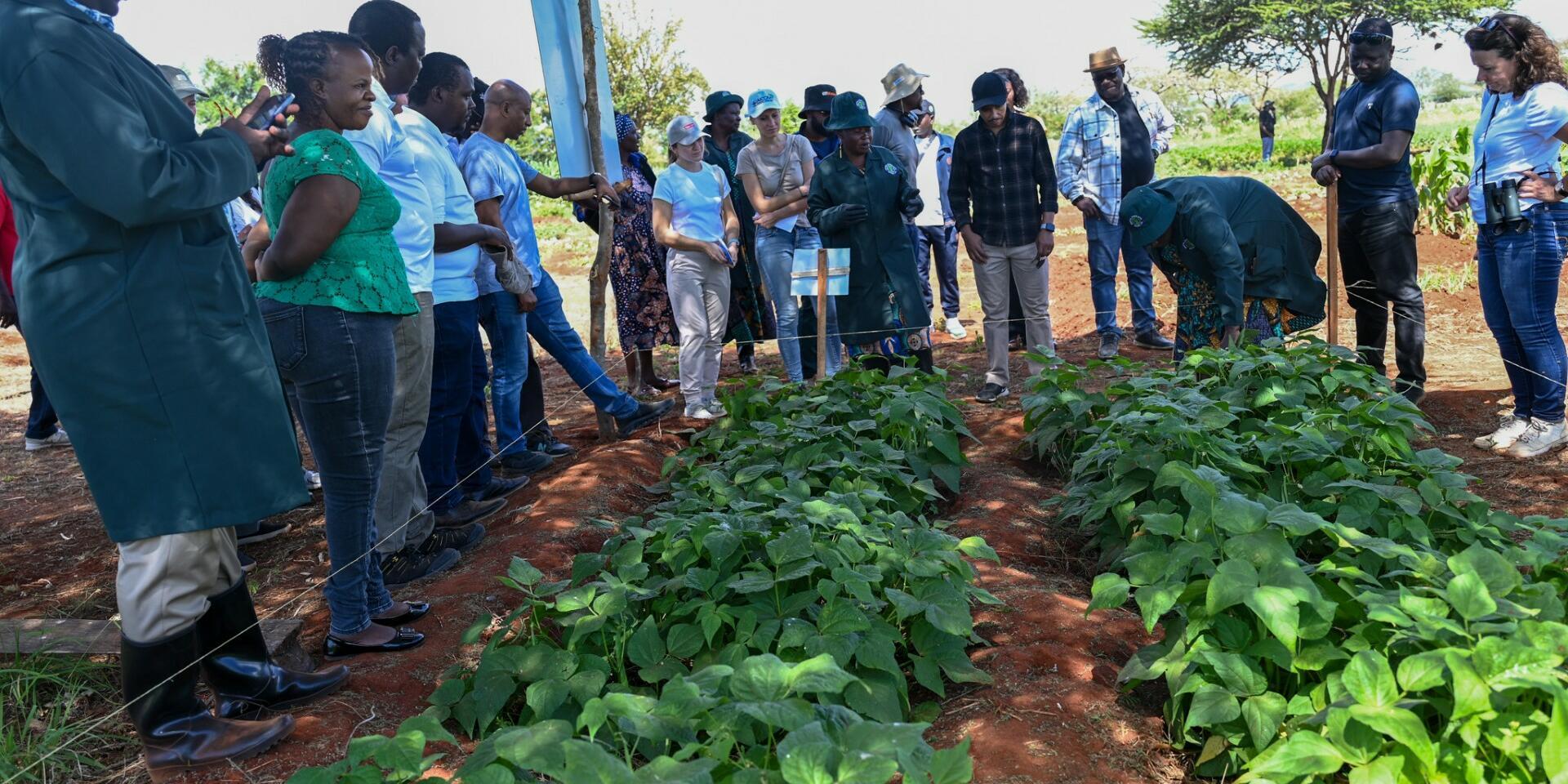

By linking schools with farmers, nutritious crops and local businesses, school meals can do more than improve children’s diets; they can create reliable demand while strengthening local food systems.
A nutritious school meal may be served in a matter of minutes but getting it onto a child’s plate begins much earlier: with decisions about what farmers grow, whether they can access the right seed, whether enough food can be produced locally and consistently, how it is stored and transported, and whether schools can buy it at the scale they need. Follow that meal far enough back and the connections stretch from a child in a classroom to farmers, seed systems, local businesses, public procurement and agricultural policy.
That is what makes school meals particularly interesting from a food-systems perspective. Children need nutritious food every school day, while farmers and food businesses need reliable markets. Bringing those needs together creates an opportunity to improve diets and education while building demand for nutritious crops. The scale of this opportunity is already significant: in 2025, 3.5 million schoolchildren were reached through school feeding programs across five countries, including Rwanda.
As CGIAR Chief Scientist Sandra Milach put it during PABRA’s 30th anniversary discussions, school meals connect:
“agricultural production with children's diets, farmer livelihoods, predictable demand, local enterprise, and public policy.”
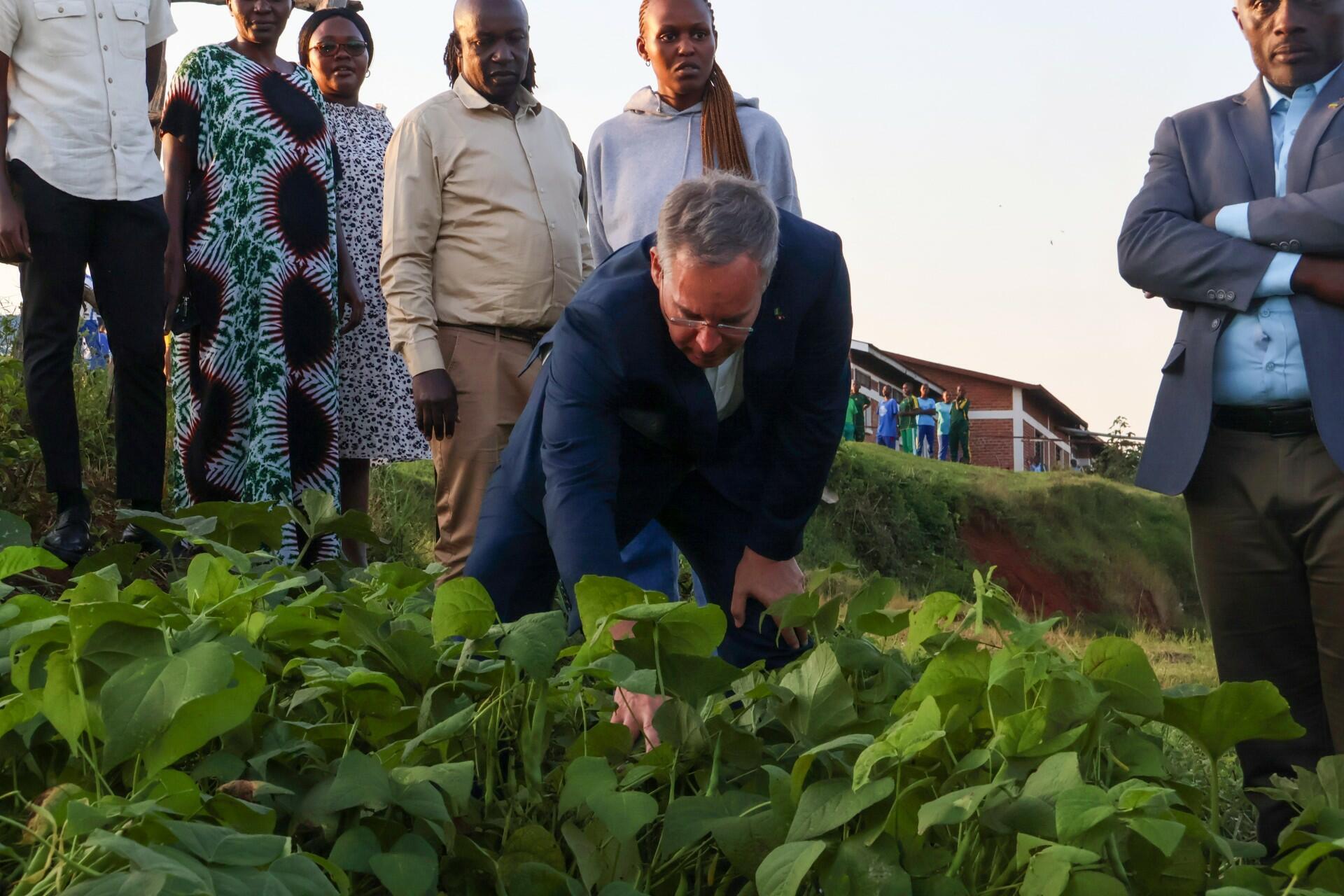
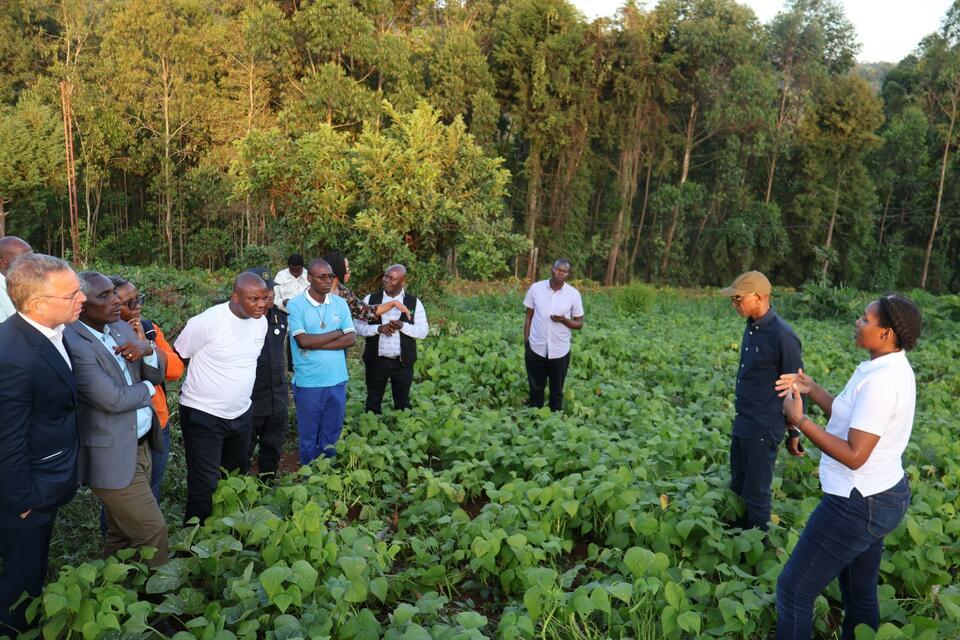
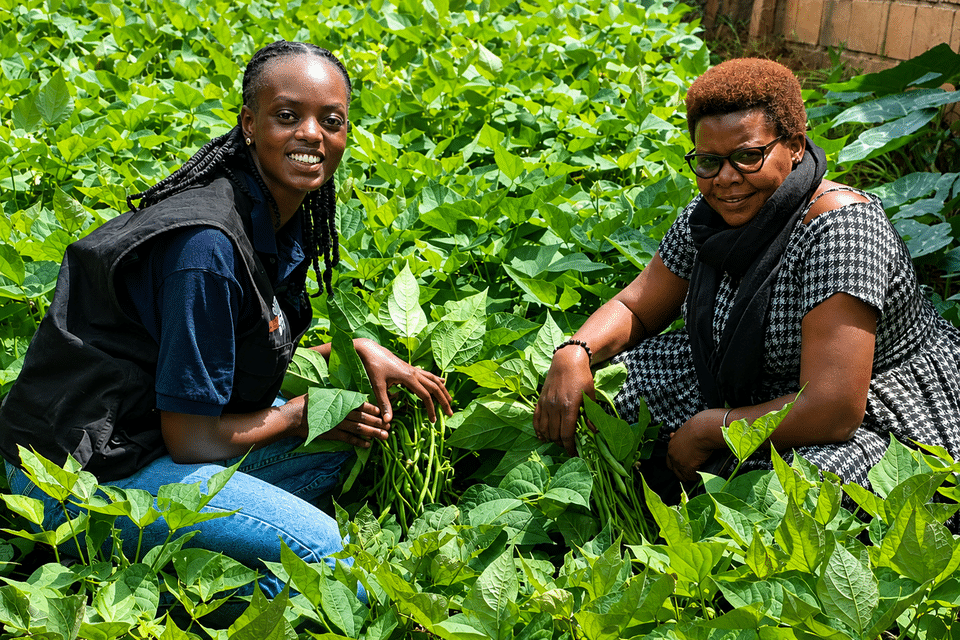
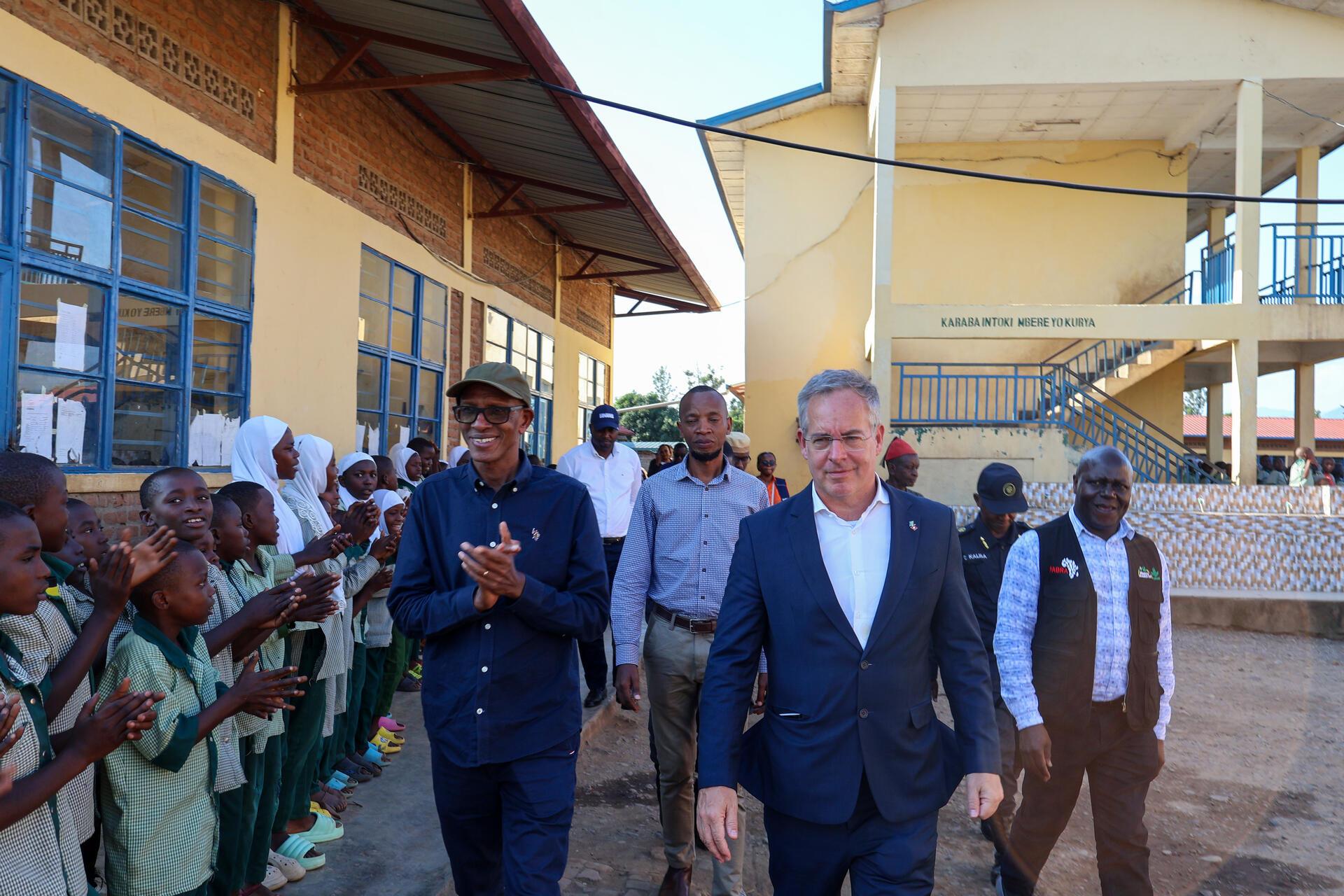
In Rwanda, that connection is already visible through a School Feeding Initiative supported by Switzerland and implemented by the Alliance in Karongi, Nyamasheke and Rusizi districts. The initiative promotes climate-resilient, iron-rich bean varieties as part of efforts to provide nutritious food to more than 500,000 schoolchildren, alongside training for teachers and community members in agroecological practices and post-harvest techniques.
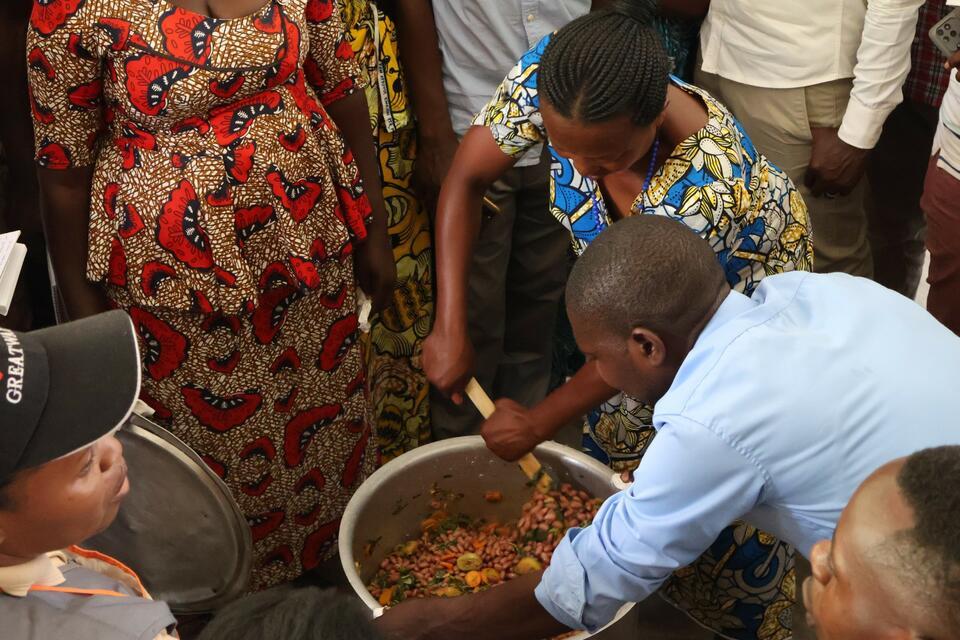
Iron-rich beans are one part of a nutritious school meal, alongside vegetables, fruits, cereals and other nutritious foods. School gardens in Rwanda are already being used to grow some of these foods while giving children practical experience of agriculture and healthy diets.
Why focus on these specific beans? The evidence is compelling, for example, research from The Journal of Nutrition shows that eating iron-biofortified beans increases hemoglobin by +3.8 g/L and builds body iron stores.
But the benefits go beyond blood tests. A study in The American Journal of Clinical Nutrition found that these beans improve memory retention by 60% and speed up spatial selective attention by 17%. The physical impact is just as clear: a trial published in Physiology & Behavior recorded a 24% increase in work efficiency at moderate workloads. And there is a practical takeaway for school kitchens: research noted in the Archives of Latin American Nutrition confirms that serving these beans alongside Vitamin C-rich foods, like the vegetables growing in school gardens, can roughly triple the iron a child's body actually absorbs.
Dr Olivier Kamana of Rwanda’s Ministry of Agriculture noted that innovation can also come from improving the nutritional value of foods already familiar within farming systems and food cultures. For beans, that creates space for biofortified varieties to contribute to better diets without asking communities to completely change what they grow and eat.
When demand at school reaches the farm
Putting nutritious foods on school menus also creates a very practical question: where will all that food come from?
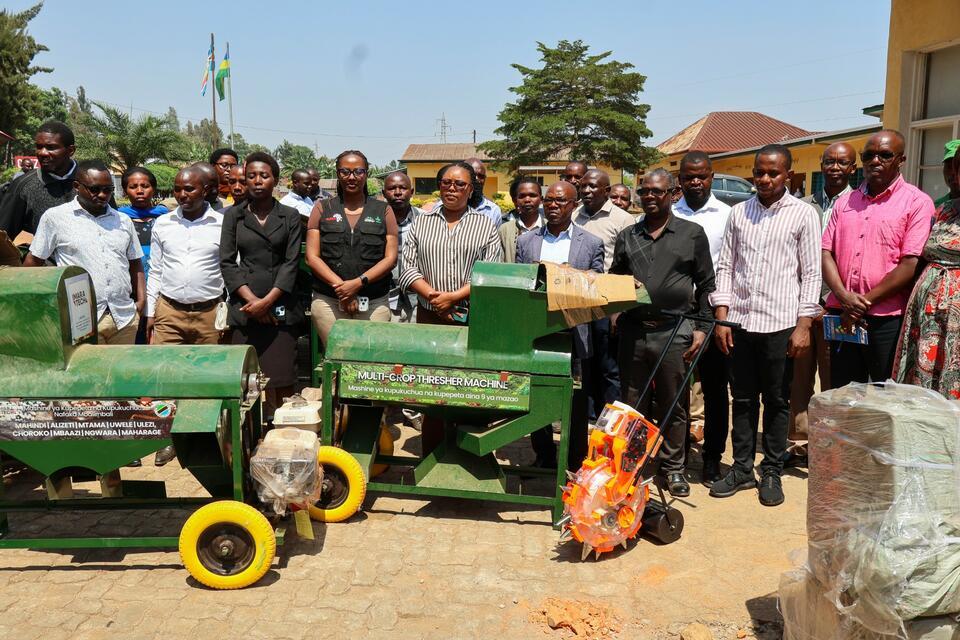
For farmers, regular demand from schools can provide a market around which production can be organised, while forward contracts and other arrangements can make that demand more predictable and help farmers access finance for inputs. For local businesses, the opportunity extends into aggregation, processing, storage and supplying schools, but the discussion also exposed the constraints that appear once demand begins to grow. Bean demand can exceed local supply, quality must be consistent, biofortified seed needs to be available to farmers, and cleaning, grading and storage all become important if locally produced food is to reach institutional markets reliably.
Christella Ndayinshimiye’s experience with Totahara in Burundi puts a business behind some of those connections. She began making porridge at home in 2019, before collaborations with organisations including World Vision created much larger demand for the flour she was producing; World Vision worked with her to supply about 72 tonnes, while the Embassy of France in Burundi later purchased 58 tonnes to nourish children under five. Foundation Onguka also sourced flour from Totahara for vulnerable Batua children affected by hunger and school dropout.
Totahara has since grown to produce around 40 tonnes of flour a month, showing what can happen when demand for nutritious food also creates room for local enterprises. Yet businesses cannot supply what farmers are unable to produce, and schools cannot simply add more nutritious foods to menus without considering how those foods will reach them. Vegetables and other perishables, for example, require cold rooms and preservation infrastructure if their quality is to be maintained on the journey to schools.
Preparing nutritious food at scale also comes with practical considerations around cooking time and energy use. Beans can require long cooking times, increasing fuel use and costs for schools preparing meals for large numbers of children, which makes fast-cooking varieties and precooked bean products particularly relevant to school feeding. Work by PABRA and the University of Western Australia on rapid-cooking beans is exploring this alongside value-added products developed with small and medium food-processing enterprises, connecting crop improvement with processing, markets and consumption.
There are similar opportunities around how schools source food, with community-based production and procurement creating stronger links with nearby farmer groups, cooperatives and local enterprises. Sourcing beans, vegetables, fruits and other nutritious foods locally can support more diverse school meals while creating demand for farmers and businesses supplying those foods.
What should a school meal provide?
Rwanda’s Ministry of Education intends to expand nutritious school meals countrywide and has raised the possibility of bringing more highly nutritious foods, including biofortified beans, into what children eat at school. Doing that at scale brings agriculture and nutrition into the same conversation: what children should eat has implications for what farmers need to produce, which varieties and crops research and seed systems make available, what businesses are able to process and supply, and what infrastructure and procurement systems governments put in place.
Milach argued that effective school meals require “a broader portfolio of nutritious foods,” describing that wider connection as “food system science in practice.” Beans, including iron-rich varieties, can make an important contribution, but a nutritious plate also needs vegetables and other nutritious staples, bringing more crops, producers and value chains into the picture. She placed that broader portfolio within an even wider challenge:
"We need crops that perform now under changing climates. But we also need food that contributes to healthier diets, production systems that sustain livelihoods, markets that create opportunities for farmers and enterprises, and innovations that governments, business, and communities can actually deliver and sustain."
The school plate therefore becomes an unusually practical place to see how different parts of a food system come together. A child eating beans and vegetables at school may seem far removed from questions about seed availability, farmer production, local enterprise, processing, storage, procurement and agricultural policy, yet each helps determine what eventually arrives on that plate. If the ambition is to improve school meals while sourcing more of that food from local farmers and businesses, the meal begins long before the child sits down to eat it.
The team
Jean Claude Rubyogo
Leader, Global Bean Program, and Director, Pan Africa Bean Research Alliance (PABRA)
Eliud Abucheli Birachi
Project Leader, Country Representative for Rwanda
Warren Arinaitwe
Plant Pathologist