Burundi - Alliance Bioversity International - CIAT

The Republic of Burundi is a small mountainous country in Eastern Africa, lying between Tanzania, Rwanda and the DRC. Burundi is a landlocked country, and an estimated 80% of its population is engaged in agricultural activities. Burundi has the second-highest population density in Africa, and amongst the youngest populations in the continent, with a median age of approximately 16 years. The majority of its population lives in rural areas, with approximately 15% of Burundi's population lives in the urban centers. 

With a population density of over 516 people per Km2 (1,335 people per mi2), agriculture represents 40% of Burundi’s GDP and employs approximately 90% of the population, especially in small-scale farming. The country's main commodities and export products include coffee, tea, cassava, bananas, sweet potato, beans, maize, nuts and livestock products, as well as minerals. However, Burundi is at increasing risk of landscape degradation due to steep slopes and population pressure. Burundi loses almost 38 million tons of soil each year, and land degradation costs an estimated $120 million USD annually, according to World Bank estimates. Landscape restoration and agricultural intensification are therefore significant priority areas for the Alliance in Burundi. The Alliance addressed the issue of inadequate nutrition by introducing bananas with higher levels of vitamin A, and by building the capacity of communities to produce seeds. Production has increased through community nursery management, where farmers were given FHIA plantlets to grow on their farms. Burundi faces several challenges in its food system that compromise food security and agricultural productivity. These include: limited crop diversity; climate change; soil degradation; post-harvest loss; and limited access to clean seeds, technology and markets.

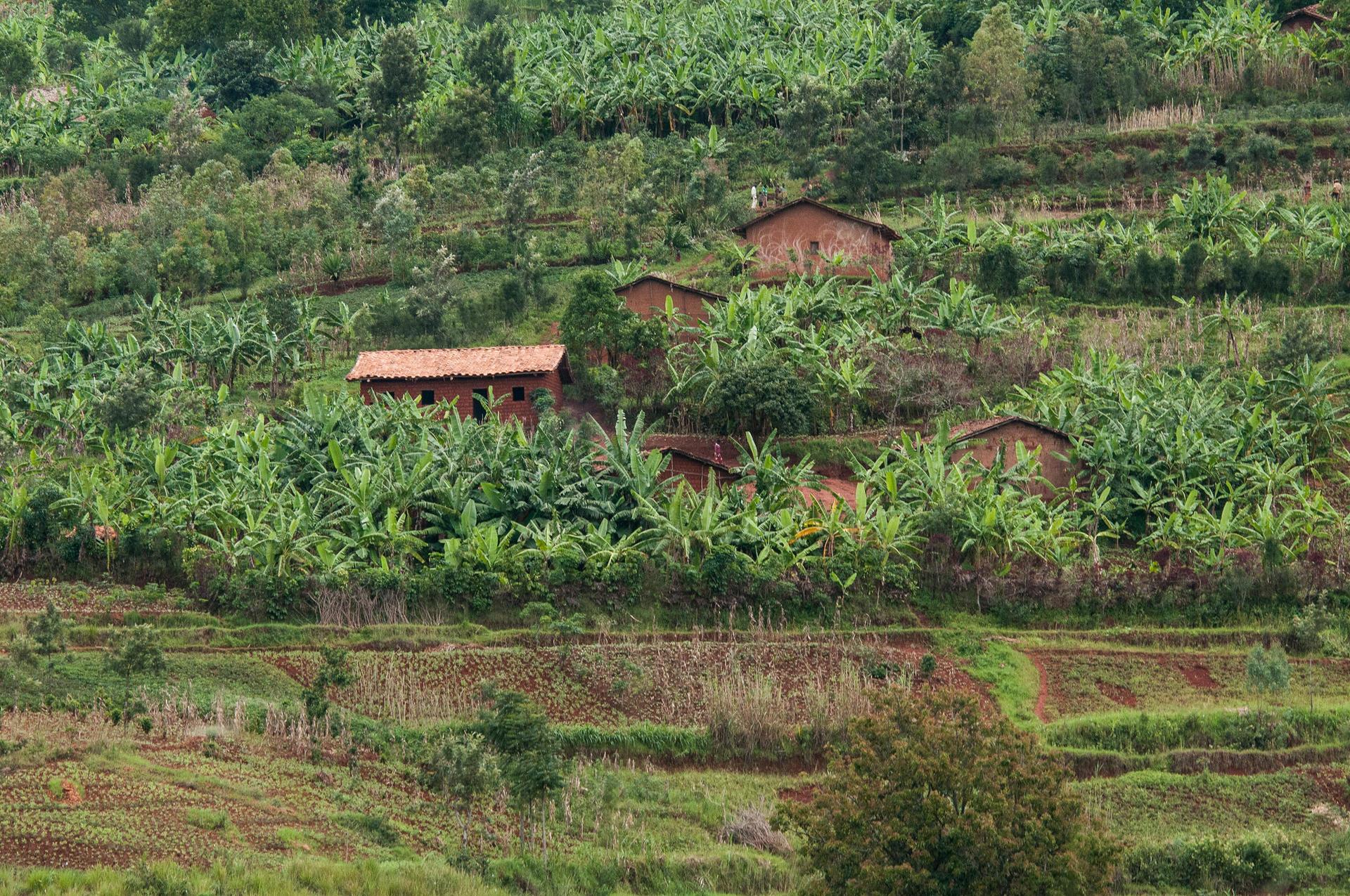
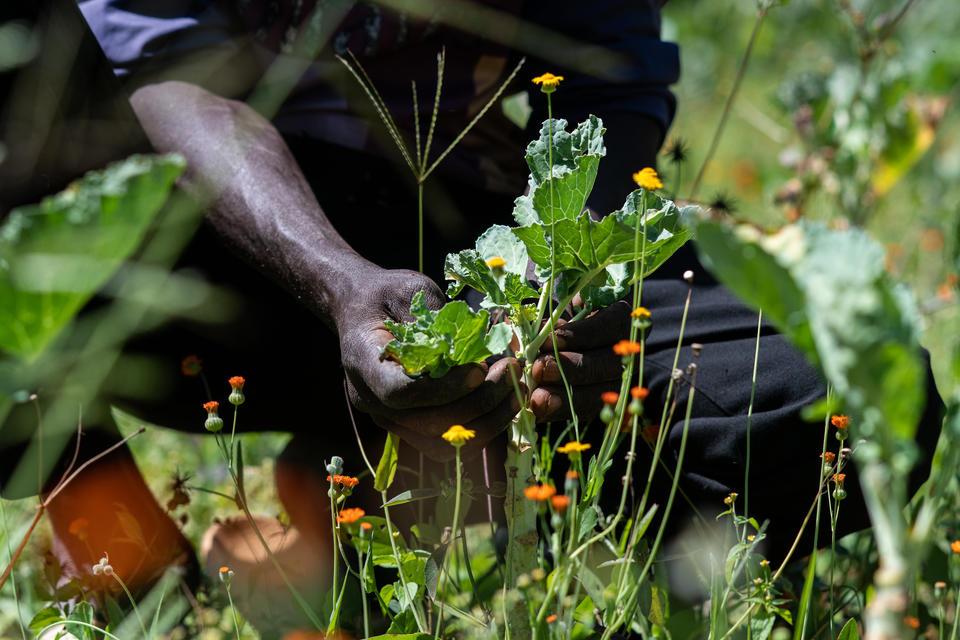
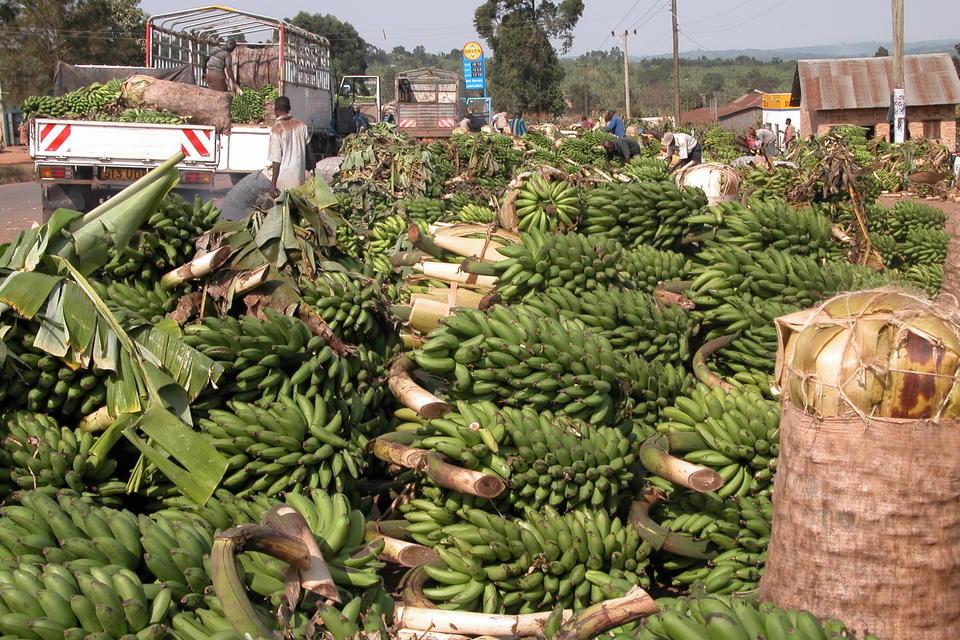
Burundi - Alliance Bioversity International - CIAT - Image 1

Vitamin A-rich banana plantations in Burundi. Credit: Alliance Bioversity International and CIAT / Georgina Smith

The Alliance promotes the production and consumption of biofortified crop varieties, particularly bananas with enhanced levels of vitamin A, and biofortified beans introduced through PABRA, which also contribute to increased yields and gender inclusion. Our team in Burundi also promotes agricultural diversification, encouraging the cultivation of various crops such as legumes, nutrient-rich vegetables and drought-resistant cereals. We also address market challenges by integrating and building capacities amongst key stakeholders across the value chain.

The Alliance works in Burundi under a hosting agreement with the International Institute of Tropical Agriculture (IITA) campus, where we have partnered on a range of projects and capacity-building activities with ISABU and the University of Burundi. Our most recent partnerships include projects on bean improvement, seed and cropping systems, landscape restoration, seed systems, banana production and disease management. 

Our Thematic Areas of Focus in Burundi 

  • Nutrition and diet diversification: Pro-vitamin A projects in Gitega 
  • Banana seed systems
  • Crop pests and disease management: Banana diseases 
  • Legume breeding: PABRA research with ISABU and the private sector
  • Landscape restoration 
  • Capacity building 

Impact of our Work in Burundi 

  • Improved nutrition: The pro-vitamin A banana varieties have been introduced through our HarvestPlus project since 2014, contributing to reduction in nutrient deficiency. Further work on the adoption of the new varieties was done in the framework of banana seed systems (Nduwimana et al., 2022) and currently with the WCA initiative on scaling healthy seeds at the local-community level using institutional models and communication approaches.

  • Seed systems: Supporting policy and technology for strong seed systems has been an ongoing collaboration, initially under CRP- Seed Systems since 2014, and later under Seed Equal. 

  • Innovation and capacity building: We've worked to popularize the pro-vitamin A banana varieties through local banana seed multiplication, training of staff at graduate levels through the CIALCA in collaboration with local and international partners. 

  • Diversity in farming systems: We've integrated community agents in pro-vitamin A banana promotion using community advertisements to show the added value of these new cultivars for diversifying farms and improving nutrition. 

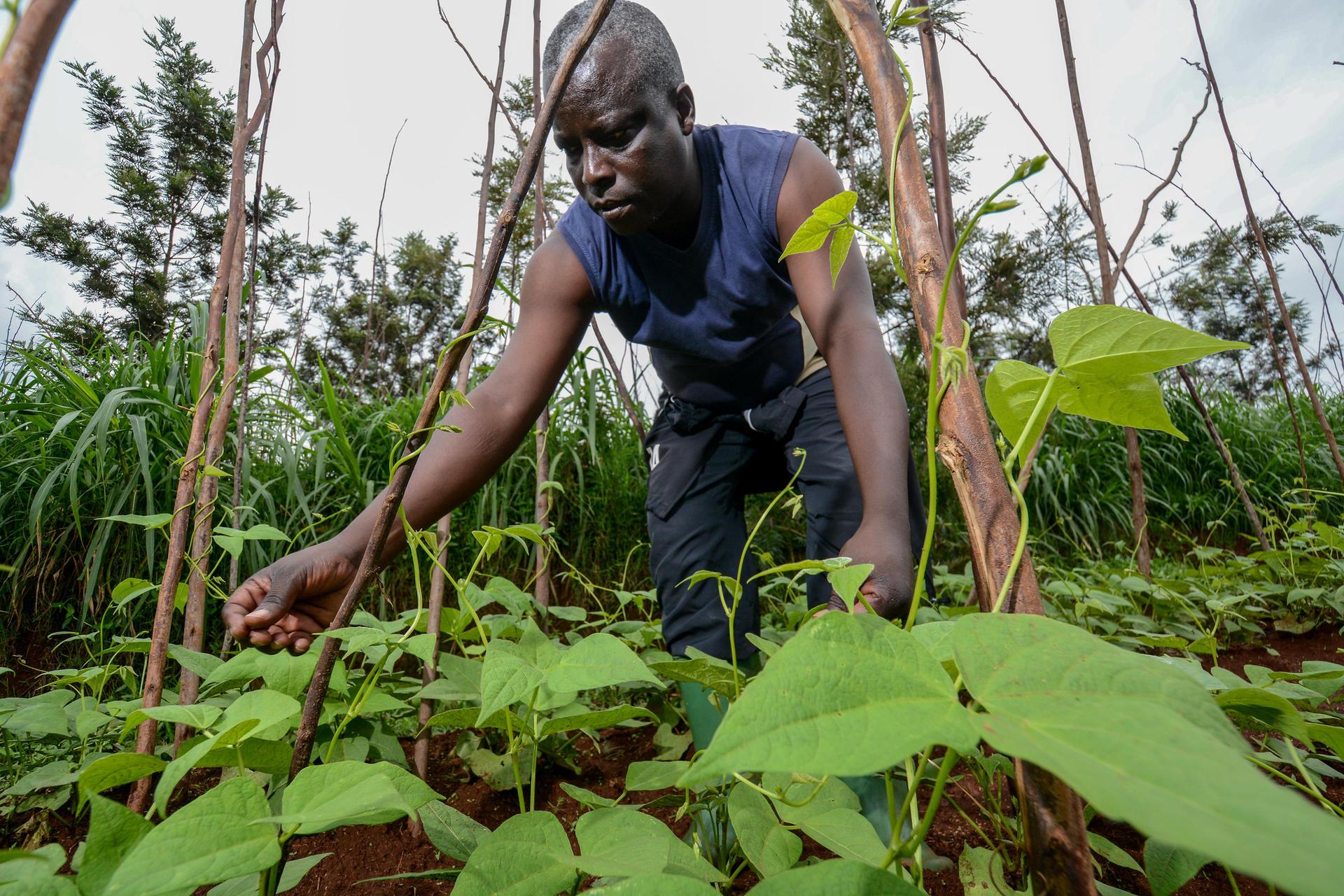
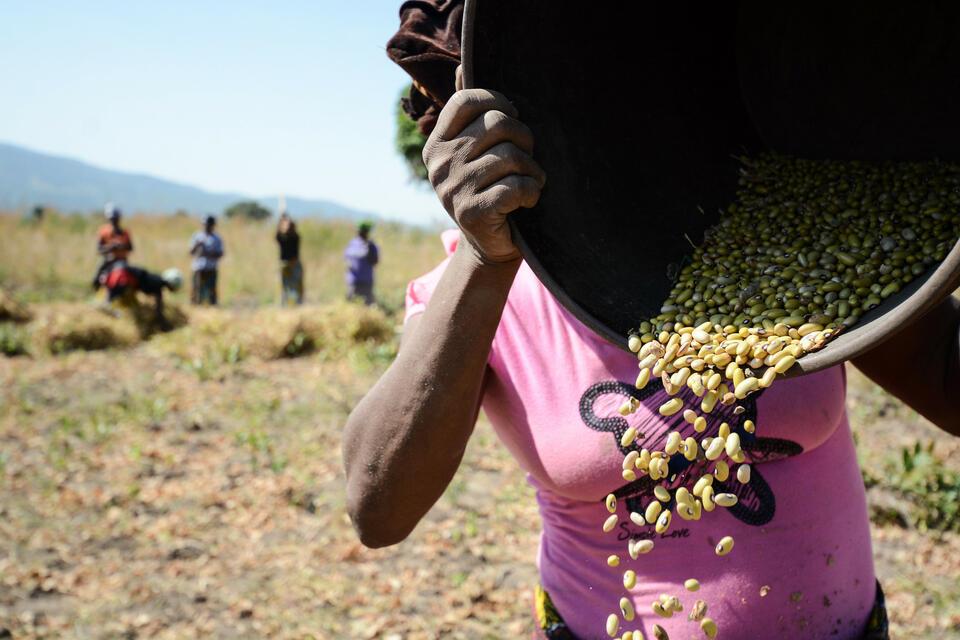
Burundi - Alliance Bioversity International - CIAT - Image 2

Bean farmer Richard Hatungimana in Burundi contributes to the fight against malnutrition by growing nutrient-rich beans, an initiative supported by the Alliance. Credit: Alliance Bioversity International and CIAT / Georgina Smith

Milestones

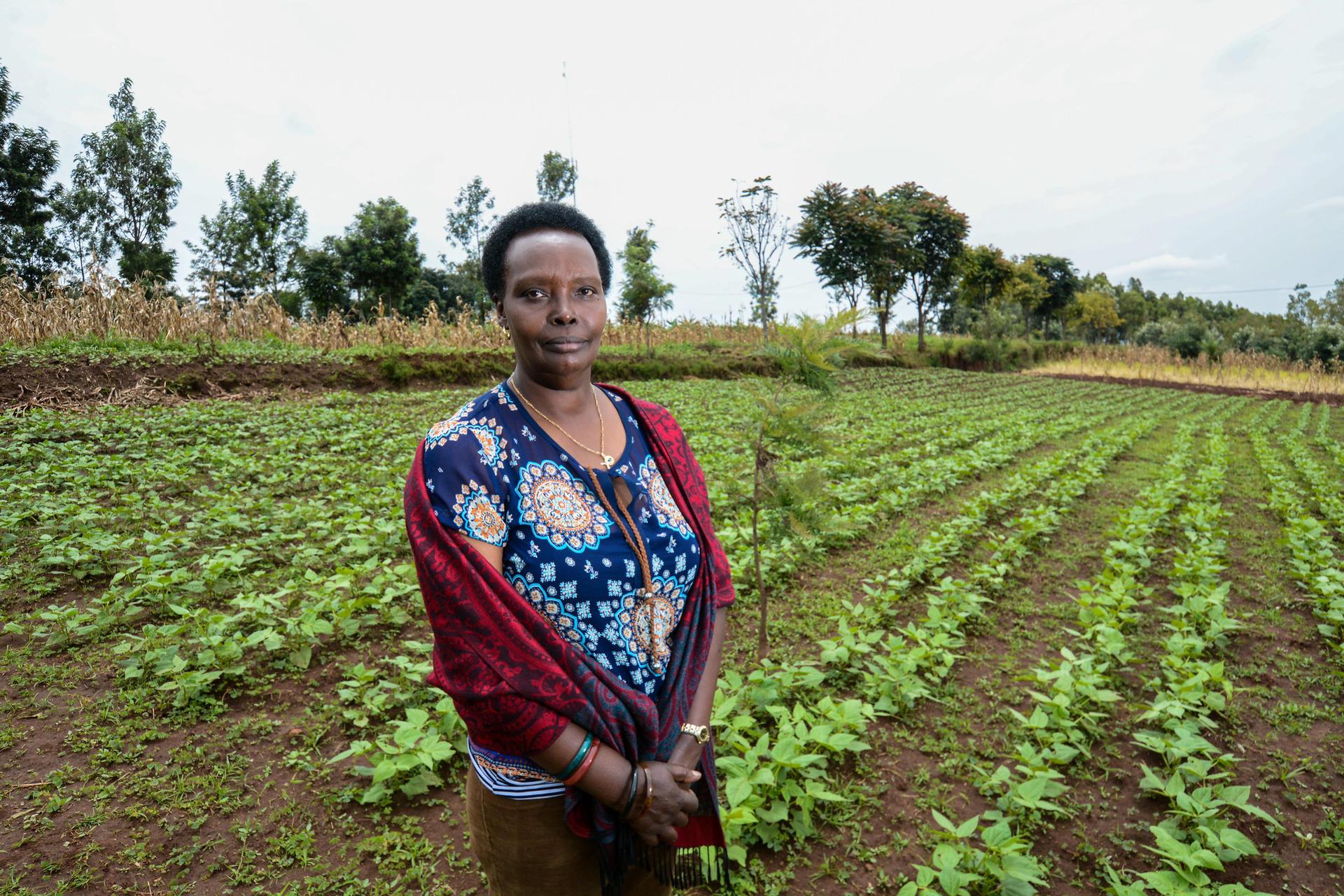
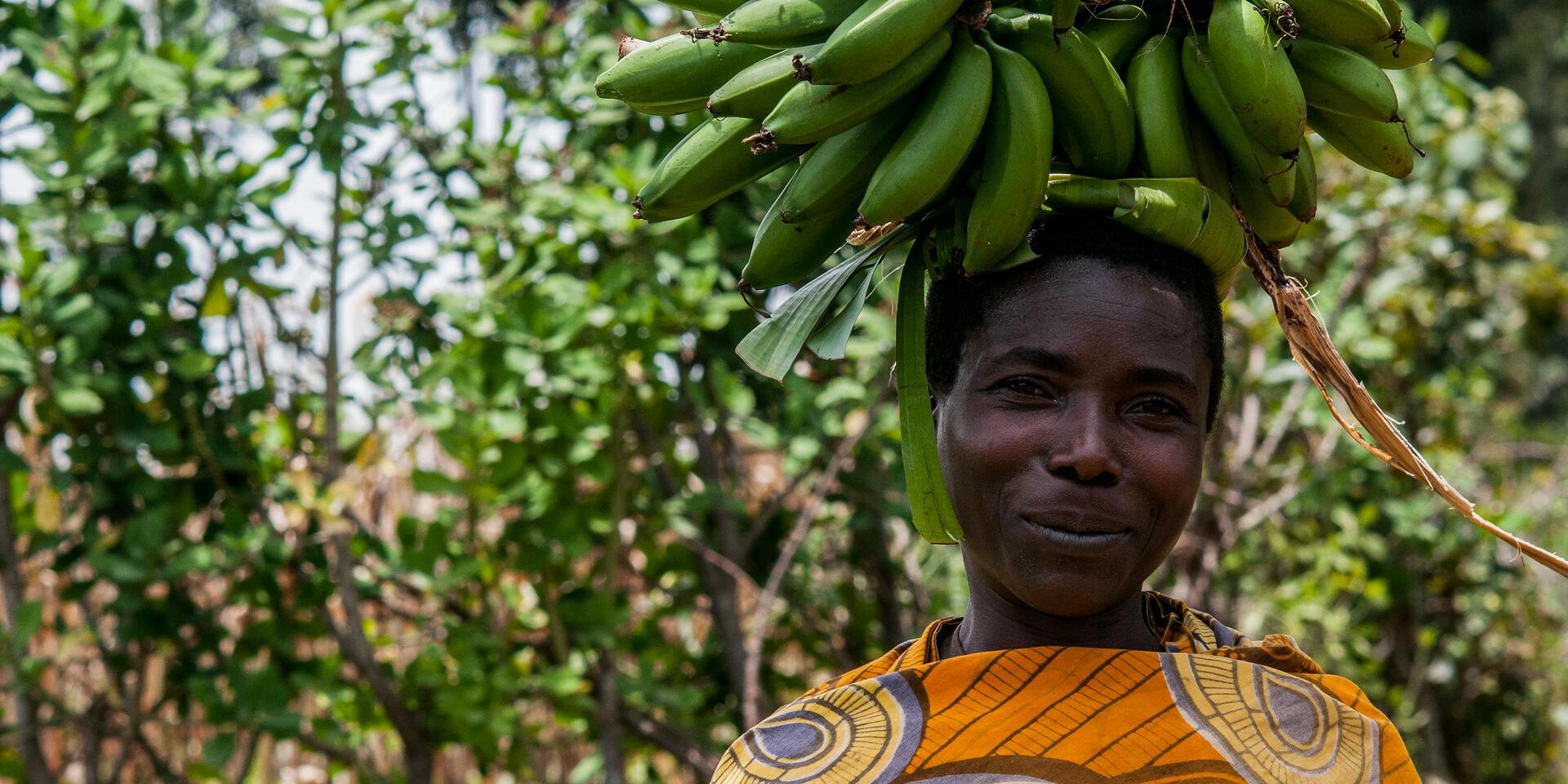
Burundi - Alliance Bioversity International - CIAT - Image 3

Suzanne Biha is a bean farmer, working with the The Pan-Africa Bean Research Alliance and the Institut des Siences Agronomique du Burundi (ISABU), to give farmers access to improved bean seeds. The beans have been bred with characteristics like high iron; some yield more produce and some are more resilient to drought. 

  • Achieving a measurable increase in consumer demand for nutritious underutilized species through targeted awareness campaigns and market interventions 

  • Successful adoption of climate-smart agricultural practices by a significant number of farmers, leading to enhanced resilience against climate change and improved agricultural productivity 

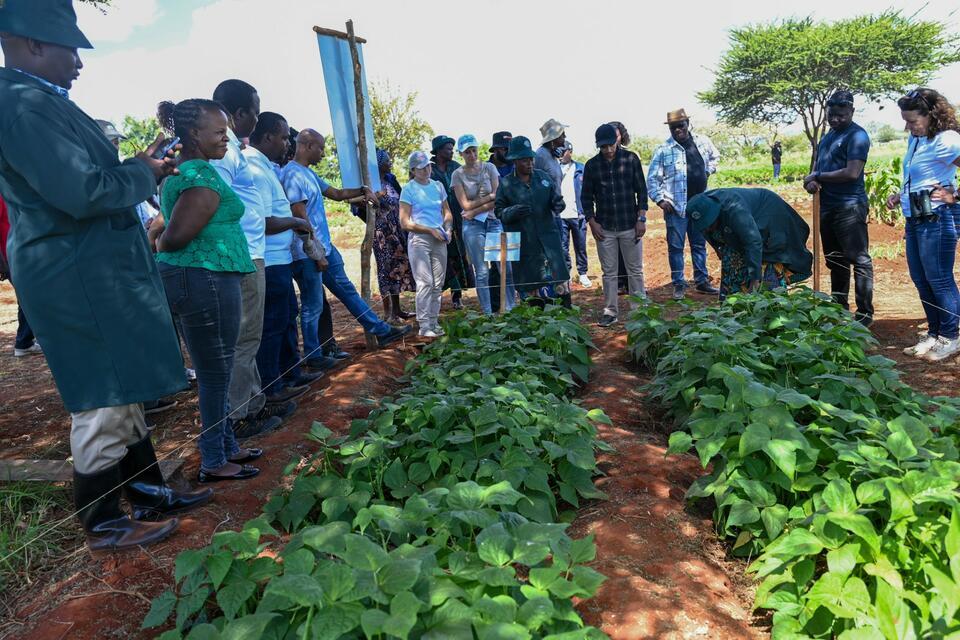
  • Establishment of robust knowledge-sharing platforms and capacity-building programs that have empowered local stakeholders including farmers, farmer field schools, researchers and policymakers, providing the necessary skills and information to make informed decisions and implement effective interventions 

  • Tangible progress in diversifying food systems through the introduction of new crop varieties, innovative farming techniques and value-chain development, leading to improved nutrition and enhanced food security

  • Empowerment of smallholder farmers (with a focus on women and youth) through enhanced access to markets, financial services, and entrepreneurship opportunities, thus contributing to poverty reduction and sustainable rural development

  • Successful engagement with policymakers and government agencies to integrate climate-smart agricultural practices and nutrition-sensitive policies into national strategies, ensuring long-term sustainability and impact

  • Strengthening partnerships with local organizations, government agencies, and international donors through projects such Amashiga and PRRPB

  • Utilizing robust scientific evidence to advocate for policy reforms and resource allocation that prioritize sustainable agriculture, nutrition, and environmental conservation

  • Development of decision-support tools for crop disease management, using mobile phones and UAVs to support rapid disease diagnosis and overcome gender linked barriers in crop disease access

  • Contribution to institutions and governance for gender-responsive food systems transformation through partnership with private company like TOTAHARA in producing the complete porridge meal adding beans flour

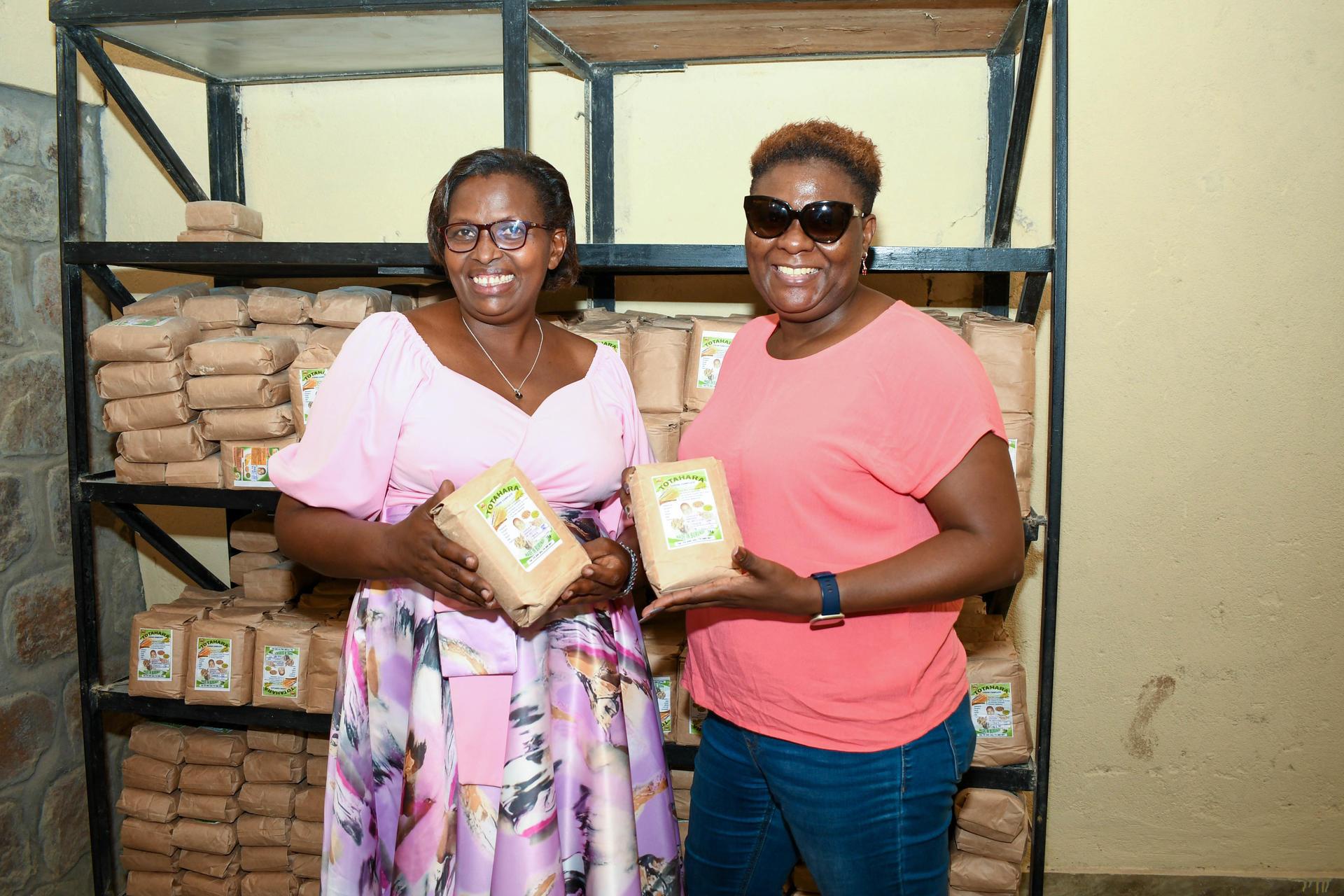
Burundi - Alliance Bioversity International - CIAT - Image 5

Eileen Nchanji (left) with Christella Ndayishimiye (right), CEO of Totahara Limited, a woman-owned bean-based porridge processor in Bujumbura, Burundi. Credit: Alliance Bioversity International - CIAT / Owen Kimani

Projects and Flagship Initiatives

To boost agricultural development and sustainability, the Alliance of Bioversity International and CIAT leads and participates in a variety of projects and flagship initiatives in Burundi.

Explore more

Leadership

Our Office in Burundi

Alliance - Burundi Office  
c/o IITA Campus, Burundi  
PMB 1893 Bujumbura-Burundi  
Quartier Rohero 1, Avenue du Japon/ 55 
Cell phone: +257 79998739
Local contact: Innocent Nduwimana ( [email protected] )

Talk to Us

Would you like to reach out to our team of scientists working in Burundi?

CONTACT US HERE