Blog Annual meeting of the Rapid Cooking Bean Project in Kampala, Uganda

What if your bowl of beans could be cooked in less than an hour without the need to presoak, and could deliver more iron and zinc than common varieties? That’s not just a hopeful thought, it’s the aim of the Rapid Cooking Bean Project (RCBP).
The RCBP is funded by the Australian Centre for International Agricultural Research (ACIAR) under the leadership of the University of Western Australia (UWA) and the Alliance of Bioversity International and CIAT under the Pan Africa Bean Research Alliance (PABRA). The focus is on the East and Central Africa Bean Research Network (ECABREN) majorly in Burundi, Ethiopia, Kenya, Rwanda, Tanzania and Uganda, where beans are a major staple in the diet and an important income-generating crop.
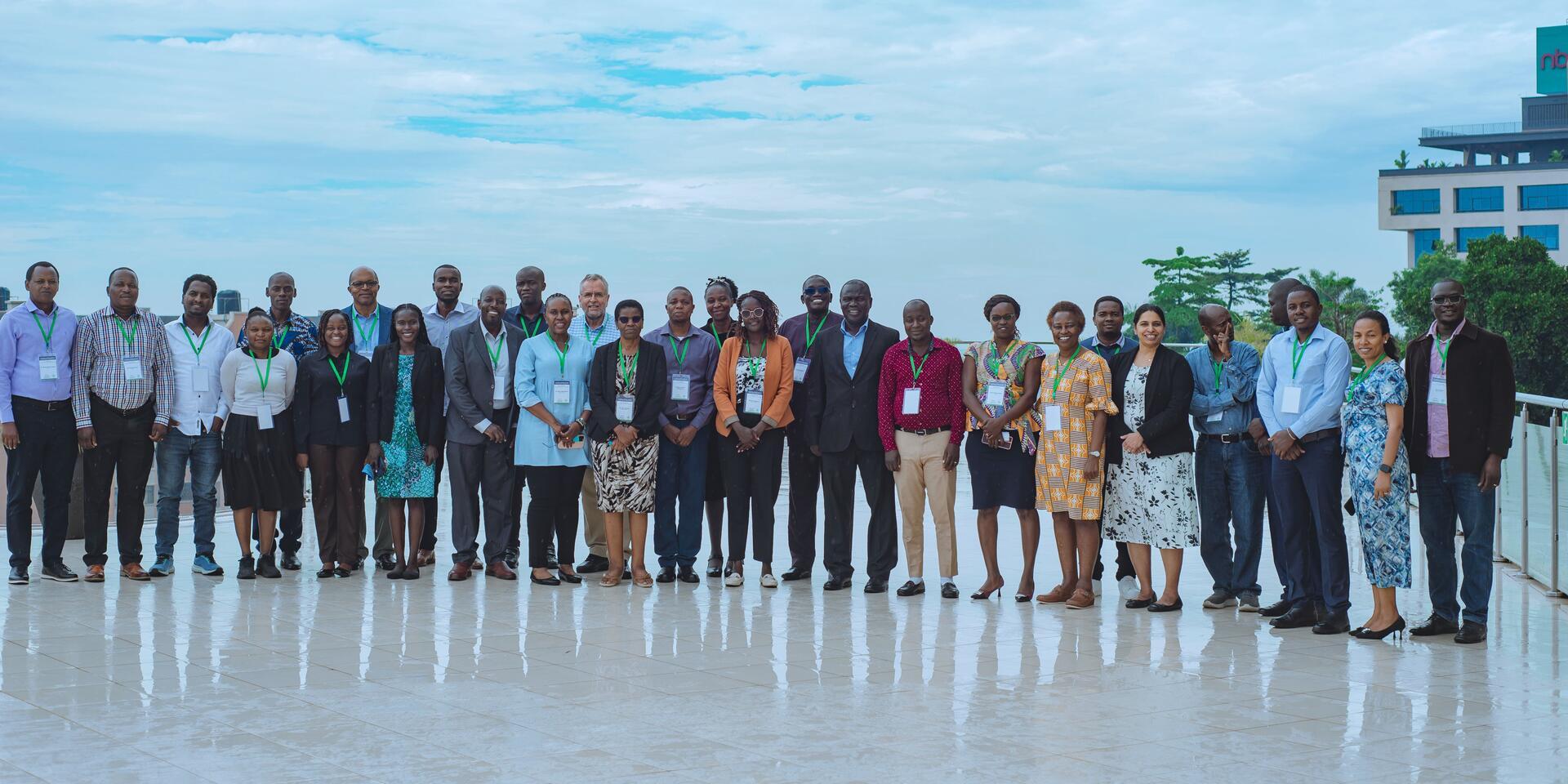
During the week of May 5th-9th, 2025 - at the Skyz Hotel, Protea in Kampala Uganda - the Alliance hosted the fifth annual meeting to review the progress and learnings made after six years (2019-2025) of project implementation. The meeting brought together participants from the Alliance, six East African national agricultural research common bean programs (Ethiopian Institute of Agricultural Research (EIAR), Institut des Sciences Agronomiques du Burundi (ISABU), Kenya Agricultural and Livestock Research Organization (KARLO), Rwanda Agriculture and Animal Resources Development Board (RAB), Tanzania Agricultural Research Institute (TARI), National Agricultural Research Organization (NARO) and from Australia (UWA and ACIAR) to reflect on the RCBP’s remarkable six-year journey, and its potential future (Fig. 1).
This wasn’t just another meeting, it was a celebration of success, because the project has engaged and trained the next generation of African plant breeders in new breeding technology. The project has improved the skills of African plant breeders in genomic and pedigree selection. Collaboration between UWA, Alliance-Uganda and National Agricultural Research and Extension Services (NARES) in six countries has improved the testing of improved bean germplasm across East Africa. The NARES partners have improved their skills in managing regional bean breeding trials and learned how to operate breeding management system (BMS) to record and share data.
-
After engaging and training participating breeders in gender-sensitive goals for breeding and participatory variety selection (PVS) of new rapid-cooking biofortified bean varieties, the NARES partners will soon begin disseminating new bean cultivars through the PABRA bean improvement regional networks. This will increase impact of the project on the health and nutrition of African women and children following the release of biofortified rapid cooking beans from the project. The new varieties save on time and associated drudgeries of cooking dry common beans. The benefits will extend to other bean value chain actors particularly the hoteliers, traders, processors and consumers.
-
The scale of benefits will be multiplied several-fold through training of African scientists in the new breeding methods which can be applied to other important bean traits and other African crops particularly grain legumes.

Global Science, Local Benefits
With funding from ACIAR for RCBP (ACIAR project CROP/2018/132), researchers from UWA partnered with bean breeders and agronomists from the Alliance-Uganda, and NARES in six countries in Eastern and Central Africa Bean Research Network (ECABREN) with the aim of introducing new rapid breeding methods to reduce cooking time by 30% and increase seed iron (Fe) by 15% and zinc (Zn) by 10% in five years. The enthusiastic and consistent involvement of collaborating scientists in six countries has made RCBP a model for the long-term genetic improvement and adoption of new common bean varieties for Africa. The partners implemented a novel breeding approach (BRIO) to accelerate breeding for rapid cooking and biofortified beans. BRIO stands for (B) accurate breeding values, (R) rapid cycles, (I) index and (O) optimal contributions selection (OCS).
“BRIO builds on decades of research and breeding,” said Prof. Wallace Cowling, the project's Principal Investigator based at UWA (Fig. 2). “Previously, BRIO methods have achieved world-leading genetic gain in canola and field peas in Australia. This project is helping to adapt the methods to bean breeding. With BRIO, rapid genetic gain with low rates of population inbreeding is possible”.
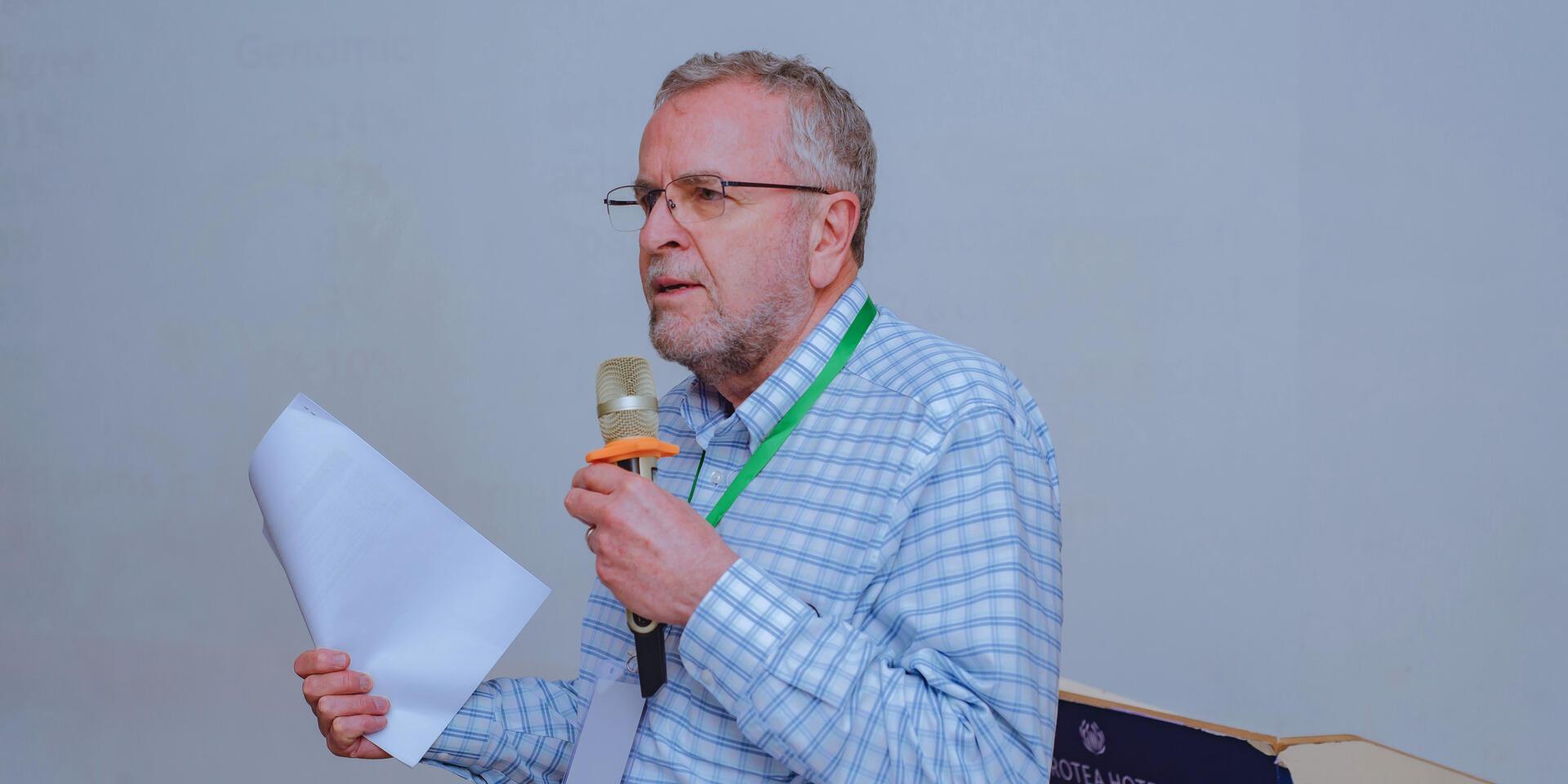
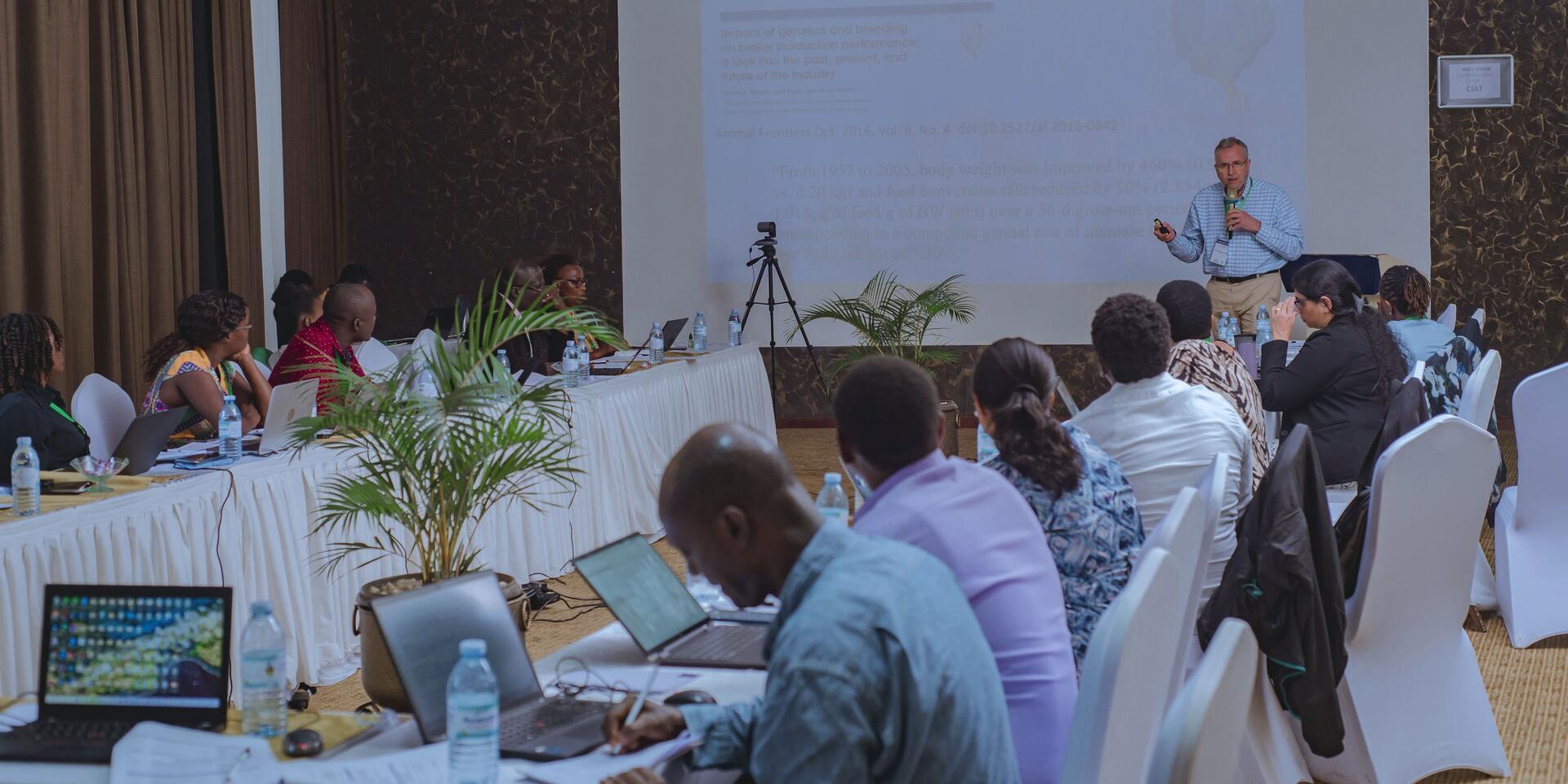
Figure 2: Project participants listening to a talk on “BRIO” from Prof. Wallace Cowling (UWA)
Breeding and Seed Systems for Tomorrow
Over 100 million people across Africa face food insecurity, and the challenges are growing. Climate change, conflict and rising food prices in over 70% of low-income countries are pushing healthy diets further out of reach (World Bank, 2025). Yet, there is reason for hope. Through the RCBP, Alliance and ACIAR are partnering with NARES to co-develop bean varieties that are climate-resilient, reliable for farmers, market-preferred and demanded by consumers. These varieties could serve as the foundation of affordable, nutritious diets. Dr. Clare Mukankusi Mugisha, Global Bean Breeding Lead at the Alliance, emphasized (Fig.3):
“We must ensure farmers have access to bean varieties that are climate-resilient, market-preferred and nutritious, while making food systems more productive, inclusive and sustainable. This is more than crop science: It’s about shaping food systems that nourish both people and the planet.”
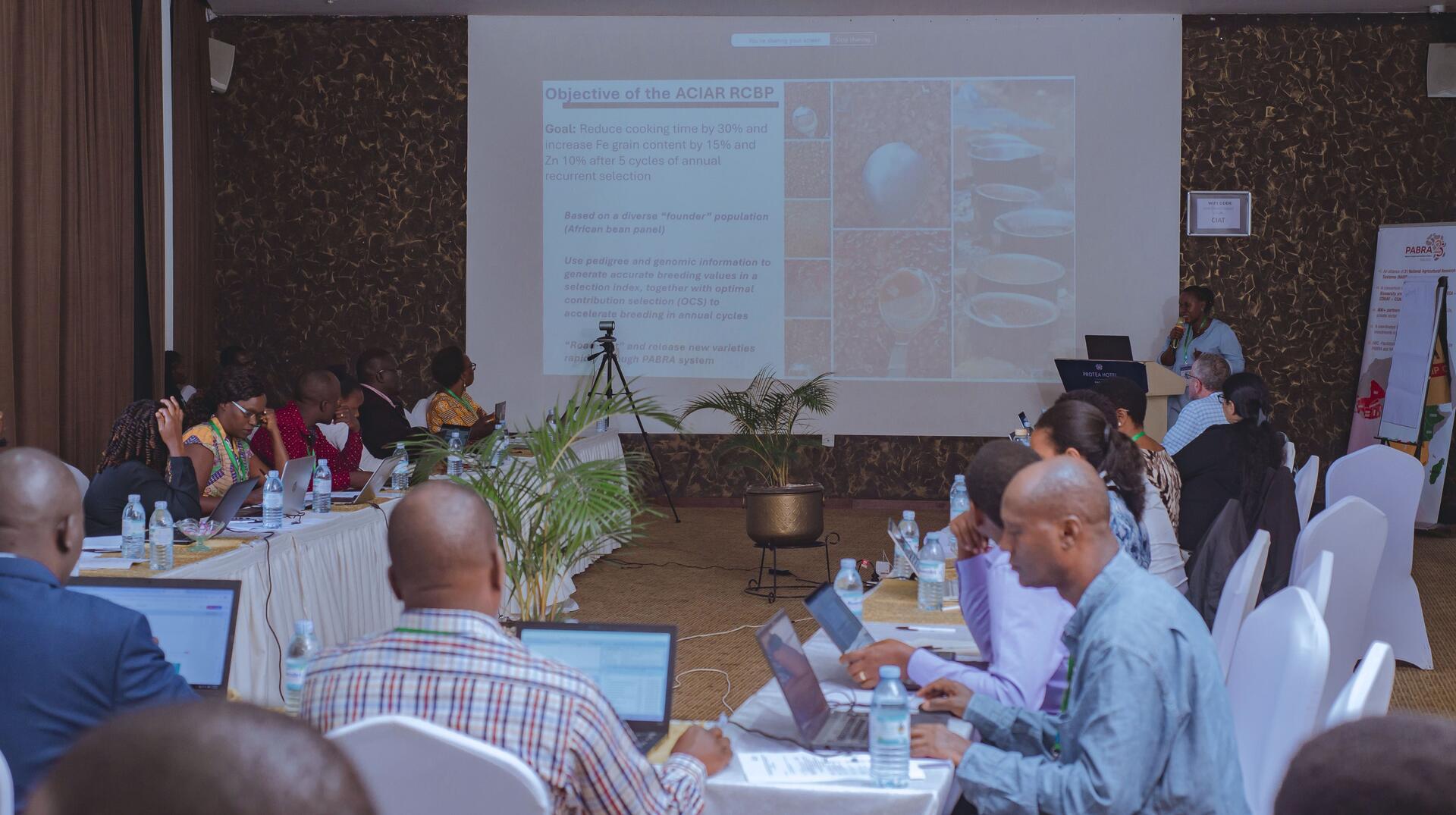
Figure 3: Dr. Clare Mukankusi Mugisha giving a talk on Breeding for tomorrow
Towards New Bean Varieties: What we have achieved in six countries in the RCBP 2019-2025
Across six countries, our NARES partners have successfully evaluated RCBP progeny and selected advanced lines with potential for future variety release, that combine high yield, high nutrients, and short cooking times in each of the major market class (Fig. 4).
- In Kenya, PVS led to the identification of two promising small red bean lines, which are scheduled for submission to national performance trials (NPT) in 2026. According to collaborating scientist Shamir Misango, bean breeder and head of the bean program at Kenya Agricultural and Livestock Research Organization (KALRO) in Kakamega, over 100 lines from cycles 1 and 2 of the RCBP are currently in the pipeline at the Advanced and Preliminary Yield Trial (AYT, PYT) stages.
- In Uganda, under the leadership of Dr. Stanley Nkalubo and collaborating scientist Dr. Immaculate Mugisa at National Crops Resources Research Institute (NaCCRI), two PVS activities were conducted involving nine bean types across market classes such as medium red, sugar, yellow, red mottled, and medium white. Additionally, approximately 195 lines representing diverse market classes including large black, medium red, sugar, yellow, red mottled, medium white, Kabulangeti, carioca, and pink were evaluated at various yield trial stages, with 25% outperforming the commercial checks.
- In Ethiopia, small white and small red lines showed superior yield performance and shorter cooking times than current varieties, with added benefits of disease resistance and wide adaptability across multiple environments, positioning them as strong candidates for NPT, according to Dagmawit Tsegaye, bean program leader, and collaborating scientist Abel Moges, at Ethiopian Institute of Agricultural Research (EAIR).
- In Burundi, collaborating scientist Blaise Ndabashinze at Institut des Sciences Agronomiques du Burundi (ISABU), is advancing selections of sugar, red mottled, kaki, yellow, cream red, and white bean types through different stages of testing.
- In Tanzania, collaborating scientist Martine Komba at Tanzanian Agricultural Research Institute (TARI) continues the evaluation of 123 selected materials for yield performance and adaptability across the agroecological.
- In Rwanda, collaborating scientist Annuarite Uwera recently moved to UWA where she is studying for the PhD on an ACIAR John Allwright Fellowship, has been replaced by bean breeder Dr Floride Mukamuhirwa at Rwanda Agriculture and Animal Resources Development Board (RAB) and several selections have been promoted to advanced trials.
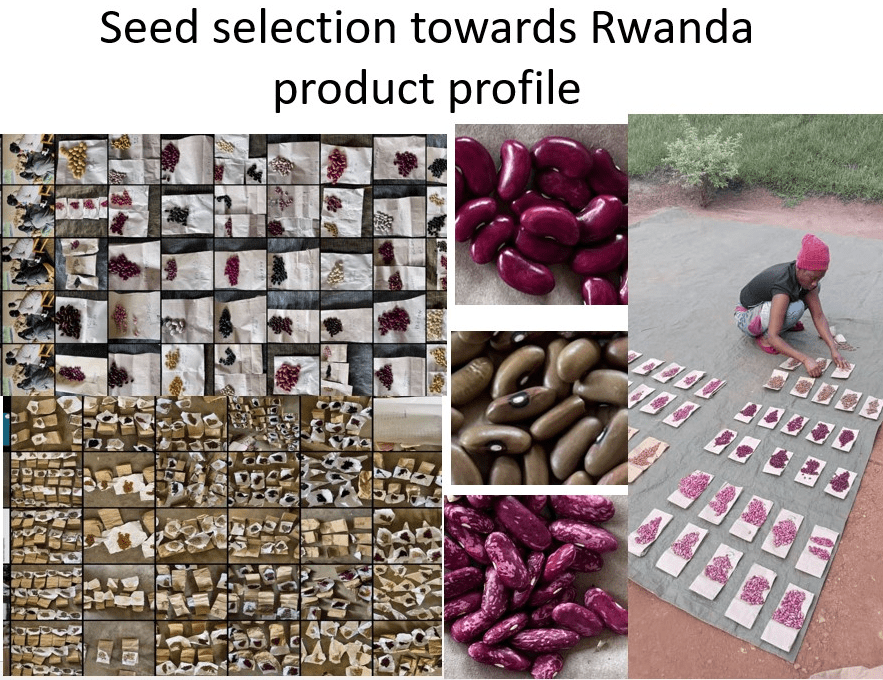
Figure 4: Selection towards the common beans target product profile of Rwanda
Training and Transformation
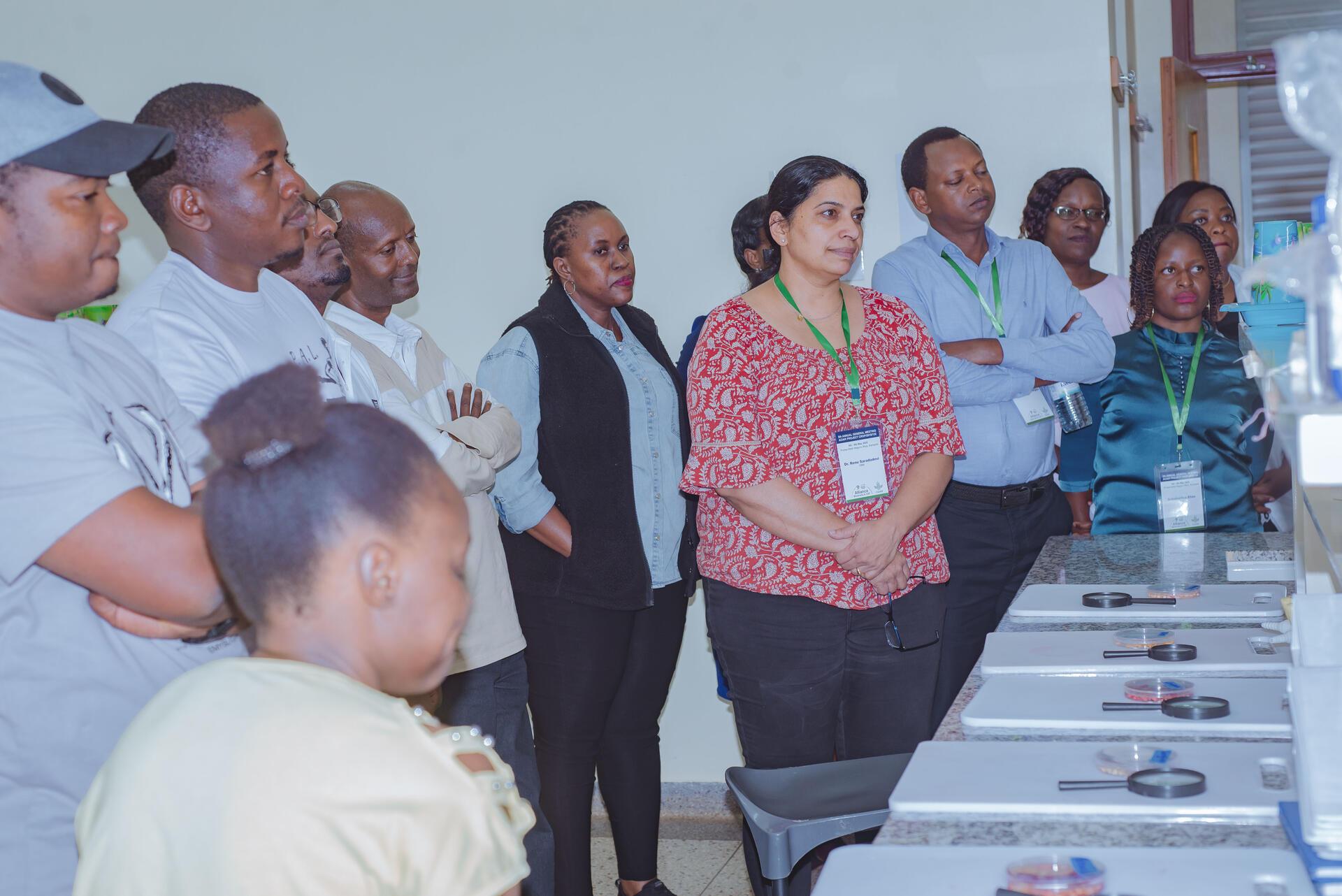
Training is a backbone of the RCBP. From breeders to lab technicians, capacity building has ensured the sustainability of these innovations. During the workshop, the first two days were dedicated to developing skills in key tools, specifically, the Breeding management system (BMS), and the use of R for randomisation and data analysis. The workshop reviewed: (i) What training achieved, such as partners’ awareness of spatial analysis and the importance of following the trial design during planting, and ability to clean and share data through the BMS. (ii) What bottlenecks remain, such as confidence in data analysis using R software and (iii) How local institutions can be further empowered in new breeding methods. At the heart of the discussions was leveraging regional crop centres in Africa such as Makerere University Regional Centre for Crop Improvement- MaRCCI (Fig. 5) to work with RCBP to develop and implement robust training modules on BRIO, collaborative student research projects and onboarding visiting scientists. These initiatives are catalysts for knowledge transfer, local capacity building, and global scientific exchange. With strong foundations in place, we’re now looking ahead. New funding opportunities from multiple donors could scale this impact across Africa and beyond, ensuring this work continues to empower breeding programs, nurture young talent, and fuel innovation.
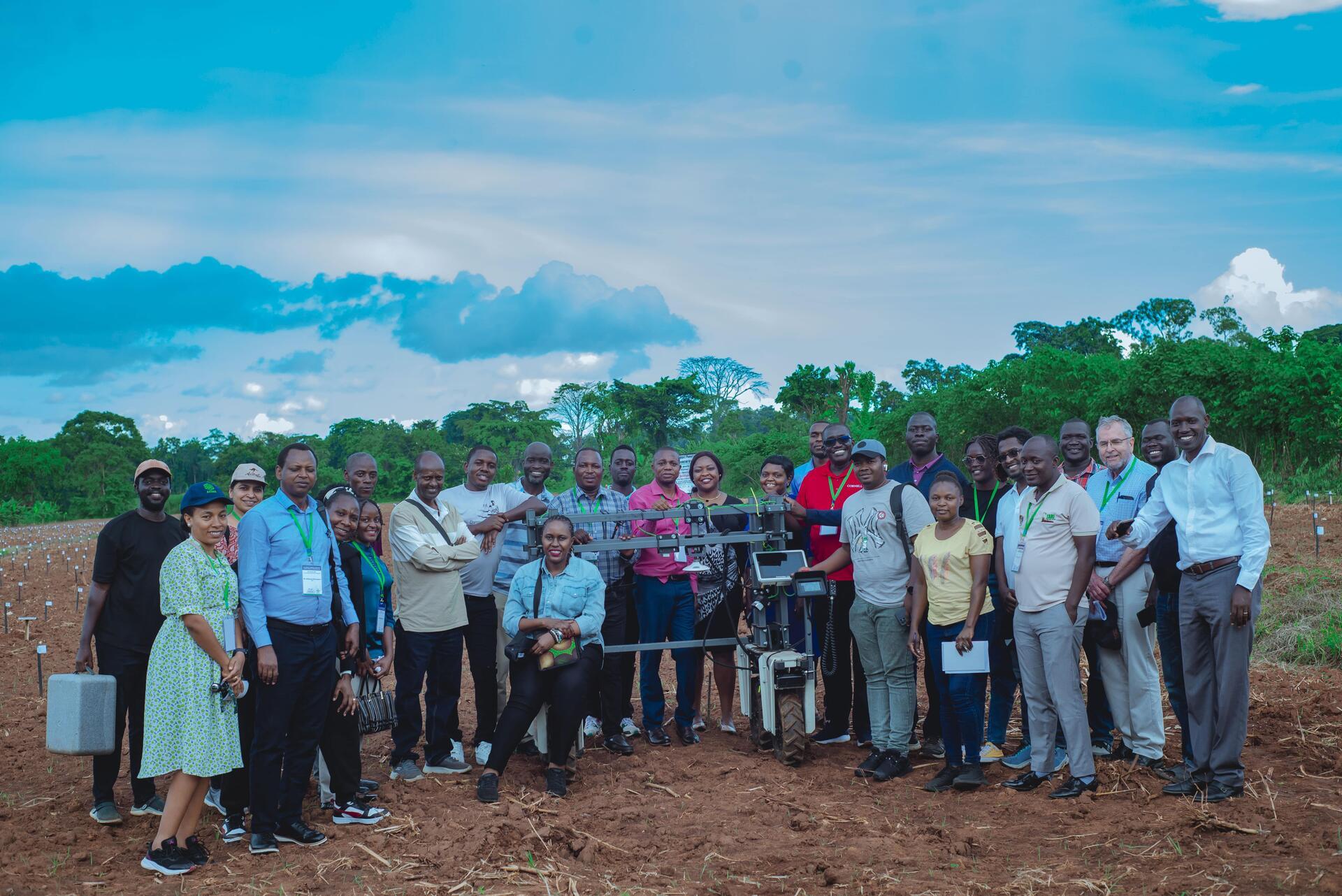
Figure 5: A visit to Makerere University Regional Centre for Crop Improvement (MaRCCI) facilities to explore possibility of partnerships.
Looking Forward
“This isn’t just the end of a phase – it’s the beginning of a new one”, said Jean Claude Rubyogo, the Global Bean Program Leader at the Alliance and Director of PABRA.
With the right investments, the RCBP could extend its reach towards variety release, seed system development and capacity development especially in collaborating with higher institutions for learning in Africa.
In a study conducted by Dr. Enid Katungi and colleagues in Uganda, findings suggest that farmers may not be fully benefiting from improved bean varieties, largely due to weaknesses in the seed systems.
One key issue is seed contamination, particularly among varieties with similar physical traits, which undermines varietal purity and farmer trust. Quality-related challenges are also limiting optimal adoption, with significant implications for market segmentation especially in regions where regulatory systems are weak or poorly enforced. While extension services appear to be closely connected with farming communities, there is a clear need to retool extension agents with up-to-date information on research-derived technologies.
As environmental pressures intensify, addressing these systemic challenges through investment in robust seed systems, stronger research-extension linkages, and continued innovation in breeding will be critical for delivering the full potential of improved bean varieties to smallholder farmers.
“Several breeding challenges remain that must be addressed to fully realise the potential of rapid-cooking biofortified bean varieties”, said Dr. Renu Saradadevi, project research associate from UWA. “One of the key issues is the presence of unfavourable genetic correlations between traits of interest – particularly between iron content and cooking time. In our populations, we have observed that as we select for shorter cooking time, iron levels tend to decline.”
Another concern is the negative correlation between seed size and iron concentration. Therefore, many of the lines selected for higher iron content are small-seeded types, which limits their suitability for markets that prefer large- or medium beans. Compounding these challenges is the current dominance of black-seeded progeny in the RCBP pipeline (Figure 6), which is the least preferred seed colour across East African markets.
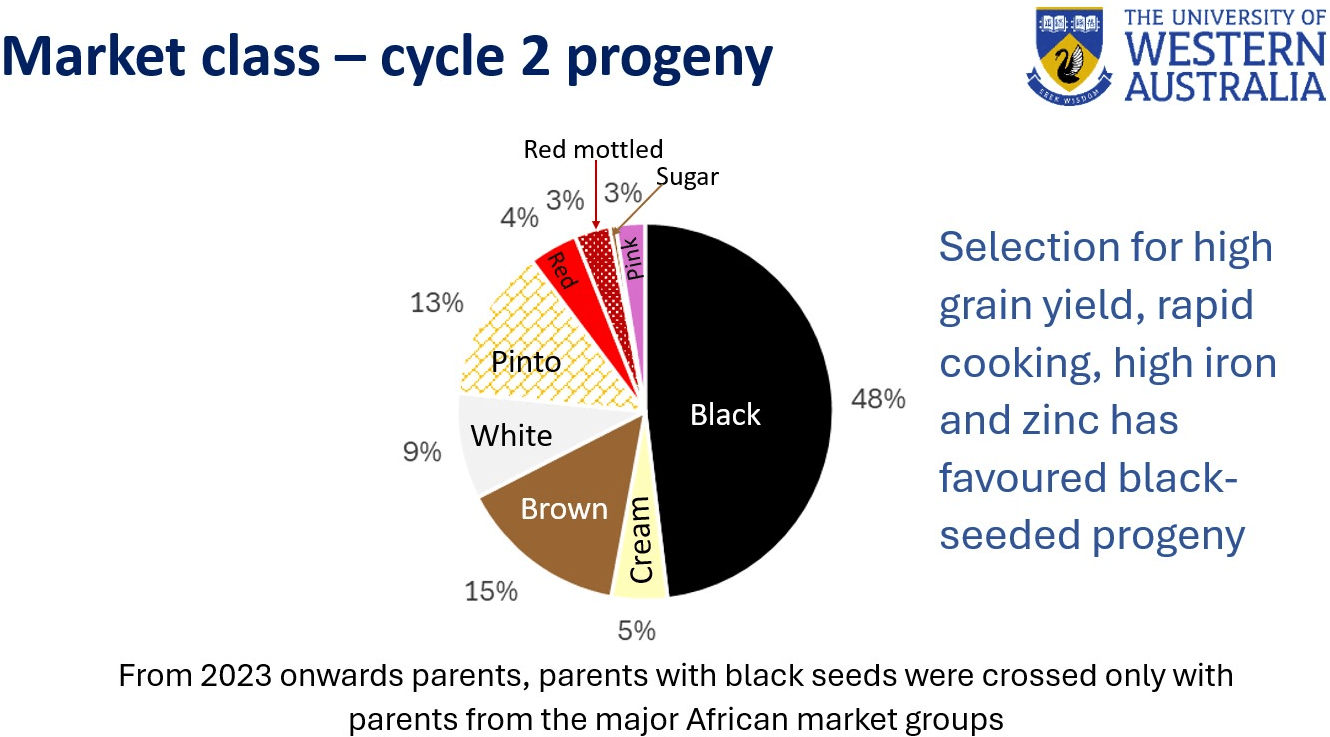
Figure 6: Market class in cycle 2 progenies
Positive remarks were received from the ACIAR representative Dr Vial Leigh who was very happy to see the products of the RCBP at the PVS stage and having potential for variety release in most countries. He noted the project’s success in making notable improvement in increasing the heritability and genetic gain of cooking time, and grain yield. He also noted the projects strength on skilling the next generation of plant breeders, and the projects great potential to contribute to climate change adaptation and mitigation by developing beans that require less energy for cooking. He highlighted the need to be mindful of priorities of each country an aspect that the Alliance is keen on too. He stressed the importance of working with committed partners to help the success of the project.
“A key priority moving forward is the development of large-seeded biofortified, rapid-cooking bean varieties tailored to the diverse market classes in the region. While complex, this goal is attainable through the BRIO system of plant breeding” added Professor Wallace Cowling. The project could be expanded as a model for bean breeding for all of Africa in collaboration with PABRA.
Figure 1 (Cover Image): Scientists from Alliance, PABRA, University of Western Australia (UWA), ACIAR and the Makerere University Regional Centre for Crop Improvement (MARCCI) at the Annual Meeting of the RCBP held from 5th - 9th May 2025 at Skyz Hotel, Kampala, Uganda