3SFI Project
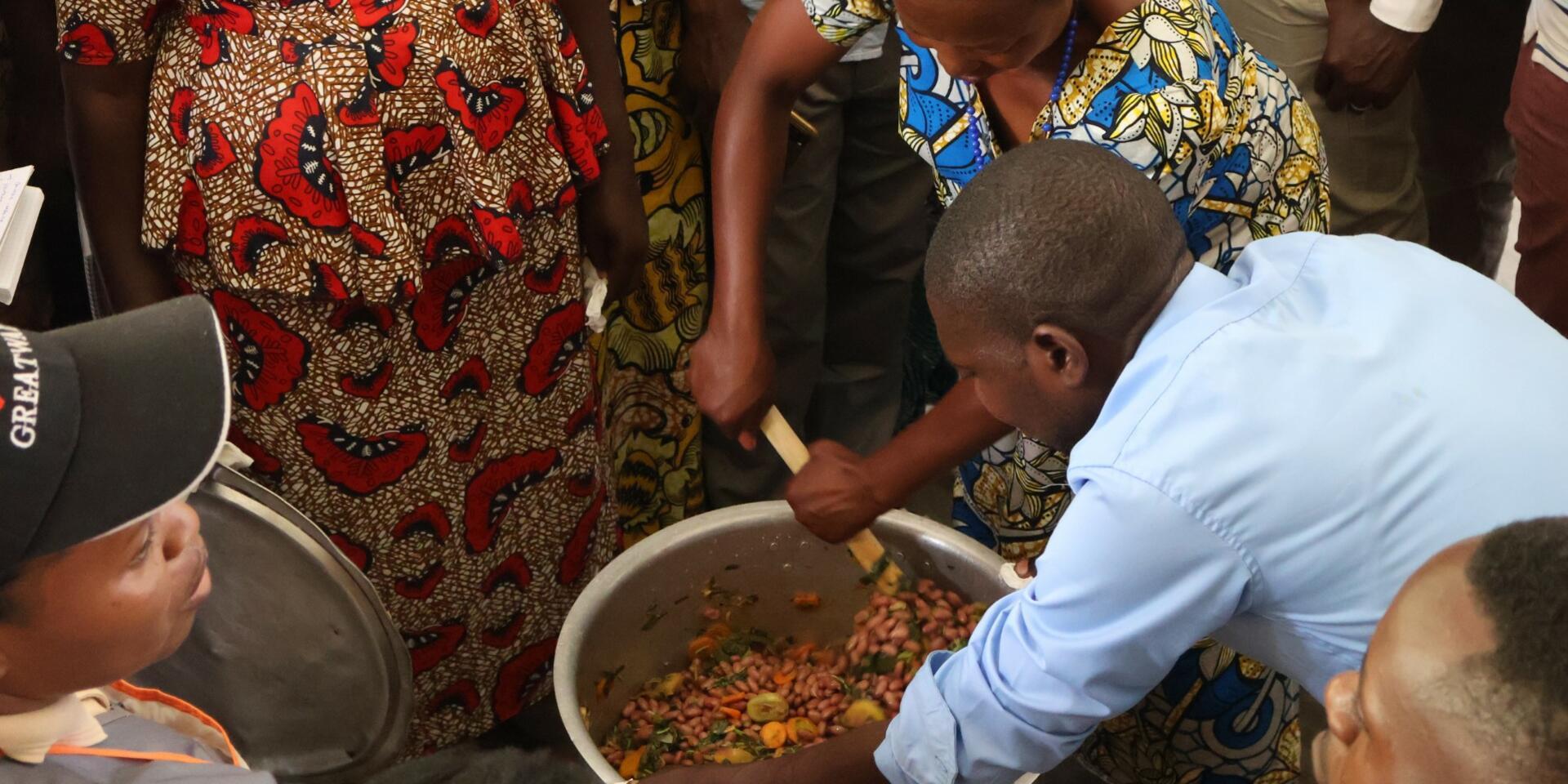
The Scaling Sustainable School Feeding Innovations (3SFI) project strengthens school feeding in Rwanda by combining agriculture, nutrition education, and community engagement to improve children’s diets and build resilient local food systems.
Project Name (full): Scaling Sustainable School Feeding Innovations in Rwanda (3SFI)
Start and end year: Dec 2025 - Nov 2026
Region and Countries: East Africa, Rwanda
Funder: Swiss Agency for Development and Cooperation (SDC) / Swiss Embassy in Rwanda
Partners: Ministry of Education of Rwanda (MINEDUC), Ministry of Agriculture and Animal Resources (MINAGRI), Ministry of Health, Rwanda Biomedical Centre, The National Child Development Agency (NCDA), East Africa Exchange (EAX), Rwanda Agriculture and Animal Resources Development Board (RAB), Karongi, Nyamasheke, Rusizi Districts under the Ministry of Local Government Schools, Schools’ community, seed companies, and farmer cooperatives near schools.
Brief description
The Scaling Sustainable School Feeding Innovations (3SFI) project, implemented by the Alliance of Bioversity International and CIAT through Pan-Africa Bean Research Alliance (PABRA), with support from the Swiss Agency for Development and Cooperation, aims to strengthen child nutrition and community resilience in Rwanda. Launched in November 2025, the project integrates High Iron Beans (HIBs) and vegetables into school feeding systems across 509 schools in Karongi, Nyamasheke, and Rusizi districts.
At its core, 3SFI seeks to enhance the national school feeding programme by linking agriculture, nutrition, and behaviour change communication. It promotes dietary diversity by increasing the production and consumption of nutrient-rich foods, while building practical skills through training in improved agronomic practices, nutrition education, and post-harvest handling. A distinctive feature of the project is its hands-on learning approach. Demonstration plots established in schools and surrounding communities serve as living classrooms where students, teachers, and farmers apply and adopt improved farming techniques.
In close collaboration with government partners such as the Rwanda Agriculture and Animal Resources Development Board (RAB) and district authorities, the project also strengthens local capacity to use available land productively. By connecting schools with surrounding communities, 3SFI ensures that improved school meals go hand in hand with broader food security, empowering households with skills, knowledge, and access to nutritious crops for sustainable livelihoods.
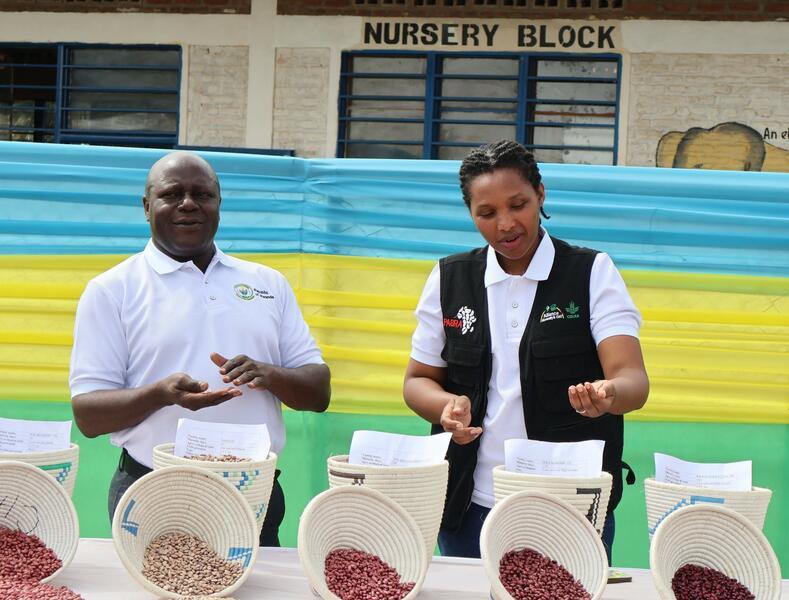
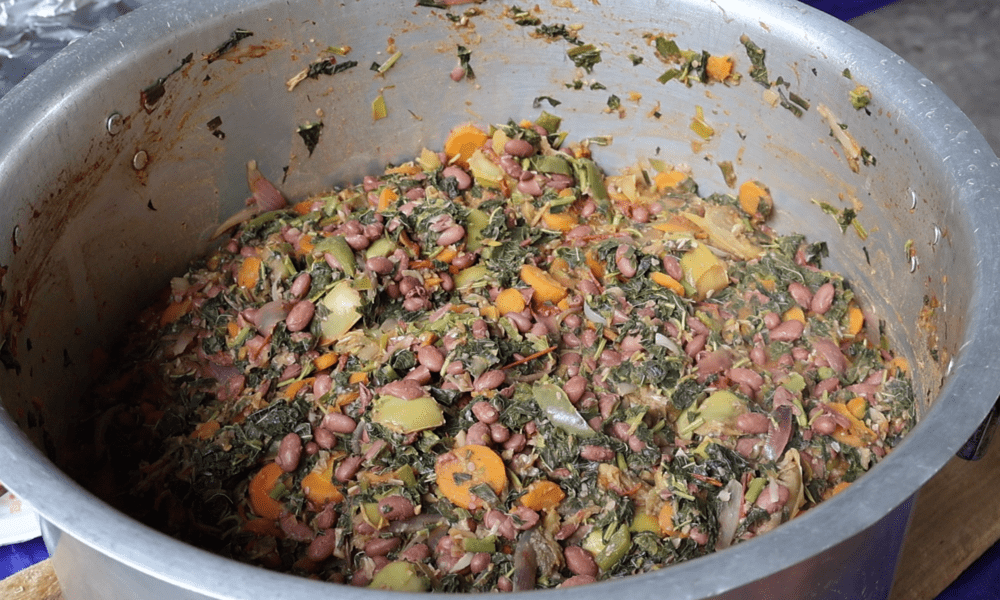
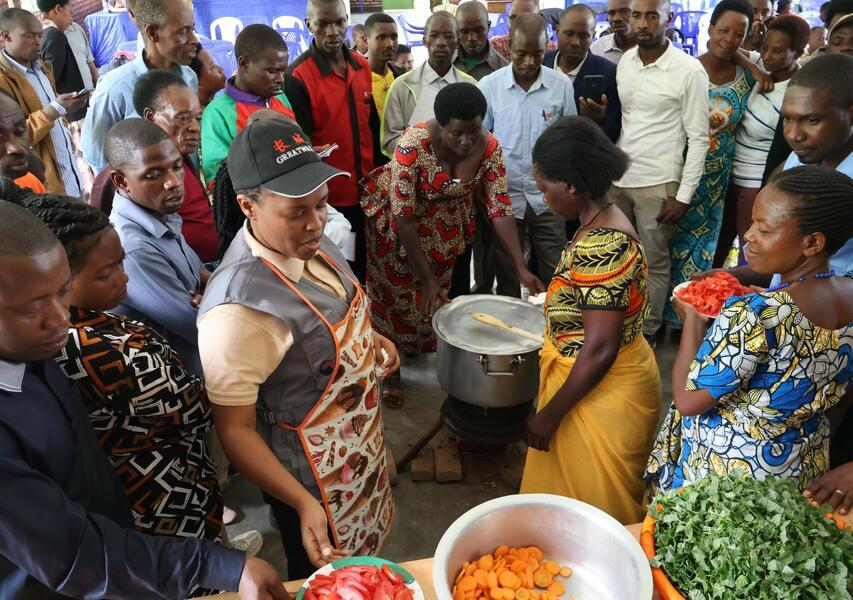
Key activities
The 3SFI project focuses on a set of practical and coordinated activities to improve nutrition and agricultural practices in schools and communities:
- Capacity Building and Training Training teachers, school staff, and community actors on agriculture, nutrition, and post-harvest practices, including Training of Trainers (ToT) to expand knowledge sharing.
- Agricultural Input Support and School Production Distribution of high-iron bean seeds, vegetable seeds, soil amendments, and farming equipment to support productive use of school land and improve crop yields.
- Establishment of Demonstration Plots and Practical Learning setting up school and community demonstration gardens to promote hands-on learning and adoption of improved farming and nutrition practices.
- Nutrition Education and Community Engagement Conducting cooking demonstrations, field days, exchange visits, and awareness activities to strengthen knowledge transfer between schools and communities.
- Monitoring, Communication, and Technical Support: carrying out regular field visits, providing technical backstopping, using communication platforms, and tracking progress to ensure effective implementation and sustainability.
Relevant blogs, stories, news coverage
Project leaders

Eliud Abucheli Birachi
Project Leader, Country Representative for Rwanda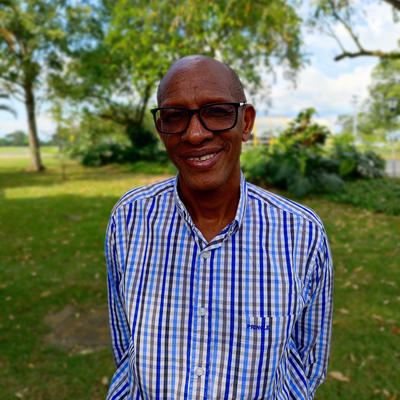
Jean Claude Rubyogo
Leader, Global Bean Program, and Director, Pan Africa Bean Research Alliance (PABRA)Project members

Yvonne Uwase Munyangeri
Senior Research Associate