Blog 90 seconds or 1 week for resilience?

New York Climate Week was full of discussions on nature-positive investment and agri-food innovation. But meanwhile in Colombia, communities are still reeling from the aftershock of the devastating August earthquake. If we want the next shock to look different, we must act- now- to put resilience at the core of our food and land systems.
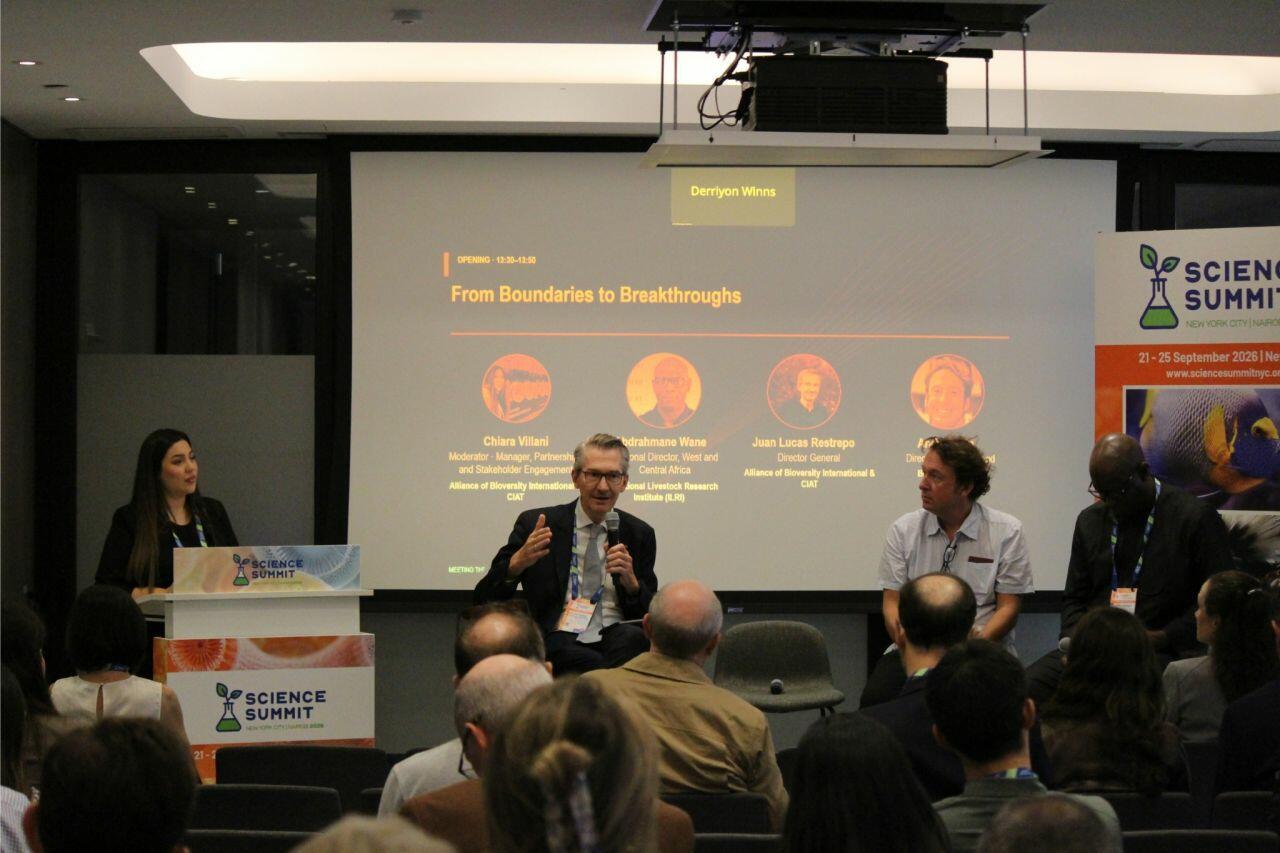
I sat in traffic leaving New York, reflecting on another Climate Week. Decisionmakers and investors came together to discuss “impact and action”. There was progress: the financial sector is looking beyond single dimensions like carbon, recognizing the need for “nature-positive” solutions.
But the week’s headway was not enough.
A month after the 7.4 magnitude earthquake struck my home country of Colombia, I was finally able to return to our Americas hub, where I was devastated to witness the after-effects of this disaster.
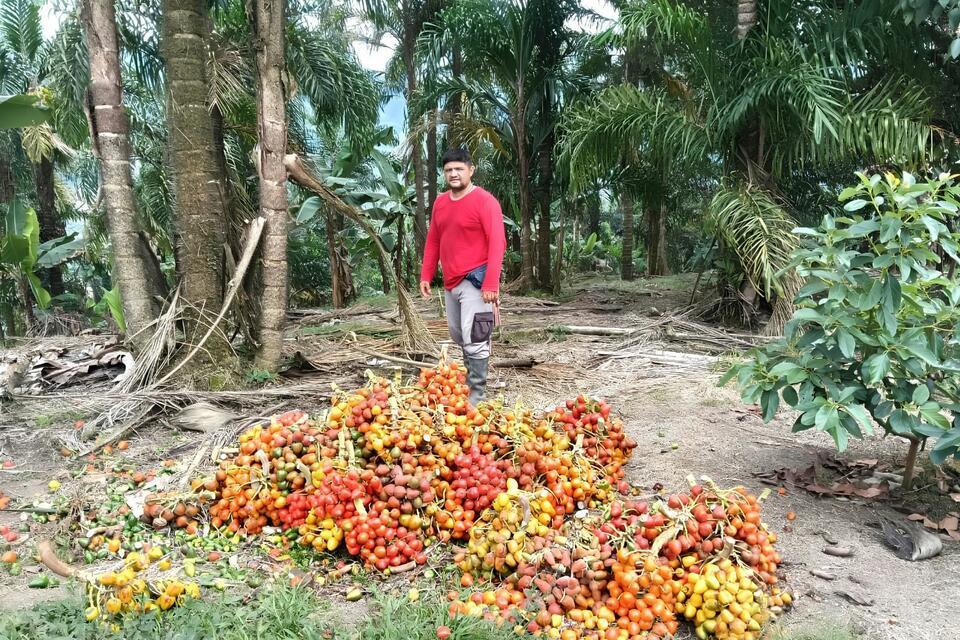
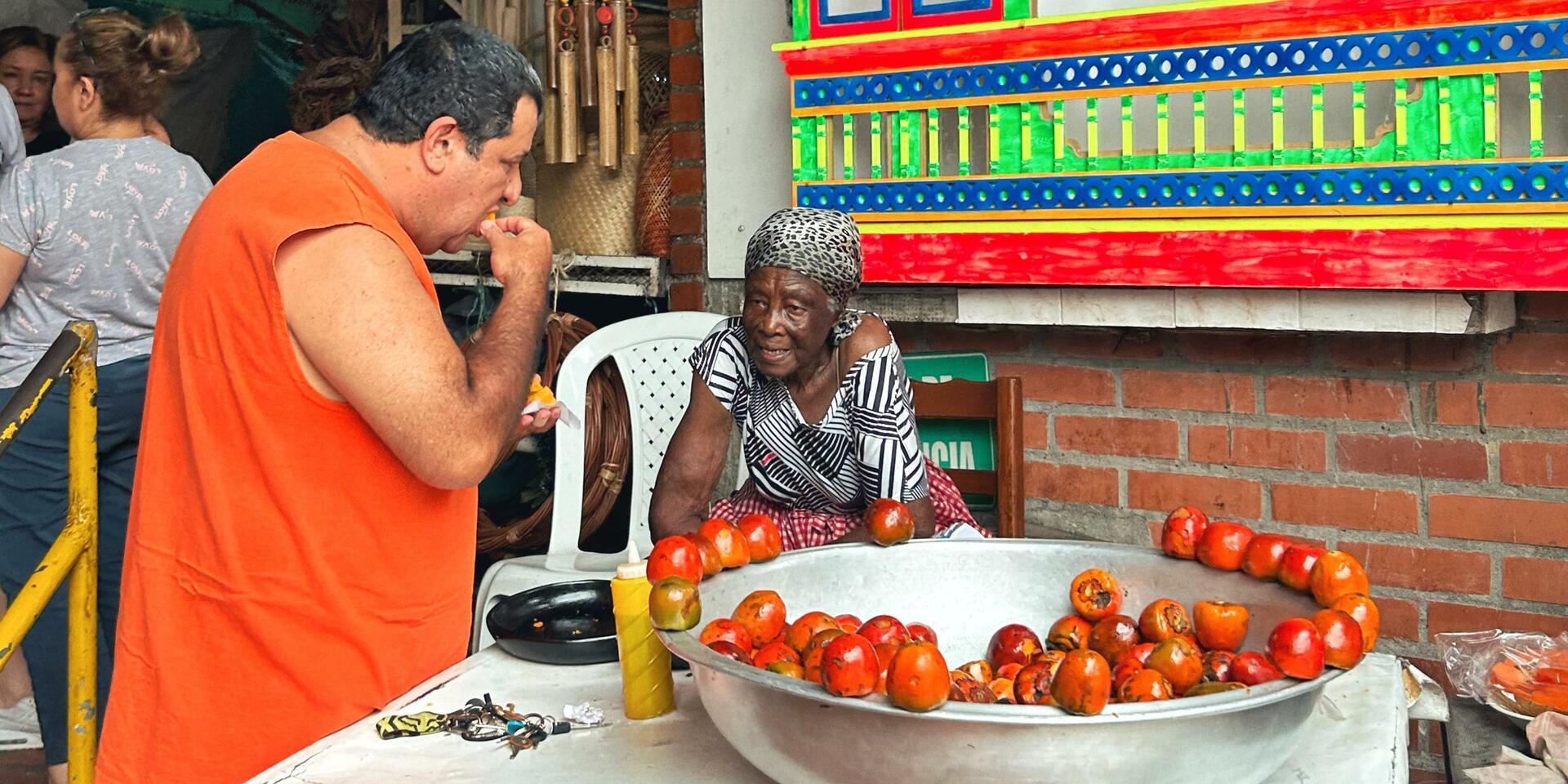
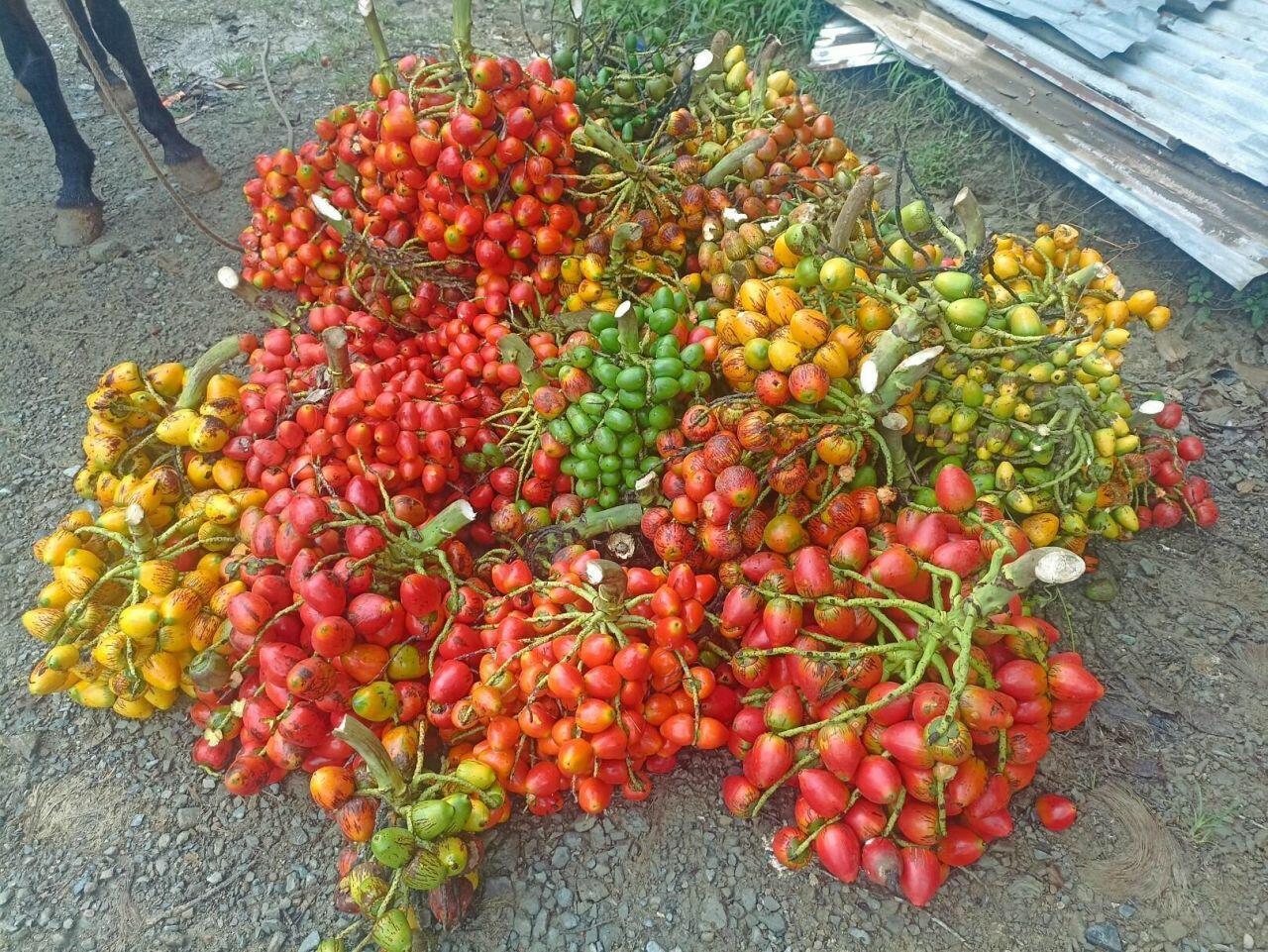
The earthquake upended Colombia in only 90 seconds. You’ve likely seen the images of collapsed buildings in urban areas. But also in rural areas, communities had to seek refuge and leave their farms. When the earthquake hit in San José del Palmar, the epicenter of the disaster, a farmer named Yimmy Zuluaga was harvesting peach-palm fruit, or chontaduro. The fruit- instantly recognizable to anybody who has visited Cali- has been an economic lifeline for more than 200 families in the area. Although the harvest survived, the earthquake slashed market demand. Prices fell dramatically: fruit that sold for the equivalent of USD 25 before the earthquake is now fetching barely USD 12.50. Smallholder farmers without the means to preserve their produce now face losing half their harvest to spoilage. In the months to come, Yimmy’s community will face difficult choices, buying food that is now both less accessible and less affordable.
We can break the cycle of shocks and recovery
I’ve been thinking about how we make sure the aftermath of the next shock looks different. New findings by our scientists this month, drawing on over a decade of data across dozens of countries, found that whether a shock becomes a food crisis is determined not by a country's wealth, or how often or severely it is struck. It depends on how much resilience capacity it has already built. Some of the world's most disaster-exposed countries show improving food security trends, because they prepared for shocks before they arrived. It’s critical that this preparedness happens at multiple levels:
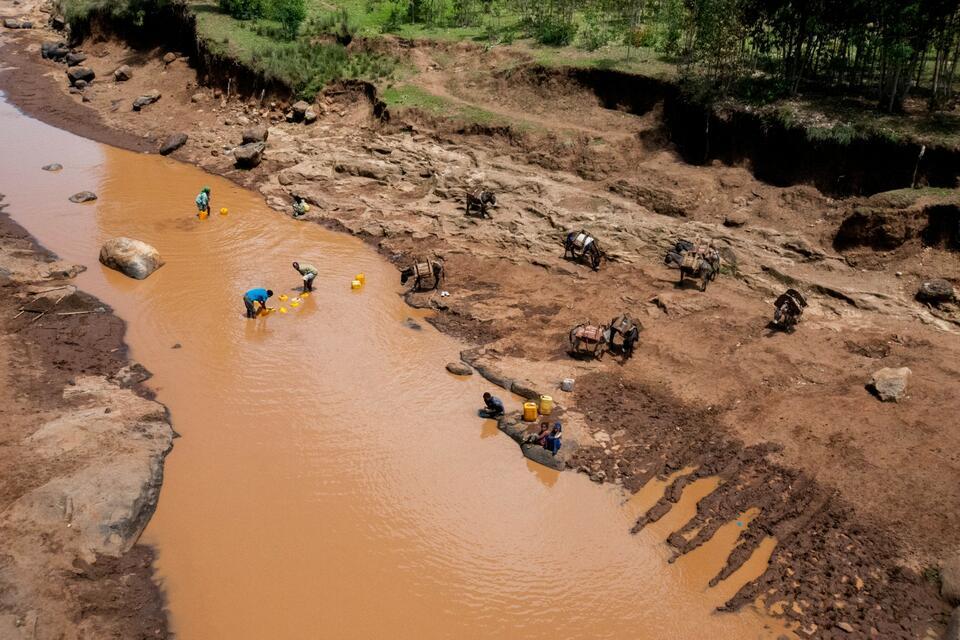
- Climate: Earlier this summer, Colombia’s government declared a year-long national disaster in anticipation of a forecast mega-drought expected between December and March, drawing directly on what the country learned from the severe El Niño of 2015–16. As this year’s super El Niño continues to send extreme weather across the globe (from alternating drought and floods in Africa to devastated rice and coffee in the Philippines), countries need to ensure that forecasts, advisories, and alerts reach vulnerable communities accurately and on time.
- Biodiversity: Countries’ ability to confidently feed their people and sustain their livelihoods- in other words, their food sovereignty- is not achieved through isolation from trade, nor through producing more of the same staple crops. At the Alliance, we have evidence crop diversity makes production durable: diverse varieties of beans, cassava, banana, and tropical forages create a safety net while boosting nutrition, food security, and livelihoods. In India, farmers marketing native grain varieties under their own brands now earn 30 to 35% higher prices than they would growing generic commodity crops.
- Supply chains: Better connecting farmers and markets can build economic stability and peace. For example, take the value chain behind chocolate. In conflict-affected parts of Colombia, farmers have turned around deforestation with cacao agroforestry in areas once defined by illicit crops. A similar bet is being made in Côte d'Ivoire, where we are part of a new initiative bringing together the chocolate sector and the Italian government to develop sustainable cacao supply chains, before conflict or collapse forces the issue.
We need nature for recovery. And nature needs us to act.
This fall has a packed calendar: engagements from Brussels Climate Week to the World Food Forum, UN Biodiversity COP17, and Climate COP31 will produce commitments, announcements, and headlines. The Alliance is showing up for the long-term consequences: genetic diversity held in trust before it's needed, and markets that can withstand the next earthquake or natural disaster. Here’s what we are advocating for:
- Governments: evidence-informed policy. Plan for shocks before they arrive. Our findings point to public capacity to anticipate and respond, diversity and redundancy in food systems rather than efficiency alone, and investment in household and community capabilities. Colombia's early El Niño declaration shows this is workable.
- Investors and funders: long-term investment. Nature-positive language is a start, but the adaptation finance gap stands at USD 194–366 billion a year, and smallholder farmers, who grow about a third of the world's food, receive under 1% of climate finance. Fund the research pipelines and market designs that reach them.
- Buyers and supply chain partners: optimize for fragility. Diversify sources, crops, and develop traceability that works for producers. Our work on cacao shows this is both possible and drives prosperity.