Blog How does an earthquake affect food systems and what does recovery take?

The August 10 earthquake in Colombia affected urban and rural communities across Chocó, Valle del Cauca, Risaralda, Caldas, and Quindío. As humanitarian efforts address the most urgent needs, an equally important phase is beginning: rebuilding economies and livelihoods. That means helping people, communities, and food systems recover, build new strengths, and keep functioning with tools that make them less vulnerable to future extreme events. From emergency to resilience. Part one.
“We’re rebuilding so we can move forward.” Yimmy Zuluaga, who grows chontaduro (peach palm fruit) in San José del Palmar in Colombia’s Chocó department, is talking about more than rebuilding the walls of his home that came down in the earthquake. He is talking about getting back to growing and selling his crop so he can keep making a living from the land.
This area, at the epicenter of the magnitude 7.4 earthquake, is still grappling with its aftermath. Yimmy’s chontaduro harvest is still there, as are those of all the other local growers. And that is precisely the problem.
The earthquake struck just as the main harvest was beginning. For more than a decade, this fruit has provided rural families in San José del Palmar with an important alternative source of income.
According to the public agricultural extension service (UMATA), more than 200 families who depend directly on this crop now have nowhere to send their fruit. Valle del Cauca and Colombia’s Coffee Region, the main markets for chontaduro, were also hit by the earthquake. With more pressing concerns in these cities, enjoying chontaduro with honey and salt has taken a back seat.
Demand has fallen, and so have prices. Only 40% to 50% of the harvest is expected to sell, pushing down what buyers are willing to pay. Before the earthquake, an arroba—a unit of weight used locally to sell the fruit, equivalent to about 11.5 kg—fetched COP 80,000 (US$25). Today, growers are getting just COP$ 40,000 (US$12.50).
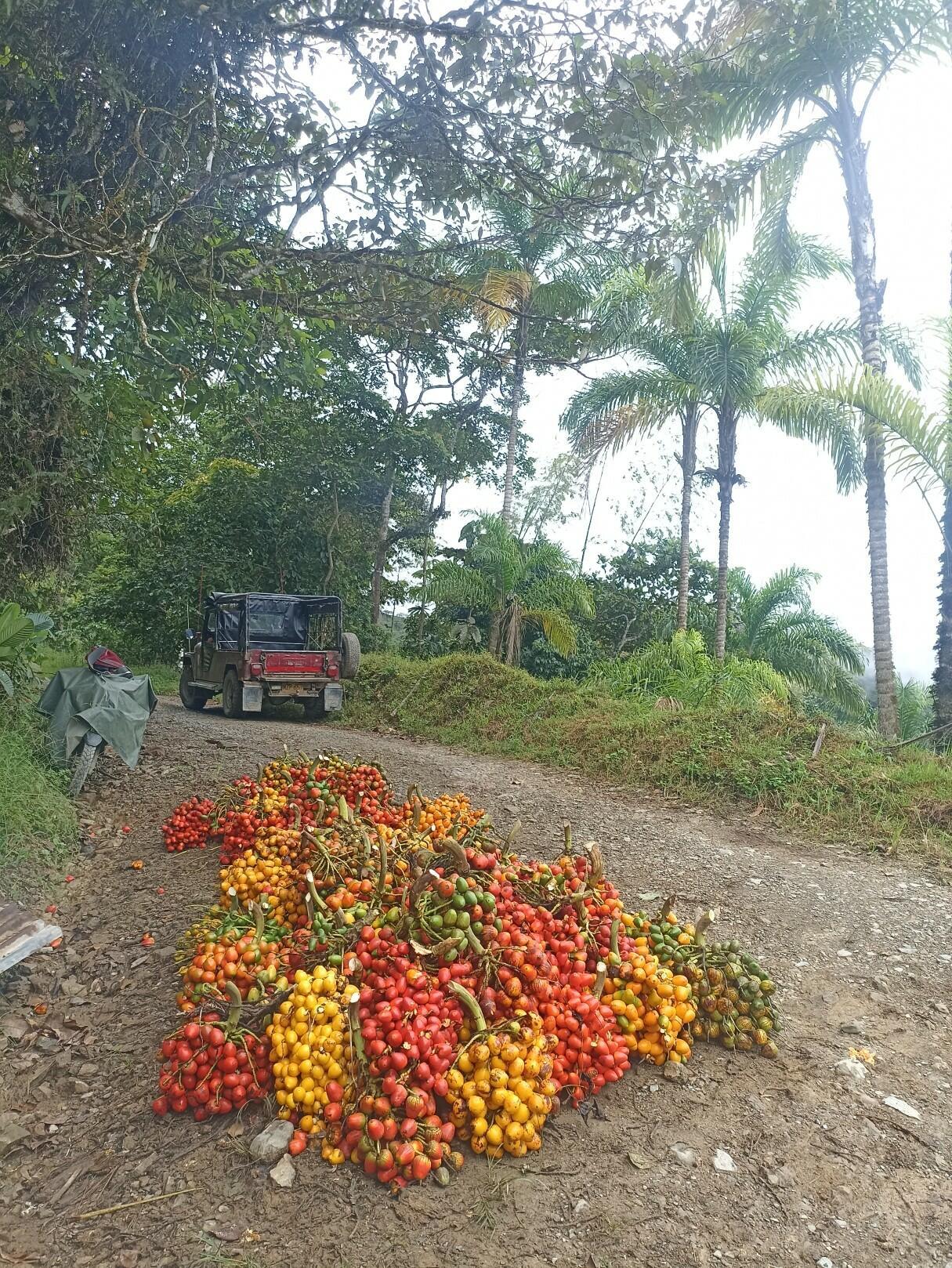
Chontaduro production in San José del Palmar continues after the earthquake, with a high risk of loss due to its perishable nature.
From farm to table—and back
Looking at a disaster through the lens of food systems means tracing the journey food takes and asking what happens at each step. A harvest may survive an earthquake and still leave growers facing losses, as the chontaduro example shows. When markets are disrupted, consumers’ priorities shift, or purchasing power in cities declines, the effects of a disaster travel from farm to table—and back again.
“An emergency—in this case, the earthquake—can lead to a redistribution of resources: attention shifts from communities that were already structurally vulnerable to others made vulnerable by the emergency. This can weaken support networks and the ability to respond to other challenges in agriculture,” says Andrés Charry, a researcher at the Alliance of Bioversity International and CIAT.
For the Alliance researcher Osana Bonilla-Findji, the situation in San José del Palmar highlights the importance of looking at what happens to the people who consume the food, in rural areas as well as cities.
After an emergency, families may find some foods harder to obtain or more expensive, either because they are in short supply or because they have to be brought in from farther away.
“After an extreme event, the factors that determine what families can eat change. Their options depend not only on what they can afford and what they prefer but also on whether they can travel to get food and have the means to prepare and store it,” Bonilla-Findji explains.
Andrés Camilo Charry
Senior Research Coordinator
Osana Bonilla-Findji
Senior ScientistIn Cali, where a healthy diet was already out of reach for many families before the earthquake, more than 43,000 families have reported being affected, according to the latest official report from the Santiago de Cali Mayor’s Office. Authorities have confirmed partial collapses in 491 buildings, and 492 people remain in temporary shelters. Their surroundings have changed, along with where they used to buy food, how long it takes to get there, and even whether they can afford it.
Just as what happens on a farm can affect what reaches—or fails to reach—the table, events in cities can also ripple back to the countryside, as they have for chontaduro growers in San José del Palmar. For these growers, low demand in their markets is an added blow on top of the earthquake itself: they lack the processing infrastructure that would allow them to turn unsold fruit into other products and preserve it for longer.
This reality raises a question that goes beyond repairing the damage: what does recovery really mean?
Yimmy talks about moving forward. More than a decade ago, chontaduro became an alternative to crops grown for illicit purposes. Families have since built knowledge, markets, and ways of life around this crop. Those capabilities need to be recognized and strengthened through new knowledge and innovation.
As Charry points out, restoring farmers’ ability to grow food is not enough unless they can also find a market for their crops. “Overproduction without clear demand could lead to further losses for families already hoping to recoup their investment.”
Understanding how the earthquake affected food systems is only the first step. Recovery brings new challenges: How can people make informed decisions about what may lie ahead? How can communities build on their existing strengths to develop solutions that make them better prepared for future risks?
Don’t miss Part Two of “From emergency to resilience,” in which we will explore how data, science, and local knowledge can help not only lessen the impacts of today’s crisis but also build more resilient agricultural and food systems.
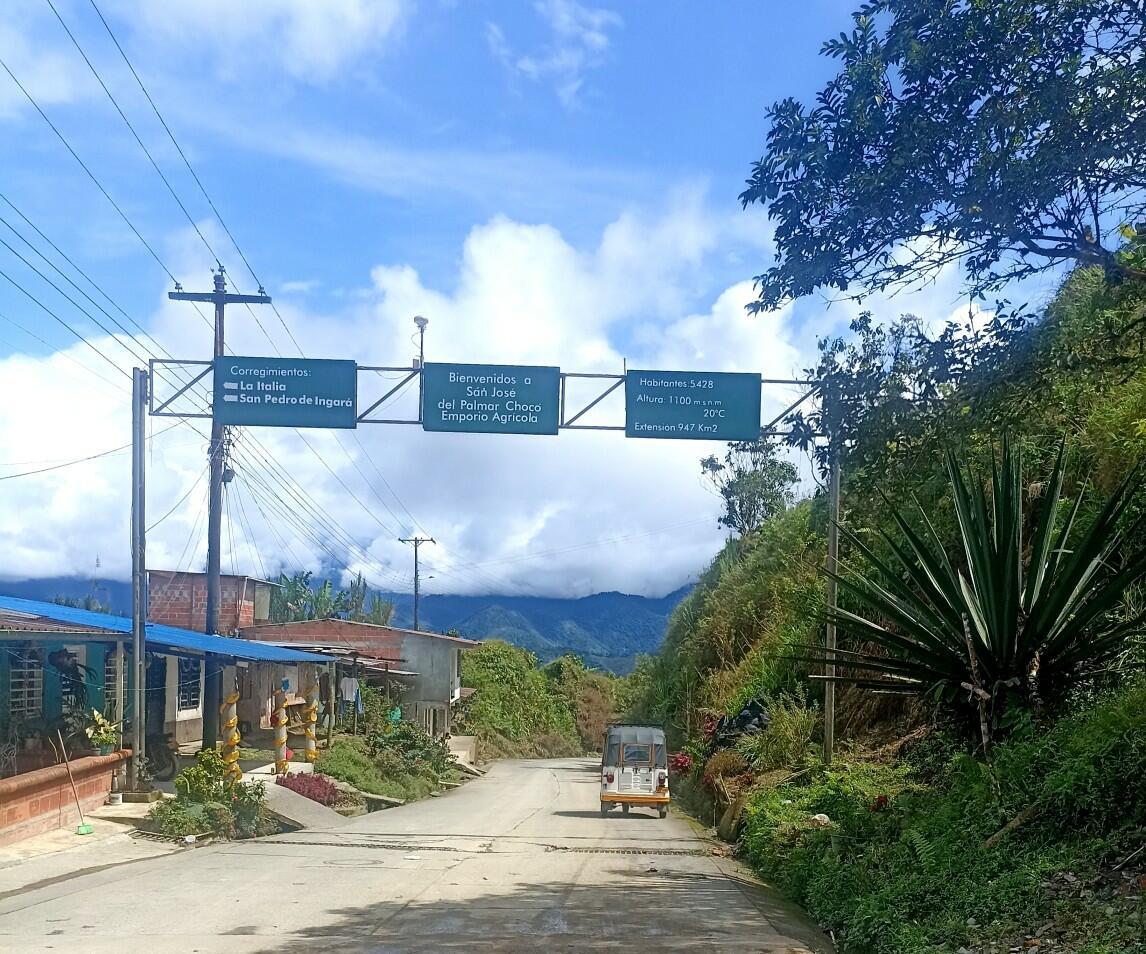
In southwestern Chocó, bordering Risaralda and Valle del Cauca, lies San José del Palmar, a municipality of approximately 5,100 inhabitants.
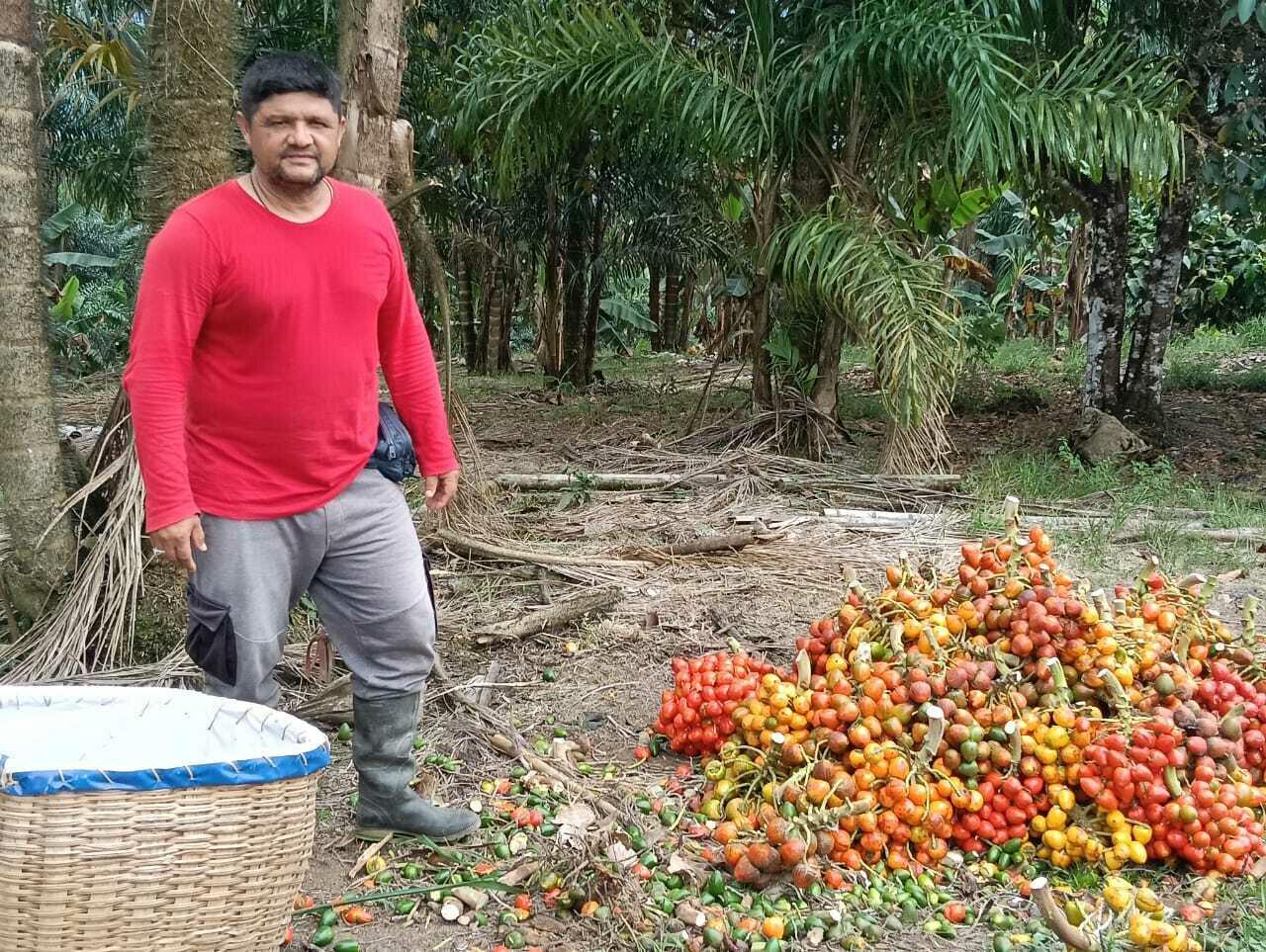
Yimmy Zuluaga, a chontaduro producer, requests support in finding new markets and buyers.
Identity, history, and the local economy
Chontaduro (Bactris gasipaes) is a palm native to tropical Latin America. Its fruit is usually eaten cooked, as a snack served with salt and honey, or processed into flour, pasta, or preserves. San José del Palmar is one of Colombia’s main producers, but its buyers are elsewhere. All the chontaduro produced there makes a three- to four-hour journey to Cartago, a distribution hub. There, it is cooked for distribution to Pereira, Armenia, Cali, and nearby cities, or shipped fresh to larger cities such as Medellín and Bogotá.
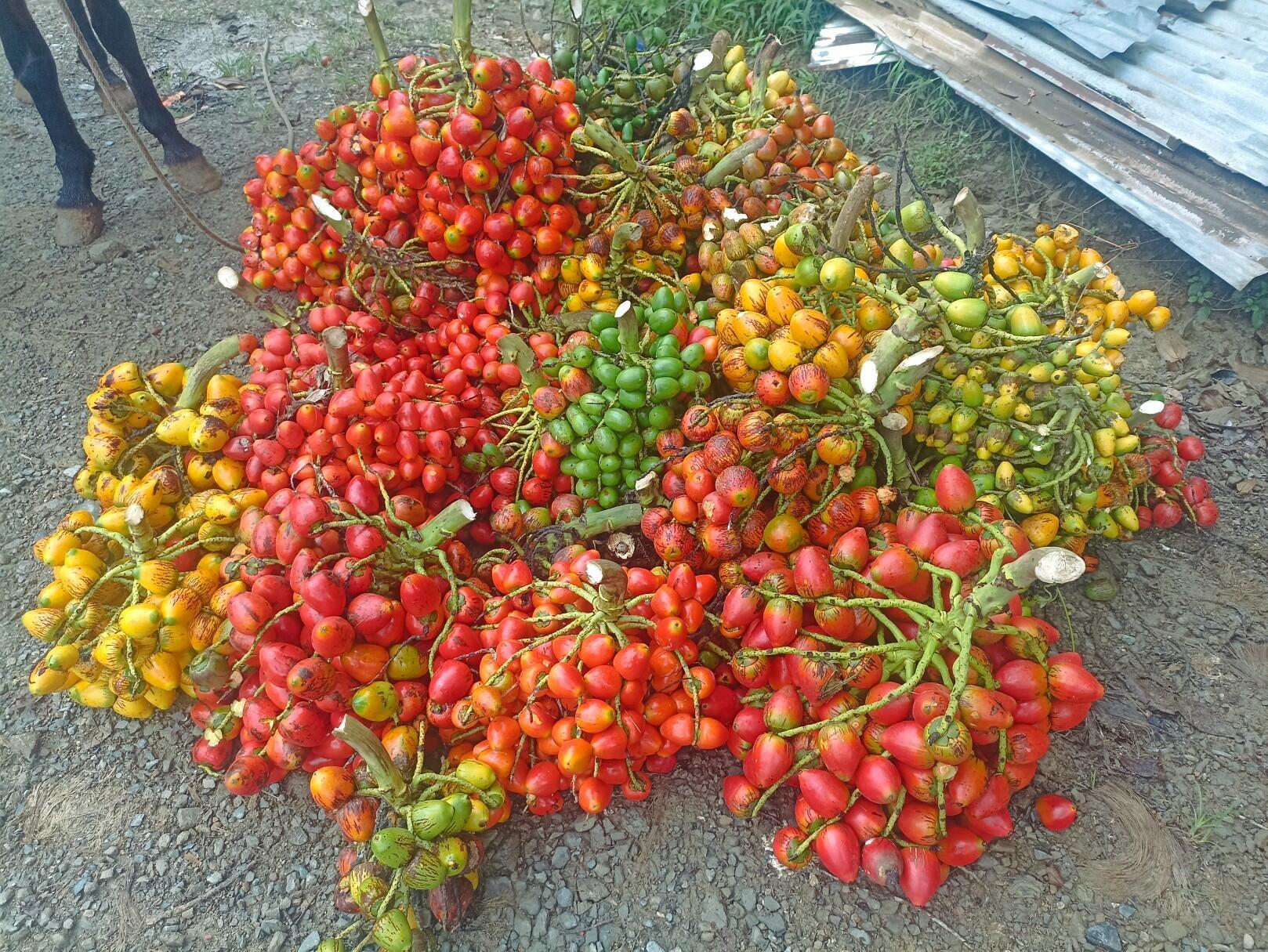
Chontaduro production in San José del Palmar.