Press and News A week inside the Alliance’s integrated approach to transforming global food and land systems
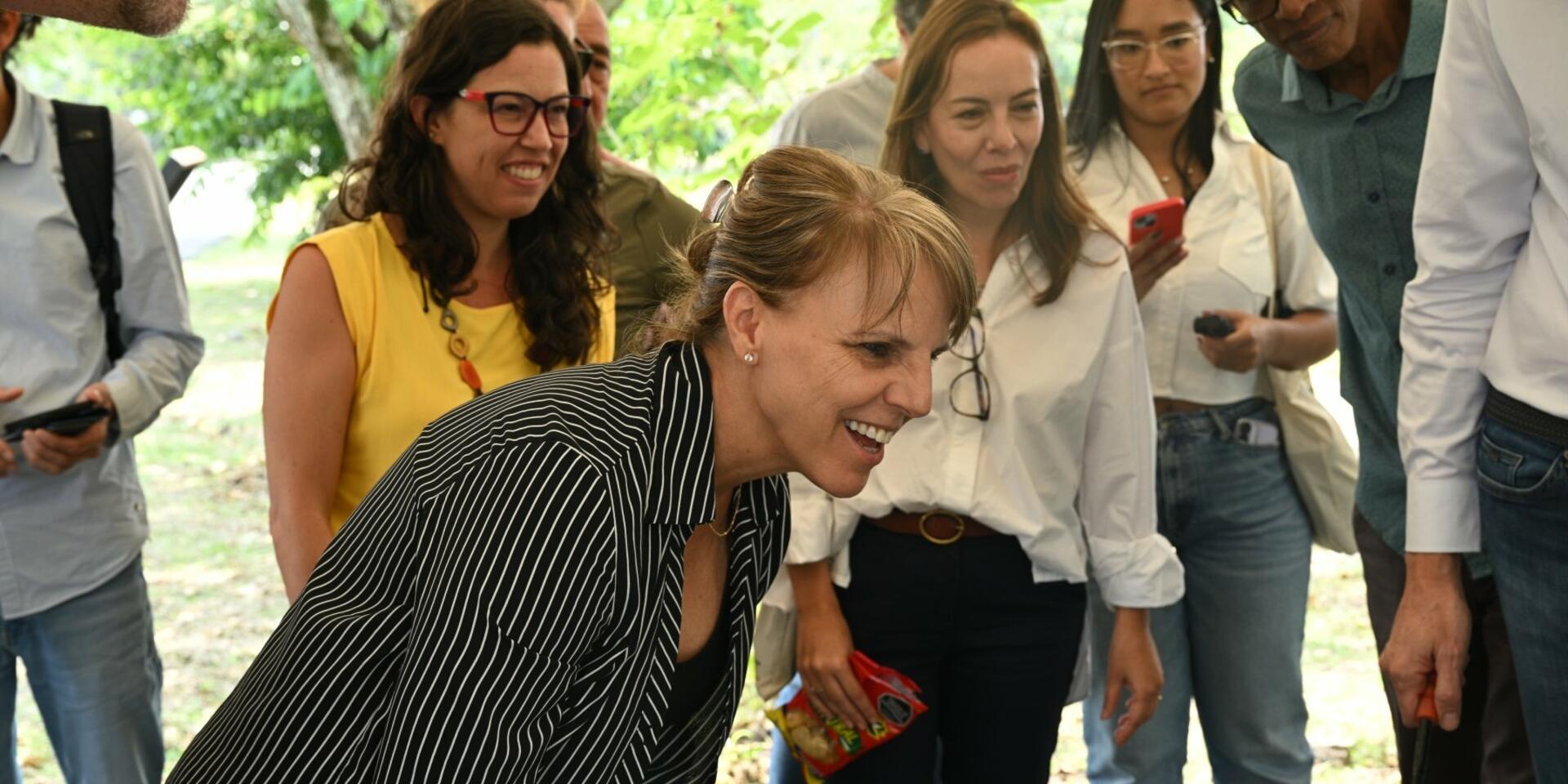

Sandra Milach, CGIAR’s Chief Scientist, visit to the Alliance showcased how integrated food and land systems—linking agrobiodiversity, climate action, landscapes, and inclusive innovation—drive scalable impact and build resilient, healthier food futures.
“The Alliance is not one actor among many, it is a strategic connector and integrator across science, practice, and policy,” says Sandra Milach, Chief Scientist for CGIAR. This is not a slogan. It is how the Alliance works.

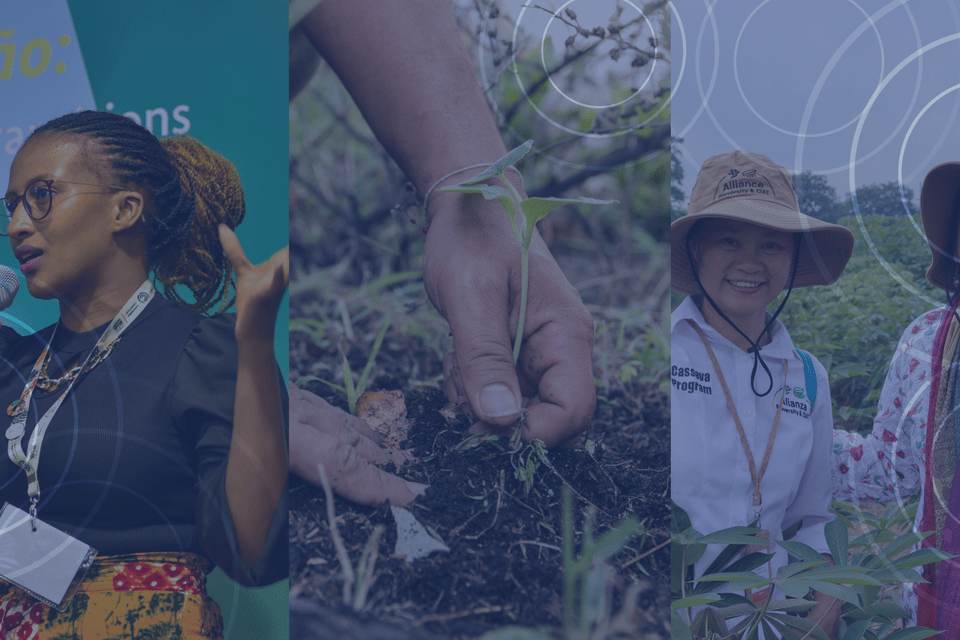
For one week at the Palmira campus of the Alliance of Bioversity International and CIAT, that system-integrator role was visible everywhere, from labs and genebanks to fields and farmer conversations. Sandra Milach, accompanied by Makram Geha, Director of CGIAR’s Breeding for Tomorrow Science Program, visited the campus to engage with the science behind the Alliance’s integrated food and land systems approach. The visit brought into sharp focus how impact is generated when research connects disciplines, scales, and people, and when food and land systems are addressed as a whole rather than in parts.
At the Alliance, integration means connecting climate-resilient agriculture, soils, and modelling with long-term work in crops and value chains that shape global diets and emissions (rice, beans, bananas, and forages). We work across systems from production right through to consumption. It means linking breeding, sustainable production, and landscape management into solutions designed to scale and adapt in the face of climate and other shocks.
As Milach observed,
“Taken together, what makes the Alliance unique is its ability to connect these strengths into an integrated approach to food systems transformation.”
This approach is already delivering results. Over the past five years, the Alliance has reached more than 10 million people and improved over 6 million hectares across farms and landscapes. That impact comes from science that is practical, connected, and grounded in local realities- working always to deliver public good. And now the Alliance is looking at the next five years, with a refreshed strategy that will drive urgent research for global impact until 2030.
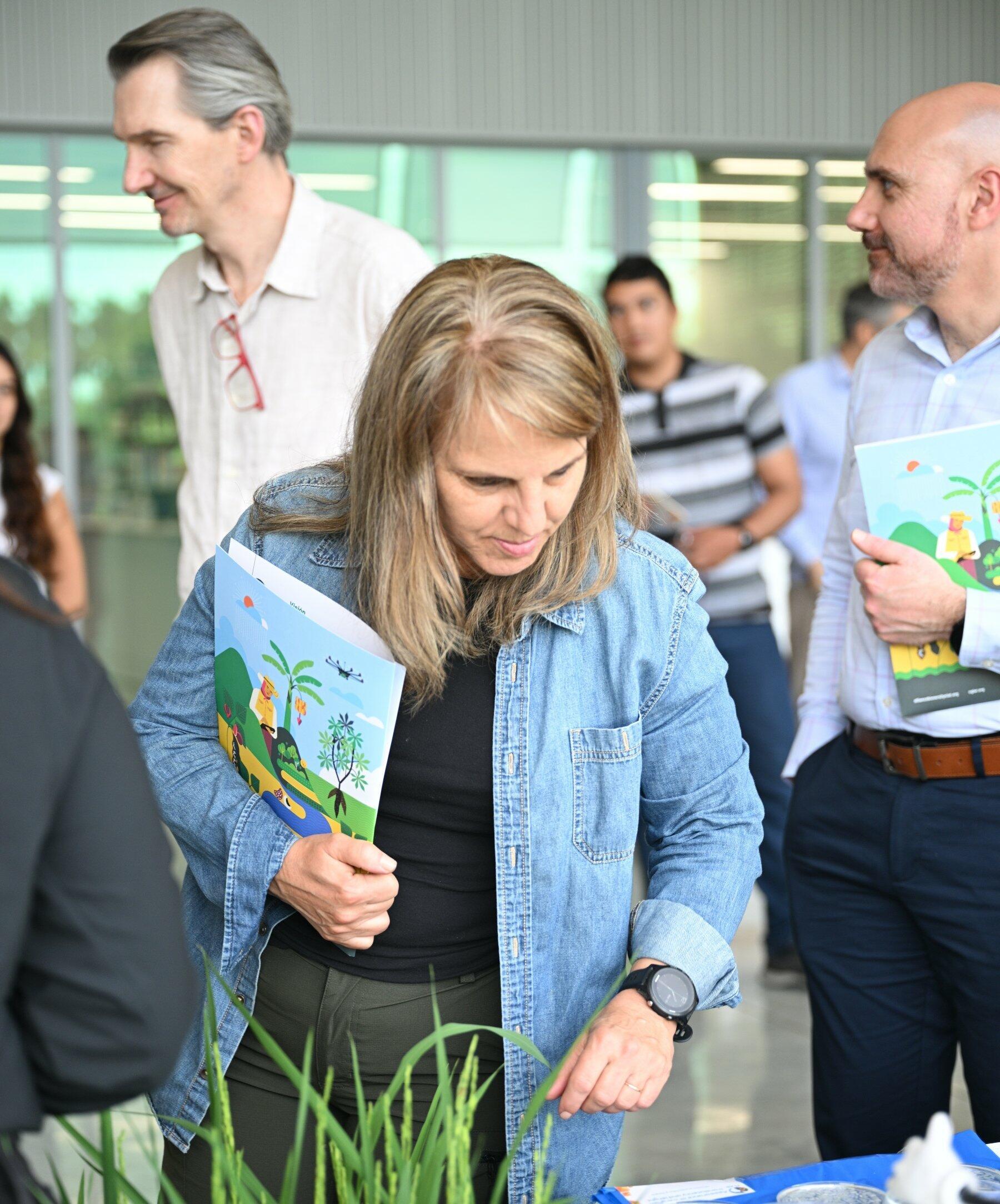
Throughout the week, conversations returned to a simple truth: productive landscapes, crop diversity, climate action, inclusion, and the food choices people make are inseparable. Addressing them one by one will not deliver lasting change.

Banking on agrobiodiversity
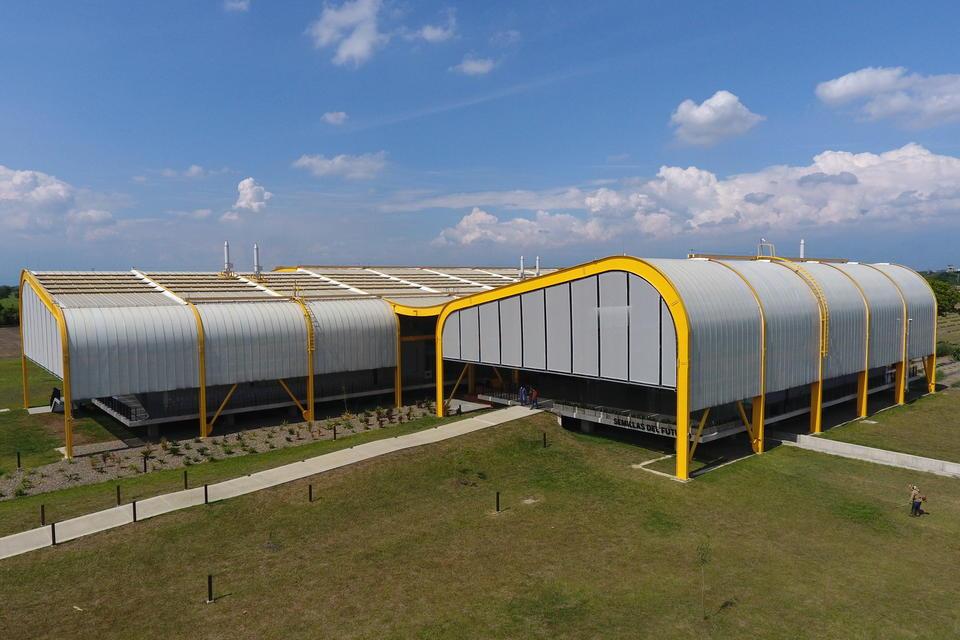
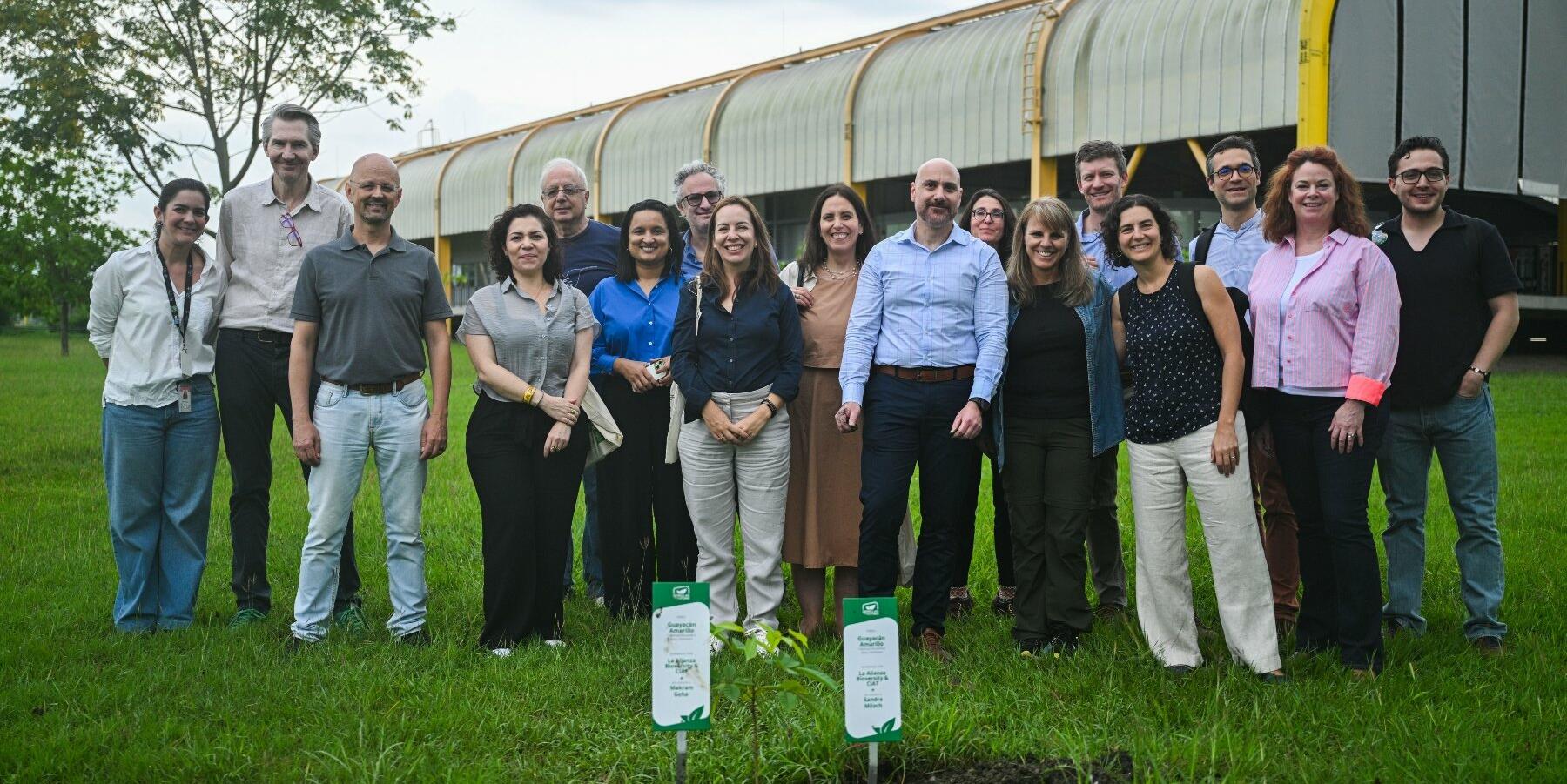
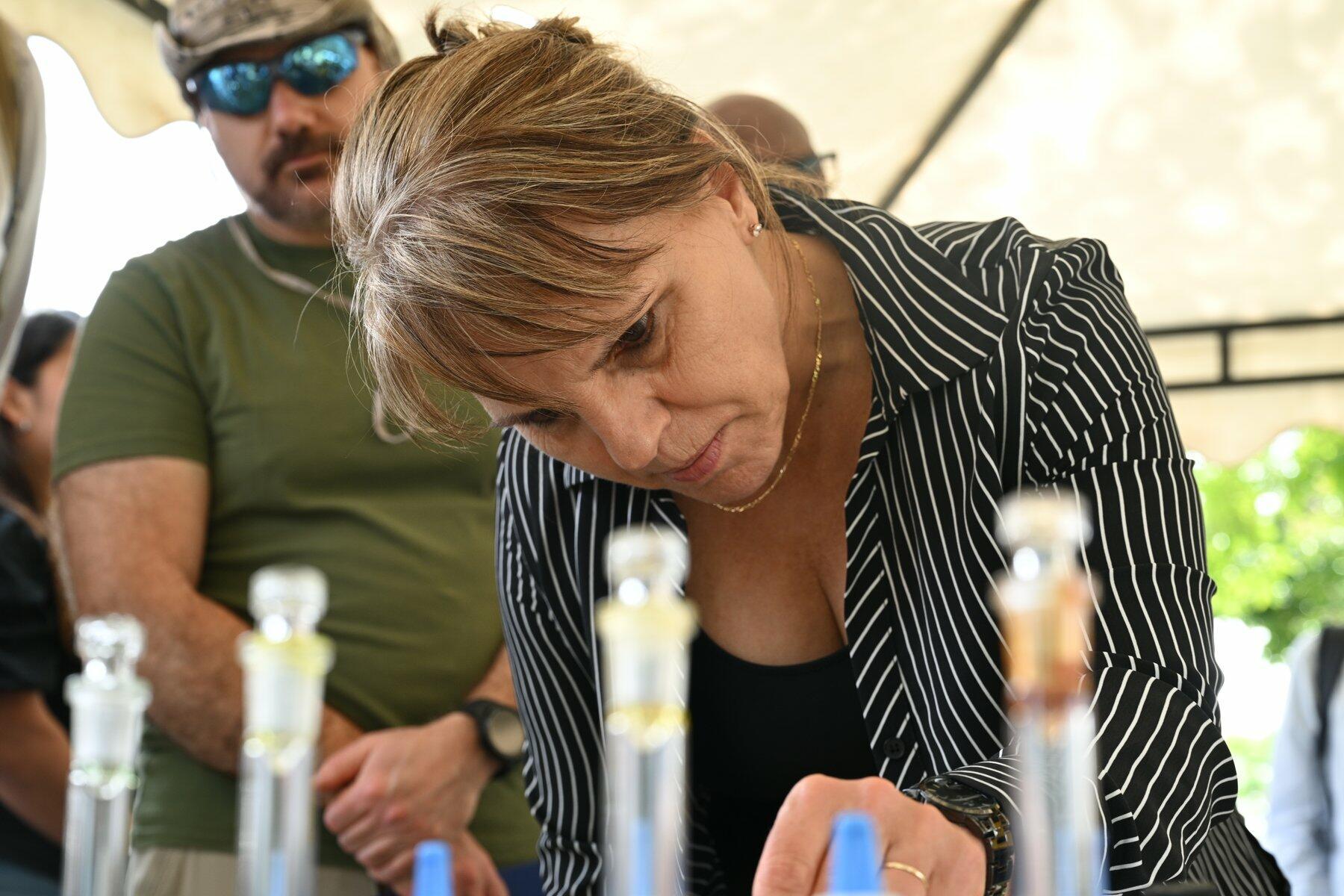
The week opened with agrobiodiversity at its core. Scientific exchanges, a visit to the Future Seeds genebank, and exhibitions from global crop programs underscored why diversity is the foundation of resilient food systems. Field visits then demonstrated how this science moves from research into farmers’ fields. For example, Future Seeds is conserving more than 67,000 accessions of beans, cassava, and tropical forages, held in trust for humanity and distributed all over the world. This diversity is not abstract — it contains the traits food systems will increasingly rely on to withstand heat, drought, pests, and accelerating climate change.
Making farms and landscapes thrive
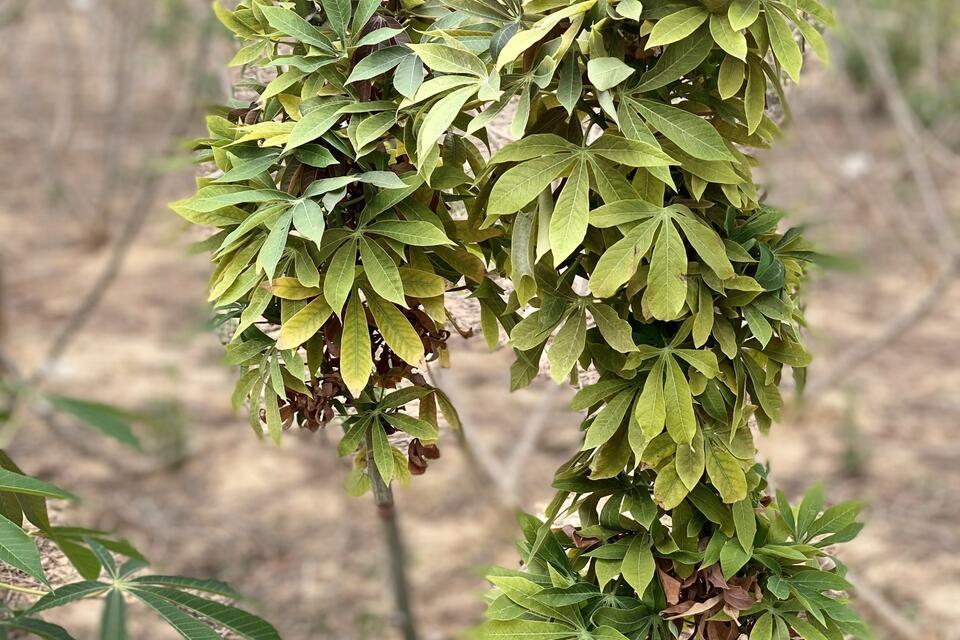
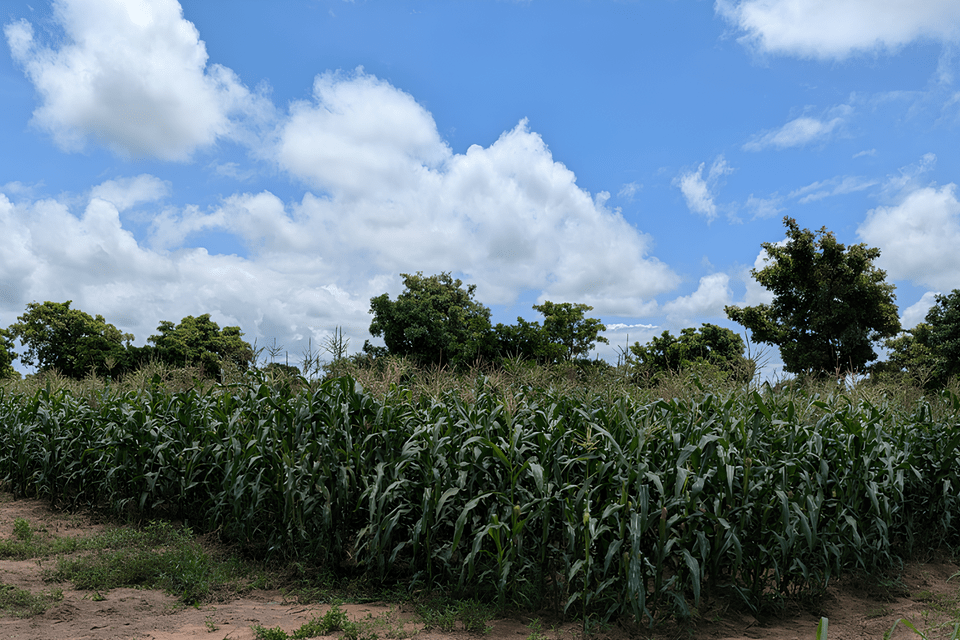
The focus soon expanded to whole farming systems and landscapes. Teams shared evidence-based approaches for combining crops, trees, and livestock to rebuild soils, improve productivity, and strengthen climate resilience. Research on tropical forages illustrated how farm-level innovation can support lower-emission livestock systems and contribute to global efforts to reduce methane emissions by at least 30% by 2030. Across Asia and Latin America, Alliance researchers are at the forefront of efforts to fight cassava witches’ broom disease, identifying the root causes and working with national research organizations to stop its spread.
Unlocking climate action
Climate action ran through every discussion. From climate-smart breeding and sustainable soil management to measurement, reporting, and verification systems, teams showed how farmers can manage risk, track emissions, and connect local action to global commitments, including access to climate finance, and delivering in some of the world’s most fragile contexts. For example, Kenya’s recent Climate Adaptation Plan has unlocked USD$1.025M to address climate and food security, thanks to collaborations between the Alliance and national partners.
Boosting Inclusion and Prosperity
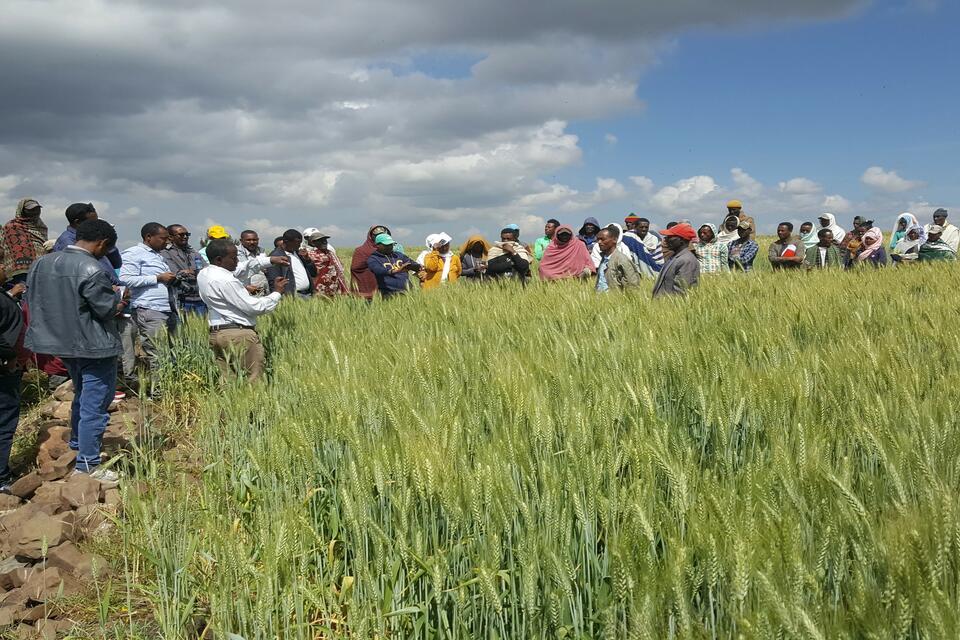
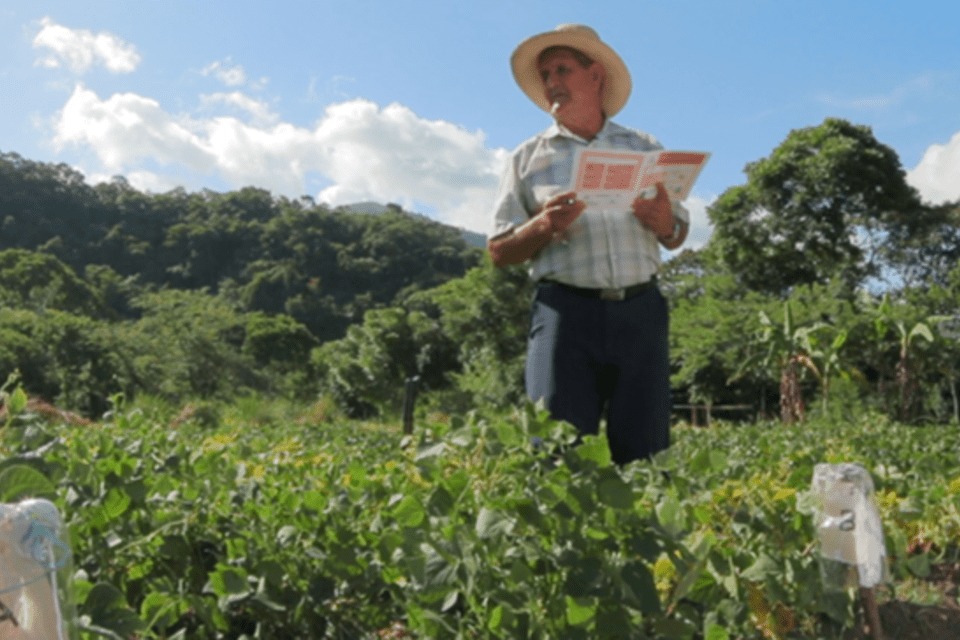
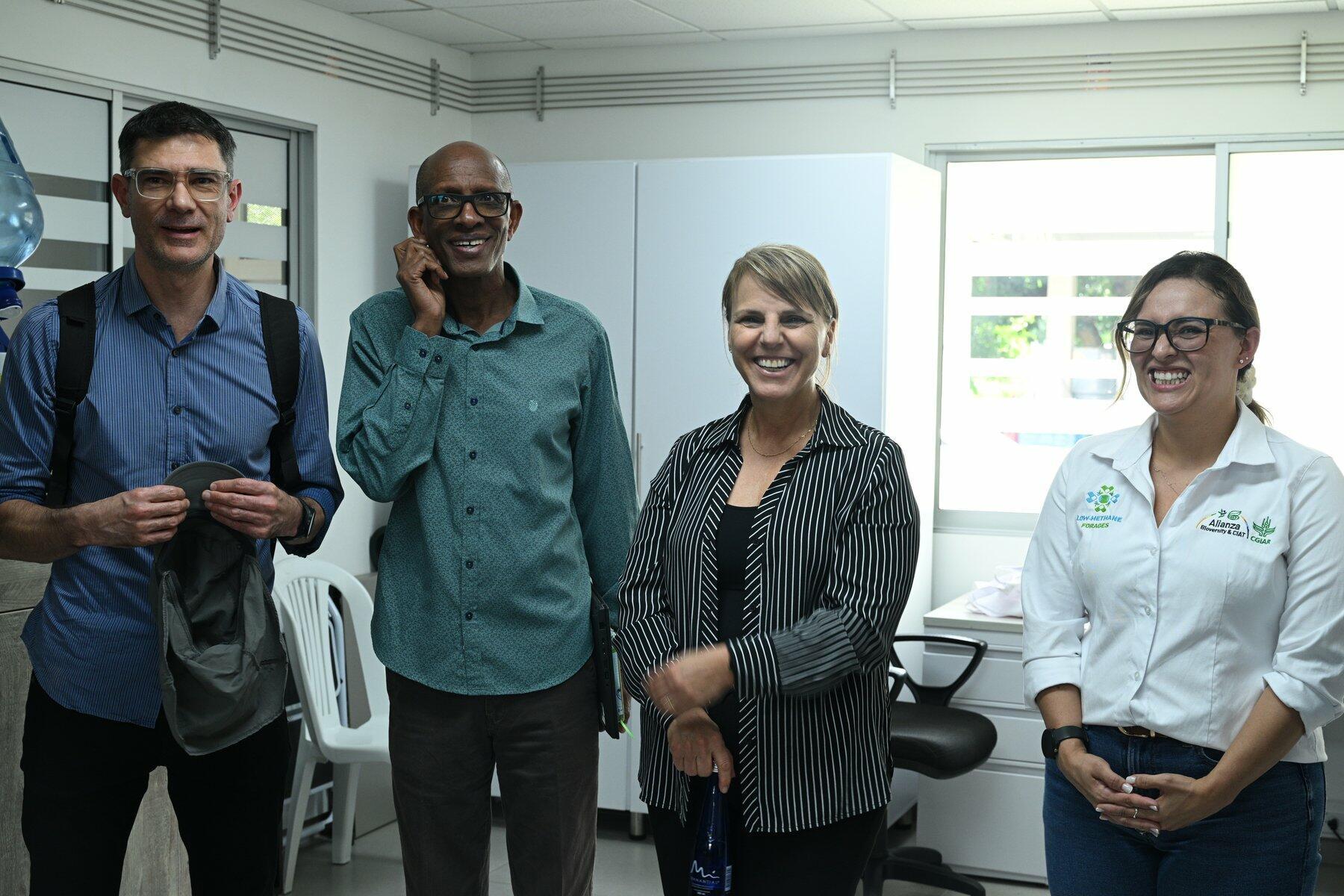
Digital innovation brought another message into sharp focus: inclusion does not happen by default. Collaborative approaches such as tricot (where farmers trial and validate new technologies directly in the field) are shifting who participates in research, enabling farmers to contribute insights directly from their own fields. Digital agricultural and climate advisory services are strengthening decision-making across nine countries and more than ten crops in Latin America, delivering site-specific recommendations with measurable results. Data‑driven recommendations are transforming outcomes in tangible ways—such as up to 38% increases in wheat yields in Ethiopia thanks to site‑specific digital tools.
Across these tools, one principle stands firm: technology must adapt to people, not the other way around. Human-centered design is helping ensure that women, youth, and Indigenous communities are not left behind, while food system profiles and gender-responsive biodiversity strategies are shaping more equitable outcomes at scale.
Enabling Healthy Food Choices
The visit also reinforced what ultimately matters. Food and land systems are not just about production. They are about people, diets, and choices. Through initiatives such as the Periodic Table of Food Initiative (PTFI), the Alliance is connecting diversified farming and multifunctional landscape systems to healthier food environments and better nutrition. Meanwhile, climate-smart, nutritious beans bred by the Alliance have been taken up by 2.7M people.
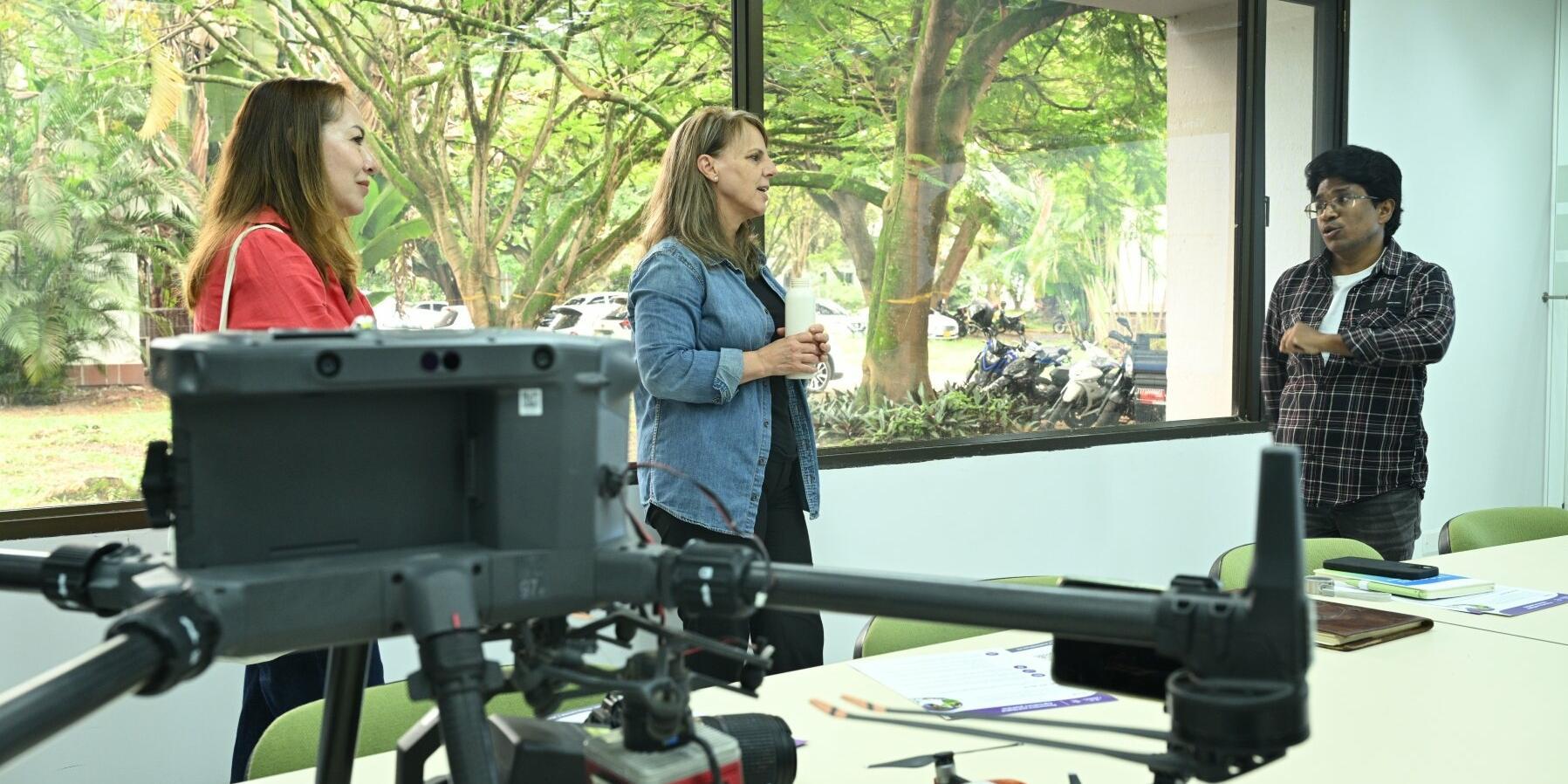
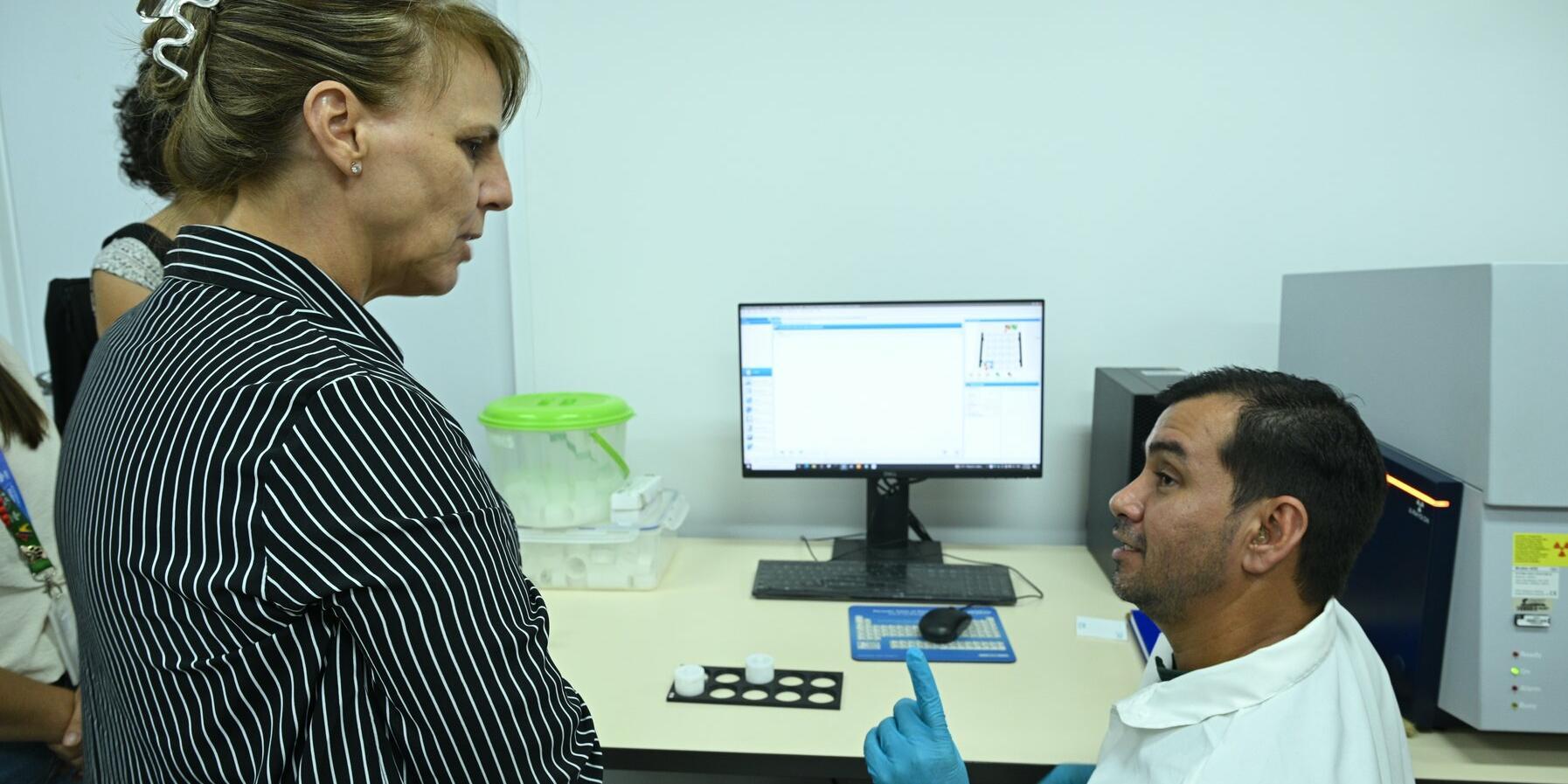
Reflecting on the week, Milach highlighted what stood out most:
“What gives me hope is the Alliance’s clear focus on solving big problems and tackling the bottlenecks that make food systems transformation so difficult.”
Throughout their time at Palmira, Sandra Milach and Makram Geha engaged directly with scientists and partners, reflecting on how this integrated approach strengthens CGIAR’s mission. As the Alliance we connect the dots across the whole CGIAR system, promoting cohesive, integrated solutions, not isolated or disciplinary-limited interventions. We bring urgent science, practice, and policy together to build food and land systems that can withstand shocks and deliver impact where it matters most. This is the goal we set for the next five years.

Keep exploring