From the Field Building a digital agronomy and soil hub for Ghana
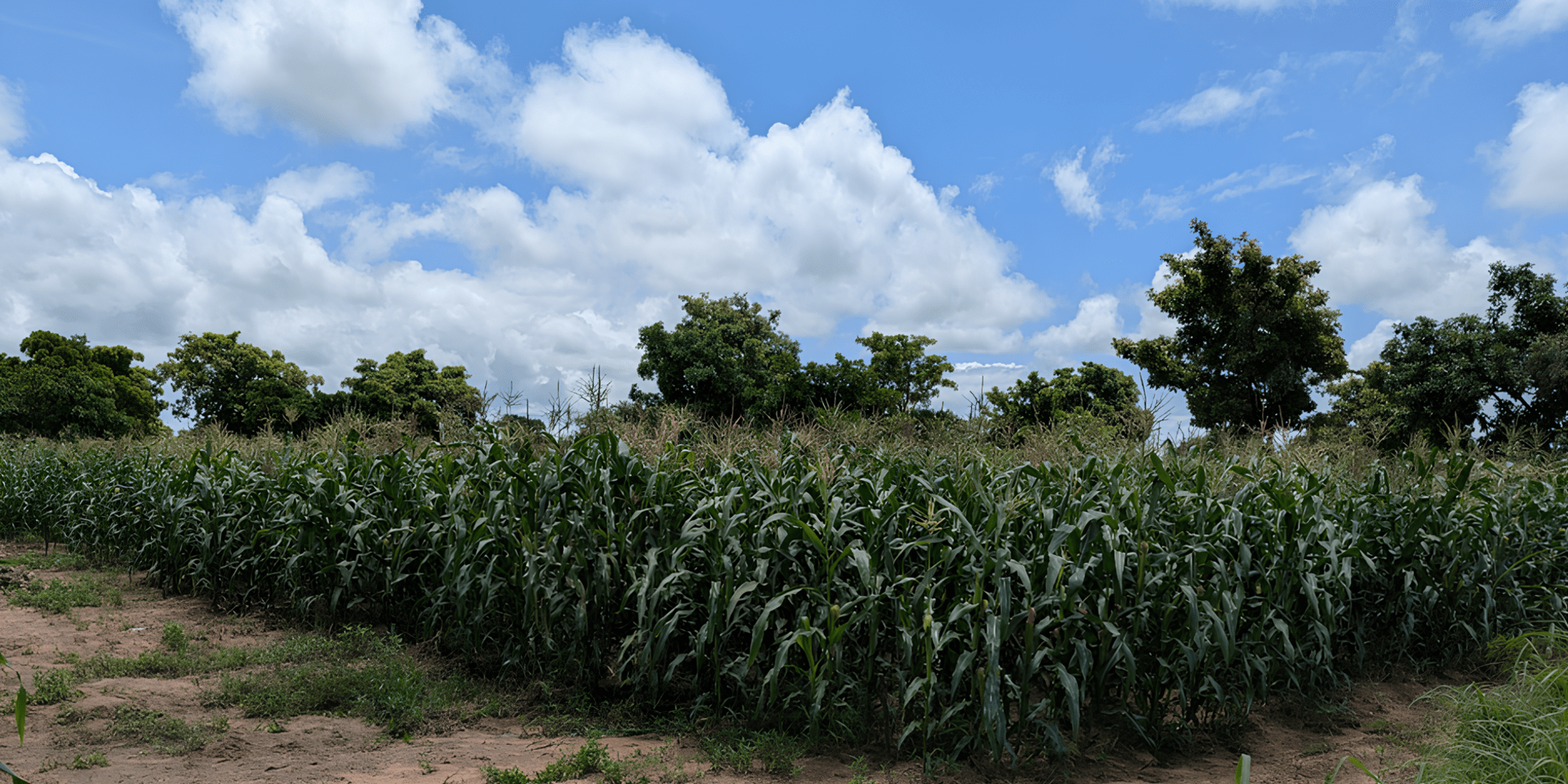

In Ghana, the Alliance of Bioversity International and CIAT is working with national and international partners to build a digital agronomy and soil hub to replace blanket fertilizer advice with data-driven, location-specific recommendations for farmers.
Ghana’s farmers are working harder than ever. Yet, hard work alone is not enough: Smart work matters too. In agriculture, smart work begins with healthy soils. Unfortunately, many soils across the country have become increasingly nutrient-poor due to years of continuous cropping with little or no fertilizer use, the removal of crop residues by roaming livestock, and the persistent practice of bush burning. Over time, these pressures have steadily depleted soil fertility, making it increasingly difficult for farmers to achieve the yields they aspire to. If Ghana is to strengthen its food systems and sustainably support its farming communities, restoring soil health must be at the center of the solution.
National average fertilizer use remains low, at about 36 kg per hectare. This is far below the levels required to replace nutrients removed during cropping and has resulted in widespread nutrient depletion and declining soil fertility. While many farmers do use fertilizers, they often do not apply them in the most effective way. This is not due to a lack of effort, but rather limited access to the technical knowledge needed to tailor fertilizer use to the specific conditions of their fields. For decades, fertilizer recommendations have largely been blanket guidelines that assume uniform conditions, despite the clear variation in soils, climate, and cropping systems across Ghana.
As a result, fertilizers are frequently applied in amounts that are either too much or too little. Overapplication wastes resources and can harm the environment, while underapplication constrains yields and limits farmers’ production potential. Together, these inefficiencies contribute to higher production costs, reduced productivity, and environmental degradation.
What Ghana needs is a shift toward fertilizer recommendations that reflect realities on the ground. These recommendations must be location-specific and grounded in robust local data. With more precise guidance, farmers can improve yields sustainably, reduce waste, and make better use of their limited resources. Data-driven and context-specific fertilizer advice is therefore not just beneficial, but essential for the future of agriculture in Ghana.
The Alliance of Bioversity International and CIAT is working closely with CGIAR centers including IITA, as well as the Council for Scientific and Industrial Research (CSIR), the Ministry of Food and Agriculture (MoFA), the International Fertilizer Development Center (IFDC), and other partners to transform how fertilizer advice is delivered in Ghana. Together, these institutions are moving away from one-size-fits-all guidelines toward recommendations tailored to specific locations and crops. This collaborative effort is laying the foundation for smarter, more precise and more sustainable nutrient management nationwide.
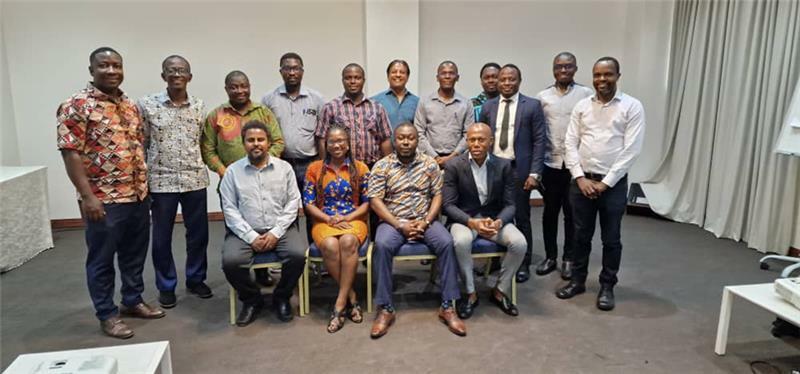
Meeting between partners on data sharing and digitization
At the core of this transformation is the development of a digital agronomy and soil database designed to generate crop-specific fertilizer recommendations for farmers across Ghana. The database integrates diverse data sources including published literature, field experiments, on-farm demonstrations, legacy soil datasets, and crop and soil survey information. This data collation effort marks a significant step toward modernizing Ghana’s agroadvisory services by equipping farmers and extension officers with location-specific guidance. It sets the stage for a future in which data-driven agriculture becomes the norm, empowering farmers to thrive in a rapidly changing agricultural landscape.
To date, approximately 2,600 data points for maize have been digitized, with plans to expand the database to include additional crops. Using the AgWise workflow, preliminary fertilizer recommendations have been generated by combining soil, climate, crop and spatial data to produce localized guidance.
Current recommendations are district-based and are being tested through trials and demonstrations in collaboration with farmers, MoFA, and CSIR. Early results are promising and demonstrate the effectiveness of site-specific fertilizer management compared to blanket recommendations.
To further enhance the accuracy and reliability of these recommendations, partnerships with key stakeholders, including MoFA, CSIR and IFDC, will continue alongside coordinated data-sharing efforts to expand and strengthen the dataset. This collective action is critical to building a robust national soil intelligence system capable of delivering consistently site- and context-specific fertilizer recommendations across Ghana.
The agronomy and soil database represents a pivotal step toward establishing a comprehensive digital agronomy and soil hub for the country. Designed to optimize soil fertility management, the hub will transform agronomic advisory services into a dynamic, data-driven system that supports farmers with precise and context-specific nutrient guidance. Through this strengthened digital infrastructure, farmers are better equipped to increase productivity, improve resource-use efficiency, and reduce environmental risks. Ultimately, this initiative lays a strong foundation for a resilient, innovative and sustainable agricultural future for Ghana. This work also aligns with the Continental Africa Fertilizer and Soil Health agenda being adopted by African Union member states.
Keep exploring