From the Field Youth, technology and coffee: Digital innovation for climate resilience in Honduras

In Marcala, innovation is not just a process: it is an opportunity to dream and collectively build a fairer, more resilient, and more prosperous future for all.
In the heart of Honduras, the coffee farms of Marcala not only produce some of the most valued beans in the world; they also tell stories of innovation, youth, and sustainability. With 120,000 farms across the country (Café de Honduras, 2024), 92% of which are small family-owned plots of less than 3.5 hectares (IHCAFE, 2023), coffee cultivation represents 5% of the national GDP and 30% of the agricultural GDP, supporting local economies and centuries-old traditions.
Within this context, October 2025 was a key month for coffee. Honduras hosted the Seventh Global Leaders and CEO Forum (CGLF) of the International Coffee Organization (ICO). There, international experts emphasized the importance of connecting producers, exporters, and distributors—not only to comply with the new European zero-deforestation regulation (EUDR), but also to strengthen every link in the coffee value chain.
In this scenario, the Marcala Coffee Denomination of Origin (ADOPCAM), a pioneer in Central America and a territorial development reference across 19 municipalities, collaborated with the AgriLAC Resiliente initiative, supported by the CGIAR Scaling for Impact Initiative in Honduras, with a clear objective: strengthening climate resilience, digitalizing processes, and empowering youth and local producers in this unique value chain.
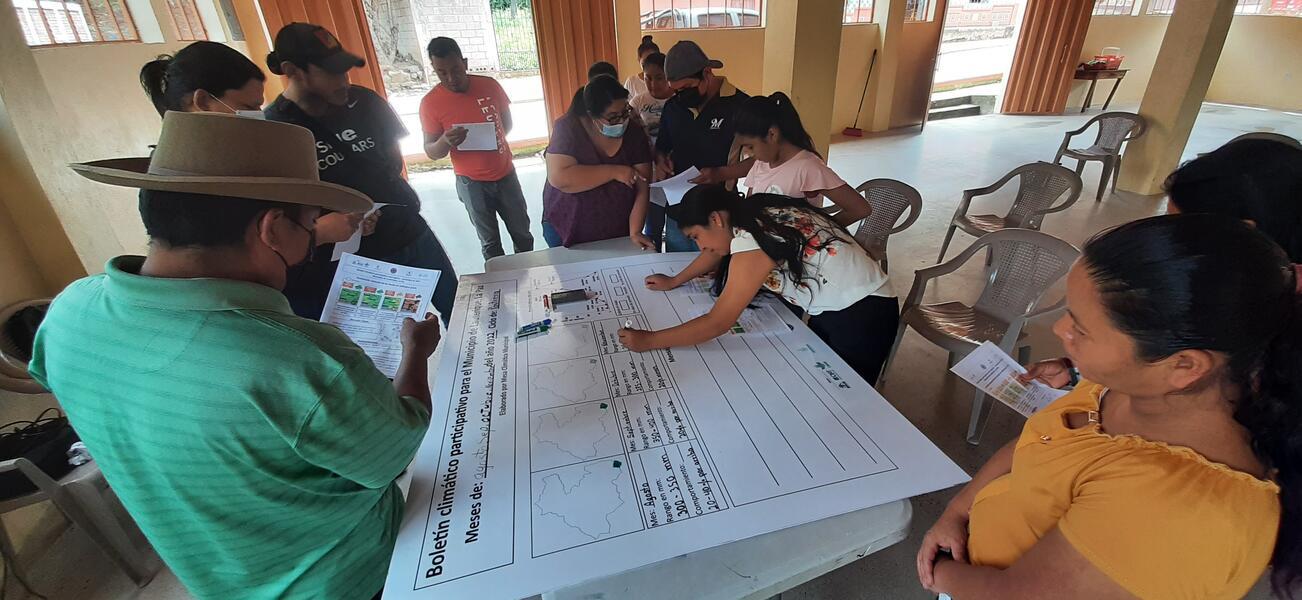
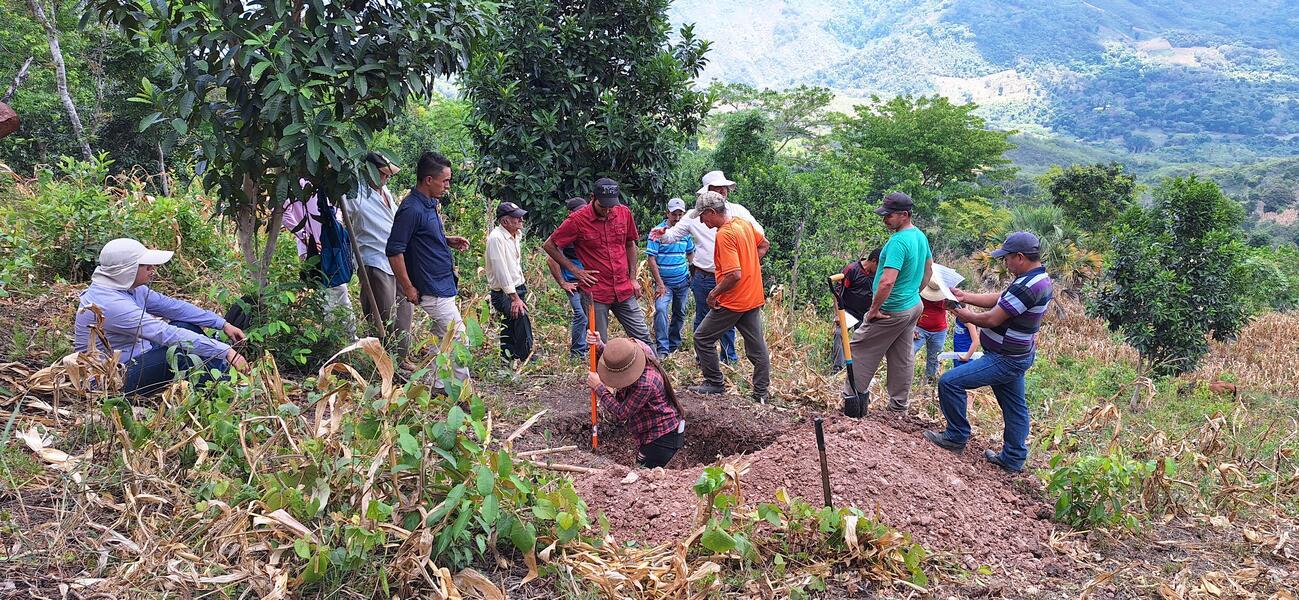
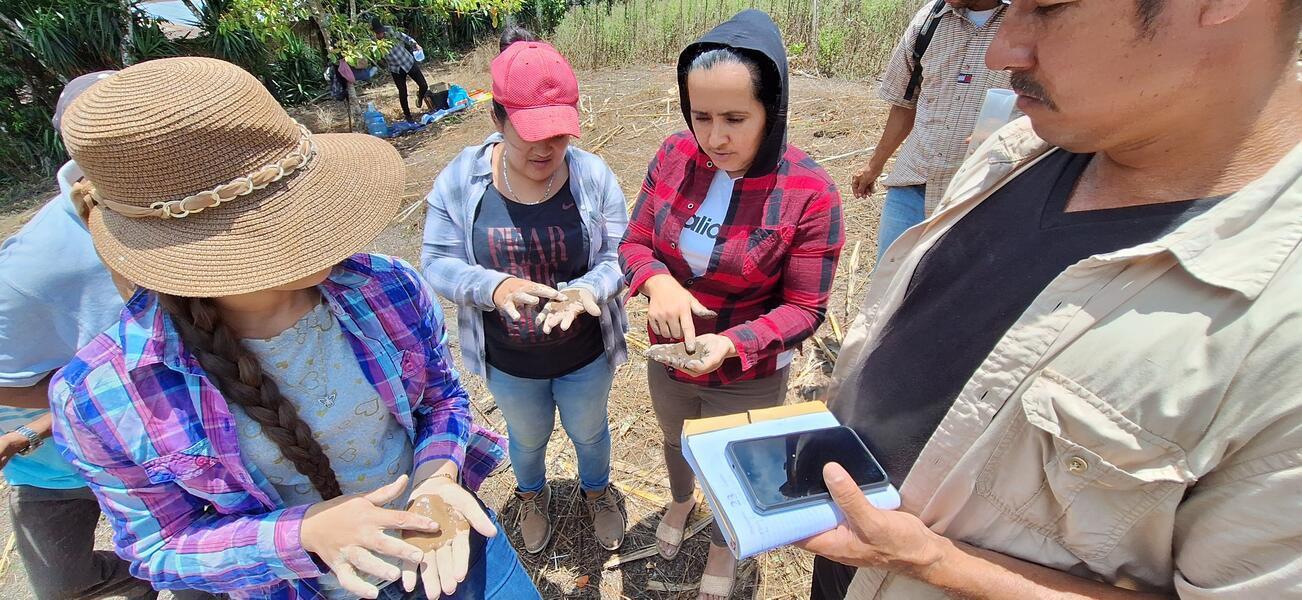
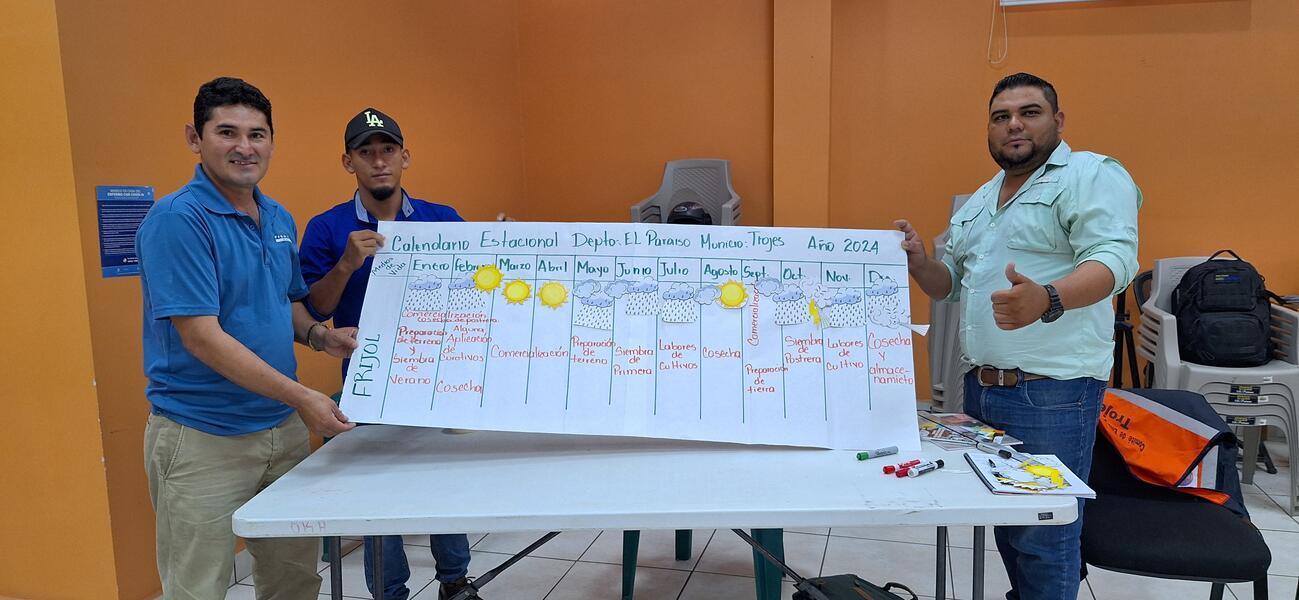
First steps: Digitalization and participatory mapping
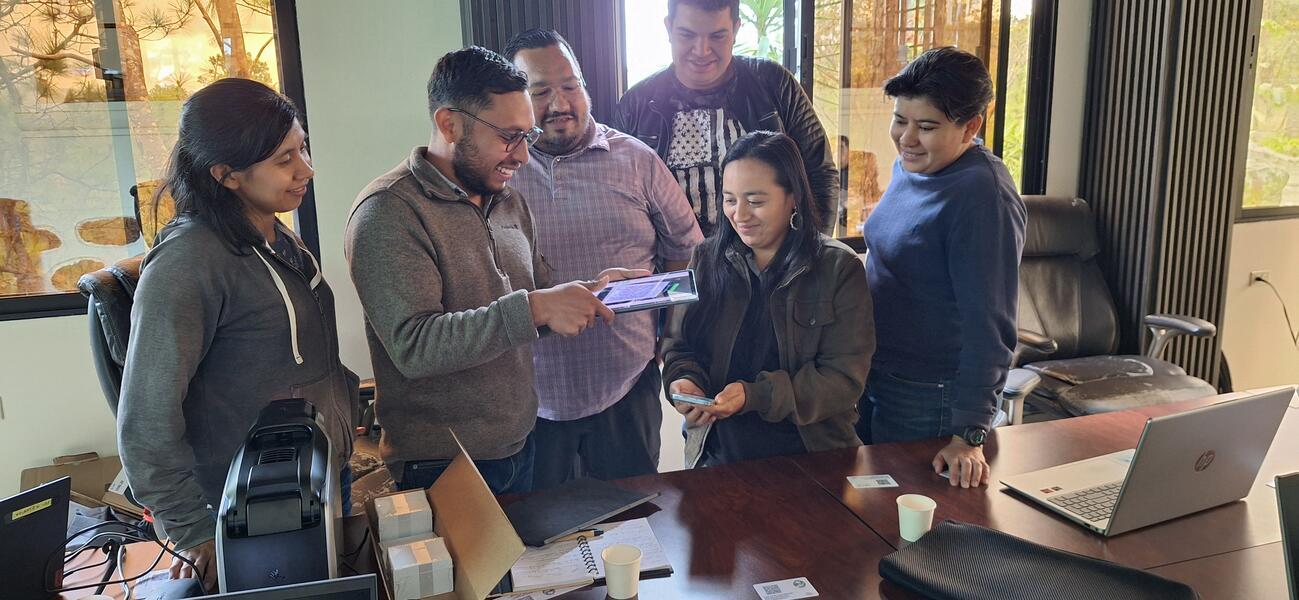
The first step was to digitalize the registration and certification forms for farms, as well as for wet and dry mills and roasteries, using KoboToolbox, an open-source digital platform that organizes data quickly and securely. This action not only streamlined information management but also paved the way for deep learning: ADOPCAM technicians were trained in the use of digital forms, while final-year high school students from the municipalities of Santa Ana and Cabañas took part in participatory mapping practices, collecting farm polygons and updating the partner database.
Thanks to this digitalization, coffee producers began to access reliable information about their own territories—a radical shift from decades of disconnection, where data flowed to external actors without return or feedback. With precise maps and updated data, the foundations were laid for traceability, territorial planning, and the adoption of climate-adapted sustainable practices.
Built on this technological foundation, vocational training in Digital Surveying was carried out in the community of Mogola, Marcala, La Paz, as part of the Integrated Technical Training and Youth Employability Model, led by the Fabretto Children’s Foundation, Harvard University, and the Alliance of Bioversity and CIAT.
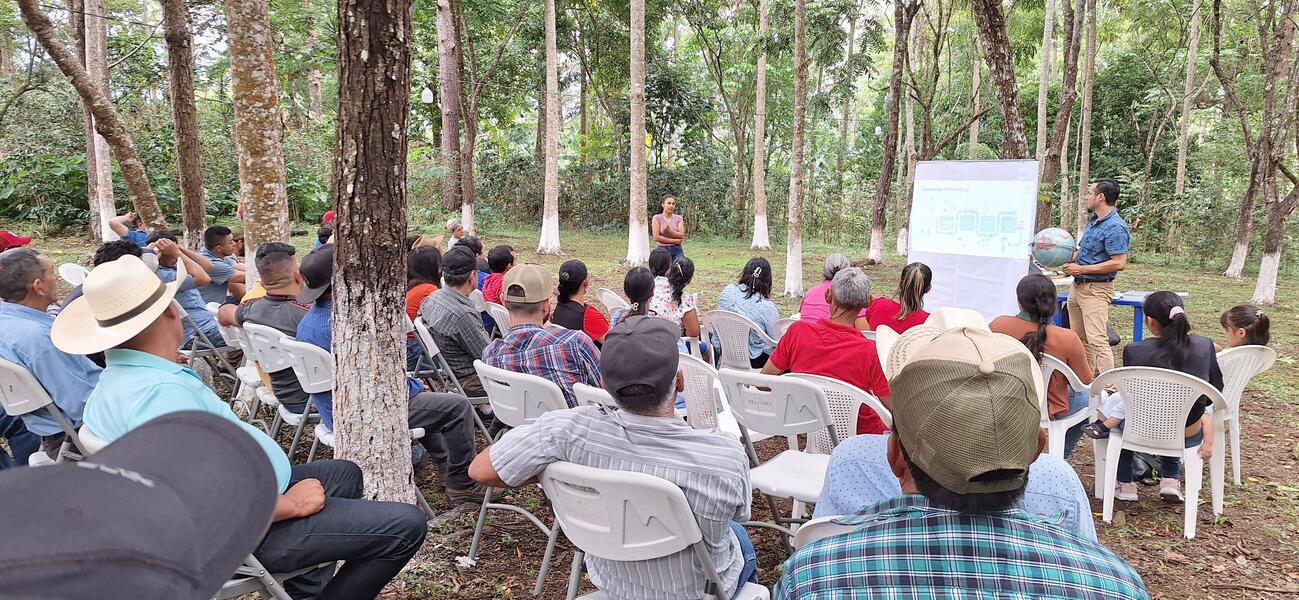
Thus, on July 28 and 29, 19 rural youth, accompanied by a technical team, learned to georeference plots using the TerraTrac application, mapping farms and conducting deforestation risk analysis using WHISP. The training combined theory and practice, bringing them closer to the traceability and sustainability standards required by international markets under the EUDR.
The results were inspiring: the youth demonstrated strong motivation and commitment, becoming true knowledge bridges between technology and local producers. Despite challenges such as limited connectivity, shortages of devices, or reduced field practice time, their learning generated a tangible impact on the community, strengthening collaboration and a sense of belonging.
ID cards: Empowering producers
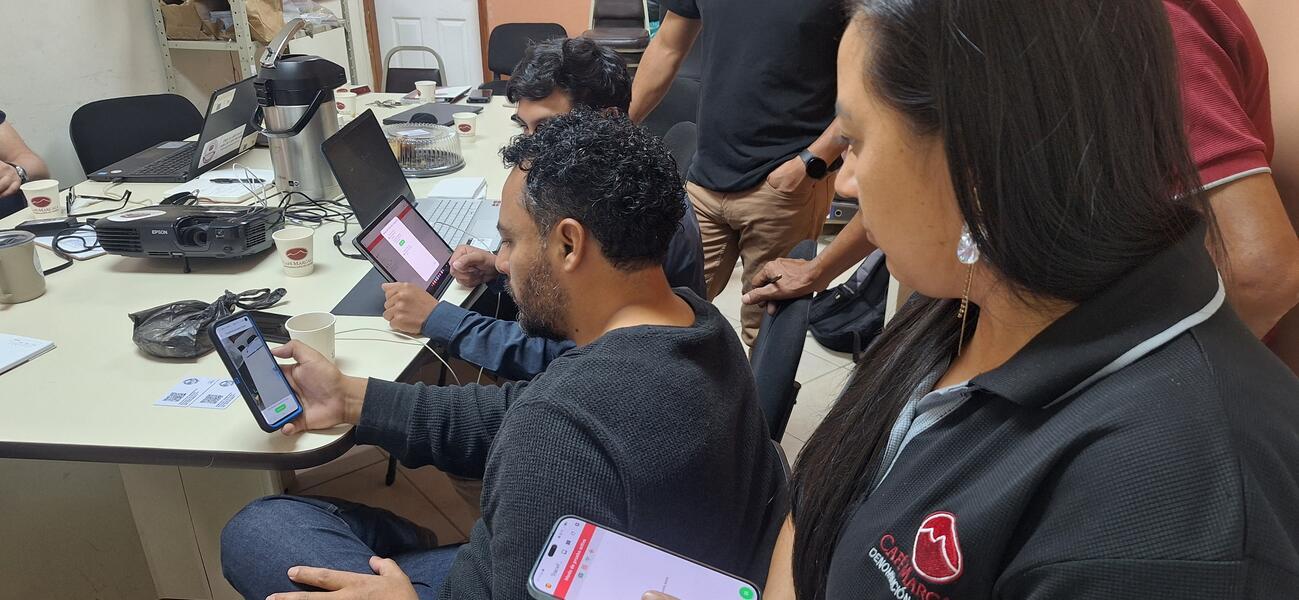
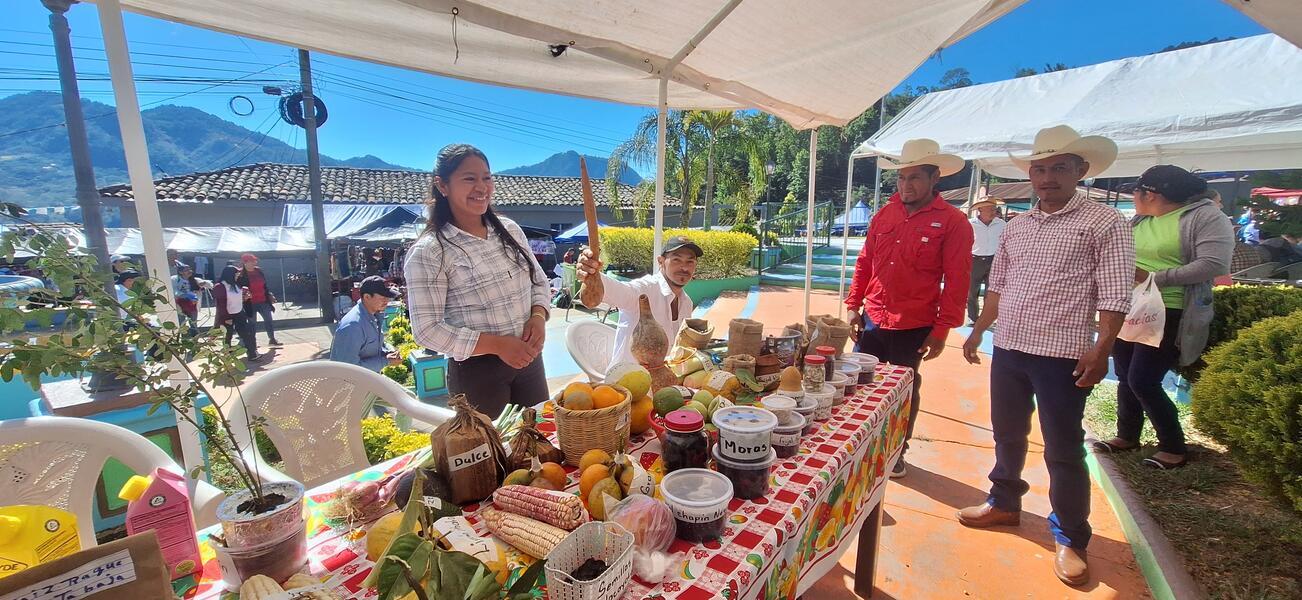
Innovation did not stop there. With updated maps and data, a producer ID card system was implemented a groundbreaking tool that grants autonomy and control over their information. Each producer received an ID card with an encrypted QR code containing coordinates, polygons, and productive data. Now, producers themselves decide who can access their information and for what purpose, while cooperatives and organizations can manage validated data to plan harvests and negotiate international contracts.
This system also made visible the intermediate actors (harvesters and transporters), who were previously excluded from formal records. With the Trace Food Chain application, each coffee transfer is recorded, ensuring a complete and verifiable traceability chain, strengthening the first mile and enabling better prices, new market opportunities, and fairer conditions.
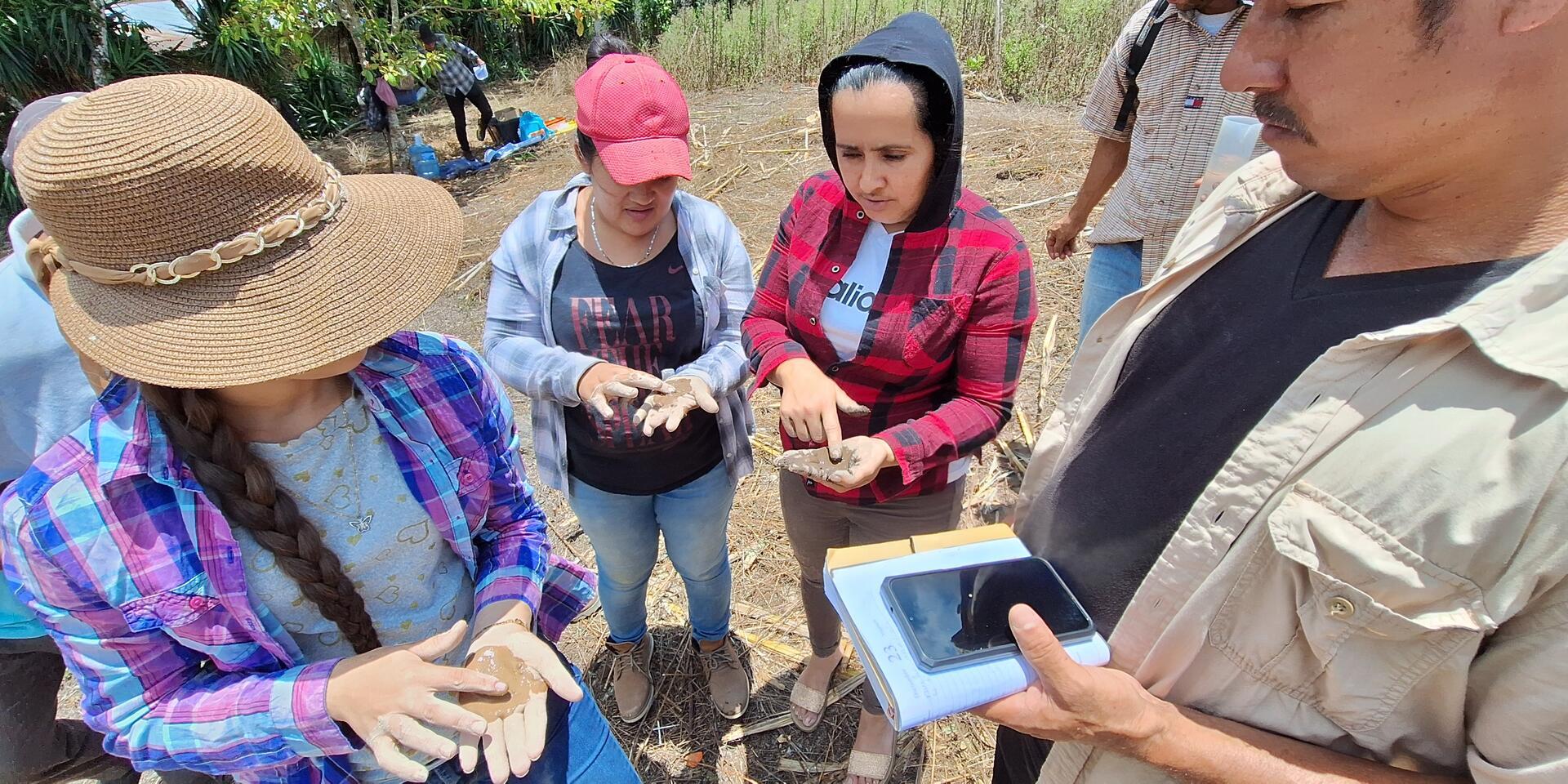
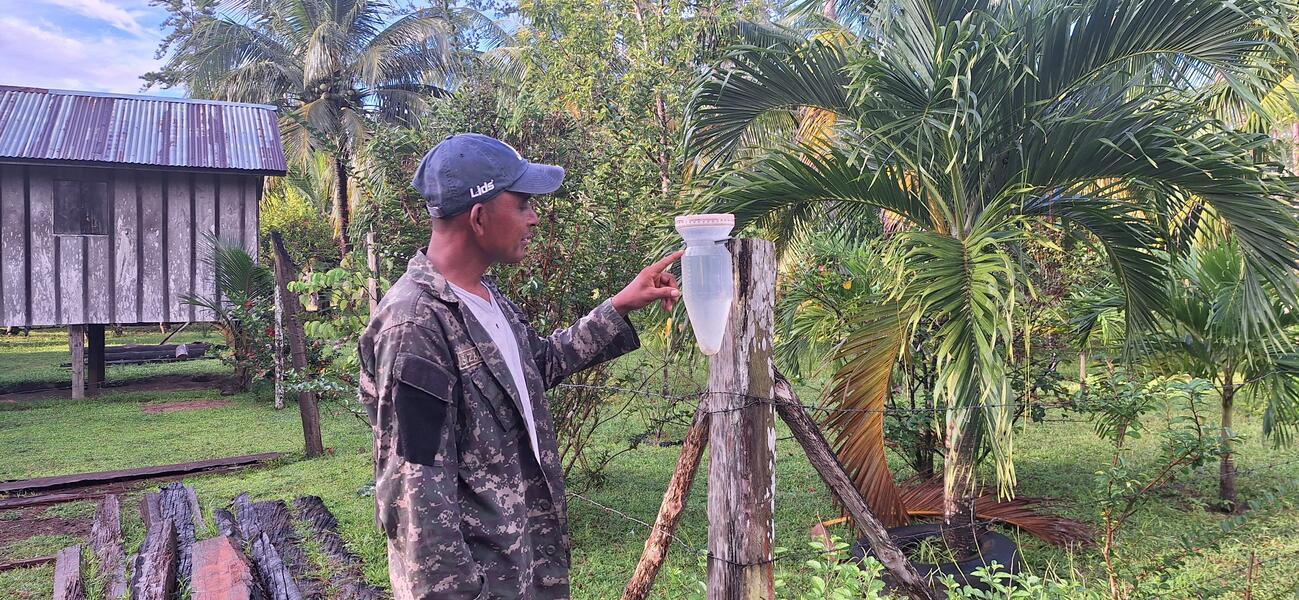
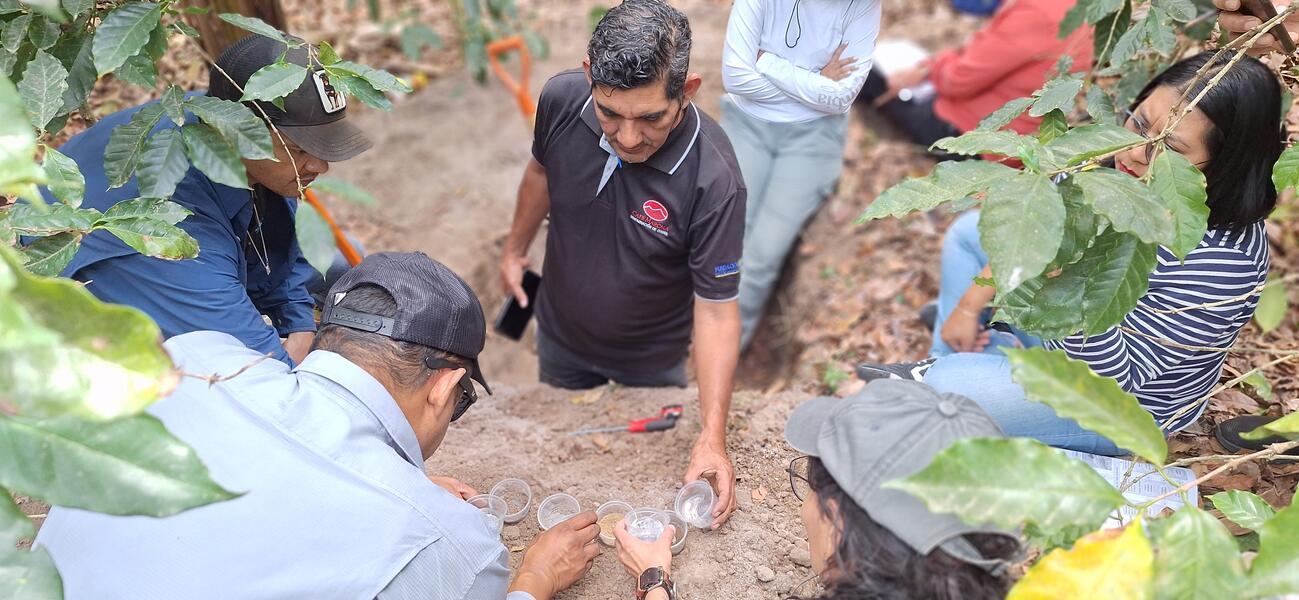
To complete the innovation cycle, participatory climate services training was conducted with ADOPCAM partners. Producers learned to diagnose plots, characterize soil and vegetation cover, and monitor rainfall—laying the groundwork to promote climate-adapted sustainable changes or innovations in coffee production.
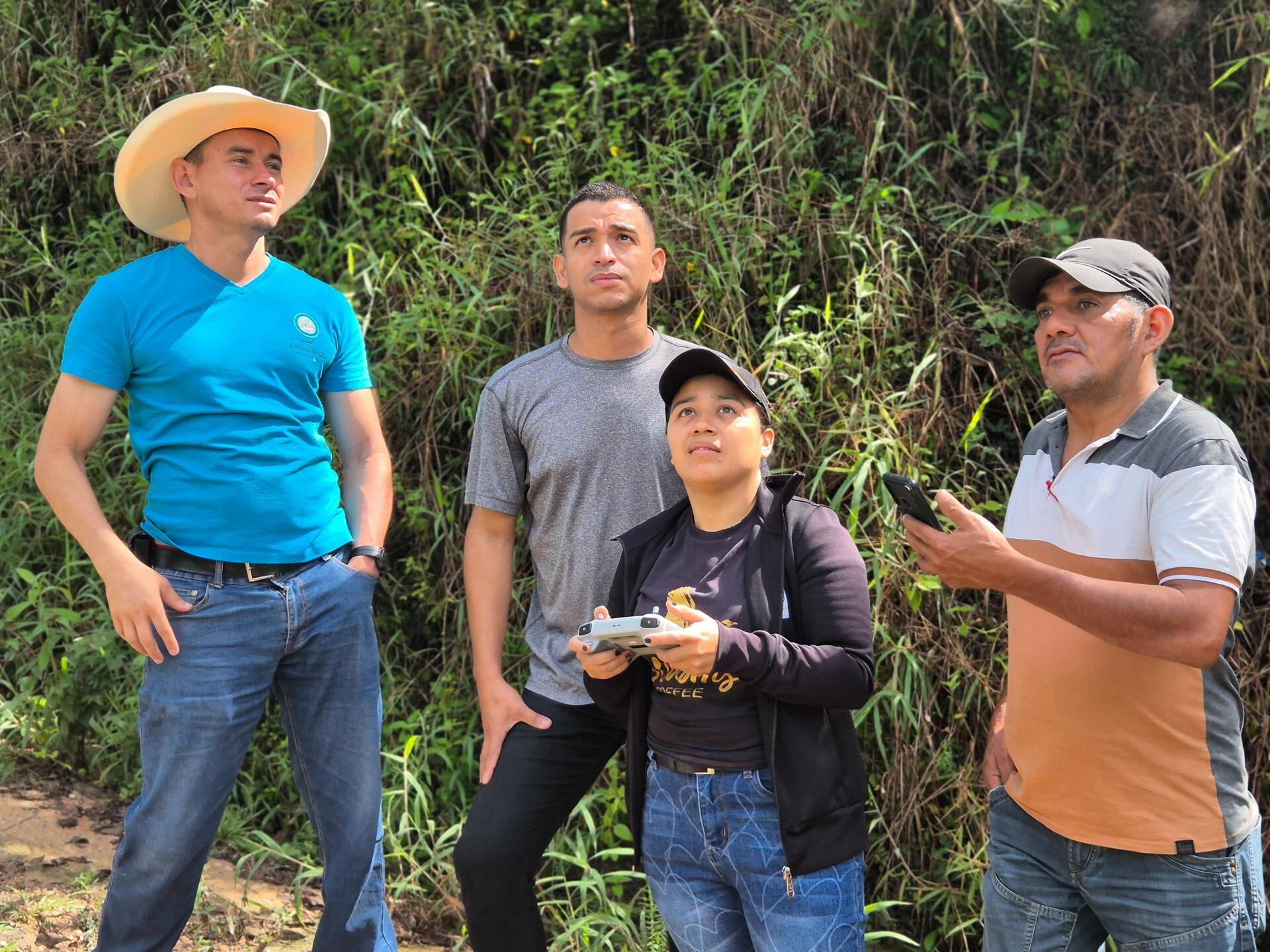
These actions were implemented in synergy with the project “Improvement of Socioeconomic Conditions of the Population in the ADOPCAM Region with an Environmental and Gender Approach,” funded by the Junta de Andalucía and supported by Fundación ETEA, which also launched training on the use of drones for aerial farm monitoring.
Through co-design with ADOPCAM and collaboration with the Alliance, progress was made in implementing a Digital Public Interest Infrastructure (IDIP), integrating tools such as ODK, TerraTrac, Trace Food Chain, and WHISP, ensuring interoperability, traceability, and digital governance, and laying the foundations for an inclusive digital ecosystem that connects information on climate, productivity, and certification.
Building the coffee sector of the future: A digital infrastructure born from the territory
This innovation process did not end with digitalization, ID cards, or youth strengthening. On the contrary, these actions opened the path for a deeper advance: the development of a Digital Public Interest Infrastructure (IDIP) for coffee production in Marcala.
Guided by a co-design approach, ADOPCAM—responding directly to the new EU regulation—began to integrate this IDIP into its certification processes, incorporating tools that allow data capture and consolidation, registration and traceability of production units, and even photogrammetry and aerial monitoring of farms through drones. Each component, from the ODK forms to the maps collected by youth with TerraTrac, became part of a much larger system: one that connects information, actors, and decisions in real time.
The results are already evident in the territory. With reliable and traceable data, ADOPCAM is advancing in farm-level territorial planning, youth inclusion, climate resilience, and regulatory compliance—both within national legal frameworks and in response to external regulations such as the EUDR. Digitalization is no longer an end in itself but a powerful means to plan, anticipate risks, and enhance the competitiveness of Honduran coffee.
On this path, the role of the Alliance has been essential. Its leadership in designing data architecture and digital governance ensured that all tools (ODK, TerraTrac, Trace Food Chain, WHISP, and other public information systems) could “speak the same language” through open and interoperable standards. This technical work—quiet but decisive—has enabled the coffee sector’s digital ecosystem to grow in an orderly, secure way, serving producers, technicians, and organizations.
At the same time, a network of climate observers began to form among ADOPCAM members. What started as training in climate services and on-farm soil diagnostics evolved into a citizen science mechanism: producers measuring rainfall, monitoring their soils, and reporting data that will soon feed into the IDIP. This effort not only democratizes access to climate information but also transforms producers into knowledge generators for territorial adaptation.
Looking toward 2026, the vision is clear and shared: to consolidate this Digital Public Interest Infrastructure, integrating certification databases, deforestation monitoring, productivity, climate, and traceability into a single system. The goal is ambitious but achievable: to develop a common agro-environmental information system, collaboratively governed by territorial actors themselves, enabling better decision-making at farm, cooperative, and regional levels.
An inclusive digital ecosystem that strengthens climate adaptation, enhances the competitiveness of Honduran coffee, and ensures compliance with European regulations—while preserving the communal essence that defines Marcala.
Brief - Youth, technology, and coffee: Digital innovation for climate resilience in Honduras