Research Articles Fact check: What does it mean to be a woman farmer in 2026?

As the world marks the International Year of the Women Farmer, we asked our gender experts from the Alliance of Bioversity International and CIAT to unpack what the evidence actually shows, and what we keep getting wrong.
Fact-checking the myths, realities, and missed opportunities shaping global food systems
If you’ve ever heard that “women produce 60–80% of the world’s food,” you’re not alone. It’s one of the most widely repeated facts in global development. Yet the reality behind that myth is even more powerful, and more urgent.
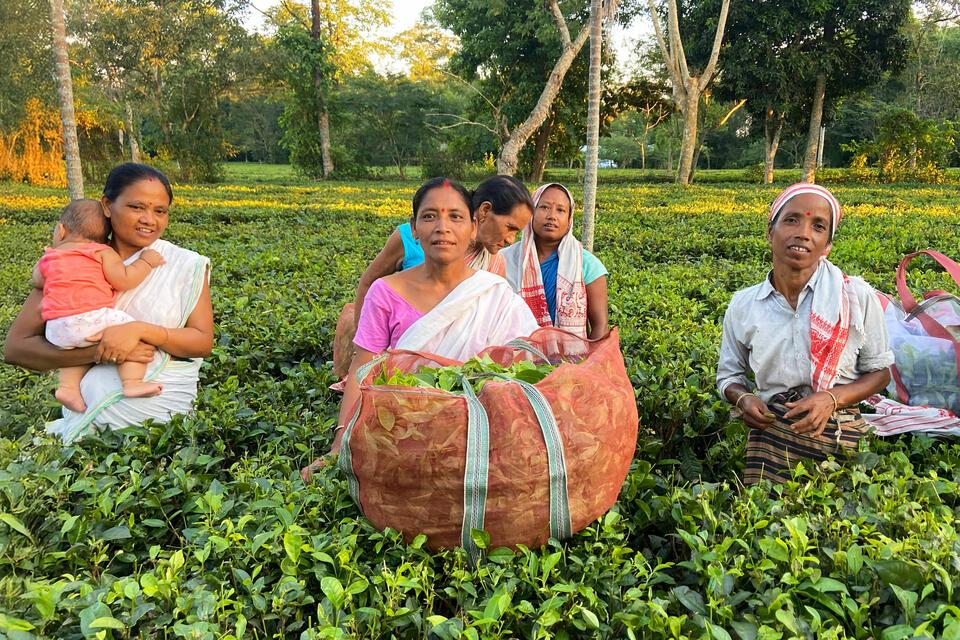
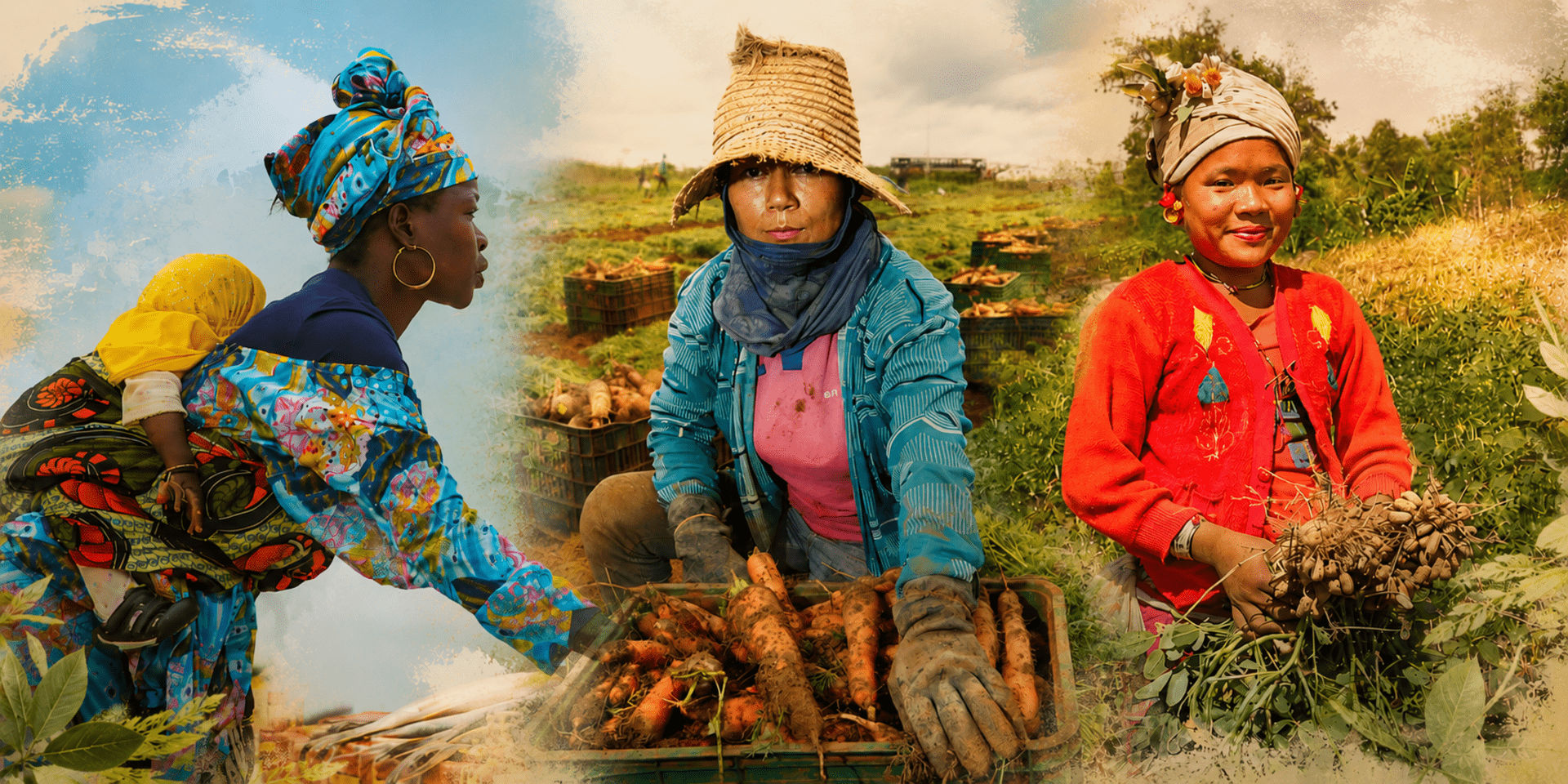
Women make up nearly 40% of the agricultural workforce globally, and up to half in parts of Africa and Asia. They grow crops, manage seeds, process food, run informal markets, and feed families, often under the most difficult conditions. But the story of women in agriculture is not just about contribution. It’s about visibility, power, and missed potential.
As the world marks the International Year of the Women Farmer, we asked our gender experts from the Alliance of Bioversity International and CIAT to unpack what the evidence actually shows, and what we keep getting wrong.

Myth 1: Women produce most of the world’s food
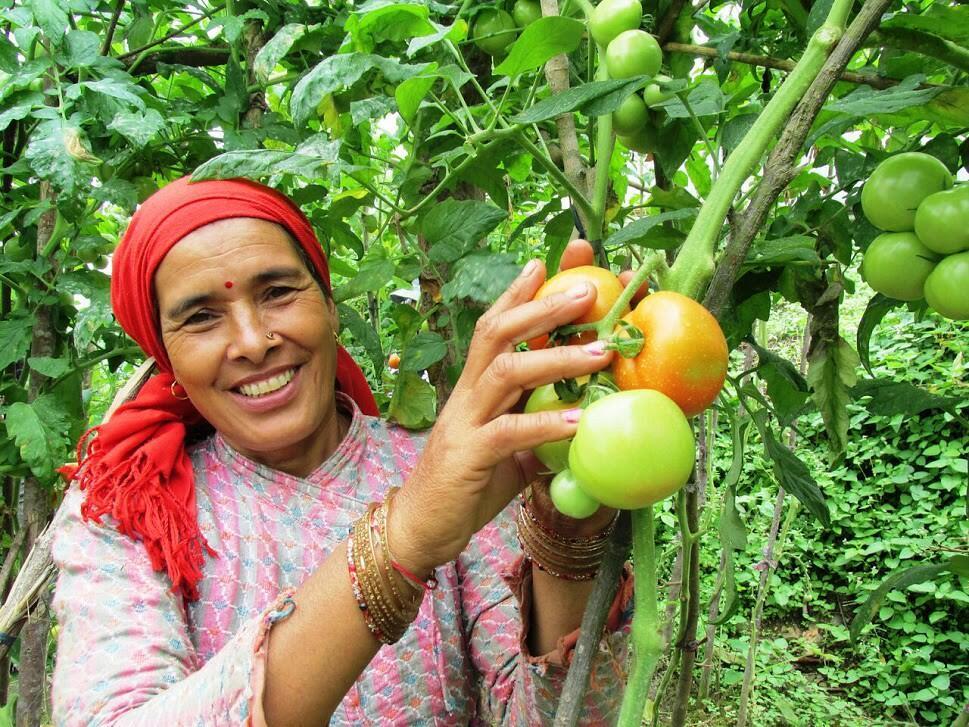
Reality: Their contribution is essential, but impractical to reduce to a number
The idea that women produce the majority of the world’s food persists because it captures a deeper truth: women are central to food systems.
But agricultural production is rarely done by individuals. It is a joint household effort, shaped by shared labor and unequal control. Trying to assign output by gender oversimplifies reality and distracts from the real issue.
As Natalia Triana, Researcher in Gender and Social Inclusion, puts it, the real question is not “how much food do women produce?” but “how much control do they have over the resources, income, and decisions linked to that production?”
Myth 2: Women farmers are just “helpers” or subsistence growers
Reality: They are everywhere, but often invisibilized
Women’s work spans agriculture: from planting and weeding to seed selection, processing, and trading. But much of this labor is unpaid, informal, or hidden inside households, meaning it often goes uncounted in official statistics.
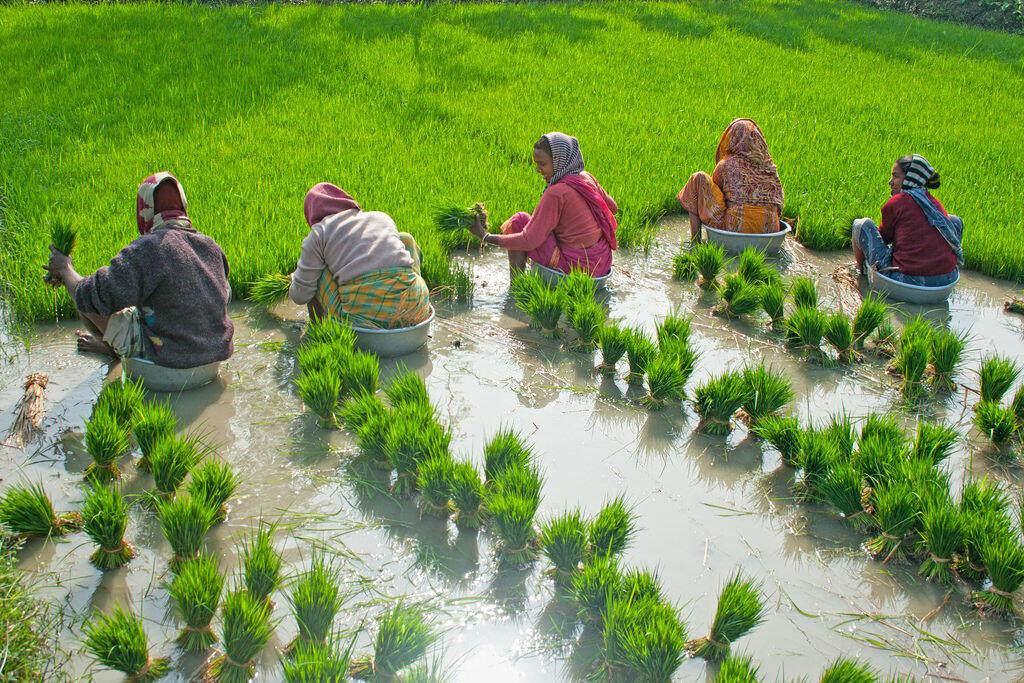
This invisibility has consequences. When women are not recognized as farmers, they are often excluded from credit, extension services, training, and land rights.
Even when their contributions are acknowledged socially, they are not always valued in policy or practice. Agricultural programs still tend to target “the farmer” implicitly assumed to be a man.
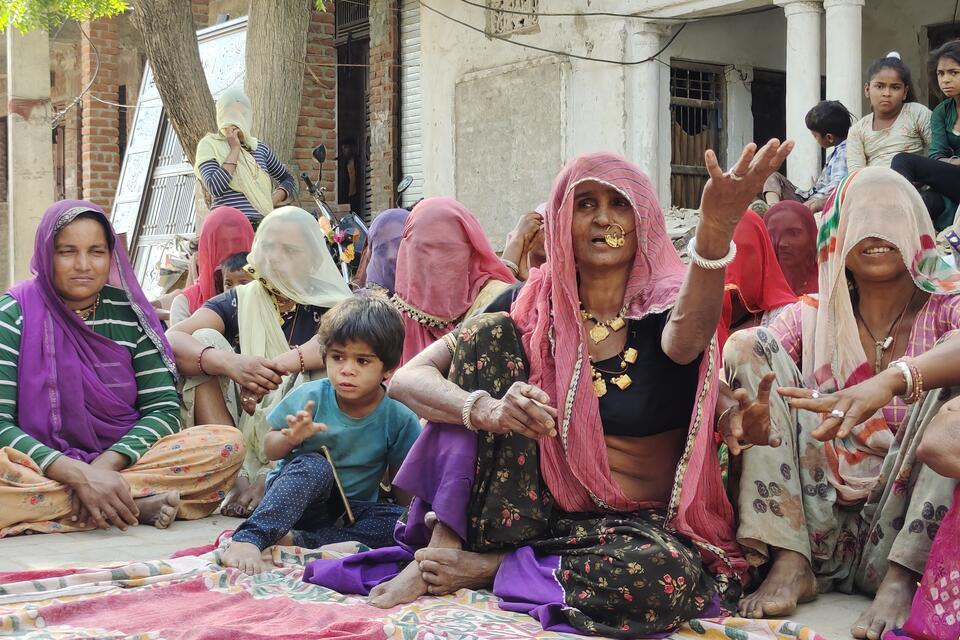
Meghajit Shijagurumayum, Researcher in Gender and Social Inclusion, exemplifies: “In India, land ownership remains the dominant mechanism for identifying who counts as a farmer. Since women are rarely landowners, they are routinely excluded from extension meetings and dissemination workshops”. But the problem doesn’t end there: “Even when women do attend, meaningful participation cannot be assumed; it requires deliberate facilitation, appropriate timing, and spaces where women can speak without deference to male household members present”.
The triple burden: farming, caregiving, and everything in between
Reality: It’s not three jobs: it’s all at once
Women farmers are often described as carrying a “triple burden”: productive work (farming), reproductive work (caregiving), and community roles. But in practice, these are not separate activities. They are competing demands on the same hours of the day.
A woman may be farming while caring for children, cooking, or collecting water. The result is chronic time poverty: less time for rest, training, leadership, or income-generating opportunities.
In some contexts, this burden has stark consequences. Research shows that women may eat less during food shortages to prioritize others, even as their workloads remain unchanged. Over time, these dynamics show up in poorer health outcomes, including high levels of anemia in countries like India or Bangladesh.
Myth 3: Women are “naturally better” at certain tasks
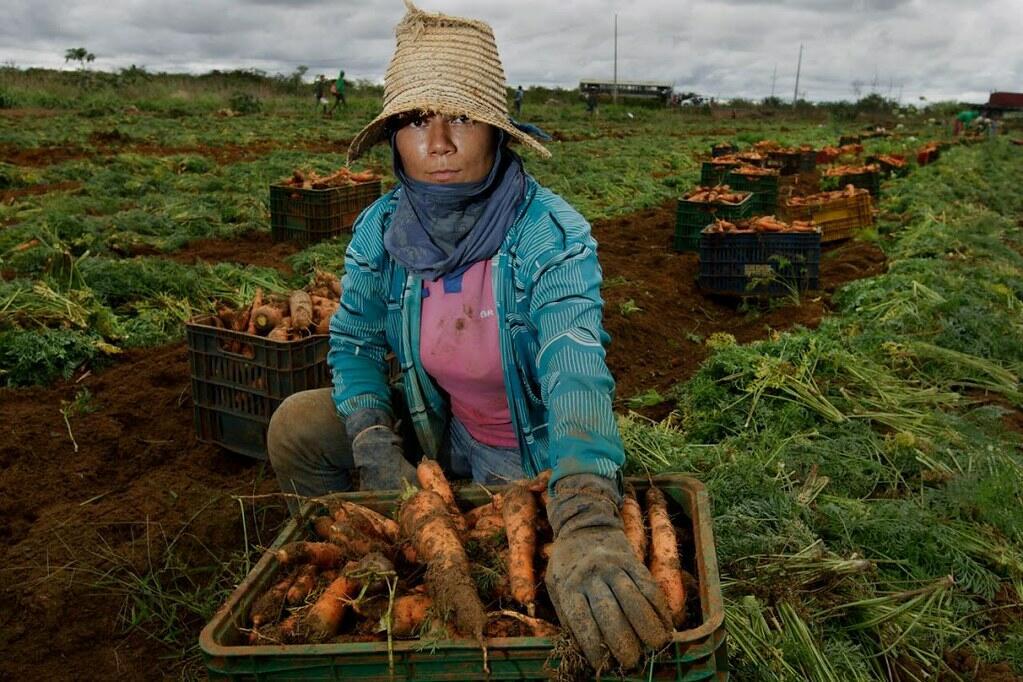
Reality: Roles are shaped by norms, not biology
It is often said that women are better at seed selection, post-harvest handling, or environmental stewardship. But experts warn this framing is misleading (and harmful).
Rather than reflecting innate ability, these roles are socially assigned. Women tend to perform labour-intensive, lower-paid tasks because of gender norms, unequal access to resources, and constraints on mobility and decision-making.
As Eileen Nchanji, Gender and Social Inclusion expert, explains: “Women may be very skilled in seed selection, sorting, food processing, marketing, or crop management because they have done these tasks repeatedly, not because those tasks are biologically «women’s work».” This matters because such narratives can lock women into low-return roles, while justifying unequal access to technology, markets, and income.
Myth 4: The “seed keepers” (with limits to their power)
Reality: Women’s expertise thrives in informal systems, but weakens with commercialization
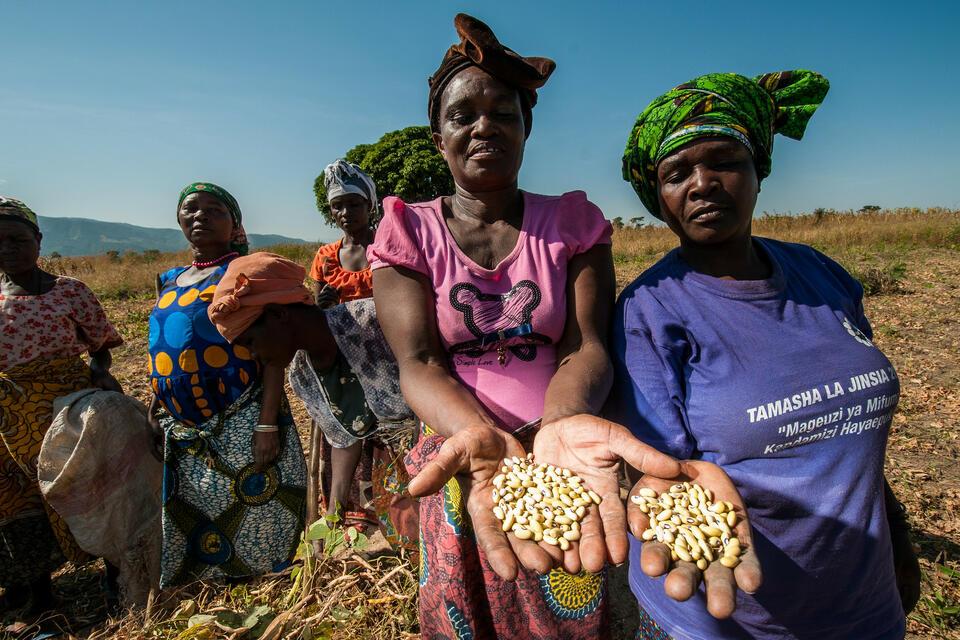
Women are often described as the “custodians of seed systems” and there is truth in this.
In many contexts, particularly for crops like beans, women play a central role in selecting, saving, and exchanging seeds. They hold deep knowledge about varieties, including traits related to taste, storage, and climate resilience. But this authority is context-dependent.
As agriculture becomes more commercial and formalized, control over seeds (and the benefits they generate) often shifts toward men, who are more likely to own land, access finance, and engage with formal markets.
Myth 5: Mechanization and commercialization: progress for whom?
Reality: Without intentional design, women can lose out
Technological change in agriculture often promises efficiency and growth. But for women, the outcomes are mixed: Mechanization can reduce drudgery, for example, by easing labour-intensive tasks like threshing. But who owns and controls the machines matters. When new technologies are introduced, men often take over their operation and the income associated with them.
Similarly, when crops become more profitable, women’s labor typically remains, but their control over income can decline. This pattern has been observed across multiple contexts: women do the work, men capture the gains.
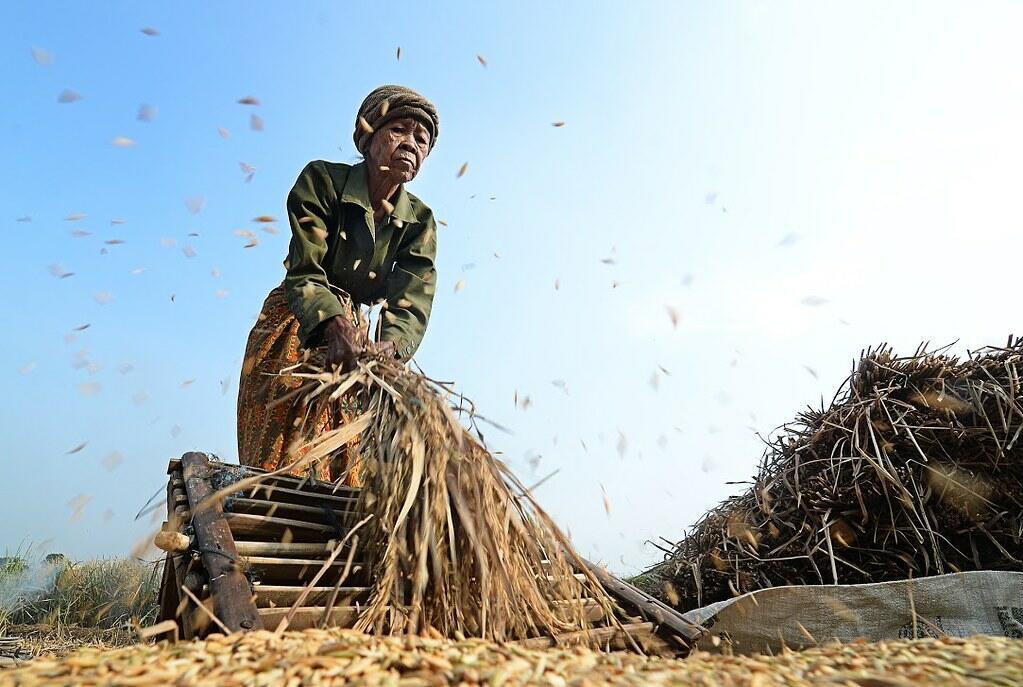
Eileen explains: “Evidence from India shows that mechanisation reduced women’s agricultural labour more than men’s, especially where women were concentrated in tasks such as weeding. So, mechanization works better when women and youth can access, operate, own, or earn from the machines”.
In the case of digital tools and agricultural technology, Fanny Howland, Gender and Social Inclusion Specialist, remarks: “Low adoption among smallholder farmers in general, and women in particular, is mostly a consequence of tools and technology designed and developed without gender consideration and without the involvement of gender or social science expert. As a result, women generally do not access nor benefit from these tools. In this context, the term «gender digital gap» is used”.
Myth 6: Climate change, a “threat multiplier”
Reality: It deepens existing inequalities
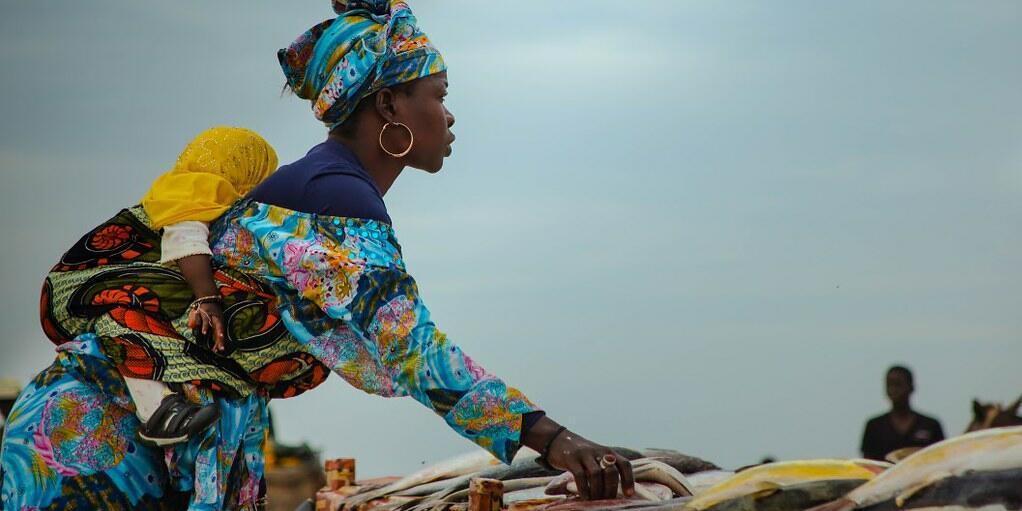
Climate change is not creating new inequalities, it is intensifying existing ones. Women are often more exposed to its impacts because they farm smaller plots, have fewer resources, and limited access to climate information and services. At the same time, climate shocks increase their workload: walking further for water, diversifying crops, managing food shortages.
In this sense, climate change acts as a multiplier of women’s time poverty and vulnerability; but not because they are less capable farmers. Rather, because the systems around them are less supportive.
Myth 7: Women are risk-averse and slow to adopt innovations
Reality: They are rational decision-makers facing higher risks
When women adopt new technologies more slowly, it is often framed as risk aversion. But the evidence shows something different: women are responding rationally to higher levels of risk exposure.
With less access to land, credit, insurance, and information, the cost of failure is simply higher. A failed seed or investment can have devastating consequences.
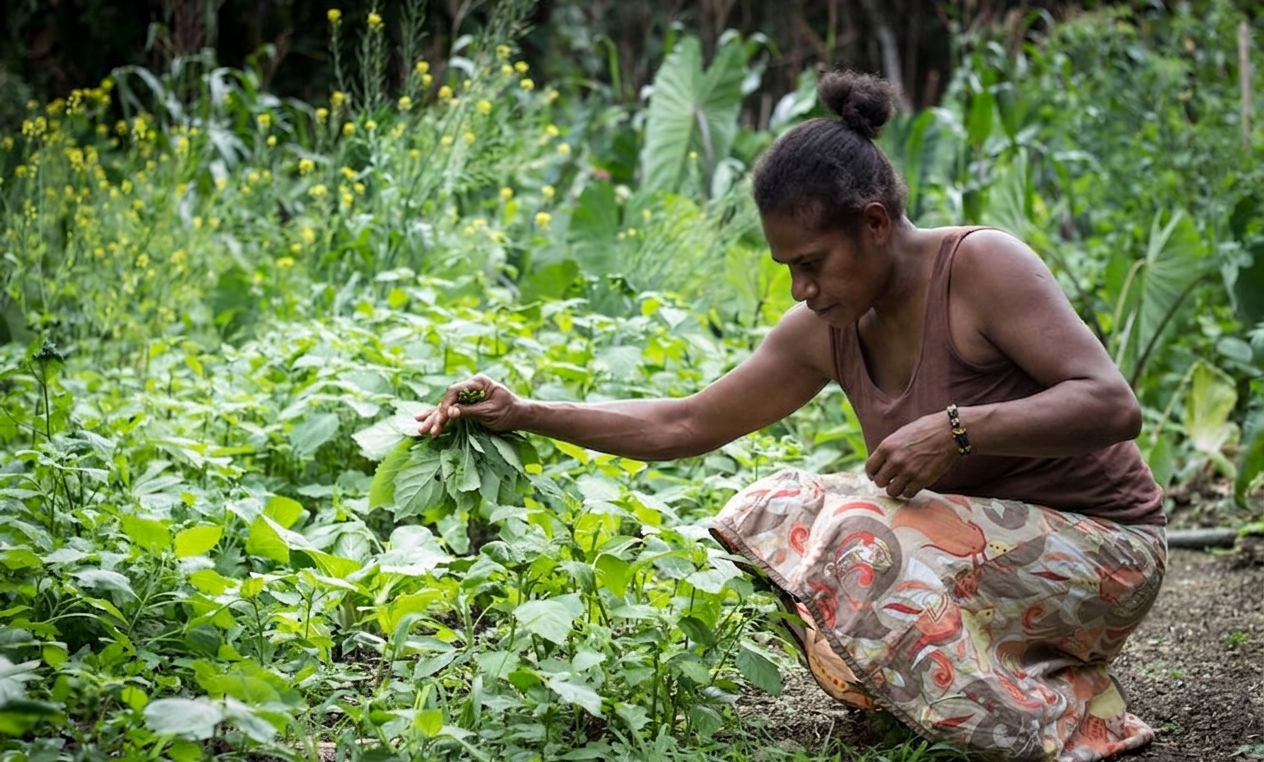
When these barriers are removed, women are eager adopters. Eileen has a concrete example:
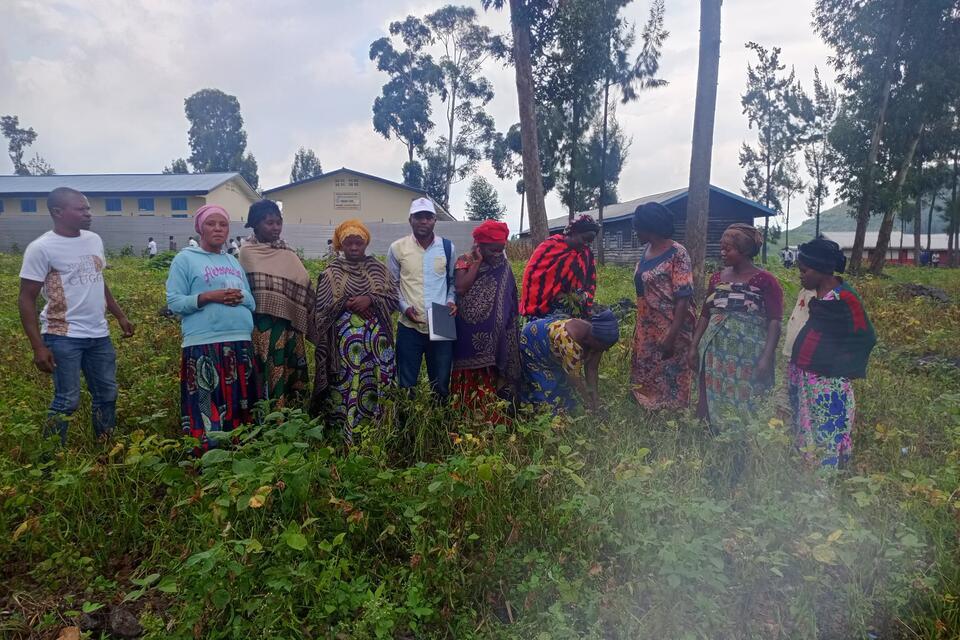
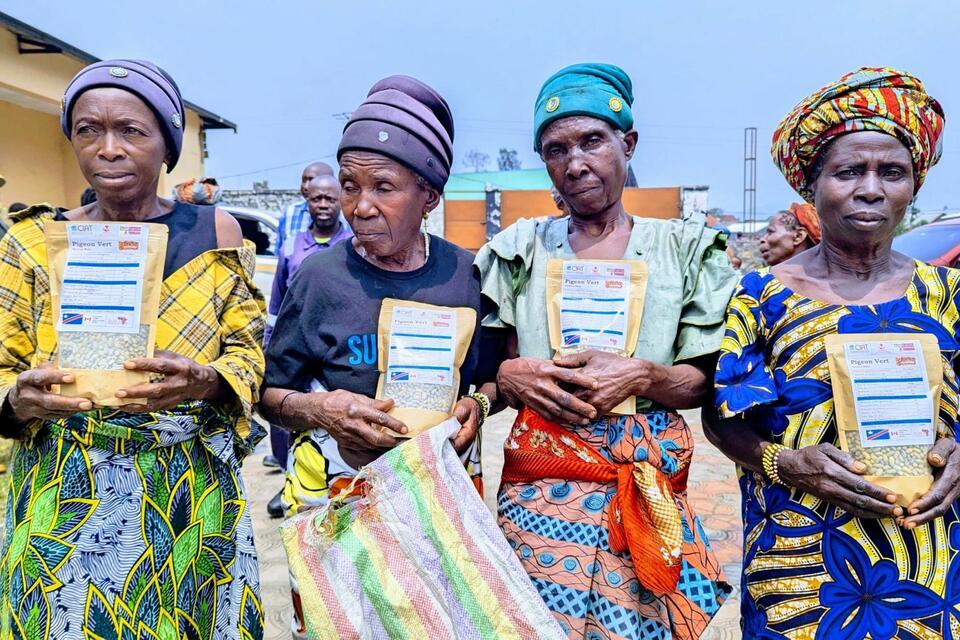
“Evidence from the Youth and Women Quality Centre (YWQC) pilot in Uganda, proved that low adoption was driven by structural failures in seed delivery, not farmer resistance. When decentralized, cooperative-based seed delivery models were introduced, women’s adoption of improved bean seeds increased adoption rates from 42% to 91% in just a few years”.
Myth 8: Investing in women automatically benefits everyone?
Reality: The “dividend” is not automatic; it must be designed
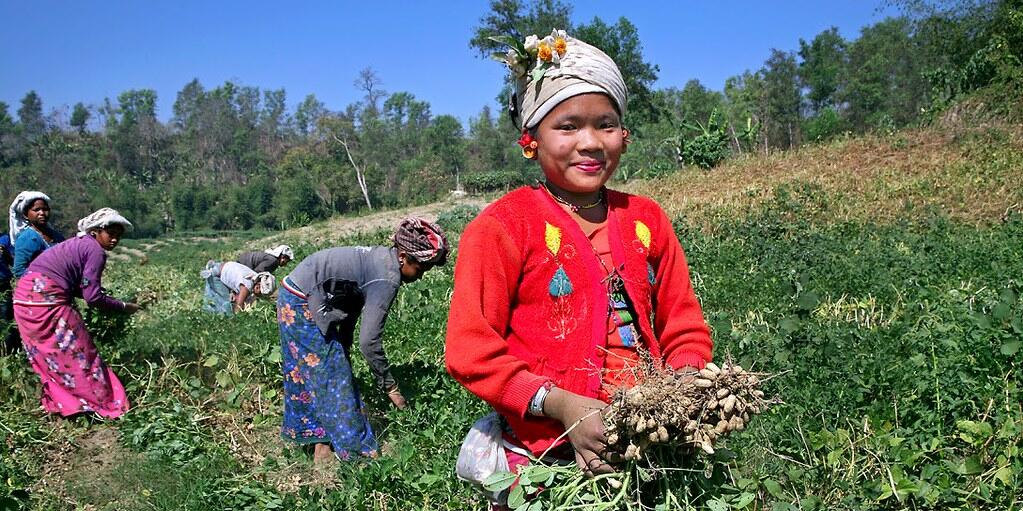
It is often assumed that investing in women leads directly to better outcomes for households and communities. While women do tend to invest in nutrition and education, this narrative can be oversimplified, and even harmful. Without addressing underlying power dynamics, increased income can lead to greater workloads, conflict, or even backlash.
Real impact requires gender-transformative approaches, ones that shift decision-making, redistribute labor, and support shared control over resources.
The opportunity we’re missing
Despite the challenges and the myths, the evidence is clear: when women have access to resources, markets, and decision-making power, they thrive. Across Africa, Asia, Latin America and beyond, women are moving from farming into entrepreneurship, seed enterprises, processing, and market leadership, when given the right support. But success does not come from isolated interventions like seeds or training: It comes from systems that work together, combining technology, finance, market access, and social change.
If the world is serious about food security, climate resilience, and sustainable agriculture, it cannot afford to keep women farmers invisible, overburdened, and under-resourced. Because the evidence is clear: the future of food systems depends on closing the gender gap, not just acknowledging it.
Acknowledgements
Special thanks to our gender research experts: Eileen Nchanj, Lutomia Cosmas, Natalia Triana-Ángel, Meghajit Shijagurumayum and Fanny Howland who provided valuable inputs and references to build this blog.

Eileen Bogweh Nchanji
Gender and Social Inclusion Expert
Cosmas Kweyu Lutomia
Senior Research Associate
Natalia Triana-Ángel
Postdoctorate Researcher, Gender and Social Inclusion
Meghajit Sharma Shijagurumayum
Post Doctoral Fellow
Fanny Howland
Research SpecialistRead more about women farmers