Blog Beans that break the cycle: Food, freedom and female power in DRC
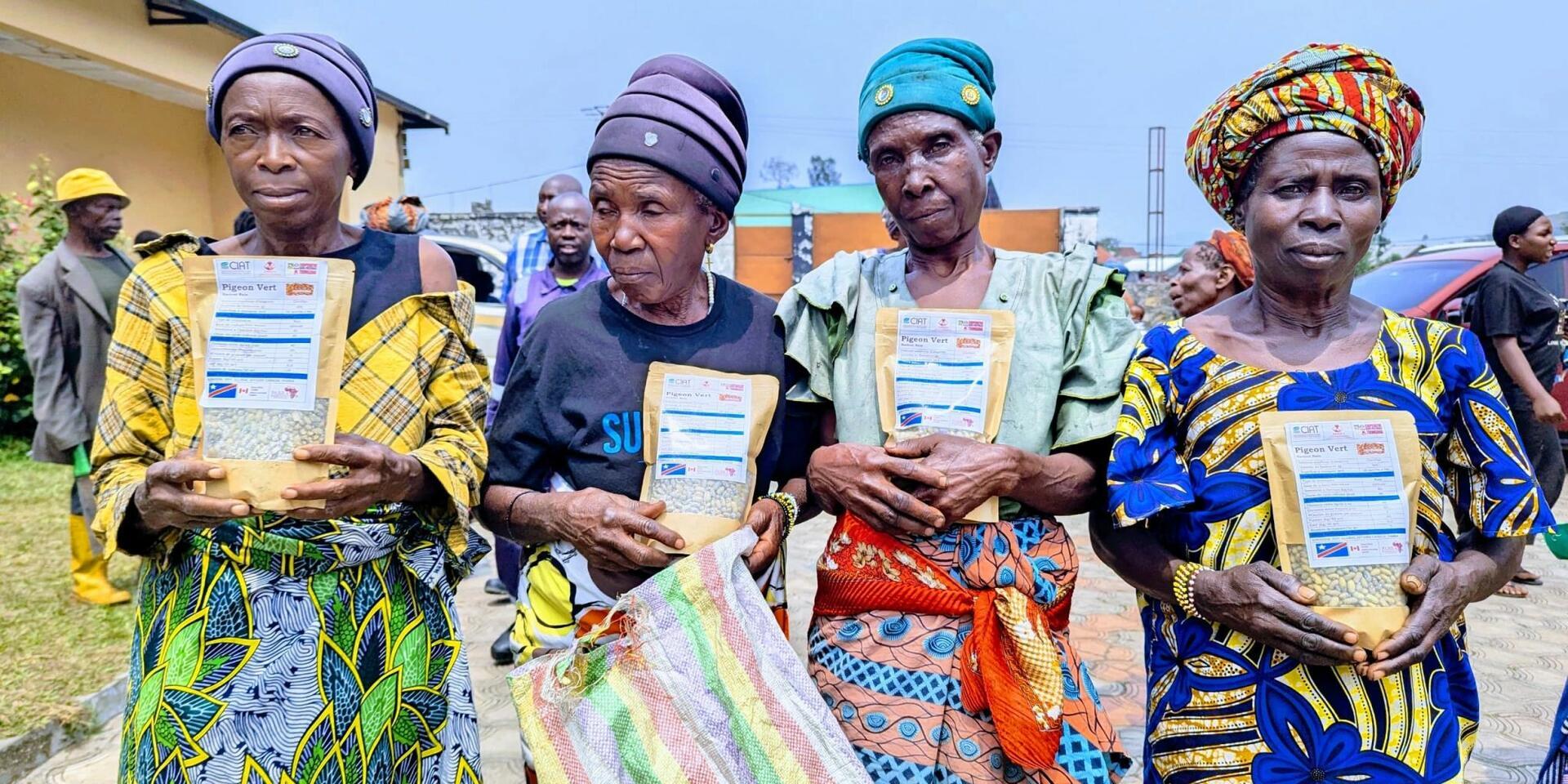

In eastern DRC, women are reclaiming land through the B4WE project, using biofortified beans to fight malnutrition, gain economic independence, and foster peace. Farming is now a path to healing, empowerment and lasting community transformation.
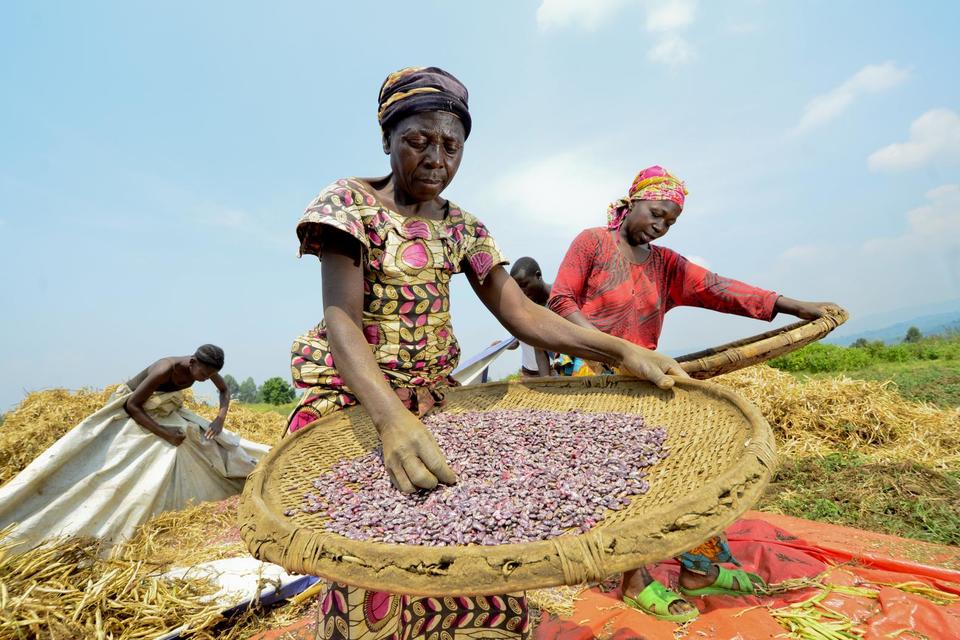
Once marked by displacement and silence, the fields of Masisi are now alive with purpose. In this post-conflict corner of the eastern Democratic Republic of Congo (DRC), a unique transformation is underway. Women, many of whom have returned from years of war and loss are rebuilding their lives with something deceptively simple: the bean. Through the Beans for Women Empowerment (B4WE) Project, farming has become more than survival. It’s a strategy for resilience, a path to economic independence, and a powerful tool in the fight against malnutrition.
Led by the TUUNGANA Agropastoral Cooperative and backed by local and international partners, these women are not just planting seeds, but reclaiming agency over their land, their bodies, and their futures.
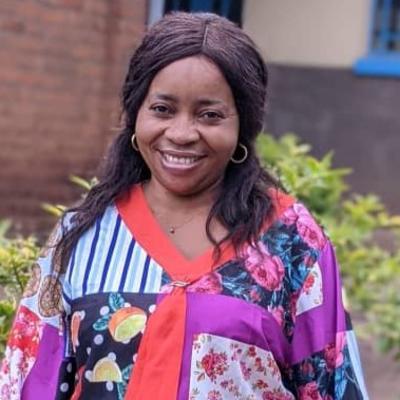
“Every field we plant is a statement that we are back and capable,” says Joanna Zaina Hakizinka, President of the Board of Directors of TUUNGANA. “This land has seen war and loss, but now, it’s a space of rebirth.”
Planting seeds of resilience
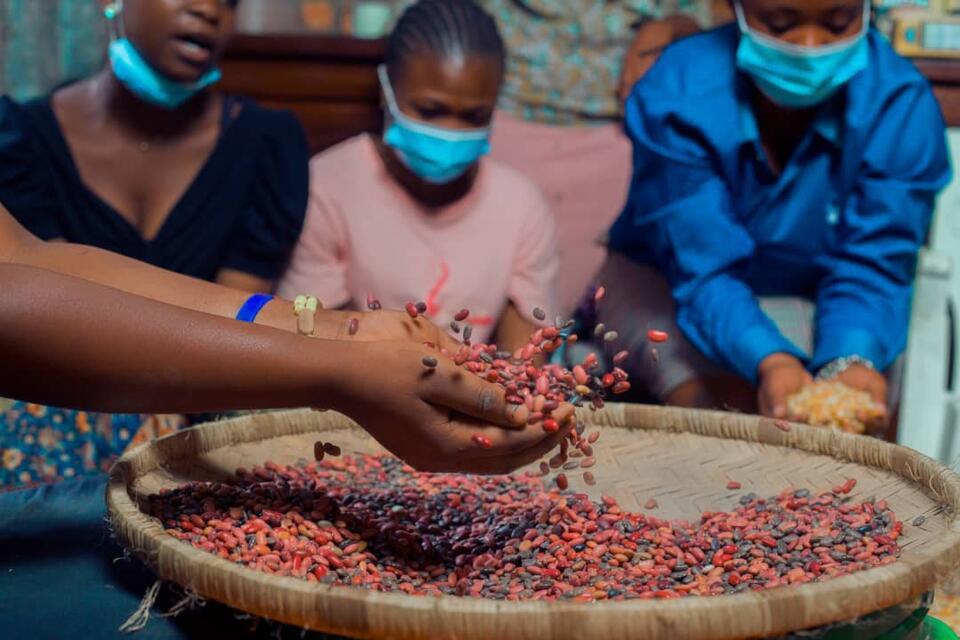
The B4WE Initiative, implemented by the Alliance of Bioversity International and CIAT through Pan-Africa Bean Research Alliance (PABRA) with support from Global Affairs Canada, is a wide-reaching initiative across North Kivu, South Kivu, and Tanganyika. It empowers women through the cultivation of biofortified beans, rich in essential nutrients like iron and zinc, which are key in the fight against malnutrition.
Distributed in small seed packets of about 0.5-1 kilograms, these beans have become more than seed but a lifeline.
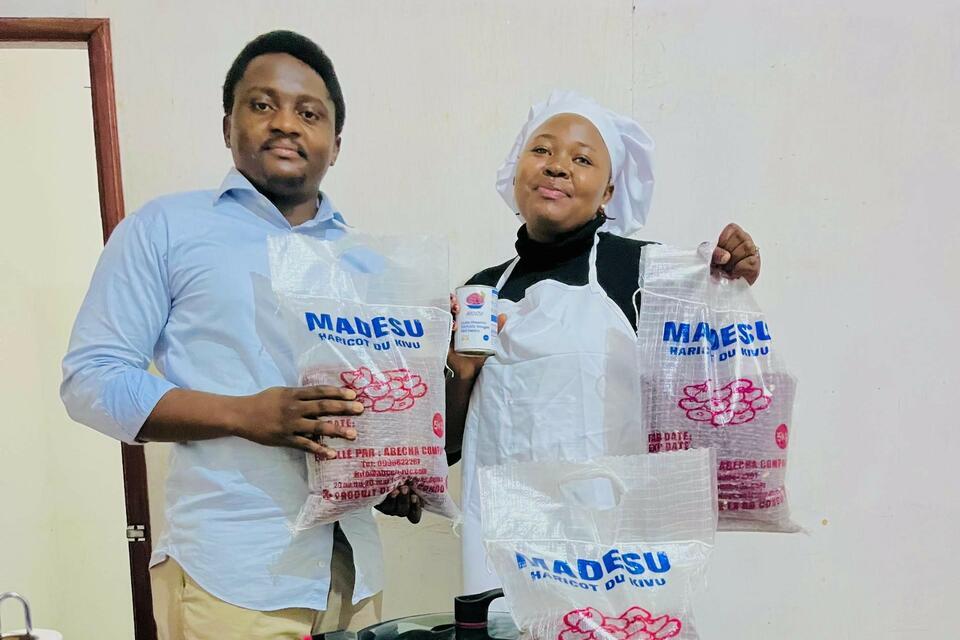
“With these beans, we are not just giving women crops. We are giving them tools for economic independence, better health, and stronger communities," says Richard Kataliko from the Alliance working in North Kivu. “The entire bean value chain, from planting to marketing, is an entry point for women empowerment.”
The team
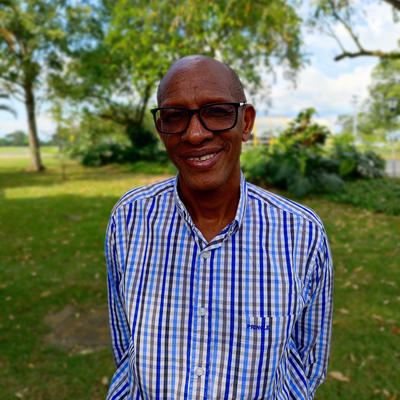
Jean Claude Rubyogo
Leader, Global Bean Program, and Director, Pan Africa Bean Research Alliance (PABRA)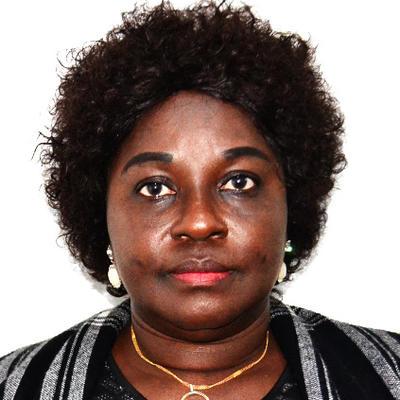
Bola Amoke Awotide
Research Team Leader, Country Representative for the Democratic Republic of the Congo