Blog Seeing women behind supply chains: A methodology to strengthen gender equality and social inclusion in agrifood systems

A new methodology helps agrifood companies meet their gender equality and inclusion commitments by better understanding diverse actors and experiences in their supply chains.
For many agribusinesses today, the commitment to gender equality is no longer in question—the challenge is knowing how to act on it. Companies want to ensure their supply chains are more inclusive and sustainable, yet they often lack a clear picture of who actually participates in them.
Who are the women and men behind the products? What roles do they play? How do age, ethnicity, or socioeconomic status shape their experiences? Which women and men benefit, who is being left behind, and what types of interventions could meaningfully improve their wellbeing? Without answers to these questions, even well-intentioned commitments risk remaining abstract.
Limited visibility also obscures the fact that supply chains are not experienced equally. The opportunities and constraints of women—and men—vary widely across socioeconomic, age, and ethnic groups, as well as across contexts. Recognizing these intra-group differences is crucial for addressing the underlying dynamics that shape people’s participation in supply chains, and for designing interventions that respond to their realities.
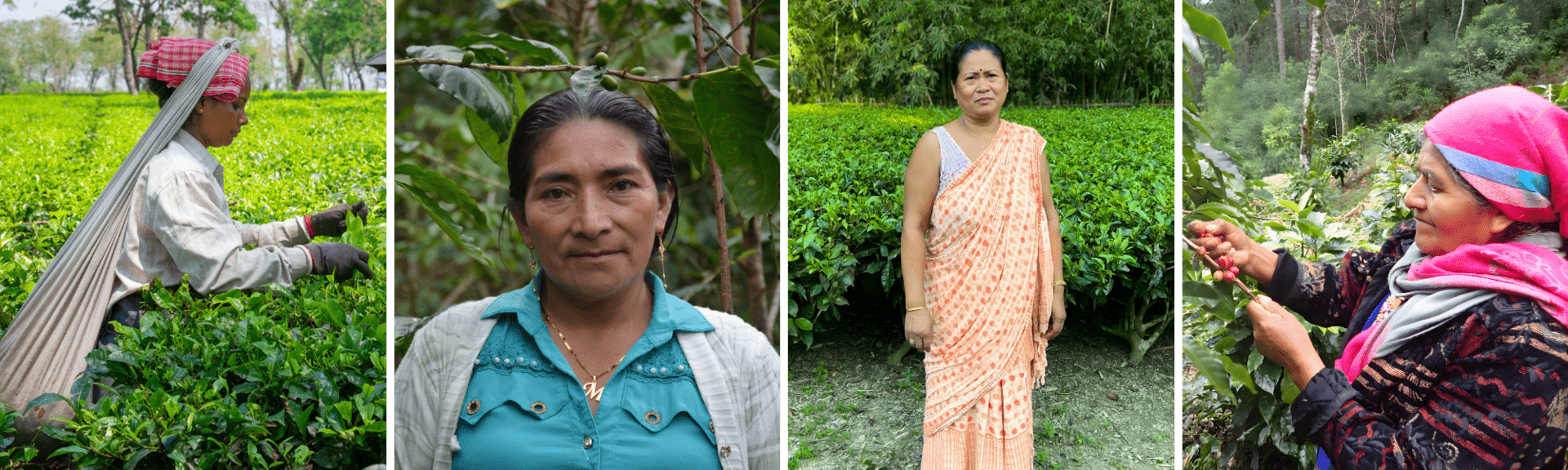
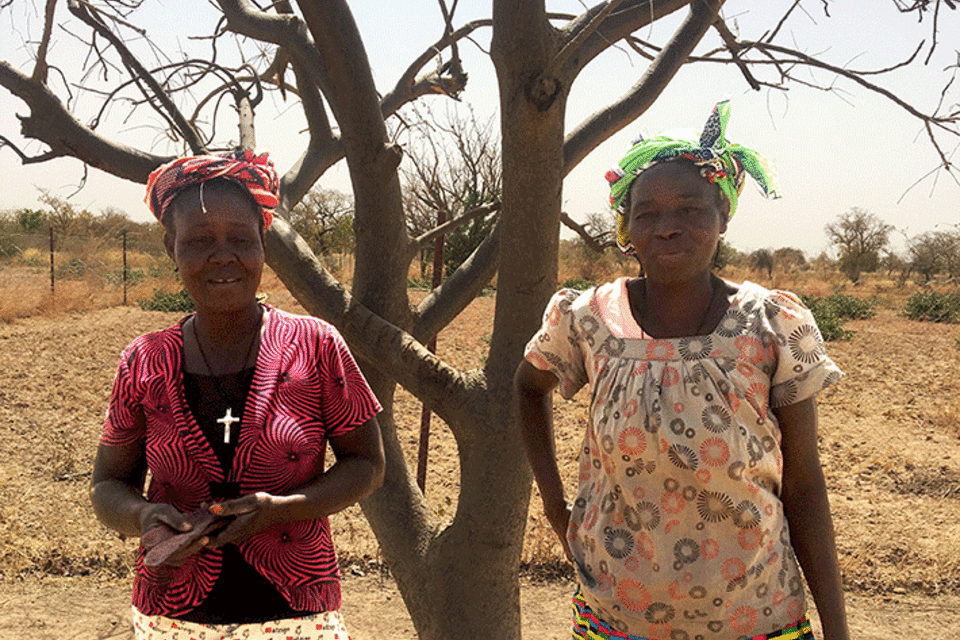
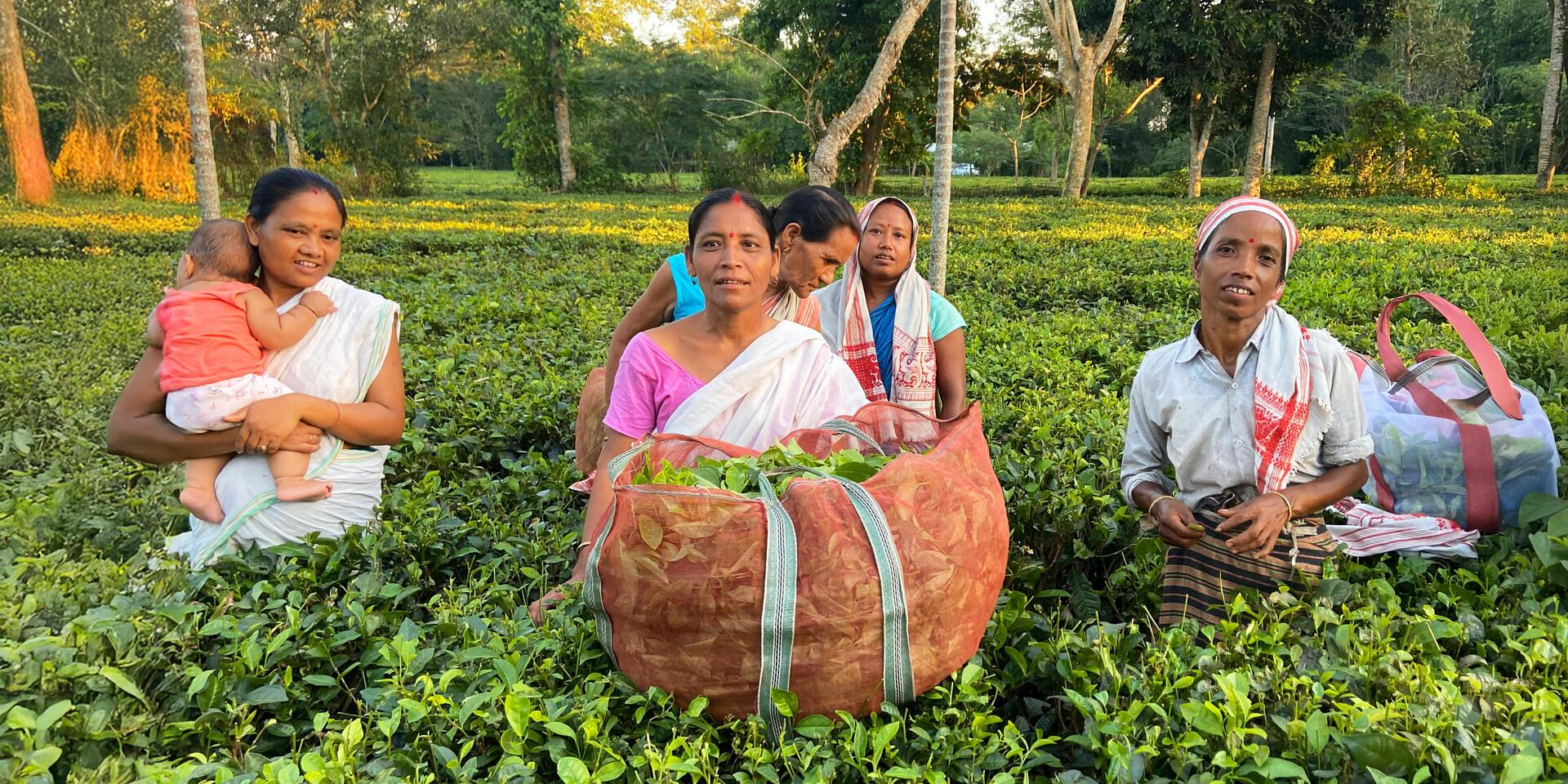
Photo credit (from left to right): Rohit Dey/Unsplash, Daniela Arce/CIAT, Haley Zaremba/Bioversity International, René Rodríguez-Fabilena/CIAT.
A new way to 'see' supply chains
To address this gap, the Alliance of Bioversity International and CIAT partnered with Swisscontact and Volcafe to develop a qualitative, intersectional methodology that gives companies deeper insight into who participates in agrifood supply chains.
The approach goes beyond counting participants. It maps actors across the chain—with particular emphasis on identifying and understanding the roles of diverse groups of women—and examines how benefits, contributions, and challenges vary among them. Crucially, it looks at how gender intersects with other sociocultural factors to shape participation, revealing differences that are often invisible in conventional supply chain assessments.
Through a participatory process, the methodology enables companies to identify and describe typologies of supply chain actors – archetypes or segmented client groups – and their experiences. The goal is simple but powerful: to use this richer understanding to identify practical, evidence-based entry-points for companies to design inclusive strategies and investments, to improve benefits and mediate challenges for key groups of women within a company’s supply chain.
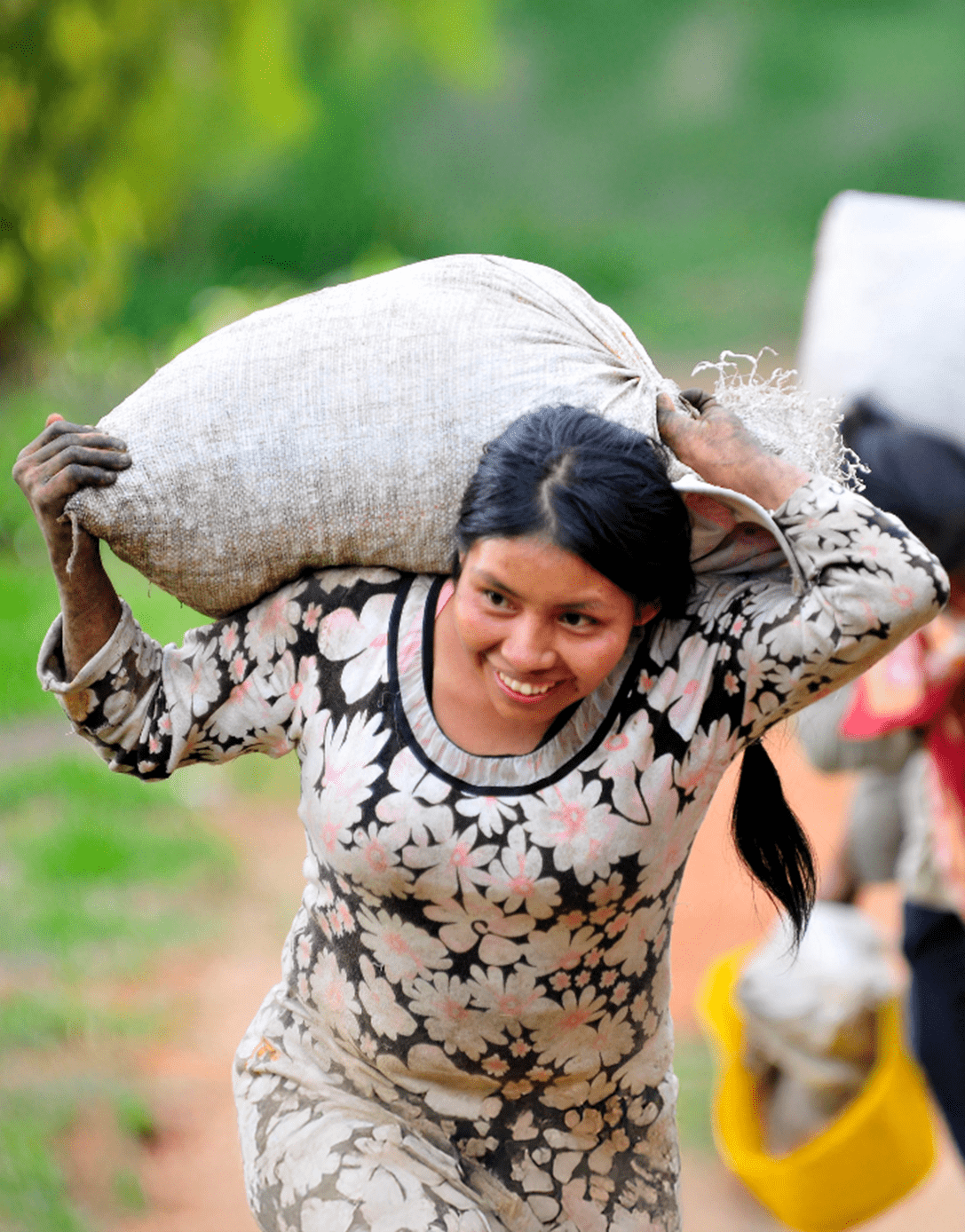
Photo credit: Neil Palmer/CIAT.
Putting the methodology into practice
In 2023, the methodology was piloted in two very different contexts:
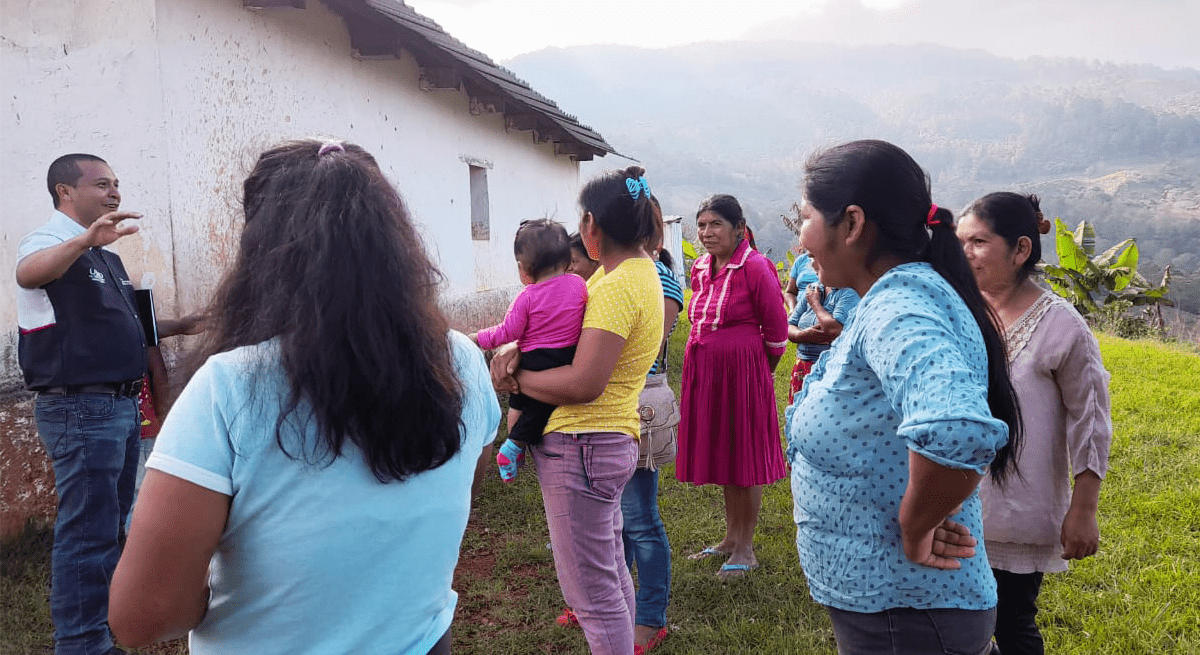
Photo credit: Fernanda Soto/CIAT.
Honduras – Coffee
The Alliance worked with Swisscontact and Volcafe to identify concrete actions to strengthen women’s empowerment in Volcafe’s coffee supply chain in the eastern region of Honduras. The findings, described in an info-brief, highlighted the diverse profiles (typologies) of women from smallholder households involved in coffee production and the specific barriers they face—information that had not been systematically captured before.
India – Tea
In Assam, the Alliance and the Ethical Tea Partnership sought to understand the heterogeneity of women smallholders within the tea sector and how they engage in the supply chain. The analysis uncovered a variety of identities, roles, and challenges that pointed to the need for tailored support rather than one-size-fits-all interventions.
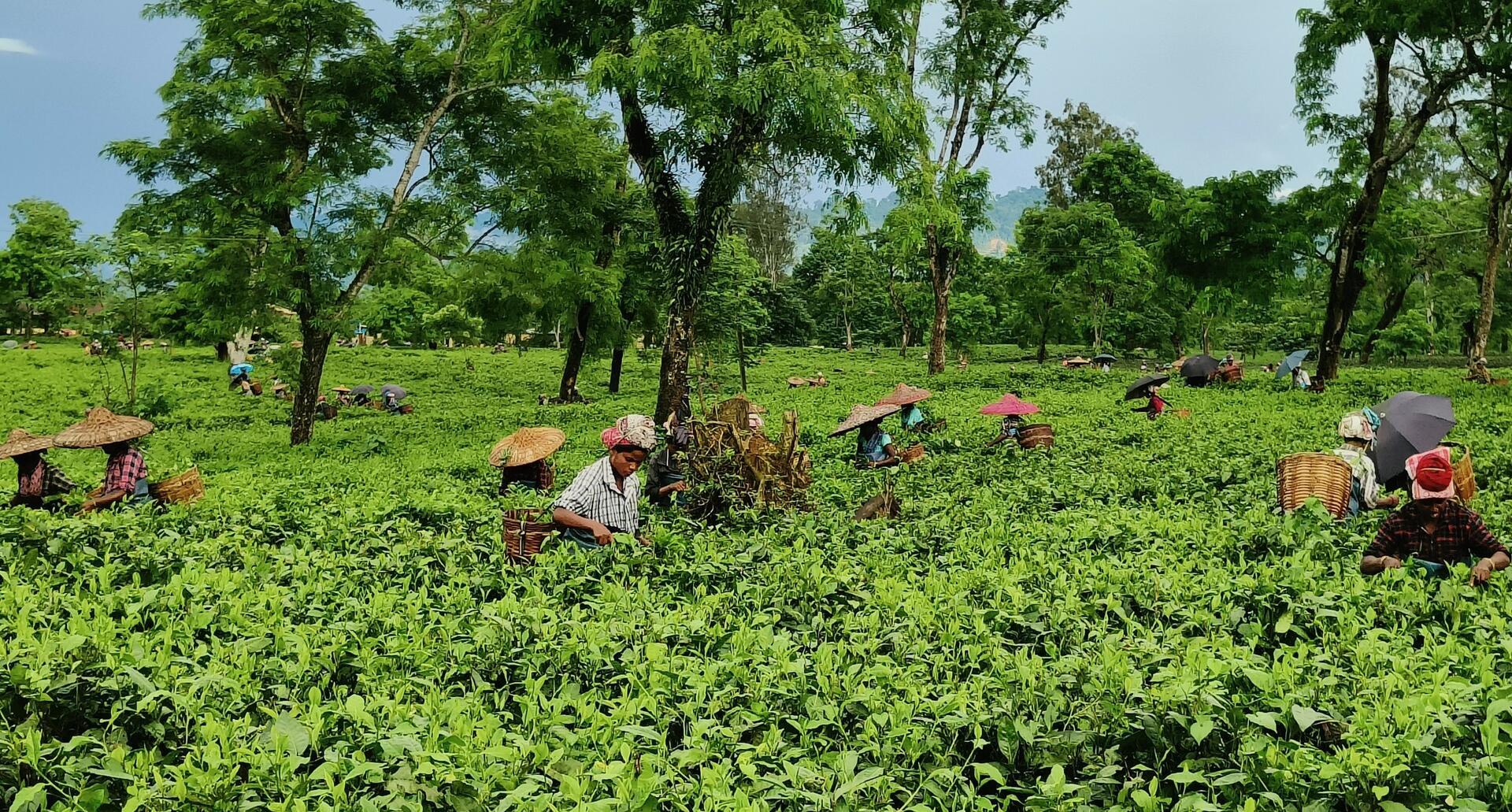
Photo credit: Haley Zaremba/Bioversity International.
From pilots to tools
The pilots informed the development of a toolkit, available in English and Spanish, that provides methodological guidance and practical examples for companies seeking to apply the typologies approach in their own supply chains.
In 2024, the toolkit was used to generate significant learnings for the coffee exporting company OFI on ‘Women in the coffee supply chain’, in southern Honduras. These experiences, along with partner feedback, culminated in a practice note, which synthesizes the methodology, lessons learned, and recommendations for practitioners.
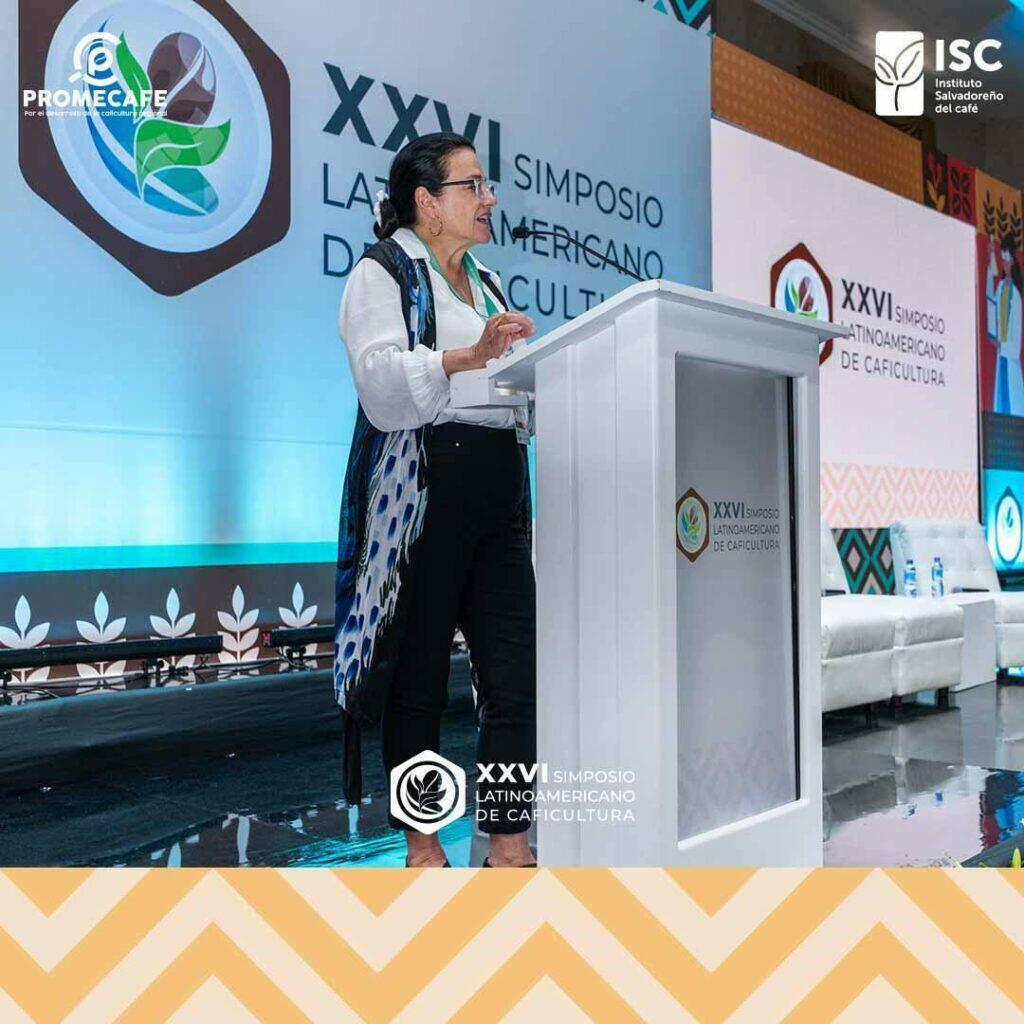
Photo credit: PROMECAFE.
Growing interest and engagement
The methodology has inspired others to elevate their voices about the importance of an intersectional approach to gender equity in agrifood systems. For example, it has been featured in the CGIAR webinar series Gender Lens for Business Sense and in a session with the Global Coffee Platform in Honduras, which convened national actors from different sectors working in coffee. It also inspired the panel ‘Diverse Women, Diverse Strategies to Achieve Gender Equality in the Coffee Chain’, co-organized with the International Women’s Coffee Alliance (IWCA) and presented at the 26th Latin American Coffee Symposium organized by PROMECAFE: a regional platform that brings together public, private, and research actors.
Interest from both private sector actors and development partners reflects an increasing demand for approaches that bring visibility to the people—and inequalities—usually hidden within supply chains.
Seeing diversity, designing better actions
Sustainable supply chains depend on the well-being and agency of the people who make them work. By making women visible—not as a single group but as diverse actors with distinct identities and realities—companies can design interventions that are fair, effective, and transformative.
This new methodology offers a way forward: a practical tool to help agribusinesses understand who participates in their supply chain, the roles they play, what they experience, and how to support gender equality and social inclusion in meaningful, evidence-based ways.
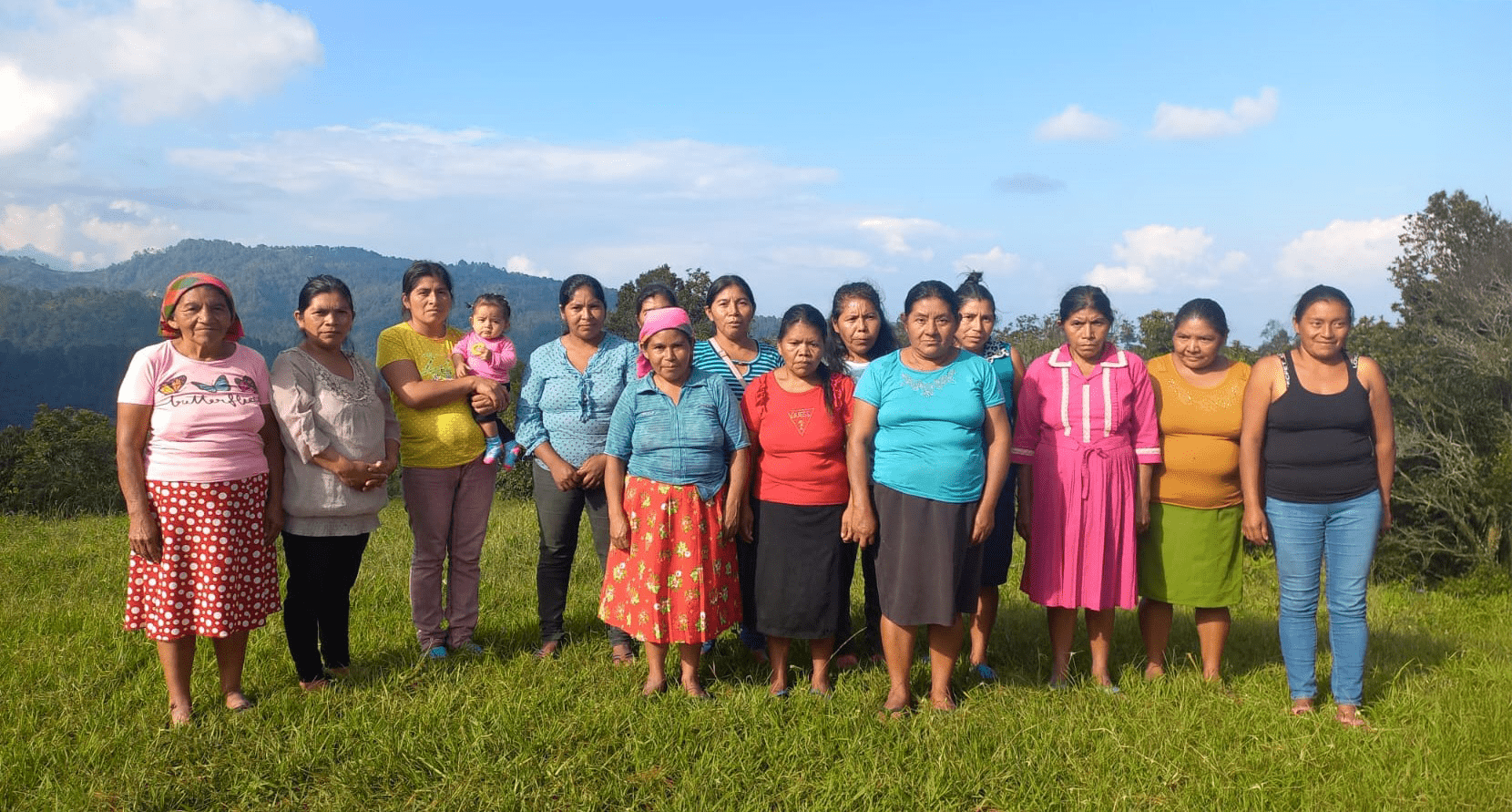
Photo credit: René Rodríguez-Fabilena/CIAT.
What partners are saying
“For us as field technicians, the methodology has been very useful for self-evaluating how we address different issues with women in the field.”
—Wilmer Escobar, Regional Agricultural Coordinator, Molinos de Honduras – Volcafe, El Paraíso
“This information helps us identify relevant actions to develop with the different groups of women in the area, demonstrating our commitment to gender equity and social sustainability in the coffee chain in Honduras.”
—Andrea Licona, Sustainability and Special Projects Lead, Molinos de Honduras – Volcafe
“What we aimed to do by applying the typologies methodology was to understand the differences among the women who are part of our supply chain… For us, recognizing these differences is important because it allows us to design tailored interventions.”
—Italo Sosa, Sustainability and Specialty Coffee Manager, OFI Honduras
This work was conducted under the CGIAR Initiative on Transforming Market Systems, the CGIAR Initiative on Gender Equality, the CGIAR Science Program on Gender Equality and Inclusion, and the CGIAR Science Program on Policy Innovations. We would like to thank all funders who support this research through their contributions to the CGIAR Trust Fund: www.cgiar.org/funders.
People to contact:
Fernanda Soto
Meghajit Sharma Shijagurumayum
Marlène Elias
Jenny Wiegel