From the Field Promoting women’s land rights in Eastern DRC through a gender-transformative lens

Land is far more than just soil—it is a source of income, identity, and security, especially for rural families. Yet, across Africa, women remain at a disadvantage. Despite producing an estimated 70–80% of the continent’s food, they own less than 10% of its farmland. In the eastern Democratic Republic of Congo (DRC), the Beans for Women’s Empowerment (B4WE) project is working to close this gap.
By partnering with customary chiefs, local authorities, and land conflicts management groups, the project is challenging long-held traditions and norms that have traditionally excluded women from land ownership. These efforts have already resulted in formal commitments that have opened hundreds of hectares to women farmers. Each plot of land represents more than cultivation-it symbolizes stronger foundations for food security and economic empowerment for the women.
Food grown by women, land owned by men: Africa’s stark paradox
For millions of rural communities across Africa, land is not just an important productive asset: it is home, a link to cultural heritage, and a vital source of resilience in the face of economic and climate shocks. Yet for countless smallholders, especially women, secure access to land remains out of reach. The numbers tell a clear story. Across the continent, only 38% of women report owning land, whether individually or jointly, compared to 51% of men. The gap becomes even starker with sole ownership: only 13% of women hold land rights, compared to 36% of men. This reality is deeply paradoxical. Women produce between 70-80% of Africa’s food, yet they control less than 10% of its land.
In much of sub-Saharan Africa, large tracts of land are controlled by a small group of elites, local authorities, or corporations. At the same time, millions of people, particularly women and Indigenous communities, face significant challenges in accessing even small plots of land necessary for food production. In the DRC, especially in the North and South Kivu provinces, women are frequently denied formal land ownership or access to land. Combined with persistent insecurity in the eastern region, these systemic barriers leave women vulnerable to exploitation, displacement, and entrenched cycles of poverty.
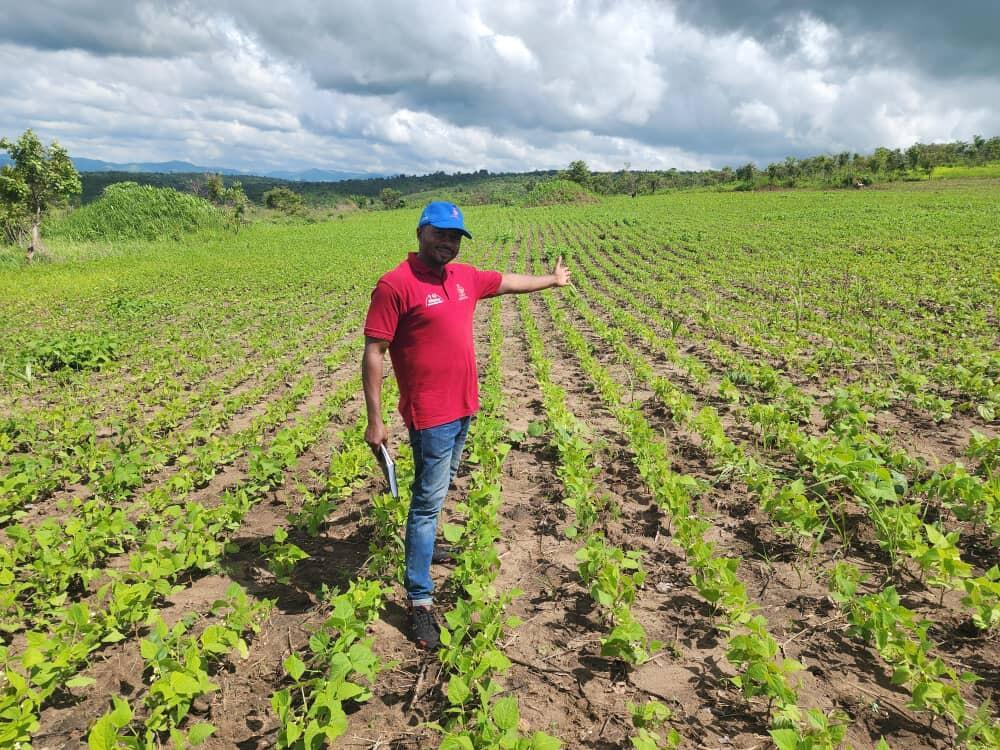
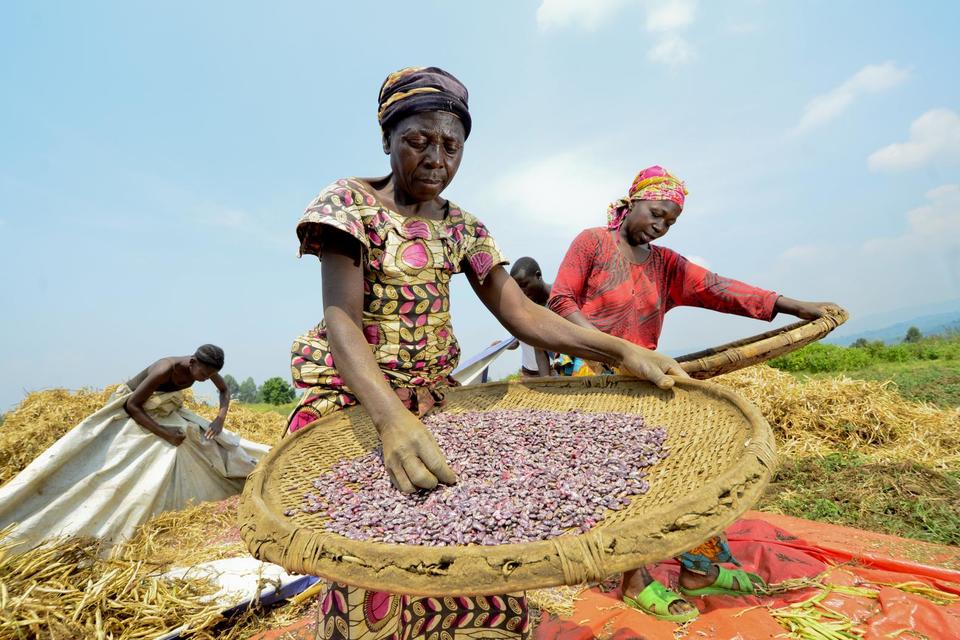
Fig.1: Vast expanse of land under bean production in Kalemie, Tanganyika province
Locked out of the soil: Testimonies of struggle and survival
In eastern DRC, numerous obstacles hinder access to land, including social norms, customary laws, administrative practices, and ongoing insecurity. The unwritten rule persists-land 'belongs' to men, leaving women reliant on male relatives or husbands or excluded altogether. Without guaranteed access to the same plot of land season after season, women are unable to take the risk of investing in sustainable farming practices, such as improved seeds or soil conservation.
Local stories reveal the struggles created by this system. “Even if I have money, I cannot buy land without my husband’s approval. He must accompany me to negotiate with traditional leaders or landowners,” shares Madam Gracia. For single women or widows, the barriers are even higher. “For a single woman or widow, access to land is almost impossible,” explains Madam Nyota from Masisi, North Kivu.
The costs of land add yet another layer of exclusion for women farmers. Many report paying about $80 USD per season for just a quarter hectare (0.25 ha) of land, in addition to extra taxes in cash or kind, often around $40 USD for a 100-kilogram bag of beans. This fragile arrangement traps women in short-term rentals, leaving them unable to make the long-term investments needed to improve productivity.
Beyond affordability, women also face widespread vulnerability to exploitation and mistreatment by landowners. Because lease agreements are informal and inconsistent, security of tenure is never guaranteed.
“Even when we manage to rent, we usually end up with infertile land. And if we are lucky enough to get fertile land that yields well, the following year, we are often chased away so the owner can reclaim it,” explained Madam Faradja from Rutchuru territory. This cycle highlights the absence of adequate protection and support for women, leaving them exposed to financial, legal, and social insecurity in their pursuit of land access.
This is not a marginal 'women’s issue': it is a structural weakness in the rural economy. When women, the backbone of food production, farm without secure land rights, the entire agri-food system is destabilized. By contrast, granting women secure access to land strengthens social cohesion, stabilizes markets, and improves nutrition. In eastern DRC, the B4WE project, financed by the Global Affairs Canada (GAC) has observed that dismantling the structural barriers limiting women’s land rights and advancing gender-equitable land governance are essential steps toward challenging entrenched cultural norms, strengthening women’s autonomy, and ensuring their rightful access to and control over productive farmland.
Beans for Women’s Empowerment project: Quiet diplomacy, bold results
Against these entrenched barriers, the Beans for Women’s Empowerment (B4WE) project has chosen a bold path: changing norms from within. The initiative engages directly with chiefdoms, community leaders, local authorities, land-conflict management groups, and partner organizations-local and international. By adopting a gender-transformative approach, B4WE highlights the harms of discriminatory practices while co-creating practical solutions with those who set the rules. The goal is not merely raising awareness but securing formal, verifiable commitments that provide women with real and lasting access to land.
In the hills and valleys of eastern DRC, a quiet revolution is taking place. The B4WE project is transforming the way women claim their place in agriculture—starting with land.
Through patient dialogue with customary chiefs, local leaders, and the community land conflict management team, the project has fostered positive behavioral change, spreading powerful messages: “No to gender inequality in the agricultural sector” and “Both women and men have the right to own and access land.” What once seemed impossible is slowly becoming reality.
Negotiations and community meetings that began as tentative conversations have grown into visible, tangible change. Today, hectares of land are being set aside for women to grow beans, a vital staple crop. Customary Chiefs and village heads, who once clung to tradition, are now signing agreements, standing as active partners in this transformation. For women, this shift is about more than soil and seeds. It is about legitimacy-the right to negotiate, to plan, and to farm without fear of displacement. With access to land, families become stronger, diets healthier, and communities more resilient.
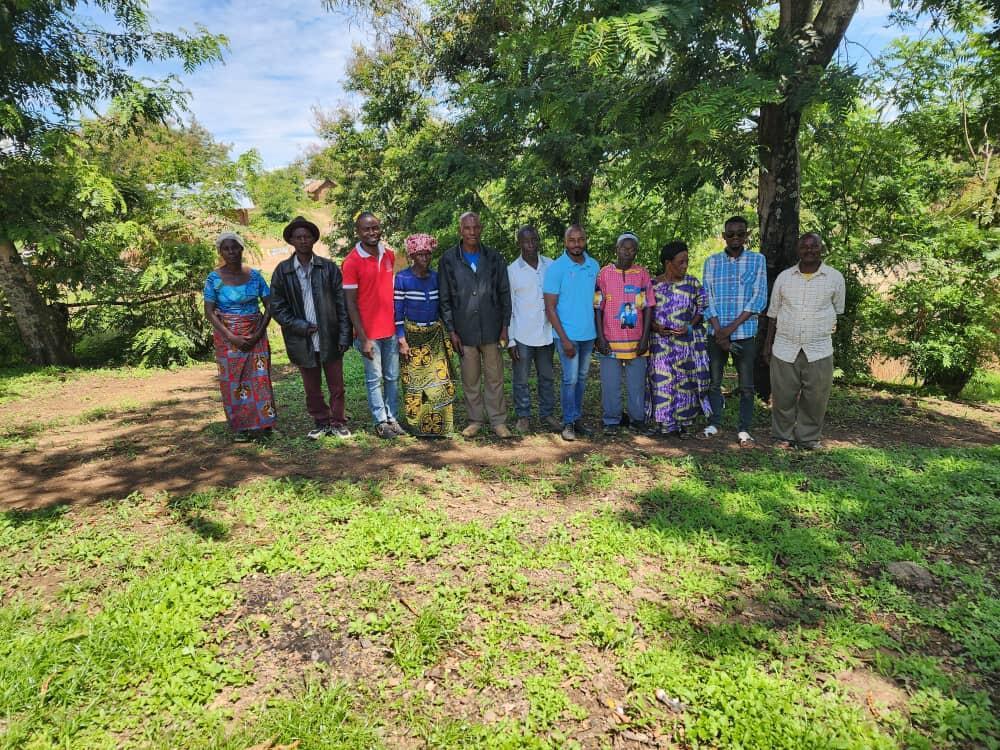
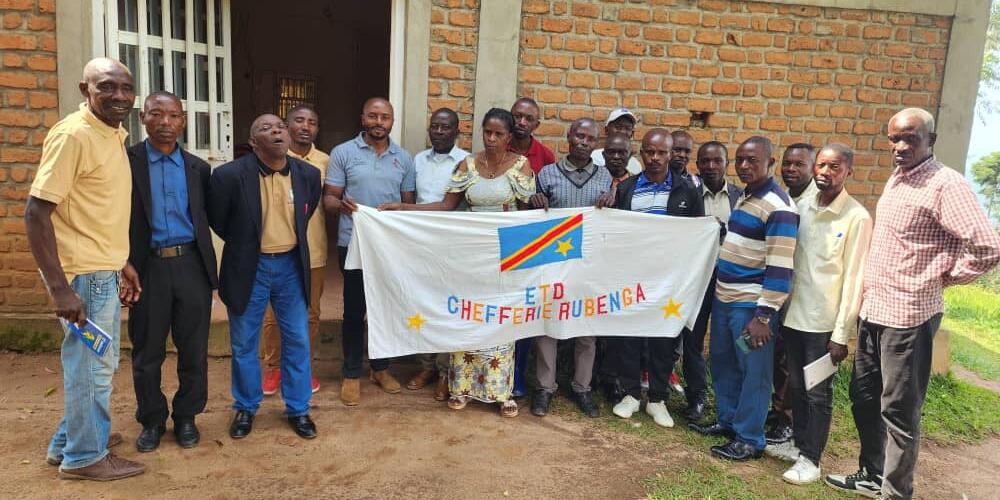
Fig.2: Meeting with customary authorities in the territory of Kalemie, Tanganyika Province
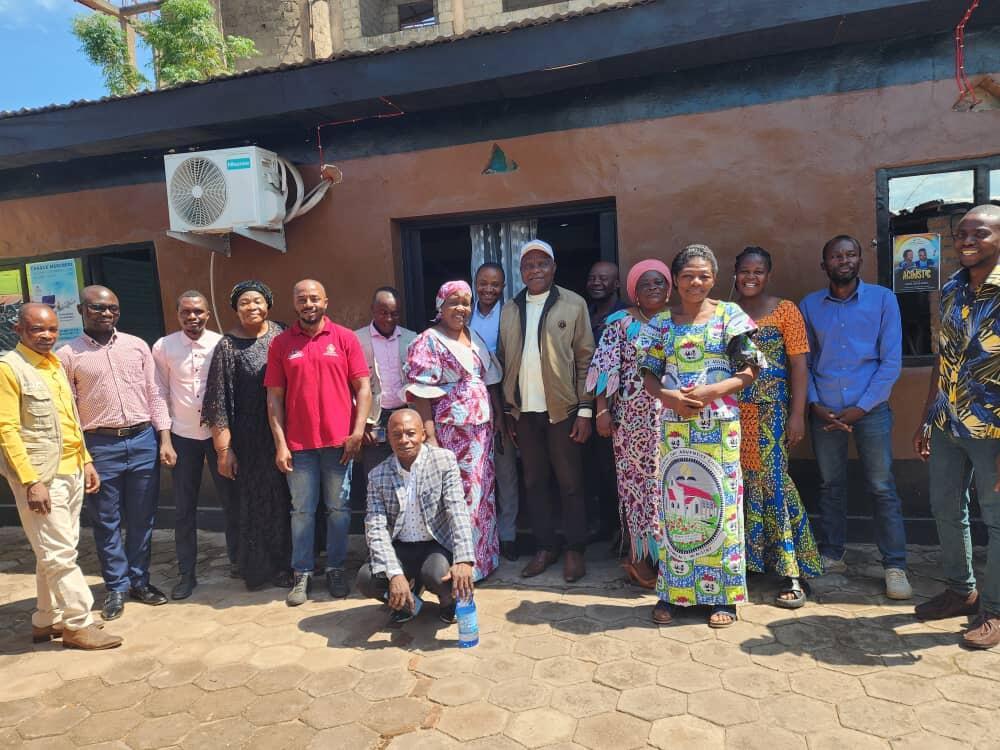
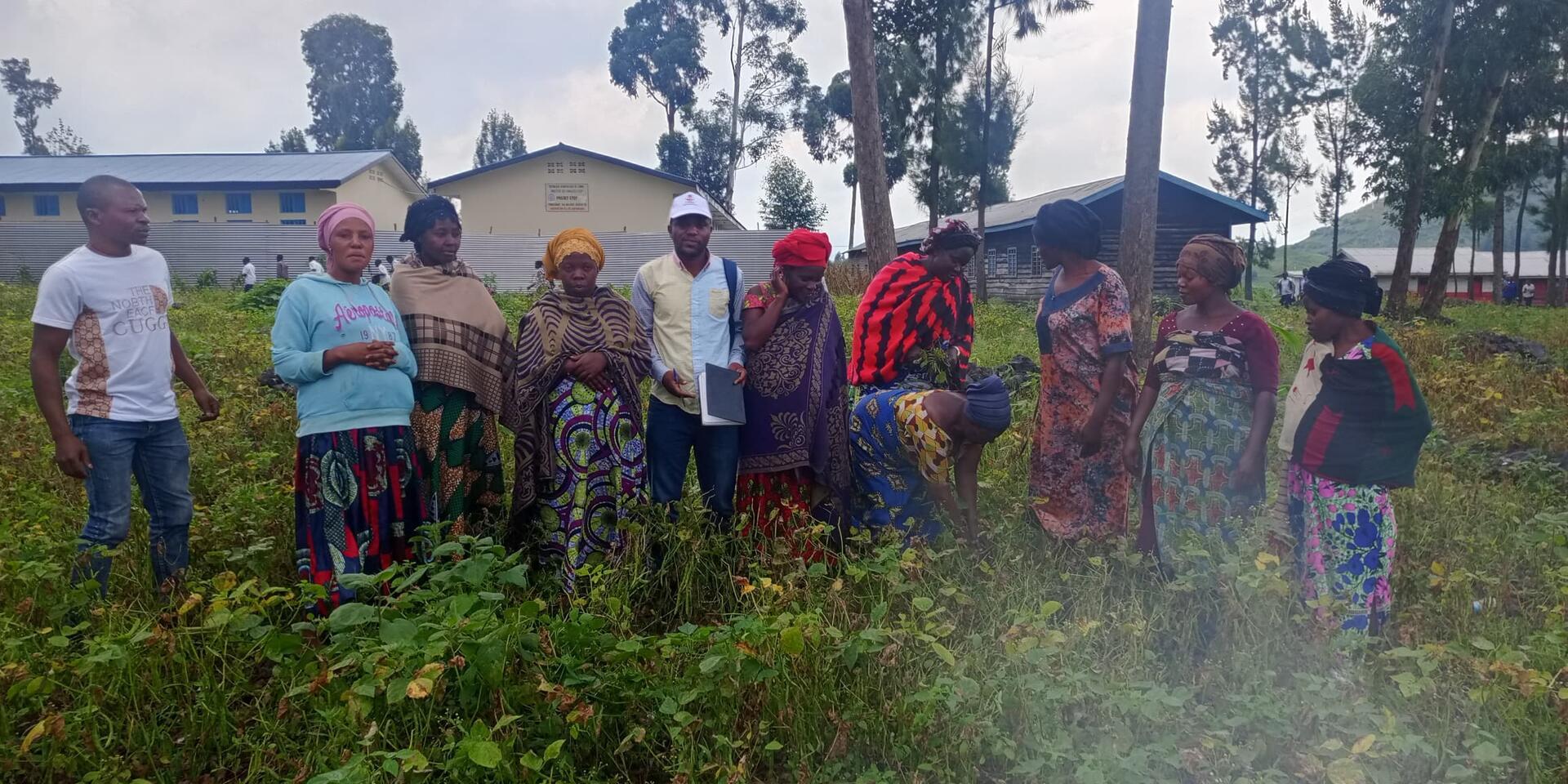
Fig. 3: Meeting with the local land conflict management Group in the Kalemie territory
The next harvest: Ending land inequality for good
Progress is no longer just a promise—it is unfolding on the ground. Across the three targeted provinces in eastern DRC, over 800 hectares of arable land are set to be made available to rural women farmers in the coming seasons, secured through more than 10 formal agreements with customary chiefs and community leaders.
“We now have a clearer understanding of women’s rights to land, and we are committed to working together to ensure that the women in our communities who wish to engage in agriculture can do so,” said one of the customary chiefs during a recent meeting.
His words reflect a turning point, a shift from tradition-bound norms toward inclusive decision-making. These milestones are more than land allocations- they symbolize recognition, opportunity, and a tangible step toward gender equity in agriculture. What was once a distant dream for women farmers is now taking root, one hectare at a time.
Take the Kakamba/Bwegera ‘groupement’ in South Kivu’s Ruzizi Plain, for example: the local chieftaincy has allocated 21 hectares specifically for women from Bwegera, Nvumu, Nyarububuma, and Katamba to cultivate beans. Similarly, in the Bunyakiri groupement, the chief of Bweshu village, together with leaders from Mulamba and other community representatives, dedicated 6.5 hectares exclusively to women farmers. The momentum extends to Tanganyika province as well, where the chief of MONI ‘groupement’ in the village of Kibugu has made 10 hectares available for the women in the community.
Although traditionally, accessing land often comes at a cost-whether in cash or kind. But, through these careful negotiations and formal commitments, the price for women is now far more manageable.
These plots are more than just land; they are opportunities, spaces where women can plant not only beans but also the seeds of empowerment, resilience, and community transformation.
The benefits extend far beyond the land itself. Secure access empowers women to work together as a group and cultivate beans for income generation, food, and nutrition security in the face of crisis. More importantly, it helps them to invest in seeds, tools, and soil improvements, boosting productivity and generating more reliable incomes. Furthermore, it restores decision-making power—choosing bean varieties, planning planting schedules, and negotiating markets. This autonomy reduces dependency, breaks cycles of exploitation, strengthens household food security, and stimulates local economies. Because beans are a dietary staple, every safeguarded plot directly contributes to community nutrition and resilience.
The journey is far from over. B4WE continues to build durable partnerships with national governments, international organizations, and civil society, striving to tackle the root causes of land inequality. The goal is clear: transform local commitments into lasting, structural gains so that women’s land access becomes the norm, not the exception. Land is not a privilege for the few; it is a shared foundation for all. When women secure their land rights, they uplift themselves, their households, and their communities. Food systems become more resilient, rural economies strengthen, and the future is written on fields that women proudly cultivate in their own name.
The team
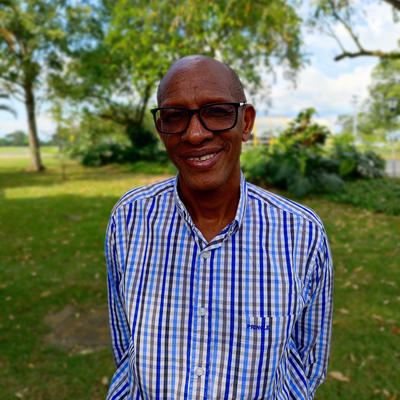
Jean Claude Rubyogo
Leader, Global Bean Program, and Director, Pan Africa Bean Research Alliance (PABRA)
Bola Amoke Awotide
Research Team Leader, Country Representative for the Democratic Republic of the Congo