Research Articles Supporting women’s leadership in agrifood systems in India
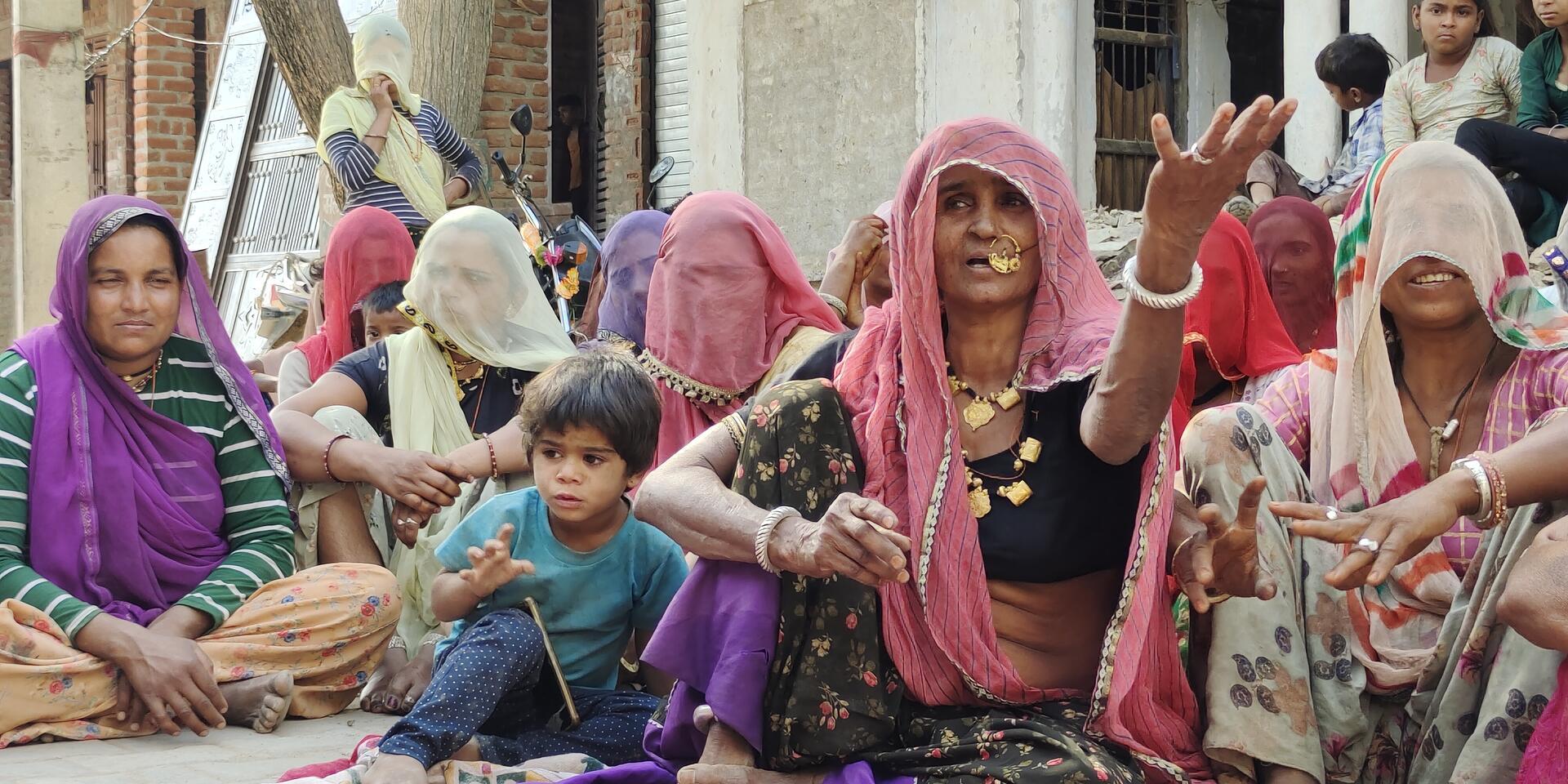

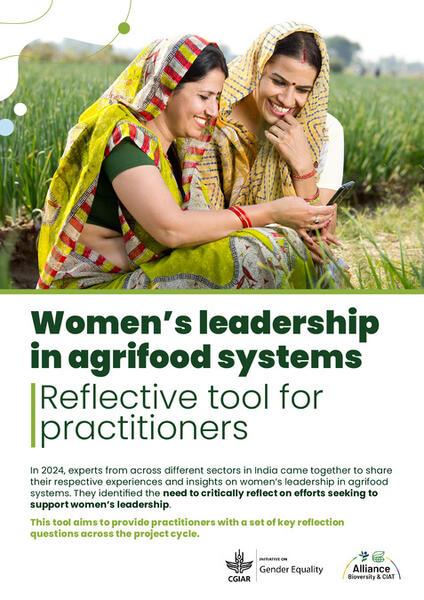
Women’s effective leadership and representation are key to achieving just and resilient agrifood systems.
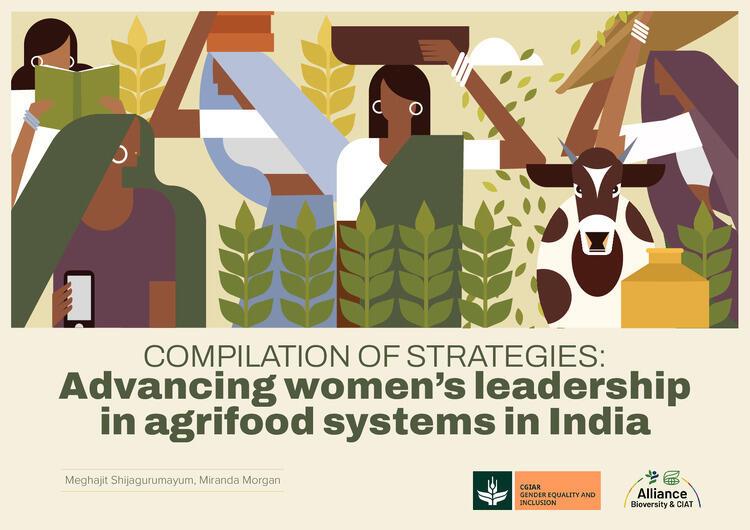
Women are key actors in agrifood systems, playing leadership roles in agricultural cooperatives and producers’ organizations, large agribusinesses, and agrifood-related governmental and non-governmental institutions and decision-making fora.
Yet, women’s contributions are often underrecognized and undervalued, and deep-seated structural barriers, such as discriminatory legal and policy frameworks, social and cultural norms, negative perceptions of women’s leadership, and unequal access to resources and capital, constrain women’s leadership. Furthermore, the evidence base on women’s leadership in agrifood systems is fragmented, and existing methods struggle to capture the complexity of leadership processes.
At the Alliance, we work with partners to co-design research approaches and methodologies to inform their efforts and improve evidence on what works to support women’s leadership in agrifood systems.
In this page, we collect examples of this work, with a focus on India.
Focus on: Catalyzing joint thinking and action across agricultural sectors
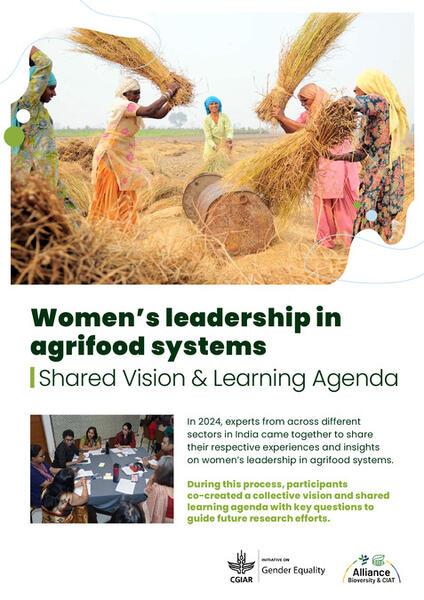
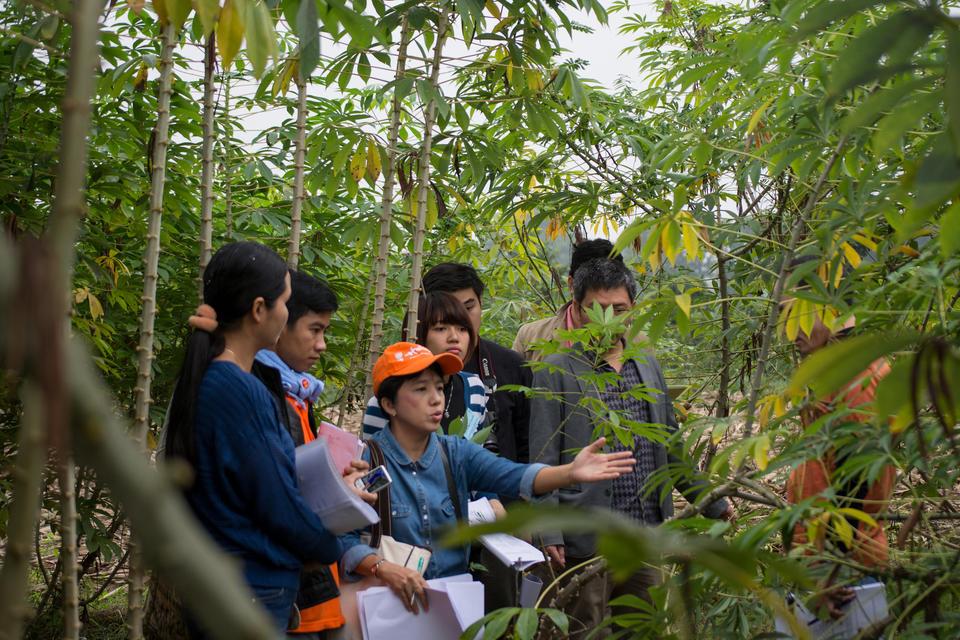
To catalyze joint thinking, reflection and action, the Alliance brings together experts from across different sectors to share their respective work, experiences and insights on women’s leadership in India. In a Roundtable on “Advancing Women’s Leadership in Agrifood Systems”, in Bangalore, India, participants from across different agricultural sectors jointly defined a vision, a learning agenda, and delivered the state of knowledge on the theme in India, including through:
Focus on: Piloting qualitative research approaches on women’s leadership in agrifood systems
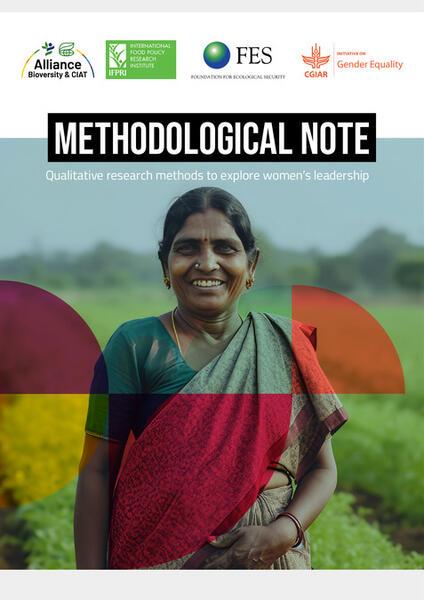
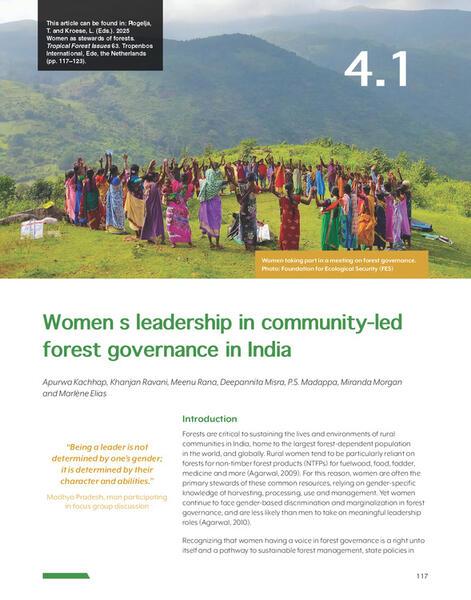
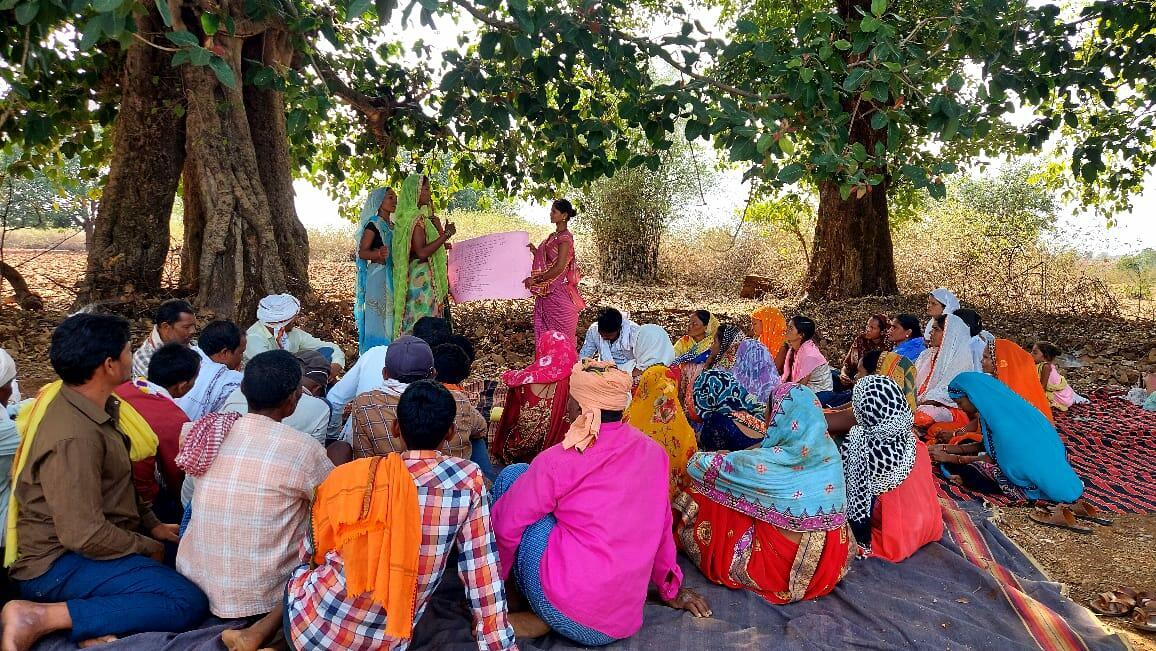
Researchers from the Alliance and IFPRI partnered with the Foundation for Ecological Security to co-design and pilot qualitative research approaches on women’s leadership in the commons in four states in India. The study aimed to identify when and how women (individually and collectively) lead or influence decision-making on common property resources - and what hinders them from full and effective participation and leadership in decision-making. A combination of focus group discussions and in-depth interviews with men and women leaders across a diversity of communities provided rich descriptions of leadership journeys and highlighted the enabling factors and challenges to rural women’s leadership.

Focus on: Providing guidance on women’s leadership in agrifood systems
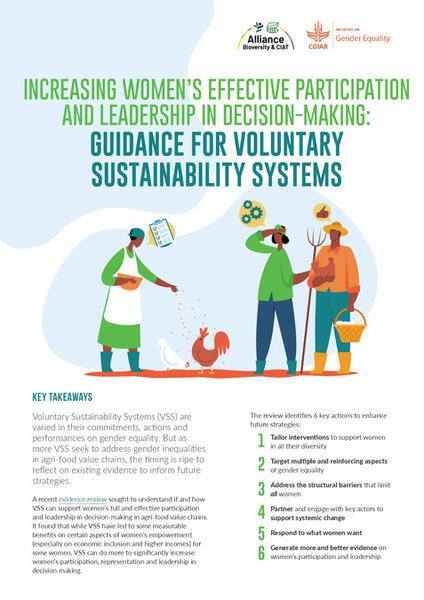
In partnership with ISEAL Alliance (a membership-based organization for sustainability systems), and responding to learning needs of members, the Alliance team revisited secondary sources to consider if and how voluntary sustainability systems (VSS) can contribute to women’s meaningful participation, representation and leadership in decision-making in agrifood systems. This research highlighted the challenges in advancing rural women’s leadership and the lack of sufficient methods and evidence on the topic. A policy brief with accessible guidance was developed for sustainability systems.
The Alliance also designed and hosted consecutive sessions on gender and sustainability systems with the Centre for Responsible Business (CRB) at the annual flagship ‘India and Sustainability Standards’ conference. This included the following sessions:
- "Supporting Gender Equality and Social Inclusion: Innovative Solutions to Transform Supply Chains": This 2023 panel included experts from the Rainforest Alliance, the Better Cotton Initiative and other sustainability systems to highlight pioneering actions being taken to make gender equality visible and measurable in supply chains.
- "Advancing Gender Equality through Voluntary Sustainability Systems: From Commitments to Action" : This 2024 session showcased a new Toolkit developed collaboratively by the Alliance and ISEAL to support sustainability systems in advancing gender equality in their organizations, within standards and certifications, and through their programmatic work.
Both sessions served to facilitate networking and knowledge exchange on gender equality and women’s leadership with a range of sustainability systems in India.
Researchers working on this topic

Meghajit Sharma Shijagurumayum
Post Doctoral Fellow
Miranda Morgan
Gender Scientist
Marlène Elias
Director, Gender and Inclusion
Latest Publications