Blog Local Seeds, Global Gains: everybody benefits from agrobiodiversity exchanges

Communities and countries are banding together to protect local agrobiodiversity, delivering environmental, health, and economic benefits that have far-reaching consequences.
To celebrate this International Biodiversity Day’s theme of “Acting Locally for Global Impact”, we collected stories from countries where the Alliance works, tracing the path of unleashed agrobiodiversity from local seed conservation to global food systems safety net.
Latin America: seed sharing builds resilience
Sharing of planting material has always been a core element of Latin America’s agricultural development. A revelation of the so-called ‘Columbian Exchange’ of the 15th and 16th centuries is that many crops find new life flourishing outside of their native locations, as with the many species native to the Americas, from tomatoes to cacao, that went on to proliferate around the world.
But the downside of this exchange was that many less immediately “desirable” crops were neglected by farmers and consumers. In the last century alone, 75% of crop diversity has been lost. We are now dealing with the fallout of an overly homogenous food system: nutrition gaps, susceptibility to disease, and climate vulnerability.
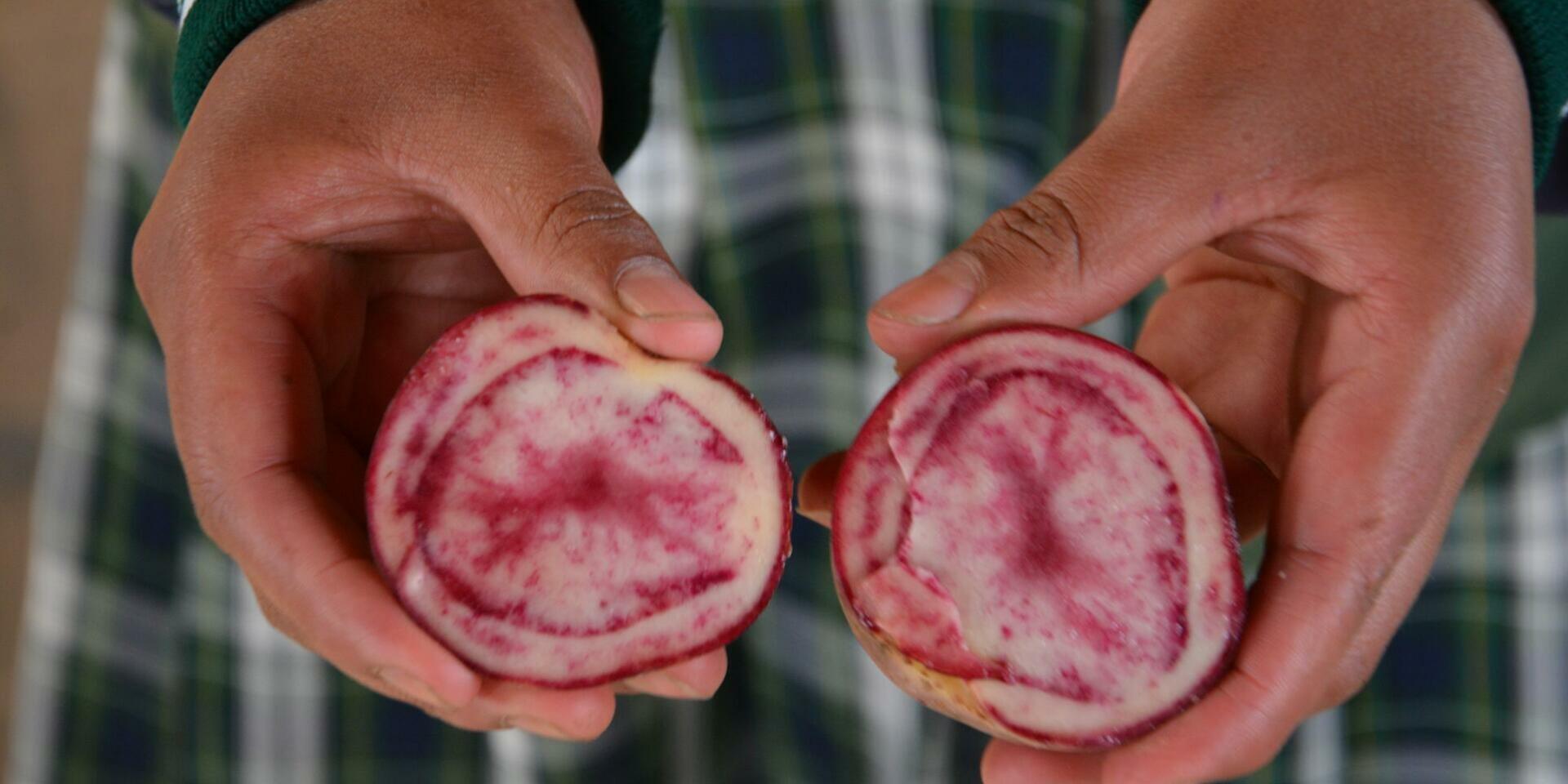
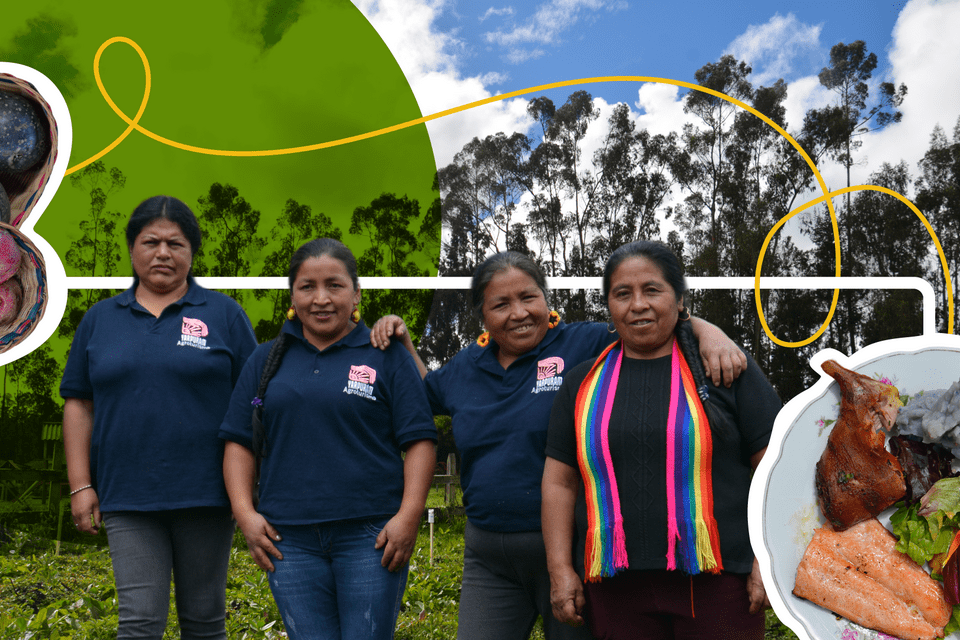
Everybody has a part to play in overcoming these challenges: starting in Nariño, southern Colombia, where indigenous communities have established “seed houses” to conserve resilient native varieties including quinoa, phureja potatoes, and mountain papaya.
Community seedbanks are called banks for a reason: these seeds are currency to be traded, planted, and multiplied.

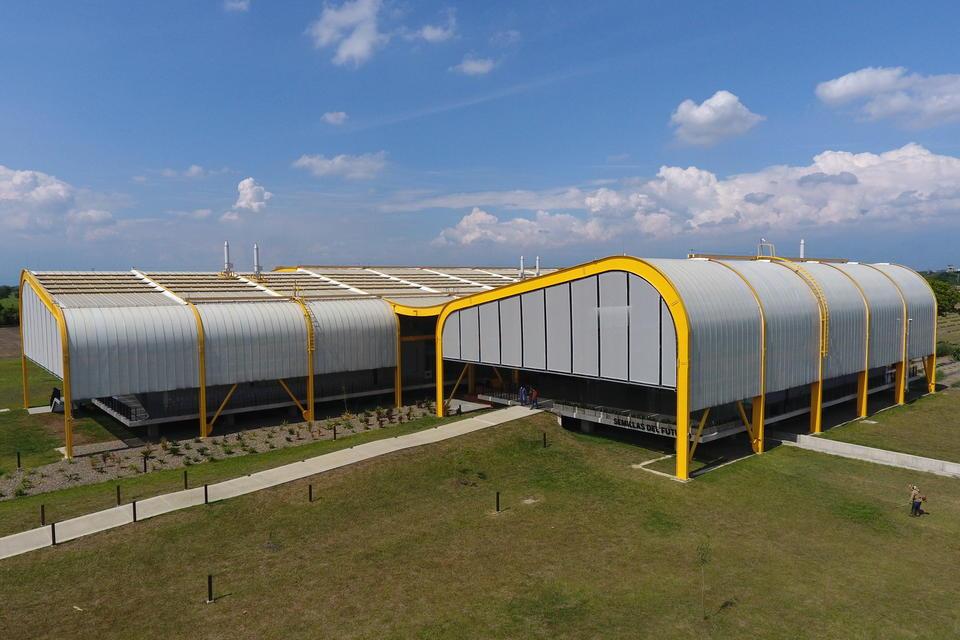
Genebanks are another way in which seeds can be exchanged, at a wider scale. The Alliance houses Future Seeds, a conservation and research hub for 67,000 samples of beans, cassava, and tropical forages. Varieties from Future Seeds have traveled as far as sub-Saharan Africa, where biofortified beans have become part of school meals, to Southeast Asia, where improved forage varieties have helped farmers feed livestock through the winter.
Africa: Indigenous vegetables get policy support
Kenya is home to a wealth of indigenous vegetables, from cowpea to amaranth. Many of these require fewer inputs such as water and fertilizers, making them favorable options in an era of climate volatility, depleted soils, and interrupted supply chains. If farmers gain access to diverse seeds, they are better equipped to withstand shocks and continue to feed their families.
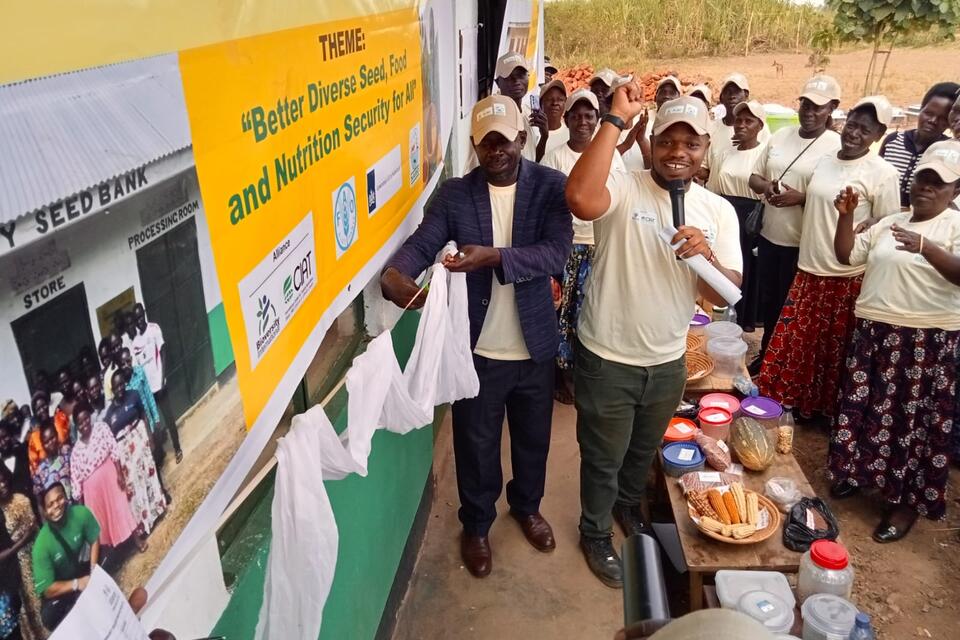
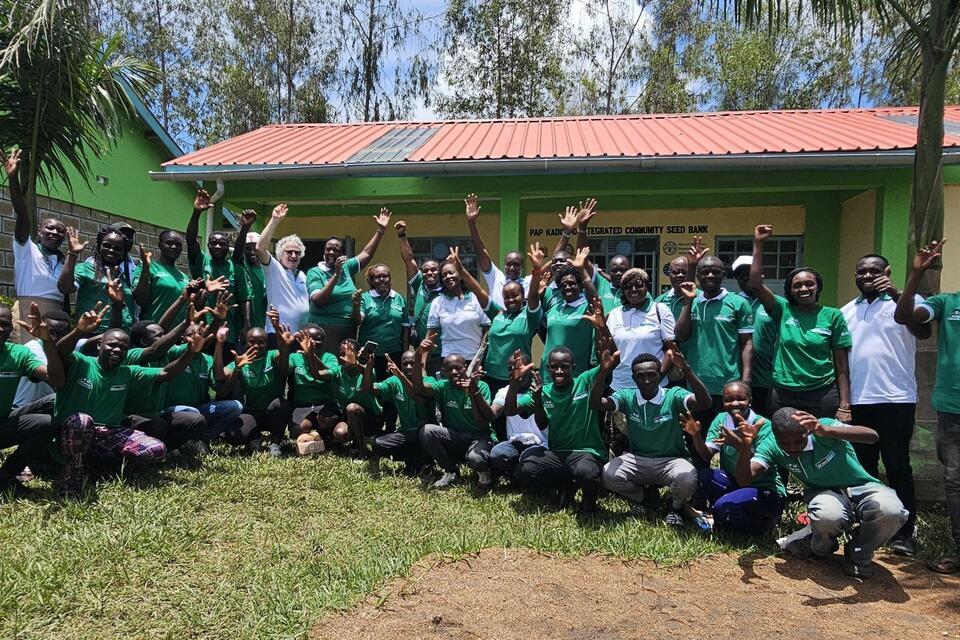
In Kisumu County, Kenya, the government has embraced these benefits. Along with partners KALRO and Seed Savers Network, the government opened a new seedbank earlier this year, making it the fifth established by the Alliance in Kenya (complemented by eight in Uganda). The seedbank hosts a tree nursery, multiplication center, and brings together women and youth from the community. But that’s not all, the County Government has pledged to scale up these efforts with the aim of reaching 1 million farmers as part of the implementation of its Integrated Climate Change Action Plan, and aligned with Kenya’s National Agroecology Strategy for Food System Transformation. In this instance, agrobiodiversity is being recognized as a cornerstone for governments to meet their sustainability goals.
To date, our seedbanks in Kenya and Uganda have distributed 14,100 kg of seeds, with an estimated value of over USD 36,800.

Asia: ecotourism and the global framework
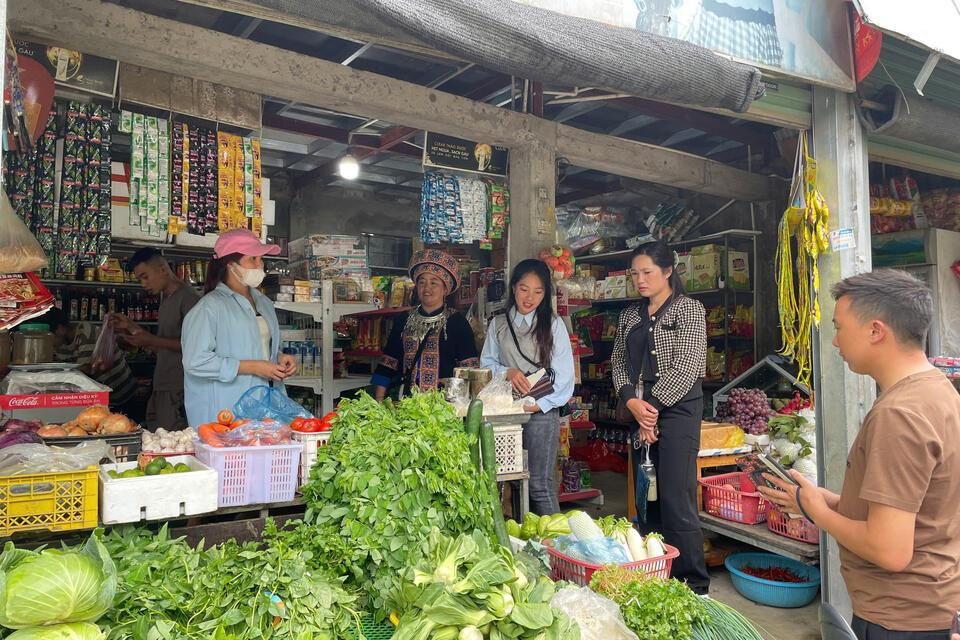
In Vietnam, local farmers, traders, restaurants, and cooperatives are all part of an ongoing investigation to bring more indigenous fruits and vegetables to market, such as Tả Van plum and H’Mong mustard. Researchers from the Alliance and the Fruit and Vegetable Research Institute (FAVRI) found that consumers’ demand for local agrobiodiversity is increasing, but structural barriers are preventing them from accessing many options. A promising space to turn this around is the agro-ecotourism sector, where farm-to-table experiences and cultural food narratives are translating agrobiodiversity into economic value, garnering the support of local policies.
A familiar paradox persists: indigenous products are increasingly valued by consumers, yet farmers capture only a fraction of that value.
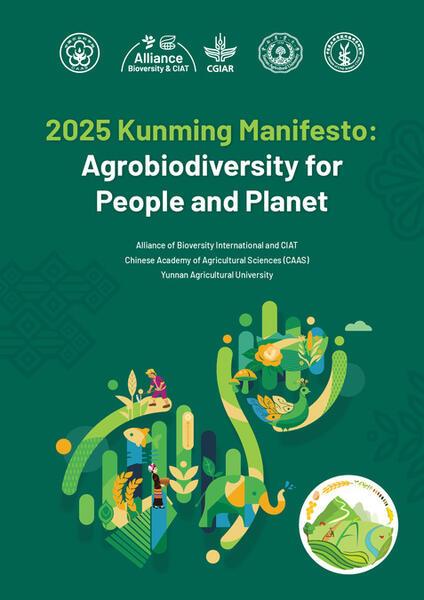
Kunming, China, is noteworthy for its natural biodiversity. But it’s also the site where one of the most comprehensive agreements was made, by over 196 countries, to strive towards biodiversity-friendly practices. Specifically, the Kunming Biodiversity Framework includes Target 10, sustainable production, which includes agricultural practices such as agroecology and integrated pest management. Almost exactly a year ago, it was also the host city for the 3rd International Agrobiodiversity Congress, convened by the Alliance, CAAS, and Yunnan University, a meeting of experts that resulted in the Kunming Manifesto on Agrobiodiversity, a guide for decisionmakers to better incorporate agrobiodiversity in food and land systems.
Global opportunity for unleashed agrobiodiversity
As part of turning the Global Biodiversity Framework into concrete action, the Convention on Biological Diversity established the initiative on Biodiversity for Food and Nutrition, which has collected successful scientific examples from around the world for countries to adapt into national strategies and action plans. In collaboration with FAO, the Alliance of Bioversity and CIAT is working to further translate this knowledge into practical uses that amplify the local successes and create positive change at scale.
In years of increasing vulnerability and risk, agrobiodiversity is a valuable resource— perhaps more than ever before— for farmers, consumers, and communities around the world. Now is the time to safeguard, share, and use this incredible natural wealth.
Explore more agrobiodiversity around the world