Blog Nurturing India’s fruitful basket holds the key to unlocking nutrition security


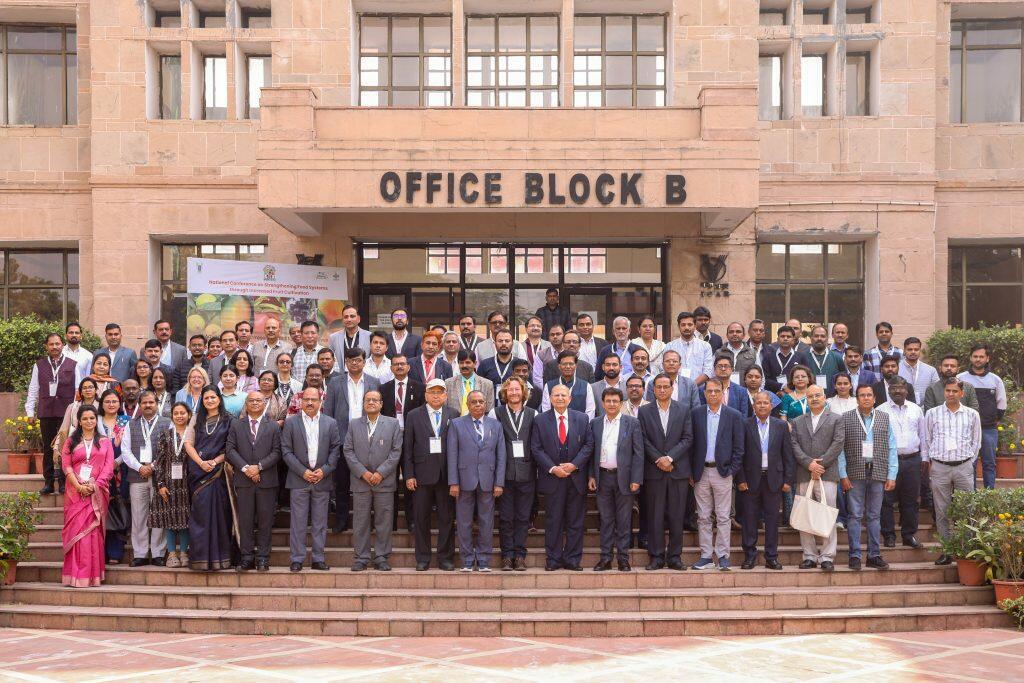
As the world’s most populated nation continues to grapple with malnutrition, the Centre for Fruitful India launched its inaugural national conference in New Delhi in November 2025. The event convened a network of fruit tree champions to advance fruit diversity for nutrition, climate resilience, and community empowerment.
Wrapped in its aromatic signature of tropical sweetness, mangoes are widely cultivated across India’s vast expanse that is nearly the size of Western Europe. As the country’s national fruit, the nutrient-packed Mangifera indica is a cherished symbol ingrained in India’s rich culture, history, and economy.
For decades, the South Asian nation has dominated the global production of diverse mango varieties, supplying markets in the Middle East, the United Kingdom and the United States, among others. Last year, exports reached more than 32,000 metric tons with approximately $60 million USD in revenue. Despite the tropical fruit’s sweet legacy, the country continues to lag behind its health and nutrition targets—an indicative trend of underutilizing its wide array of diverse fruit species.
Besides mangoes, India is also a key producer of bananas and spices. A 2019 report, using the Agrobiodiversity Index - a tool developed by the Alliance of Bioversity International and CIAT that won the 2023 Food Planet Prize, reveals that the country boasts high genetic diversity across at least 172 domestic species, including fruits, spices, and vegetables. Although these species have performed well economically, they remain largely untapped as a resource for promoting healthier diets.
“In India, more than 50% of dietary calories come from major staples. Legumes and wholegrains reach adequate levels, but average diets fall short of vegetables, fruits, and some animal-based products,” the report said.
While the country has long achieved self-sufficiency in food production, the challenge now turns toward collective efforts to peel away malnutrition and ensure a nutrition-secure India.
Virtual pollination networks
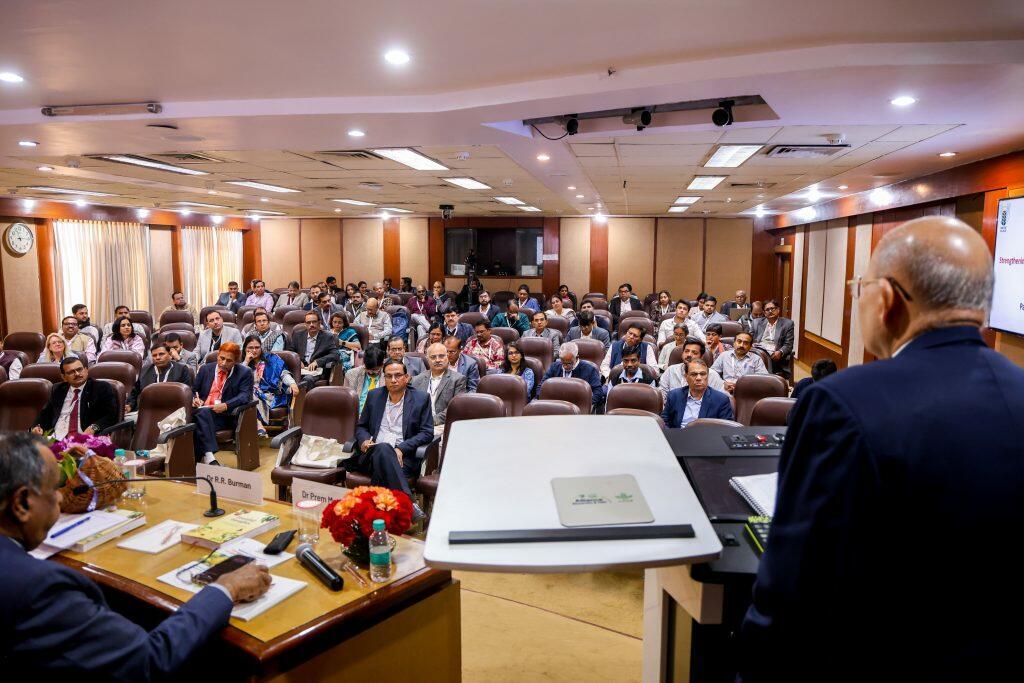
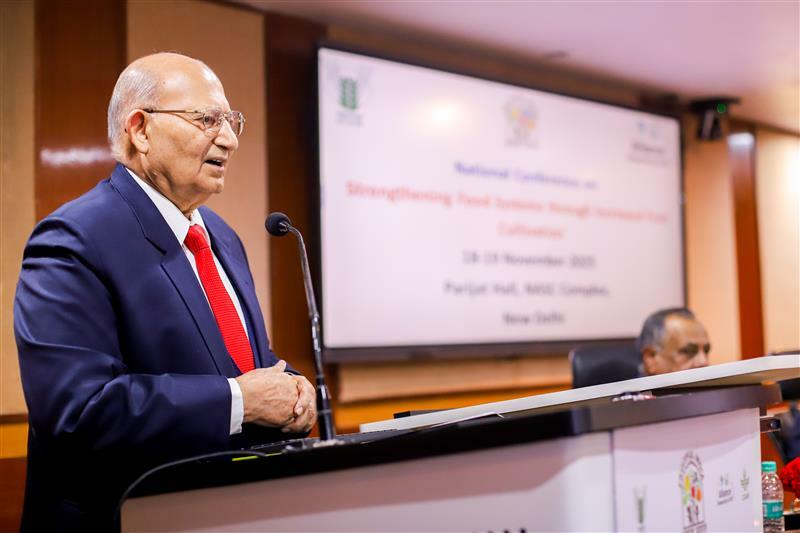
“Many of the fruit species which we used to consume when I was a child are no longer available in the market because the new generation totally forgot about the use of those fruit species, which are nutritious and can grow in challenging conditions,” said Technical Adviser Dr. Prem Mathur as over 140 scientists, policymakers, and grassroot innovators convened for the inaugural national conference of the Centre for Fruitful India (CFI).
Geared towards championing fruit tree cultivation to transform India’s food systems, the two-day event in New Delhi gathered insights on how to better capitalize India’s diverse fruit tree species for nutrition, climate resilience, and community empowerment.
The virtual center’s mission of supporting low-income families with better access to available healthier food choices strongly aligns with the Indian government’s Viksit Bharat: a roadmap towards achieving an economically advanced and globally influential nation by the centenary of its independence in 2047.
“Through CFI, we aim to bring back that lost diversity of the traditional food which used to be grown in India, and they have the origin from India, bring back to the farming system and into the diet of the poor people here,” the scientist added.
Central to strengthening the network of partners in transdisciplinary fruit-cultivation research was the workshop on the CFI grant proposal, which featured key activities intended to unlock and harness the full potential of India’s fruit diversity for transformative impacts in the margins.
Over 190 proposals were received nationwide, showcasing India’s diversity and innovation potential. After careful evaluation aligned with the CFI mission, 32 projects were shortlisted. The principal investigators presented their proposals before the center's esteemed scientific committee for final assessment of the research potential for national scaling and impact.
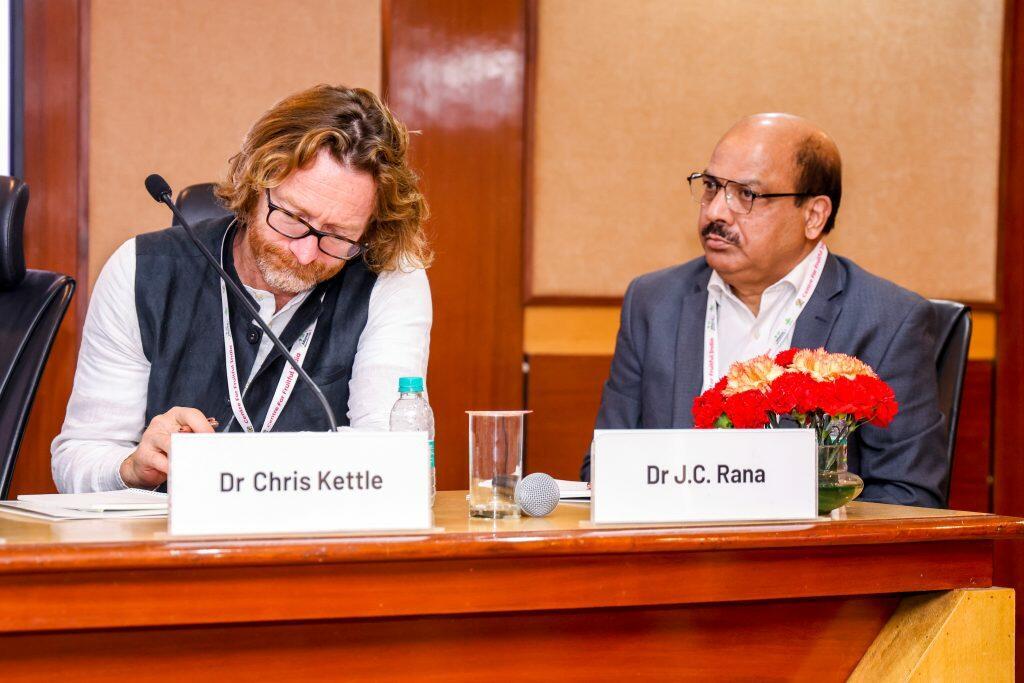
“There's this real opportunity to have catalytic impact at scale by having science delivering in through virtual pollination networks, where we're really delivering the latest science that can support more transitions to sustainable agriculture using the extraordinary and bountiful fruit diversity that India has to offer,” Principal Scientist Dr Chris Kettle, Lead Tree Biodiversity for Resilient Landscapes at the Alliance.

Keeping the basket fruitful
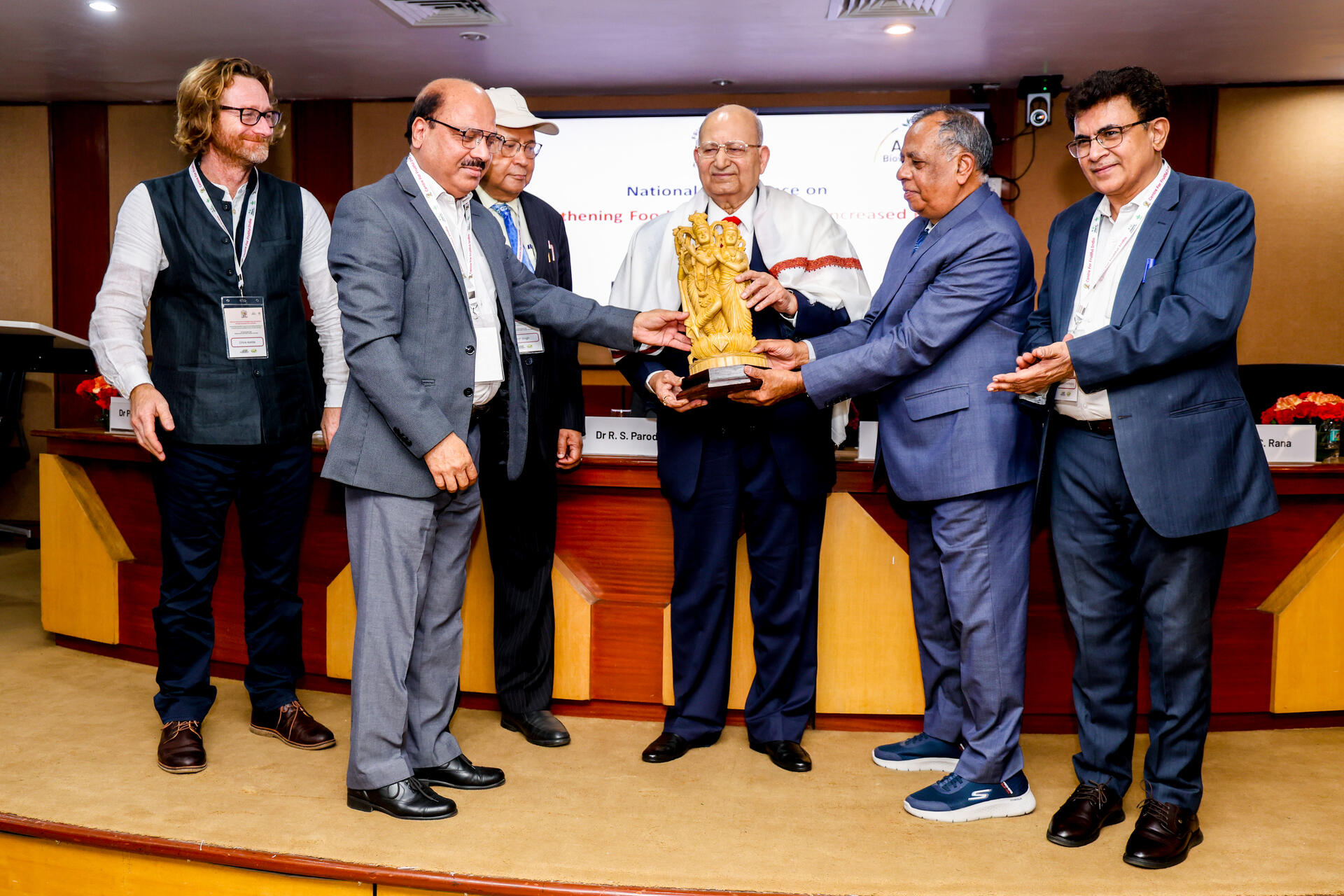
While several government-led initiatives have been in place to bolster horticultural production, which in effect, ensure widespread availability of crops across the country, Trust for Advancement of Agricultural Sciences Founder Chairman Dr Raj Paroda called for a robust value chain for fruits to ensure better nutrition and increased income of farmers.
“We need to be more innovative in the [CFI] approach to ensure that we complement and make a difference, rather than being repetitive in our initiatives,” the highly decorated and distinguished scientist said. He added that an effective value chain enhances the economic viability of fruit cultivation, offering sustainable livelihood and improved nutritional outcomes for small and marginal farmers.
At CFI, Alliance scientists and partner experts also aim to leverage collective efforts from all fronts to make lasting change in closing the gaps against rising malnutrition cases.
As many highly vulnerable children and women continue to suffer the brunt of unequal access to healthier diets, CFI leverages collective efforts from all fronts to make lasting change in closing the gaps against rising malnutrition cases.
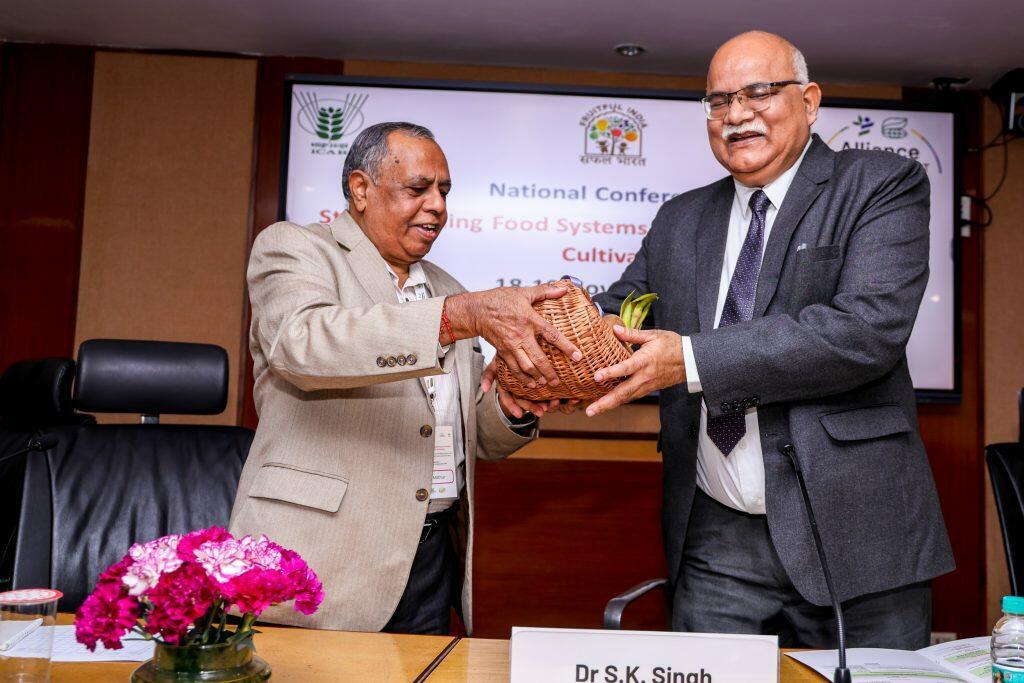
For Horticultural Sciences Deputy Director General Dr Sanjay Kumar Singh, the Indian Council of Agricultural Research (ICAR) remains a trusted partner in delivering strategic and targeted programs to bolster consumption of fruits while improving livelihood opportunities for rural families. CFI's research grants, he stressed, provide a better avenue to accelerate efforts in reversing nutrition insecurity figures by ensuring nutrient-dense and quality fruits are within reach for low-income families across the 28 states.
CFI’s immediate priorities now shift to finalizing grant awards and initiating on-ground implementation of the research projects. Moving forward, the center will support innovative and cross-disciplinary research in underserved areas of tree-based fruit cultivation and consumption to establish a multi-stakeholder platform that identifies priority research themes while promoting awareness and dissemination of lessons learned to inform policy, attract funding, and influence public food choices.
The team

Chris J Kettle
Principal Scientist, Lead Tree Biodiversity for Resilient Landscapes
Jai Rana
Senior Scientist and Country Representative for India
Prem Mathur
Consultant
Smitha Krishnan
Scientist II