Blog Growing resilience from the ground up: Kisumu launches Pap Kadundo Integrated Community Seedbank
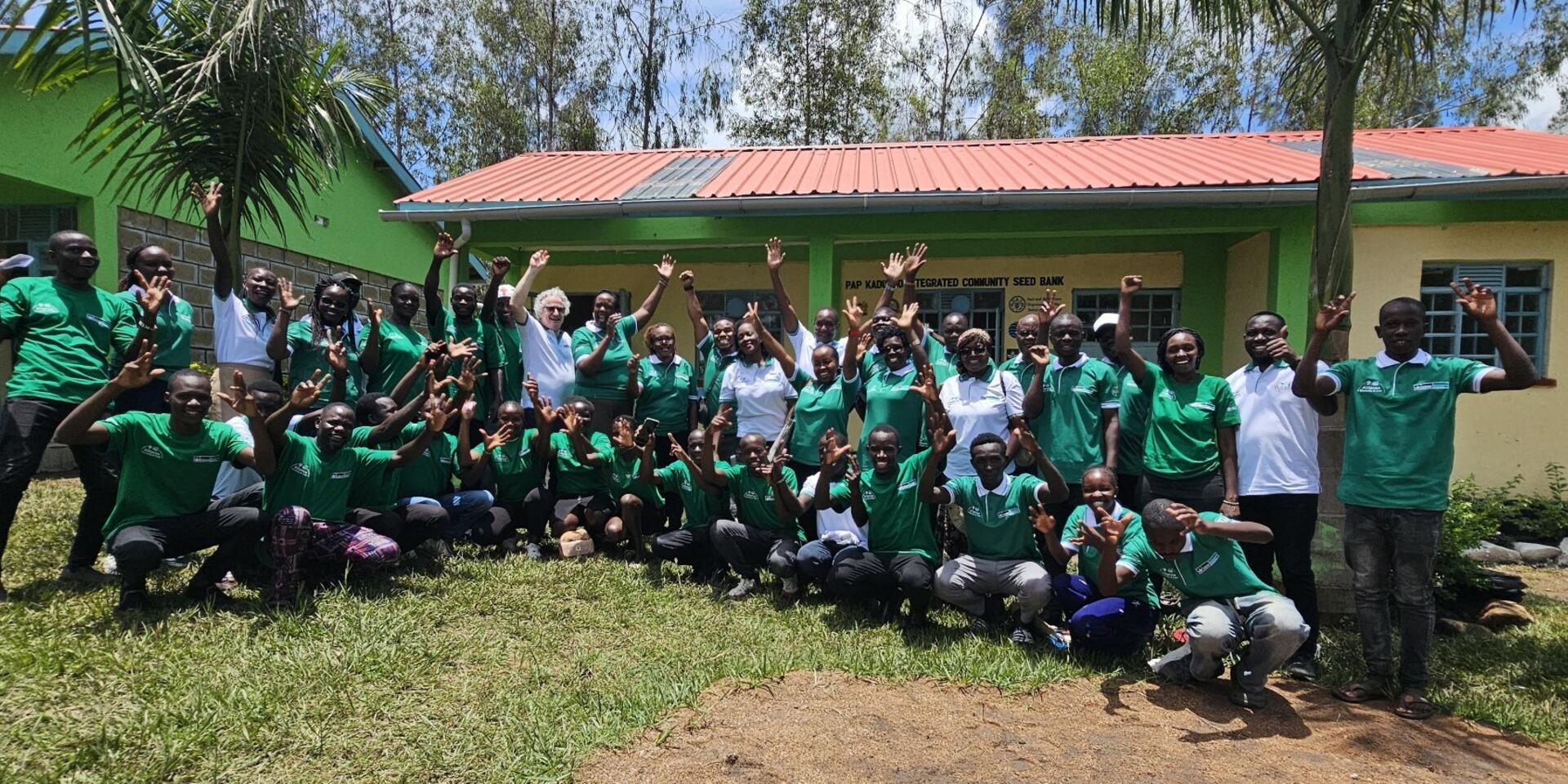

The Alliance of Bioversity International and CIAT and its partners continue to play a critical role in shaping sustainable agri-food systems across Africa and beyond. Through the CGIAR Multifunctional Landscapes Program, the Alliance envisions landscapes that are not only productive but also diverse, healthy, and resilient.
At the core of this vision lies a simple but powerful truth: seeds are the foundation of sustainable food systems. They determine what farmers grow, what families eat, and how communities adapt to climate change.
Since 2013, the Alliance has been working across East Africa to strengthen Farmer-Managed Seed Systems. Over the years, a number of Community Seedbanks (CSBs) have been established in Kenya and Uganda to conserve valuable indigenous crop varieties, improve access to locally adapted, quality seeds, strengthen farmer-managed seed systems, and build resilience against climate and economic shocks.
Integrated community seed banks matter for multifunctional landscapes
On 27 March 2026, the Alliance of Bioversity International and CIAT, in partnership with the Kenya Agricultural and Livestock Research Organization (KALRO), the County Government of Kisumu, and Seed Savers Network, officially launched the Pap Kadundo Integrated Community Seed Bank in Central Seme, Kisumu. This milestone has been achieved under the FAO-funded Benefit Sharing Project on Enabling and Scaling Farmer Managed Seed Systems for Climate Change Adaptation in Kenya, Uganda, and Tanzania, as well as the Biodiversity for Resilient Ecosystems in Agricultural Landscapes (B-REAL) project within the CGIAR Multifunctional Landscapes Program.
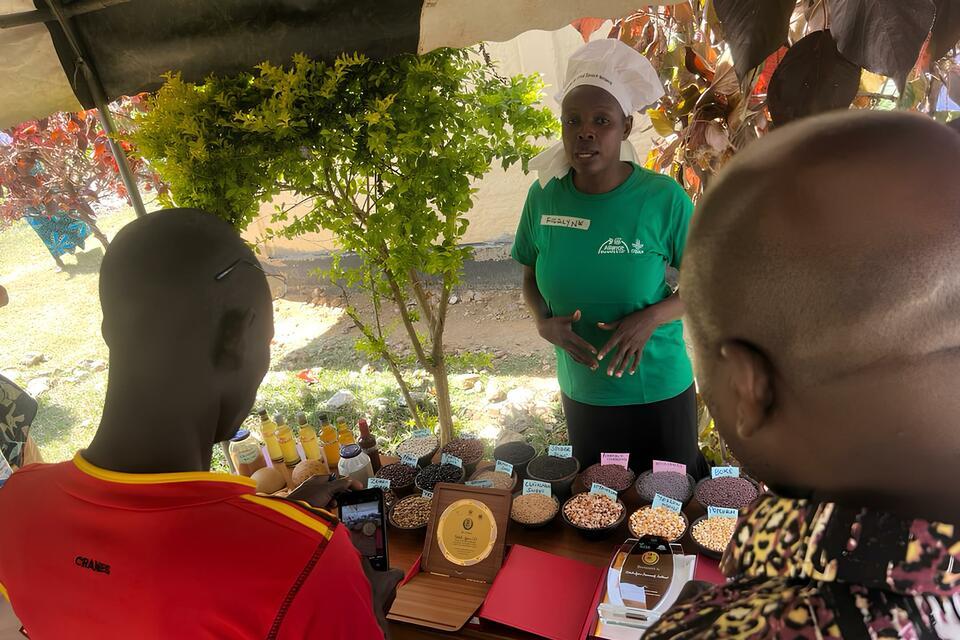
The integrated community seed bank includes an ex-situ conservation unit, which stores seeds of diverse crop groups, including cereals such as finger millet, sorghum, and local traditional maize varieties; legumes such as beans, cowpeas, Bambara groundnuts, and pigeon peas; and African leafy vegetables such as black nightshade and jute mallow.
It also includes an in-situ collection and multiplication unit for a diversity of sweet potato, cassava, and cocoyam varieties, both local and improved. These planting materials were cleaned and multiplied by KALRO at the in-situ multiplication station established within the community seed bank.
In addition, the seed bank hosts a tree nursery with both local and improved tree seedlings for distribution to the community.
By combining seed conservation, vegetative propagation, and tree seedling production in one local institution, integrated community seedbanks can support several landscape functions at once. They help conserve agrobiodiversity, improve access to locally adapted planting material, diversify diets, strengthen agroforestry, and supply restoration efforts with tree seedlings and resilient crops. In largely rain-fed systems, this kind of diversification is especially valuable because it spreads risk across crops, species, and production niches while improving the ecological health of farms and surrounding landscapes.
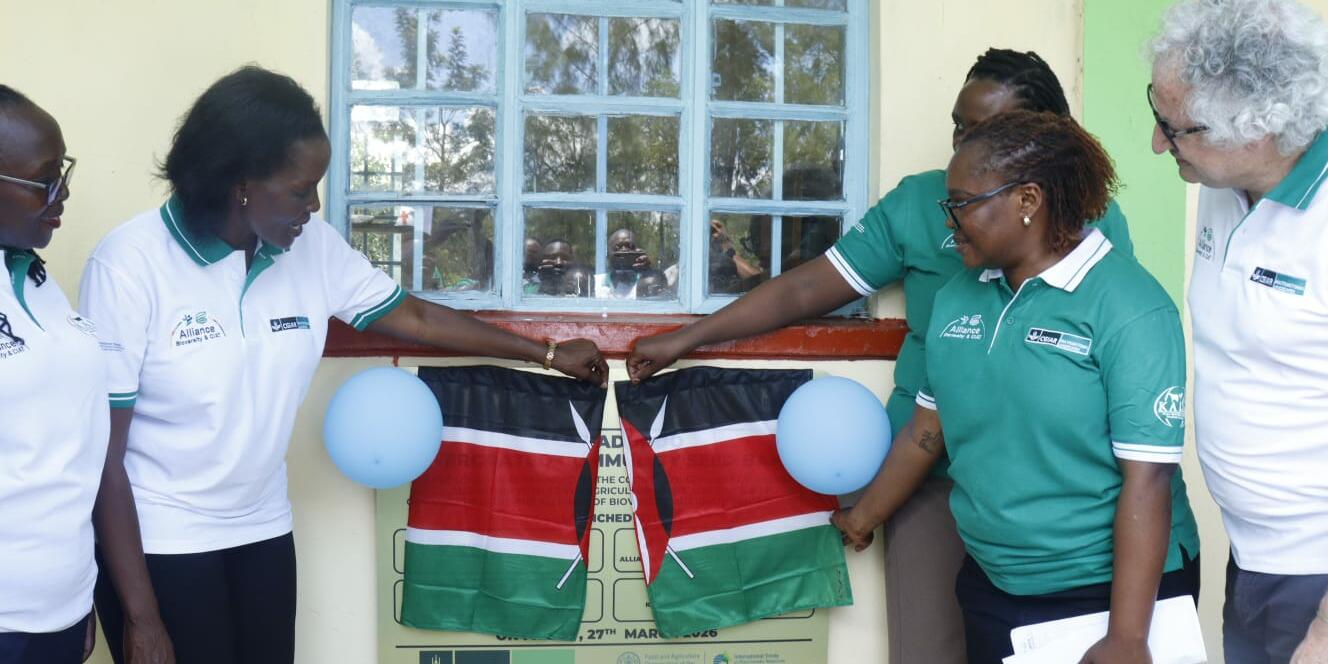
Unveiling the plaque. The Pap Kadundo Integrated Community Seed Bank was launched by The Alliance in partnership with KALRO and the County Government of Kisumu.
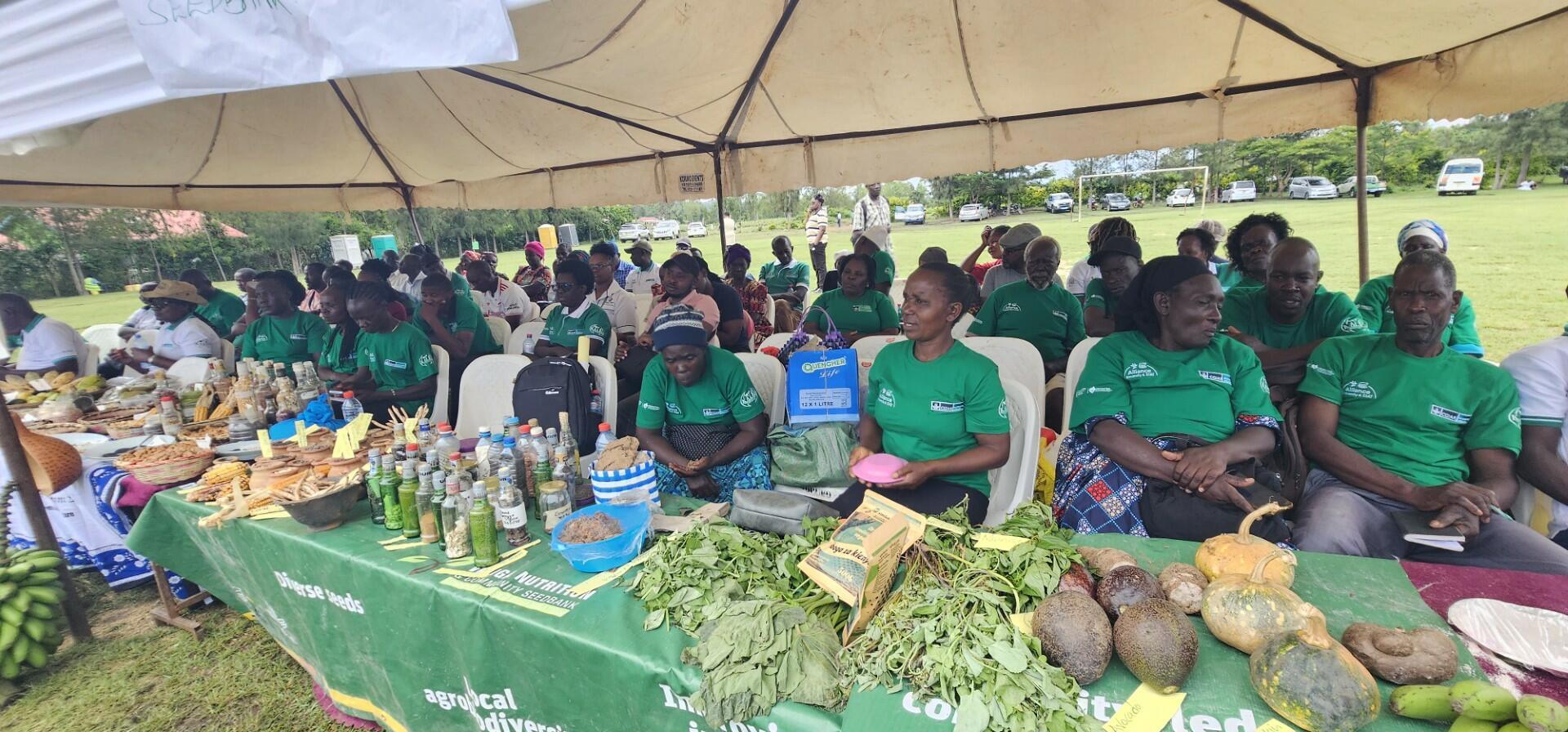
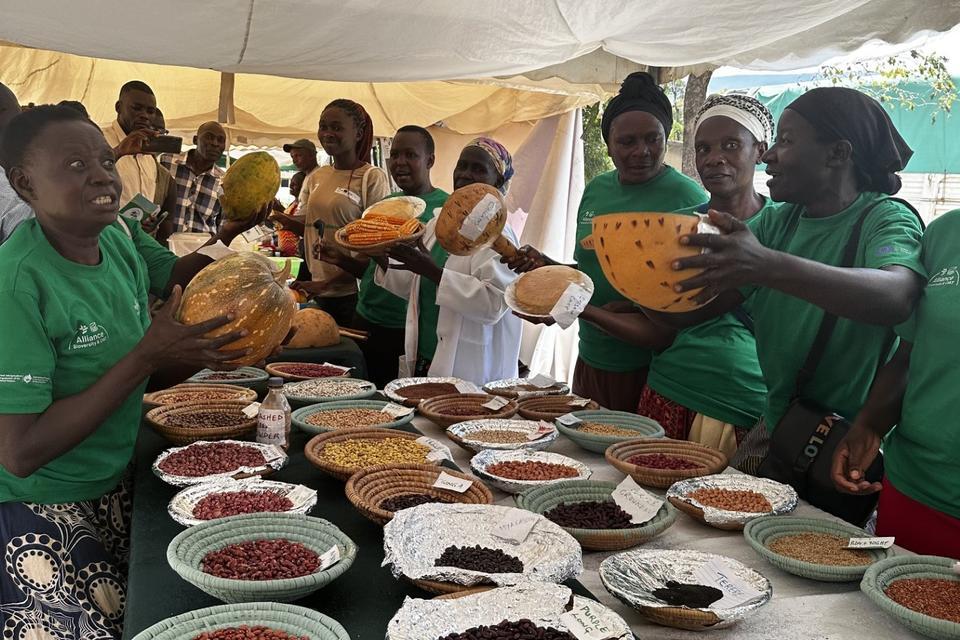
Farmers showcase indigenous seeds, produce and products at a seed fair during the seed bank launch of Pap Kadundo Integrated Community Seed Bank.
Gender inclusion is central to sustainable seed systems
Women bear a disproportionate burden of seed insecurity, often facing major barriers to accessing seed, including limited financial resources and the long distances between farms and input shops. For many women, seed banking is important not only because it brings them together, but also because it offers practical solutions for strengthening both food and seed systems.
Recognizing this, the Alliance places gender inclusion at the center of its work, acknowledging that resilient food systems can only be fully realized when women are empowered. One of the most inspiring examples is the Kabudi Agoro Community Seed Bank, which was founded by 25 women determined to tackle seed insecurity in their community.
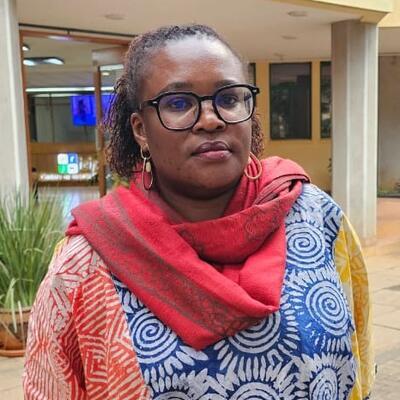
The Alliance also underscores that women are the backbone of sustainable seed systems. As custodians of biodiversity, stewards of household nutrition, and drivers of resilient food systems, their role is fundamental. Wanjiru Kamau-Rutenberg, Africa Managing Director at the Alliance of Bioversity International and CIAT, stresses that investing in women is essential for securing the future of food.
Youth are equally important to the future of agriculture and food systems. Eli Owiti, a young farmer, notes that learning seed saving at an early stage is critical at a time when climate change is affecting everyone. He highlights that building resilience and responding to climate change must be a shared responsibility, because every seed carries the promise of a more resilient tomorrow.
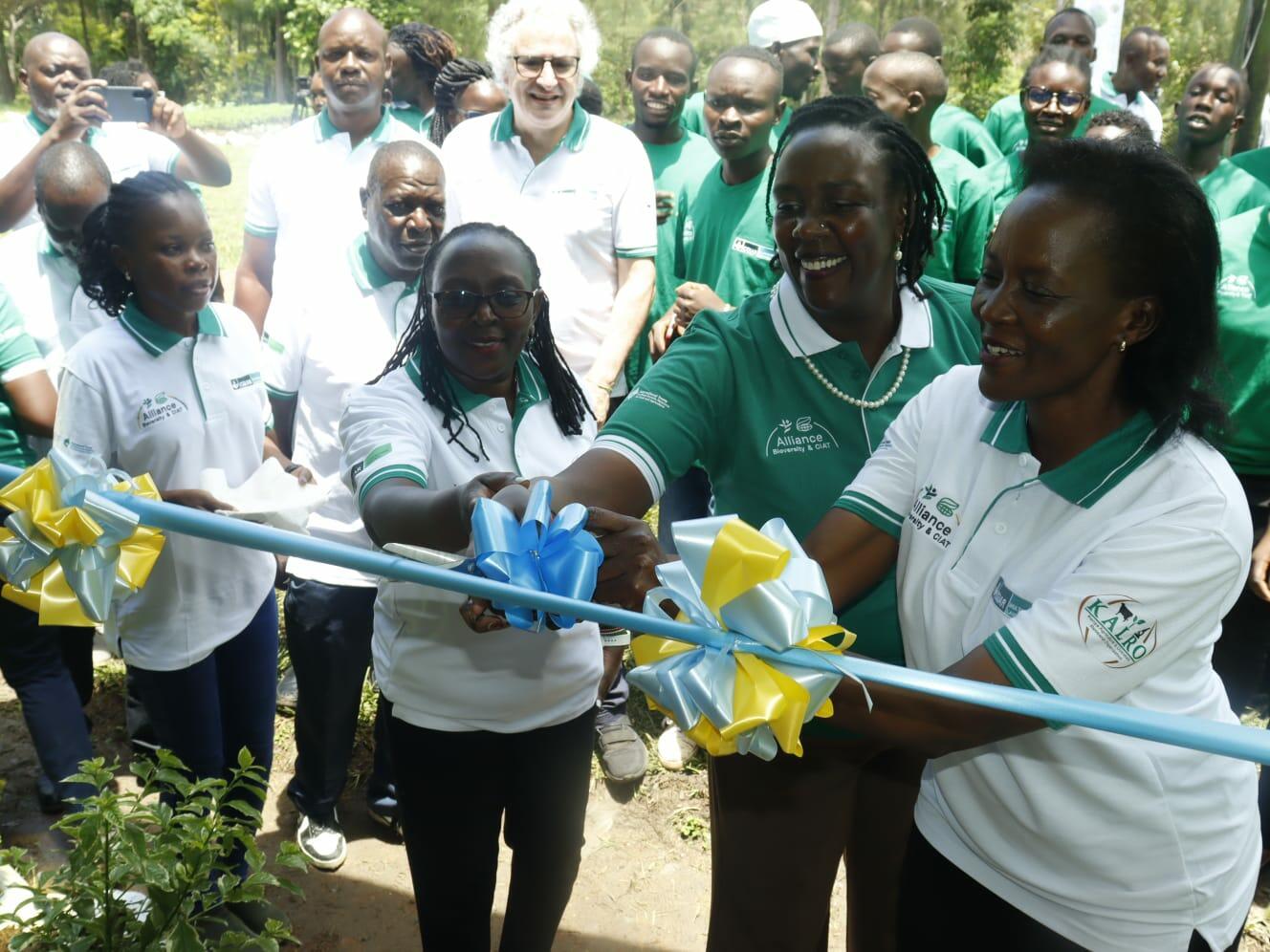
Cutting the ribbon: Kisumu CECM-Water,Environment, Climate Change and Natural Resources Ms. Judith Oluoch (right) , Dr. Wanjiru Kamau-Rutenberg (middle) and KALRO Deputy Director, Crops, Dr. Alice Murage cut the ribbon to launch the seed bank.
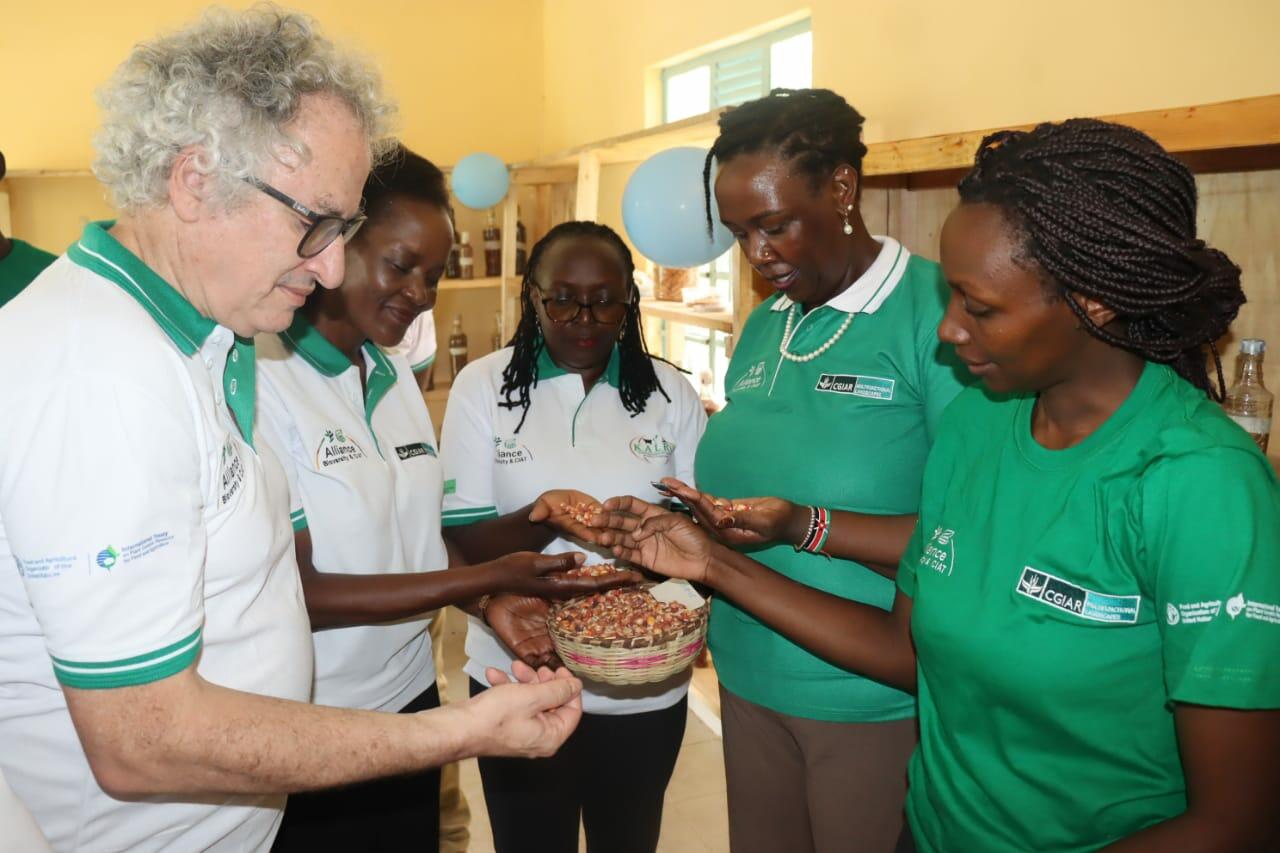
From left: Dr. Carlo Fadda, Kisumu CECM-Water, Climate Change and Natural Resources Ms. Judith Oluoch, KALRO Deputy Director, Crops, Dr. Alice Murage, Dr. Wanjiru Kamau Rutenburg and a farmer admire indigenous maize seeds at the seed bank.
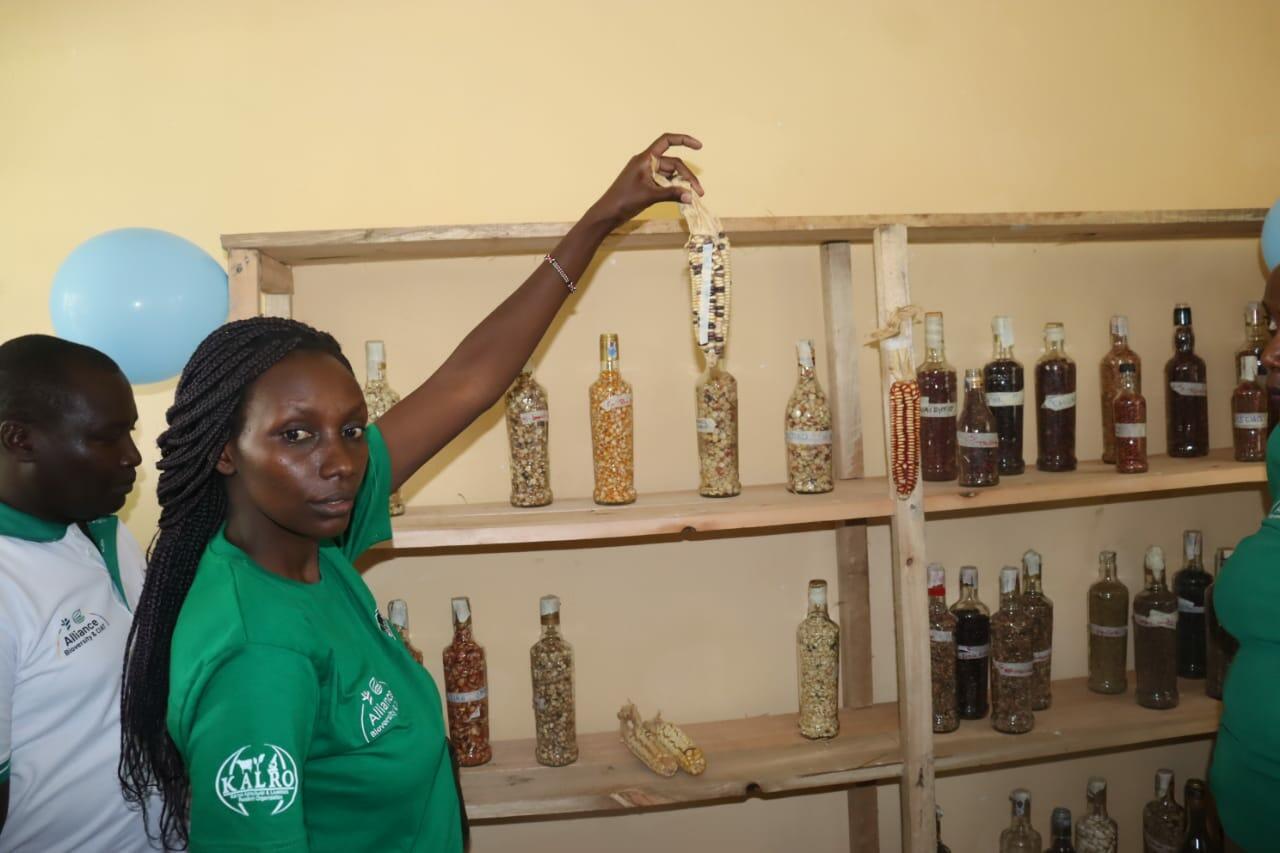
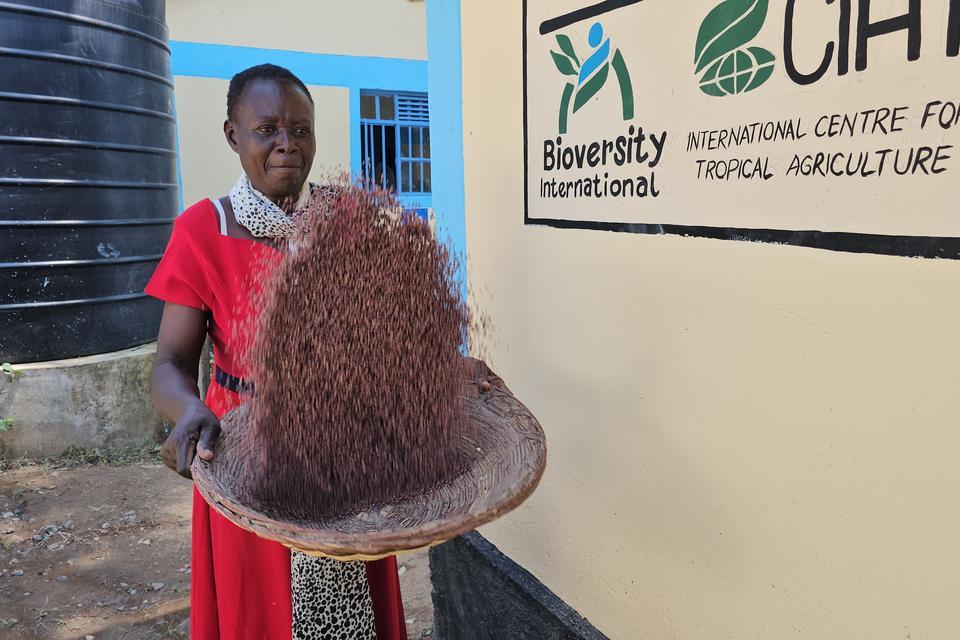
A farmer shows some of the seeds saved in the new seed bank.
A Growing network of seed banks
The launch of the Pap Kadundo Integrated Seedbank in Seme, Kisumu County, marks the fifth community seedbank established by The Alliance in Kenya, joining a growing network that includes:
- Nyando (Kisumu County)
- Kabudi Agoro
- Vihiga (Vihiga County)
- Kapsokale (Kericho County – to be launched soon)
Across Uganda, eight community seedbanks have already been established, with plans to expand into Tanzania.
Policy wins for farmers
A major boost to FMSS came in November 2025, when the High Court of Kenya delivered a landmark ruling on the Seeds and Plant Varieties Act. The court declared several restrictive provisions unconstitutional, effectively decriminalizing the saving, sharing, and exchange of indigenous seeds. This decision restored a long-standing tradition among farmers and reinforced the importance of community-led seed systems.
The team

Wanjiru Kamau-Rutenberg
Managing Director, Africa, and Trustee, Bioversity International USA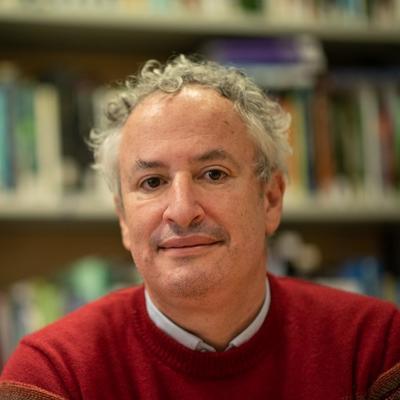
Carlo Fadda
Director, Agrobiodiversity