Blog Transforming a landscape, one farmer at a time: Farmers in Lyanaginga village (Vihiga, Kenya) make strides towards an agroecological transition
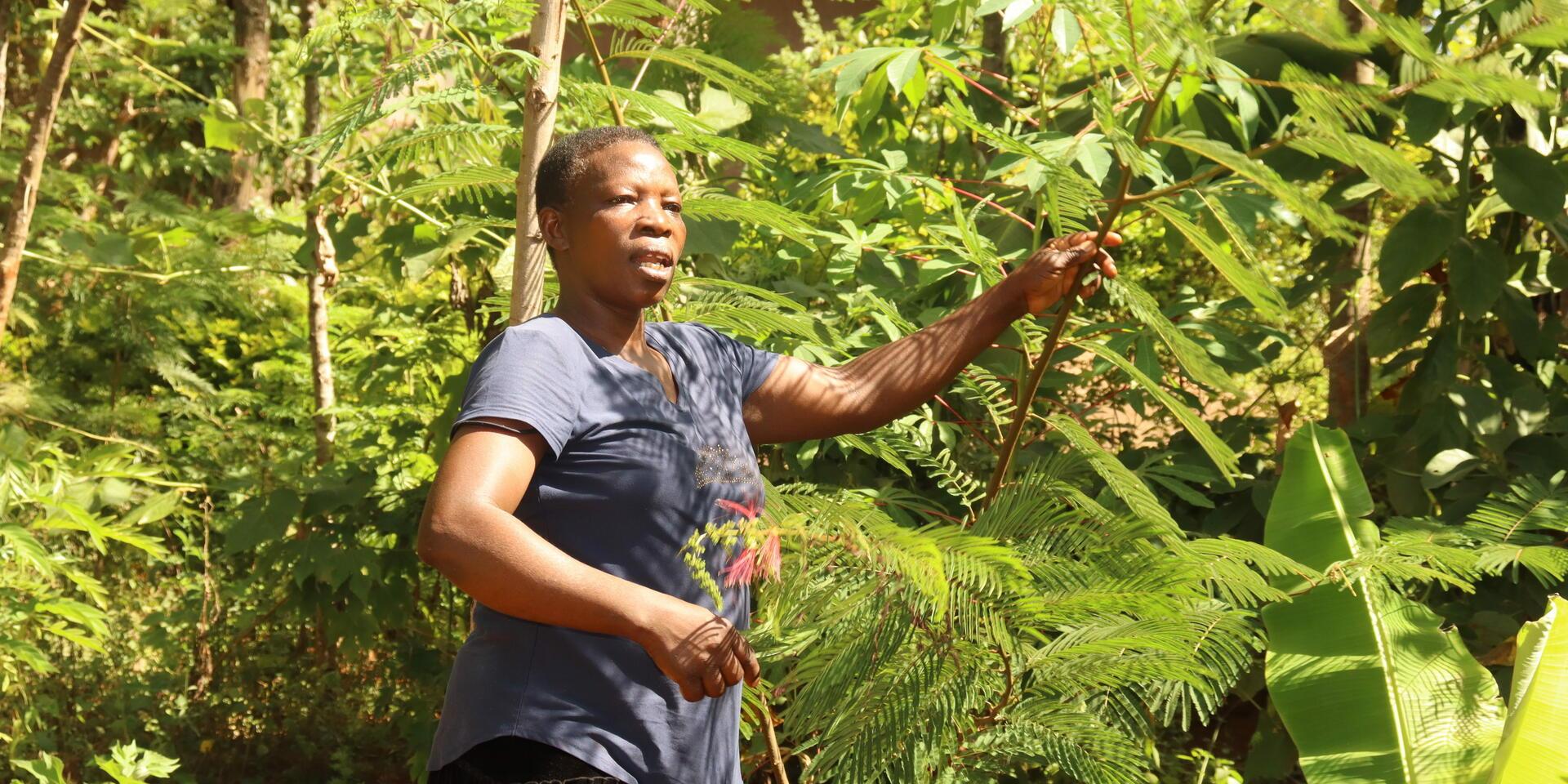

Located in the Lake Victoria Basin of the western region of Kenya, Vihiga county is ranked among the highly populated counties in Kenya with a population of 590,013 persons, a population density of 1,047 persons per square kilometer and an average household size of 4.1.
While Vihiga’s economy is mainly driven by agriculture which contributes 34% of the County Gross Product (CGP) and employs 85% of the labor force, most households in Vihiga are small-scale farmers with small farm sizes ranging between 0.4–1.0 ha. Vihiga has a tropical climate with an average annual precipitation of 1900mm and a mean temperature of 23 degrees celsius.
The increasing population in Vihiga has resulted in land fragmentation, leading to diminishing agricultural productivity, declining soil health and agrobiodiversity loss, all in the face of climate change. Amid Vihiga County’s undulating hills and valleys with flowing streams lies Lyanaginga village. Lyanaginga is experiencing a gradual transformation where the Alliance of Bioversity International and CIAT is working with 51 farmers under the Biodiversity for Resilient Ecosystems in Agricultural Landscapes (B-REAL) Project which aims to demonstrate that agricultural production can be managed in ways that simultaneously conserve biodiversity while enhancing the livelihoods and resilience of smallholder farmers.
Landscape aggregation model for smallholder farmers
Following consultative forums and transect walks involving community members, county government, local leaders and scientists, it was evident that the community was facing challenges of land degradation and reduced agricultural productivity coupled with unsustainable land use practices.
A series of participatory workshops on permaculture farm design and nature positive principles were organized by the Alliance which resulted in 51 farmers expressing interest to adopt these practices on their individual farms and at the same time work jointly as a community-based organization (CBO). While the B-REAL project has employed physical aggregation of land in some areas like Kisumu County, the Vihiga approach is a landscape aggregation model where participating farmers are drawn from the same village (production zone) although their farms are not necessarily adjacent; and the aggregation is achieved through organized farmer grouping (CBO). Registered by the name Lyanaginga Biodiversity Nature Positive CBO, the CBO which is led by an elected executive committee provides a legal and institutional framework for coordination and accountability.
To facilitate hands-on training, a two-acre (0.8 ha) demonstration farm was established within Lyanaginga. The demonstration farm follows a permaculture design, integrating various practices in a complementary layout. The farm functions as a model and learning site where farmers are trained on nature-positive practices and innovations which they replicate on their individual farms.
Nutrient recycling for soil health
A key component is a vermicomposting unit which utilizes Red Wriggler earthworms to convert organic waste into nutrient-rich vermicompost which is applied as a soil amendment to improve fertility, enhance soil structure and support long-term productivity without relying solely on synthetic fertilizers. The vermicomposting unit also produces worm juice (leachate) applied as foliar for increased productivity and pest management.
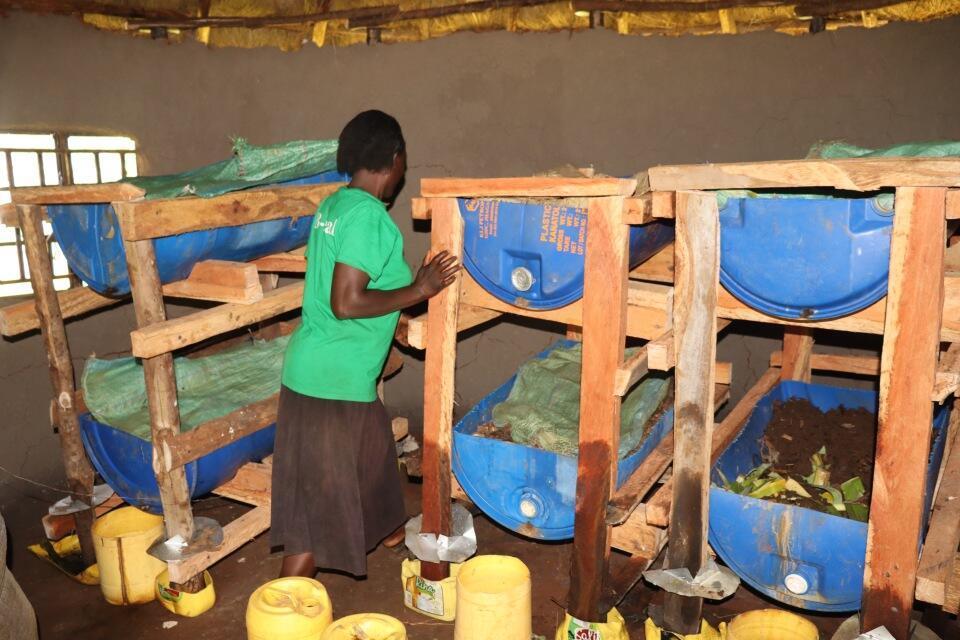
Figure 1: Farmer Elder Engosani working at the vermicomposting unit at the demonstration farm. Photo credit: Lillian Aluso
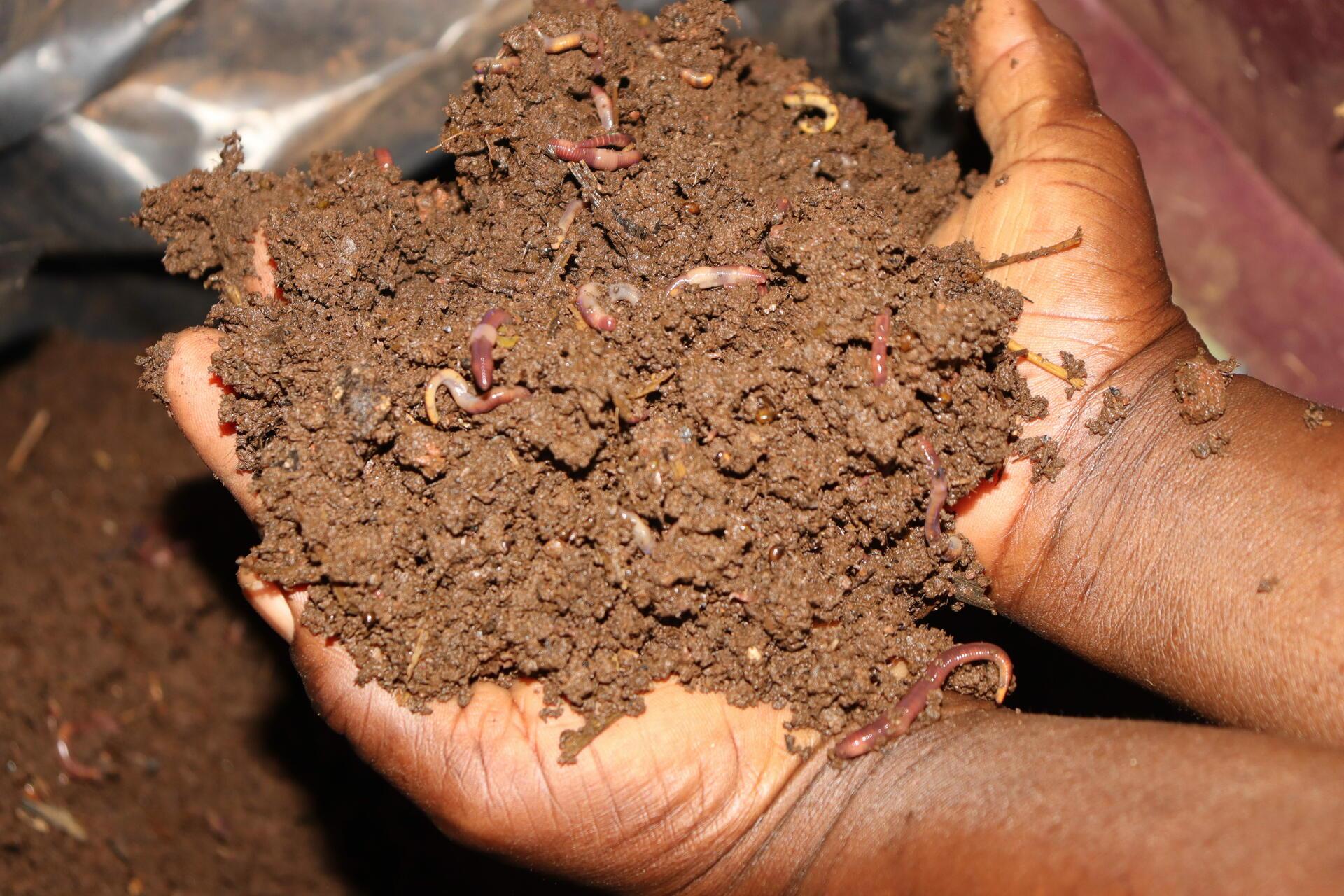
Figure 2: Farmer Elizabeth Omusiele showing off her Red Wriggler worms from her vermicomposting unit at her farm. Photo credit: Lillian Aluso
Poultry farming for enhanced livelihoods
In addition, the farm has a poultry unit where the farmers raise the chicken jointly. The management of the poultry unit is specifically assigned to youth members of the CBO who receive a monthly stipend from the proceeds obtained from chicken sales. The CBO has an egg incubator which they use to hatch eggs collected from their laying chicken. The hatched chicks are then distributed to individual farmers to facilitate them to start their own chicken enterprises. The farmers also fatten some of the chicken and sell for income generation to the CBO.
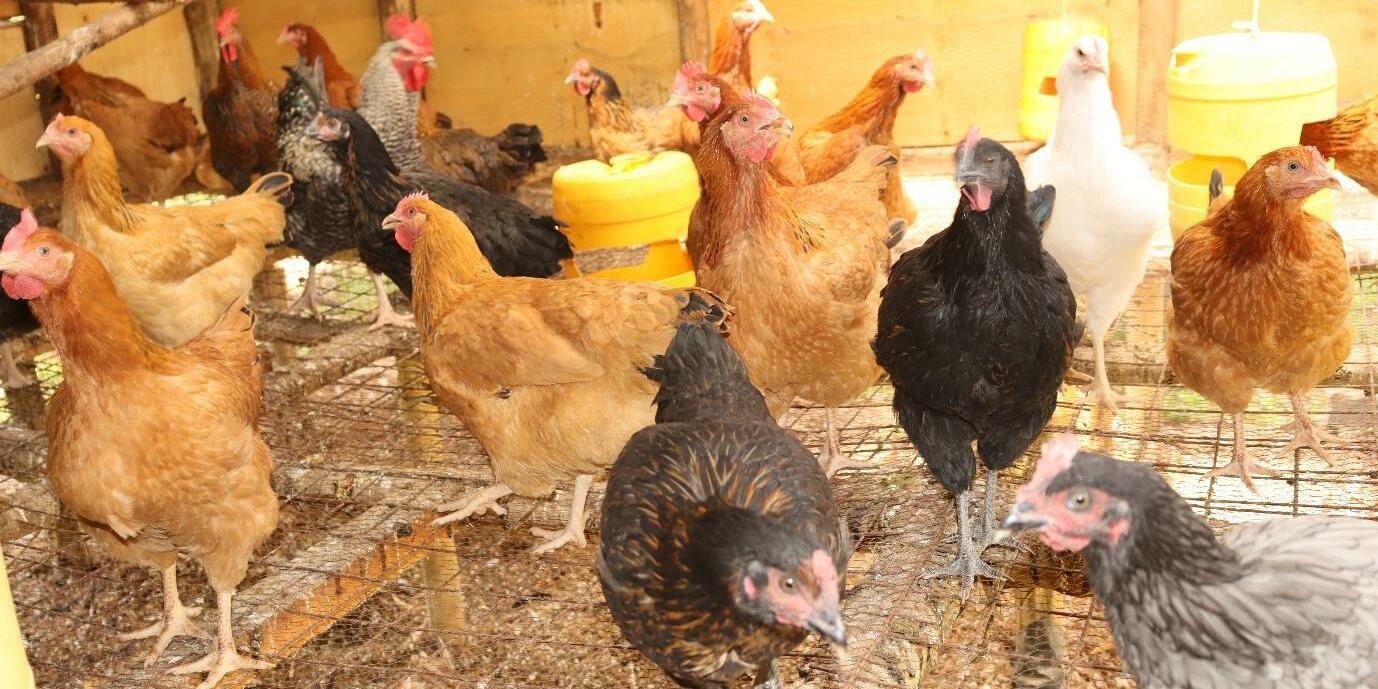
Figure 3: Inside the poultry unit on the demonstration farm. Photo credit: Lillian Aluso
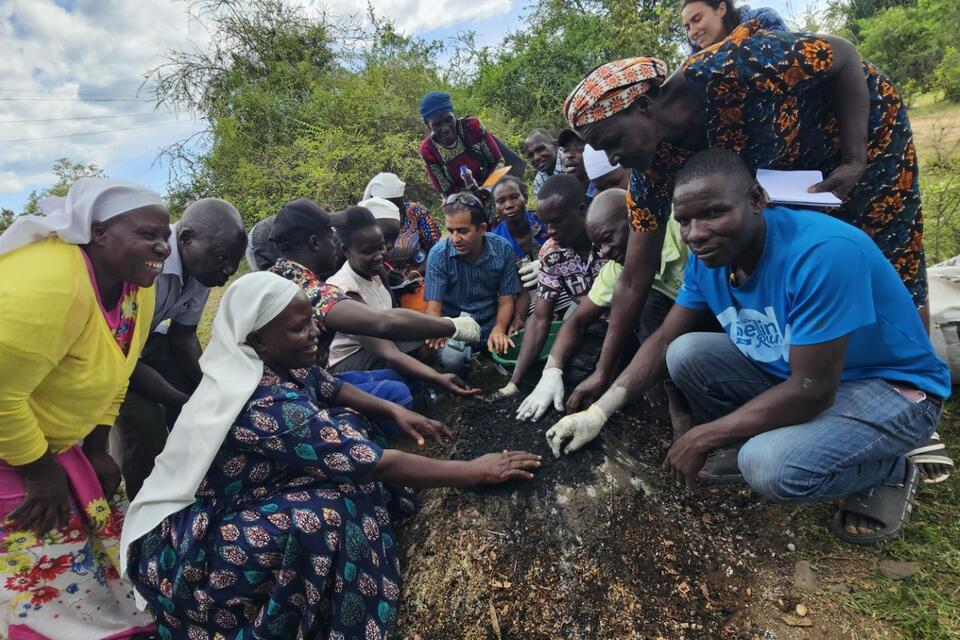
Chicken waste is an important input that feeds into the nutrient cycling activities facilitating production of organic fertilizer. Bokashi, one of the organic fertilizers is produced by utilizing chicken waste alongside other materials including charcoal dust, bran and molasses which go through a fermentation process resulting in a nutrient-rich soil amendment that improves soil health.
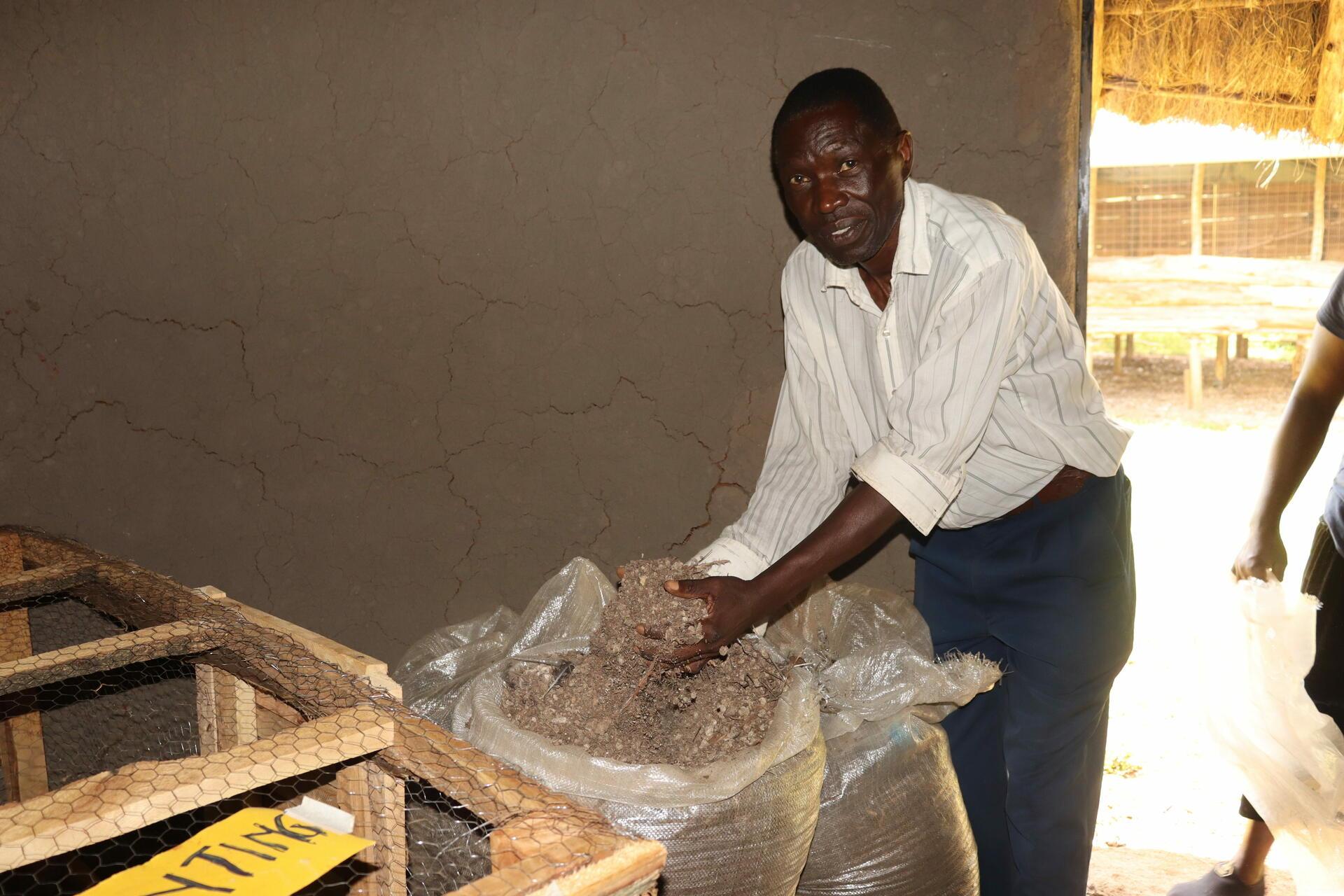
Figure 4: Farmer Estone Kasaga showing chicken manure collected from the poultry unit at the demonstration farm. Photo credit: Lillian Aluso
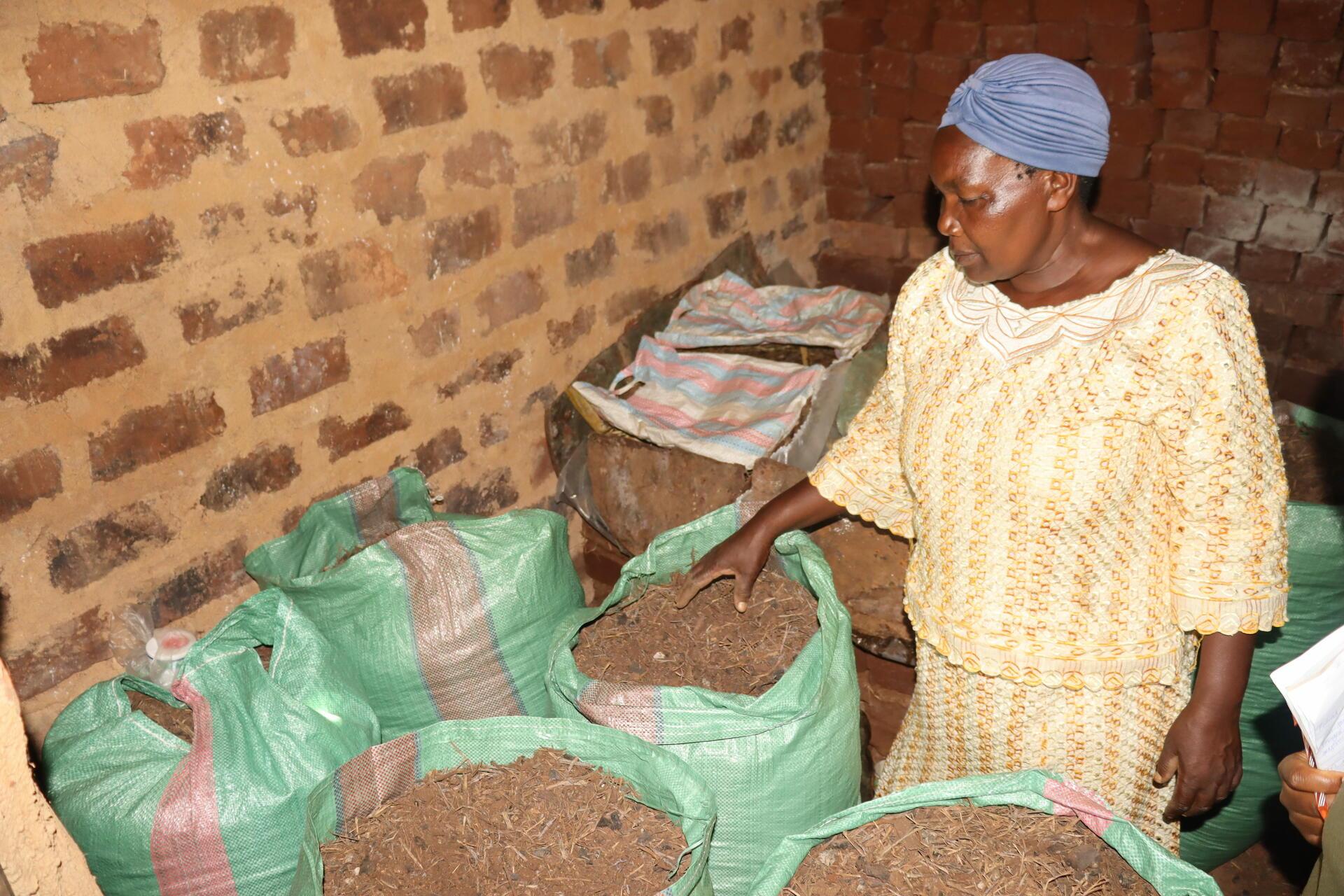
Figure 5: Farmer Elizabeth Anyoso explaining how she makes Bokashi at her farm. Photo credit: Lillian Aluso
Crop diversification and seed production
Crop production on the demonstration farm is done jointly by the 51 farmers. One section of the farm is utilized for production of local crop varieties of maize, sorghum, millet which follow a rotational cycle and are intercropped with beans. Another section of the plot is used for production of traditional leafy vegetables which are high value crops with short cycles thus important in income generation. Part of the production is intentionally done for seed production which helps to stock the Vigulu Relay Seedbank located in the home of one of the farmers. Neighboring farmers readily access seeds from the relay seedbank coupled with farmer-to-farmer training from the CBO farmers.
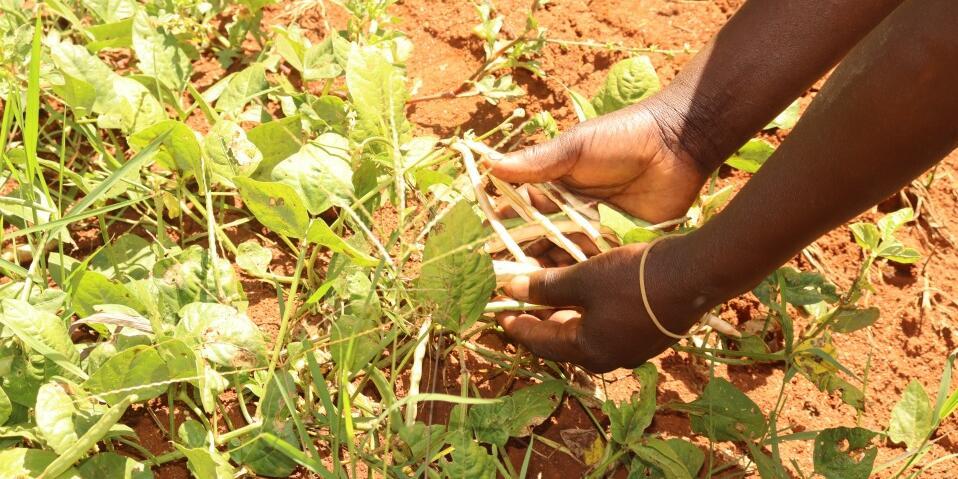
Figure 6: Cowpea pods ready for harvesting at the seed multiplication section on the demonstration farm. Photo credit: Lillian Aluso
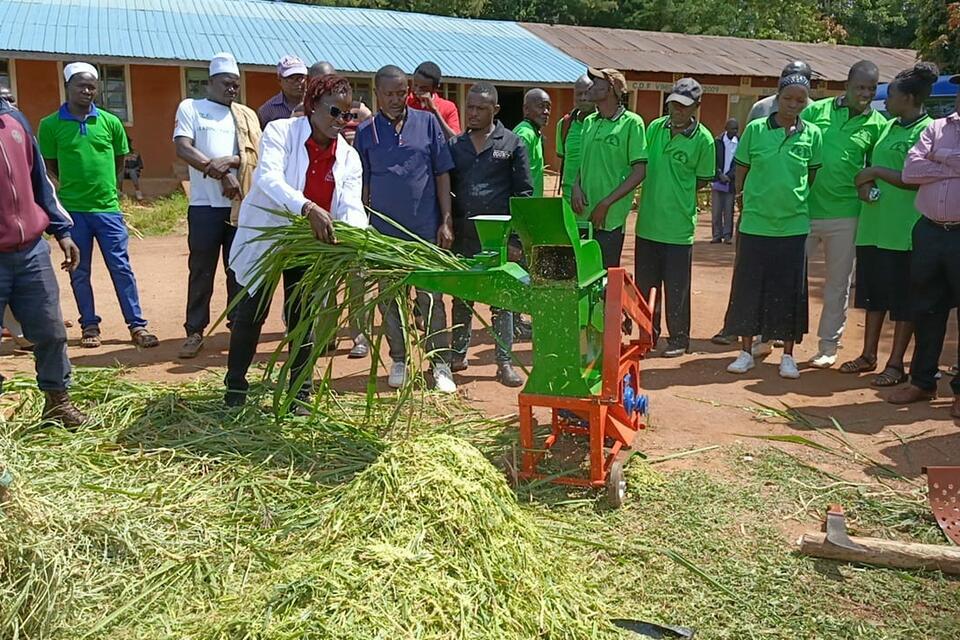
The plot also has a section allocated for forage production where various varieties of grass are intercropped with forage trees. The farmers jointly harvest, dry and bale the grass for sale, providing another income stream for the CBO.
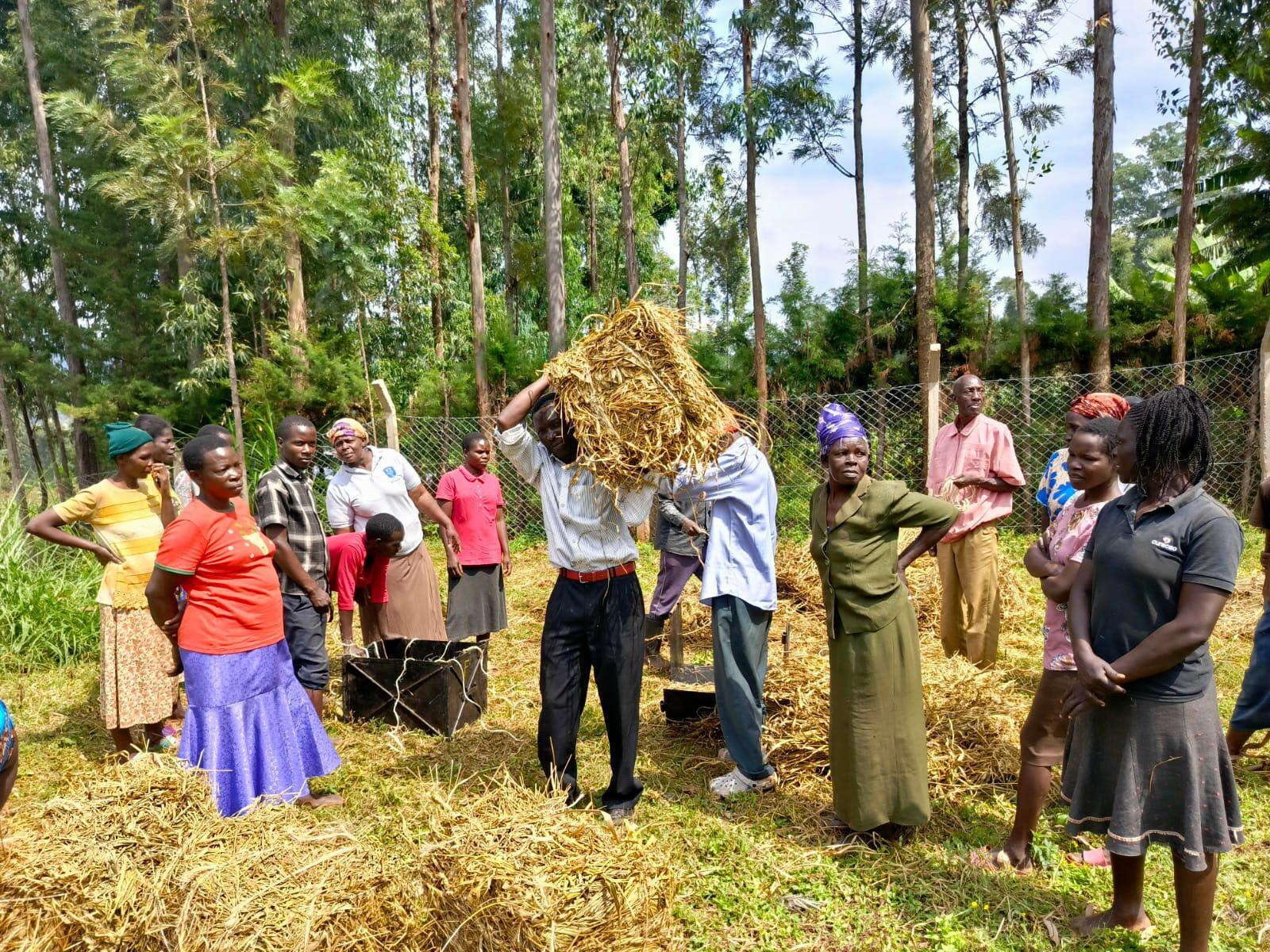
Figure 7: Farmers baling grass harvested at the demonstration farm. Photo credit: Lillian Aluso
Additionally, the plot has a small clonal garden which serves as a mother block for different banana varieties. Other mother blocks for various varieties of sweet potatoes and arrow roots have been established at various farmer’s plots.
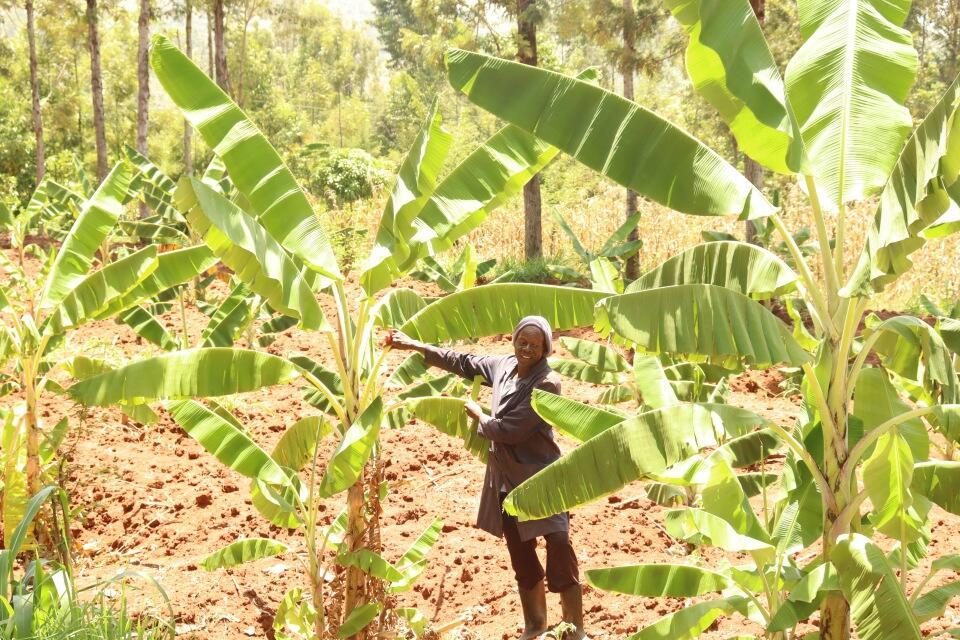
Farmer Nicholas Ambasa showing different banana varieties on his farm. Credit: Lillian Aluso
Beyond annual cropping, diverse agroforestry species have been integrated on the farm including fruit trees, native trees and some nitrogen multifunctional exotic species such as Calliandra, Leucaena and Sesbania. Agroforestry species help stabilize soils, increase biodiversity, improve microclimates, and enhance moisture retention—benefits that are increasingly important in the face of climate variability.
Aggregating efforts for sustainability
With the unique challenge of small farm sizes in Vihiga County, the farm design is tailored to allow farmers to replicate the nature-positive practices incrementally and realistically rather than imposing on them an idealized system. This ripple effect is anticipated to result into a gradual but sure transformation not only on individual farms but also on the entire village landscape and beyond. The 51 participating farmers are not just agents of change but over time through training and capacity building, they are more empowered and highly regarded in the community. They carry out farmer-to-farmer extension to their neighbours and friends. They are given opportunities to share their knowledge in community forums such as chief barazas. Through the adoption of nature-positive approaches, these farmers are aggregating their efforts and resources making them more efficient in their production. With the unique challenge of small farm sizes in Vihiga County, the farm design is tailored to allow farmers to replicate the nature-positive practices incrementally and realistically rather than imposing on them an idealized system. This ripple effect is anticipated to result into a gradual but sure transformation not only on individual farms but also on the entire village landscape and beyond. The 51 participating farmers are not just agents of change but over time through training and capacity building, they are more empowered and highly regarded in the community. They carry out farmer-to-farmer extension to their neighbours and friends. They are given opportunities to share their knowledge in community forums such as chief barazas. Through the adoption of nature-positive approaches, these farmers are aggregating their efforts and resources making them more efficient in their production.
The team
Carlo Fadda
Director, Agrobiodiversity
Yosef Gebrehawaryat Kidane
Senior Scientist - Biodiversity for food and agriculture
Céline Termote
Senior Scientist - Africa Regional Team leader Food Environment and Consumer Behavior