From the Field Kisumu, Vihiga: Training farmers, transforming soils, improving livelihoods

In Kisumu and Vihiga (Kenya), The Alliance of Bioversity International and CIAT is training farmers to restore degraded soils through practical, science-based methods, boosting productivity, climate resilience, and livelihoods.
Healthy soils are key to ensuring food security, sustainable livelihoods, environmental conservation, and resilience to climate change. However, the well-being of soils often receives little attention, with fertility levels depreciating over the years. Over time, soils, especially in sub-Saharan Africa, have been negatively affected by issues such as overuse of synthetic farm inputs, erosion, and over-cultivation, unsustainable farming practices, among others. Climate change and its effects have further intensified the threats to healthy soils.
Analyzing soil samples for informed action
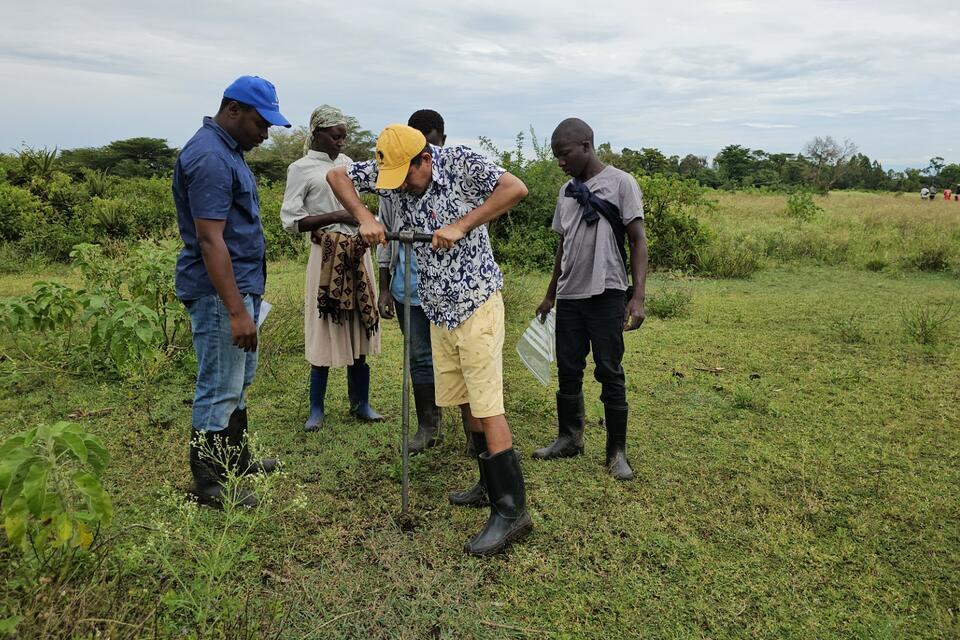
Last year, The Alliance - under the CGIAR Initiative on Nature Positive Solutions (Nature +) - collected and analyzed soil samples from three sites at aggregated farms in Agoro East and Jimo East, Kisumu and on smallholder farms at Vigulu in Vihiga.
Alliance scientists, led by Dr. Manoj Kaushal, assessed the soils’ physical, chemical, and biological properties. The study, which employed advanced metagenomic techniques, provided a detailed look at the diversity and function of soil microbes.
Training ToTs
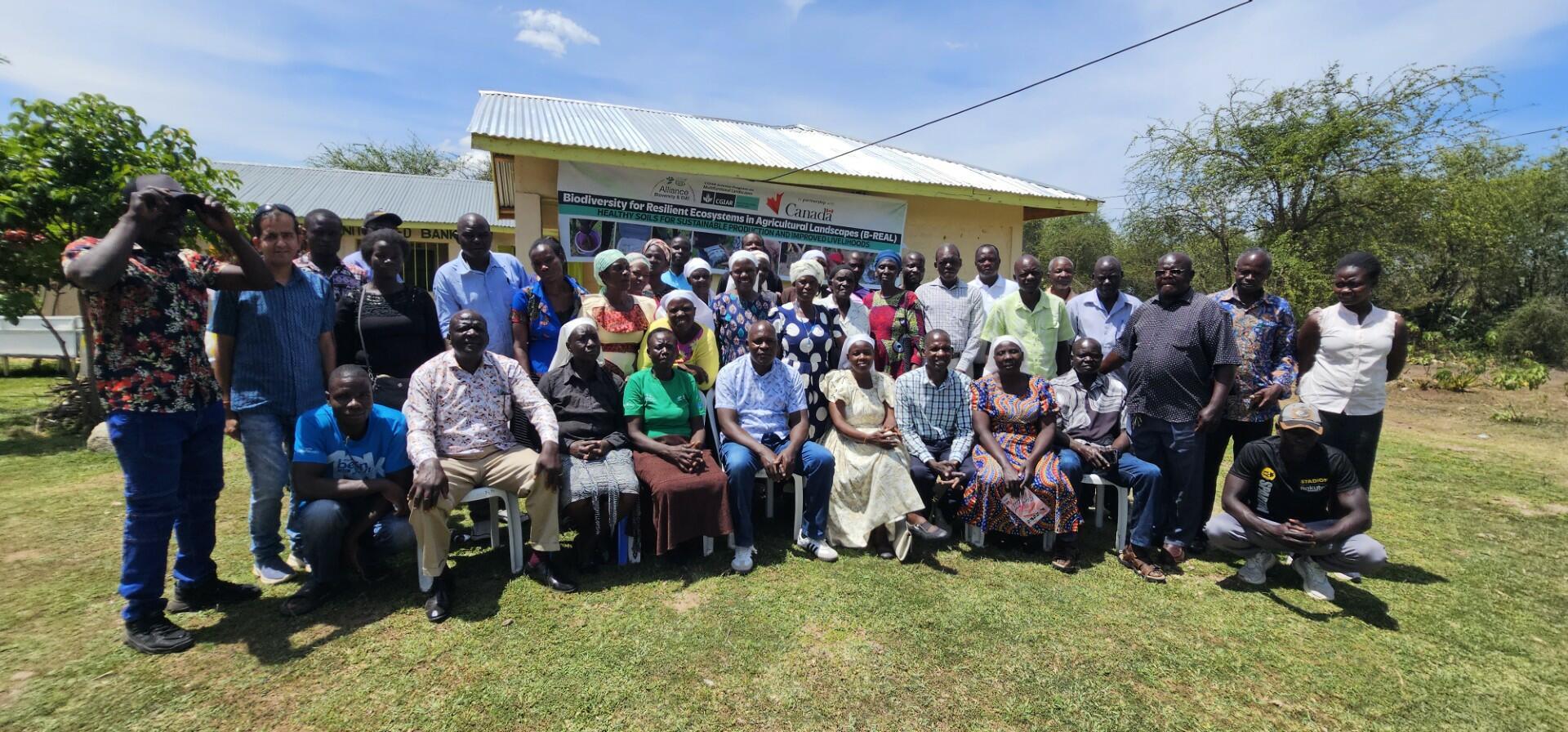
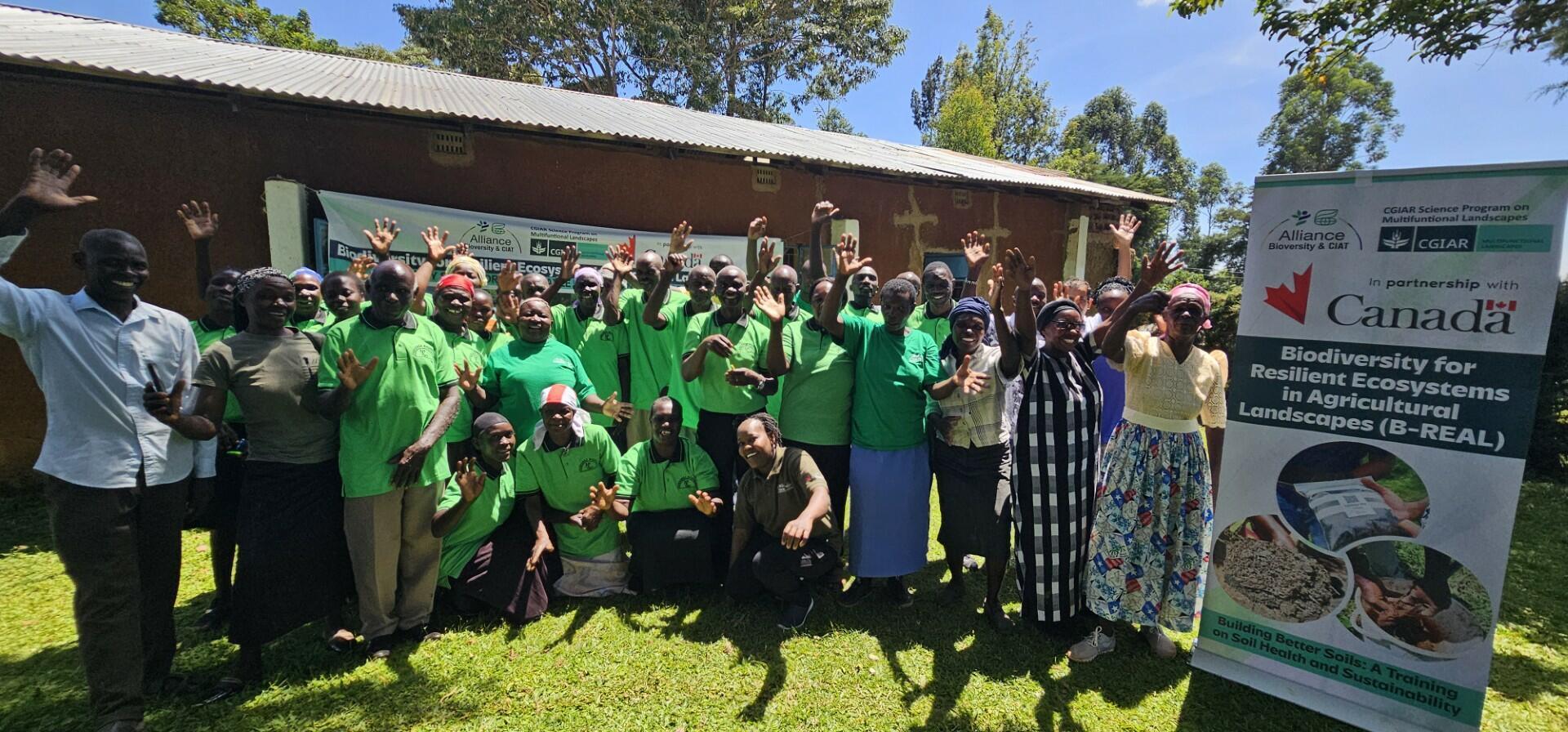
Against this background, The Alliance has trained over 60 'trainer of Trainees' (ToTs) in Kisumu and Vihiga, on soil health as the first step towards ensuring sustainable change in terms of healthy soils.
The sessions, which involved ToTs from Jimo East, Agoro East in Kisumu County, and Vigulu in Vihiga County, combined both theory and practical demonstrations to equip farmers with knowledge and skills to restore and sustainably manage their soils.
Hands-on learning for stronger impact
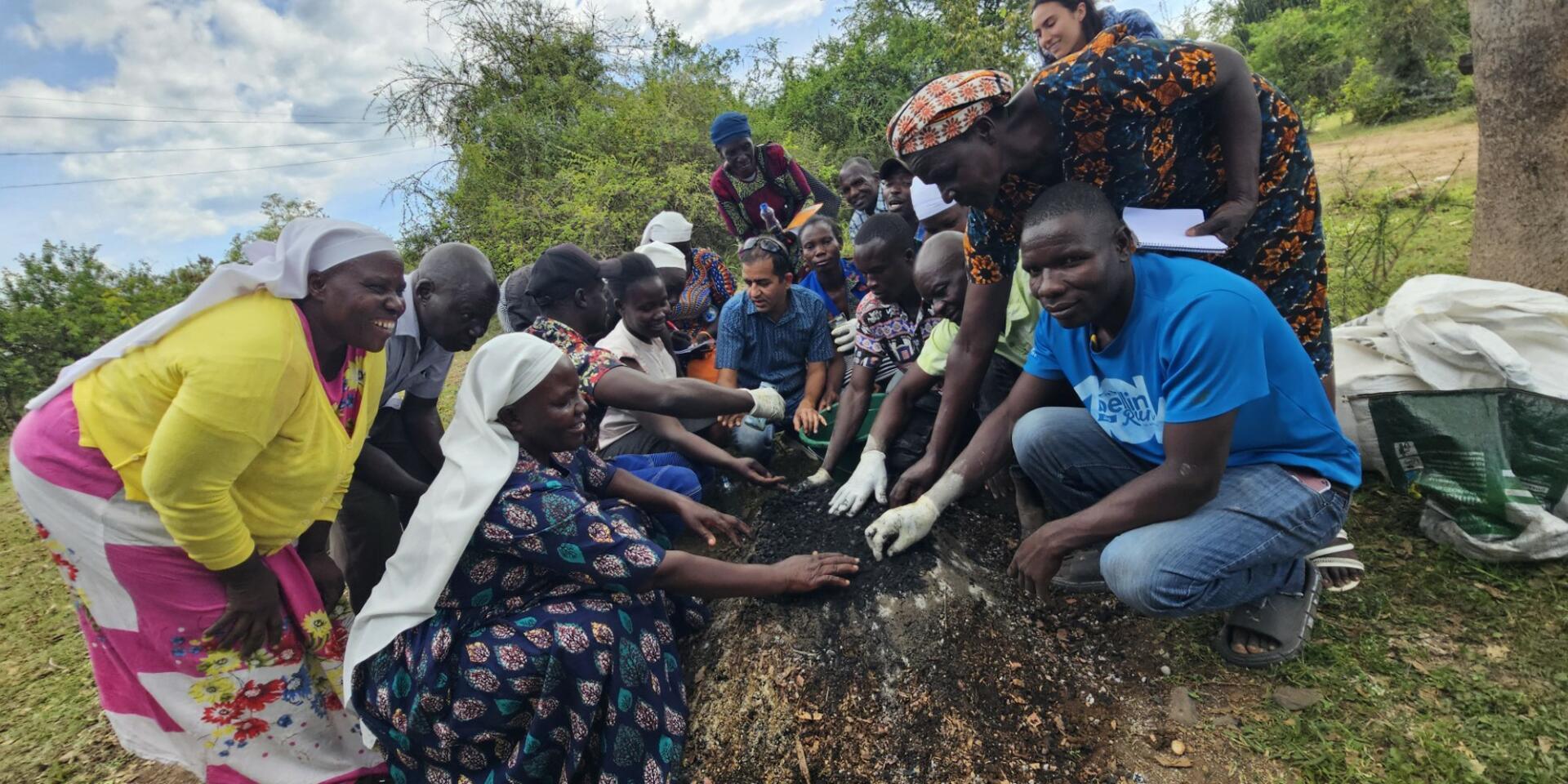
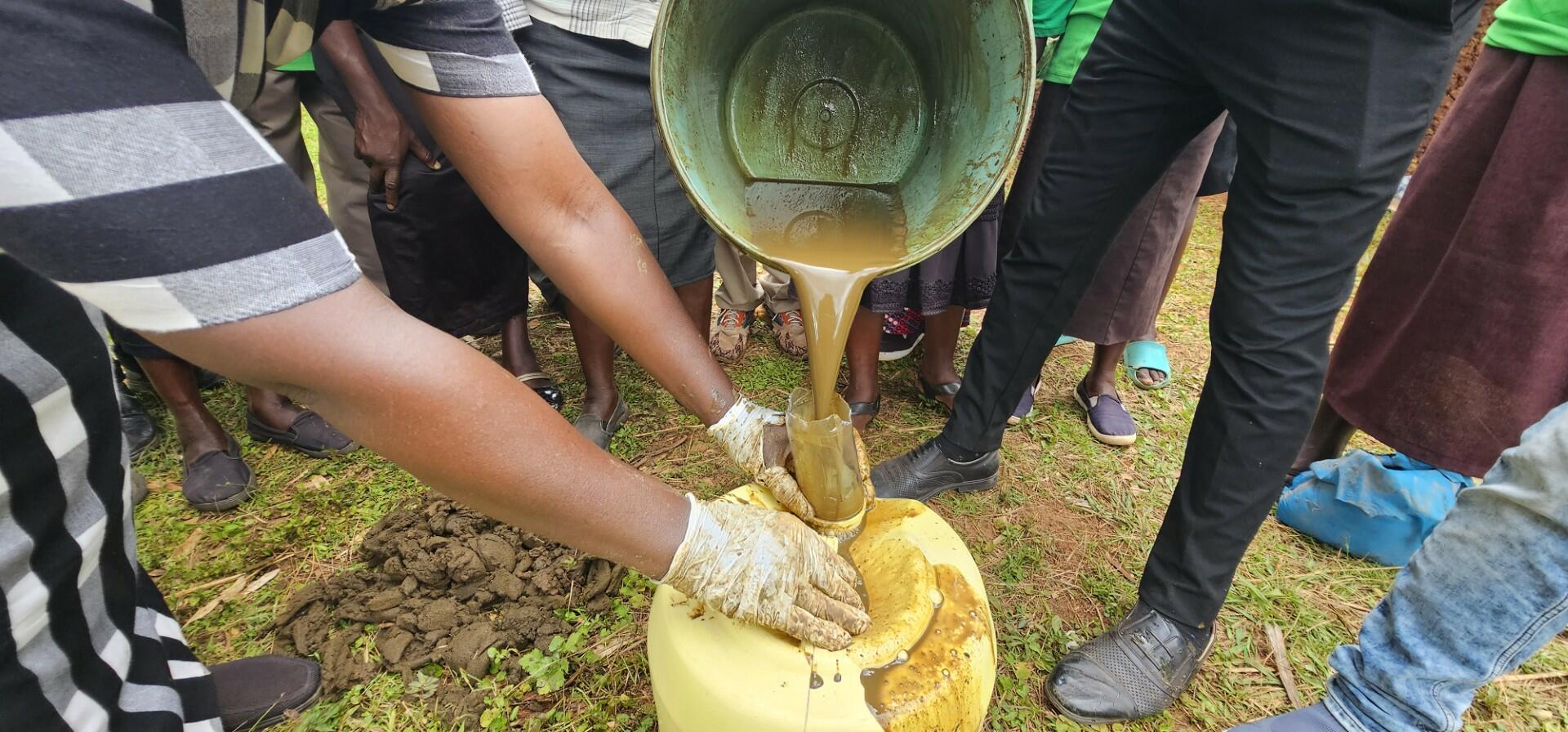
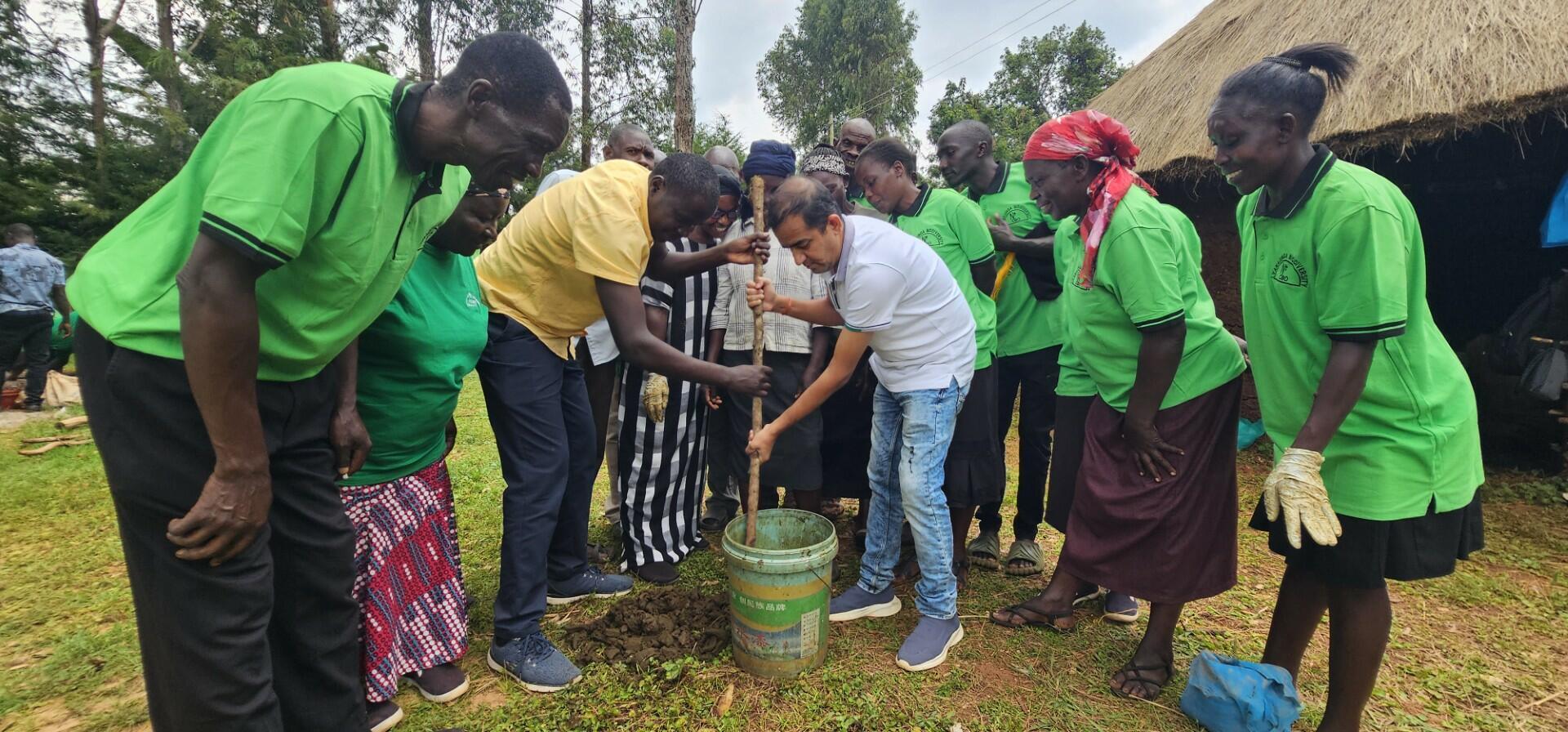
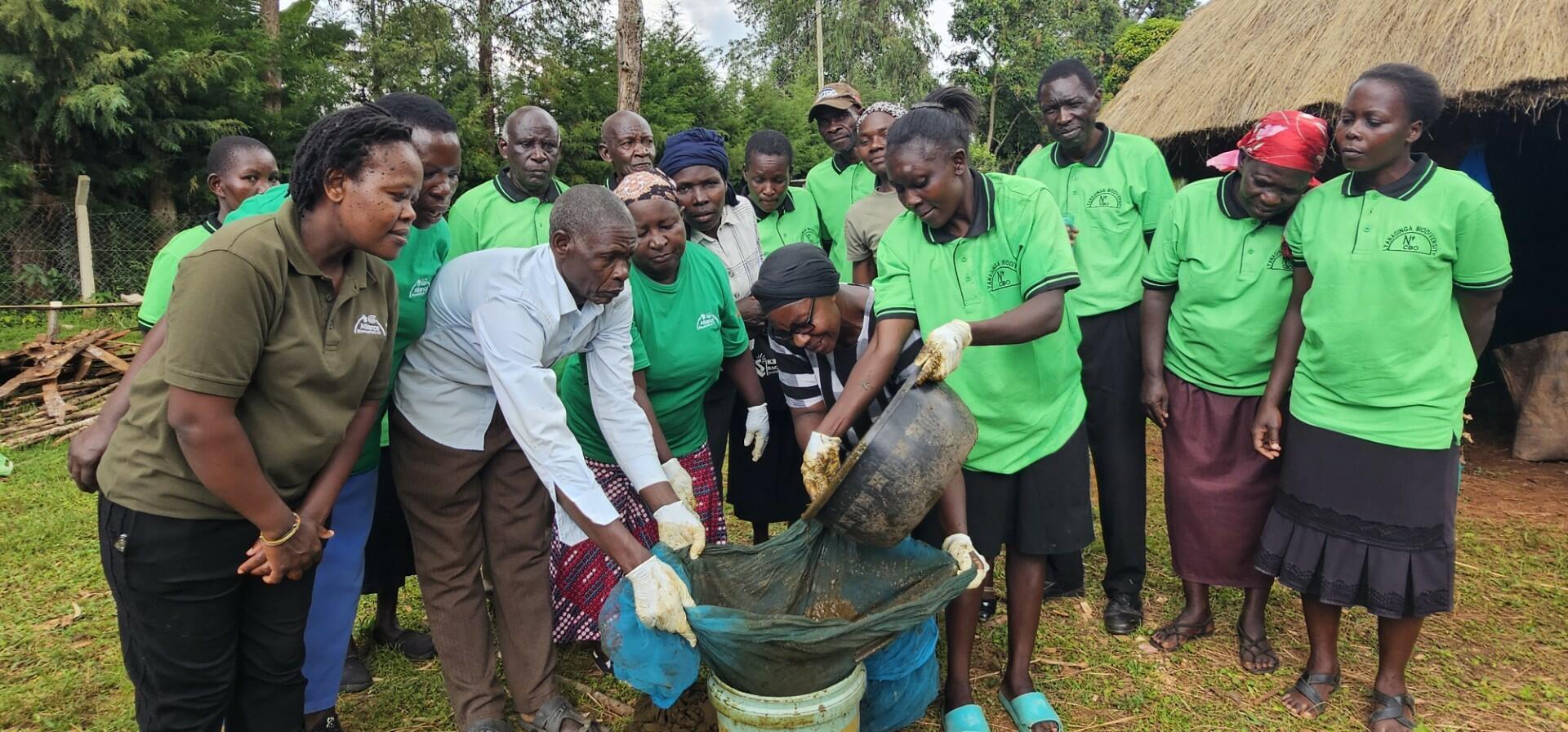
In Kisumu, over 40 ToTs kicked off the program with an inspiring day of learning that blended classroom interaction with practical, hands-on activities. Farmers enthusiastically prepared Bokashi and biological liquid nitrogen biofertilizer, following each step with precision. This interactive approach helped deepen their understanding of the techniques while building their confidence to train others back in their communities.
By the end of the day, each ToT had not only gained new knowledge but also committed to share the knowledge by training at least 10 more farmers ensuring the skills and practices spread widely across the region.
In Vihiga, 20 ToTs were engaged in theory sessions before diving into practical demonstrations. What stood out was the strong peer learning spirit: participants who prepared Bokashi trained those working on biological liquid nitrogen biofertilizer, and vice versa. This exchange strengthened the group’s mastery of these regenerative techniques and encouraged teamwork and shared leadership.
“I always heard about bokashi but had never seen it. I am glad that I can now make it using locally available materials,” says Elizabeth Omusiele, a ToT.
A teacher by profession, Albert Karanja says he will not only share the knowledge with fellow community members but also with his students.
“Farmers around here have been relying on synthetic fertilizers, which has affected both the health of our soils and their productivity,” he says.
With schools currently on holiday, Karanja, who doubles up as a farmer, is committed to spending his time promoting soil health by producing both bokashi and liquid nitrogen fertilizer at his farm. He envisions transforming the farm into a learning center in the future.
Lillian Aluso from the Alliance in Vihiga urged the trainees to immediately apply the knowledge gained during the next planting season, reinforcing the importance of turning learning into action.
Building a sustainable farming future
The training aims to empower farmers to adopt regenerative soil health practices that enhance productivity, reduce reliance on costly synthetic inputs, and increase resilience to climate change. Through these ToT engagements, farming communities in Kisumu and Vihiga are now better equipped to improve soil fertility, boost yields, and secure their livelihoods.
Restoring soil vitality
Here are some simple, actionable steps that can restore soil vitality:
- Increase the use of organic manure: Compost, farmyard manure, and other organic amendments feed soil microorganisms and improve soil structure better than synthetic fertilizers alone.
- Embrace crop diversity: Avoiding monocropping and integrating legumes-natural nitrogen fixers- can significantly enhance soil fertility.
- Reduce tillage: Minimal disturbance protects soil structure and preserves beneficial microorganisms.
- Integrate trees into farmlands: Agroforestry improves moisture retention, provides shade, prevents erosion, and enriches the soil through leaf litter.
- Test soils regularly: Understanding soil nutrient status enables farmers to address deficiencies accurately and sustainably.
When consistently applied, these steps can potentially transform the long-term health of the land.
Soil health is a collective responsibility
- Farmers must adopt sustainable practices that nurture the soil.
- Governments must integrate soil health into agricultural and environmental policy, expand soil testing services, and support extension programs.
- Scientists must continue researching, sharing innovations, and guiding communities with evidence-based recommendations.
- The public must recognize the value of healthy soils and advocate for their protection.
Soil, after all, underpins food security, economic stability, and environmental health. When soils degrade, entire communities suffer. But when soils thrive, they nourish people, landscapes, and future generations.
The team

Manoj Kaushal
Scientist I