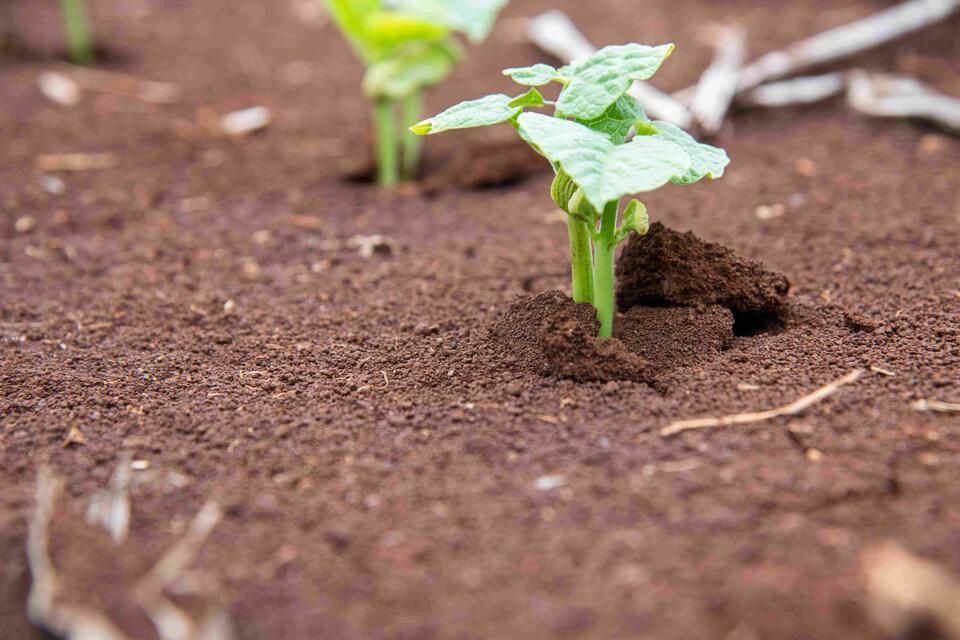
From the Field Reviving the earth: Soil health insights from Akole and Nandurbar, India
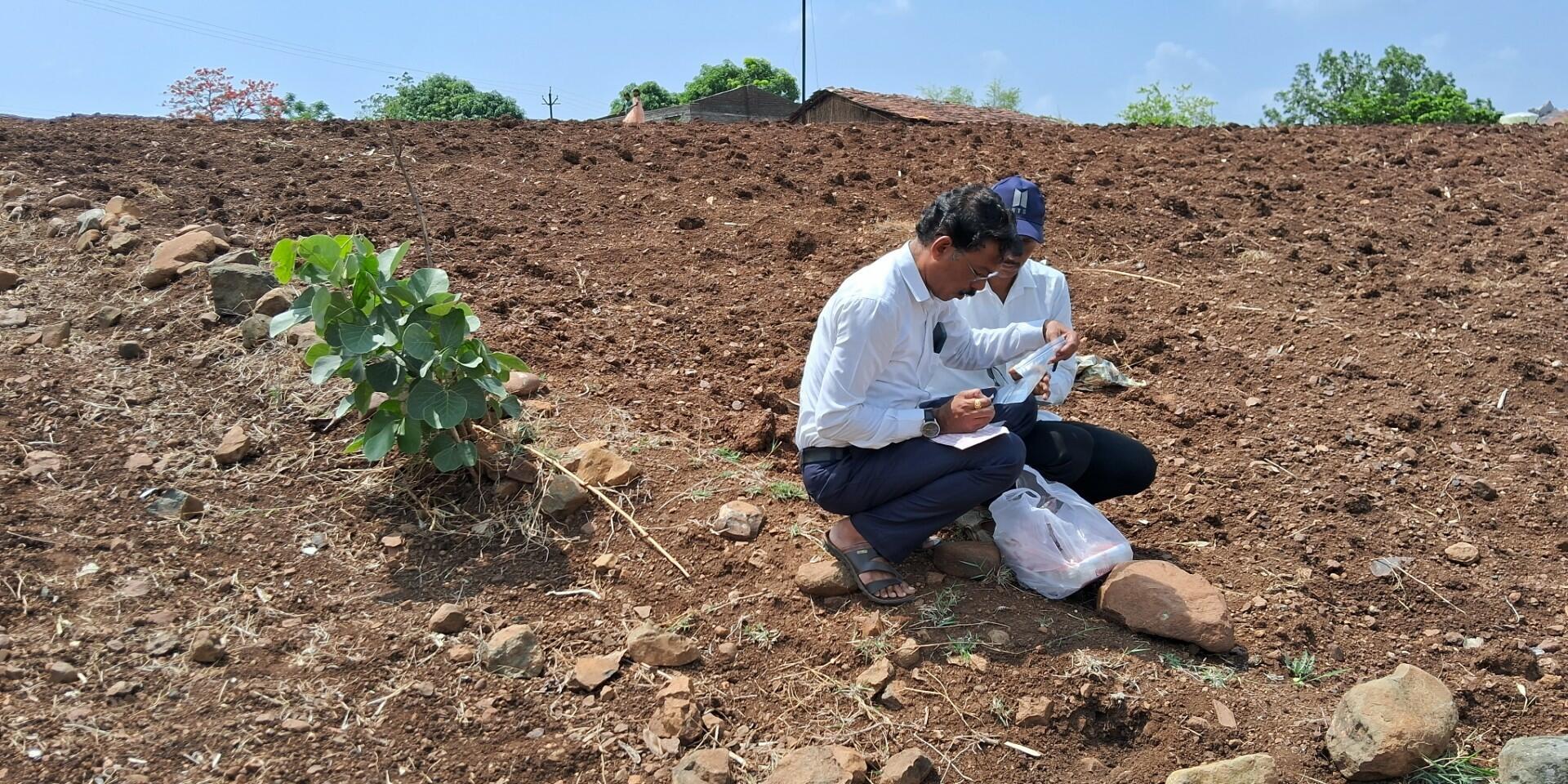

Scientists from the Alliance conducted a 2024 soil study in Akole and Nandurbar, India, to assess soil health and guide sustainable farming. The findings aim to boost resilience and productivity through nature-positive solutions.
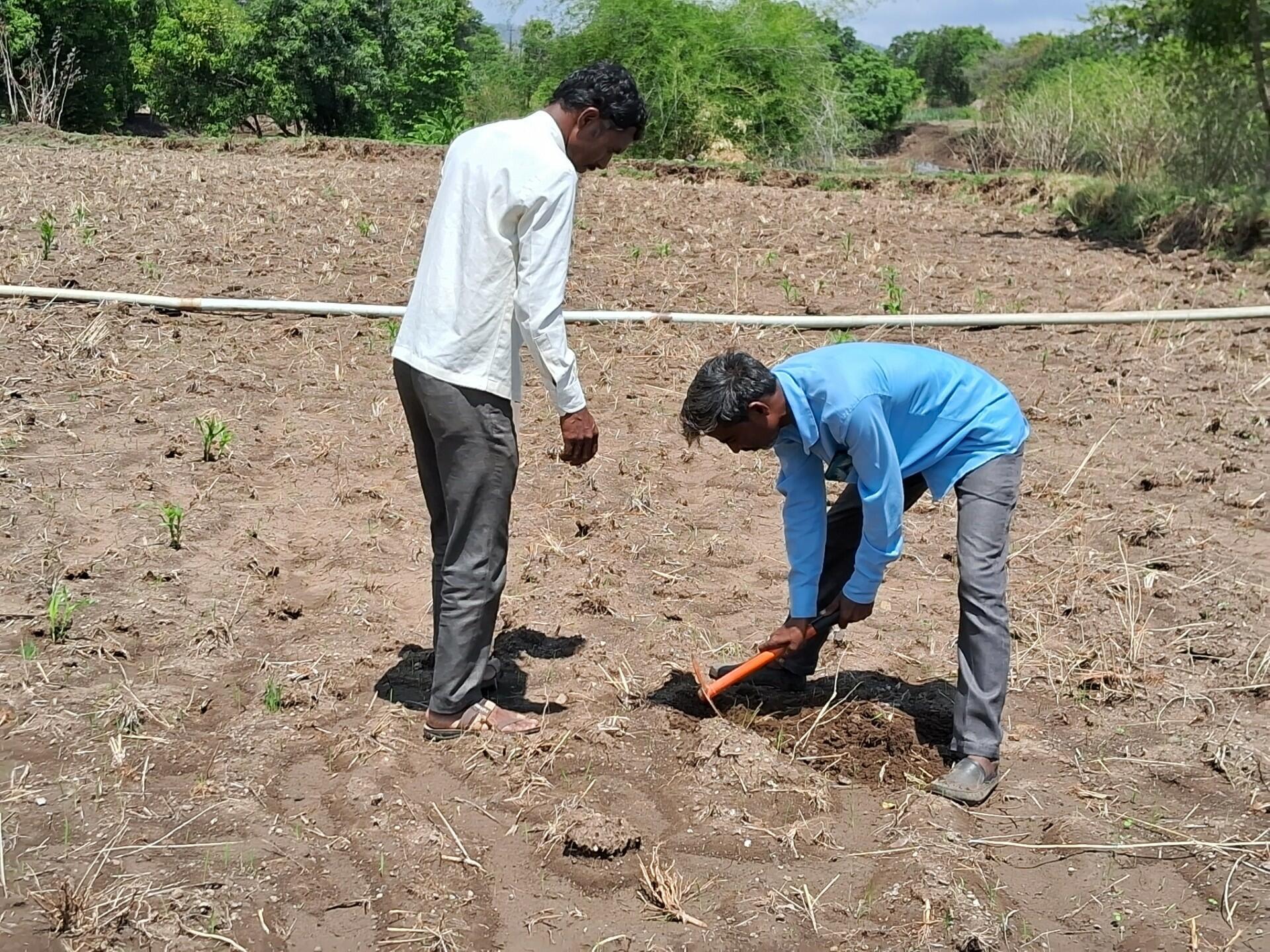
In the pursuit of sustainable agriculture, soil is more than just dirt. It is a dynamic, living ecosystem that supports crop growth and health, regulates water and nutrient cycling, and contributes to climate change action. Recognizing this, scientists from the Alliance of Bioversity International and CIAT, under the CGIAR Initiative on Nature Positive Solutions conducted a soil baseline study in 2024, in two key agricultural zones of Maharashtra, India: Akole and Nandurbar.
Nestled within the Sahyadri mountain range, these regions are agriculturally rich yet ecologically fragile. The diverse topography, ranging from highland slopes to fertile lowlands, creates a mosaic of soil types and challenges. From waterlogging in clay-heavy soils to erosion in lateritic slopes, the study provides valuable data for building resilient agricultural systems.
Understanding the soil landscape
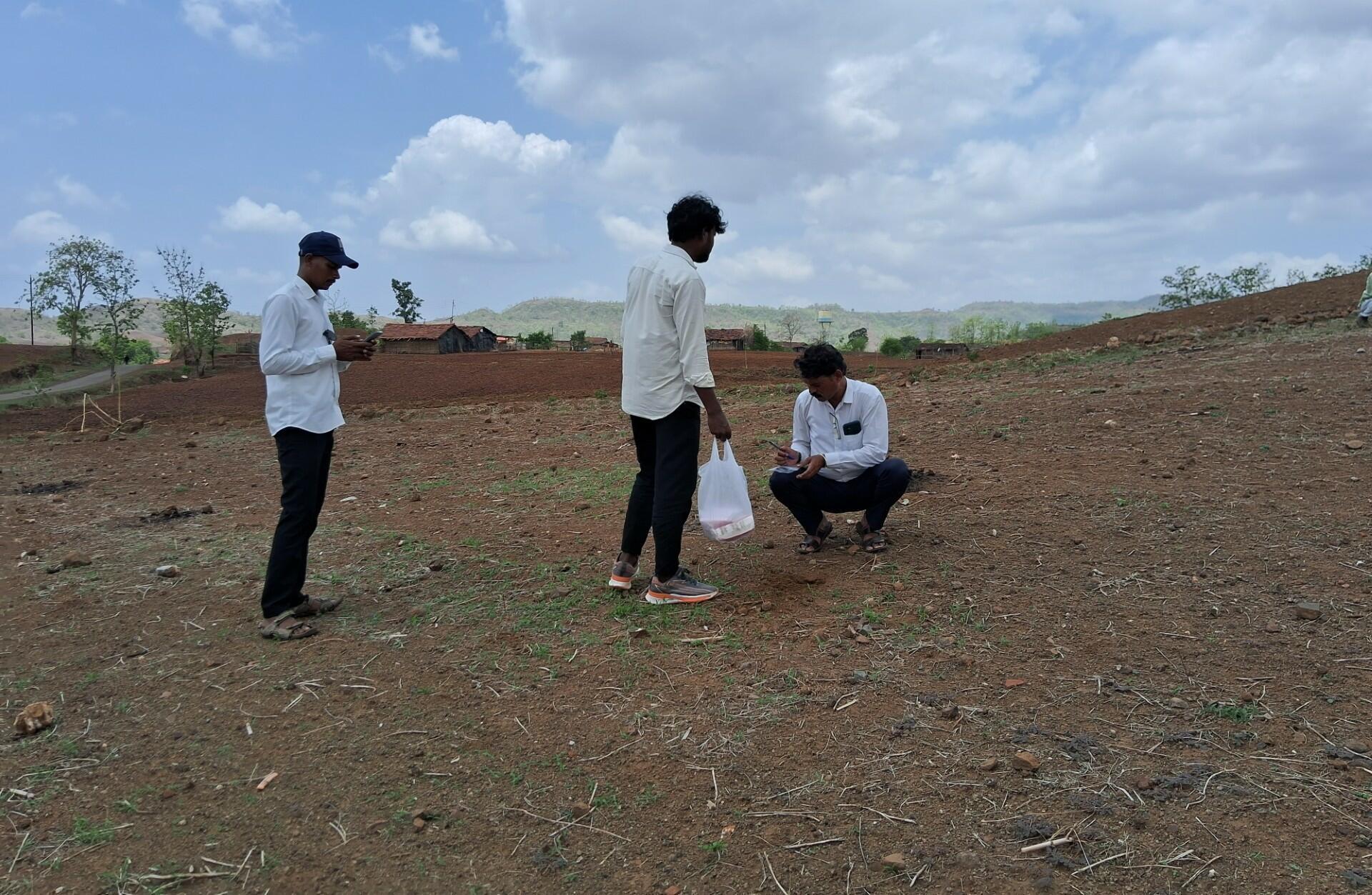
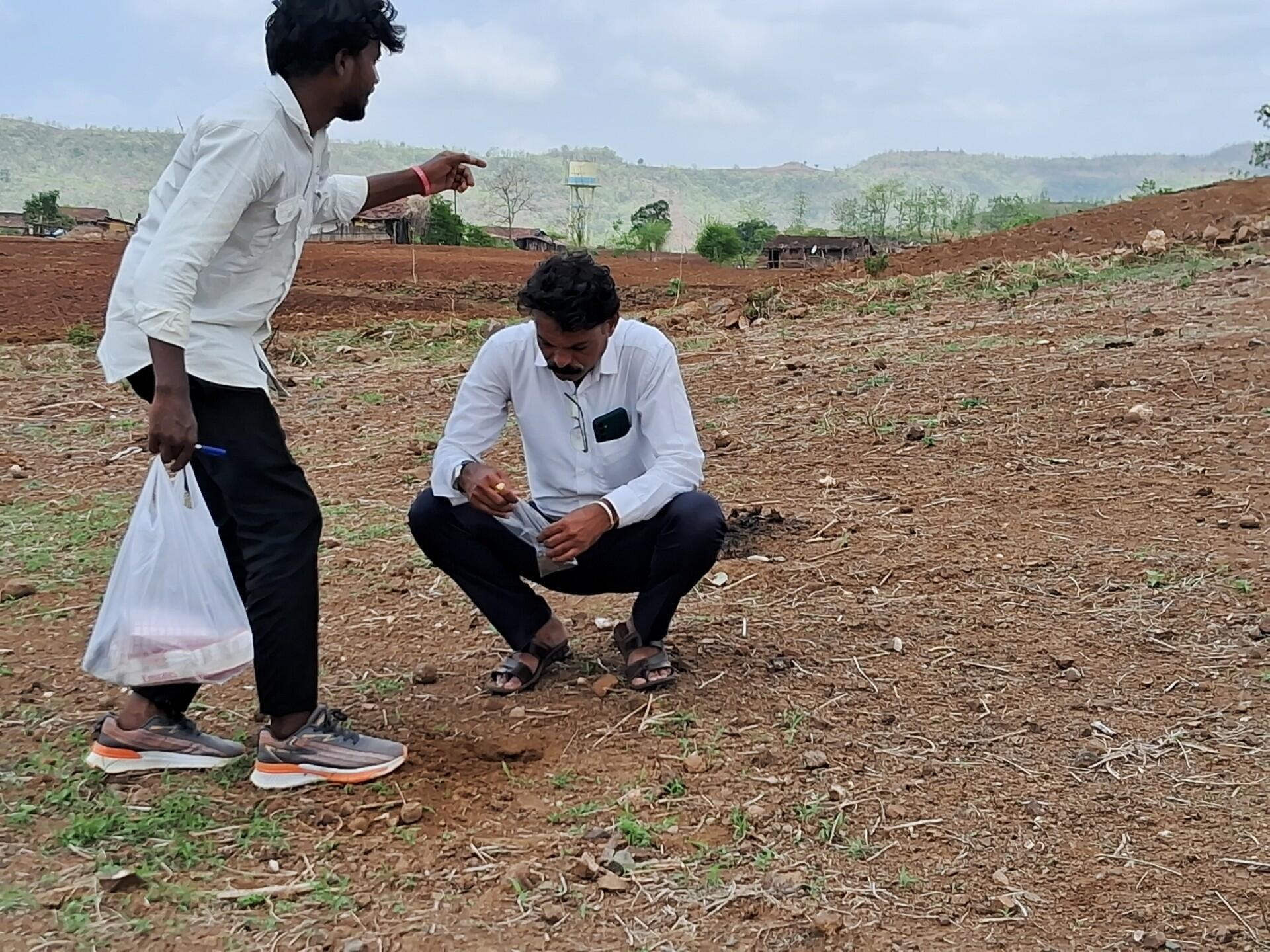
The research covered over 40,000 hectares sampling across both sites. Soil samples were analyzed for physical and chemical properties, including pH, salinity (EC), organic carbon, and nutrient content.
We would like to extend our sincere gratitude to our partners, including BAIF and NIASM. Specifically, Mr. Viswadev V S, Senior Project Officer at BAIF Development Research Foundation, for his valuable assistance in soil sample collection at both locations. Additionally, we thank Dr. V. Rajagopal from the ICAR National Institute of Abiotic Stress Management for his expert support in the soil analysis of samples collected from Akole and Nandurbar, Pune. Their contributions were instrumental in the successful completion of this study.
In Akole, loamy and clay soils dominate the lowlands, ideal for water retention and crops like cotton and groundnuts. On the other hand, in Nandurbar, sandy loam soils are more common, particularly in hilly zones, offering better drainage but higher erosion risk.
What lies beneath?
In terms of soil pH and salinity, Akole soils generally range from moderately acidic to slightly alkaline (pH 5.5–7.7). Nandurbar exhibits greater variability (pH 5.0–7.4), reflecting its more dynamic terrain and rainfall patterns. Notably, salinity levels were low in both regions, signaling favorable conditions for most crops, with isolated hotspots of higher EC in Nandurbar.
Organic carbon and fertility
Organic carbon was moderate in Akole (0.16%–0.84%), but more variable in Nandurbar (0.12%–1.44%). Notably, forested and intensively farmed areas held more carbon, while degraded fields showed worrying lows—pointing to urgent needs for organic matter enrichment.
Macro and micronutrients
- Nitrogen (N) was sufficient in many Akole fields but inconsistent in Nandurbar—requiring strategic fertilizer use.
- Phosphorus (P) was consistently deficient across both regions due to fixation in acidic or alkaline soils.
- Potassium (K) showed moderate to high levels, but care is needed to avoid nutrient imbalances.
- Sulfur, zinc, and iron deficiencies were common, especially in low organic matter soils or high rainfall zones.
Key recommendations for sustainable management
While the study reveals that Akole and Nandurbar soils hold vast potential, they also face threats that must be addressed to ensure long-term productivity:
- Tailored Fertilization - Site-specific nutrient management plans should target phosphorus fixation challenge and micronutrient deficiencies.
- Build Organic Matter - Use compost, green manures, and cover crops to enrich soil health and carbon content.
- Promote Agroecology - Rotate crops, minimize chemical inputs, and encourage organic farming to regenerate soils.
- Prevent Erosion - On hilly terrains, adopt contour farming, mulching, and vegetative barriers to protect fragile topsoil.
- Integrated Soil Monitoring - Regular soil testing will help farmers adapt to changing conditions and avoid overuse of input.
A soil-first approach to resilience
The soil baseline study is more than a technical exercise: it is a compass for climate-smart agriculture in India’s hill-slope regions. With data in hand, farmers, researchers and policymakers can now make informed decisions that restore soil vitality, enhance food security, and build climate resilience from the ground up.
The work in Akole and Nandurbar is a blueprint for other regions, showing that a nature-positive path is not only possible but also necessary especially at a time when the globe is grappling with numerous challenges such as climate change.