From the Field Digging deeper: How soil microbes are shaping sustainable agriculture in Kisumu and Vihiga, Kenya

In 2024, an Alliance-led study in Kisumu and Vihiga, Kenya, highlighted the critical role of soil microbial diversity in restoring fertility and guiding evidence-based policies for resilient, smallholder-driven agriculture.
Far from being inert ground, soil is a biologically active ecosystem critical to agricultural sustainability. A 2024 baseline study in Kenya’s Kisumu and Vihiga counties, conducted by scientists from the Alliance of Bioversity International and CIAT, IITA, and KALRO, demonstrates that soil microbial diversity is a key driver of resilient and productive smallholder farming systems.
Located in western Kenya, Kisumu and Vihiga counties are largely dominated by smallholder agriculture. But these counties face mounting challenges: declining soil fertility, erratic weather patterns, rising temperatures, and nutrient depletion. Understanding what lies beneath the surface is literally the first step to turning things around.
A closer look at the study
Under the CGIAR Initiative on Nature-Positive Solutions, scientists collected and analyzed soil samples from three sites including Agoro East and Jimo East (aggregated farms in Kisumu) and Vigulu (traditional smallholder farms in Vihiga).
The samples were tested for physical, chemical, and biological properties, using advanced metagenomic techniques to uncover the diversity and function of soil microbes.
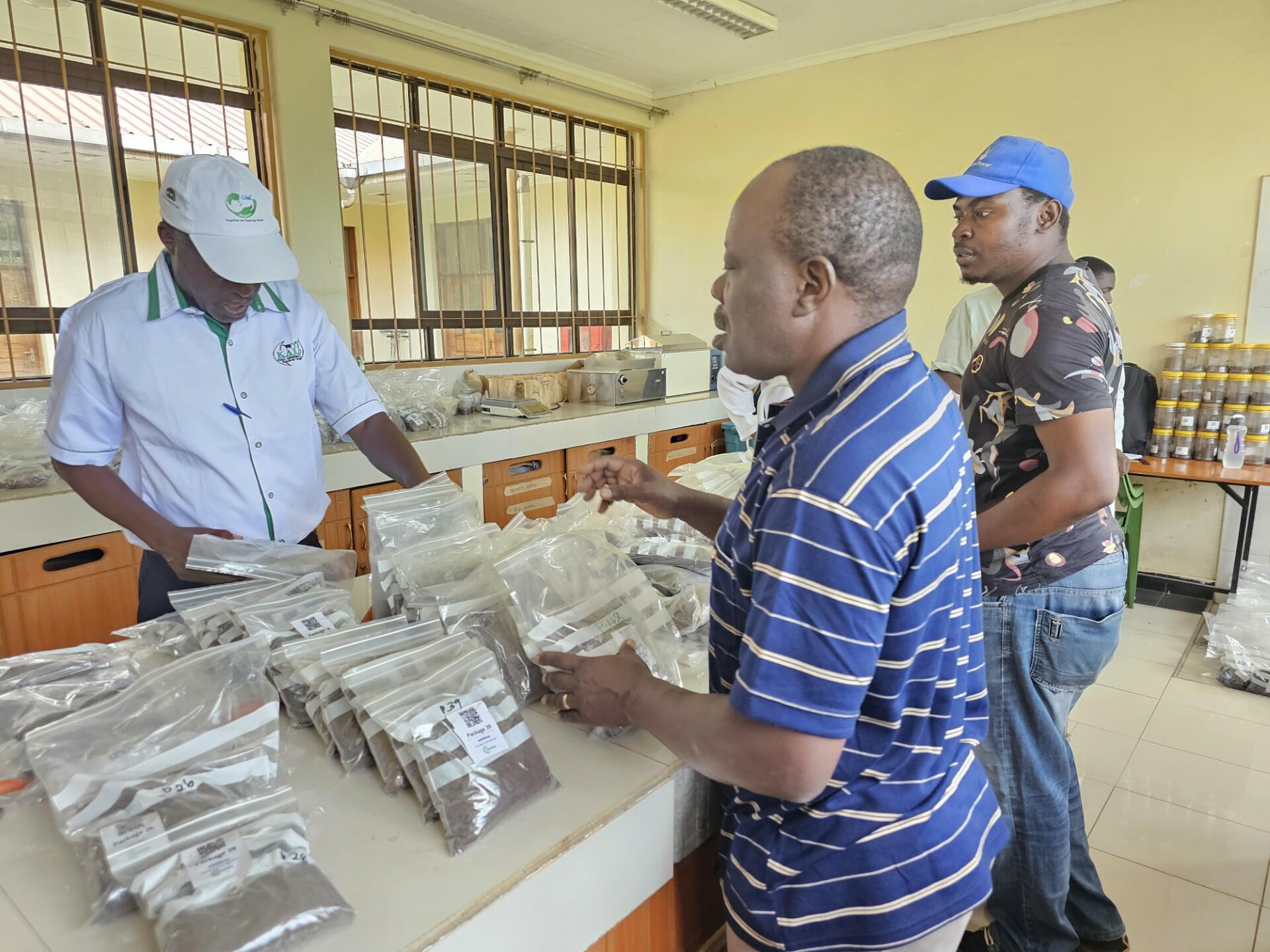
Experts analyse soils at KALRO, Kibos ahead of further tests and analysis. Photo Credit: Rachel Kibui
A glimpse of the findings
Physical and chemical properties
- Soils across all three sites ranged from sandy loams to clay, with Vigulu exhibiting more stable, loamy soils. This is ideal for diverse crops.
- Soil pH varied widely: Vigulu’s slightly acidic soils (pH 5.4–7.0) were healthier for nutrient uptake, while Agoro East and Jimo East had more alkaline conditions, potentially limiting some nutrients.
- Organic carbon was highest in Vigulu (0.6%–1.8%) thanks to diversified cropping and organic practices, while Jimo East showed sporadic highs (up to 3.1%) in forest patches. Agoro East soils had generally low carbon levels, an indicator of long-term degradation.
The nutrient status
- Nitrogen (N) is severely deficient in Agoro East and Jimo East. This is especially so due to years of grazing or underuse. On the other hand, Vigulu showed optimal levels, supporting strong crop growth.
- Phosphorus (P) levels varied dramatically, even within single sites. P fixation was common, limiting availability despite some high readings.
- Potassium (K) levels were found to be moderate to high across all sites. However, imbalances with calcium and magnesium should be managed.
- Micronutrients such as copper and boron were often low, while manganese and aluminum were high. This raises concerns about toxicity in acidic soils.
Uncovering the Invisible: Soil Microbial Diversity
- The true innovation of this study lies in its biological analysis. Using DNA sequencing, scientists identified a rich tapestry of bacterial and fungal life in the soils, each playing a unique role in soil function.
Bacteria
- Dominant phyla included Pseudomonadota, Actinomycetota, and Planctomycetota.
- Jimo East and Vigulu soils were richer in beneficial nitrogen-fixers like Pseudomonas and Bradyrhizobium which are critical for reducing dependency on synthetic fertilizers.
- Agoro East, with its history of grazing and minimal cultivation, showed lower bacterial diversity, dominated by decomposers like Streptomyces.
Fungi
- Soils across all sites hosted Ascomycota and Basidiomycota fungi, known for breaking down organic matter and producing antibiotics.
- Vigulu soils, thanks to diverse land use and higher organic content, had the highest fungal diversity, suggesting greater ecosystem resilience.
Functional insights: What do these microbes do?
The metagenomic analysis didn’t just identify who’s there, it revealed what they’re doing:
- Rhizobium is essential towards Nitrogen fixation, while Pseudomonas is important for Phosphorus solubilization. For organic matter decomposition and production of antibiotics, Streptomyces, Penicillium, Aspergillus are essential.
- This shows a clear pathway on how enhancing soil microbial diversity can directly improve crop productivity and reduce reliance on external inputs.
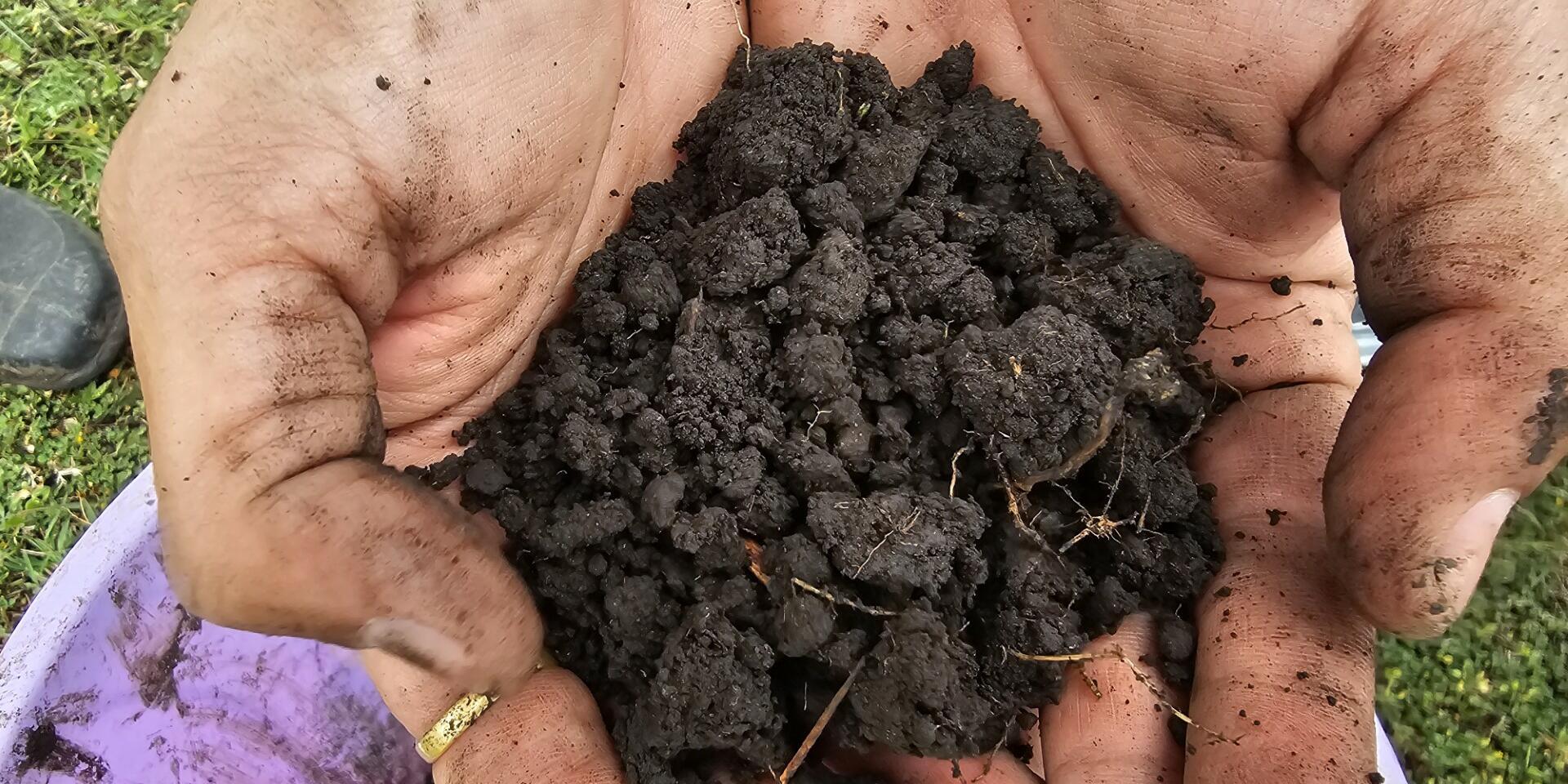
A view of a soil sample collected in the field at Kabudi, Kisumu County. Photo Credit: Rachel Kibui
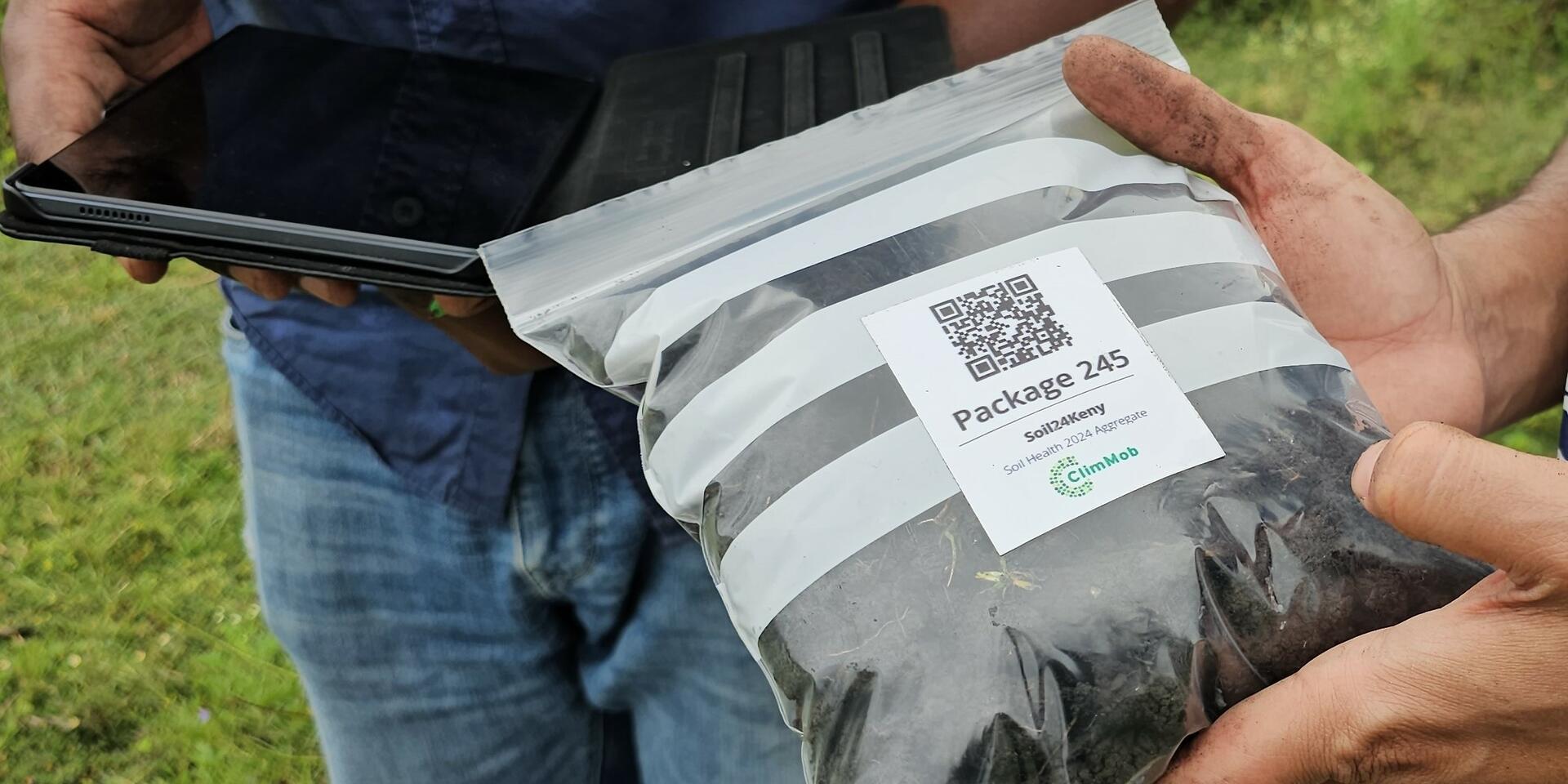
A ready packaged soil sample in Agoro East, Kisumu County. Photo Credit: Rachel Kibui
Recommendations for farmers and policymakers
The study offers a compelling roadmap for action:
- Tailored Fertilization - Implement Integrated Nutrient Management (INM) using a mix of organic and inorganic inputs to correct site-specific deficiencies.
- Support Microbial Life - Use crop rotation, cover crops, and composting to enrich microbial diversity.
- Deploy Beneficial Microbes - Introduce microbial inoculants like Rhizobium and Pseudomonas as biofertilizers and biocontrol agents.
- Monitor Over Time - Establish long-term soil health tracking using advanced techniques to guide sustainable land management.
A new era of soil stewardship
This study is more than a scientific milestone. It is a call to rethink how we view and manage soil. In Kisumu and Vihiga, the future of farming may very well rest on the strength of microbial communities hidden beneath our feet.
With data in hand and nature-positive tools on the table, smallholder farmers are at a better place towards restoring the vitality of their land. This is especially key towards building food systems that are productive, sustainable, and resilient for generations to come.
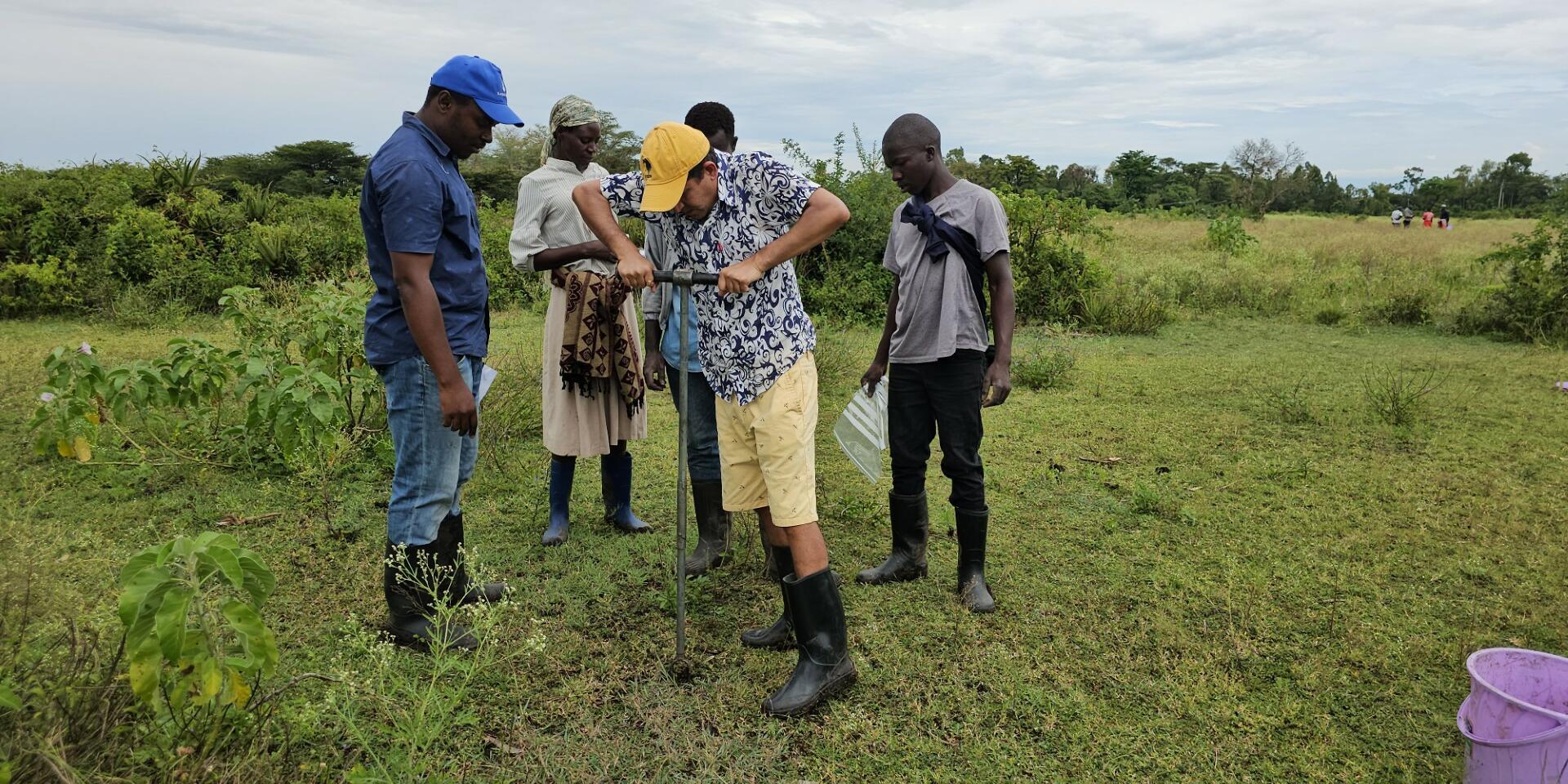
Cover Image: Dr. Manoj Kaushal leads a team in collecting soil samples in Kisumu County. Photo Credit: Rachel Kibui