Blog Kenya: Strengthening the livestock sector through improved fodder systems

The livestock sector is a critical pillar of Kenya’s economy and rural livelihoods, contributing significantly to food and nutrition security, household incomes and employment.
However, the productivity and resilience of Kenya’s livestock systems continue to face major challenges. Climate change, rising feed costs, and limited access to quality inputs are putting increasing pressure on farmers. Inadequate and unreliable access to quality fodder remains among the most persistent and limiting factors affecting livestock health and performance.
Fodder: A critical bottleneck for livestock farmers
Across many parts of the country, including western Kenya, livestock farmers struggle with seasonal feed shortages. Factors such as erratic rainfall and competition for land with food crops reduce the availability of natural pastures and planted forages. At the same time, many farmers lack practical knowledge on improved fodder varieties, forage conservation, and efficient feed utilization.
Other challenges include limited access to quality forage, seeds, and appropriate machinery for harvesting and conservation. As a result, farmers often rely on low-quality feeds or expensive commercial concentrates, increasing production costs and reducing profitability.
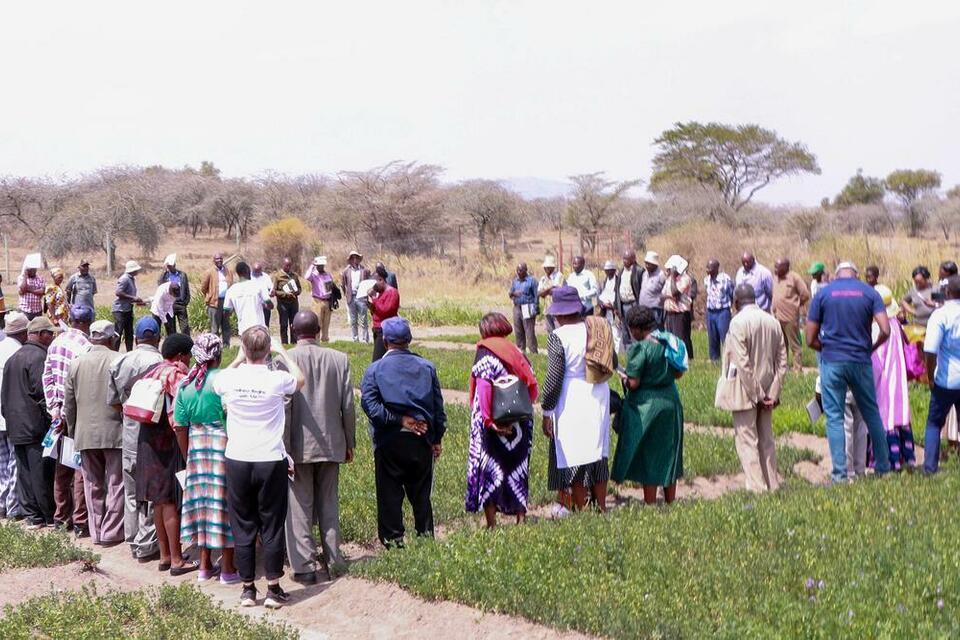
It is against this backdrop that the Alliance of Bioversity International and CIAT, under the Biodiversity for Resilient Ecosystems in Agricultural Landscapes (B-REAL) project, with financial support from The Global Affairs Canada (GAC), organized a field day in Vihiga County last December. Under the theme ‘Promoting Climate-Smart Dairy, Forage Production and Sustainable Food Systems’, the event brought together farmers, researchers, and partners to explore practical solutions for improving forage production, conservation, and utilization.
A practical platform for learning and exchange
The field day provided a hands-on learning environment where farmers from Vihiga and Kisumu counties interacted directly with scientists, county government officials, seed vendors, and development practitioners. The event showcased a wide range of fodder varieties, including improved grasses and legumes adapted to local conditions, highlighting their potential to increase biomass production and improve feed quality.
Catch up with the event in the media
Participants also explored different fodder seeds and planting options, with partners from the Seed Savers Network emphasizing the importance of conserving and promoting locally adapted forage seed to enhance sustainability and farmer choice.
“This platform allows farmers to see, touch, and compare different forage options,” said Ruth Odhiambo, Senior Research Assistant at the Alliance, adding, “It helps demystify fodder technologies and builds confidence in adopting practices that can improve livestock productivity.”
Demonstrations on forage production, utilization, and conservation
Live demonstrations formed a key part of the event, focusing on forage production, management, utilization and conservation techniques. Farmers were guided through the best practical session for harvesting fodder at the right stage and preparing silage and hay to ensure feed availability during dry seasons.
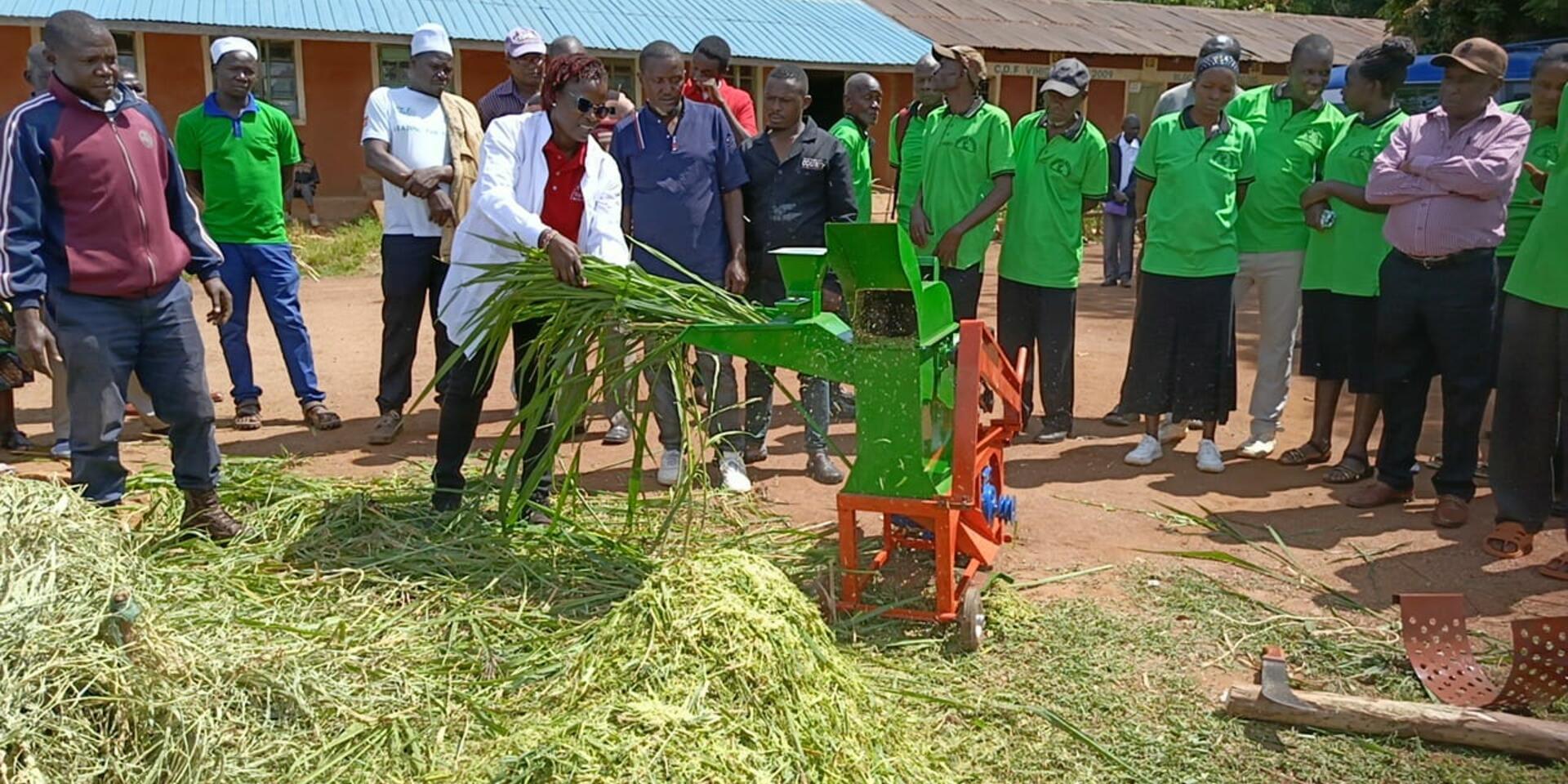
The demonstrations also featured machinery and tools such as choppers and balers, showing how mechanization can reduce labour, minimize losses, and improve the quality of conserved feed.
Three farmers groups – Agoro East, Jimo East (both from Kisumu) and Vihiga-based Lyana Ginga group received a multipurpose feed chopper each from the Alliance.
“I learnt the importance of planting forage in terraces, as well as proper harvesting and post-harvest management practices,” said Elizabeth Anyoso, a farmer from Vihiga.
With support from the Alliance, Elizabeth has been growing various fodder varieties on her farm, some of which thrive while others do not.
At the event, she was keen to learn proper crop care and identify the best-performing varieties for her region.
“I have since decided to concentrate on growing the varieties that boost milk production, maximize yields during the rainy seasons, and preserve fodder for the dry periods,” she said.
Silage and hay making are powerful tools for climate resilience. “When farmers conserve fodder during periods of abundance, they are better prepared for feed shortages caused by drought or erratic rainfall,” noted Ruth.
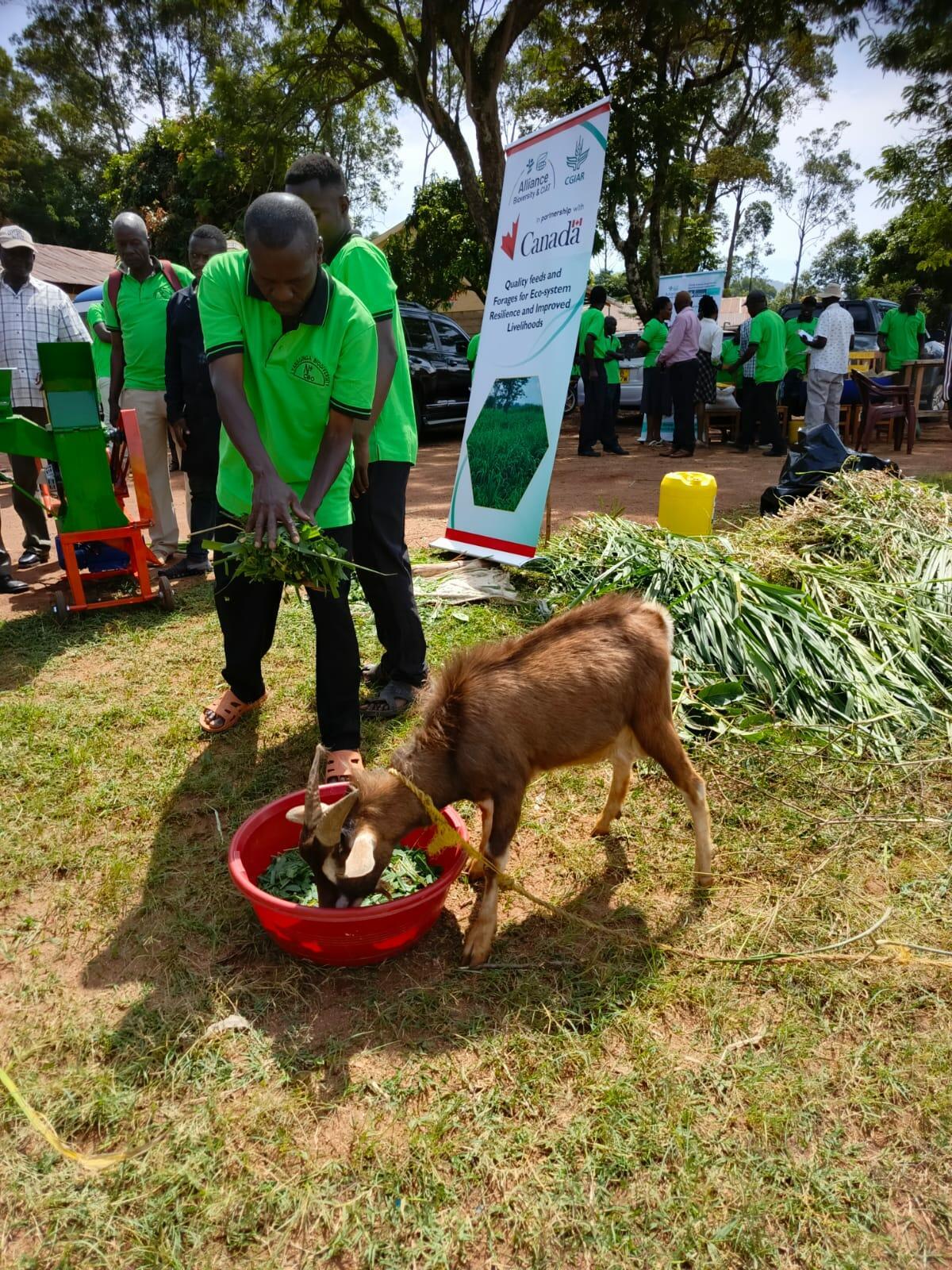
Fodder 1.2 – A farmer feeds his goat on fodder in Vihiga during the field day
Youth opportunities and policy support
Vihiga County Director for Agriculture, Livestock and Fisheries, Reuben Chumba, cited the numerous opportunities for youth along the forage value chain:
“Young people can participate in digital marketing, value addition, transport, and the supply of organic inputs, among other areas,” said Chumba.
Vihiga County Government, with support from the Alliance and other partners, launched an Agroecology Policy last year. The policy, Chumba noted, promotes sustainable fodder production through approaches such as the circular economy, intensive agriculture, and improved breeding practices.
“This will not only enhance a sustainable livestock sector but also build resilience among communities, guided by the policy framework,” he said.
Addressing key forage challenges and pathways forward
Discussions during the event identified several key challenges facing farmers in forage production:
- Knowledge gaps on suitable fodder varieties, planting methods, and conservation practices
- Climate change impacts, including unpredictable rainfall and prolonged dry periods
- Competition for land between fodder crops and food crops in densely populated areas
- Limited access to machinery for harvesting, chopping, and conserving fodder
- Limited access to quality forage seed
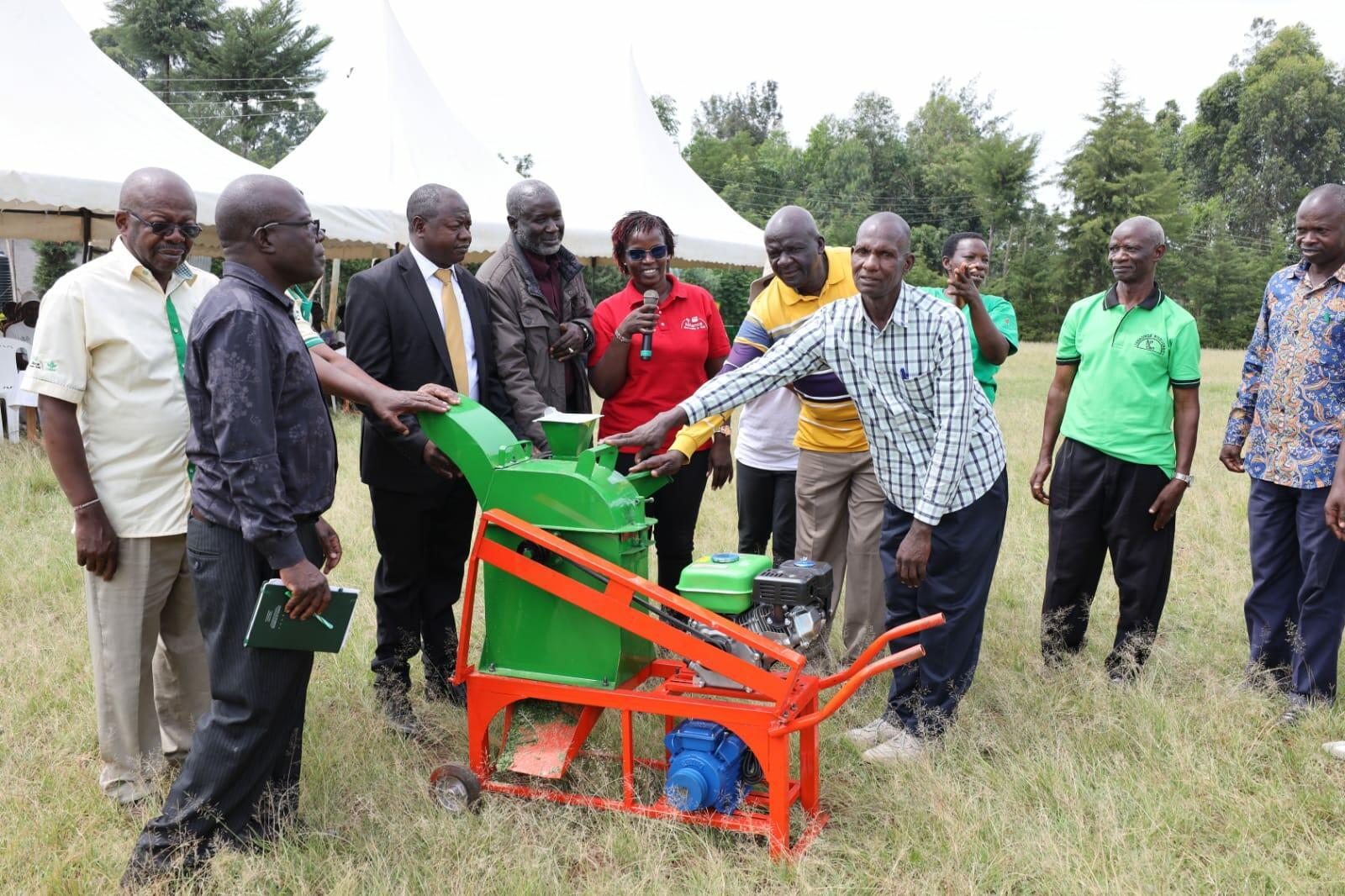
Fodder 1.3 – Three farmers groups – Agoro East, Jimo East (both from Kisumu) and Vihiga-based Lyana Ginga group received a multipurpose feed chopper each from The Alliance.
A step towards resilient livestock systems
As Kenya continues to strengthen its livestock sector, investments in diverse, well-managed, and conserved fodder systems will be essential. Through initiatives such as this field day, the Alliance, together with strategic partners are supporting farmers to turn fodder challenges into opportunities for sustainable and resilient livestock development.