Blog How indigenous vegetables are changing Kenya's food systems

Kenya, like many African countries, has historically relied on a mix of indigenous and introduced crops to feed its population. However, over the past few decades, there has been a steady decline in the cultivation and consumption of indigenous vegetables due to the rise of imported crops and changing dietary preferences. However, a resurgence of interest in traditional food systems has shone a spotlight on indigenous vegetables, which are coming to play a transformative role in reshaping Kenya's food systems.
The decline and resurgence of indigenous vegetables
The marginalization of indigenous vegetables in Kenya began during the colonial era and intensified in the post-independence period. Colonial authorities introduced and prioritized high-yield, commercially viable crops like maize and wheat, which were favored in research, subsidies, and policy frameworks, while traditional vegetables were relegated to subsistence farming and local use. This trend continued after independence as Kenya's development agenda focused on modernizing agriculture. Urbanization and exposure to Western diets further shifted consumer preferences.
However, this downward trend began to reverse in the early 2000s due to a convergence of socioeconomic and environmental pressures. The sharp rise in food prices, increasing rates of malnutrition, and growing concerns over pesticide-laden produce led activists and researchers to revisit the nutritional and ecological benefits of indigenous crops.
Studies showed that indigenous vegetables were not only nutrient-dense but also more adaptable to climate change, requiring less water and fewer chemical inputs. Consumer health awareness began to grow, and many consumers started to embrace traditional vegetables as part of a broader shift towards local foods and agrobiodiversity. Restaurants and supermarkets began featuring indigenous greens, and farmers began to respond to renewed demand.
This resurgence is not merely nostalgic—it is increasingly recognized as strategic. Indigenous vegetables are now seen as crucial assets for food security, public health, climate resilience, and cultural preservation. Their re-emergence is a result of both grassroots demand and top-down policy interventions, reflecting a growing consensus that sustainable food systems must be grounded in local knowledge and biodiversity.
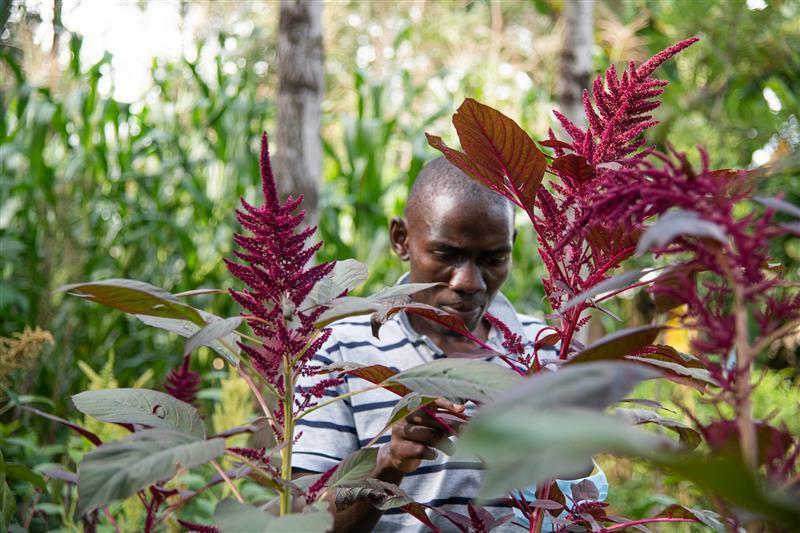
A farmer shows the diverse seeds and amaranth he is growing on his farm. Credit: CIAT/Georgina Smith
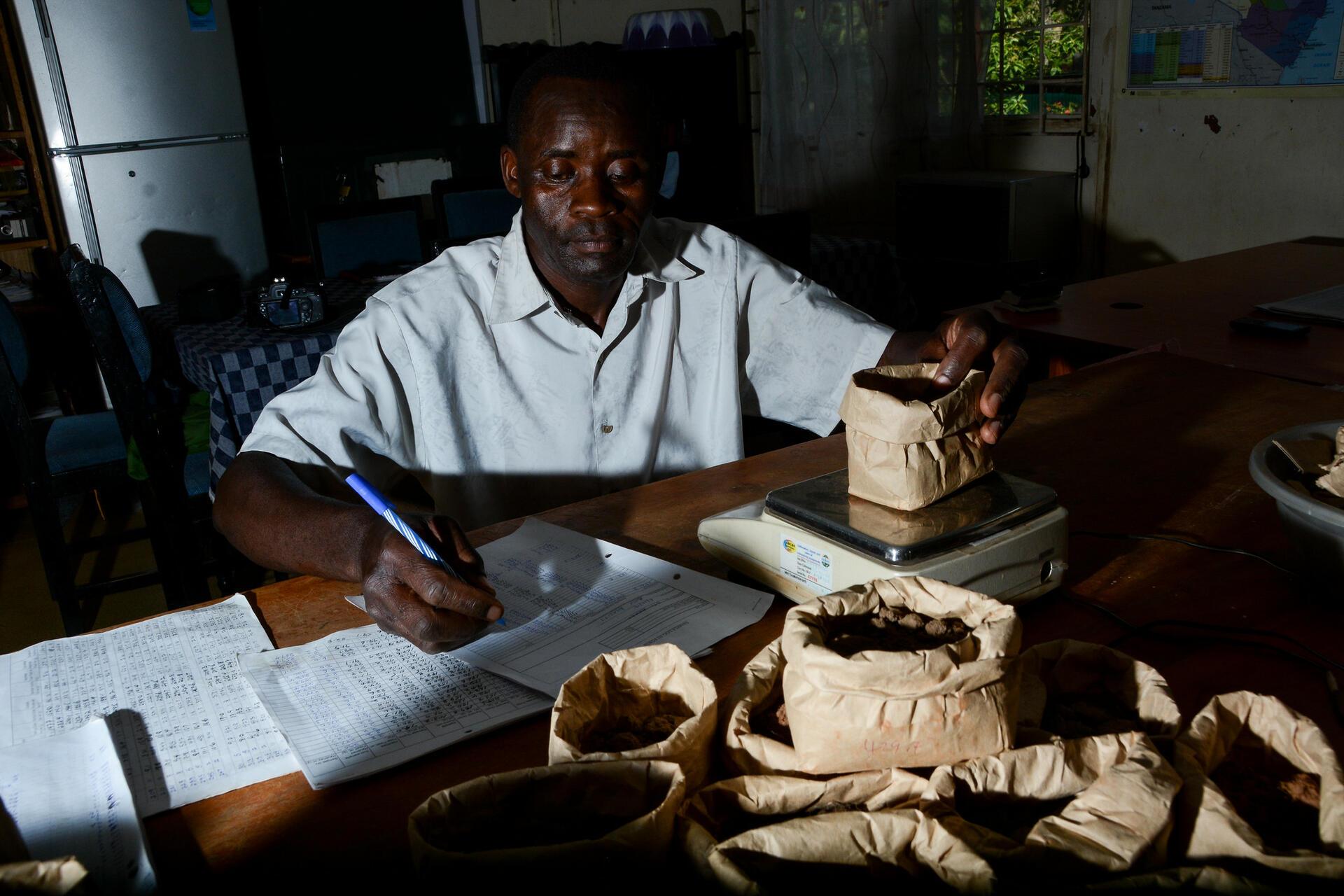
A project participant classifies local seed varieties. Credit: CIAT/Georgina Smith
The nutritional benefits of indigenous vegetables
One of the most compelling reasons for the renewed focus on indigenous vegetables is their exceptional nutritional value. Many of these vegetables are rich in micronutrients that are often deficient in the typical Kenyan diet.
Key Kenyan indigenous vegetables include:
- African Nightshade (Managu): High in iron, calcium, and antioxidants, this crop is popular across the country and is usually eaten sautéed with onions and tomatoes and served alongside ugali.
- Amaranth Leaves (Terere): Packed with pro-vitamin A, vitamin C and dietary fiber, this crop grows widely across Kenya, and it is often lightly boiled or stir-fried, sometimes mixed with groundnuts.
- Spider Plant (Sagaa): This crop contains high levels of protein, calcium, magnesium and iron. Its slightly bitter taste is often softened through boiling, and it is frequently cooked with milk or groundnuts.
- Cowpea Leaves (Kunde): An excellent source of folate, vitamin B complex and essential amino acids, this crop is drought-resistant and popular in both Western and Coastal Kenya.
- Jute Mallow (Mrenda or Apoth): Rich in iron, calcium and dietary fiber, this crop is common in Western Kenya.
- Pumpkin Leaves (Seveve): High in vitamins A, C and K, these leaves are consumed widely in Central and Western Kenya; the leaves are usually softened by boiling and served with starchy foods.
- Slender Leaf (Mitoo): With high levels of iron and vitamins, this leaf is predominantly used by the Luhya and Luo communities, valued for its unique flavor.
- Wild Lettuce (Launaea cornuta): Known for its medicinal and nutritional value, this crop is traditionally used to detoxify the liver and boost immunity, typically served in soups.
- Ethiopian Kale (Sukuma Kisii or Kanzira): Different from commercial kale, it is more drought-resistant and contains higher micronutrient content.
- Blackjack (Bidens pilosa): Often dismissed as a weed, this crop is highly nutritious, offering high levels of iron and vitamin C. It is cooked like other leafy greens, and is used medicinally in many Kenyan households.
In rural communities where access to diverse diets is limited, incorporating these vegetables can significantly reduce malnutrition.
Economic empowerment through indigenous vegetables
The economic potential of indigenous vegetables has become increasingly apparent. Traditionally looked down on, these vegetables are now gaining traction in urban markets due to their perceived health benefits and unique flavors. This shift in perception is creating new income opportunities for smallholder farmers.
With support from NGOs, agricultural extension programs and researchers, farmers are learning improved cultivation, storage and marketing techniques. Value addition - such as drying, packaging, and creating vegetable powders or teas - is also opening up more lucrative market opportunities. Local enterprises and cooperatives are emerging, enabling farmers to negotiate better prices and reach wider consumer bases, including export markets.
Cultural significance and identity
Indigenous vegetables are deeply rooted in Kenya's cultural heritage. Each ethnic community has its own preferred varieties and traditional methods of preparation. As well as the nutritional and economic benefits it may bring, reviving these vegetables is also about reclaiming identity and pride in local food systems. Cultural festivals, cooking competitions and culinary tourism centered around traditional foods are helping to keep these practices alive. This cultural renaissance is not only important for heritage preservation but also encourages the younger generation to value and participate in traditional agriculture.
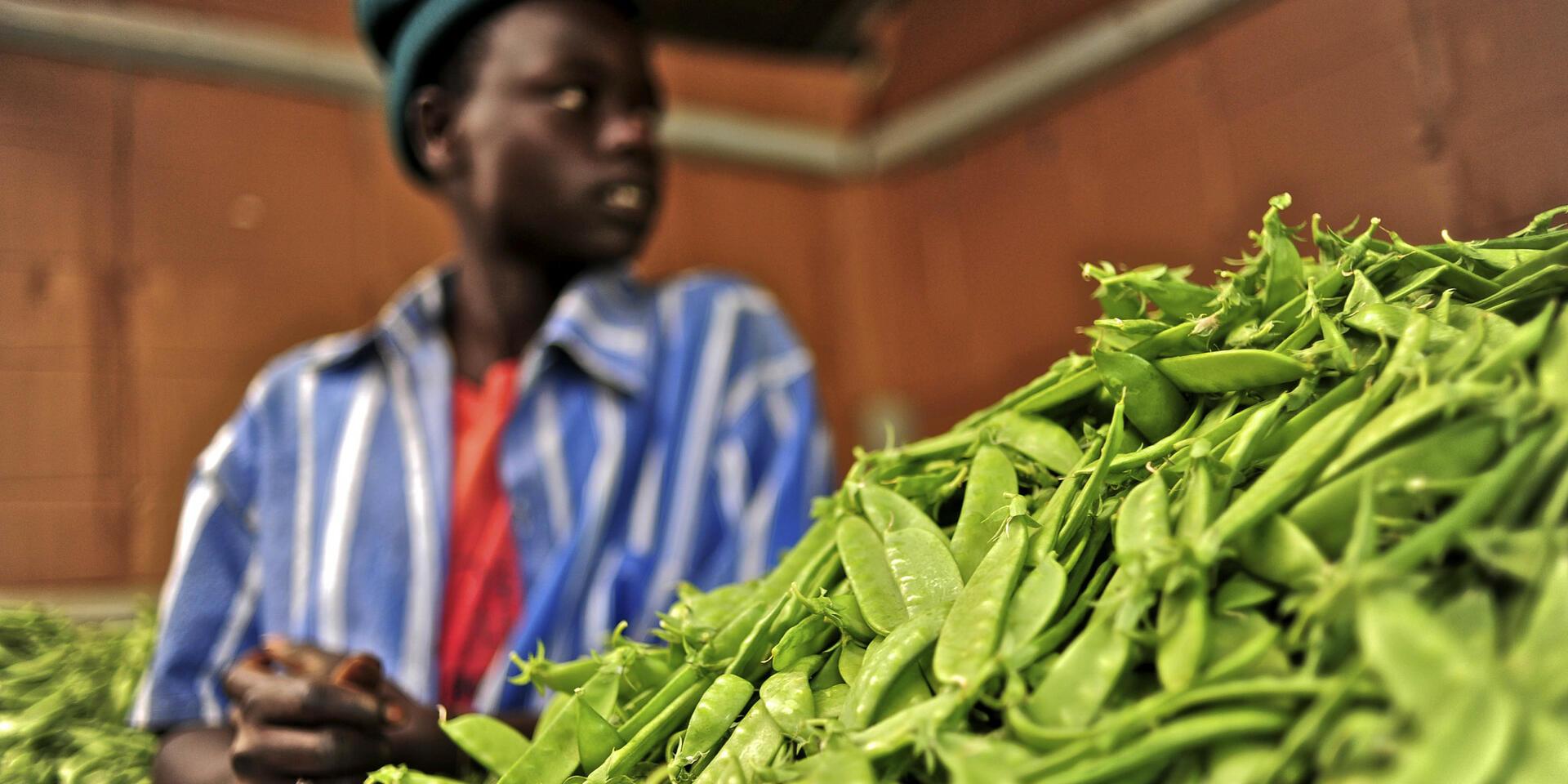
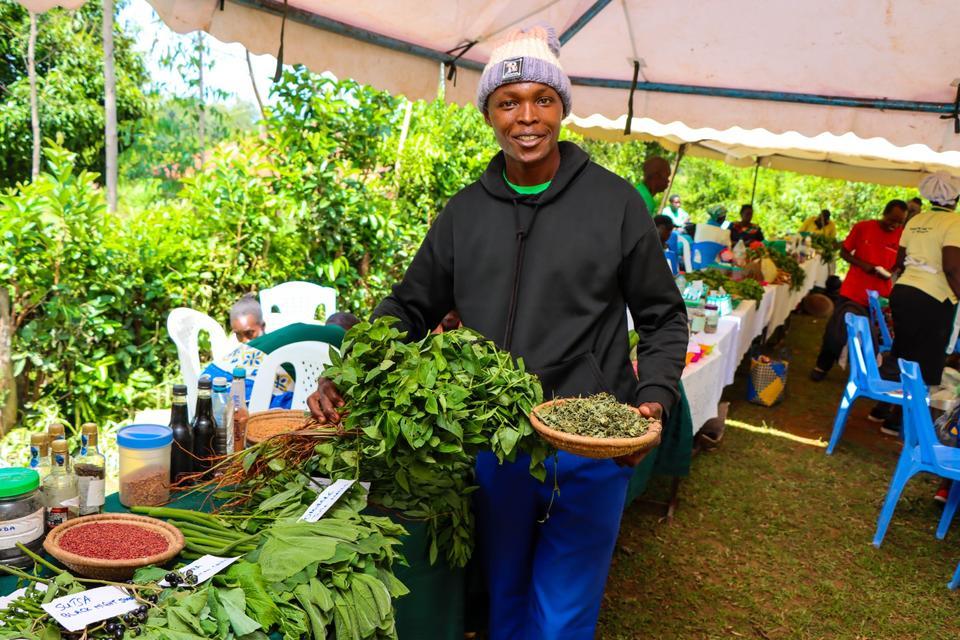
A vendor displays his recent harvest in the Mount Kenya region. Credit: CIAT/Neil Palmer
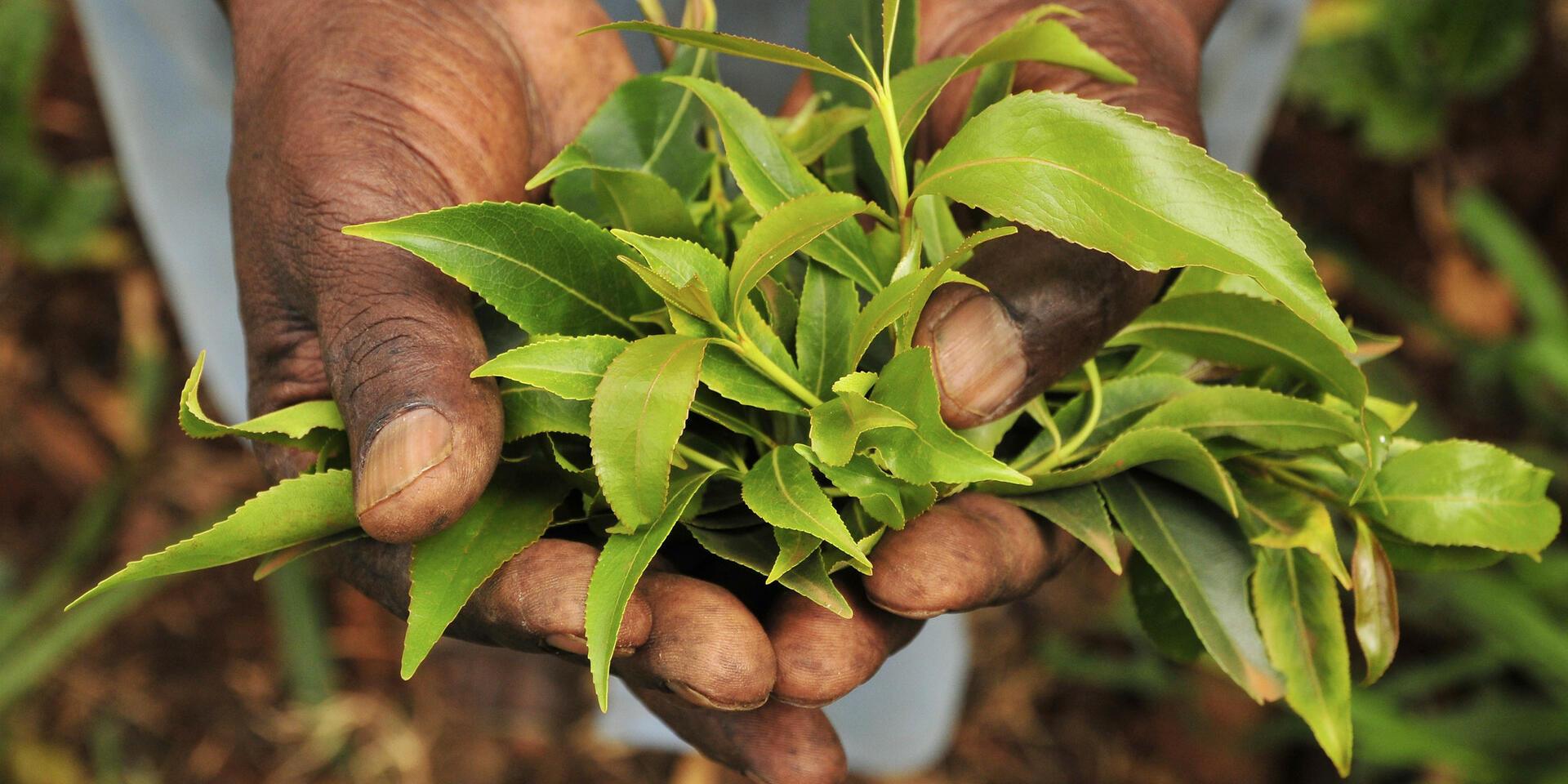
Leaf crops from the Mount Kenya region. Credit: CIAT/Neil Palmer
Environmental sustainability
Indigenous vegetables are often better adapted to local climates and soils, making them more resilient to drought and pests compared to foreign crops. They require fewer chemical inputs - reducing the environmental impact of farming - and promote agroecological balance.
For example, spider plants and amaranth thrive in semi-arid regions with minimal water, while nightshade and cowpea improve soil health by fixing nitrogen. By integrating these vegetables into mixed farming systems, farmers can enhance biodiversity, improve soil health, and reduce dependency on chemical fertilizers and pesticides.
This ecological compatibility makes indigenous vegetables a strategic component in Kenya's climate-smart agriculture initiatives. As climate change continues to challenge food production, the role of these resilient crops will continue to grow in importance.
Policy support and institutional backing
Recognizing the multifaceted value of indigenous vegetables, the Kenyan government has begun to integrate them into national agricultural and nutritional policies. The Ministry of Agriculture, through its extension services, now promotes indigenous vegetables as part of the country's food and nutrition security strategy.
At the national level, Kenyan universities and research institutions, such as the Egerton University, University of Nairobi and the Kenya Agricultural and Livestock Research Organization (KALRO), are conducting extensive research on the cultivation, pest management and nutritional profiles of these crops. Their findings are being used to develop improved seed varieties and farming techniques. At the international level, partnerships with organizations like the Food and Agriculture Organization of the United Nations and the World Vegetable Center are providing technical and financial support to scale up indigenous vegetable production. Policy advocacy is also pushing for the inclusion of these vegetables in school feeding programs and public procurement systems. A recent study demonstrates, in fact, that including indigenous vegetables and pulses in school meals can meet children’s daily nutrient needs at low cost, making them a healthy alternative to expensive imported foods.
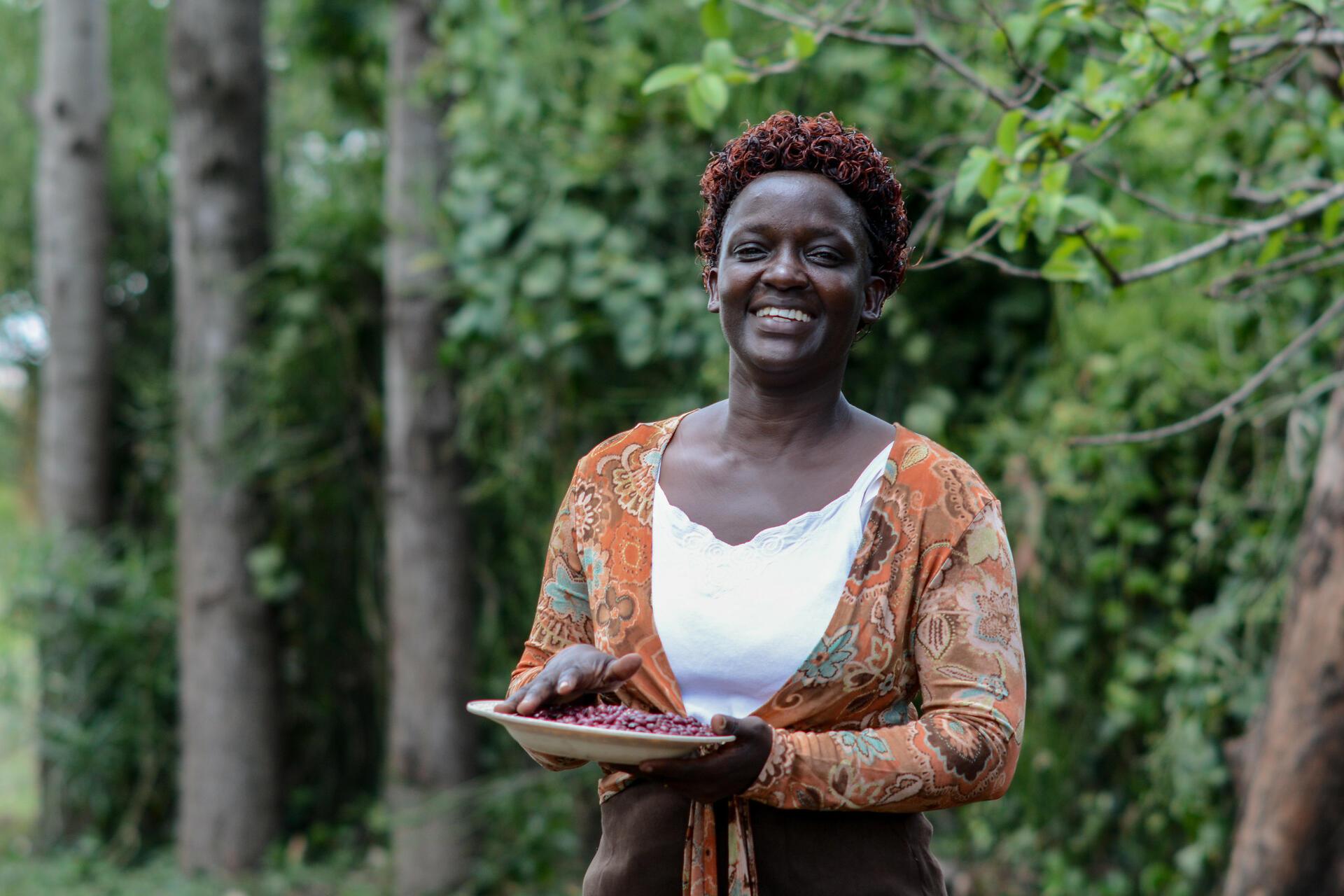
A woman involved in an Alliance project on improved bean varieties shows a batch of pre-cooked beans. Credit: CIAT/Georgina Smith
Urban agriculture and indigenous vegetables
Urban agriculture is playing a critical role in making indigenous vegetables accessible to city dwellers. In Nairobi, Kisumu and Mombasa, rooftop gardens, backyard farms and vertical growing systems are used to cultivate traditional vegetables. These initiatives not only provide fresh produce, but also contribute to household food security and income.
Organizations like the Mazingira Institute and Urban Harvest are training urban farmers in sustainable practices such as composting, water harvesting and organic pest control. Indigenous vegetables, due to their short growing cycles and minimal input needs, are particularly well-suited to urban environments.
Moreover, urban markets are increasingly stocking indigenous vegetables, responding to the rising demand from health-conscious consumers and chefs exploring traditional cuisines.
Success stories and case studies
Kenya's journey toward revitalizing the production and consumption of indigenous vegetables has numerous success stories, often spearheaded by research institutions, NGOs and community-based organizations. These initiatives demonstrate the viability and scalability of indigenous vegetable production when supported through innovation, capacity building and policy alignment. In the upscaling of these practices, the Alliance of Bioversity International and CIAT has implemented multiple initiatives that have significantly contributed to the transformation of Kenya’s food systems. In collaboration with local stakeholders, the Alliance has supported projects that improve seed systems, promote biodiversity, and empower women and youth in agriculture. Important examples include:
- A flagship initiative is the African Leafy Vegetables (ALVs) program, piloted in parts of Western Kenya and Nairobi. Working alongside Kenyan research institutions, this project introduced improved seed varieties of amaranth, African nightshade and spider plant to over 10,000 smallholder farmers. Through training in sustainable production methods and market linkages, participating farmers have substantially increased their yields and profits. Evaluations revealed a 64% increase in household income among participating farmers within two seasons.
- In Busia County, the Alliance worked with the Busia County government to develop a Biodiversity Conservation Policy, the first of its kind in Kenya, promoting the use of native species in agriculture and school meals to support local farmers and improve nutritional outcomes.
- In Vihiga and Kakamega counties, the Alliance collaborated with the Rural Outreach Program and local women's groups to restore the cultivation of underutilized species like slender leaf and jute mallow. These efforts led to improved dietary diversity and the establishment of small-scale businesses, particularly for women who sell fresh produce and processed products such as dried vegetable powders.
- Kisumu’s Kibuye Market, once dominated by exotic greens, now hosts more than 200 vendors selling indigenous vegetables daily. This shift was catalyzed by targeted campaigns and training conducted by the Alliance, informing both producers and consumers about the nutritional value of traditional crops. As a result, indigenous vegetable consumption in Kisumu County rose by 35% between 2015 and 2020, according to a joint study with the University of Nairobi.
- Another noteworthy case is the Makueni-Viwandani project, implemented in partnership with the Makueni and Nairobi City County government. Here, indigenous vegetables are produced in a syntropic agriculture project in Makueni by Feedback to the future. The produce is sent to market stands in Viwandani, an informal settlement in Nairobi County, to boost vegetable and fruit consumption with support of a nutrition awareness campaign run by the diabetes awareness trust. The project has not only improved the farmers livelihood in Makueni, but also created new supply chains between rural farmers and urban consumers, strengthening local economies and improving dietary intake.
- A unique dimension of the Alliance's work has been its investment in seed system development. Many indigenous vegetables were previously propagated through seed saving, which affected consistency and yield. The Alliance worked with community seed banks and local enterprises to integrate more quality in these seed networks. This intervention reduced local seed shortages among the participating farmers and significantly improved crop success rates.
These case studies—ranging from community-led farming in rural areas to urban agricultural innovation and policy development—demonstrate that indigenous vegetables are a scalable, economically viable solution to contemporary food system challenges. They also underscore the importance of collaboration between local communities, local governments and international organizations in building resilient food systems from the ground up.
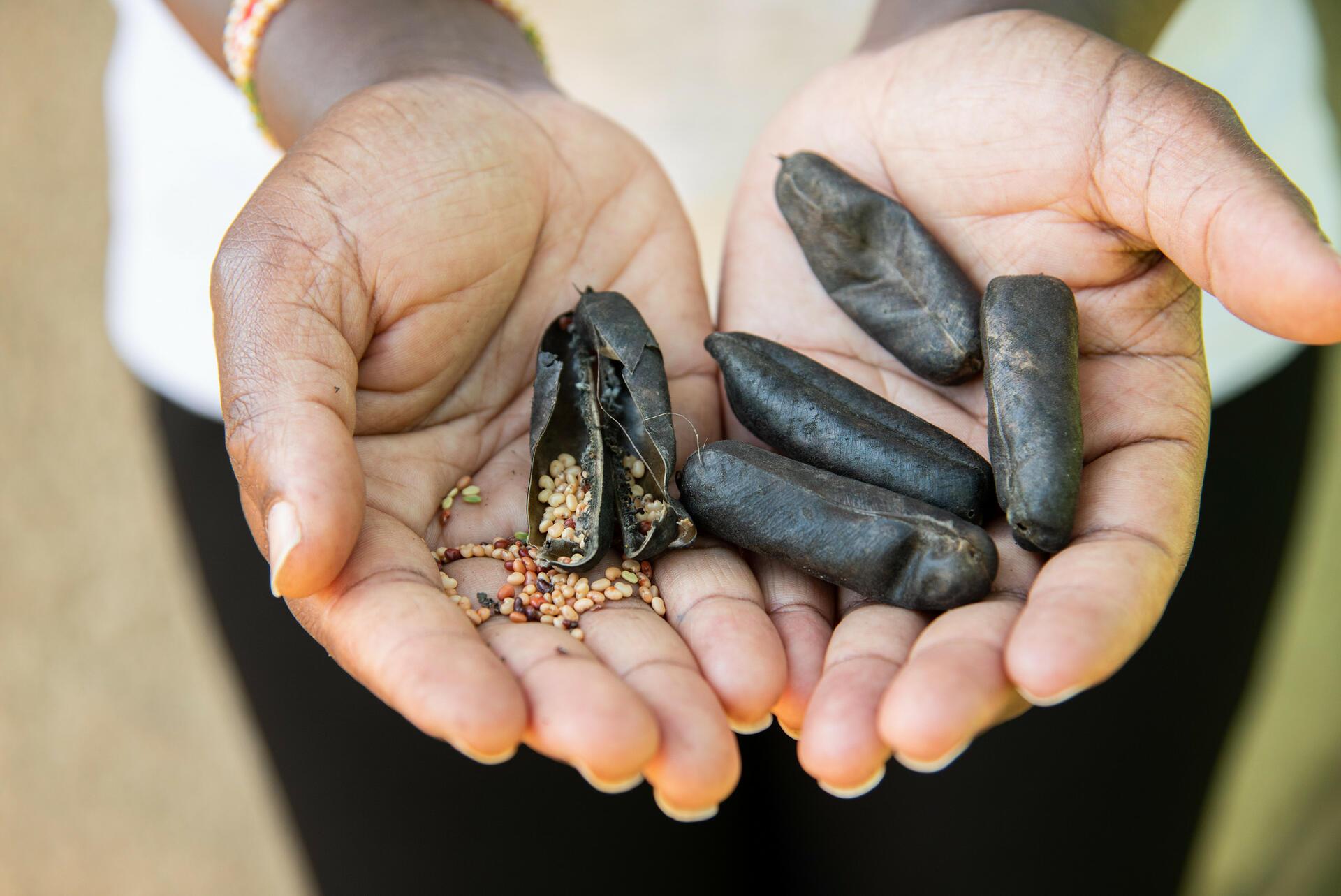
Seeds at a community seed bank in Kenya's Vihiga county. Credit: CIAT/Georgina Smith
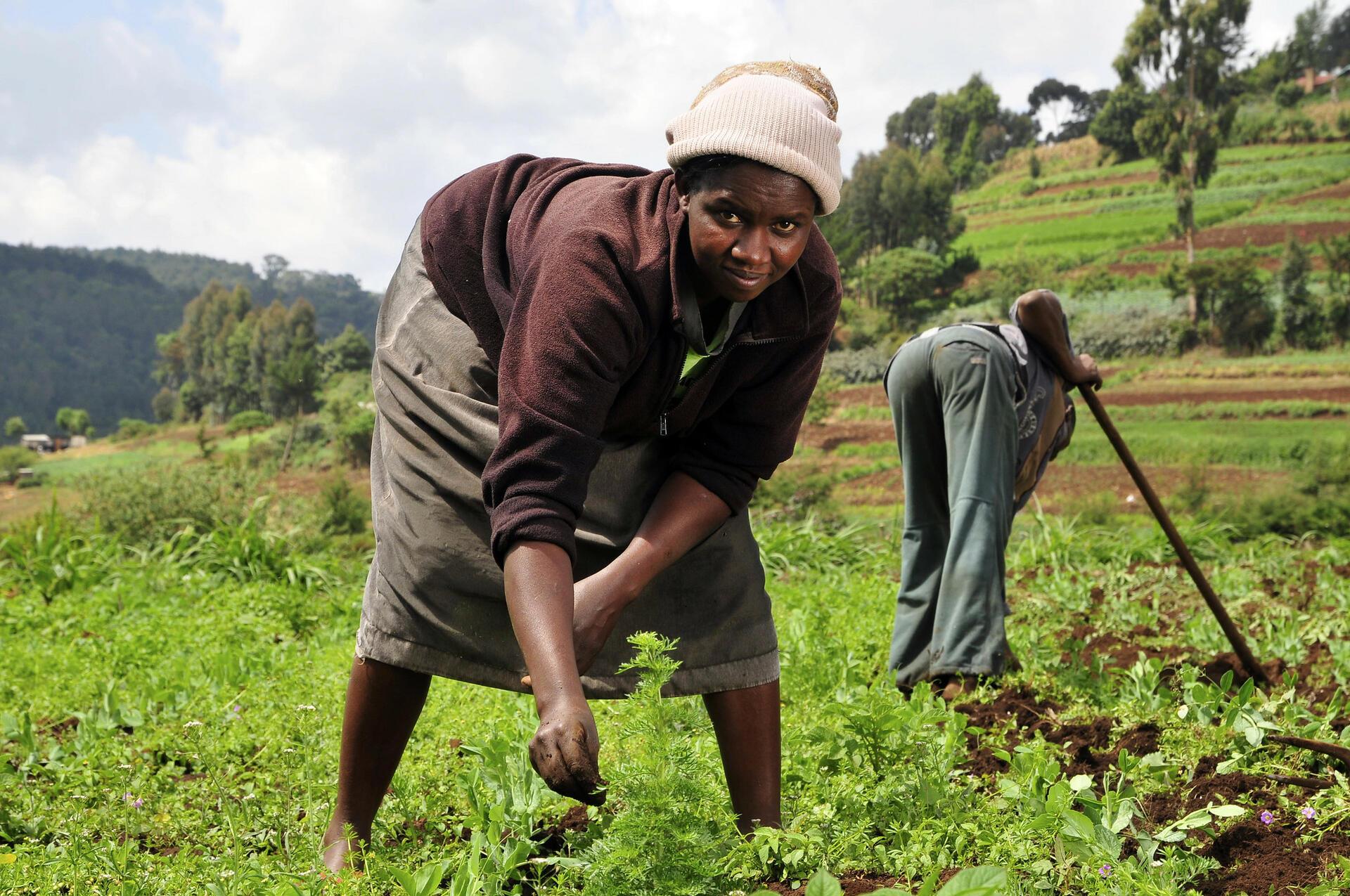
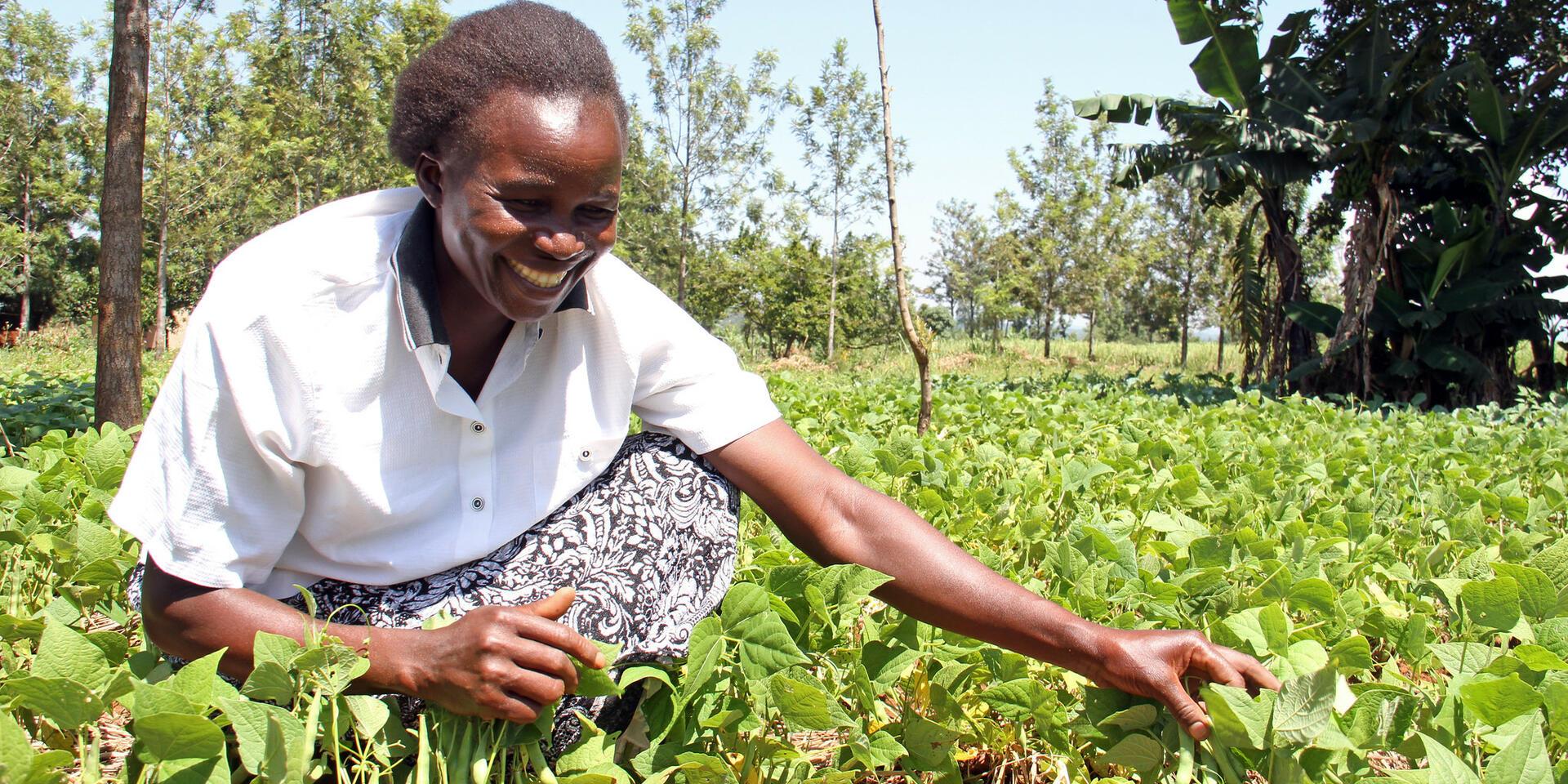
A woman farmer inspects the growth of her crops in the Mount Kenya region. Credit: CIAT/Neil Palmer
Challenges and barriers
Despite progress, several challenges hinder the full integration of indigenous vegetables into Kenya's mainstream food systems. These most commonly include:
- Limited access to quality seeds: Many farmers rely on wild harvesting or seed saving, which can lead to inconsistent yields.
- Knowledge gaps: Younger generations may lack the knowledge to grow and prepare these vegetables.
- Market volatility: Prices can fluctuate due to supply inconsistencies and lack of formalized value chains.
- Perception issues: Some consumers still associate indigenous vegetables with poverty and old-fashioned lifestyles.
Another issue is the limited inclusion of indigenous vegetables in agricultural education and extension programs. Many agricultural curricula still focus on foreign crops, neglecting the specialized knowledge required for optimizing indigenous vegetable farming. Without capacity-building efforts tailored to these crops, many farmers remain unaware of best practices in cultivation and pest management in indigenous crops.
Moreover, consumer awareness and demand are still concentrated in urban areas, leaving rural markets underdeveloped. This urban-rural imbalance hinders farmers from scaling up production due to inconsistent local demand and limited access to more lucrative urban markets.
To overcome these hurdles, a multi-pronged strategy is required. Strengthening cooperatives and farmer associations can help streamline value chains and improve market access; likewise, investment in cold storage facilities and transportation infrastructure is crucial for reducing post-harvest losses. Integrating indigenous vegetables into school feeding and public procurement programs can also create stable demand and incentivize production, and inspire lasting change in how children and parents view traditional foods, helping to shape the next generation of health-conscious, biodiversity-friendly consumers.
On the consumer side, awareness campaigns highlighting the nutritional and cultural value of indigenous vegetables can help reshape perceptions. Partnerships with media, influencers, gastronomy (chefs) and health professionals can amplify these messages. Additionally, including indigenous vegetable modules in agricultural training institutions can ensure that future farmers and agronomists are well-equipped to lead the charge.
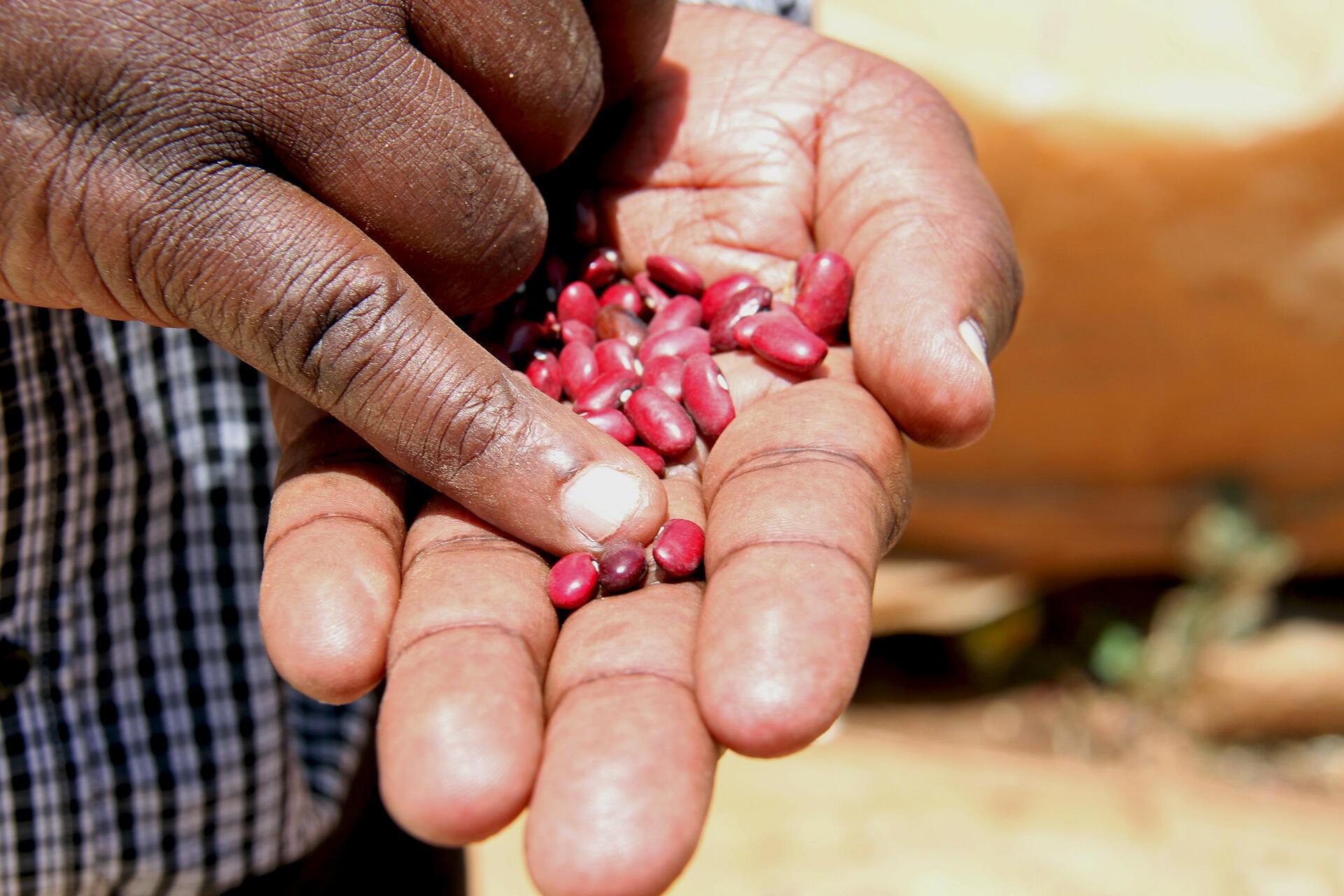
A farmer inspects bush bean seeds. Credit: CIAT/Stephanie Malyon
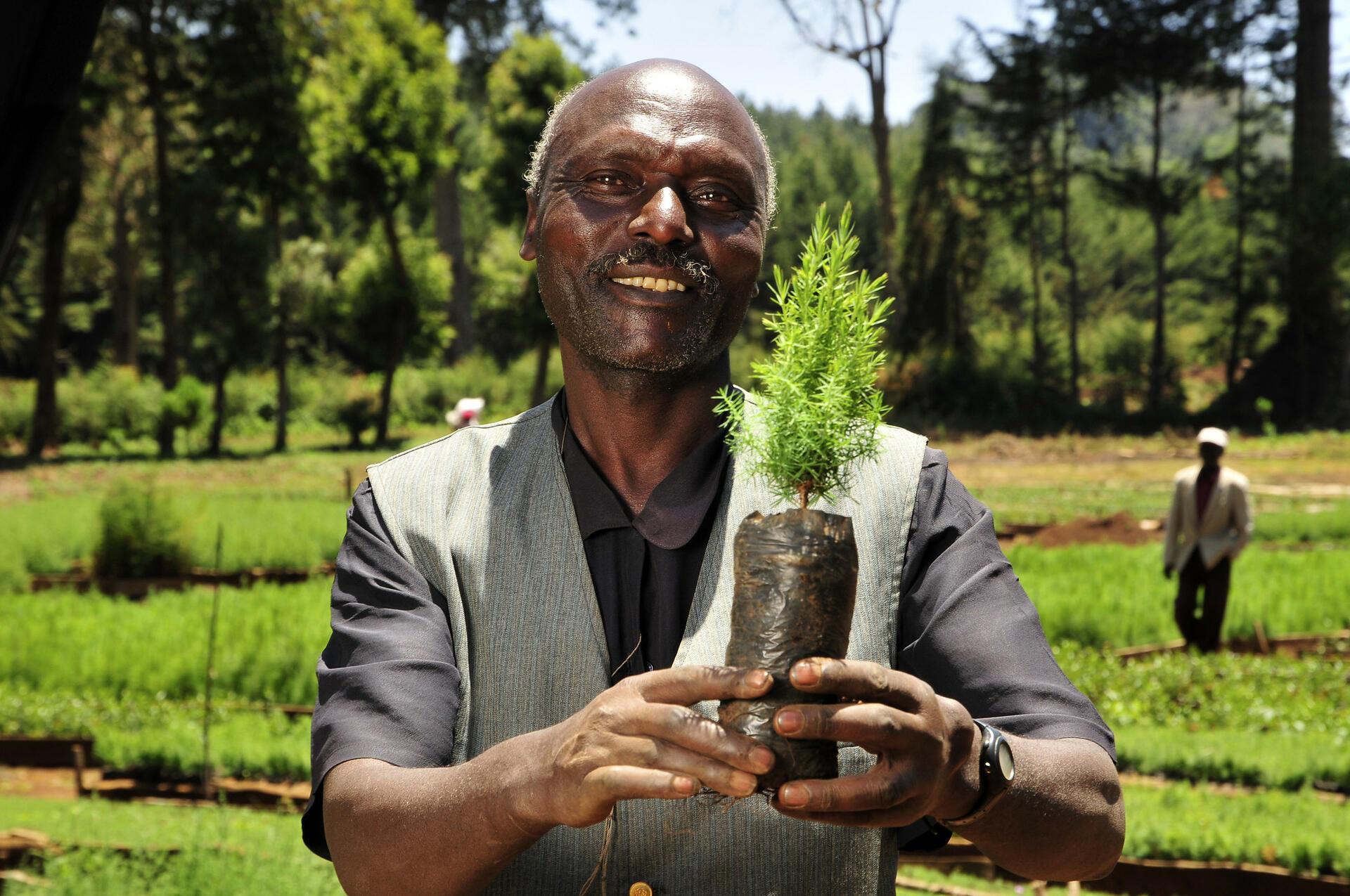
A farmer shows one of the various crops he's using to adapt to changing climates in the Mount Kenya region. Credit: CIAT/Neil Palmer
Conclusions
Indigenous vegetables are more than just food; they are a link to Kenya's past, a solution for its present challenges, and a key to a more resilient future. Their re-emergence signals a shift towards more inclusive, diverse, and sustainable food systems. As more stakeholders join this movement, Kenya stands as a model for how traditional knowledge and modern innovation can come together to transform agriculture and nutrition in Africa and beyond.
The trajectory of indigenous vegetables in Kenya is promising. With increasing awareness of their benefits, supportive policies, and market development, these crops are set to become a cornerstone of sustainable food systems. By embracing indigenous vegetables, Kenya is not only enhancing food security and nutrition but also preserving its rich agricultural heritage and promoting environmental sustainability.