
Blog A strategy to safeguard Saint Lucia’s Plant Genetic Resources
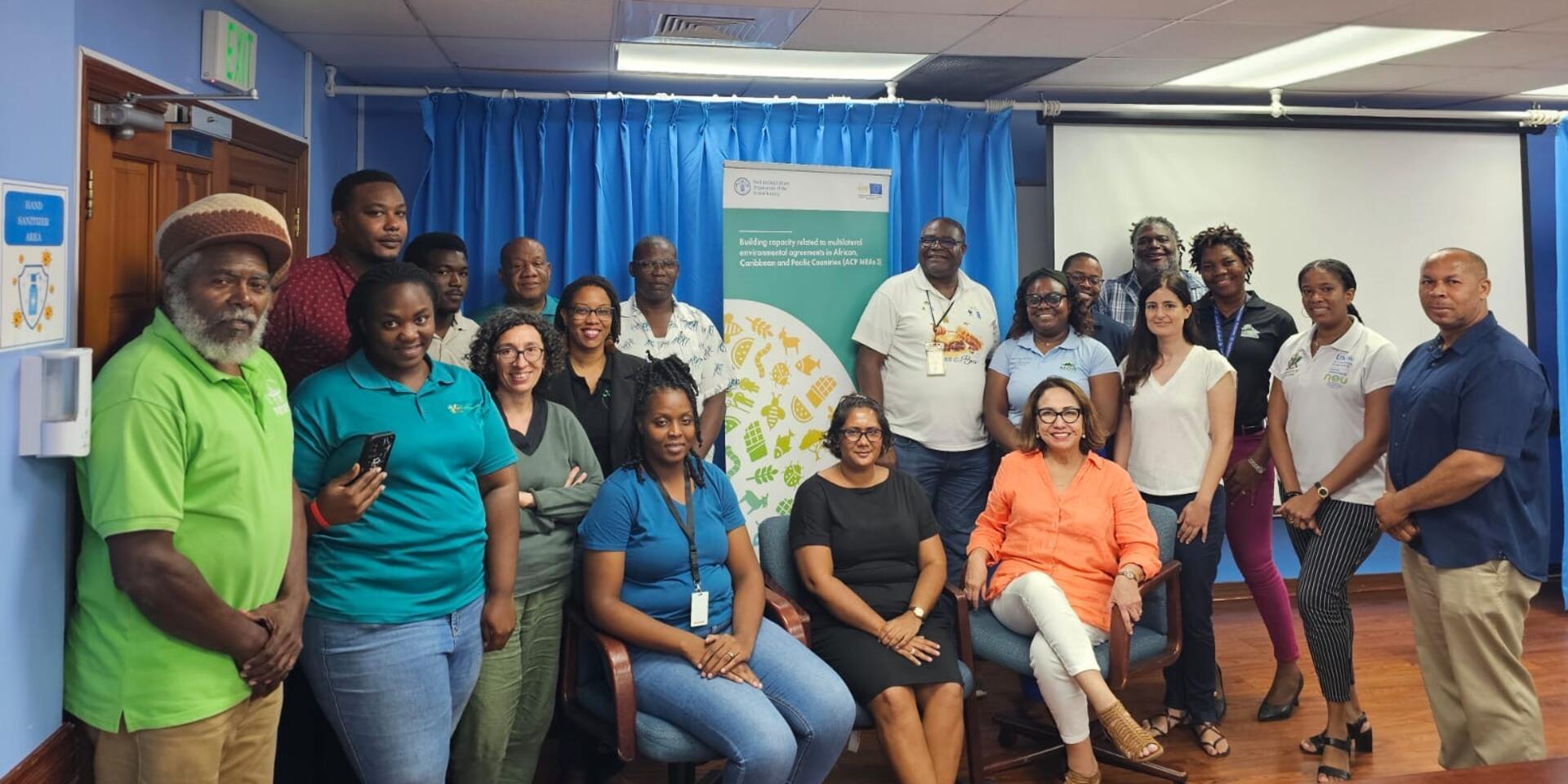

The Alliance of Bioversity International and CIAT, supported by FAO, developed a Strategic Action Plan for the Caribbean island’s conservation and sustainable use of Plant Genetic Resources.
By: Gaia Gullotta, Marleni Ramirez, Paola De Santis
Saint Lucia, a Caribbean island renowned for its lush volcanic landscapes and vibrant culture, is also highly exposed to climate change. Spanning 617 square kilometers, this tropical paradise faces rising temperatures and more frequent extreme weather events. These challenges put its agriculture, water resources, and biodiversity under pressure. However, these challenges also bring an opportunity that has yet to be fully explored: Plant Genetic Resources for Food and Agriculture (PGRFA).
These resources, an essential part of Saint Lucia's agricultural heritage, are rare in urban markets, absent from tourist tables, and increasingly unfamiliar to younger generations. In fact, most food consumed in Saint Lucia is imported. PGRFA, however hold the key to diversifying farms and diets, reducing the food sector's carbon footprint, and creating livelihoods for youth and women. To unlock this potential, the FAO has supported the development of the Strategic Action Plan for the Conservation and Use of Plant Genetic Resources for Food and Agriculture through the ACP-MEAs 3 Programme, funded by the European Union. Enabled by this support, the Alliance of Bioversity International and the International Center for Tropical Agriculture (CIAT) has developed the Strategic Action Plan, providing a comprehensive roadmap for the conservation and sustainable use of plant genetic resources in Saint Lucia.
A Vision for Resilience
The Strategic Action Plan envisions a future where, by 2033, the conservation, access, and use of Saint Lucian PGRFA, especially native and traditional varieties, will be a strategic pillar for food security and climate adaptation. This forward-thinking strategy aligns local efforts with global goals, leveraging PGRFA to support resilient food systems and empower communities.
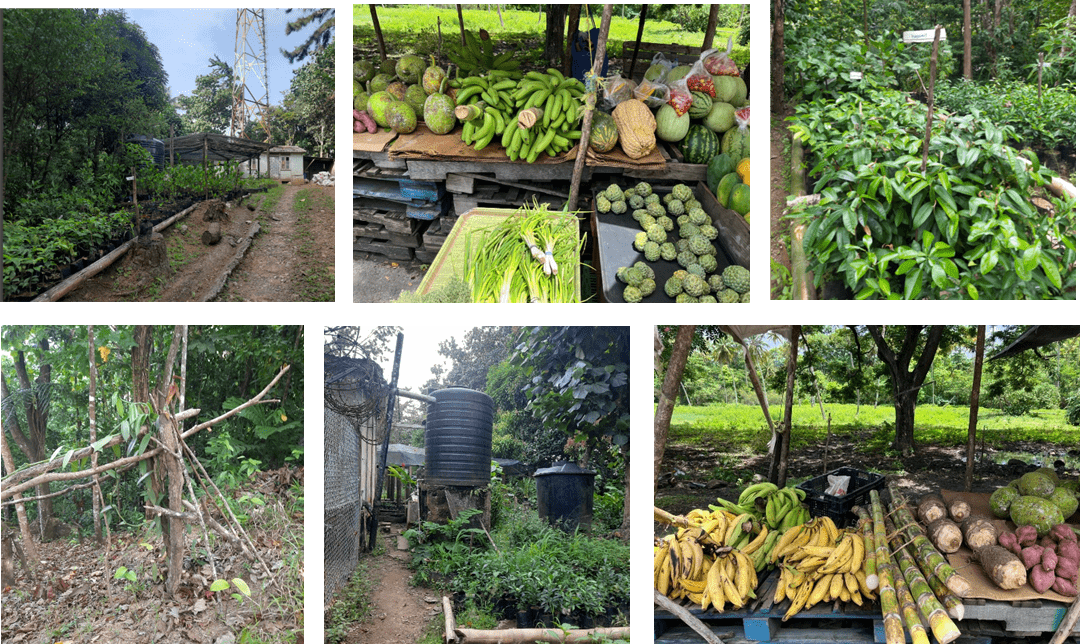
Credit: a) Nursery c) Kaymit plant in the nursery d) Vanilla plant in the nursery e) Water harvesting system - Bioversity International/P. De Santis. b) and f) Street market - Bioversity International/ M. Ramirez
The Six Components
The Strategic Action Plan L is structured around six components, each addressing critical needs and opportunities:
- Conservation: From preserving ecosystems to creating robust databases, this component safeguards Saint Lucia’s PGRFA diversity. Collaboration with regional initiatives enhances in situ, on-farm, and ex situ conservation efforts.
- Sustainable Use: By promoting diversified production systems, encouraging research into new and improved cultivars, and ensuring the availability of planting materials, this component aims to reduce reliance on imports, strengthen local markets, and meet post-disaster needs with strategic seed reserves.
- Institutional Policies: Policies will integrate PGRFA conservation and use into broader climate adaptation strategies, establishing the PGRFA National Commission to bridge public-private collaboration and elevate the role of farmers and traditional knowledge.
- Education and Capacity Building: Knowledge is power. From policymakers to farmers, this component ensures that everyone understands the value of PGRFA and is equipped with the skills to protect and use them effectively.
- Operational: By coordinating national and international stakeholders, this component creates a unified framework for action and a robust system for monitoring progress.
- Financial: A long-term financial plan underpins the Strategic Action Plan, ensuring the resources needed to achieve its ambitious goals.
A Plan for the People
The Strategic Action Plan is not just about plants—it is about people. It envisions a resilient food system that:
- Supports local farmers with resources and training.
- Encourages young people and women to innovate and lead in agriculture.
- Puts traditional foods back on tables, connecting communities to their culinary and cultural heritage.
Aligned with Saint Lucia’s National Adaptation Plan and international commitments, the Strategic Action Plan demonstrates how local action can contribute to global sustainability.
Growing Hope for the Future
As Saint Lucia implements this transformative strategy, the island offers a powerful example of how small states can lead in sustainability and resilience. By prioritizing its rich PGRFA heritage, Saint Lucia is not just preserving its past but cultivating a brighter, more secure future.
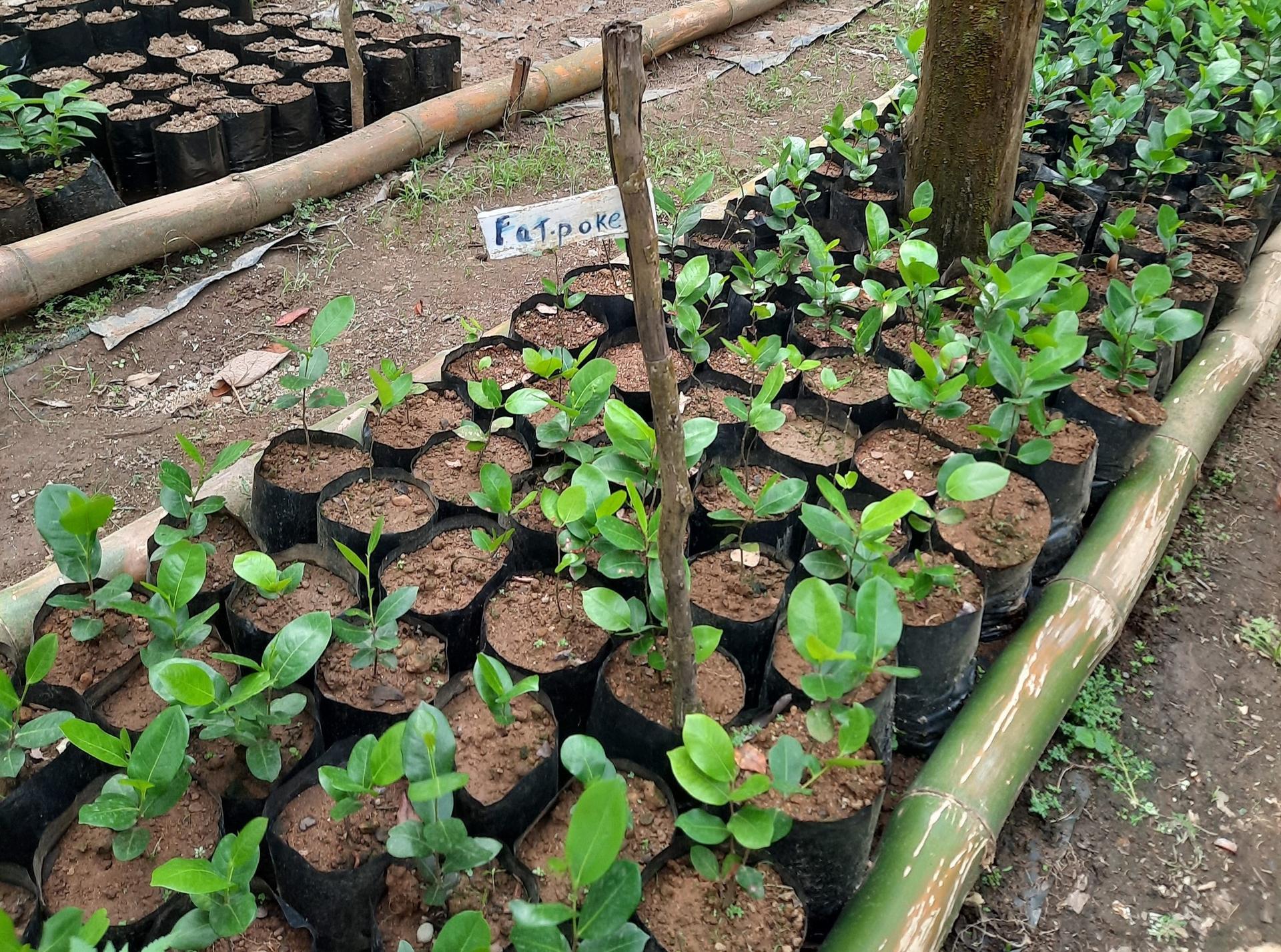
Nursery – Credit: Bioversity International/ P. De Santis
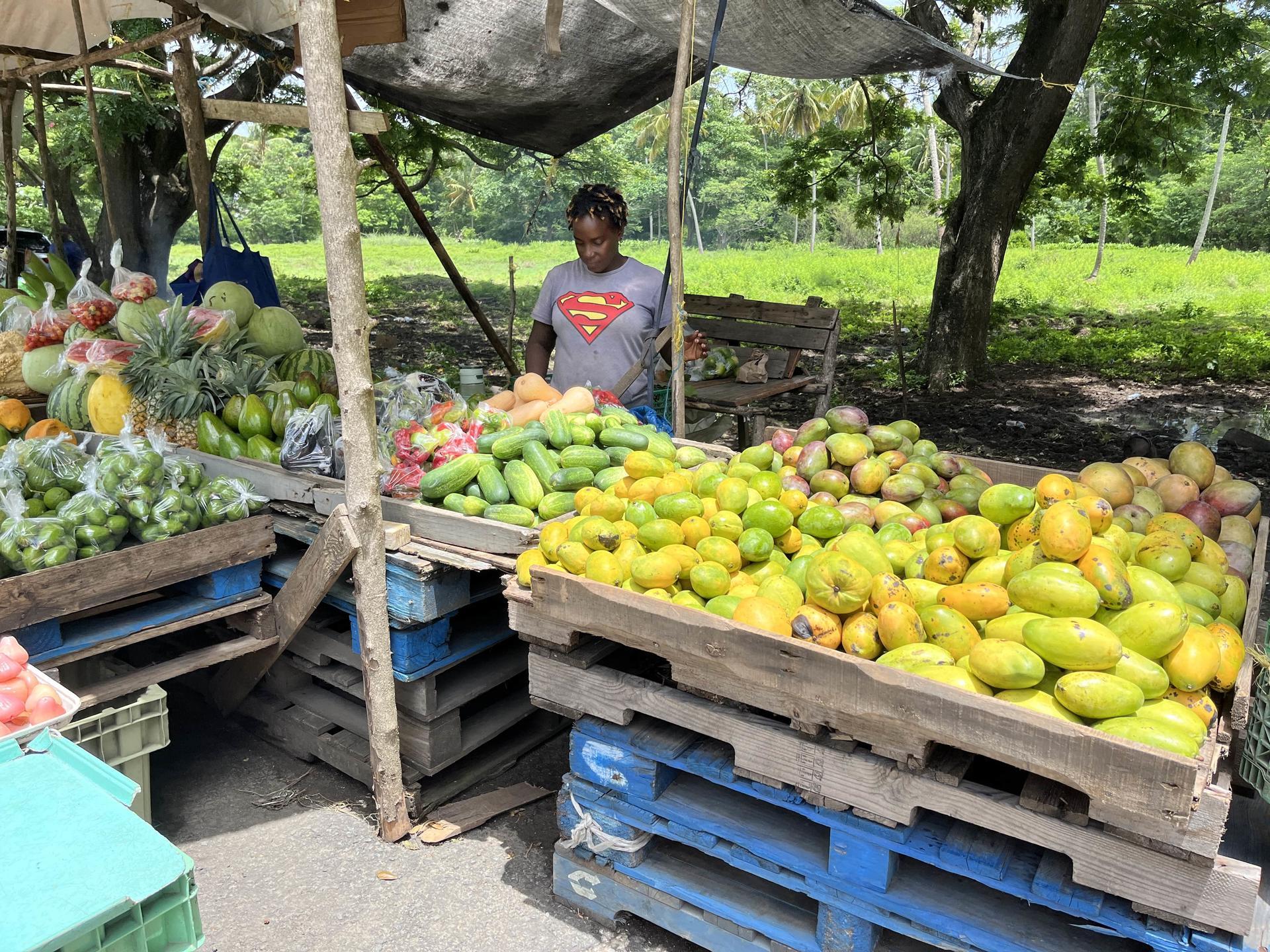
Street market – Credit: Bioversity International/ M. Ramirez
Together, through collaboration and innovation, Saint Lucia’s vision will bloom, ensuring food security and climate resilience for generations to come.
Acknowledgements
The Strategic Action Plan has greatly benefited from the dedication and commitment of Hannah Dupal Romain, Chief Plant Research and Development, Ministry of Agriculture, Fisheries, Food Security and Rural Development and Leshane Monrose, FAO Saint Lucia who supported the work of the drafting team at all times. The team responsible for researching, consulting and drafting the Strategic Action Plan included Paola De Santis, Marleni Ramirez and Gaia Gullotta from the Alliance of Bioversity International and CIAT.


