Research Articles Unlocking plant genetic material exchange for food systems resilience
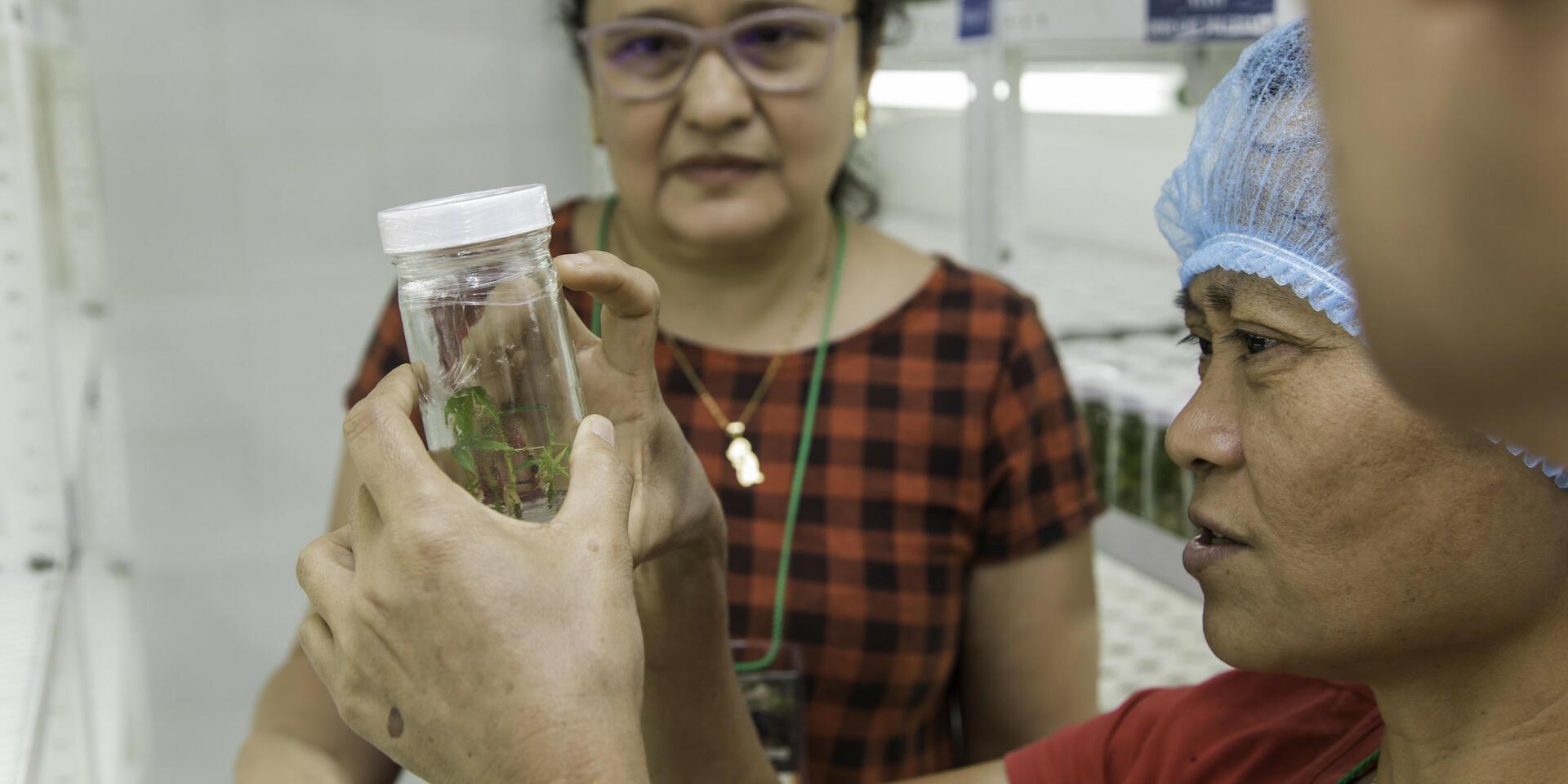

The exchange of plant genetic material is essential for enhancing crop diversity, strengthening food security, and building climate-resilient agricultural systems. Research presented by the Alliance at the 2024 Tropentag conference underscores the critical role of international collaboration in addressing agricultural sustainability challenges. However, regulatory and equity concerns, particularly regarding benefit-sharing with smallholder farmers, highlight the need for stronger frameworks to ensure that developing countries fully benefit from genetic resource exchanges. This research emphasizes the importance of collaborative efforts and robust policies in promoting sustainable agriculture and resilience in food systems.
From September 11–13, 2024, the Tropentag conference was held at the University of Natural Resources and Life Sciences (BOKU) in Vienna, Austria. The event - titled “Explore Opportunities for Managing Natural Resources and a Better Life for All” - gathered researchers, policymakers, and practitioners from across the world to discuss solutions for sustainable agriculture and rural development. Among the key participants was a delegation from the Alliance Bioversity International and CIAT, showcasing research that addresses critical food security, agricultural sustainability, and climate resilience challenges.
Spotlight on genetic resources: a path to sustainable agriculture
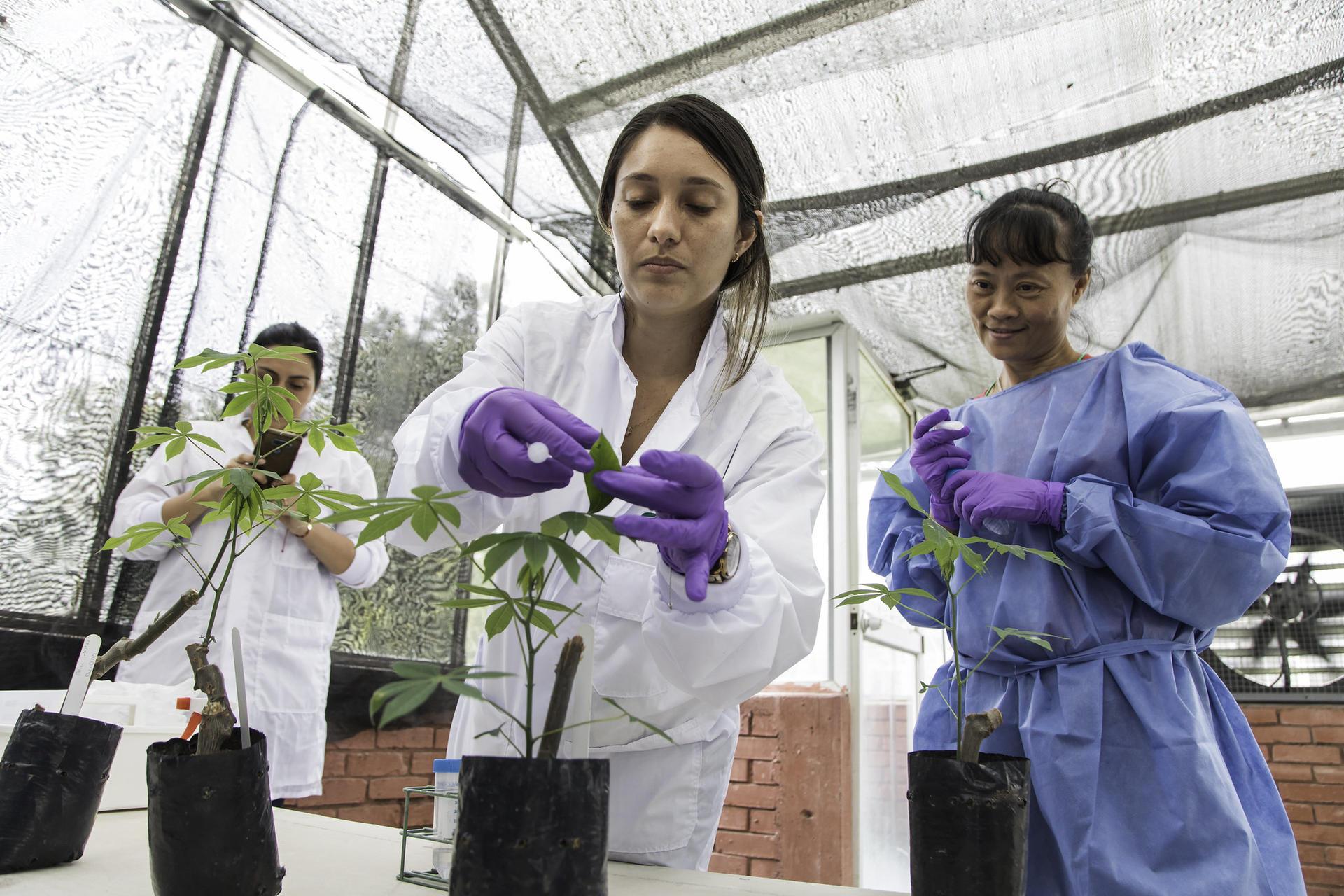
A central focus of the Alliance’s participation was the exchange and management of plant genetic material. Tatiana Rivera, Senior Research Associate at the Alliance, along with Robert Andrade and Carolina Gonzalez, presented a study underscoring the vital role that plant genetic resource exchange plays in addressing food security challenges and building climate-resilient agricultural systems.
The exchange of plant genetic material has long been recognized as a pillar for enhancing crop diversity, particularly in the face of climate change. The presentation highlighted the International Treaty on Plant Genetic Resources for Food and Agriculture (ITPGRFA) as a key legal framework facilitating this exchange. However, questions remain regarding the equitable distribution of benefits, especially for smallholder farmers in developing regions.
Case studies: cassava and bananas
The discussion delved into several case studies illustrating the profound impact of international collaboration on crop improvement. One such case was the introduction of Corpoica Thai cassava varieties in Colombia. This variety, developed through partnerships with international research institutes, demonstrates how collaborative research can lead to more cost-effective agricultural practices. Cassava has become one of the most significant crops globally, with the case study highlighting the economic and environmental benefits of genetic resource sharing.
Another key example was banana production, where the spread of Fusarium wilt (FOC TR4) poses a major threat. The session addressed how the introduction of resistant varieties through genetic exchange has become crucial in protecting this economically important crop, which contributed 7.2% of Colombia’s agricultural GDP in 2023.
Challenges and Opportunities: Regulation and Fair Distribution
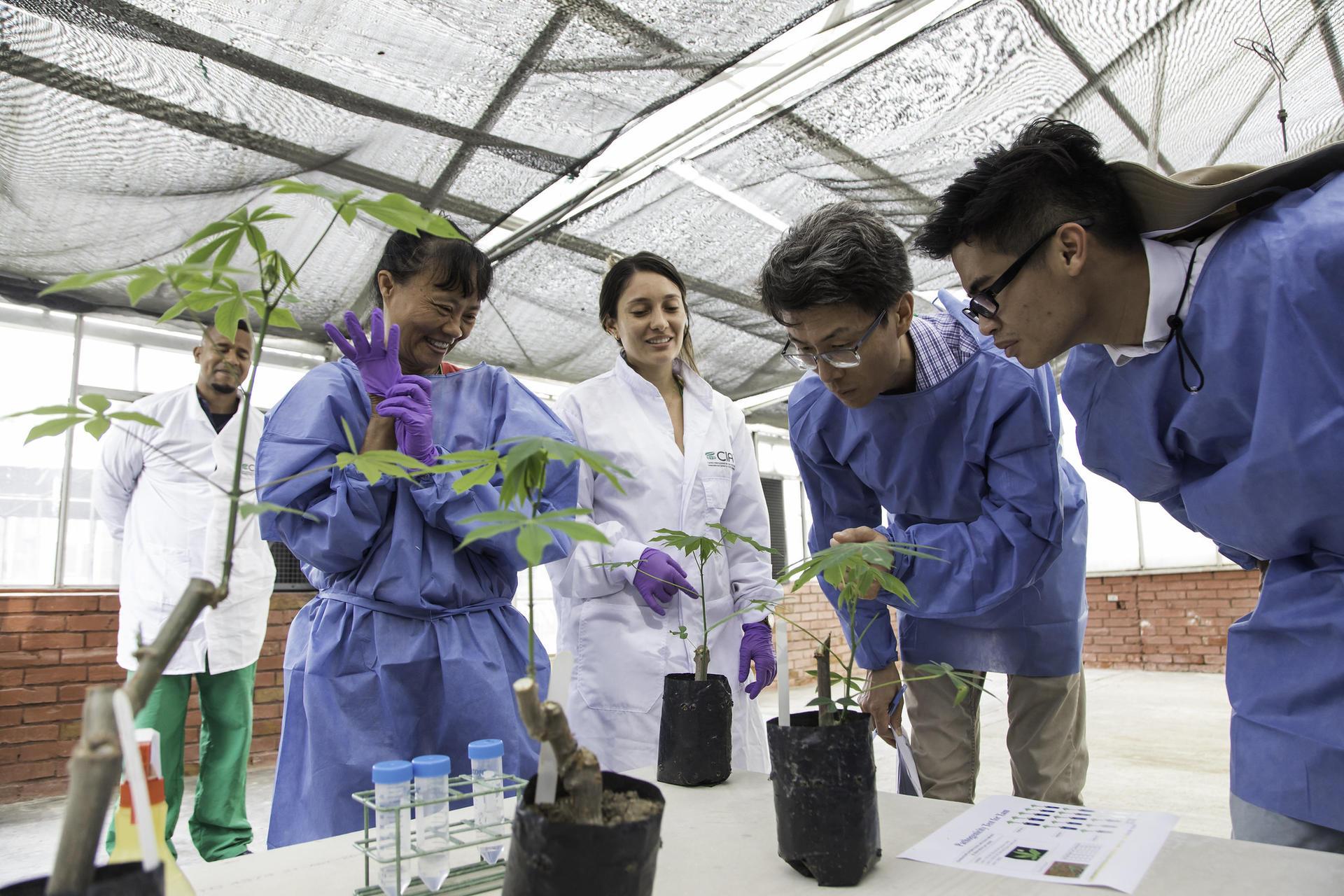
Despite the successes of plant genetic material transfer, challenges persist, particularly in regulating access and ensuring fair benefit-sharing. Colombia's recent ratification of the ITPGRFA, after two failed attempts, signals progress but also raises questions about the treaty's long-term impact on local agricultural systems. The lack of specific national regulations has limited genetic exchanges, affecting Colombia's ability to conserve seeds and collaborate with global institutions.
The session concluded with a call for more robust regulations and stakeholder involvement to improve the equitable distribution of benefits from plant genetic resources. The panel emphasized that developing countries, especially in Latin America and the Caribbean, stand to gain significantly if benefit-sharing mechanisms are strengthened.
Looking Forward: The Role of Research in Policy Development
As the world faces increasing challenges in food security and climate resilience, the importance of plant genetic resource exchange cannot be overstated. The Alliance Bioversity International and CIAT’s research continues to shed light on how collaborative efforts in genetic resource management can promote sustainable agricultural practices.
The Team

Tatiana Rivera
Senior Research Associate