Blog Strengthening Kenya’s agricultural adaptation reporting under the Enhanced Transparency Framework
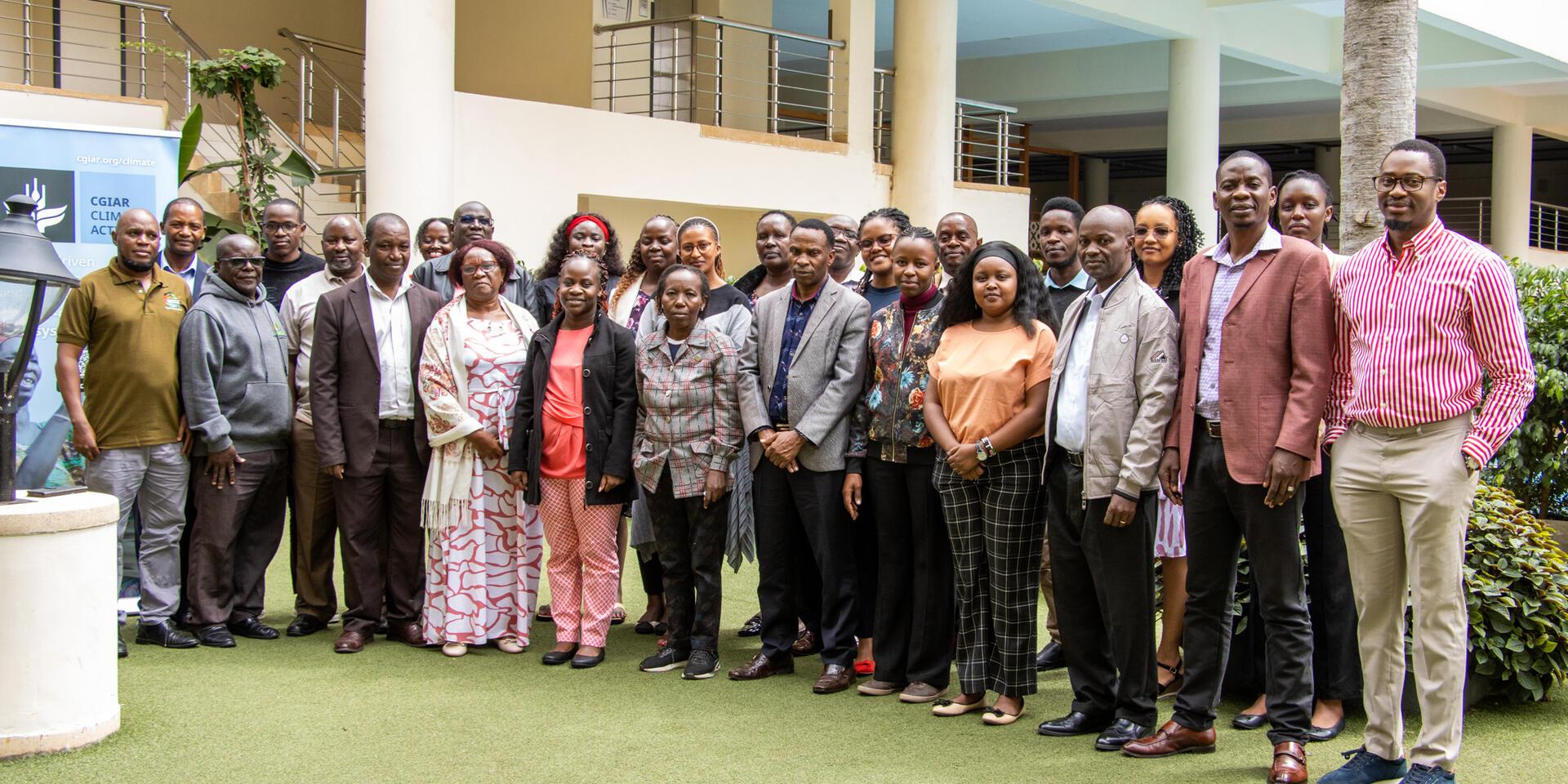

Kenya’s Ministry of Agriculture and Livestock Development, with the Alliance of Bioversity International and CIAT and partners, held a workshop in Nairobi to strengthen agriculture adaptation reporting under the Enhanced Transparency Framework and align with Belém Adaptation Indicators for BTR2, addressing data and coordination gaps.
As countries accelerate climate adaptation, demonstrating whether these efforts are reducing vulnerability and strengthening resilience has become just as important as implementing them. Under the Paris Agreement's Enhanced Transparency Framework (ETF), Parties are encouraged to report not only on their adaptation priorities and actions but also on the progress and outcomes of those actions through Biennial Transparency Reports (BTRs). For Kenya, strengthening adaptation tracking and reporting in the agriculture sector is therefore essential for informing decision-making, demonstrating progress, and meeting international reporting commitments.
The ETF is designed to provide a clear, trusted system for tracking climate action and support, including showing progress in the Global Goal on Adaptation (GGA). At COP30, Parties adopted the Belém Adaptation Indicators (BAI) (Decision 11/CMA.7) to assess progress in enhancing adaptive capacity and resilience and reducing vulnerability. The adoption of the BAI at COP30 further provides countries with a common framework for reporting on adaptation progress, yet this will only be possible when these indicators are integrated into national monitoring systems.
To support these efforts, the Ministry of Agriculture and Livestock Development (MoALD), with technical support from the Alliance of Bioversity International and CIAT (Alliance) in collaboration with the University of Cape Town and the African Group of Negotiators Expert Support (AGNES) and with support from the CGIAR Climate Action Programme, convened a three-day technical workshop in Nairobi to strengthen adaptation tracking and reporting in Kenya's agriculture sector.
The workshop aimed to strengthen participants' understanding of adaptation reporting requirements under the ETF and BAI, validate the agriculture sector adaptation reporting template and the technical guidelines for integrating BAI and Gender Equality and Social Inclusion (GESI) into BTRs, and identify institutional, technical, and data gaps together with priority actions for strengthening inclusive adaptation tracking and reporting in Kenya.
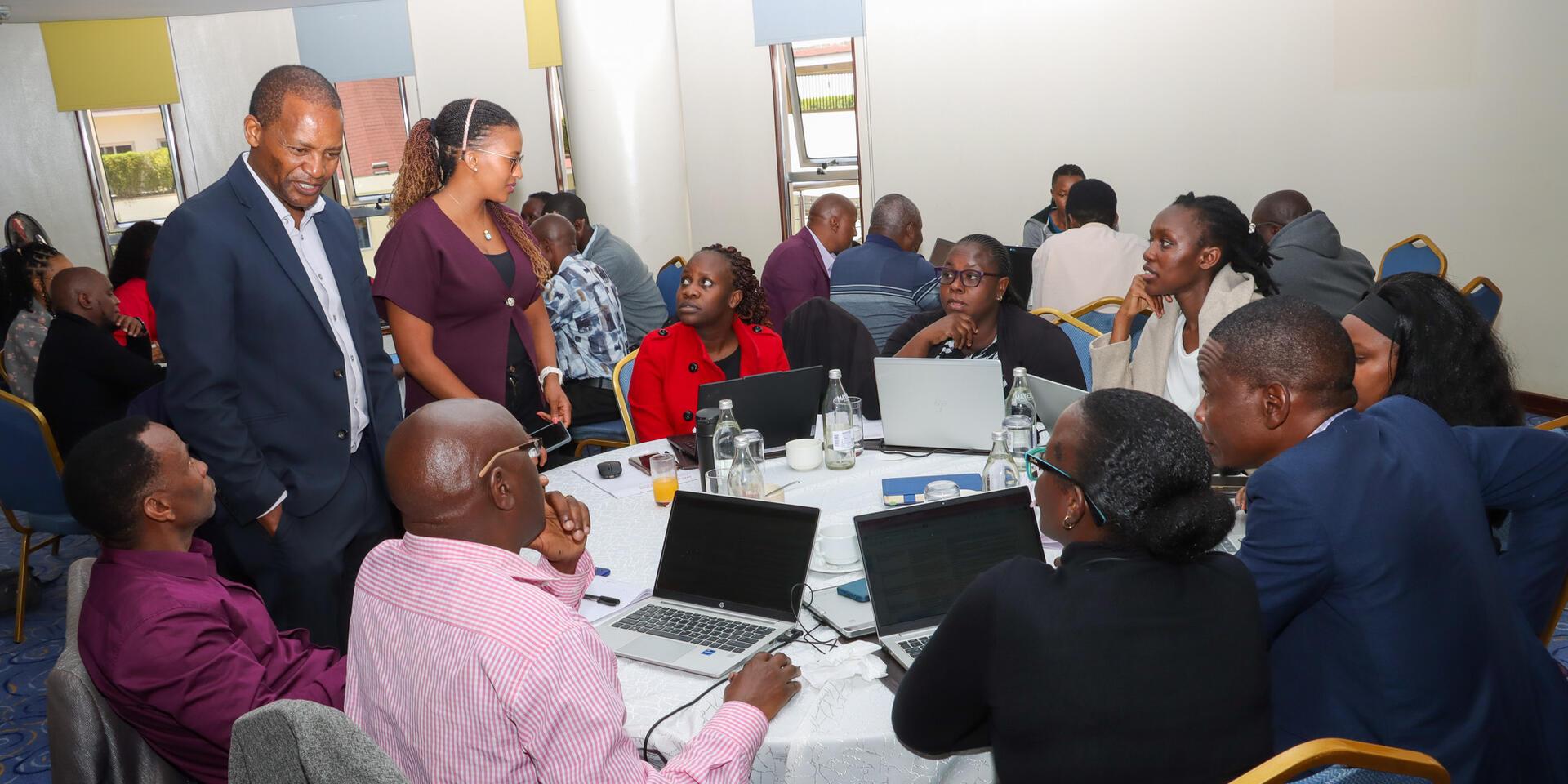
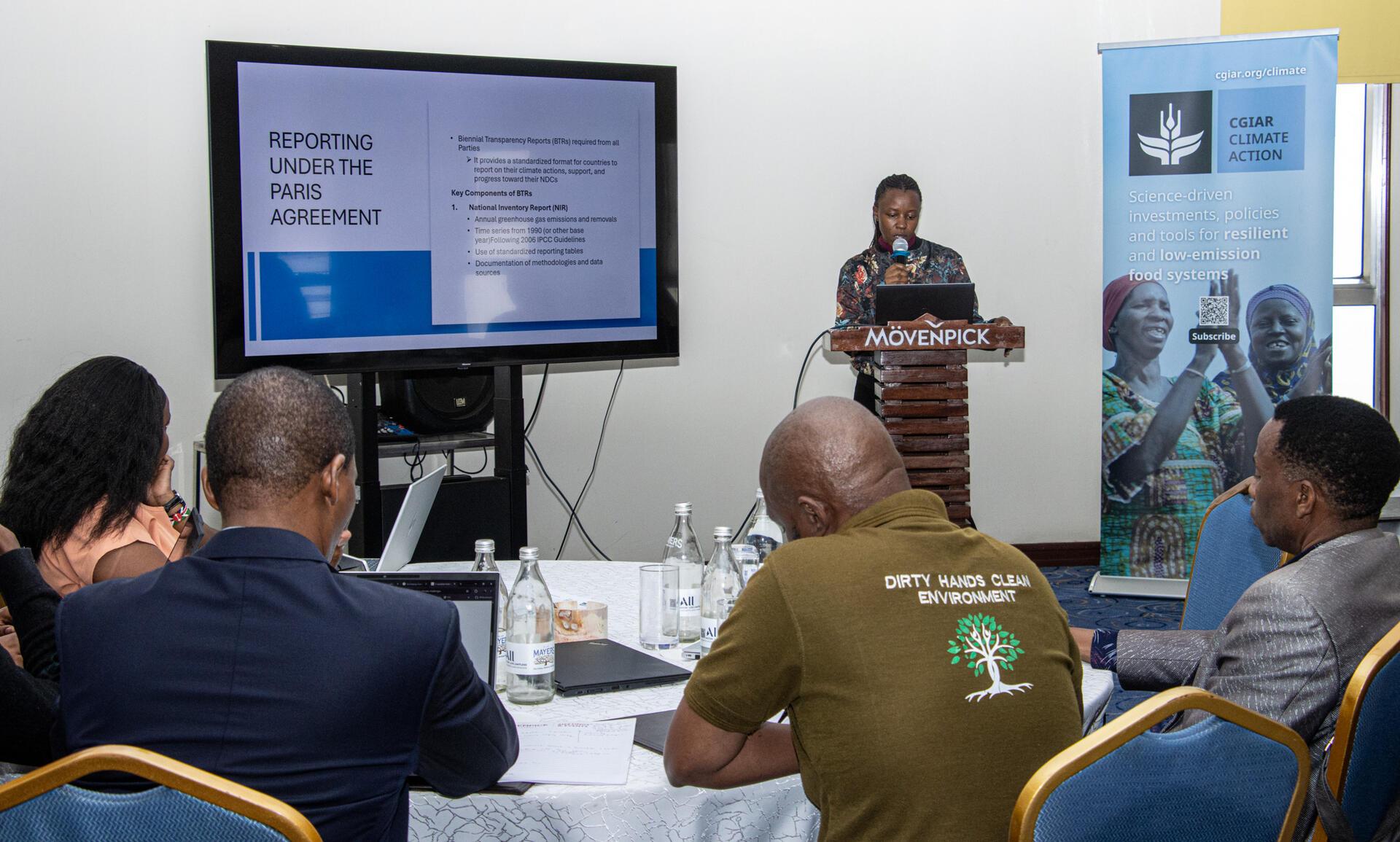
Stakeholder consultation during the BTR preparation workshop for the agriculture sector.
The workshop combined technical capacity building, collaborative working sessions, and stakeholder validation, ensuring that Kenya’s national adaptation reporting systems can effectively communicate the country’s progress under both national priorities and international reporting requirements.
“We commend Kenya for being among the countries that extensively reported on adaptation in its first BTR and for the advances made in preparing BTR2. We are excited to be working with the MoALD in assessing the agriculture sector’s contribution to adaptation and BTR2 reporting across crops, livestock and fisheries while linking to the Belém Adaptation Indicators adopted at COP30. These are two processes, one global and one national, that now need to speak to each other. This is precisely the work before us this week. This is not a starting point but rather builds on the substantial groundwork established during the development of the first Biennial Transparency Report.” Pedro Chilambe, Project Leader, Climate Action, Alliance
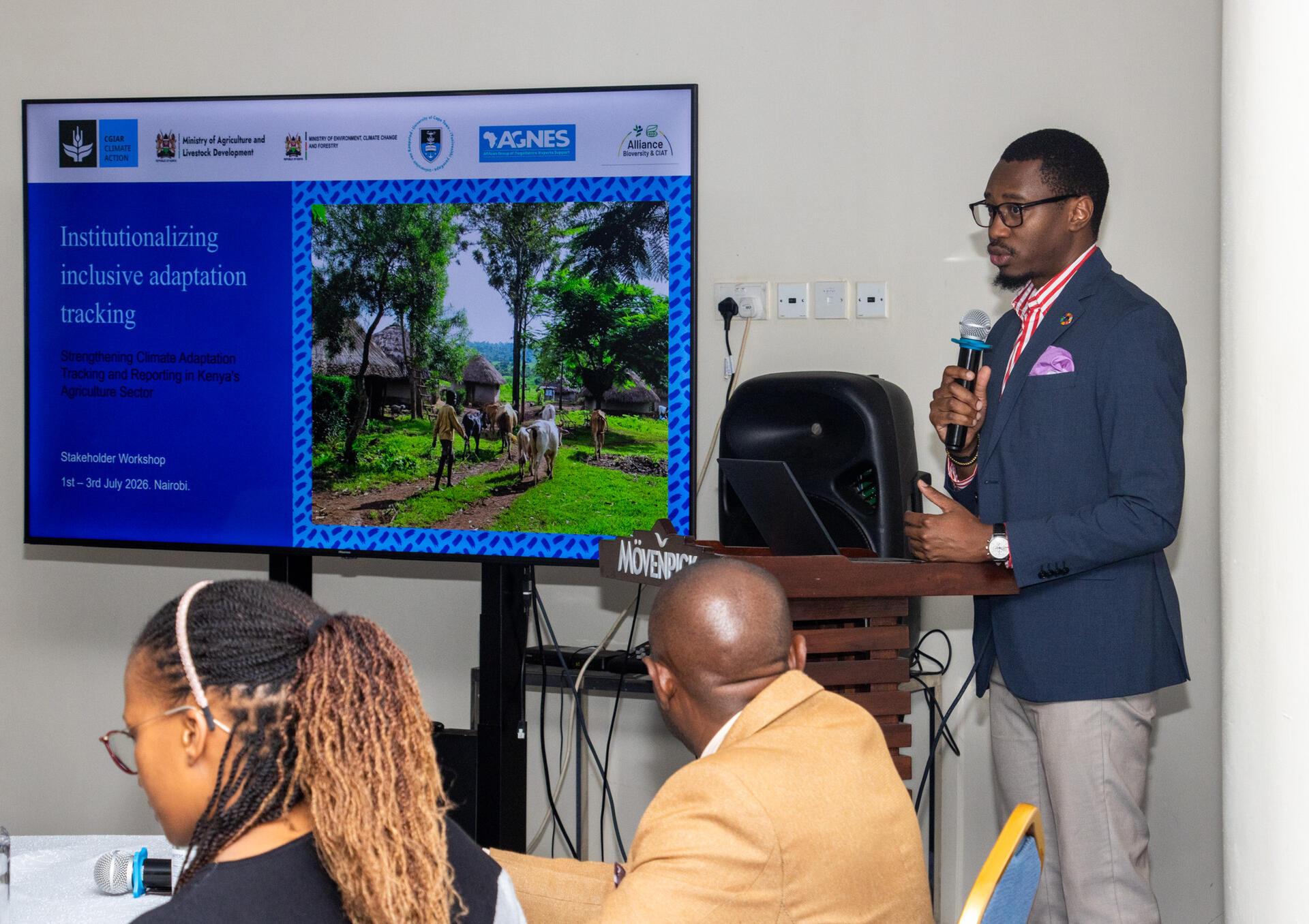
Building a more integrated adaptation reporting system
Kenya submitted its first Biennial Transparency Report(BTR1) in 2024, which was reviewed in 2025, demonstrating important progress in adaptation reporting aligned with the ETF while incorporating priorities under the Global Goal on Adaptation (GGA) and GESI.
Adaptation tracking under BTR2 matters because it's the main way countries show real progress on Climate Action undertaken rather than just plans. BTR1 highlighted some gaps, and closing those gaps needs collaboration across ministries, sectoral agencies and other partners like the Alliance, since adaptation data is scattered rather than centralized. Mercy Avisa, Ministry of Environment, Climate Change and Forestry
Despite progress, the stakeholders identified that effective reporting on adaptation in Kenya still faces ongoing technical, financial, institutional, and cross-cutting challenges.
Institutional gaps persist, particularly in coordination, information sharing, and reporting systems. Ministries, county governments, research institutions, civil society, and development partners generate valuable adaptation data, but this information is not consistently consolidated to support national reporting. As a result, important lessons and evidence from countries and local projects are often overlooked.
Stronger collaboration, clearer reporting processes, and improved connections between national and county institutions are needed. Embedding reporting within routine institutional systems, rather than relying on individual staff, would preserve knowledge, enhance information quality and consistency, and strengthen Kenya’s capacity to track adaptation progress.
Financing remains a significant constraint. Collecting, managing, validating, and reporting adaptation data requires ongoing investment in technical systems, institutional capacity, and reporting infrastructure. Reporting on adaptation finance—including support received, support needed, technology transfer, and capacity-building—remains limited, and funding for digital systems is inadequate. Private-sector investment in adaptation is also low. While adaptation is a national priority, financing for adaptation monitoring and reporting continues to lag behind support for mitigation.
Cross-cutting priorities such as GESI and Loss and Damage require greater integration into future reporting cycles. Monitoring systems need to move beyond basic sex disaggregation to better capture adaptation outcomes for women, youth, persons with disabilities, pastoralists, and other vulnerable groups.
Strengthening GESI-responsive indicators and improving the collection and validation of disaggregated data are essential for more inclusive adaptation reporting.
Ongoing technical issues include fragmented and incomplete datasets across crops, livestock, and fisheries; weak monitoring, evaluation, learning (MEL), and Monitoring, Review and Verification (MRV) systems that restrict data flow between ministries and across county and national levels; poor interoperability among monitoring frameworks; and inconsistent reporting templates. Reporting tends to be activity-based, with limited evidence of adaptation outcomes or resilience impacts.
Integration of Loss and Damage (L&D) remains limited, and disaggregated data by sex, age, and vulnerability are insufficient. Methodologies for assessing climate-related losses and damages are still underdeveloped, limiting the ability to fully demonstrate climate impacts and the benefits of adaptation investments.
These challenges hinder Kenya's ability to generate robust evidence on the effectiveness and progress of adaptation.
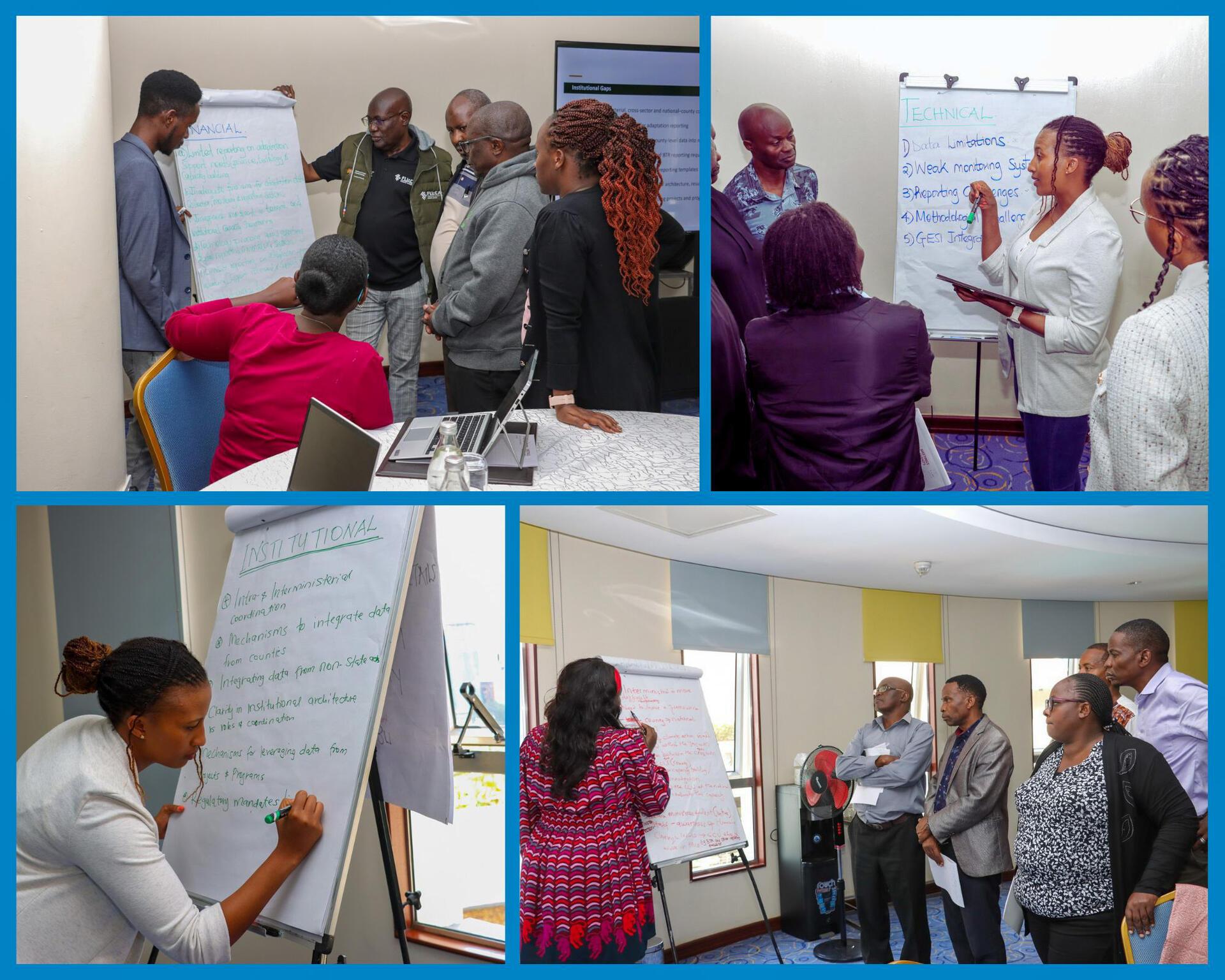
The group discusses the need to align local indicators with global reporting requirements, acknowledging current gaps and possible solutions.
From fragmentation to coherence
Kenya already possesses many of the building blocks needed to strengthen adaptation reporting. Existing climate-smart agriculture platforms, county climate governance structures, sectoral monitoring systems, adaptation policies, and strong stakeholder partnerships provide a solid foundation for developing a more integrated and sustainable adaptation reporting architecture.
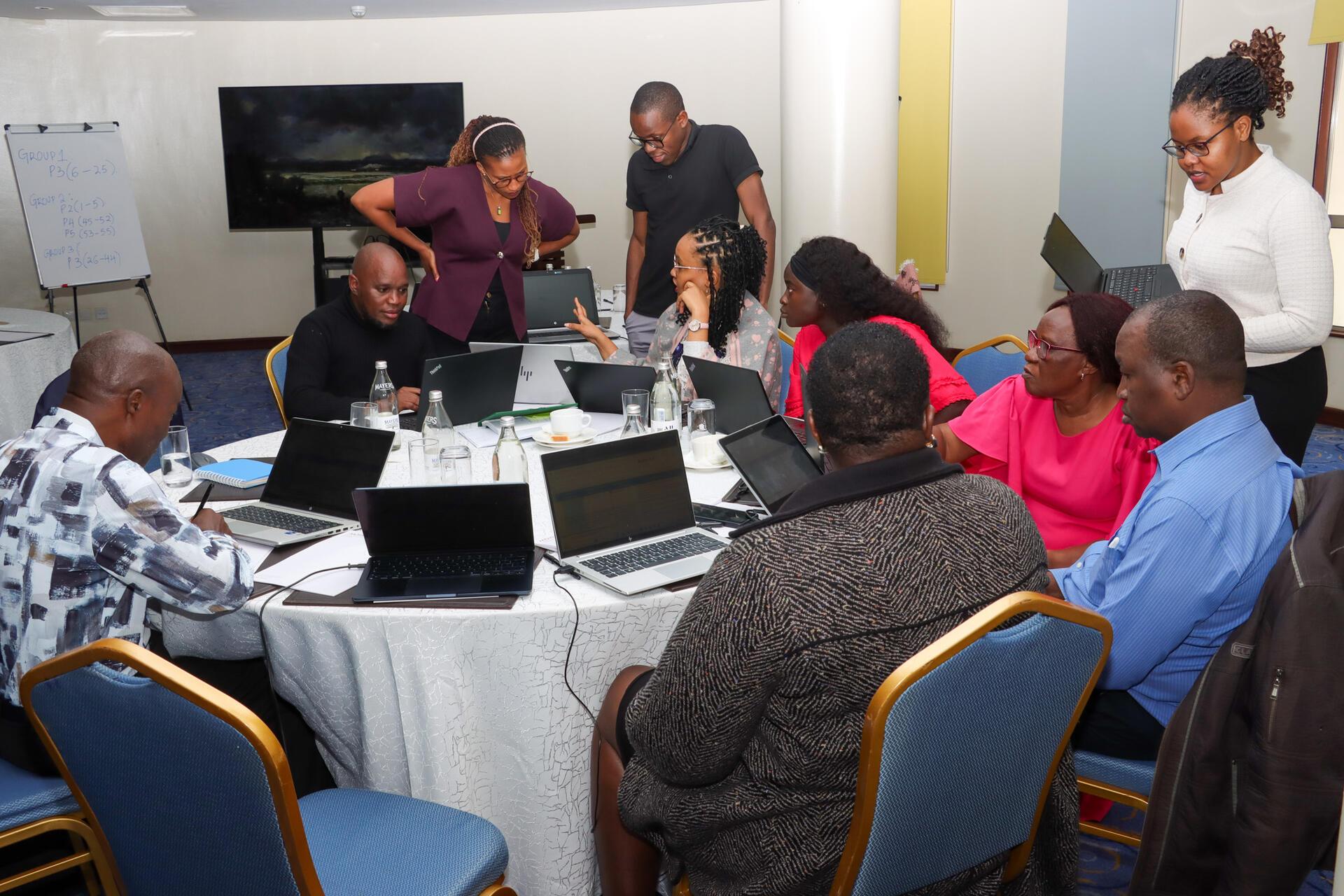
Participants exchange feedback on aligning indicators with broader BTR reporting requirements.
These building blocks can be strengthened through the harmonization of reporting templates, clearer indicator definitions, robust data validation processes, improved county-to-national data flows, enhanced technical capacity, and stronger alignment between national monitoring systems and global reporting frameworks. Collectively, these would improve the quality, consistency, and credibility of adaptation data, providing a stronger evidence base for policymaking, facilitating access to climate finance, and enhancing the effectiveness of future Biennial Transparency Reports (BTRs).
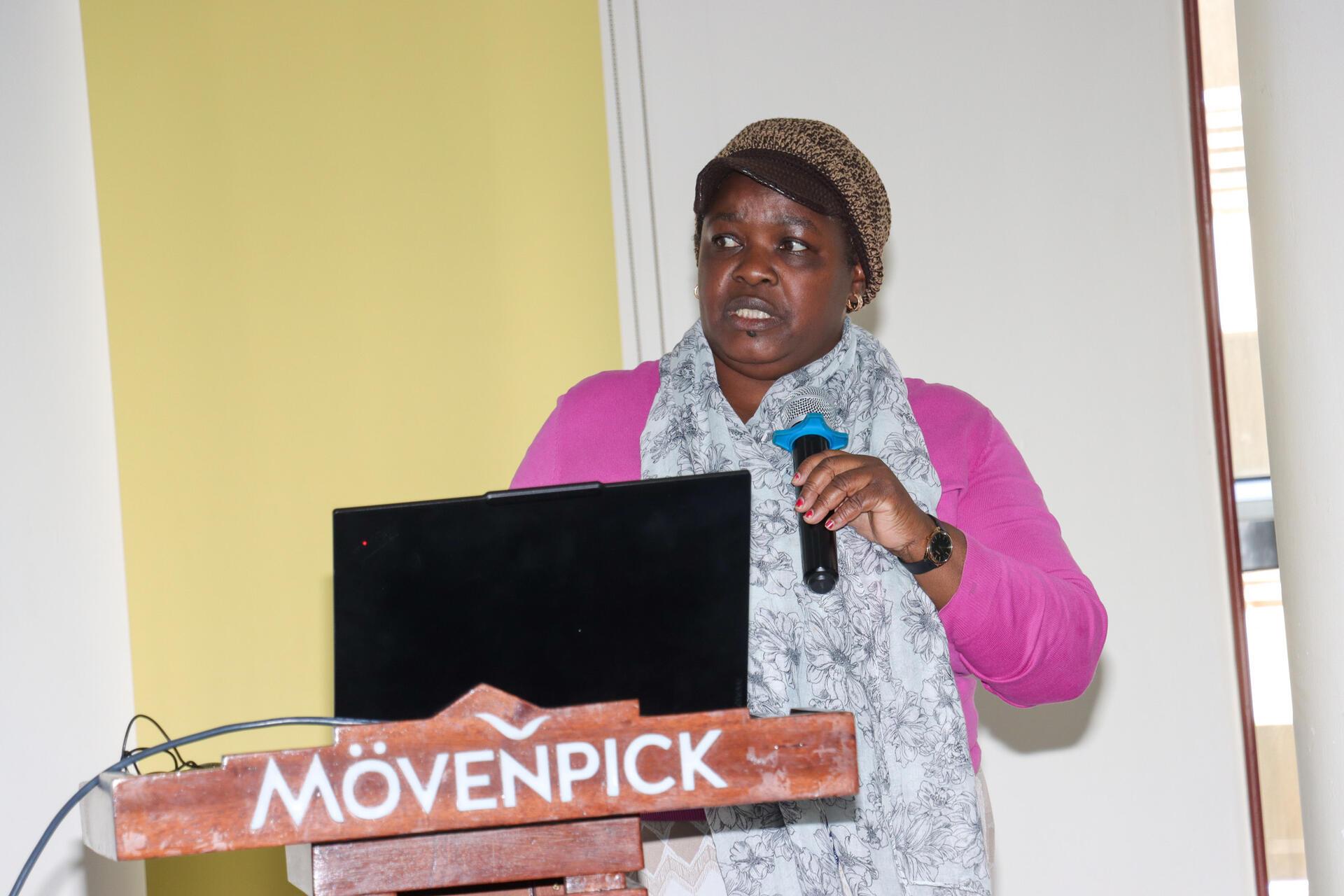
"Our next steps are to refine the tool so that indicators are clear, measurable, and aligned with BTR reporting requirements; map these indicators with CSA indicators to develop GGA-aligned targets and integrate them into the reporting tool; and in the long term, sensitize all stakeholders to ensure they understand and report from a climate change perspective.” Elizabeth Okwuosa, Senior Research Scientist, Soil Science and Climate Change, KALRO
By the end of the workshop, participants had developed a populated draft adaptation reporting template for the agriculture sector, refined the technical guidelines for integrating the Belém Adaptation Indicators and GESI into BTRs, and agreed on priority recommendations and next steps for strengthening institutionalized adaptation tracking and reporting in Kenya. These outputs provide an important foundation for improving the quality, consistency, and effectiveness of future adaptation reporting while supporting Kenya's preparation of BTR2.