Blog Kenya advances climate transparency with support from CGIAR: From BTR submission to technical review

Kenya submitted its first Biennial Transparency Report ahead of the December 2024 deadline, showcasing progress in climate change action. A May 2025 review will assess data clarity. The report was co-developed with stakeholders to guide resilience and adaptation.
Kenya took a major step forward in climate transparency and resilience-building with the successful submission of its first Biennial Transparency Report (BTR) under the Paris Agreement, ahead of the 31 December 2024 deadline. The report, which was developed in collaboration with key stakeholders, details national progress in reducing greenhouse gas emissions, adapting to climate change, support received, and areas needing further support. It also highlights proactive efforts to address climate-related challenges, particularly natural disasters that have historically cost the country 3–5% of its GDP annually. This milestone underscores a strong commitment to global climate action and the need for robust adaptation strategies to ensure a sustainable future.
Far more than a reporting tool, the BTR serves as a mirror, reflecting the country’s progress and remaining gaps in its climate action. Additionally, the BTR preparation and its technical review provide a moment for the country to reflect on its tracking capacities, thus identifying critical areas where capacity strengthening is required.
The Alliance of Bioversity International and CIAT’s collaboration with the Ministry of Environment, Climate Change and Forestry (MECCF) and other stakeholders helped strengthen the adaptation chapter of the report. From supporting the Climate-Smart Agriculture Multi-Stakeholder Platform (CSA-MSP) to delivering climate-informed advisories to over 6 million farmers and improving climate tracking tools such as TAiLS (Tracking Adaptation in Livestock Systems), we worked to ensure that evidence from communities, counties and the agriculture sector was meaningfully represented.
The process doesn’t end with submission.
As outlined in the Modalities, Procedures, and Guidelines (MPGs) of the Paris Agreement, BTRs undergo a Technical Expert Review (TER). The TER is a core process under the Paris Agreement’s Enhanced Transparency Framework, used to strengthen the consistency, completeness, and accuracy of information provided in a country’s BTR.
After submitting a BTR, a review date is set, and a Technical Expert Review Team (TERT) is formed. The TERT reviews the BTR and sends preliminary questions to the party at least four weeks before the scheduled review week. The party responds to these questions two weeks ahead of the review.
During the review week, the TERT and the party engage in in-depth discussions to clarify the information in the BTR. They address key questions, identify any reporting constraints, and highlight areas where further capacity building may be needed.
While countries are encouraged to report and go through TER, developing countries, including least developed countries (LDCs) and small island states (SIDs), are offered flexibility considering their capacities.
For Kenya, the in-country review was scheduled for May 26–30 2025.
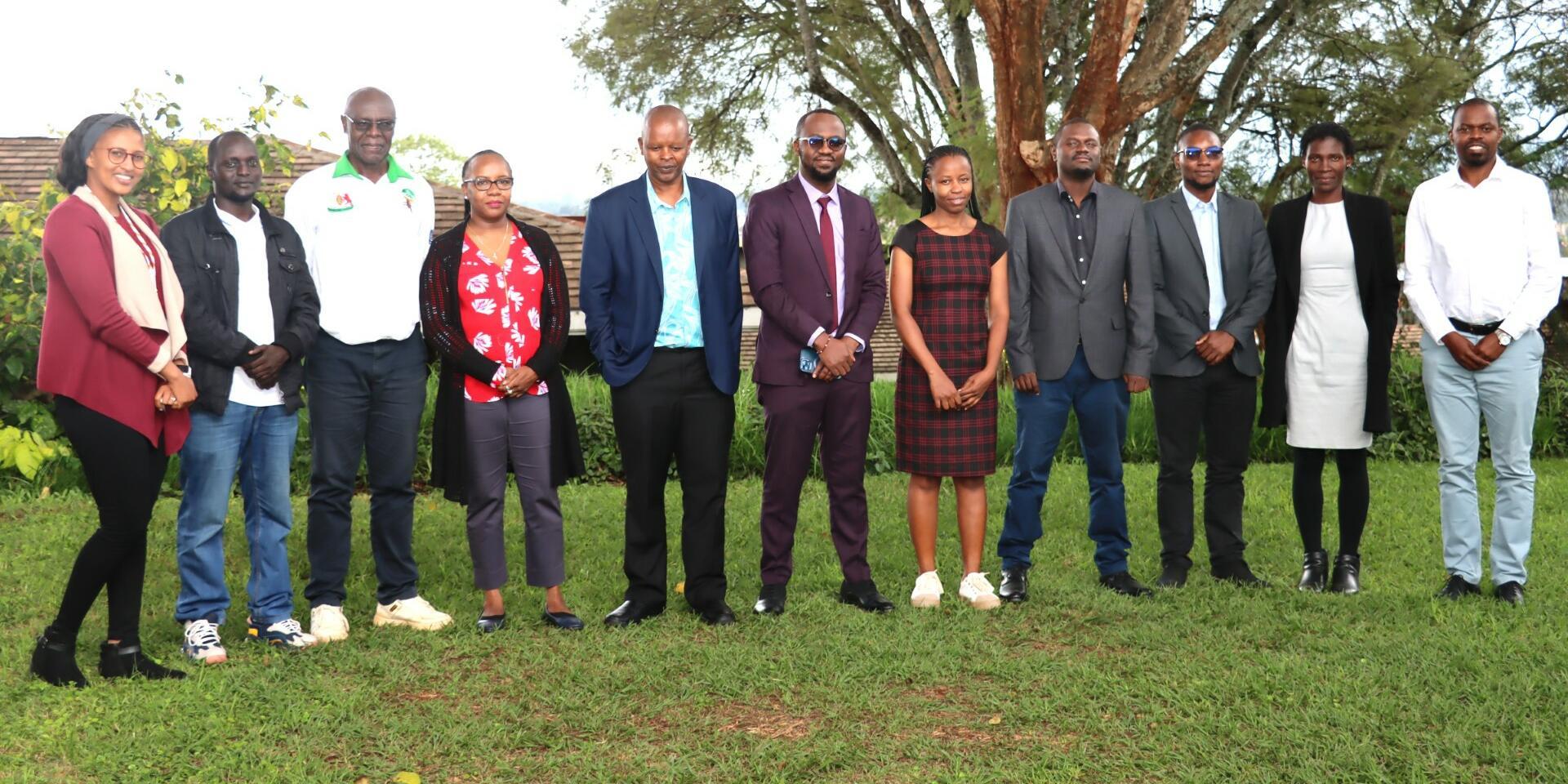
In preparation for the review, a technical workshop was held at the ILRI campus in Nairobi from 7–8 May 2025, with facilitation support from the CGIAR Climate Action Program. The purpose of the workshop was to prepare responses to a set of preliminary questions shared by the UNFCCC Technical Expert Review Team (TERT). These questions focus on clarifying data and information submitted in the BTR and are a standard part of the review process.
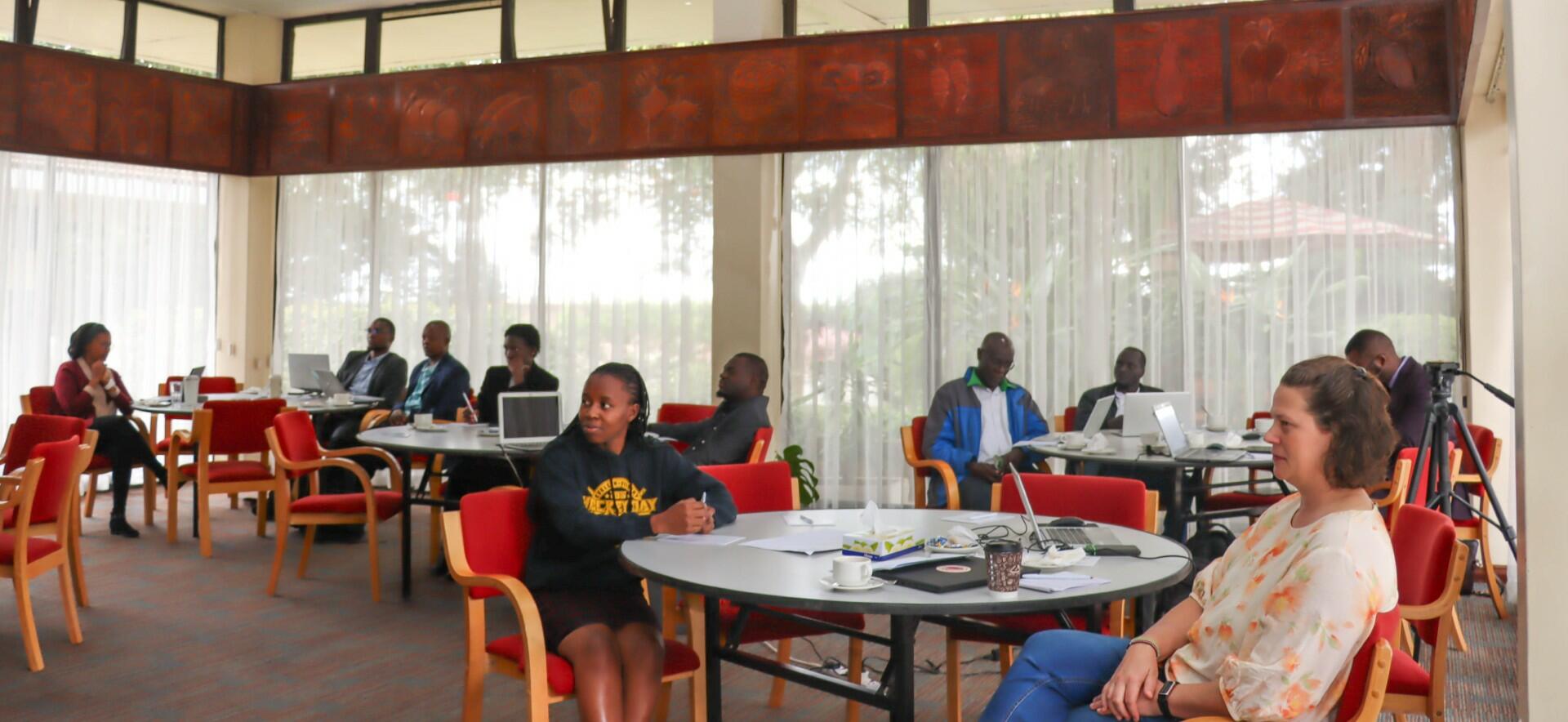
Participants from government ministries, research institutions, and development partners gather at ILRI campus in Nairobi during the technical workshop held from 7–8 May 2025 to prepare coordinated responses to the UNFCCC Technical Expert Review Team’s preliminary questions on Kenya’s Biennial Transparency Report (BTR). Photo credit: Joseline Kiogora/Alliance of Bioversity International and CIAT
Throughout the two-day workshop, experts from different institutions - including government ministries such as the Ministry of Agriculture and Livestock Development and the Ministry of Environment, Climate Change and Forestry; Kenya Agricultural and Livestock Research Organization (KALRO), Kenya Forest Service (KFS), Kenya Industrial Research and Development Institute (KIRDI), and the Kenya Association of Manufacturers (KAM) - came together to review the questions and provide coordinated responses. These discussions not only addressed immediate feedback from the UNFCCC, but also laid the groundwork for an improvement plan that will strengthen future reporting.
“The BTR submission is not a standalone achievement; it marks the beginning of a continuous cycle of review, improvement, and learning” said Mr. Peter Maneno from the Ministry of Environment, Climate Change and Forestry. “The technical review offers us a critical opportunity to strengthen our reporting systems and pinpoint areas that need further support. We are especially grateful to the CGIAR through the Alliance of Bioversity International and CIAT for their technical backing and continued partnership.”
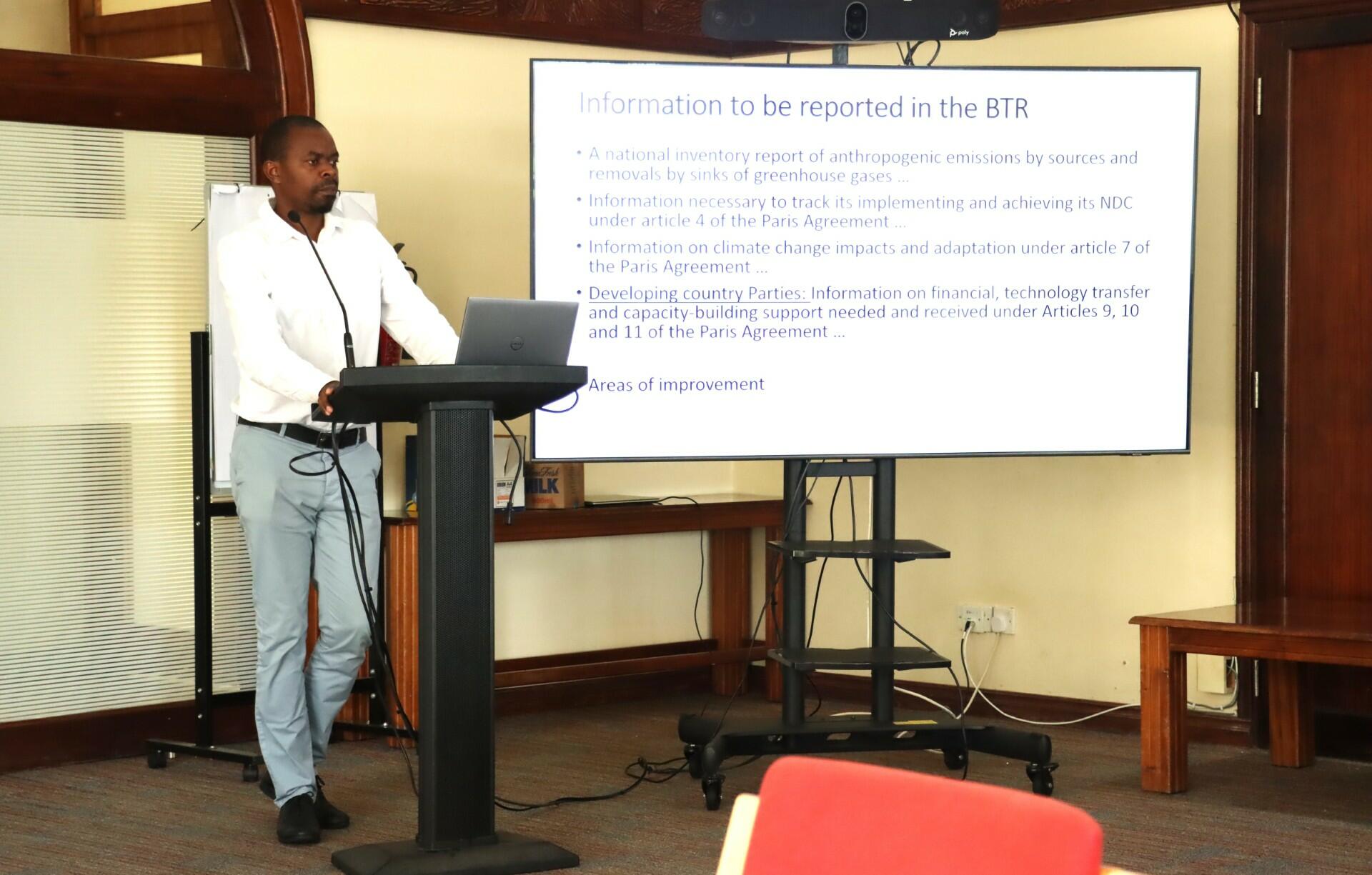
Peter Maneno from the Ministry of Environment, Climate Change and Forestry highlights the BTR review as key to strengthening Kenya’s climate reporting systems. Photo credit: Joseline Kiogora/Alliance of Bioversity International and CIAT
One of the most effective aspects of the workshop was the presence of participants who had previously served on Technical Expert Review Teams. Their insights and guidance were invaluable in helping sectoral leads understand how to respond to the questions. This transformed the workshop into not only a working session but also a hands on learning platform, building national capacity to engage effectively in the upcoming BTR technical review.
The workshop was also a reflection of the growing recognition that adaptation reporting must be inclusive. Many adaptation projects are carried out by non-state actors such as NGOs, community organizations and private-sector actors, but their efforts are often not captured in national data due to lack of standardized reporting tools. This is one of the areas where CGIAR’s support has been crucial. The Alliance’s work in developing and piloting adaptation monitoring tools, and in building local capacities, is helping to close the data gap and bring more voices into the national conversation.
Kenya’s experience offers important lessons for other countries: that meaningful climate reporting is possible when stakeholders collaborate, when local knowledge is valued, and when global partnerships provide the right kind of support.
Acknowledgement of Support
At the Alliance, the climate action research area is proud to have contributed to this milestone
In addition, other initiatives led by the Alliance such as AICCRA (Accelerating Impacts of CGIAR Climate Research for Africa) and Adaptation Insights, are also playing a crucial role in strengthening the capacities of various stakeholders to track and report on adaptation.
The Team

Lucy Njuguna
Postdoctoral Fellow