


Uganda - Alliance of Bioversity International - CIAT

Our mission in Uganda

Our mission is to harness the power of agricultural science to overcome global challenges, and our work is aligned with the Alliance's mission across five core areas:

  • Climate resilience: Advancing climate-smart agricultural practices
  • Health and nutrition: Developing crops that improve human health
  • Environmental stewardship: Conserving global biodiversity
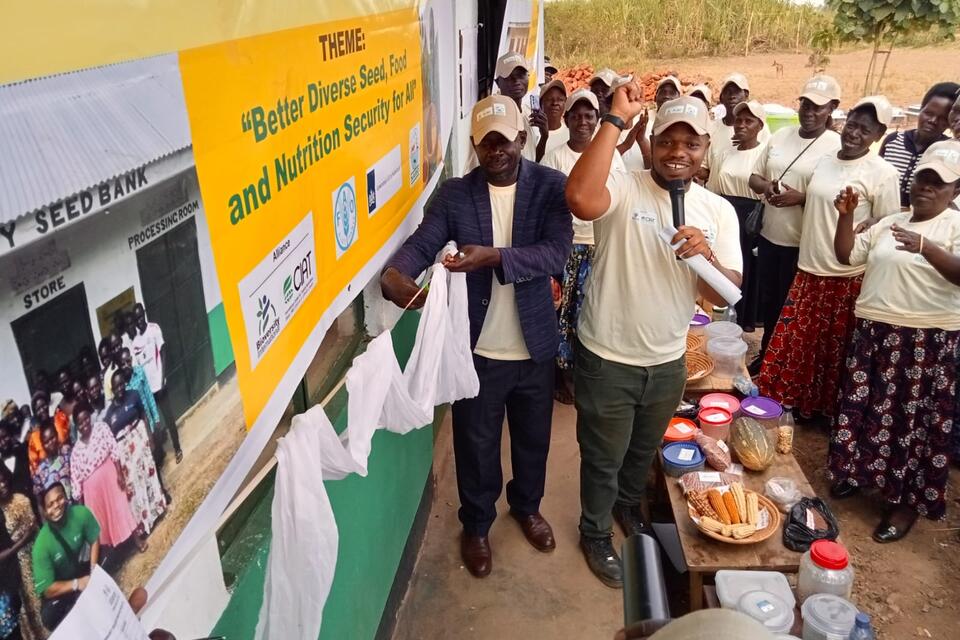
  • Foundational systems: Strengthening seed systems and promoting digital inclusion
  • Economic vitality: Enabling sustainable agribusiness for thriving communities

We partner with national research bodies, government ministries, universities, NGOs and private-sector partners to co-develop solutions that enhance productivity, reduce waste, restore degraded land, and expand opportunities for women and youth, ensuring tangible impact through climate-resilient crop breeding, digital agriculture tools, sustainable land restoration, and strengthened local value chains.

These efforts directly contribute to the overarching goals of the National Agricultural Research Organization (NARO) and the Government of Uganda, supporting the Third National Development Plan and the Parish Development Model by advancing food security, agricultural innovation, and inclusive economic growth.

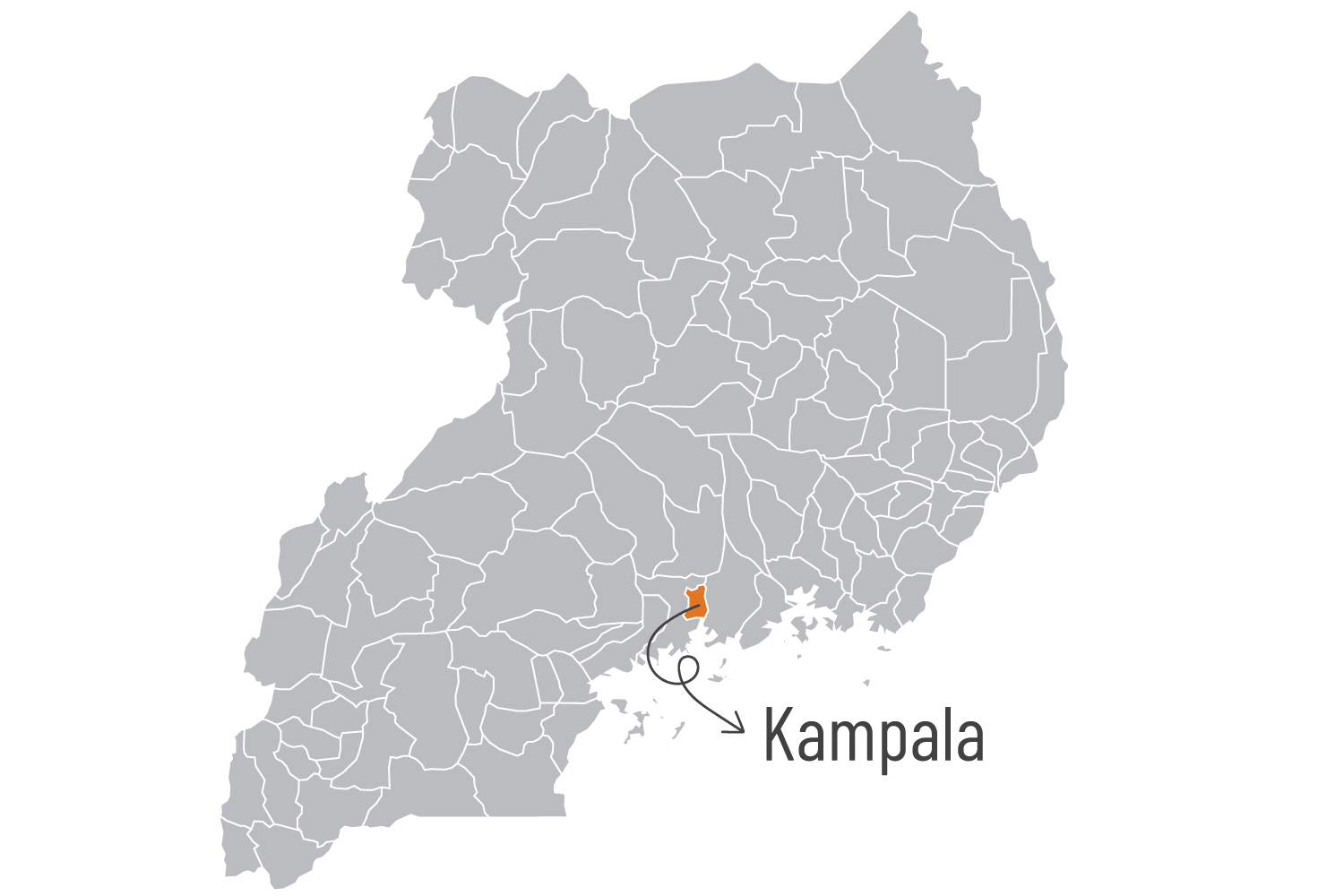
Uganda Map - Alliance of Bioversity International - CIAT

Current Projects

55

Funders

38

Money Invested (USD)

63380775.3

Challenges 

The key challenges that constrain Uganda's agricultural growth include climate change, soil degradation, and deficient infrastructure that causes post-harvest losses and market delays. Farmers also struggle with limited market access, under-resourced extension services, and a lack of financing for improved technologies. 

Thematic research areas

We address the challenges by working with partners to build resilient agrifood systems, focusing on seven thematic areas, five core pillars and two cross-cutting themes that shape every stage of our work to strengthen impact and equity: gender equality, youth, and social inclusion; and capacity development.

Climate change adaptation and mitigation 

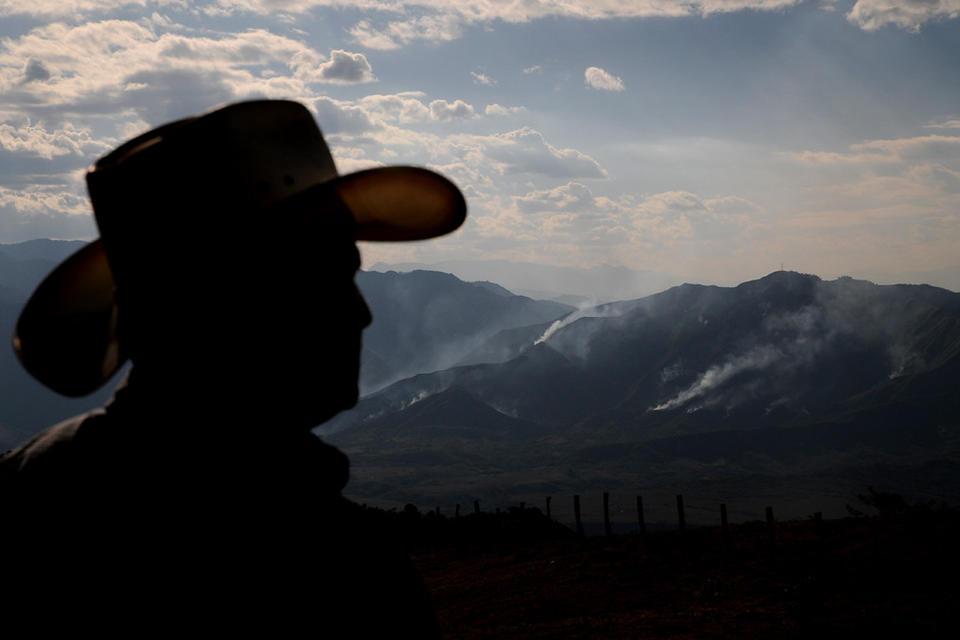
Climate change is a major threat for Ugandan agriculture, with frequent droughts, intense rainfall, and unpredictable weather patterns disrupting planting and harvesting cycles, reducing crop yields, and threatening food security, particularly for vulnerable groups such as smallholder farmers and refugees. Rising temperatures have caused glaciers in the Rwenzori Mountains to melt, leading to flooding that damages communities and infrastructure. Through projects such as BRAINS, GEMINI, and SIFSSA, we promote the adoption of climate-smart agriculture practices, develop resilient agro-value chains, and provide farmers with tools and knowledge to adapt to extreme weather events, reducing vulnerability and improving productivity. 

Food and nutrition security 

Despite its agricultural potential, Uganda faces a severe triple burden of malnutrition: high child stunting (24.8%), widespread micronutrient deficiencies (53.1% anaemia), and rising overweight among women (28.2%) (UDHS 2022). The core challenge is a food system failing to deliver affordable, diverse nutrients, necessitating a shift from basic food security to nutrition-focused transformation. Our projects aim to improve access to nutritious and high-yield climate-smart crop varieties through initiatives like Rapid breeding for reduced cooking time and enhanced nutritional quality in common beans, Feed the Future, and EC-combating malnutrition in Africa.  

Environmental health and biodiversity 

Uganda's agricultural productivity is severely constrained by a vicious cycle of soil degradation and biodiversity loss. Nutrient depletion from continuous cultivation and topsoil erosion from deforestation directly reduce yields and nutritional quality. This crisis mandates focused intervention. Projects like D4RABsPROSSIVA, and agrobiodiversity assessments are addressing this by promoting sustainable land management, conserving ecosystems, and enhancing biodiversity to ensure the long-term resilience of Uganda's food systems. 

Agribusiness, livelihoods and wealth creation 

Our work is grounded in a comprehensive value chain approach, targeting constraints from farm to market. Through initiatives like the IDH Learning Partnership, R4iCSA-II, and Feed the Future, we strengthen enterprises and linkages at every stage to increase farmers' incomes, create jobs, and build resilient, profitable agribusinesses. 

Digital inclusion 

Uganda's agricultural commercialization, a key driver for economic transformation, is hindered by major information, market, and financial gaps. Digital inclusion can dismantle these barriers by integrating tools across the value chain, fostering a more efficient and transparent agricultural sector that boosts incomes, creates jobs, and stimulates sustainable economic growth. Our work leverages digital technologies in projects such as GEMINI, Artemis, and 1000FARMS to enhance access to real-time data, on-farm testing, breeding analytics, and agro-advisory services, empowering farmers and value chain actors to make informed decisions.

Gender equality, youth and social inclusion

We ensure our innovations reduce, rather than widen, social and economic gaps. This means designing technologies and programs that are accessible to women, youth, and other marginalized groups.
Our interventions ensure that women, youth, and marginalized groups actively participate in agricultural value chains. Initiatives like BRAINS and BIOVISION integrate inclusive approaches that promote equitable access to resources, knowledge, and economic opportunities.

Capacity development

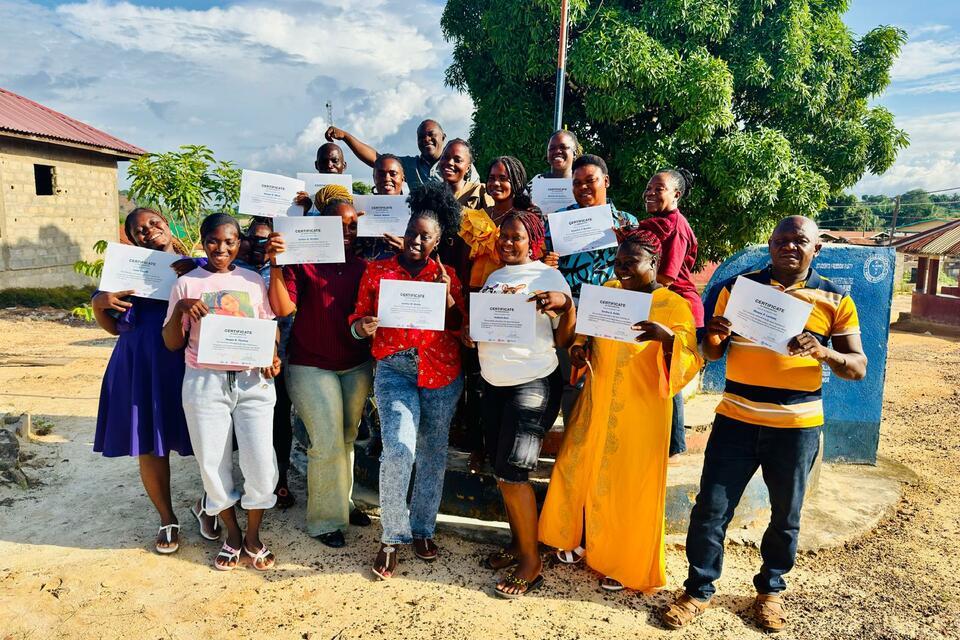
We go beyond traditional training by strengthening institutions and empowering national partners, creating a legacy of local expertise. Our support includes technical and knowledge training across key areas of the biophysical sciences and socio-economic studies related to beans, including plant pathology, entomology, molecular biology, and bean breeding. 

Impact

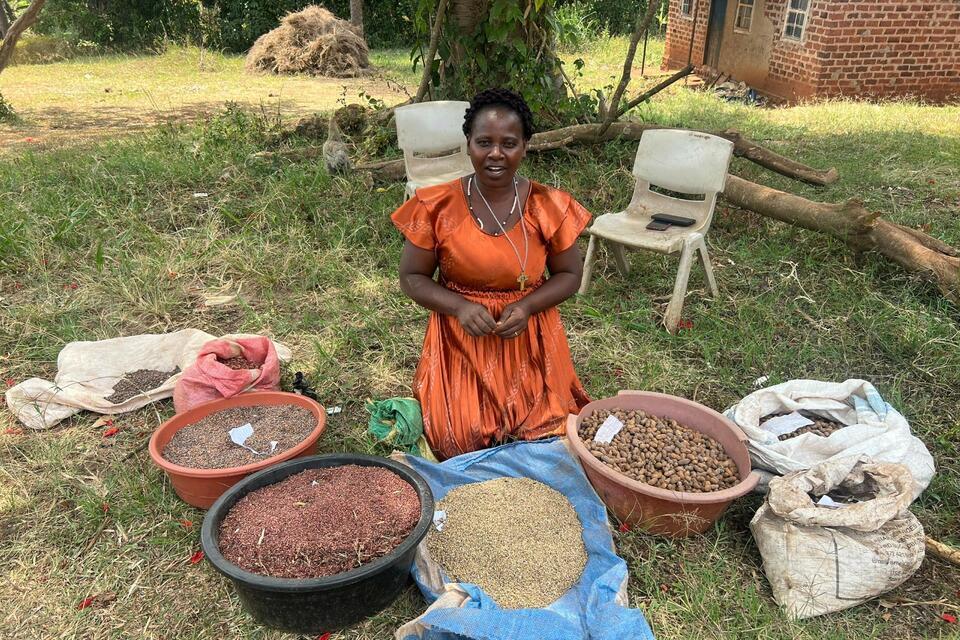
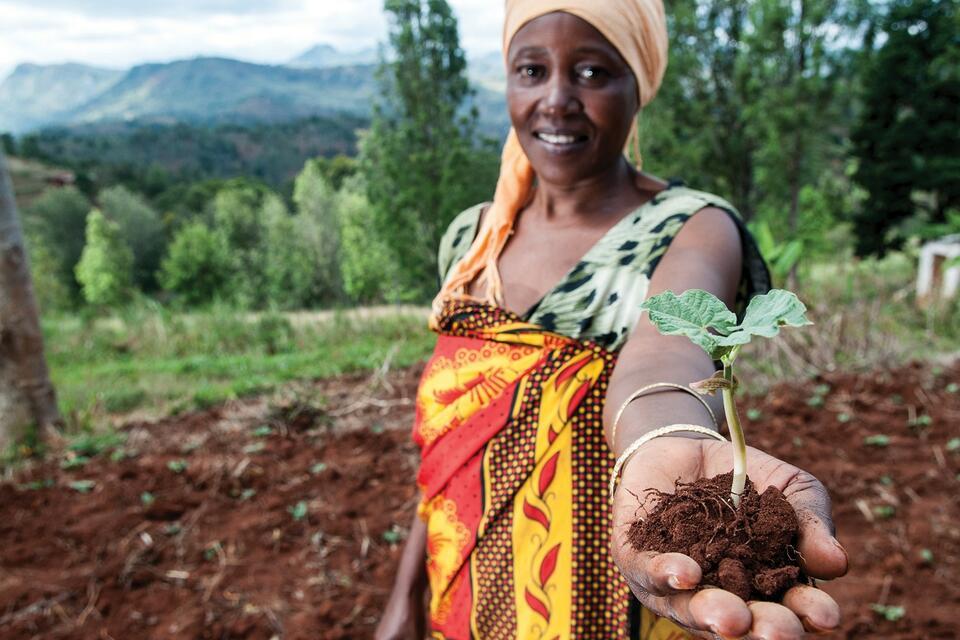
Climate-smart agriculture - Uganda - Alliance Bioversity International - CIAT


Strengthened climate resilience among smallholder farmers through the adoption of climate-smart agricultural practices and resilient value chains

Improved food and nutrition security - Uganda - Alliance Bioversity International - CIAT


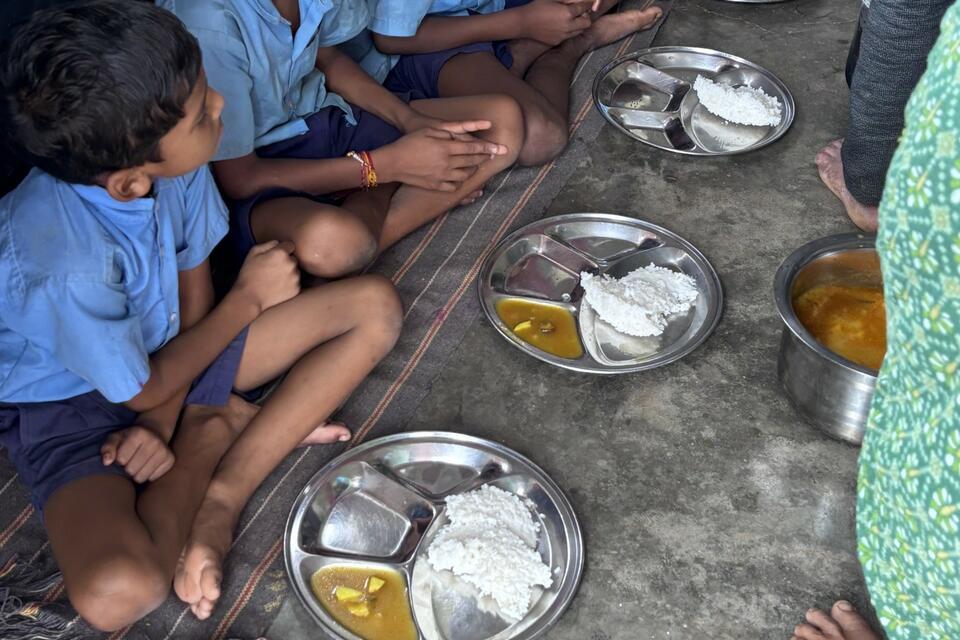
Improved food and nutrition security by developing and promoting nutrient-rich, high-yield crop varieties tailored to local needs

Sustainable land management and agrobiodiversity - Uganda - Alliance Bioversity International - CIAT


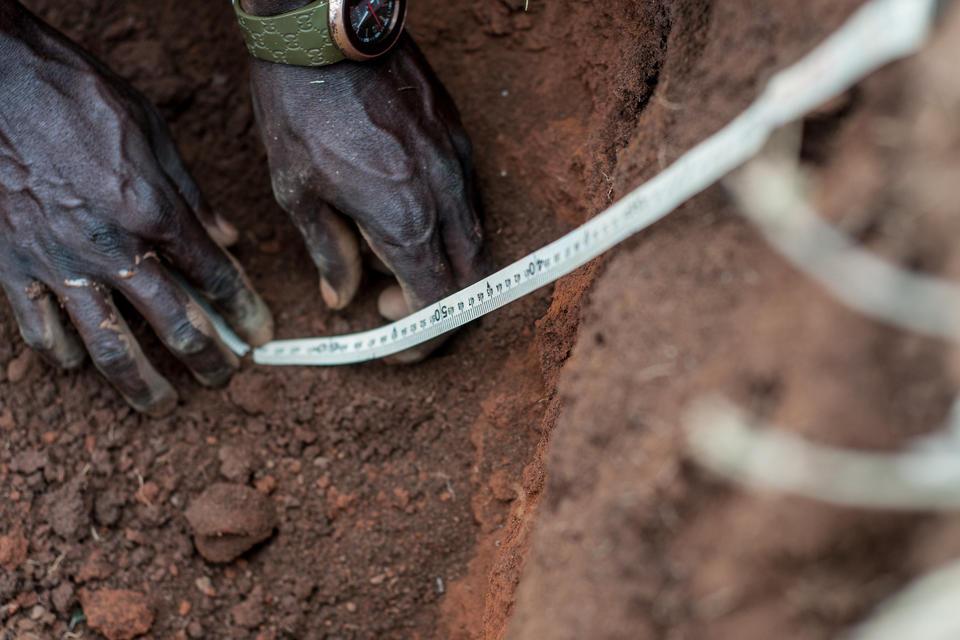
Restored degraded lands and conserved biodiversity through sustainable land management and agrobiodiversity initiatives

Enhanced livelihoods and job creation - Uganda - Alliance Bioversity International - CIAT


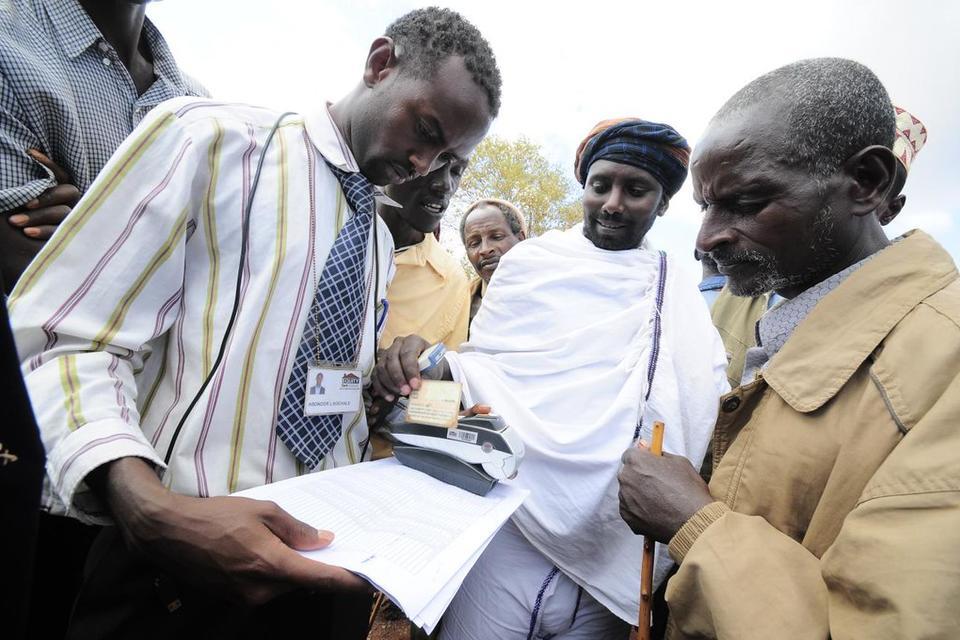
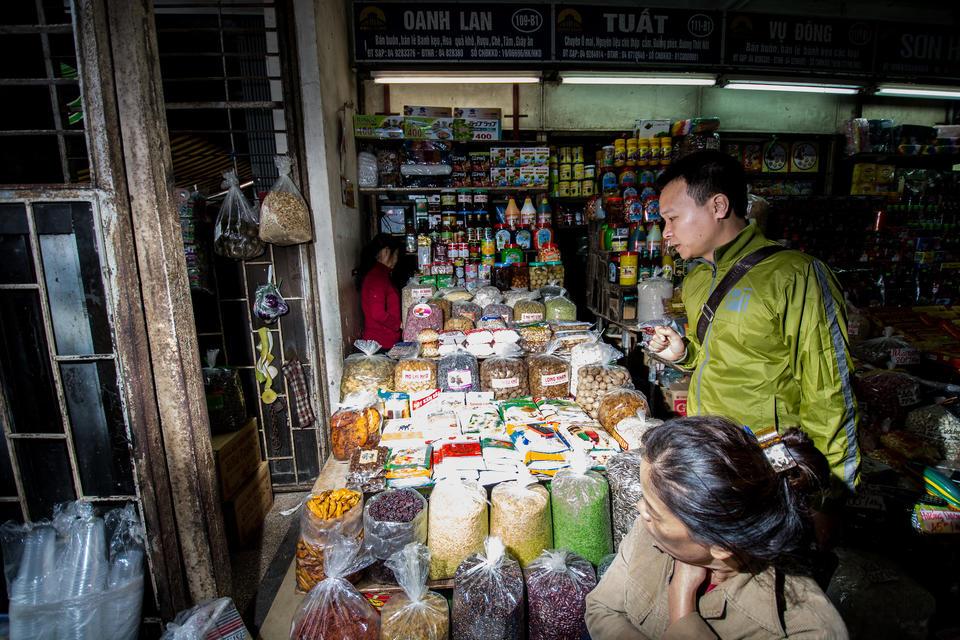
Enhanced livelihoods and job creation by building inclusive, profitable agribusinesses and empowering rural entrepreneurs

Digital transformation in agriculture - Uganda - Alliance Bioversity International - CIAT


Advanced digital transformation in agriculture by scaling innovative tools that improve data access, decision-making, and market connectivity

Collaboration and partners 

Our work and impact in Uganda is made possible through strong partnerships with a diverse range of actors across the country. We engage government institutions, universities, NGOs, civil society organizations, and advocacy groups to align interventions with national priorities, share knowledge, and strengthen community outreach. Support from international funders and development partners enables the implementation of innovative and sustainable agricultural solutions, while collaboration with local stakeholders ensures inclusion, capacity building, and long-term impact across Uganda’s agrifood systems.

Projects and flagship initiatives

The Alliance’s interventions in Uganda are closely aligned with national and regional initiatives, contributing to increased household incomes and improved quality of life while addressing all the strategic objectives, including food and nutrition security, climate adaptation, digital inclusion, gender equality, agribusiness and livelihoods, and environmental health and biodiversity. 

Explore more

Leadership

Our office in Uganda

c/o NARO Kawanda Agricultural Research Institute
13 km Gulu Road
P.O. Box 6247
Kampala, Uganda
Phone: +256 414 567259
Contact Person: Rose Taremwa ( [email protected] )

Talk to us

Would you like to reach out to our team of scientists working in Uganda?

CONTACT US HERE

Eventos