
Monitoring & Evaluation and Impact Assessment tools for Insurance pilots in Africa and Asia
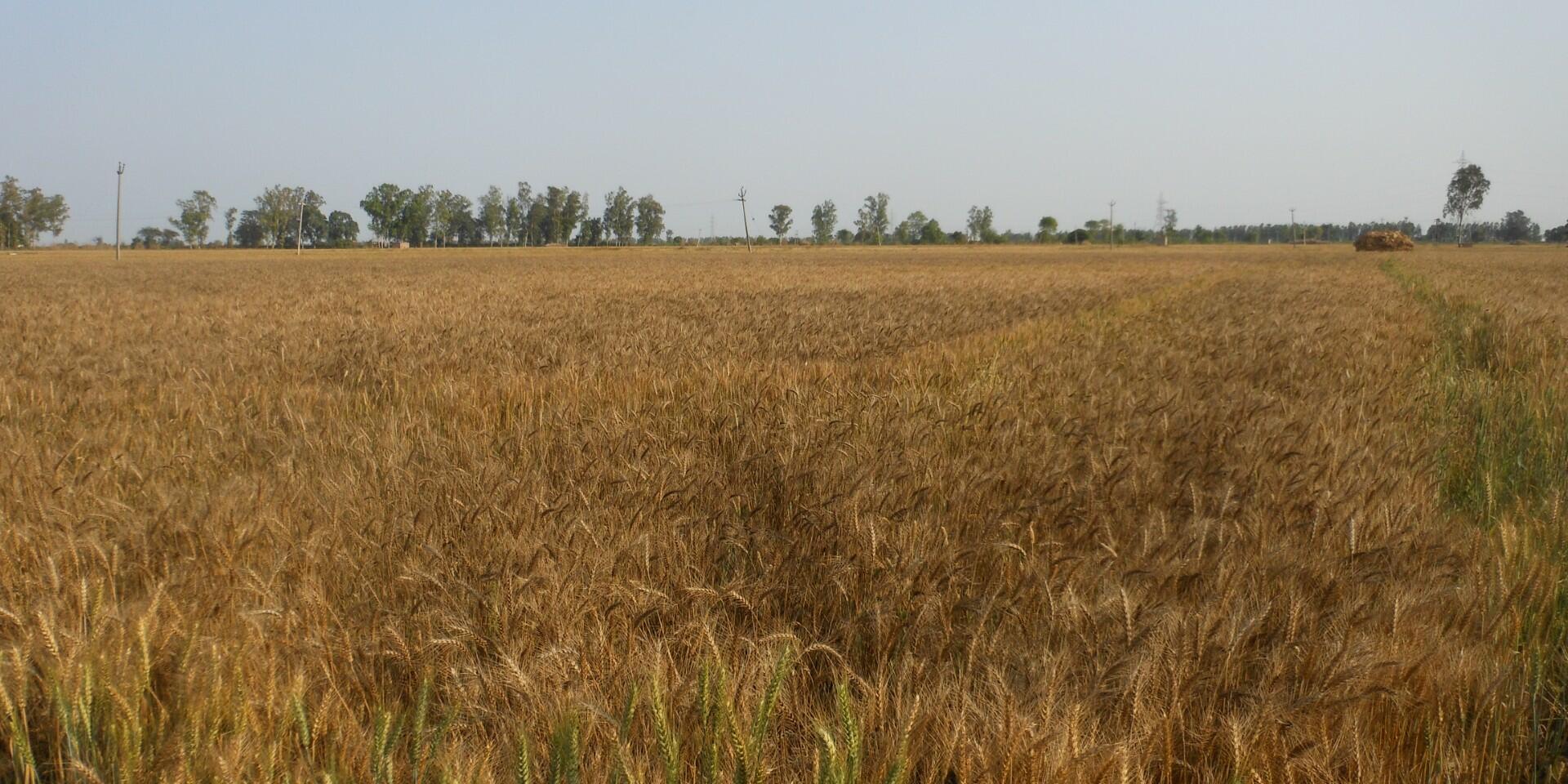
This project designs and implements Monitoring, Evaluation and Learning (MEL) tools for the UNDP Financial Resilience in Agriculture (FRA) initiative, which scales agricultural insurance and risk finance for smallholder farmers across Africa and Asia. It builds the evidence systems that financial institutions need to embed climate insurance into agricultural lending at scale.
Project Name (full): Design and Implementation of Monitoring, Evaluation and Learning (MEL) Tools for the UNDP Financial Resilience in Agriculture (FRA) Initiative in Africa and Asia
Start and end year: 2025 - 2026
Region and Countries: Africa, Asia (Ethiopia, Uganda, Tanzania, India, Bangladesh)
Brief description
Smallholder farmers in Ethiopia, Tanzania, Uganda, Bangladesh, and India face escalating climate shocks — droughts, floods, and erratic rainfall — that destroy harvests and trigger loan defaults, cutting off access to the agricultural finance they need to recover. Despite growing interest in agricultural insurance, financial institutions lack the evidence systems to prove that insurance works for their portfolios, and without that evidence, scale-up stalls. This project addresses that gap by designing a science-backed MEL framework specifically for financial institutions operating agricultural insurance pilots. Working under UNDP's Insurance and Risk Finance Facility (IRFF) and the FRA programme, the project delivers a global bank-specific MEL framework grounded in diagnostics with institutions across five countries, indicator toolkits that links insurance integration to portfolio outcomes. What makes it distinctive is its dual focus: building the business case for insurance from the bank's perspective while simultaneously tracking farmer protection outcomes, bridging financial sector evidence needs with development impact standards.
Key activities
The project operates across three work packages.
- WP1 delivers research and evidence through a systematic literature review, key informant interviews with banks, insurers, and agri-value chain actors across five countries, focus group discussions with smallholder farmers, and case studies.
- WP2 develops tools including a global MEL framework for agricultural banks, an indicator toolkit organised across five causal phases from insurance integration to farmer adaptation outcomes, and insurance knowledge briefs for financial institutions.
- WP3 applies these tools in a structured technical assistance engagement with selected pilots. The approach is grounded in CGIAR climate data science.
Relevant blogs, stories, news coverage
Project leaders

Shalika Vyas
Associate Fellow
Diana Giraldo Mendez
Research FellowProject members

Chris Miyinzi Mwungu
Postdoctoral Fellow