Blog School lunch goes local: home-grown procurement models deliver big returns in Africa

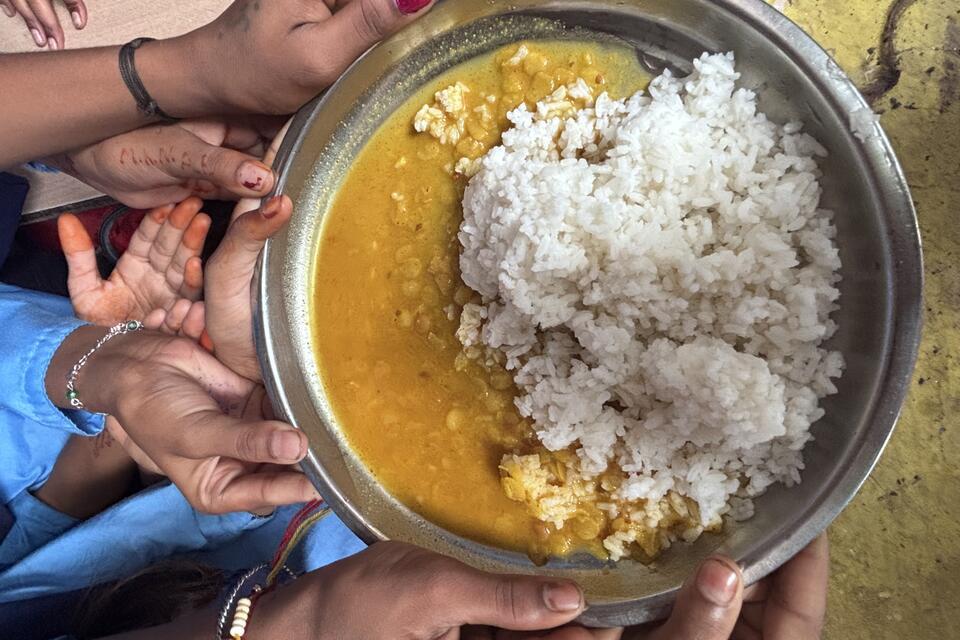
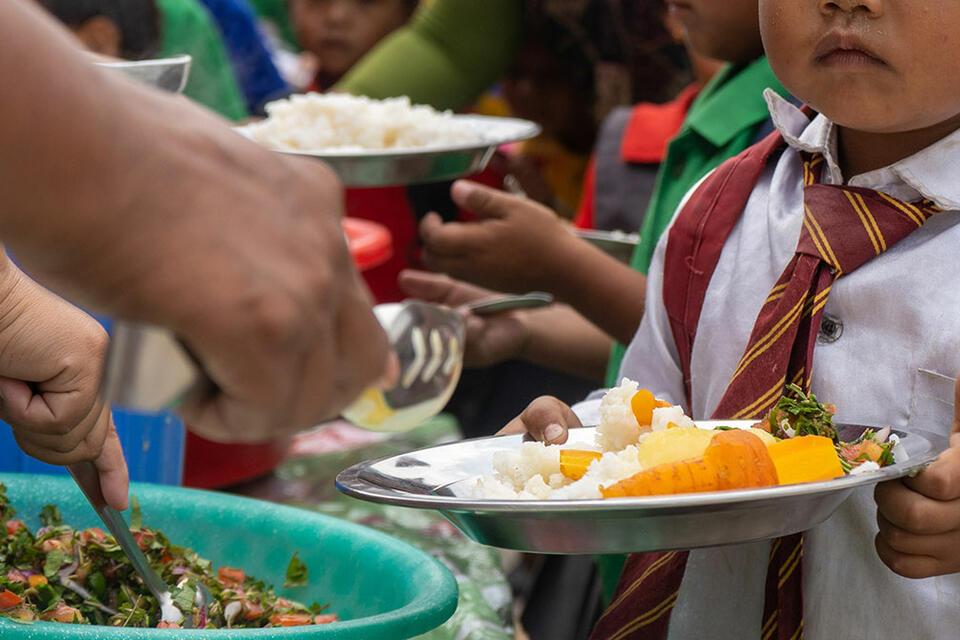
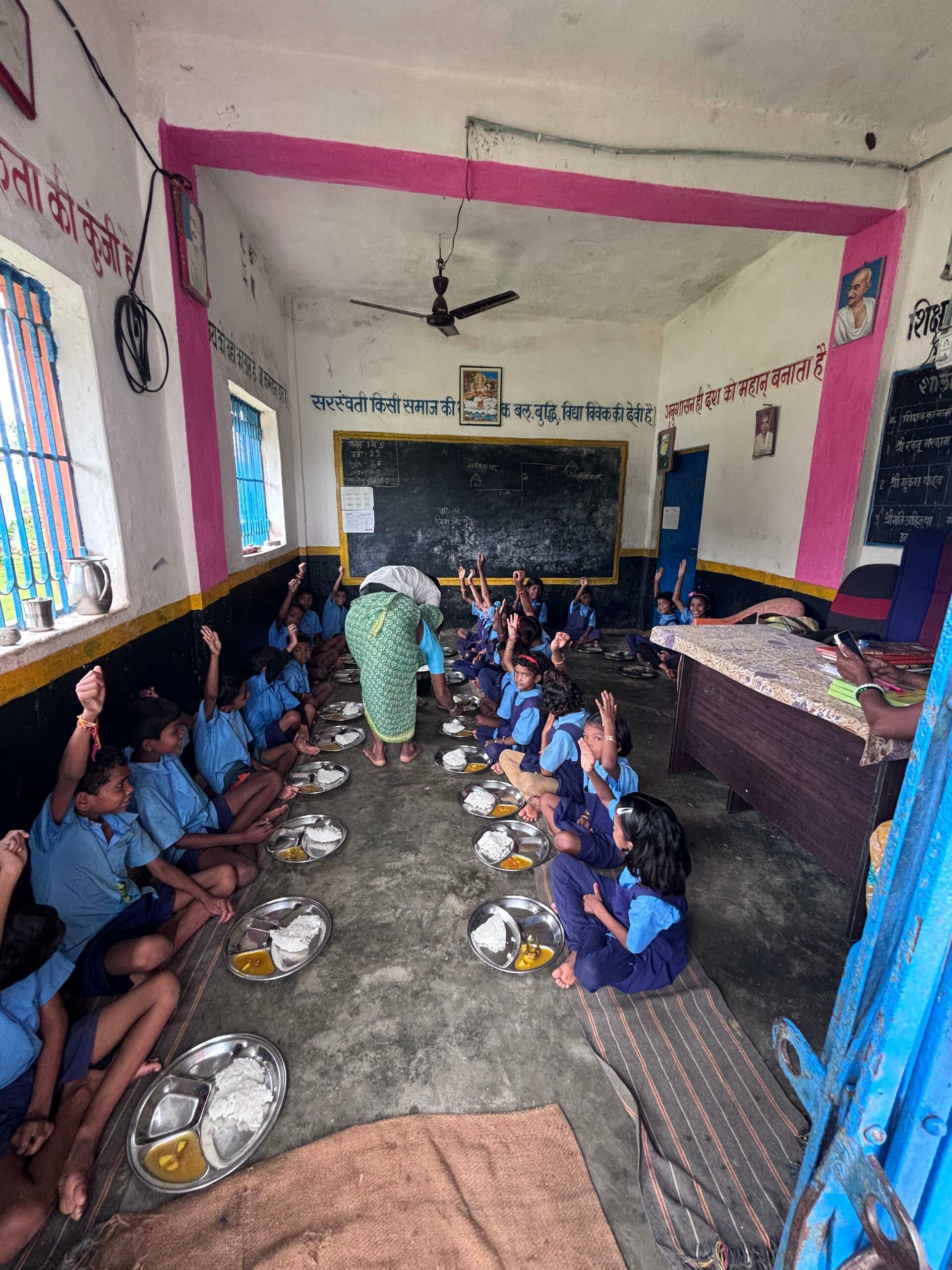
71.5 million African students are nourished by daily school meals. Home-grown school feeding (HGSF) programmes link these meals to smallholder farmers and local communities, yielding a ripple effect of increasing benefits.
Each March, the African Union recognizes the importance of school meals as the largest social safety net programme, contributing to education, child wellbeing, food security, and equity. Overall, for every USD $1 invested in school feeding, a return of USD $35 can be generated, impacting sectors such as agriculture, environment, education, health and nutrition, and social protection. Positive returns across sectors are especially high in home-grown school feeding (HGSF) programmes, which can add an additional boost to nutrition, women’s and girls’ empowerment and climate resilience.
HGSF constitutes a school feeding model that is designed to provide children in schools with safe, diverse and nutritious food, sourced locally from smallholders. In Africa, an increased number of governments are introducing the model; a relevant example being West Africa where it has been adopted by all countries.
Why school meals are an opportunity for more than just students
Increased enrolment, improved attendance, and lower dropout rates are some of the key benefits of school meal programs. By ensuring that both girls and boys receive the nutrition they need to attend school, learn and thrive, these programs support equal opportunities in education—helping every child, regardless of gender or background, build a better future.
Beyond the classroom, school meals offer significant social and economic advantages. For example, procurement for HGSF programmes can foster a deeper connection to local heritage by incorporating traditional foods, drive agricultural development and support the livelihoods of smallholder farmers by the provision of a stable and reliable market. In Sub-Saharan Africa, 75% of HGSF programmes depend on smallholder farmers to strengthen the school meal supply.
HGSF programmes can also strengthen the conservation and sustainable use of agrobiodiversity. In Africa, HGSF programmes often rely on just six crops—mainly cereals, legumes, and oils like maize and soy—despite the region having over 1,000 traditional edible greens, fruits, and vegetables. Using this underutilised diversity in planet-friendly school meals could boost food sovereignty while promoting nutritious, resilient, low-input crops with economic potential.
Women often play central roles in food production and preparation within HGSF programmes, yet they frequently face barriers to access resources, markets, and decision-making. Gender-responsive policies can help ensure that women farmers, caterers, and workers benefit fairly from procurement opportunities, access training and finance, and participate in programme governance.
Alliance collaborations put more diverse food on the table
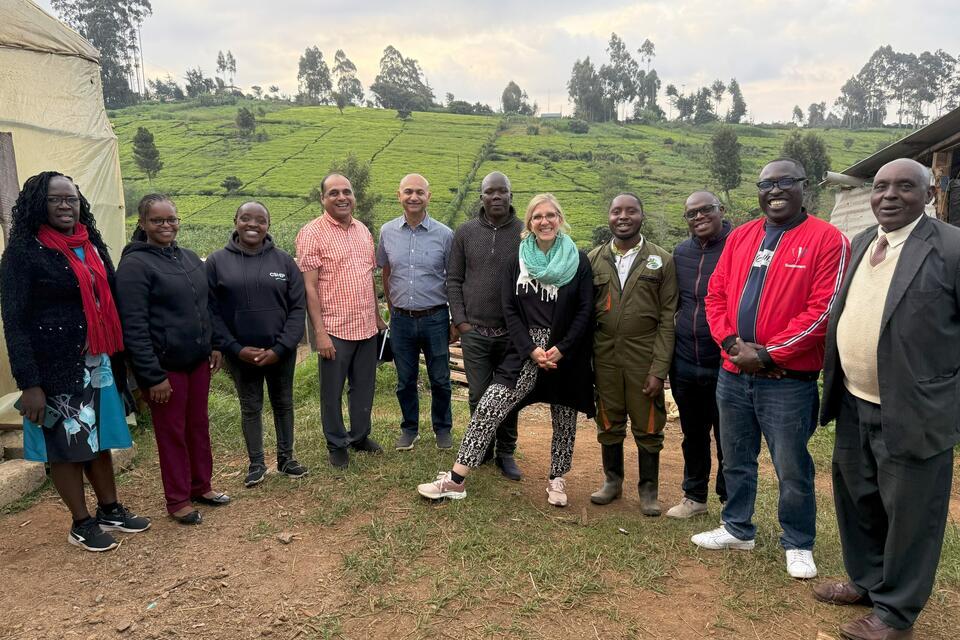
In Africa, the Alliance of Bioversity International and CIAT collaborates with key HGSF programme stakeholders, including policymakers, farmers, students and local communities. Together, they integrate gender and agrobiodiversity into HGSF programmes, supporting the development of gender-responsive and planet-friendly school meal systems.
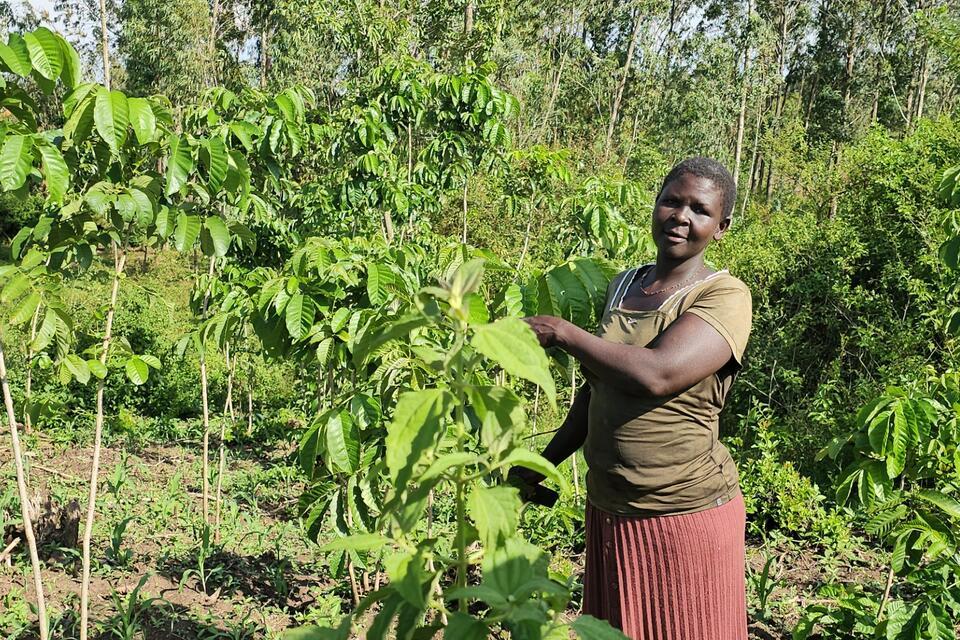
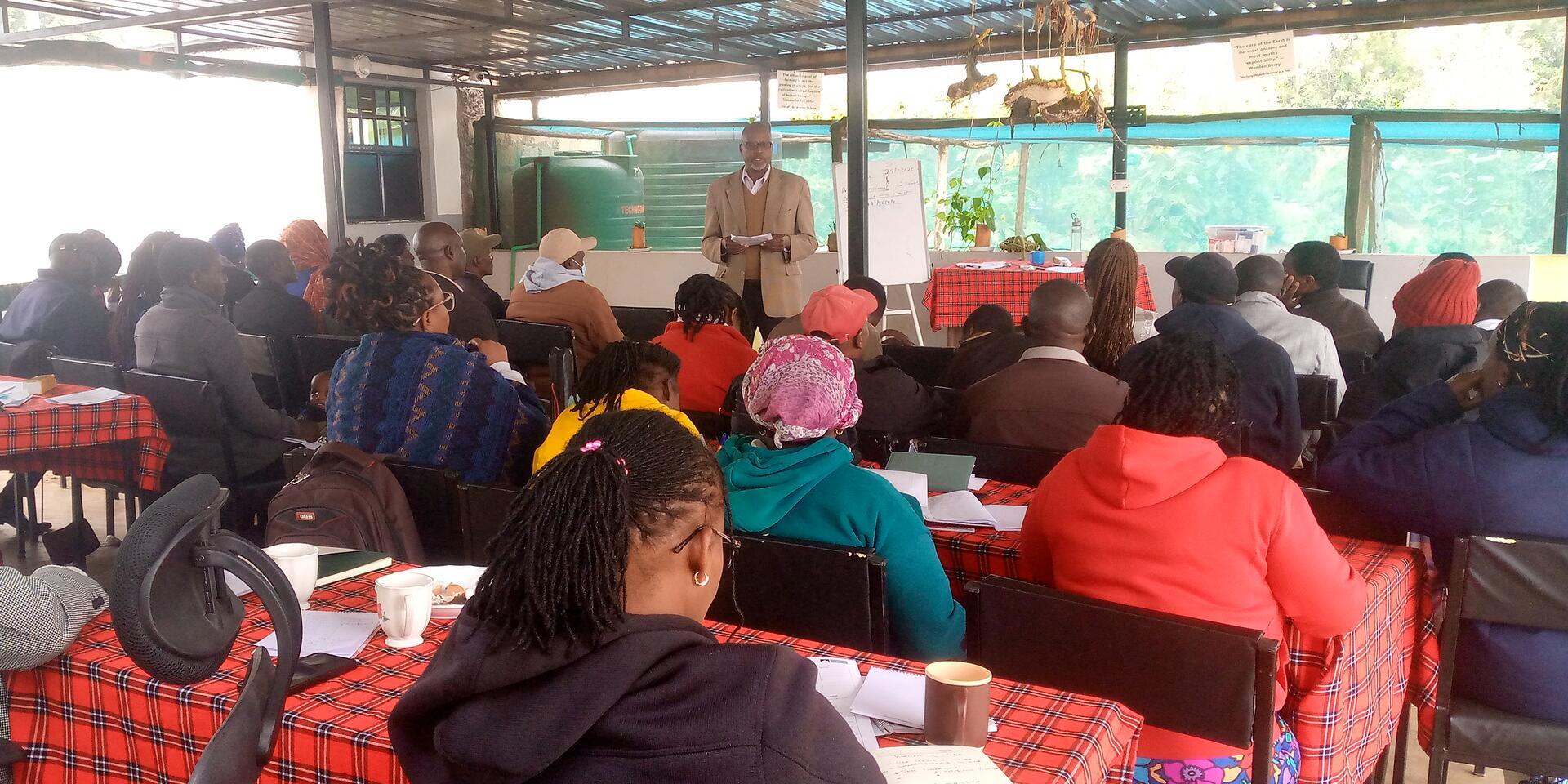
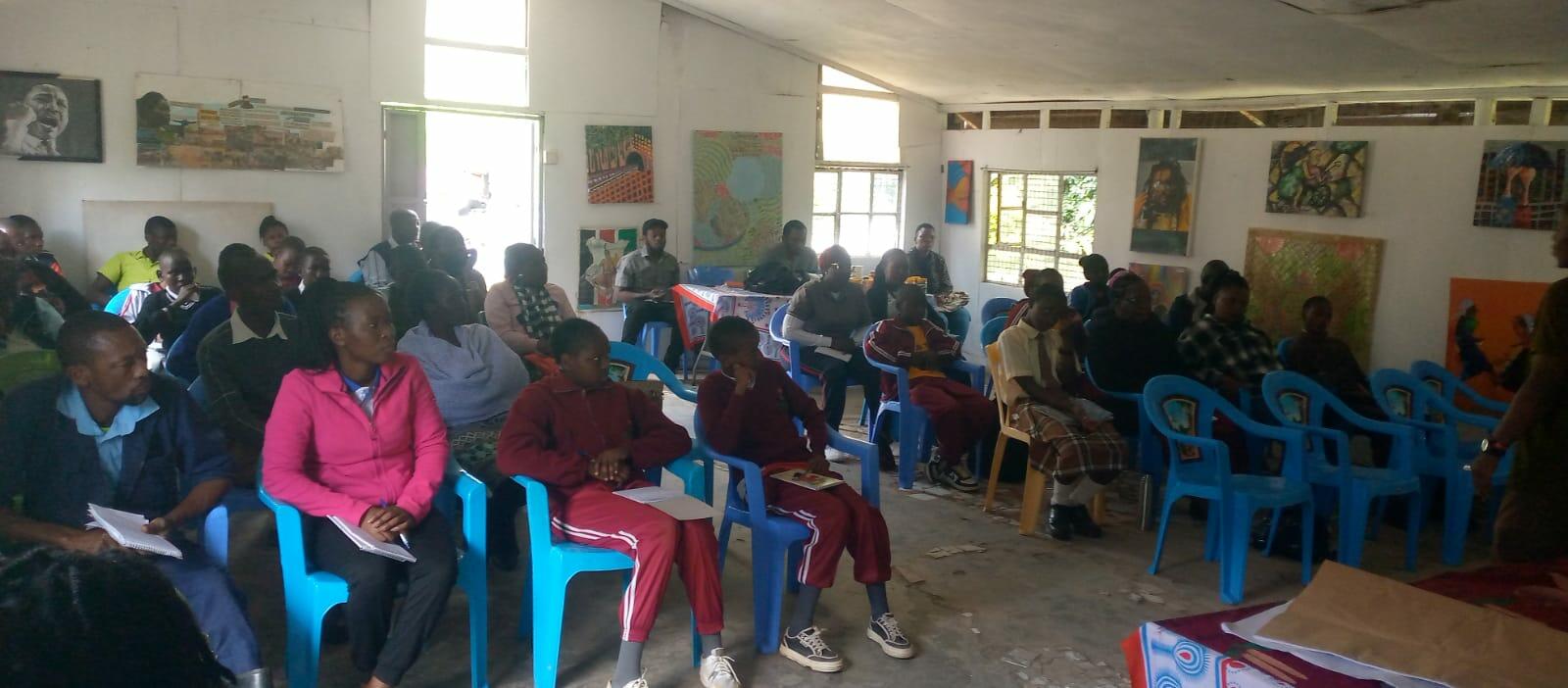
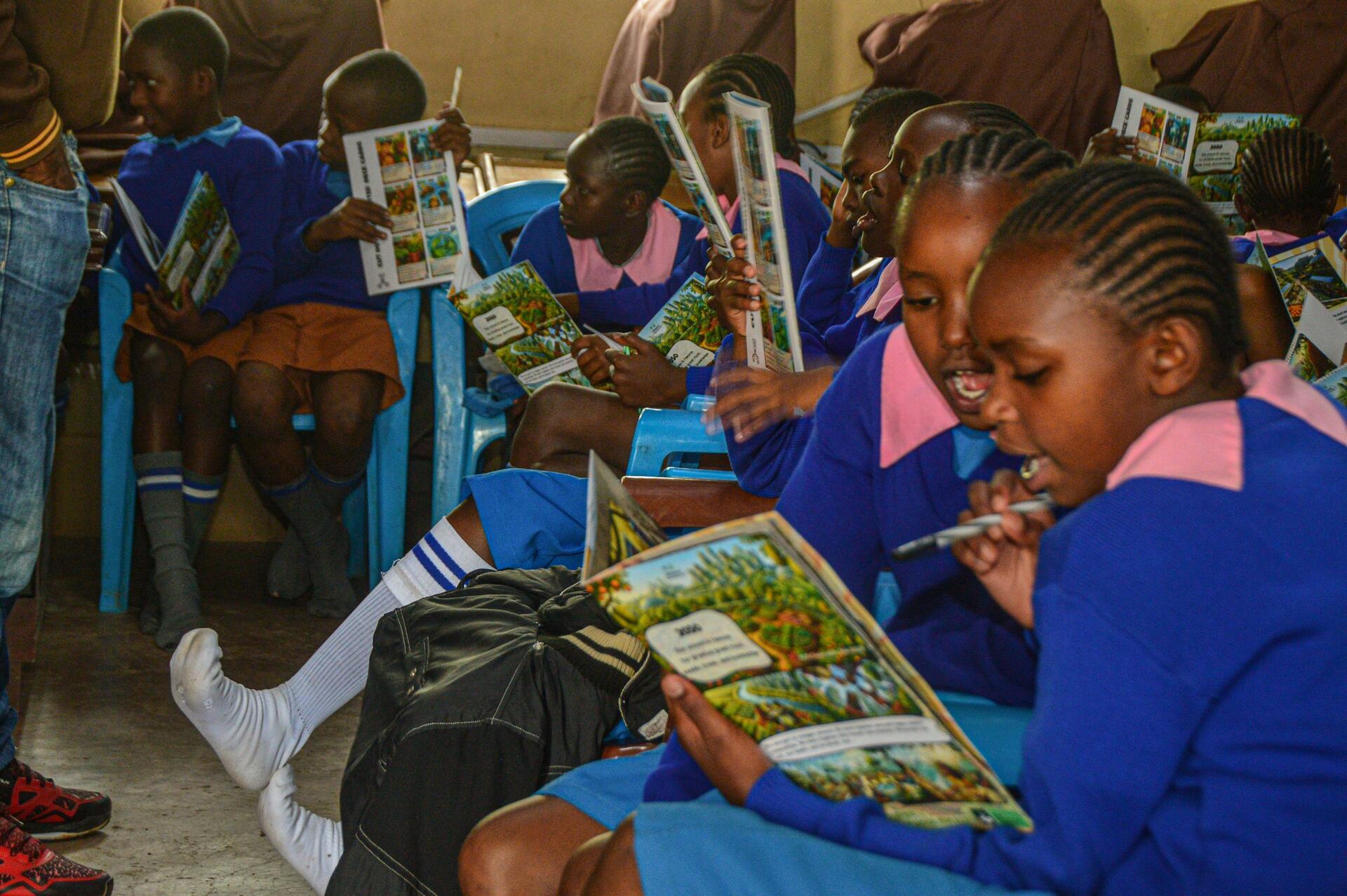
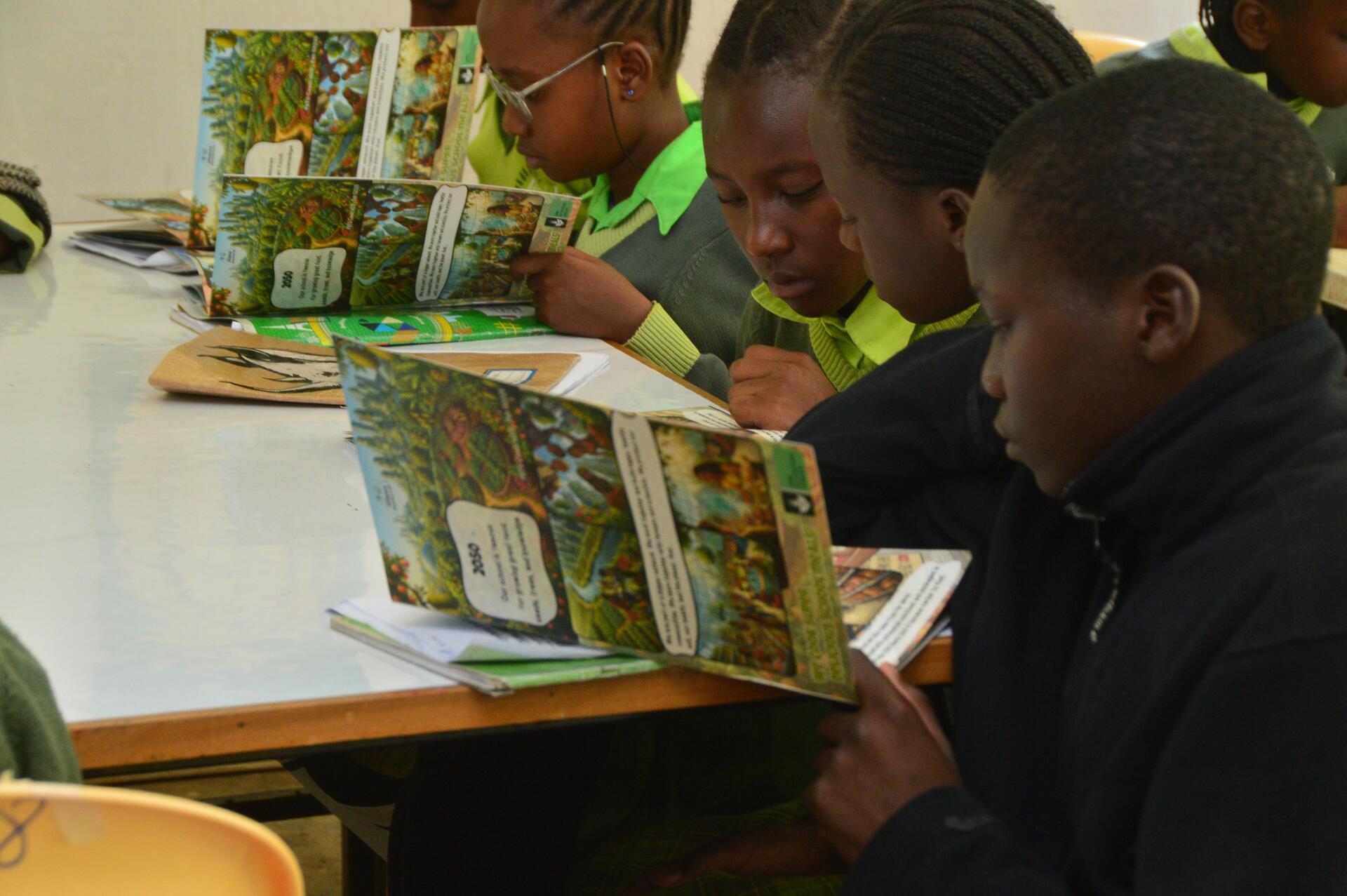
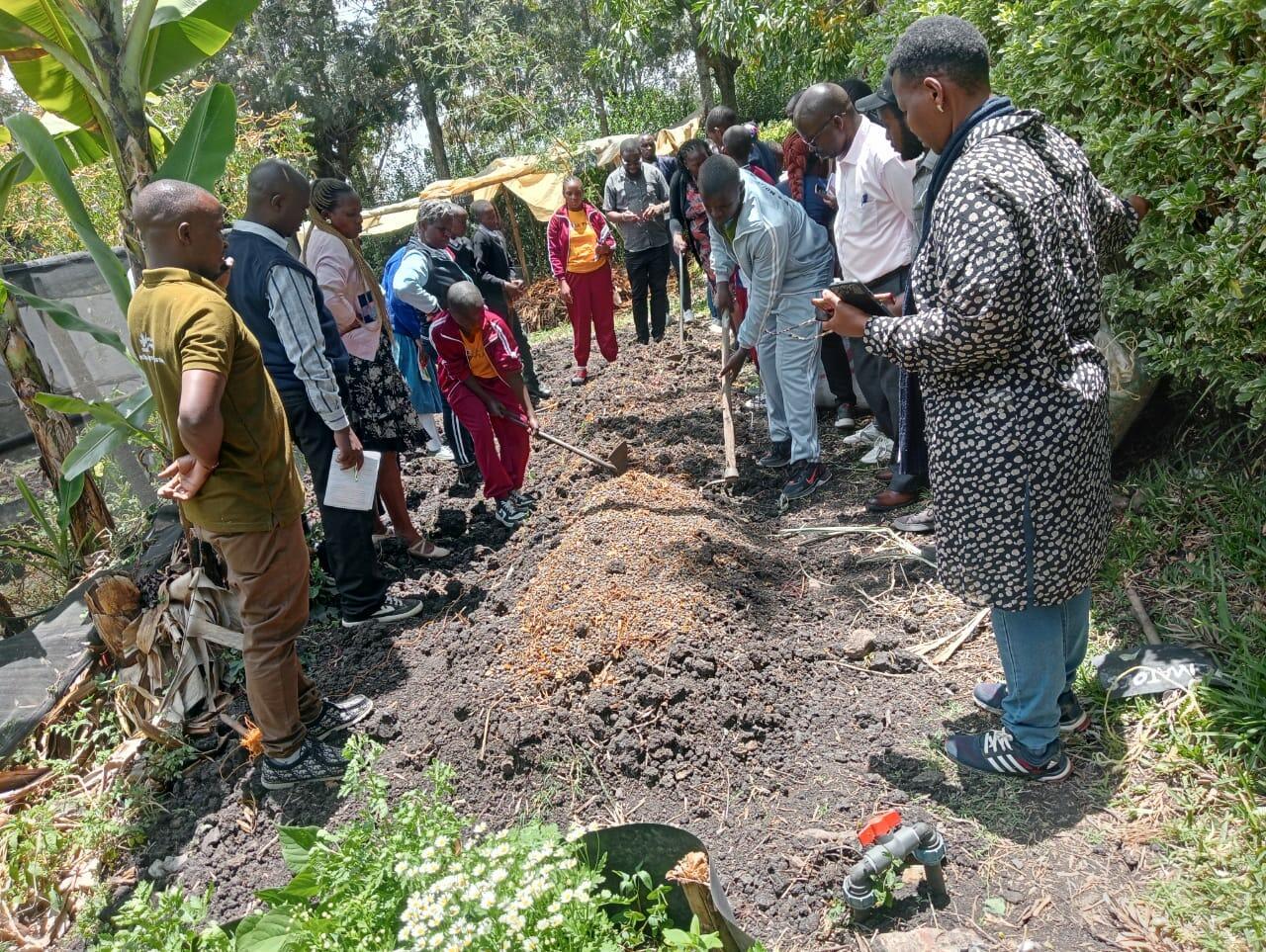
Through the B-REAL Project in Kenya, teachers, farmers, and parents are working together to transform schools into small “living labs” that connect education with resilient agriculture and landscape restoration. This approach supports three key initiatives:
- multipurpose tree nurseries that boost agrobiodiversity, carbon sequestration, and provide fruit and fodder;
- organic school gardens that offer hands-on learning in science, nutrition, and agroecology while producing safe food;
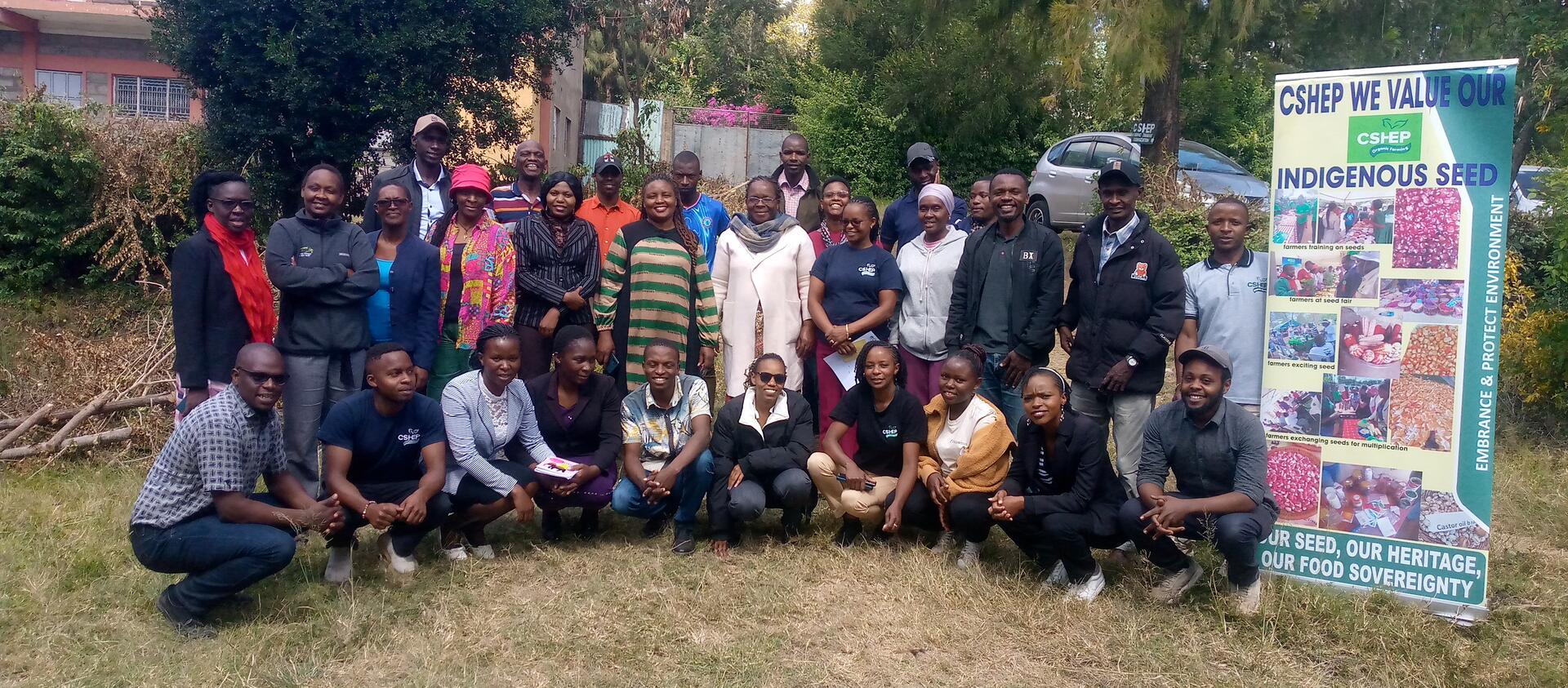
- and community seed banks that preserve indigenous crop varieties, strengthen climate resilience, and protect local food heritage.
B-REAL is also connecting local farmers organised in participatory guarantee systems (PGS) groups with local governments and school meal providers to support the provision of healthy school meals and provide a reliable source of income. This builds on the Alliance’s work in India to strengthen the link between local farmers and schools, where the Alliance and local partners are engaging with communities to identify and prioritize locally available, seasonal underutilised crops for inclusion in the school meal programme. The process ensures that local producers and consumers, who are often marginalized, have a voice in selecting crops that are familiar and acceptable to them.
Digital tools such as Diversity for restoration (D4R) and MyFarmTrees help farmers choose tree species responding to community needs and biodiversity conservation. This includes and ensures documentation, verification and quality control from seed collection to tree growth. In Cameroon, students and parents used the app to select and plant native tree varieties such as African walnut (Lovoa trichilioides) in schools. Meanwhile, under the SUSTLIVES project in Burkina Faso and Niger, students have established school gardens, strengthening awareness and consumption of traditional neglected and underutilized species such as Bambara groundnut, amaranth, roselle and moringa. The teacher’s training manual to replicate the course in other schools can be downloaded for free in French and English.
The Alliance also offers practical tools for policy makers. This pilot tool guides the inclusion of key indicators in food procurement policies to support planet-friendly school meals in low- and middle-income countries. It can function as a checklist, scoring template for refining tenders, monitoring and evaluation instrument, or a foundation for co-creating school feeding policies at the school, local, or national level. Complementing this, the a framework for advancing gender equality in HGSF programmes and a visual narrative that highlights entry points for social inclusion across production to consumption provide guidance for systematically integrating and monitoring gender and social considerations in HGSF programmes.
Way forward
As school feeding gains global visibility, it is important that interlinked dimensions of agrobiodiversity and gender are fully integrated in HGSF programmes, especially in the African context where smallholder farmers account for 85% of food production. Critically, these efforts will need to be underpinned by securing budgets, institutional capacities, and stable policy commitments to achieve synergistic benefits for the stakeholders and ecosystems that uphold school feeding programmes.
2026 is a promising year for agrobiodiversity and gender commitments worldwide. The World Biodiversity Forum (WBF) and the 2026 UN Biodiversity Conference (CBD COP 17) offer a timely opportunity to showcase the remarkable progress being made through HGSF programmes on a global stage. Through the CBD’s cross-cutting initiative on biodiversity for food and nutrition, schools are increasingly recognised as vital spaces for fostering understanding of biodiversity and its link to sustainable diets. At the same time, the International Year of the Woman Farmer (2026) draws attention to the need for systemic change to enable women to achieve their potential as producers and agripreneurs. This convergence of global initiatives offers a strategic moment to elevate HGSF as a model for food systems that are both biodiversity-friendly and gender-responsive.
Related publications
Related Stories