Blog Lessons from piloting a tool to monitor agrobiodiversity and social Inclusion in school meal programs in India
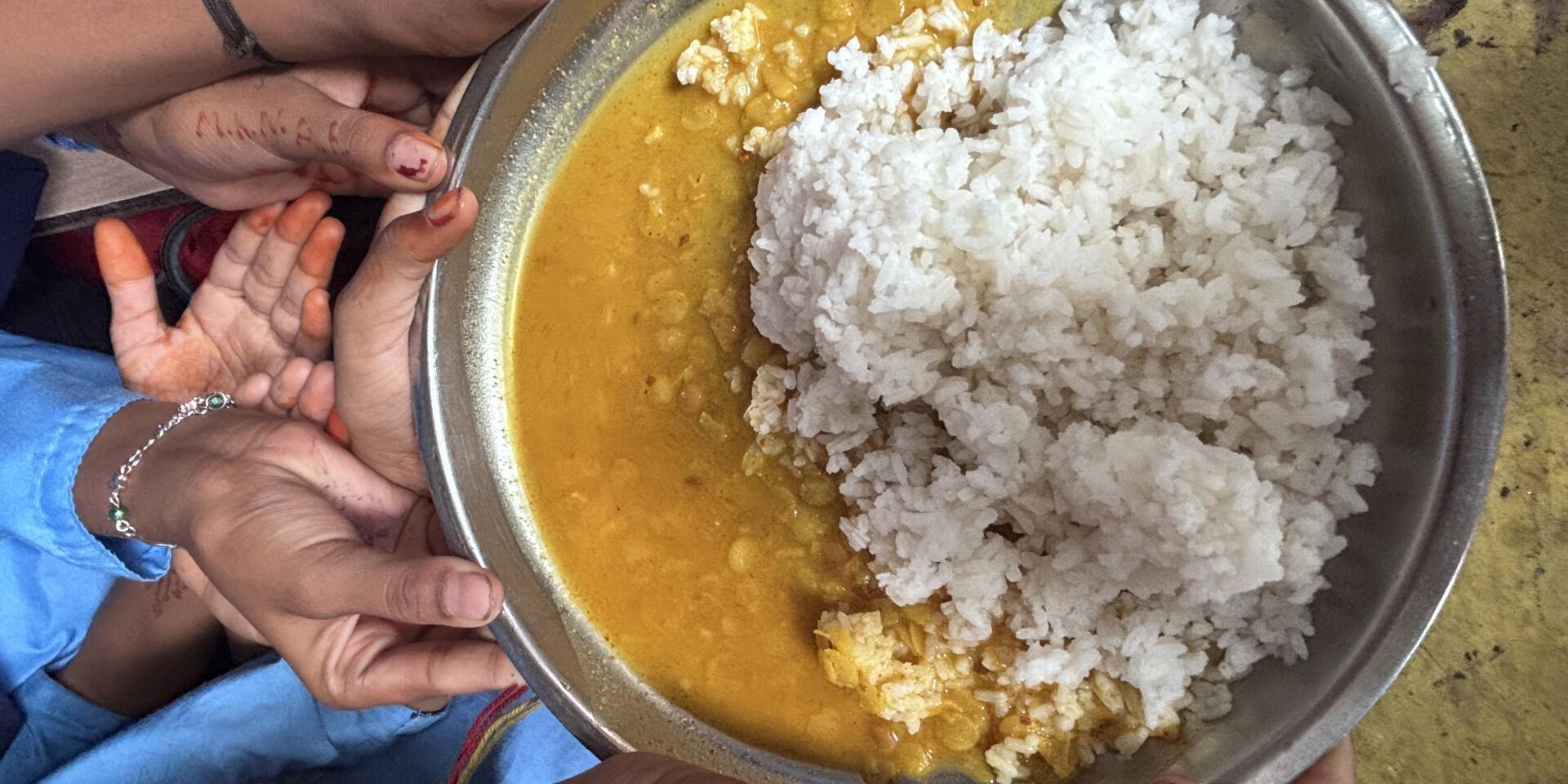

School meal programs in India reach millions of children daily and are widely recognized for their role in reducing hunger.
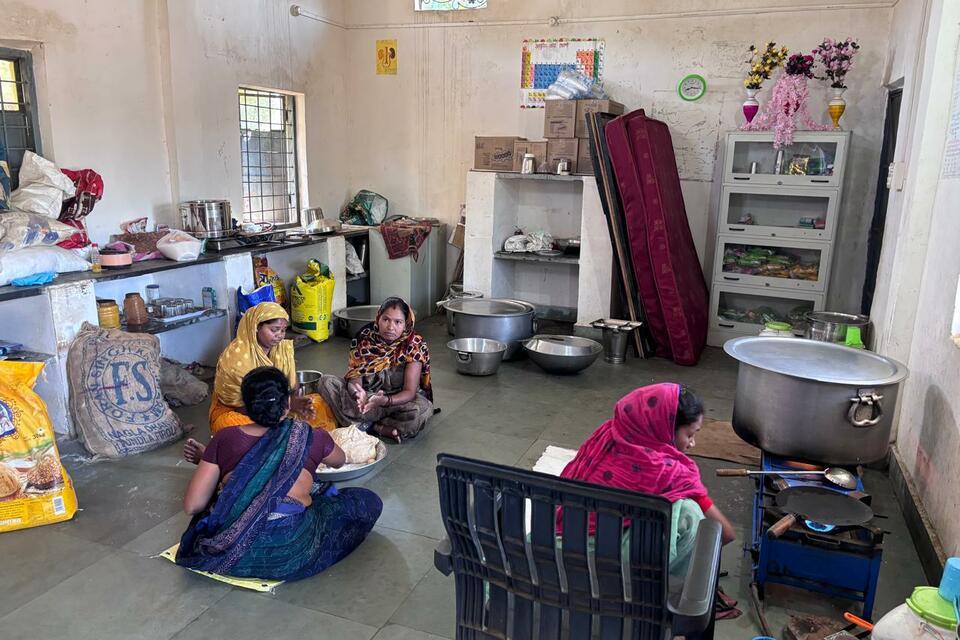
In Madhya Pradesh, India, the Alliance is working with the Professional Assistance for Development Action (PRADAN) to explore how school meal programs can support agrobiodiversity and advance gender and social inclusion - an initiative that moves beyond questions of menu composition alone. By unpacking and understanding the inner complexities of the food systems value in the school context, school meals are no longer merely delivery mechanisms but governance spaces where nutrition, biodiversity, equity, and local livelihoods intersect.
Why a monitoring tool was developed
Over the course of 2025, we mapped the locations of schools in Madhya Pradesh, collected information on school meal menus and menu design processes, and conducted informal interviews with school directors, parents and kitchen staff to gain an initial understanding of school food procurement strategies, stakeholder perceptions of meal programs, and extent to which these programs use locally grown and native species that support local farmer livelihoods.
This work provided several insights. While school meal programs are subject to extensive reporting and oversight, existing monitoring systems focus only on tracking meal delivery, regularity, quality, quantity and basic cost data. These systems do not systematically track foods served throughout the week, supplier selection processes, locations, quality standards, and practices used on the farms and processing plants from which suppliers purchase the food. This limits schools' ability to shape menus in ways that ensure children's daily nutritional requirements are met and create a socially inclusive market for locally and sustainably produced foods.
As a first step towards addressing this gap, the Alliance of Bioversity International and CIAT developed a survey-based tool designed to support structured reflection by schools, program teams, and local governance actors on how to source nutritious and planet-friendly school food through socially inclusive decision-making processes. The tool focuses on two interconnected priorities: the use of agrobiodiversity in school meals, and the inclusion of women and socially marginalized groups in planning and decision-making processes. We focus on these aspects with a view to complement and eventually integrate our tool into a larger school meal planning platform being developed by the School Meals Coalition.
Importantly, the tool was not conceived as a compliance mechanism or a performance ranking exercise. Instead, it is intended to help users characterize current practices, identify constraints and opportunities, and track change over time. From the outset, it was treated as a learning-oriented instrument, expected to evolve through iterative use rather than being finalized in advance.
As one of the school faculty stated,
“The tool will help us understand better about our status in terms of agrobiodiversity in school meals, our interconnectedness with local producers. The results from the tool can convince other schools and us to act to deliver inclusive and diverse school meals”.
The agrobiodiversity and social inclusion monitoring tool in school meal programs in India
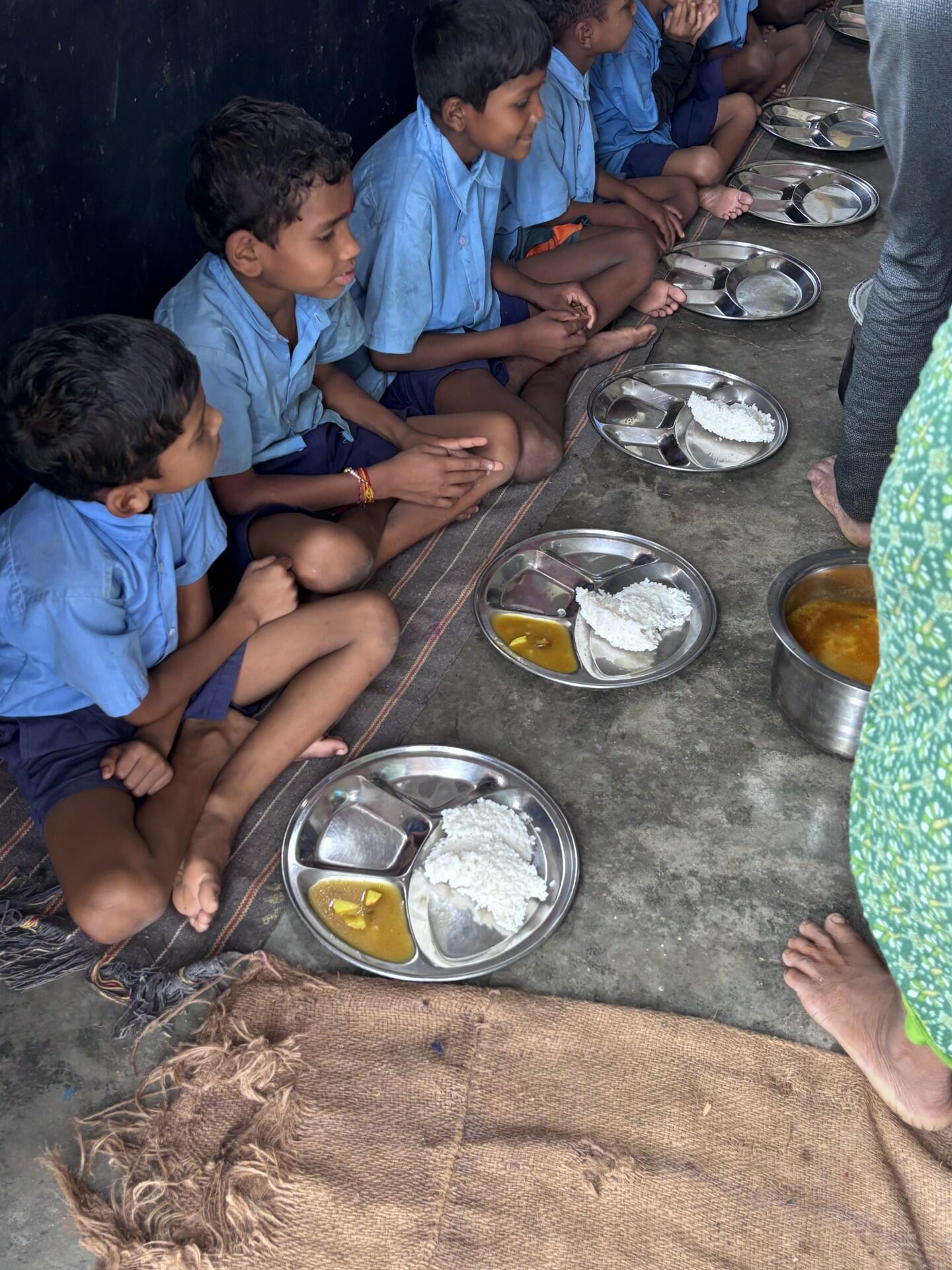
The agrobiodiversity and socially inclusive school meal monitoring tool includes 35 questions designed to collect information on six agrobiodiversity and 14 gender and social inclusion indicators, together with a set of context-specific questions to enable informed analyses. Each of the agrobiodiversity indicators is linked to one or more nutrition, biodiversity, climate mitigation outcome. For example, average species richness per meal is associated with improved child nutrition and directly helps to conserve food species diversity. Each social inclusion indicator captures a unique aspect of equity and inclusion, such as the association between women’s active participation in school meal planning committees and gender-inclusive meal planning decisions.
The tool was designed in Excel and converted to digital survey format using Microsoft Forms.
Where and how the tool was piloted
In December 2025, the tool was piloted with a small number of schools in Bichhiya, a block in the Mandla district of Madhya Pradesh. Primary respondents included school heads and cooks, reflecting their central roles in meal planning, procurement, and preparation.
The objective of the pilot was not to assess school performance, but to understand how the tool functioned in real institutional settings. To assess the practicality of using tool and collect user-advice on how to improve it, the pilot survey included four user-experience questions: how respondents interpreted key concepts, how feasible it was to answer the questions, how useful the tool felt for schools, and what support was needed for meaningful use. Space was intentionally created for open feedback, allowing respondents to comment on question framing, format, and relevance.
Learning from piloting: what worked, what did not, and why it matters
Survey responses across the three schools revealed clear patterns across selected agrobiodiversity and social inclusion indicators, alongside limitations in existing information systems.
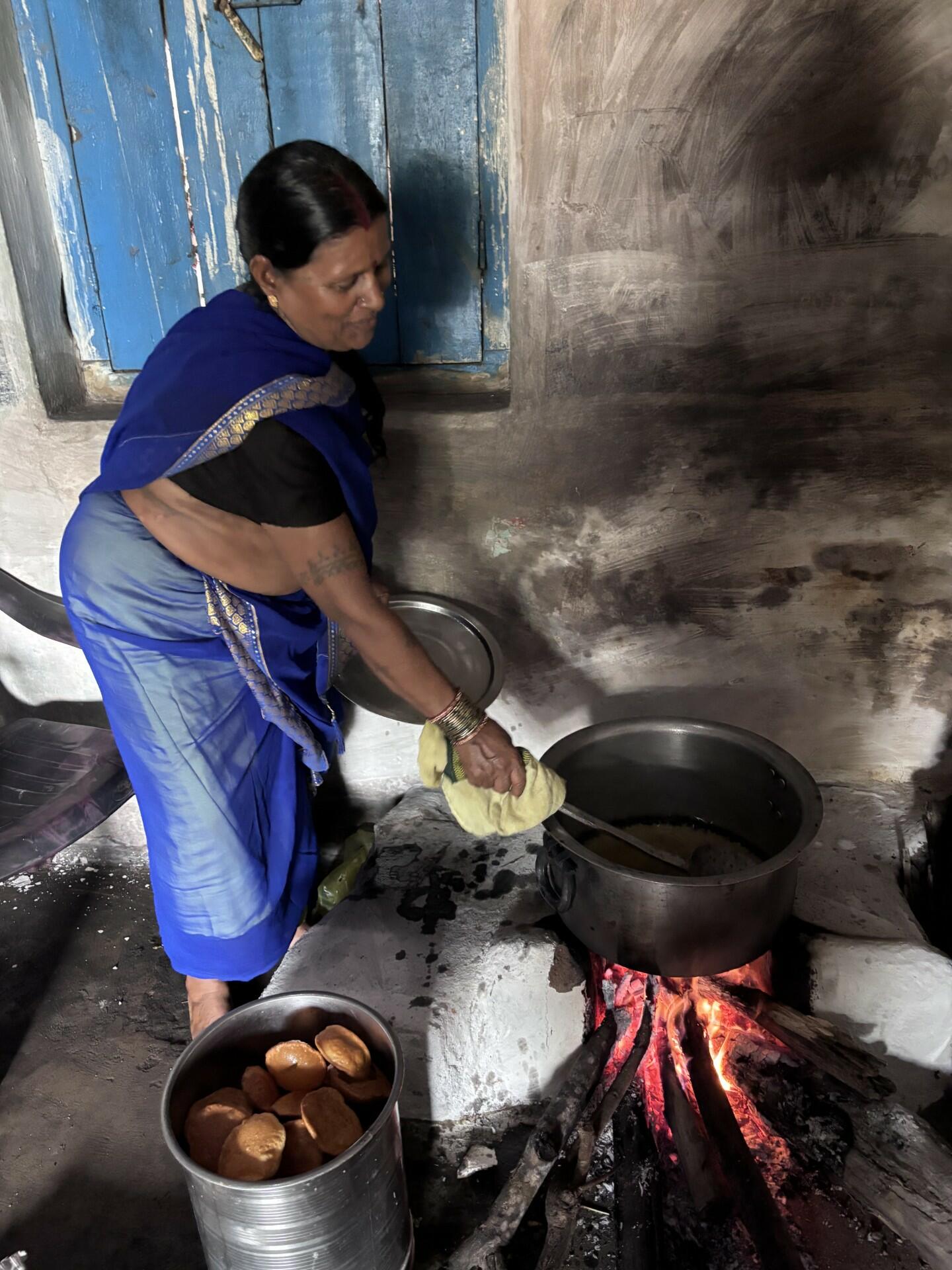
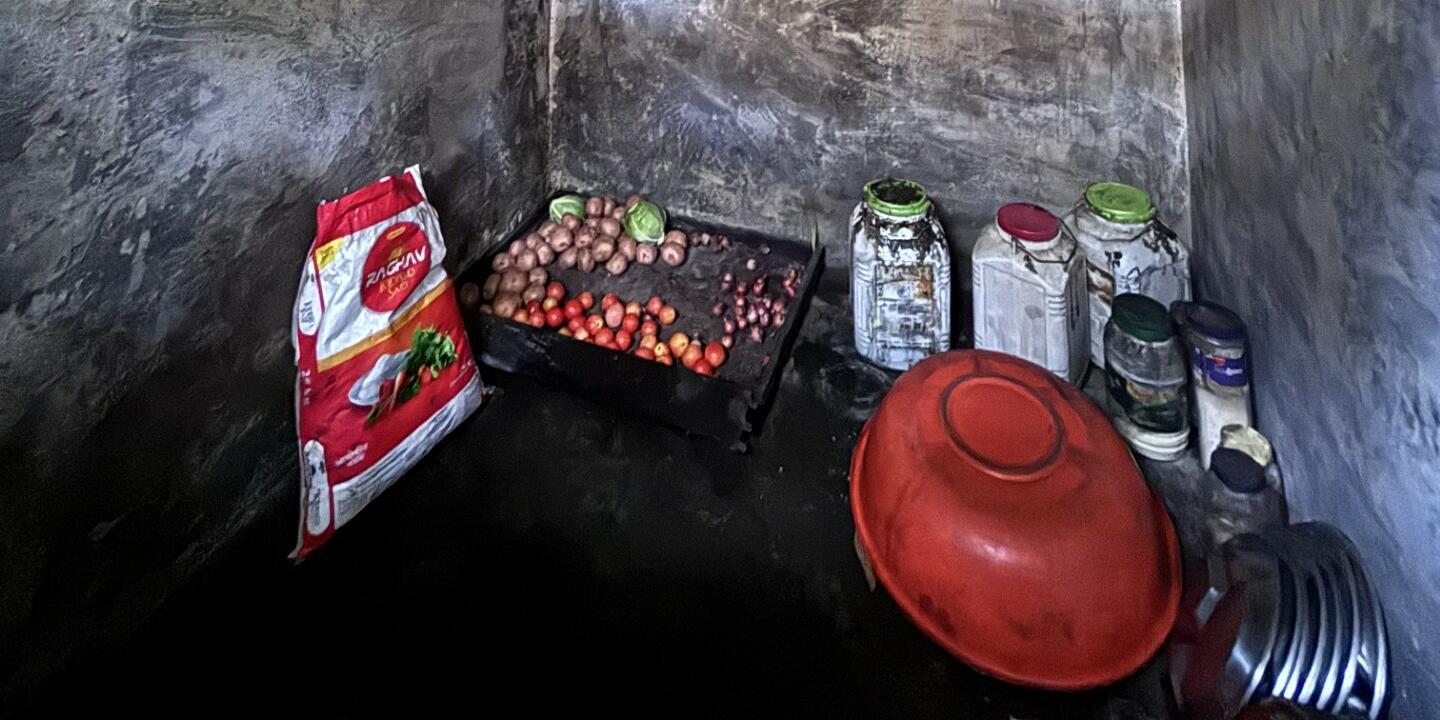
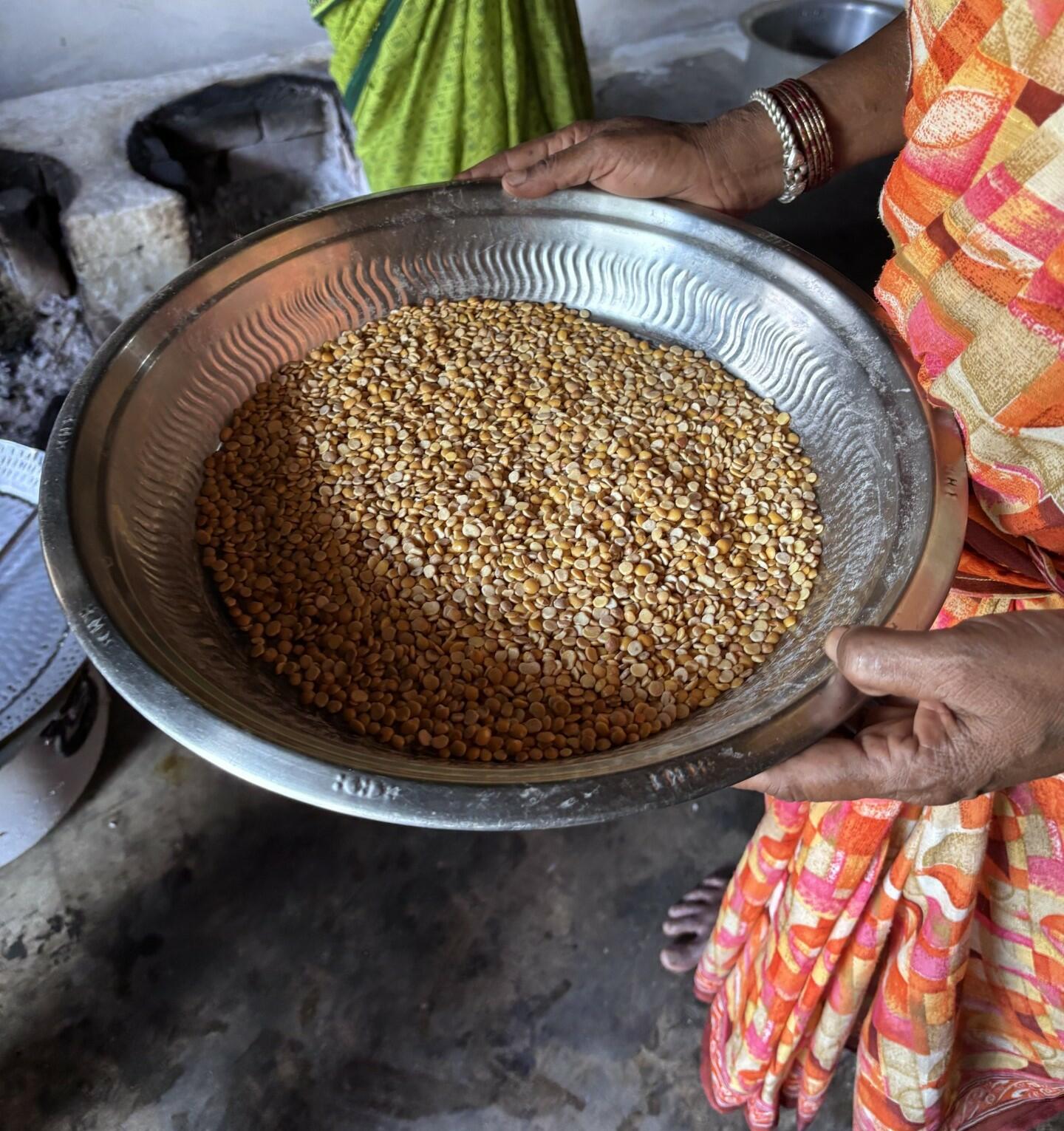
For agrobiodiversity, documentation of food items and menus was limited across all schools, making it impossible to calculate species richness per meal. Menus relied on a narrow range of commonly procured vegetables where less than 20% of food procurement was sourced from local producers or agroecological farms. The use of neglected and underutilized species, however, was low. Post-survey dialogue indicated that these patterns were shaped primarily by budget constraints, delayed fund disbursement, and procurement rules, rather than by a lack of interest among schools.
In the case of gender and social inclusion, all schools reported having a school meal committee, with women constituting more than 40% of members in two of the three schools. However, decision-making related to menu planning and procurement remained concentrated among a small number of actors, with limited active participation across committee members. Representation from Scheduled Tribes, Scheduled Castes, and Other Backward Classes was reported in all schools, though participation varied by role rather than by formal membership.
Overall, the results highlight that several indicator outcomes are strongly shaped by governance and financing arrangements beyond school-level control. This underscores the importance of interpreting results in relation to broader institutional and procurement contexts, rather than attributing outcomes solely to school-level practices.
“We understand the benefits of sourcing food from local and small-scale producers. However, budget constraints and delays in fund availability often make this difficult. As a result, we rely more on larger suppliers, who can provide food on credit.”
(School Head, female, 48)
The piloting also generated learning on how the tool functions in practice. Schools with prior engagement in sensitization and dialogue activities facilitated by PRADAN more readily understood the tool’s purpose and used it as a prompt for reflection. Where such engagement was absent, additional facilitation was required. Design and format also mattered: recall-based questions were difficult to answer, pointing to the need for shorter recall periods or improved menu records, and respondents preferred a printed version alongside the digital Microsoft Form.
The pilot further revealed how key concepts are interpreted through local lenses. For example, “local producers” were defined in social and administrative terms, such as neighboring villages or shared Panchayat boundaries, rather than by physical distance. This has implications for how indicators are described and interpreted in future use of the tool.
Moving forward
Piloting reaffirmed that monitoring tools gain meaning through use. The process surfaced assumptions, clarified limitations, and generated concrete guidance for refinement. Based on pilot feedback, several questions and response options in our monitoring tool are being revised. These include providing clearer definitions of what ‘local’ sourcing to ensure consistent responses, reframing questions related to portion size and meal serving practices, and adding an indicator to social wellbeing and inclusion across actors involved in school meal programs. The revised tool will be published online in 2026 to enable its use in other schools and projects to strengthen how agrobiodiversity and social inclusion are understood, monitored and acted upon within school meal programs.
This effort is led by the Alliance of Bioversity International and CIAT, with support from the CGIAR Policy Innovations and Multifunctional Landscapes Science Programs, in collaboration with the SHN Research Consortium and Imperial College London. The pilot was conducted with support from the Professional Assistance for Development Action (PRADAN), and in coordination with the Government of Madhya Pradesh, particularly the Department of Panchayat and Rural Development.
For further information or to explore opportunities to engage with this work, please contact the Agrobiodiversity Index global team leads Sarah Jones, and Natalia Estrada-Carmona.
Photos Credit: Meghajit Shijagurumayum/Alliance of Bioversity International and CIAT
The Alliance team

Meghajit Sharma Shijagurumayum
Post Doctoral Fellow
Sarah K. Jones
Scientist
Marlène Elias
Director, Gender and Inclusion
Natalia Estrada Carmona
Scientist – Landscape ecologist