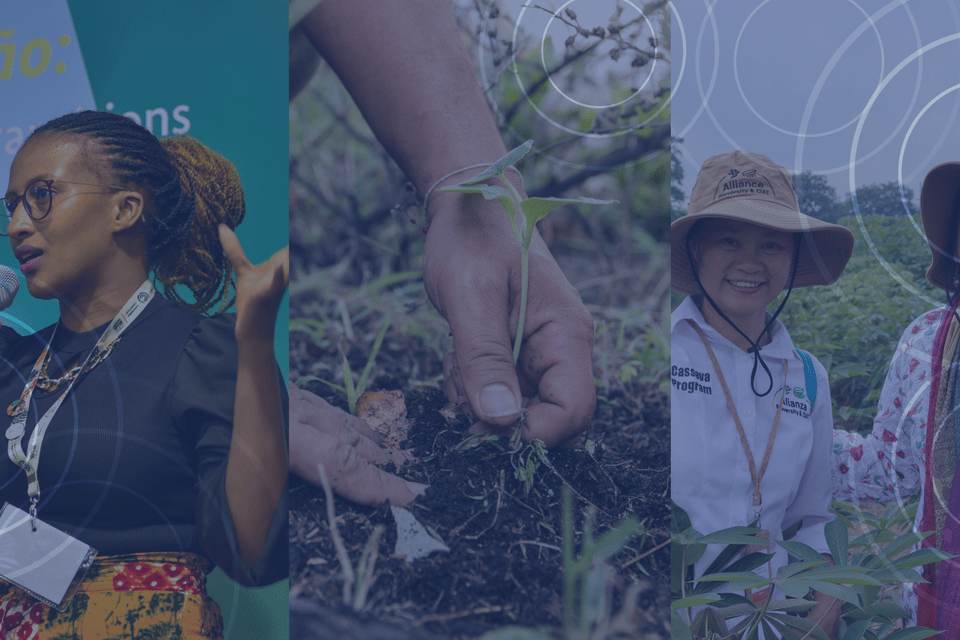
Blog New Strategies to Adapt Crops to Climate Change

Climate change is reshaping global agriculture, impacting the productivity of key crops.
Today, agriculture faces one of the greatest challenges in its history. Factors such as rising temperatures, variability in daytime and nighttime precipitation, and the increasing frequency of extreme events such as droughts, floods, and heatwaves are already significantly affecting the productivity of key crops such as rice, beans, cassava, bananas, and tropical forages.
In response to this scenario, the Alliance of Bioversity International and CIAT is leading a paradigm shift: climate is no longer seen as an external condition but as a key variable in crop breeding programs.
Through its Climate Action area, the Alliance integrates agroclimatic models, data analysis, and advanced tools to anticipate risks, guide management decisions, and accelerate the development of crops adapted to future conditions.
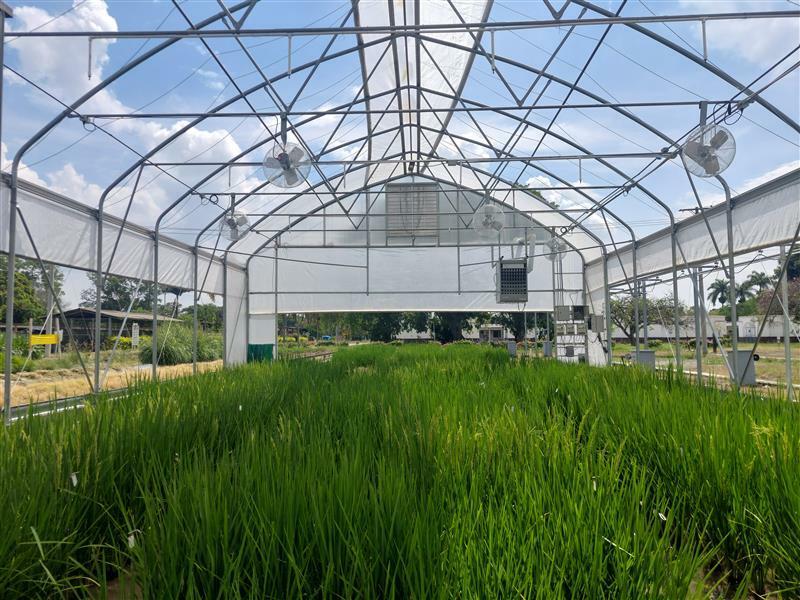
This approach enables the characterization of production environments, the identification of factors that limit crop growth and development, and the simulation of crop performance under different climate scenarios.
This translates into concrete results:
- Precise identification of abiotic stresses such as heat, drought, and flooding
- Characterization of production environments for more efficient decision-making
- Development of decision-support tools for farmers and decision-makers
- Definition of strategic criteria to guide genetic improvement and breeding
As explained by Camilo Barrios, Climate Action specialist researcher:
“The objective is to identify specific environments and the abiotic stresses that limit yield, such as heat, drought, or flooding, so that breeding programs can design more precise strategies.”
Colombia Case: Clear Evidence of Impact and Urgency
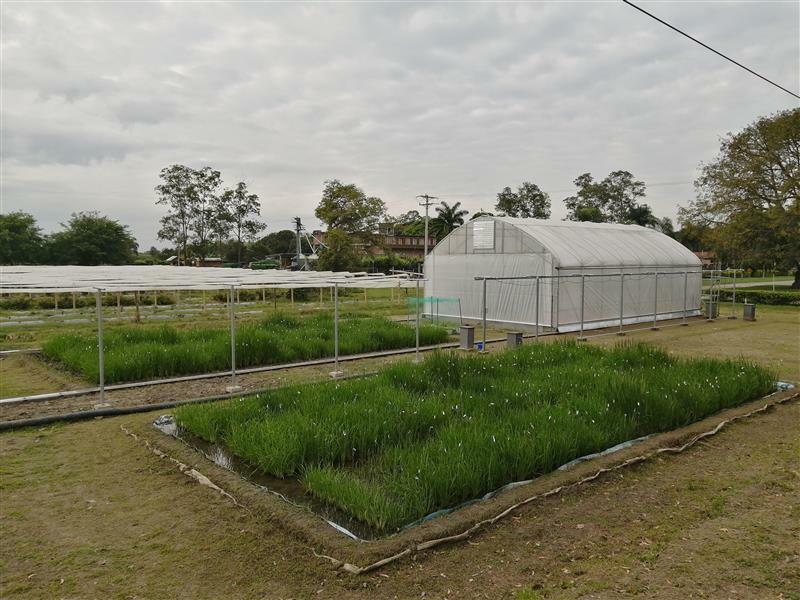
Rice in Colombia provides a compelling example of the value of this approach.
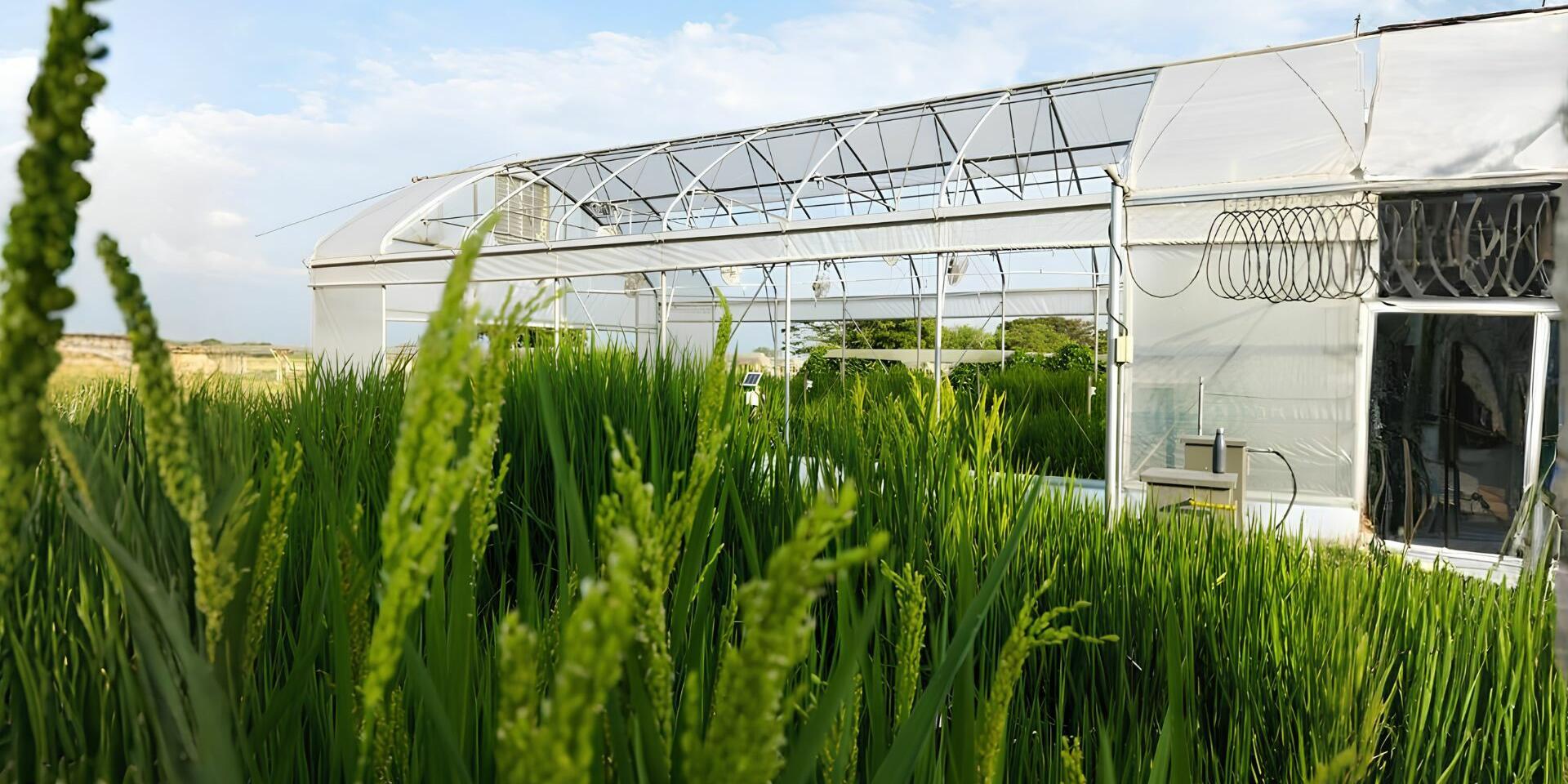
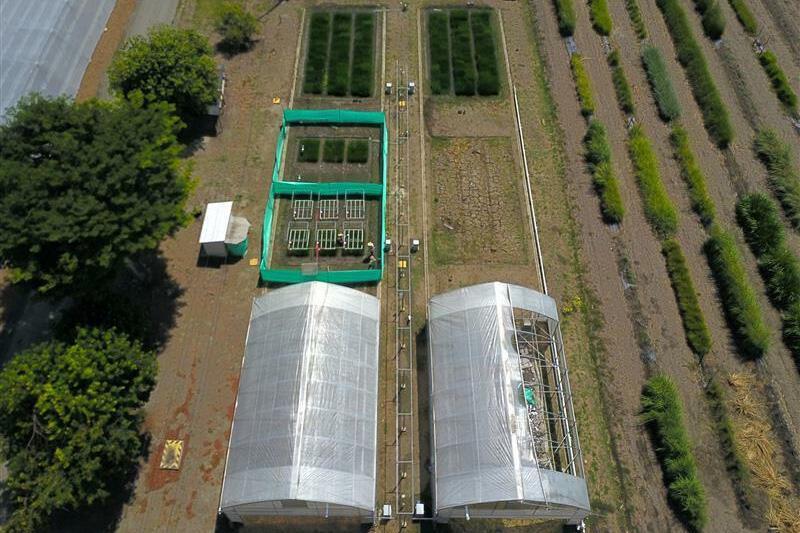
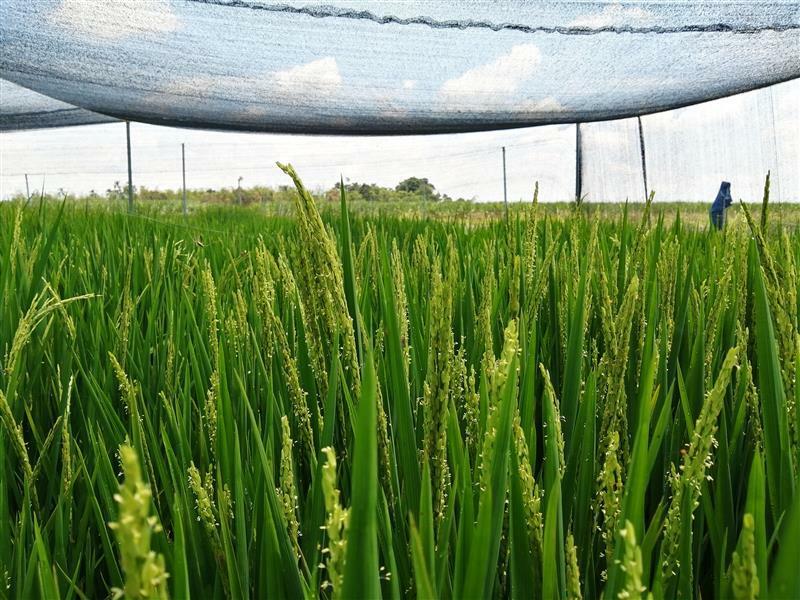
Studies based on modeling and experimental trials have identified that factors such as low solar radiation and high nighttime temperatures can lead to yield losses of up to 30%.
According to Eliel Petro, Associate Researcher at the Alliance:
“High nighttime temperatures and low radiation were identified as the main limiting factors, affecting not only yield but also grain quality.”
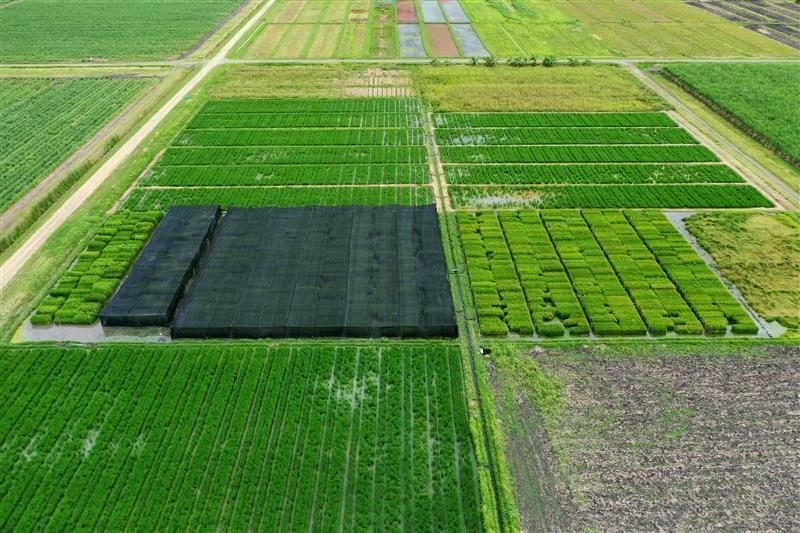
To address these challenges, nearly 600 genotypes from germplasm banks and breeding programs have been evaluated. As a result, materials tolerant to these conditions have been identified and used in crosses with lines and varieties of interest. These are currently in advanced breeding stages, with the goal of developing new varieties.
This progress helps reduce varietal development time and increases the likelihood of success under changing climate conditions.
Innovation with Impact: Decisions that Transform Production Systems
The value of this approach is not limited to the laboratory—it extends directly to the field.
The integration of climate, soil, and management data, supported by tools such as machine learning, enables the development of more robust analysis and prediction systems aimed at generating products such as:
- Recommendation systems for farmers
- Early warning systems for climate risks
- Timely adjustments in agricultural practices
- Optimization of resource use
As Camilo Barrios highlights:
“By integrating climate, soil, and crop management, we can simulate how crops will behave in different environments and generate key information for breeding programs.”
Recent evidence shows that timely access to climate information can significantly reduce crop loss risks and strengthen the resilience of production systems.
Global Scalability: From Latin America to Africa
This approach is already being implemented and validated across multiple crops and regions:
- Beans: identification of heat-tolerant lines with potential in Latin America and Africa
- Bananas: specific recommendations based on climate, soil, and management
- Cassava: early warnings of pests and diseases associated with climate conditions
- Tropical forages: expansion of methodologies for resilient livestock systems
Additionally, this research builds on more than a decade of collaboration with public institutions and international partners, including projects with Colombia’s Ministry of Agriculture since 2013, as well as initiatives in Brazil and Africa.
This demonstrates not only the scientific robustness of the approach but also its adaptability and scalability across different production contexts.
Climate Projections Reinforce the Urgency to Act
Climate projections for 2030, 2040, and 2050 indicate that climate change could reduce suitable rice-growing areas in Colombia from approximately 4 million to 1.8 million hectares.
Additionally, changes in precipitation are expected, with variations ranging from -5% to +8% in key regions, increasing uncertainty for agricultural production.
These scenarios make it clear that adapting crops is not an option—it is an evidence-based necessity.
A Strategic Opportunity for Investment in Impact-Driven Science
Incorporating climate as a key variable in crop breeding programs represents a unique opportunity to accelerate the transformation of food systems.
Investing in this approach allows for:
- Reducing risks in agricultural production
- Accelerating the development of resilient crops
- Strengthening global food security
- Generating scalable, data-driven solutions
- Connecting science with real-world impact
As Paola Mosquera, Rice Breeding Leader at the Alliance, states:
“These studies allow us to define which traits we must prioritize, not only for current conditions but also for those we will face in the future.”
Science that Transforms, Partnerships that Scale Impact
In a context of growing climate uncertainty, science must go beyond understanding problems—it must deliver concrete, measurable, and scalable solutions.
The Alliance of Bioversity International and CIAT is demonstrating that this is possible by connecting cutting-edge research with real-world decisions in the field.
Today, more than ever, strengthening strategic partnerships and mobilizing investment in this type of approach is key to ensuring resilient, sustainable, and equitable global food systems.
Team

María Fernanda Álvarez
Director, Crops for Nutrition and Health, and Program Leader, Rice Breeding and Genetics
Paola Andrea Mosquera
Scientist II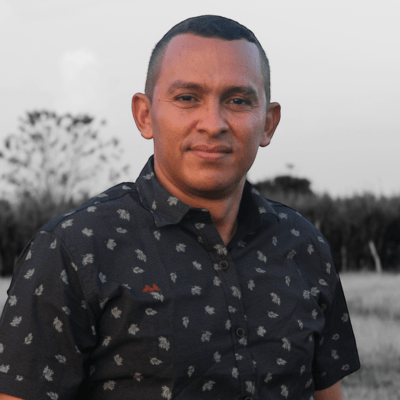
Eliel E. Petro
Senior Research Associate
Camilo Barrios-Pérez
Research Specialist in Agroclimatic Modeling - Leader of the Agroclimatic Modeling Team